Sep 03, 2024

Timedoor Academy Coding Competition in Egypt!

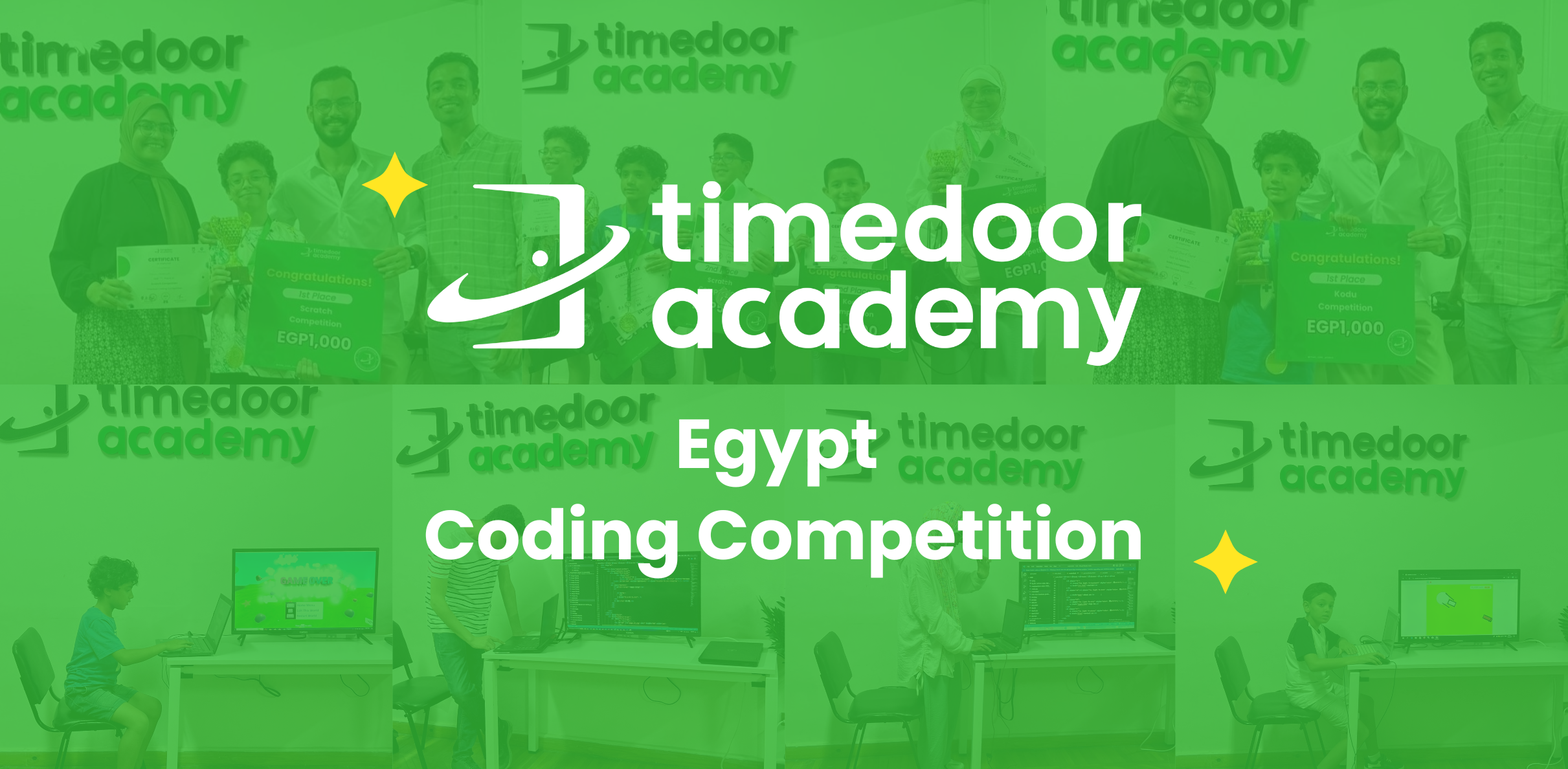
Timedoor Academy Coding Competition in Egypt! image

The youth showcase their impressive digital skills at the exciting Timedoor Academy Coding Competition in Egypt!

Timedoor Academy hosted its highly anticipated Coding Competition in Egypt from July 16th to July 31st, 2024. Exhibition of innovation and creativity. The event drew an impressive crowd accounting for 200+ bright participants from both online and offline classes in Egypt.

Timedoor Academy Coding Competition in Egypt

Overview of Coding Competition in Egypt!

The competition is divided into two exciting phases, each phase allows participants to showcase their skills in the game creation and website design.

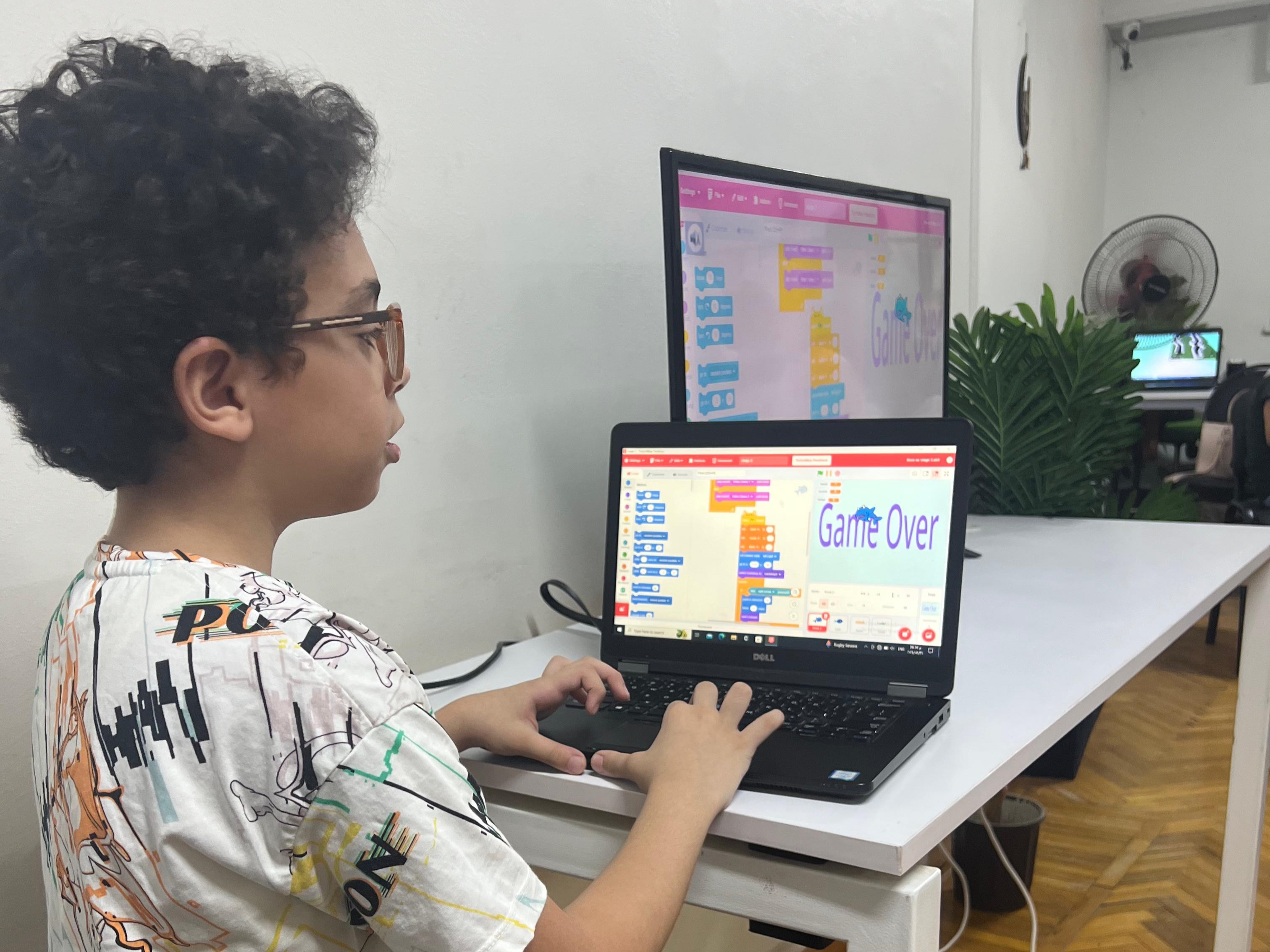
The initial round saw more than 50 enthusiastic coders putting their best foot forward. 

Coding Competition, kids coding

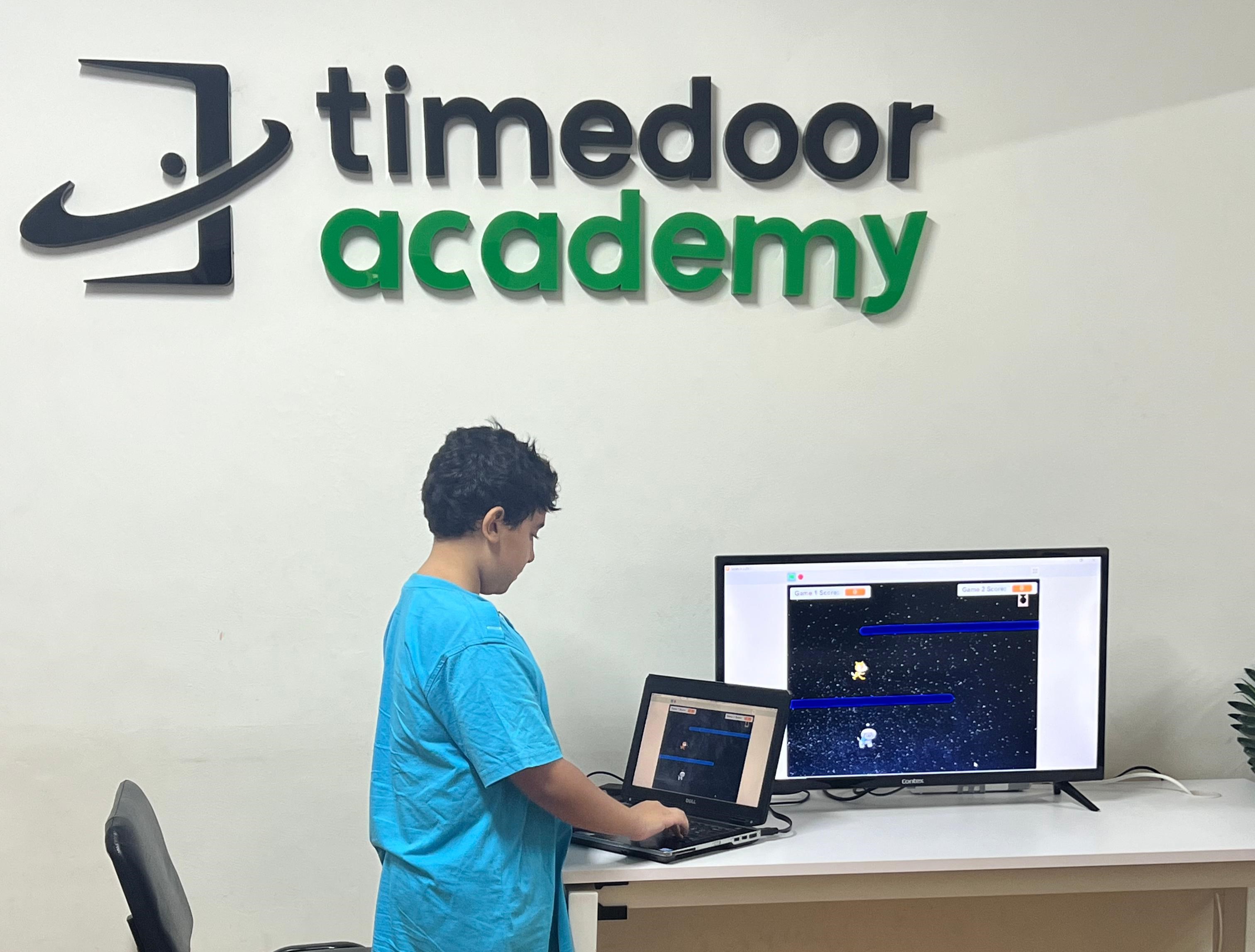
As the competition heated up, the top 20 participants from each category earned their spots in the final round, held at our branch in Misr Al-Gadeda.

Adding to the excitement, over 30 proud parents attended the finals to witness firsthand the incredible achievements of their children. This remarkable display of skill and creativity from Egypt’s young coders demonstrates promising talent emerging in technological aspects.

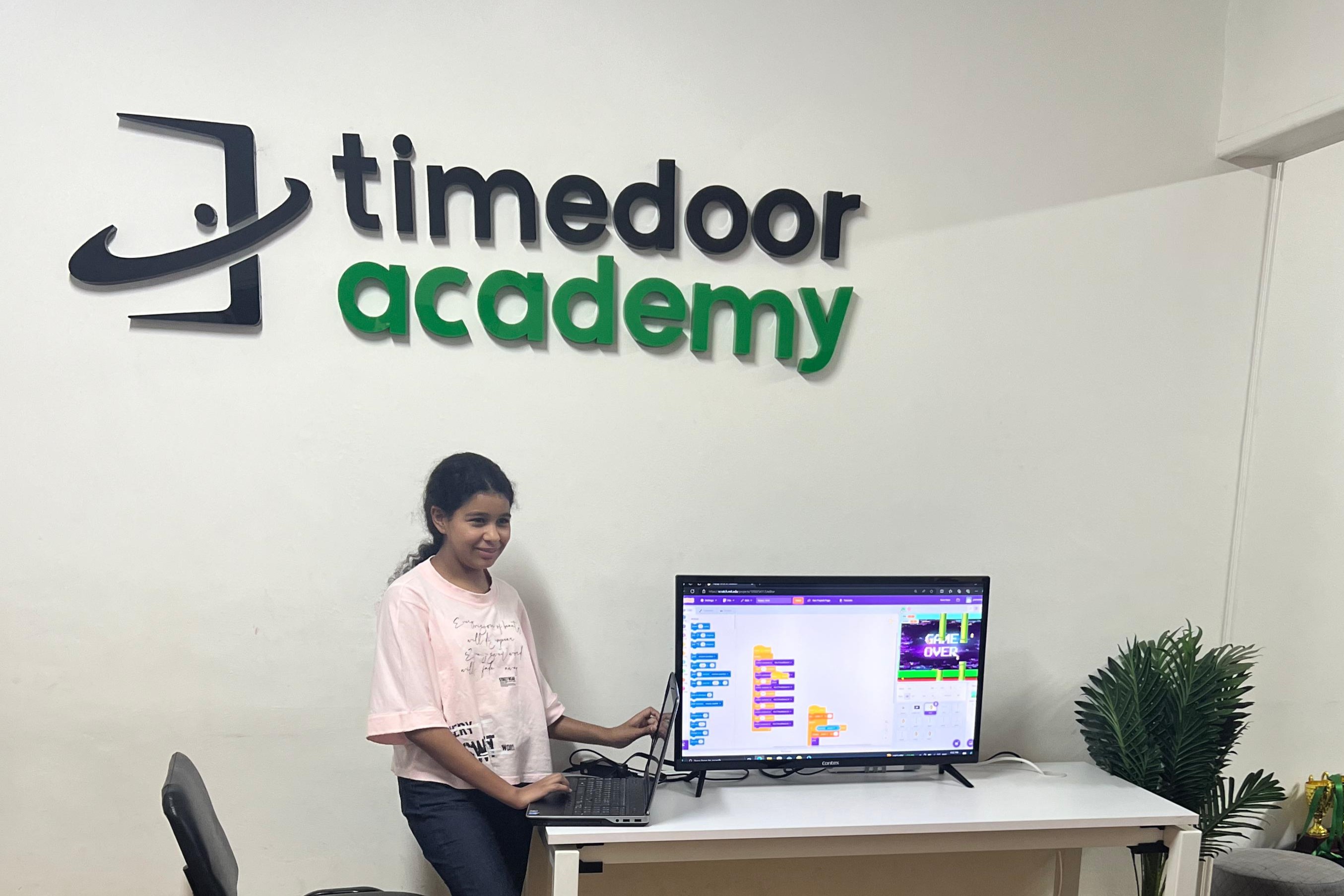
presenting coding result

This remarkable display of skill and creativity from Egypt’s young coders demonstrates promising talent emerging in technological aspects.

Highlights of The Event

At Timedoor Academy, we believe in nurturing the tech leaders of tomorrow. This competition was more than just an event but it was a celebration of young talent and bright future of technology in Egypt.

Winner of the Timedoor Academy Coding Competition in Egypt

To all our winners across categories: Bravo! Your hard work, creativity, and coding skills have truly set the bar high. 

Thank you to every participant who joined us on this journey with your passion and dedication have made this event truly special.

Stay tuned for more exciting updates and opportunities to shine at Timedoor Academy

Explore our cutting-edge courses and upcoming tech events by visiting our website. Don’t miss out – click here and start your digital adventure today!

Keep Reading

7 Important Reasons Why Understanding the Function of VR in the Future Will Change How Children Learn
Technology is advancing rapidly, and one of the most fascinating innovations shaping the future is Virtual Reality (VR). In the past, VR might have sounded like a concept from a science fiction movie, but today, this technology has become a real part of education, entertainment, and even professional training. With its ability to create deep and immersive experiences, the function of VR in the future is predicted to become one of the most important elements in the ever-evolving digital world. Virtual Reality allows users to interact with an artificial environment that feels realistic through headsets and sensors. In the context of education, this technology is not just a form of entertainment but also a bridge to deeper and more interactive learning. Children can explore outer space, study human anatomy, or even conduct scientific experiments virtually without any real-world risks. But how important is the function of VR in the future, and how can this technology shape the way our children learn and grow? Here are seven strong reasons why every parent needs to understand the great potential of this technology 1. Providing a More Realistic Learning Experience One of the most promising functions of VR in the future is its ability to provide immersive and realistic learning experiences. Instead of only reading books or watching videos, children can “enter” directly into the learning material. For example, when studying history, they can explore the Egyptian pyramids or witness historical events as if they were truly there. This experience-based learning improves children’s understanding of concepts and memory retention. With more sensory engagement, their brains process information in a more meaningful way. 2. Increasing Children’s Engagement and Motivation Learning is often a challenge for children, especially when teaching methods feel monotonous. Through the function of VR in the future, learning activities can turn into something exciting and full of adventure. Imagine children learning coding, physics, or biology in a virtual world where every lesson becomes an interactive game. VR provides a sense of exploration and discovery that keeps children more motivated to learn. Additionally, this technology helps children with visual or kinesthetic learning styles better understand material in ways that suit their strengths. 3. Developing Empathy and Social Awareness Beyond formal education, the function of VR in the future also plays an important role in developing empathy and social understanding. With VR, children can experience what it feels like to be in someone else’s situation, such as living in another country or understanding the challenges faced by individuals with physical limitations. These experiences broaden their perspectives and nurture values such as compassion, empathy, and respect for diversity. In an era of globalization, these abilities are invaluable in shaping a more inclusive and open-minded generation. 4. Supporting the Learning of Technical and Practical Skills In the future job market, many professions will use VR for training and simulation. Therefore, understanding the function of VR in the future becomes important from an early age. For example, in the medical field, students can use VR to practice surgery without any risk to real patients. In the aviation industry, trainee pilots can learn to control aircraft through realistic simulations. Even in design, architects can create and “walk through” virtual buildings before actual construction begins. Thus, children who are familiar with VR from an early age will have a competitive advantage in the future because they understand how this technology works and how to apply it in practical ways. 5. Encouraging Creativity and Innovation VR is not just about experiencing artificial worlds but also about creating them. One of the most powerful functions of VR in the future is its ability to nurture children’s creativity. Through VR platforms, children can design their own virtual worlds, create characters, or even program interactions within them. This offers great opportunities to combine imagination, art, and technology. Beyond being fun, the process also trains critical thinking and problem-solving skills that are essential for the future. 6. Providing a Safe Environment for Experimentation and Mistakes One of the greatest advantages of the function of VR in the future is its ability to create a safe environment for learning through trial and error. In a virtual world, children can experiment freely without fear of failure or causing real-world harm. This is especially useful in science, engineering, and programming education, where making mistakes is an important part of the learning process. Children can repeat simulations until they truly understand the concept, building confidence and healthy curiosity. 7. Opening New Opportunities in Education and Careers VR technology paves new paths in global education. With the function of VR in the future, children from different parts of the world can learn together in virtual classrooms, interact with teachers from other countries, and access high-quality educational resources without geographical limits. In addition, VR-based industries such as game design, app development, digital training, and entertainment will continue to grow rapidly. Children who understand and can adapt to this technology will have broader and more exciting career opportunities in the future. How Timedoor Academy Equips Children with Future Technology Understanding Timedoor Academy believes that the future of children is not only determined by academic ability but also by their understanding of technology. Through interactive and enjoyable learning, students are introduced to the world of coding, digital design, and innovative technology relevant to today’s advancements, including the function of VR in the future. Under the guidance of professional mentors, every child is encouraged to explore technology with curiosity, responsibility, and creativity. The goal is to help children become not just technology users, but innovative and forward-thinking creators. Start Your Child’s Technology Journey Today Technologies like VR are not just temporary trends but vital parts of children’s educational and career futures. If you want your child to be ready for the future with strong digital skills and a deep understanding of the function of VR in the future, now is the time to take the first step. Register your child for a free trial class at Timedoor Academy today and discover how digital learning can be fun, safe, and inspiring for their future.
Children Using AI In Esducation
How to Use AI in Kids Education: A Step-by-Step Guide to Revolutionizing Learning
AI in kids education is transforming the way kids learn by offering personalized, engaging, and effective learning experiences. Whether you're an educator, parent, or guardian, using AI-powered tools in children's education can make a significant impact on their academic success. This step-by-step guide will show you how to incorporate AI in kids education from understanding its role to effectively using it in everyday learning settings. Step 1: Understand The Benefit of AI in Kids Education The first step in using AI in kids education is to understand its potential benefits. AI-powered tools can: Personalize learning by adapting to each child’s pace and needs. Provide instant feedback to help children improve faster. Offer a variety of learning resources, such as videos, quizzes, and games, that keep kids engaged. Support children with special needs by providing tailored learning tools. These benefits create a dynamic and effective learning environment, enabling kids to excel at their own pace. Step 2: Choose the Right AI-Powered Learning Apps to Support AI in Kids Education Choosing the right AI-powered learning apps is essential to support your AI in kids education. Here are some popular options: Khan Academy Kids: Offers personalized learning paths for children aged 2-8 in subjects like math, reading, and problem-solving. DreamBox: A math-focused app for kids in kindergarten through 8th grade that adjusts difficulty based on the child’s learning pace. Scratch: A visual programming language for children to learn coding through interactive games and animations. Duolingo: An AI-driven language learning app that helps kids learn new languages with immediate feedback. By selecting the best apps, you can ensure that your kid receives the most effective AI-enhanced education. Step 3: Implement AI in Kids Education For Daily Learning Routines Now that you have the right tools, to support AI in kids education, it’s time to integrate AI-powered educational tools into your child’s daily routine: Daily practice: Encourage daily use of AI apps for short sessions to reinforce what they’ve learned. Homework help: Use Socratic by Google for assistance with homework and to provide explanations for complex problems. Interactive learning: Incorporate fun, hands-on activities using Tynker for coding or Osmo for interactive learning games. Integrating AI into daily routines helps children make steady progress while keeping learning fun. Step 4: Track Progress and Adjust Learning Paths of AI in Kids Education One key benefit of using AI in kids education is its ability to track progress. Most AI-powered tools provide built-in analytics that monitor a child’s performance. Here’s how to track and adjust: Review progress reports: Apps like DreamBox and Khan Academy Kids provide reports that show areas of strength and where improvement is needed. Adjust learning paths: Based on progress reports, you can adjust your child’s learning path to focus on areas where they need more practice. Set goals: Work with your child to set goals and use AI data to track their achievements and motivate them to reach milestones. Regularly reviewing progress ensures the learning experience remains effective and keeps your children challenged. Step 5: Use AI in Kids Education to Support Special Education Needs AI in Kids Education can significantly support children with special educational needs. Personalized learning tools cater to the unique needs of each child, providing a more inclusive educational experience. Examples include: Speech recognition tools for children with hearing impairments or speech delays. Visual aids for children with autism spectrum disorders to better understand concepts. Cognitive training apps to improve focus and memory for children with ADHD. AI-powered tools designed for special education help create an inclusive learning environment where every child can thrive. Step 6: Foster Collaboration with Group Learning of AI in Kids Education AI is not just for individual learning—it also supports group learning. Many AI-powered apps allow children to collaborate on projects. Here’s how: Group challenges: Apps like Scratch and Tynker allow children to collaborate on coding projects, fostering teamwork and creative problem-solving. Peer learning: Platforms like Google Classroom foster group discussions and collaborative learning with real-time AI feedback. Teacher-student collaboration: AI tools assist teachers in monitoring group projects and providing personalized feedback to each student. Group learning with AI promotes communication and teamwork while enhancing learning outcomes. Step 7: Monitor Safety and Well-being of AI in Kids Education It’s essential to ensure that AI in Kids Education uses AI tools in a safe environment. Here are some key safety measures: Limit screen time: Set time limits for using AI apps to avoid overuse and encourage breaks. Monitor activity: Track the content your child engages with to ensure it is age-appropriate. Privacy settings: Ensure the apps have proper privacy settings and don’t collect unnecessary personal data. By monitoring your child’s use of AI tools, you can ensure a safe and productive learning experience. The Future of Learning with AI in Kids Education Using AI in kids education is revolutionizing the way kids learn, offering personalized, engaging, and inclusive learning experiences. By following these steps—understanding AI’s benefits, choosing the right tools, implementing them in daily routines, tracking progress, and ensuring safety—you can help your child make the most of AI-powered education. At Timedoor Academy, we leverage AI to enhance children's learning experiences, helping them develop critical skills like coding, problem-solving, and creativity. Join our free trial class and give your child the tools they need to succeed in the future of education.
Pengumuman Resmi Penghargaan Holiday Camp Juni - Juli 2025
Official Announcement of Holiday Camp Awards June to July 2025
Holiday Camp 2025 was successfully held from June 9 to July 11, 2025, with over 500 participants from all over Indonesia!This year was even more special with the launch of a new program: English Camp, which made the learning experience even more fun and comprehensive. The 5-day Holiday Camp at Timedoor Academy was designed for students who wanted to learn coding or design based on their interests. Various programs were available, such as Python Development, Roblox Development, Artificial Intelligence, UI/UX Design, and Comic Making. With guidance from professional instructors and exciting, challenging projects, participants were able to improve their digital skills according to the subject they chose. Today, we are proud to announce the participants who are entitled to receive awards for Best Project and Best Participant.Please see the list of winners below: JUNIOR ANIMATOR CATEGORY PARTICIPANT’S NAME BRANCH Best Project Rafie Dhanapati Tang Jambi Best Participant Adifa Khairisa Hamdel Pekanbaru JUNIOR 3D GAME CATEGORY PARTICIPANT’S NAME BRANCH Best Project Albercio Javier Zafran Green Lake City Best Participant Feni Chandra Kirana Cikarang JUNIOR CONSTRUCT CATEGORY PARTICIPANT’S NAME BRANCH Best Project Aira Meta Letisha Jambi Best Participant Raditya Alvarendra Ramadhan Cikarang KIDS CONSTRUCT BEGINNER + WEBSITE CATEGORY PARTICIPANT’S NAME BRANCH Best Project Komang Tribuana Devi Danu Asri Gatsu Bali Best Participant Nyoman Ngurah Reyndra Devananta Gatsu Bali KIDS MACHINE LEARNING CATEGORY PARTICIPANT’S NAME BRANCH Best Project Altair Jordan Wiryadhika Palembang Best Participant Nathanael Gusti Ngurah Gyanendra Raditya Cikarang KIDS ANDROID APP DEVELOPER CATEGORY PARTICIPANT’S NAME BRANCH Best Project Andi Kayla Fatmah Jambi Best Participant Marvella Alexa Jambi KIDS ROBLOX FIND THE PIZZA (V1 & V2) CATEGORY PARTICIPANT’S NAME BRANCH Best Project Joanna Glory Celia Tampubolon Pontianak Best Participant Mikaela Larasatiningrum Widharto Cikarang KIDS PYTHON CATEGORY PARTICIPANT’S NAME BRANCH Best Project Muhammad Nabhan Rinaldi Makassar Best Participant Dhiyo Lucas Iswantoro Manado KIDS AI DEVELOPER CATEGORY PARTICIPANT’S NAME BRANCH Best Project Rafael Lorenzo Citraland Best Participant Felix Parulian Kurniawan Online ID TEENS PHASER CATEGORY PARTICIPANT’S NAME BRANCH Best Project I Putu Abyakta Dhika Kurniawan Renon Best Participant Addo Darian Peejaya Renon TEENS WEB DEVELOPER CATEGORY PARTICIPANT’S NAME BRANCH Best Project Quraisy Aqila Rafif Cikarang Best Participant Awwalun Tangguh Firjatullah Citraland TEENS ROBLOX NEVERLAND SURVIVAL (V1 & V2) CATEGORY PARTICIPANT’S NAME BRANCH Best Project Rafael Geovanni Kelapa Gading Best Participant Ignasius Tristan Widharto Cikarang TEENS PYTHON CATEGORY PARTICIPANT’S NAME BRANCH Best Project Arkaan Fatih Safaraz Pekanbaru Best Participant M. Izyan Adly A Gayungan TEENS APP DEV CATEGORY PARTICIPANT’S NAME BRANCH Best Project Vannesa Feryan William Medan Maimun Best Participant TEENS AI DEV CATEGORY PARTICIPANT’S NAME BRANCH Best Project Udara Alouin Arauna Situngkir Kelapa Gading Best Participant Callie Angeline Sutanto Online ID  TEENS IoT CATEGORY PARTICIPANT’S NAME BRANCH Best Project Darren Hanzel Kelapa Gading Best Participant Jonathan Isaac Santoso Citraland  COMIC KIDS CATEGORY PARTICIPANT’S NAME BRANCH Best Project Alyaa Kunaziza Werdaya Online ID Best Participant Malika Della Sachanda Online ID  COMIC TEENS CATEGORY PARTICIPANT’S NAME BRANCH Best Project Arisha Qurrotua'yunina Online ID Best Participant Raphaella Generosa Simanjuntak Gatsu Bali  DESIGN ANIMATION CATEGORY PARTICIPANT’S NAME BRANCH Best Project Amos Gracio Immanuel Harapan Indah Bekasi Best Participant Regina Sayo Harapan Indah Bekasi  UI/UX APPS CATEGORY PARTICIPANT’S NAME BRANCH Best Project Sherin Magdalena langelo Cikarang Best Participant Daffa Muhammad Cikarang ENGLISH CAMP CATEGORY PARTICIPANT’S NAME BRANCH Best Participant I Gede Bagus Aksara Abinaya Gatsu Bali
float button