Jul 15, 2022

Friend Referral – Sales Partner Program

Friend Referral – Sales Partner Program image

Timedoor Academy is looking for sales partner who can help to introduce our service to your network. Increase your earnings with our higher conversion rate to introduce our education service to kids, teens age 5 years old – 18 years old.

Flow of  Business

1.Register as a Partner at +628814677923 then get a Referral Code and marketing tools (video, e-booklet, e-poster)

2. Tell your friends about Timedoor coding academy and provide the referral code.

3. Your friend will contact our admin for free trial.

4. If they join, you will get a commission and your friends will get a discount.

Contact Us to be our sales partner now!

Keep Reading

Why Coding for Kids Is Ideal Starting at Age 5
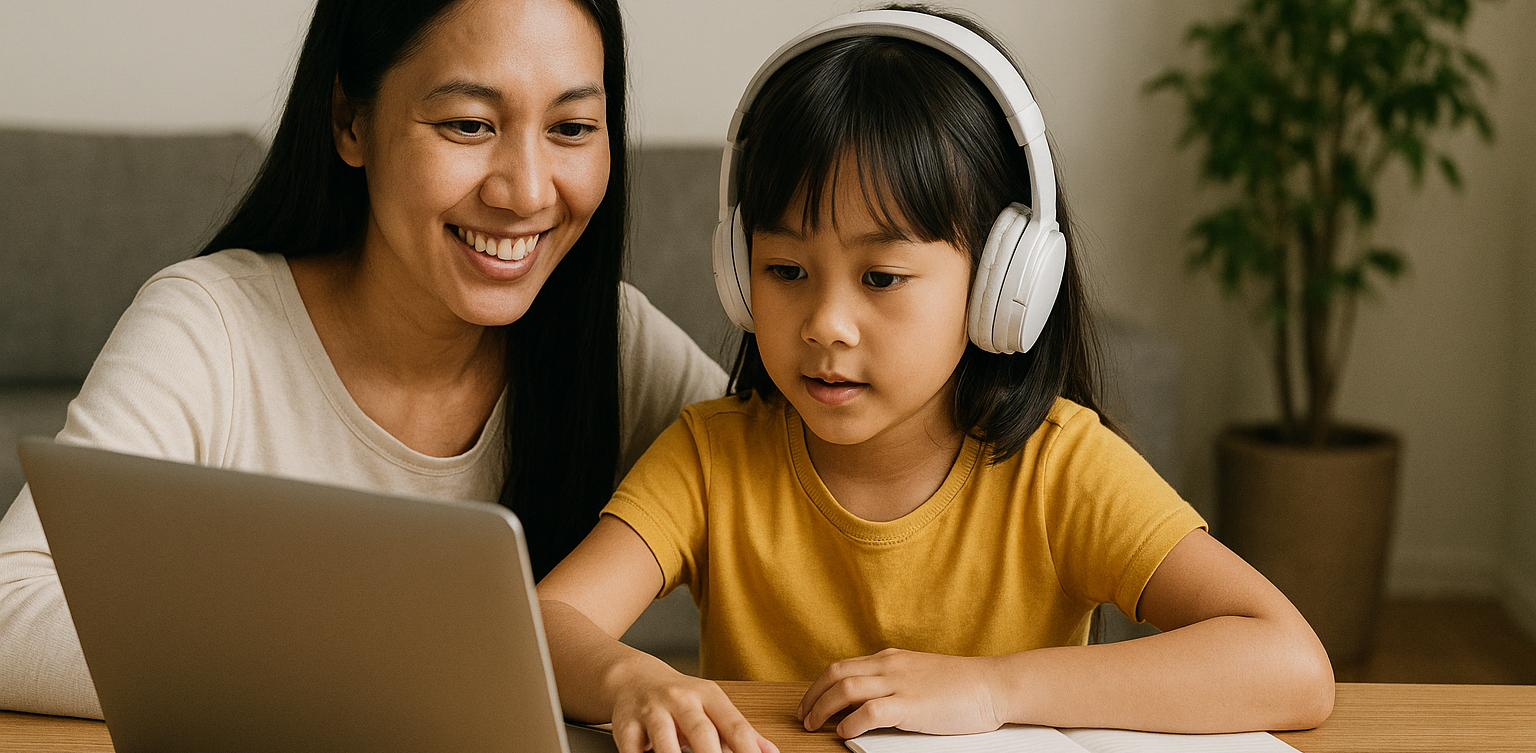
Many parents wonder if young children are ready to learn programming. The answer is absolutely yes, and it is highly encouraged. In recent years, coding for kids as young as five has become increasingly popular. It has been shown to support the development of logical thinking, creativity, and confidence from an early age. Learning to code doesn’t mean children have to type lines of complex code like adults. In fact, the methods used for teaching coding for kids are designed to be fun and visual, often using colorful blocks or interactive games. This makes the learning process feel more like play than work. 1. Age 5 Is a Golden Window for Brain Development Research shows that age 5 is a critical period for brain development. At this stage, children rapidly build their ability to think, absorb information, and recognize patterns. Coding for kids at age 5 takes advantage of this window to introduce logical and systematic thinking. As they solve simple coding challenges, children begin to develop strong problem-solving habits without even realizing it. 2. Builds Focus and Concentration One of the biggest challenges for parents is helping children stay focused during learning. Coding engages children in logical sequences and hands-on tasks like programming a character to move. These activities gradually strengthen concentration. Coding for kids at this age can be an effective way to improve attention span through playful and interactive tasks. 3. Enhances Communication and Collaboration Skills Coding isn’t always a solo activity. Many programs offering coding for kids at age 5 are built around collaboration. Children work in pairs or groups, share ideas, and express their thoughts. These moments naturally boost communication and teamwork, helping kids build social skills early on that will benefit them for years to come. 4. Introduces Technology in a Positive Way Today’s children are no strangers to gadgets and the internet. Instead of completely restricting screen time, parents can guide their kids to use technology for educational purposes. Coding for kids is a smart way to shift them from passive digital consumption to active understanding of how tech works. It fosters digital creativity and responsibility from a young age. 5. Opens Up Future Career Opportunities The future job market will be deeply rooted in technology. By introducing programming concepts early, parents give their children a head start. Coding for kids helps them develop not only technical skills, but also essential soft skills like perseverance, logical reasoning, and adaptability, all of which are vital for future success. Try a Free Coding Class at Timedoor Academy If you're curious to see the benefits of coding for kids firsthand, Timedoor Academy offers a free trial class you can join from home. With a project-based curriculum and engaging visual materials, children are encouraged to explore technology in a way that’s fun and age-appropriate. Timedoor’s curriculum is specially designed for young learners. Guided by professional mentors, children learn through play while building critical thinking skills and confidence. Don’t miss the chance to introduce your child to a positive and educational tech environment.
4 Bahasa Pemrograman Terbaik Untuk Anak
Top 4 Programming Languages for Kids
In today’s digital-first world, teaching children how to code is becoming just as essential as teaching them math, reading, or science. Coding builds logical thinking, creativity, and problem-solving skills. These are abilities that are crucial for success in any future career. But with so many programming languages out there, many parents wonder: Where should my child start? The answer depends on your child’s age, interests, and learning style. Some languages are visual and beginner-friendly, while others offer more complexity for older or advanced learners. In this article, we’ll break down the top 4 programming languages for kids, explaining what makes each of them great and how to choose the right one for your child’s coding journey.   Why Should Kids Learn Programming Language In Coding? Before we jump into the list, let’s quickly look at why coding is so valuable for children: Boosts logical thinking and analytical skills Strengthens creativity and imagination Improves academic performance, especially in STEM subjects Builds persistence and resilience through problem-solving Prepares them for a future in a tech-driven world Coding also helps children become creators of technology, not just passive users.   1. Programming Language In Coding: Scratch Best for Kids Aged 6 to 12 Scratch is a block-based programming language developed by MIT, specifically for children and beginners. Instead of typing code, kids drag and drop visual blocks to build animations, games, and interactive stories. Why it’s great: No previous coding knowledge needed Highly visual and engaging Encourages storytelling, creativity, and experimentation Free and web-based Scratch is ideal for young learners who enjoy art, games, or creative play. It’s fun, easy to understand, and extremely rewarding.   2. Programming Language In Coding: Python Best for Kids Aged 10 and Up Python is one of the world’s most popular programming languages and a great choice for kids who are ready to move beyond visual coding. Its syntax is clean and readable, making it one of the easiest text-based languages to learn. Why it’s great: Beginner-friendly with real-world applications Used in data science, AI, game development, and automation Loads of free resources and tutorials available Great for building games, quizzes, and mini apps Python is perfect for curious kids who enjoy solving problems and want to dive deeper into the tech world.   3. Programming Language In Coding: JavaScript Best for Kids Aged 11 and Up JavaScript is the go-to language for web development. If your child is interested in how websites work or wants to build their own online games or tools, JavaScript is an exciting and rewarding option. Why it’s great: Teaches how to make websites interactive Encourages real-time experimentation in the browser Can be combined with HTML and CSS for full website building Great for creative projects like online games and visual effects JavaScript is ideal for tweens and teens who are internet-savvy and want to bring their ideas to life on the web.   4. Programming Language In Coding: Blockly Best for Kids Aged 7 to 10 Blockly is a visual coding language like Scratch but with a twist. It also shows the actual code behind the blocks. It’s designed to help children transition from block-based programming to real text-based coding. Why it’s great: Easy to use with a visual interface Builds understanding of programming logic Bridges the gap between Scratch and Python Often used in educational robots and coding kits Blockly is excellent for kids who are ready to go beyond simple blocks but not quite ready for full typing-based code.   Quick Guide by Age For Kids To Choose Programming Language Age Group Recommended Language 6 to 8 Scratch or Blockly 9 to 12 Scratch, then Python 12+ Python or JavaScript   How Can Parents Support Their Kids Coding Journey? Explore coding platforms together such as Timedoor Academy Choose fun, project-based learning activities Encourage creativity by allowing your child to build what they love Celebrate progress at every step, no matter how small   Ready to Help Your Kids Start Coding? The best programming language for your child is the one that fits their age, interest, and learning pace. Whether they’re creating their first animation in Scratch or developing a game in Python, every coding experience empowers them with skills for the future. At Timedoor Academy, we provide structured and engaging online coding classes for children of all ages. Our programs are designed to turn beginners into confident young coders through hands-on learning and creative projects. Ready to start your child’s coding journey? Check out our courses and free trial at Timedoor Academy and unlock your child’s potential in tech.
Future-Ready Skills: Coding Education for Elementary School Students
In today’s digital era, technology skills are no longer optional but have become essential for the younger generation. Wise parents understand the importance of preparing their children for the future by equipping them with the right knowledge and mindset. One valuable skill to introduce early is coding. Through Coding Education for Elementary School Students, children not only learn how to use technology but also how it truly works. Many parents might wonder if coding is too complicated for young learners. In fact, when taught through interactive and enjoyable methods, children adapt quickly. Coding can be presented like solving puzzles, stacking blocks, or building a story. With the right approach, Coding Education for Elementary School Students becomes accessible and engaging for kids. Why Start Early? Introducing coding at an early age brings multiple benefits. First, children develop logical and structured thinking. When writing code, they learn to arrange steps in order and understand cause-and-effect relationships. Second, coding sparks creativity. Children can design simple games, animations, or applications that reflect their imagination. Third, it fosters persistence. When their programs do not run smoothly, they practice finding solutions until they succeed. Therefore, Coding Education for Elementary School Students is not just about computer knowledge, but also about shaping resilient, creative, and critical thinkers. The Connection Between Coding and Daily Life Coding is not a separate or abstract concept. Children encounter it daily through apps, digital games, and smart devices. By learning coding, they can understand the logic behind these technologies. For example, when playing a game, they can imagine how a character moves because of certain instructions happening in the background. This transforms children from passive consumers into future creators of technology. That is the true value of Coding Education for Elementary School Students compared to simply using gadgets. Challenges and the Role of Parents Of course, introducing coding to children comes with challenges. One of the biggest is keeping the learning process enjoyable. Children can lose focus if the lessons are too complicated or monotonous. This is why teaching methods must be designed specifically for their age group. Parents play a crucial role by providing encouragement and consistent support. Setting aside time, motivating children when they face difficulties, and choosing a trusted learning program are key to success. With proper guidance, Coding Education for Elementary School Students can be a meaningful and sustainable journey. Effective Learning Methods To ensure effective learning, methods must be child-friendly. One popular approach is visual programming, where children use drag-and-drop blocks to create instructions. This helps them grasp the basics without being overwhelmed by complex syntax. Another method is integrating hobbies into coding. A child who enjoys drawing can learn to create simple animations, while a child who loves games can experiment with building their own mini-games. Through these approaches, Coding Education for Elementary School Students feels natural and relevant to their daily experiences. Long-Term Impact The benefits of coding extend far beyond the present. Children who start coding early often perform better in subjects involving logic, such as mathematics and science. Moreover, they will be more competitive in the future as technology continues to shape industries worldwide. In this sense, Coding Education for Elementary School Students is a long-term investment. It nurtures innovative thinking, problem-solving abilities, and adaptability, all of which are essential for thriving in a globalized world. Fun and Safe Coding for Elementary School Kids For parents, introducing coding during the elementary school years is a forward-looking decision. With the right teaching methods, coding can be both fun and educational. Timedoor Academy offers a structured curriculum and experienced tutors to guide children in learning coding interactively and safely. If you want your child to be future-ready with strong digital skills, consider signing them up for a free trial at Timedoor Academy. With creative and enjoyable learning experiences, your child will discover the exciting world of coding while preparing for a brighter future.
float button