Jul 07, 2025

5 Effective Ways on How to Deal with Children Addicted to TikTok

<strong>5 Effective Ways on How to Deal with Children Addicted to TikTok</strong> image

How to deal with children addicted to TikTok has become an important concern for many parents in today’s fast-paced digital world. TikTok has quickly become a favorite platform among kids and teens, offering endless short-form videos that are entertaining and easy to access. It’s not uncommon for children to spend hours glued to their screens with little self-control. While it may seem like harmless fun, excessive use can lead to behavioral issues, loss of concentration, and declining academic performance. That’s why parents must understand and apply the right strategies early on before the habit turns into a more serious developmental issue.

Why Do Kids Get Addicted to TikTok?

TikTok is designed to serve continuous streams of personalized content. Its algorithm tracks user behavior to deliver videos that are highly engaging, making kids feel endlessly entertained. This makes it hard for them to stop watching or concentrate on schoolwork. Many children would rather scroll through TikTok than do homework or even play outside.

This growing trend shows that how to deal with children addicted to TikTok is not just about limiting screen time but also about understanding the reasons behind their behavior. With the right approach, parents can redirect their children’s attention to healthier digital and social activities.

5 Effective Ways on How to Deal with Children Addicted to TikTok

1. Set Reasonable Screen Time Boundaries

How to Deal with Children Addicted to TikTok

The first step in how to deal with children addicted to TikTok is establishing clear, reasonable screen time rules. For example, allow TikTok use only after homework is done and limit usage to one hour per day. Use parental control features if needed, and explain to your child why these rules are important.

2. Offer Fun and Engaging Alternatives

Banning TikTok without providing alternatives will only frustrate your child. Instead, introduce fun activities such as outdoor play, painting, reading interactive stories, or making crafts. Filling their time with positive experiences is a smart move in how to deal with children addicted to TikTok so they won’t become overly dependent on their devices.

3. Have Open, Non-Judgmental Conversations

Ask your child what they enjoy most about TikTok. Is it the humor, interesting content, or peer influence? Understanding their motivation helps you support them better. Keep the conversation open and empathetic, and involve them in setting healthy media habits.

4. Improve the Learning Environment at Home

Many kids find home learning dull. Change your teaching style to make it more interactive using games, visual media, or hands-on activities. When children enjoy the learning experience at home as much as they do on TikTok, they’ll be more willing to engage.

5. Introduce Empowering Technology Activities
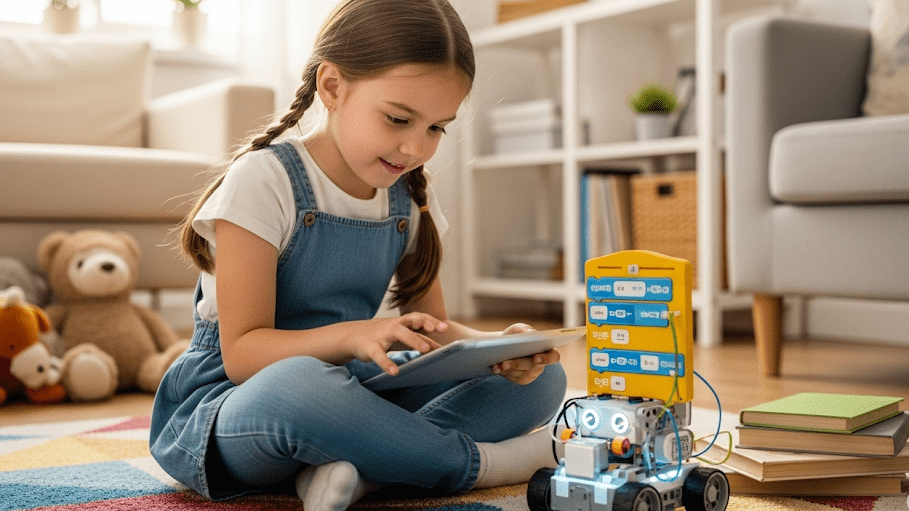
Shift your child’s focus from passive content consumption to active digital engagement like learning coding. Not only is this stimulating and fun, but it also equips them with valuable skills for the future. This approach is a key part of how to deal with children addicted to TikTok by encouraging healthy, constructive interaction with technology.

Try a Free Coding Class at Timedoor Academy

 Image

Rather than cutting children off from the digital world entirely, it’s wiser to guide them toward meaningful and educational tech experiences. One great way to do this is through learning to code. At Timedoor Academy, children are introduced to technology in a hands-on way, helping them build logical thinking and self-confidence through age-appropriate real-world projects.

You can sign up for a free coding trial class at Timedoor Academy to experience firsthand how fun and supportive learning can help your child grow. With a positive learning environment and guidance from professional mentors, your child can shift from passive scrolling to productive and empowering digital activities.


Keep Reading

Benefits of Coding for Kids: The Long-Term Advantages of Early Coding Education
In today’s digital era, coding skills are no longer just technical abilities—they have become essential assets for facing future challenges. That’s why many parents and educators are beginning to recognize the benefits of coding for kids from an early age. Coding education not only helps children understand technology but also offers numerous long-term advantages that are valuable for their development, both academically and in everyday life.   1. Enhancing Critical Thinking and Problem-Solving Skills One of the most important benefits of coding for kids is its ability to train critical thinking and problem-solving skills. When learning to code, children are taught how to break down large problems into smaller, manageable parts and to find logical and systematic solutions. This process helps kids develop analytical and creative thinking, which proves useful across various life situations and academic fields.   2. Fostering Creativity and Self-Expression Many people think of coding as a rigid activity filled with lines of code, but in reality, coding can be very creative. Through coding, kids can build exciting projects such as games, animations, and apps. This allows them to express their ideas and imagination in tangible ways using technology. This benefit of coding for kids is crucial so they become not only technology users but also creators.   3. Preparing Kids for the Future Job Market With rapid technological advancements, many future jobs will require coding as a key skill. By introducing coding early, children will be better prepared to face changes in the world and global competition. The benefits of coding for kids here lie in giving them a competitive edge to adapt to an increasingly digital and automated workforce.   4. Improving Focus and Attention to Detail Learning to code also demands that kids focus and pay attention to every line of code to ensure the program runs smoothly. This habit builds patience and sharpens their ability to notice details. With enhanced concentration, children can improve their performance in other subjects because they become accustomed to working carefully and systematically.   5. Strengthening Collaboration and Communication Skills Although coding may seem like an individual activity, many coding projects require teamwork. Kids learn how to communicate clearly, share ideas, and collaborate to solve problems. This benefit of coding for kids helps them develop important social skills and prepares them to work in dynamic, collaborative environments.   6. Boosting Confidence and Independence When children successfully complete a coding project, such as creating a simple game or application, they experience a sense of achievement that boosts their confidence. Moreover, coding teaches kids to learn independently, find solutions on their own when problems arise, and to persevere. These benefits of coding for kids are valuable in shaping strong character and resilience.   Start Coding Education for Kids at Timedoor Academy With all these important benefits of coding for kids, there’s no reason to delay introducing coding early. Timedoor Academy offers the best solution for parents who want to provide quality coding education to their children. The learning programs at Timedoor Academy are designed to be fun and interactive, so kids don’t just learn coding—they enjoy the process. We also offer free trial classes so your child can try and experience the benefits of coding for kids firsthand before making a commitment. Register your child now and help them develop skills that will be incredibly useful for their future! By giving children the chance to learn coding as early as possible, you’re opening doors for them to maximize their potential and be ready for the challenges of the digital age. Remember, the benefits of coding for kids go beyond technical skills—they’re about shaping mindset, creativity, and strong character. So don’t wait any longer—take advantage of coding education at Timedoor Academy and see the positive changes in your child!
Timedoor Academy Holiday Camp December 2025
Official Announcement of Holiday Camp Awards December 2025
We are thrilled to celebrate the success of Holiday Camp 2025 held by Timedoor Academy, which took place from December 15 to December 30. This year’s event was our biggest yet, welcoming over 500 talented students from across Indonesia! The experience reached new heights this year with the debut of our latest "Programs such as Cyber Heroes, in which students identify cyber threats such as phishing and malware by using Mini Games & Scratch, and also Make AI with Pictoblox, providing a well-rounded and immersive learning environment. On this special occasion, the students dived deep into their passions—ranging from Python and Roblox Development to Artificial Intelligence, and Comic Making. Under the mentorship of our expert teachers, participants tackled ambitious projects and sharpened the digital skills essential for their futures. After much deliberation, we are now ready to honor those who truly stood out for their creativity and dedication. We are proud to present the winners of the Best Project and Best Participant awards: JUNIOR ANIMATOR CATEGORY PARTICIPANT’S NAME BRANCH Best Project Rayson Devatta Wang Jambi Best Participant Rafka Irtiza Syaqier Sentul JUNIOR 3D GAME CATEGORY PARTICIPANT’S NAME BRANCH Best Project Mikael Jose Alvaro Cikarang Best Participant Kyrie Manado JUNIOR CONSTRUCT CATEGORY PARTICIPANT’S NAME BRANCH Best Project Justin Owen Tandi Cikarang Best Participant Saddam Khairul Hanif Cikarang AI WITH PICTOBLOX CATEGORY PARTICIPANT’S NAME BRANCH Best Project Alden Immanuel Barneth Bandaso Mandagi Cikarang Best Participant Raizel Zane Wiltan Palembang CYBER HEROES CATEGORY PARTICIPANT’S NAME BRANCH Best Project Thomas Harvianz Green Lake City Best Participant Fransisca Karla Alveenia Hadiwijaya Yogyakarta KIDS CONSTRUCT CATEGORY PARTICIPANT’S NAME BRANCH Best Participant Zara Shaquitta Tanujaya BSD KIDS ROBLOX CATEGORY PARTICIPANT’S NAME BRANCH Best Project Habibi Rafif Cibubur Best Participant Ziggy Raziq Rizalya Makassar KIDS PYTHON CATEGORY PARTICIPANT’S NAME BRANCH Best Project Bennedict Javier Jambi Best Participant Felix Gerard Wyenn Tanjung Duren TEENS WEB DEVELOPER CATEGORY PARTICIPANT’S NAME BRANCH Best Project Nathanael Andromeda Juan Kristanes Batam Best Participant Muhammad Hafizh Prananda Aryawan Malang TEENS ROBLOX CATEGORY PARTICIPANT’S NAME BRANCH Best Project Marcia Josephine Renon Best Participant Muhammad Fajri Akbar Lampung TEENS PYTHON CATEGORY PARTICIPANT’S NAME BRANCH Best Project Rayhan Avicenna Alfatih Jagakarsa Best Participant Kalyana Adinda Parahita Jagakarsa TEENS AI CATEGORY PARTICIPANT’S NAME BRANCH Best Project Tsaqif Bariq R.H. Gayungan Best Participant Elishine Syallom Citraland  COMIC KIDS CATEGORY PARTICIPANT’S NAME BRANCH Best Project Katrina Amadea Tanuwidjaja Online Best Participant Flynn Oliseh Opene Online IOT KIDS & TEEN CATEGORY PARTICIPANT’S NAME BRANCH Best Project Daffa Muhammad Zahir Cikarang Best Participant Gerald Kelapa Gading  
8 Best Tips for Kids Managing Homework and Extracurricular Activities in 2025
In today’s fast-paced world, children are often expected to juggle multiple responsibilities at once. From finishing school assignments to attending coding classes, music lessons, or sports practices, their days can feel packed and overwhelming. That’s why many parents are actively searching for tips for kids managing homework and extracurricular activities — to help their children grow, learn, and stay balanced without feeling drained. This article explores eight practical and realistic strategies to support children in managing their responsibilities while maintaining motivation, rest time, and joy.   8 Best Tips for Kids Managing Homework and Extracurricular Activities in 2025   1. Build a Clear Weekly Schedule One of the most effective tips for kids managing homework and extracurricular is to establish a consistent weekly routine. Use a visual planner or calendar that breaks down each day into school hours, homework time, extracurricular sessions, meals, breaks, and bedtime. Having a structured schedule makes children feel more secure and reduces last-minute stress. Make sure to leave enough flexible time for unexpected tasks or short rests.   2. Teach Prioritization Early Not everything needs to be done right away. Teaching children how to prioritize tasks is essential. Sit down together weekly and look at upcoming deadlines, tests, and activity schedules. Help them break bigger projects into smaller steps and start with subjects or assignments that are more challenging. This habit will help them build a sense of control and decision-making, which is key when applying any tips for kids managing homework and extracurricular successfully.   3. Follow the “One Thing at a Time” Rule Kids tend to get overwhelmed when they multitask. Help them learn how to give full attention to one task before moving on to the next. For example, encourage them to finish their science homework before moving on to practice guitar. This method improves focus, builds confidence in completing tasks, and reduces stress caused by scattered attention.   4. Allow Time for Downtime One of the most underrated tips for kids managing homework and extracurricular is giving them time to do nothing. Children need moments of rest, play, and quiet. Downtime supports mental health, creativity, and emotional regulation. Even 15 to 30 minutes a day of unstructured time, where kids can relax without gadgets or tasks, can make a huge difference in their energy and focus levels.   5. Stay Involved Without Micromanaging While independence is important, kids also need emotional support and light guidance. Ask how they’re feeling about their weekly schedule or whether something feels too much. Let them know it’s okay to say no when needed and to ask for help. Being present and responsive helps prevent burnout and builds trust. This emotional connection plays a major role in supporting any effort around tips for kids managing homework and extracurricular.   6. Set Healthy Tech Boundaries Technology can be helpful, but it can also become a distraction. Set clear boundaries for screen time during homework and extracurricular sessions. Use simple tools like timers or productivity apps to support focus. For online classes, make sure their space is quiet and free from distractions like phones or games. Creating a tech environment that supports learning helps improve both academic and extracurricular engagement.   7. Encourage Passion-Based Activities Not every extracurricular needs to be intense or competitive. Include at least one activity your child truly enjoys. Whether it’s drawing, gardening, building robots, or learning languages, fun-based learning adds variety and balance. Passion projects can keep kids motivated and remind them that learning isn’t only about tests and grades. This is a powerful part of long-term success when applying tips for kids managing homework and extracurricular.   8. Choose Supportive Learning Platforms Sometimes kids need extra support outside of school. That’s where programs like Timedoor Academy come in. Timedoor offers flexible online classes in subjects like coding, robotics, math, and digital creativity — all designed to fit into your child’s existing routine. By learning through a fun and structured platform, kids can explore their interests while still managing school tasks smoothly.   Helping Kids Thrive with Balance and Support At the core of all these tips for kids managing homework and extracurricular activities is the goal of balance. Children thrive when they feel supported, not pressured. They need space to learn, grow, and rest. With a realistic schedule, clear priorities, downtime, and the right learning tools, kids can become more confident and independent. Parents play a key role in guiding and cheering them on. If you're ready to help your child explore new skills while balancing their responsibilities, join a free trial class at Timedoor Academy today. Give your child a head start in coding, robotics, and digital creativity while learning at their own pace from the comfort of home.
float button