Oct 26, 2022

School Partnership

School Partnership image

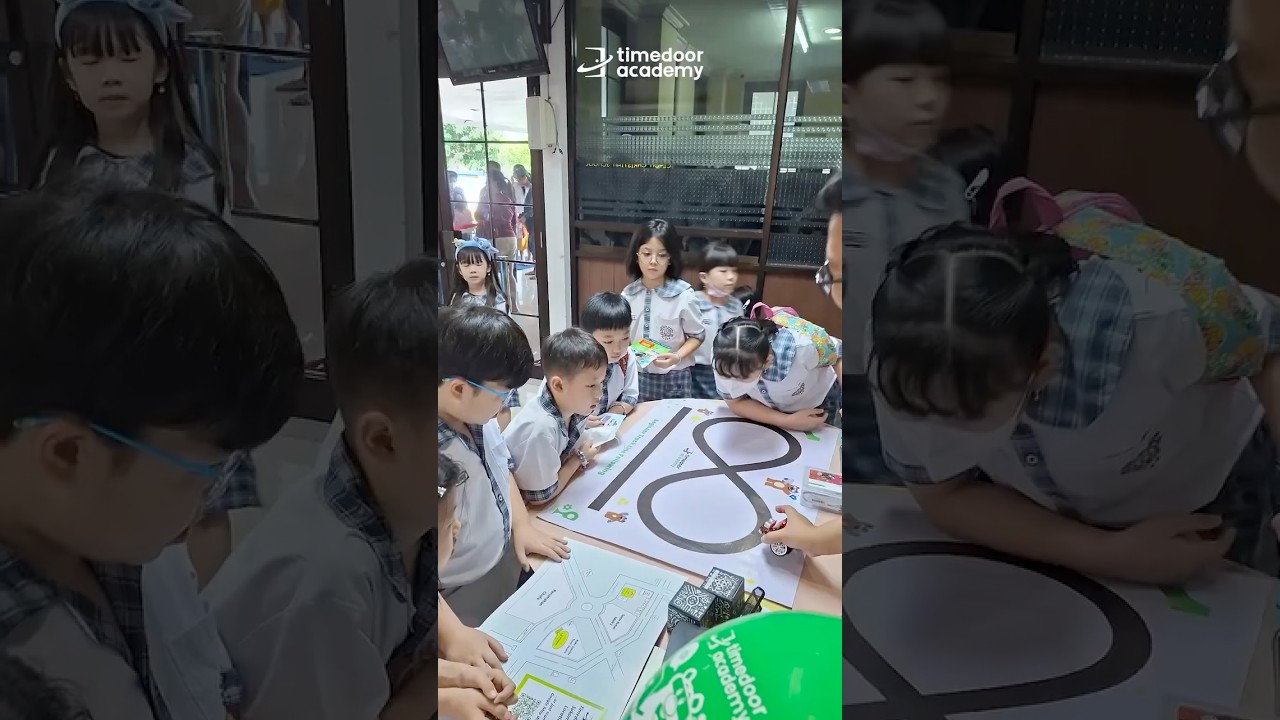
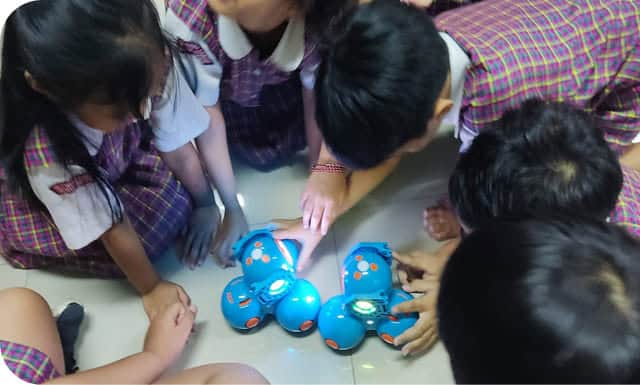
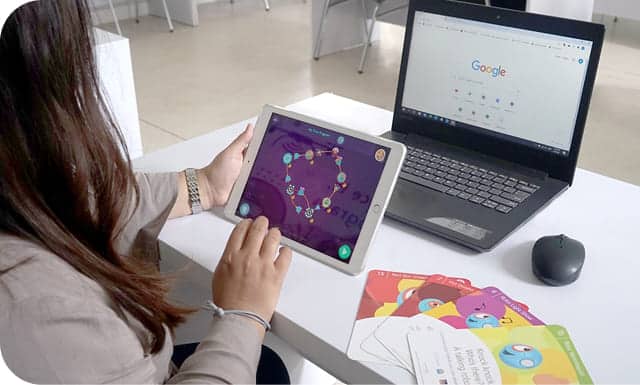
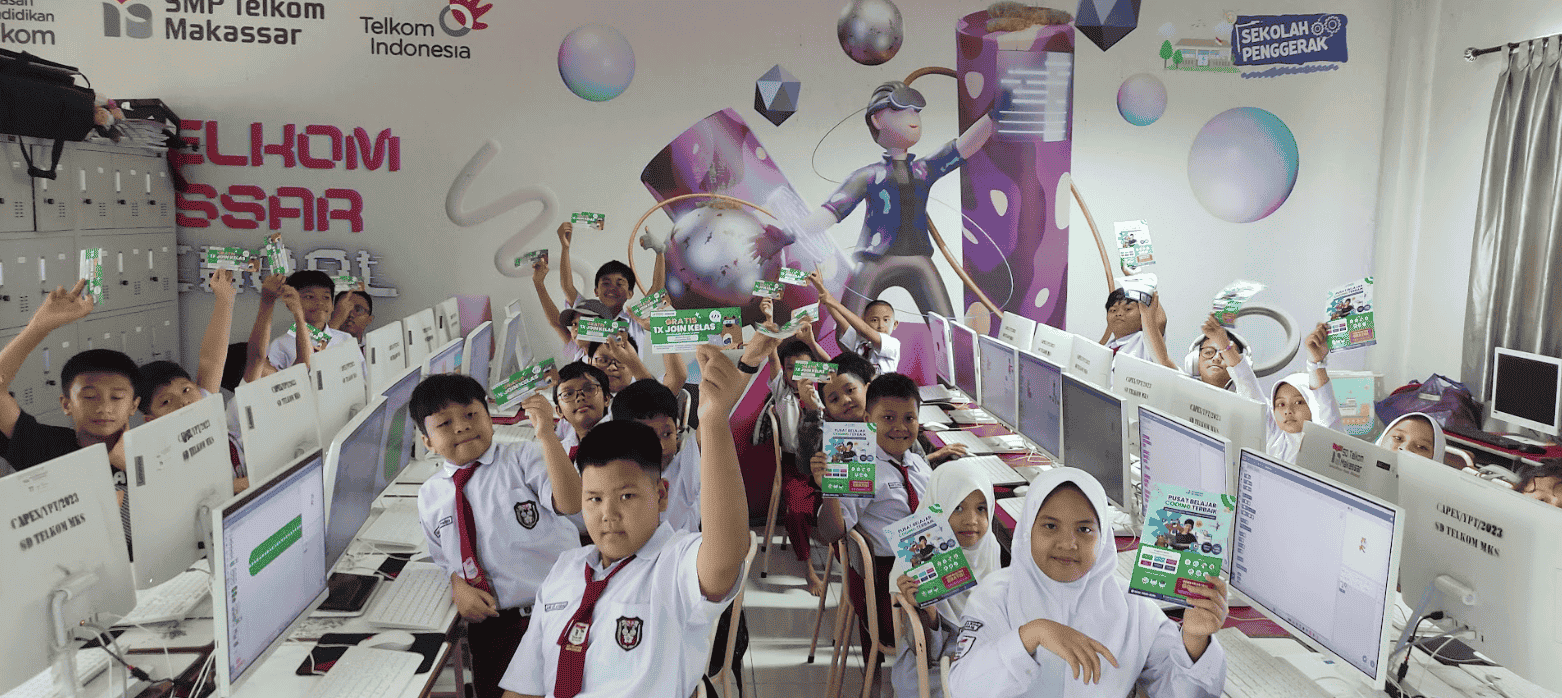
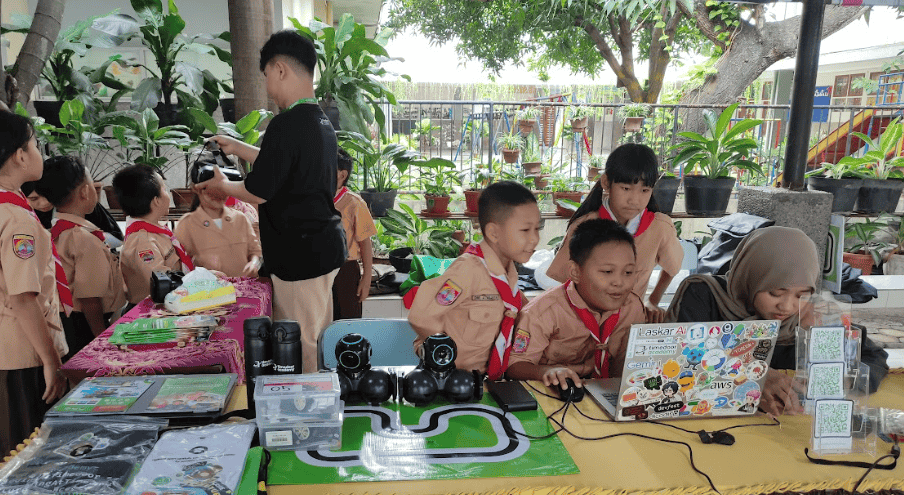
If you are interested in programming or design classes, please contact us here. Timedoor Academy provides educational services to various schools and governments.
Partnerships can be formed in various styles, including main subjects, extracurriculars, club activities, student referral affiliates, venue partnerships, and teacher training. Please feel free to contact us first.

Contact Us to be our franchise partner now!


Keep Reading

<strong>The Importance of Kids EQ in the Modern Era of 2025</strong>
The Importance of Kids EQ in the Modern Era of 2025
The rapid growth of the digital world and technology in today’s modern era means parents need to equip their children with more than just academic intelligence. Now, kids EQ—or emotional intelligence—is a key foundation for building character, social skills, and helping children face the increasingly complex challenges of our time. It’s no wonder that future success is closely linked to the quality of EQ, not just report card grades or cognitive abilities. This article will discuss what EQ really means for kids, why its quality is so important in the modern world of 2025, the long-term benefits your child can experience, and simple tips for parents to nurture emotional intelligence from an early age. What Is EQ and Why Is It Becoming More Important? for Kids Kids EQ (emotional quotient or children’s emotional intelligence) is a child’s ability to recognize, understand, manage, and express emotions in a positive way. Children with strong EQ can control anger, accept failure gracefully, and show empathy toward others. EQ also includes important social skills like communication, teamwork, and the ability to build healthy relationships. In the modern era of 2025, the need for kids EQ is bigger than ever. Children must be able to adapt, manage stress, and solve problems not only in the real world but also in digital environments such as social media, online games, or virtual learning communities. The Benefits of Kids EQ for Life and the Future Good quality kids EQ brings many long-term benefits, such as: Boosting confidence and independence: Children aren’t easily swayed by peer pressure or bullying, whether at school or online. Improving conflict resolution skills: Kids are better able to discuss, listen, and respect others’ opinions. Easier adaptation to new environments: Thanks to empathy and good manners, children can quickly make friends and fit in wherever they go. Building resilience when facing setbacks or rejection. Higher academic and non-academic achievement: Children with strong kids EQ can focus and don’t get lost in negative emotions. Studies show that kids EQ plays a big role in future career success and overall happiness. The Challenges of Developing Kids EQ in the Digital Age Even though it’s so important, developing kids EQ in the digital age comes with unique challenges: Less face-to-face interaction due to increased screen time, making kids more likely to communicate online than in person. Exposure to online conflict or negative comments that can trigger stress and negative emotions. Few real-life examples around them on how to manage emotions in a healthy way. Pressure to achieve and compete that can make children feel stressed and anxious. That’s why parents have a huge role to play as role models, guides, and open listeners to their children’s daily feelings and experiences. Simple Tips to Nurture Kids EQ Here are some practical steps parents can take to help boost kids EQ: Be a positive role model. Show your child how to manage emotions calmly and avoid losing your temper. Talk about feelings. Ask, “How did you feel today?” or “What made you happy or sad?” regularly. Practice empathy through daily activities. Invite your child to help a friend or share stories about others’ experiences. Praise efforts to manage emotions. For example, “I’m proud you stayed patient when playing with your friends.” Teach simple relaxation techniques. Deep breathing, taking a break when angry, or enjoying hobbies to calm down. Introduce collaborative activities, such as learning coding with friends, playing team sports, or group projects. Kids EQ and IT Skills for the Future Along with nurturing kids EQ, it’s also important to equip children with other essential future skills, like critical thinking, problem-solving, and digital literacy. Learning to code is a great way to strengthen these abilities while also teaching teamwork, communication, and empathy. In project-based coding activities, children often work in teams, discuss ideas, respect different opinions, and learn to handle setbacks positively. Timedoor Academy offers coding programs for kids that focus not just on technical skills but also on building character and kids EQ. Kids EQ and Digital Skills: Preparing for the Future High-quality kids EQ in the modern era of 2025 isn’t just a bonus—it’s a key requirement for children to be ready for life’s challenges. With strong kids EQ, your child can grow into a confident, empathetic person who builds healthy relationships both online and offline. Help nurture your child’s emotional intelligence while also preparing them for the digital world by enrolling them in a coding program at Timedoor Academy. Sign up for a free trial class and experience the positive impact on kids EQ, creativity, and your child’s future in our digital age.
Amazing Benefits of Robotics Course for Elementary Students Every Parent Should Know
Technology is advancing rapidly year by year. Children who are currently in elementary school will face a future filled with innovation, automation, and artificial intelligence. Therefore, equipping them with relevant skills from an early age is crucial. One of the best ways to prepare them is through a robotics course for elementary students. With engaging and practical methods, children can learn to understand technology while also developing their creativity. What Is a Robotics Course? A robotics course is a learning program that introduces children to the process of designing, assembling, and programming simple robots. Through a robotics course for elementary students, children can explore the basic principles of science, technology, engineering, and mathematics, often referred to as STEM. These activities are designed to be fun and interactive, so children feel like they are playing while actually building valuable skills. The Benefits of Robotics Course for Children Many parents are choosing a robotics course for elementary students because of its wide-ranging benefits. First, children learn to think logically and systematically. Each robot component must be installed in the correct order, helping them understand cause-and-effect relationships. Second, they develop problem-solving skills. When the robot does not work as expected, children are encouraged to find creative solutions. Third, the course teaches patience and perseverance since building a robot requires time and dedication. Boosting Creativity and Imagination Beyond technical aspects, a robotics course for elementary students also nurtures creativity. Children are not limited to simply following instructions, but are encouraged to design and test their own ideas. For instance, they can build robots that walk, light up, or even play simple music. This process shows children that technology is not only something to use, but also something they can create themselves. Developing Social Skills Many robotics course for elementary students programs are conducted in groups. This allows children to collaborate with peers, exchange ideas, and solve challenges together. Learning how to work in a team will benefit them not only in school, but also in their personal and professional lives later on. Building a Strong Foundation for the Future In today’s world, technology skills are key to future success. By taking a robotics course for elementary students, children are not only prepared for academic challenges but also given a strong foundation for careers in technology-related fields. Areas such as artificial intelligence, data science, and mechanical engineering will be easier to grasp because they have already been introduced to the basics of robotics at a young age. The Role of Parents in Supporting Learning Parental support plays a major role in a child’s learning journey. Celebrating small achievements, assisting them during robot-building sessions, or simply listening to their stories about class experiences can boost their confidence. With such support, every session in a robotics course for elementary students will become even more meaningful. Why Choose Timedoor Academy? Timedoor Academy offers a robotics program tailored specifically for elementary school students. Its curriculum goes beyond technical knowledge by also focusing on creative thinking and collaboration. Each class is guided by experienced mentors who understand how to introduce technology to young learners effectively. With a fun and interactive environment, children will be excited to join every session. Enroll Your Child at Timedoor Academy! If you want your child to develop future-ready skills, now is the perfect time to take action. Register them for a Free Trial at Timedoor Academy and discover how robotics courses can transform curiosity into real abilities. Click the registration button today and give your child the best opportunity to grow and succeed.
Sharpening Children’s Logic and Creativity Through AI Coding
In today’s digital era, every individual, including children, needs adequate digital skills. One increasingly essential skill is understanding and using artificial intelligence, or AI. Children are not only taught to use technology but also encouraged to think critically, creatively, and solve problems systematically. Learning AI for Children has become an effective educational approach to develop logic and creativity from an early age. Why Children Should Start Learning AI Early AI is no longer just a future technology. Many applications in daily life now rely on AI, from digital assistants to interactive games and educational apps. By introducing Learning AI for Children early, kids become familiar with programming concepts, logic, and data analysis. This early exposure helps them adapt to technological advancements while strengthening critical thinking and creative skills that are crucial for their future. Moreover, understanding AI nurtures children’s curiosity about technology. They begin to ask questions about how systems work, how data is processed, and how technology can solve everyday problems. Thus, Learning AI for Children is not only about technical mastery but also about developing an analytical mindset that supports both formal and informal learning. The Benefits of Learning AI for Children Here are several key benefits children gain when they start Learning AI for Children: Enhances logical thinking and problem-solving skillsUnderstanding algorithms and sequences teaches children to tackle problems systematically. They learn how to break complex challenges into smaller steps and solve them one by one, a skill that is invaluable both academically and in daily life. Boosts creativityChildren can create simple AI projects, such as chatbots, interactive games, or digital animations. By combining creativity with technology, they can produce unique and meaningful outcomes. Prepares them for future careersEarly AI knowledge equips children for potential careers in technology and science. It opens opportunities in game development, robotics, and advanced technological research. Learning through playGamified learning makes AI lessons enjoyable and interactive. Children who are already engaged in gaming or digital exploration will adapt more easily to AI learning in a playful and practical way. Fosters collaboration skillsChildren learn to work in teams on AI projects, improving communication and teamwork skills. They experience discussing ideas, providing feedback, and completing projects collectively. Builds self-confidenceCompleting AI projects instills a sense of accomplishment in children. They understand that failure is part of learning and that success comes through practice and understanding. Effective Approaches for Learning AI for Children To make Learning AI for Children effective, teaching methods should align with the child’s age and skill level. Timedoor Academy offers an interactive, practical, and fun curriculum. Professional tutors guide students step by step, starting from basic concepts to creating simple AI projects. This approach ensures that children not only understand theory but also apply their knowledge in real projects. Furthermore, a personalized learning approach allows tutors to adjust lessons according to each child’s interests. For example, children who enjoy games can learn to create simple AI games, while those interested in animation can develop interactive AI characters. This approach makes learning relevant to daily life and interests, keeping it both engaging and effective. Integrating Hobbies with AI Learning One effective way to motivate children is by connecting AI learning to their hobbies. Children who love gaming can explore how AI applies in game design, while those interested in animation can create interactive AI characters. This makes Learning AI for Children more meaningful and fun, encouraging children to stay engaged. Beyond technical skills, linking hobbies with AI nurtures creativity and critical thinking. Children learn that technology is not just a source of entertainment but also a tool for expression and creating something meaningful. Parents’ Role in Supporting AI Learning Parents play a crucial role in supporting Learning AI for Children. They can help by: Providing supervision and guidance while children work on projects Offering praise and encouragement when children complete tasks Creating a comfortable learning environment and supplying the necessary tools With full parental support, children gain confidence and motivation to explore the world of AI. Learning AI from an Early Age: Fun, Creative, and Essential for Your Child’s Future Mastering AI at an early age offers numerous advantages for children. Besides developing technical skills, it cultivates critical thinking, creativity, and problem-solving abilities. Learning AI for Children at Timedoor Academy delivers an interactive, practical, and enjoyable experience. With a structured curriculum and professional tutors, children can explore AI safely and effectively. If you want your child to start developing AI skills in a fun and interactive way, register them for a free trial at Timedoor Academy today. Here, children will learn AI creatively and practically, guided by professional tutors who understand the needs of modern learners.
float button