Apr 30, 2025

Introduction to Basic Robotics for Kids: Tips and Trick 2025
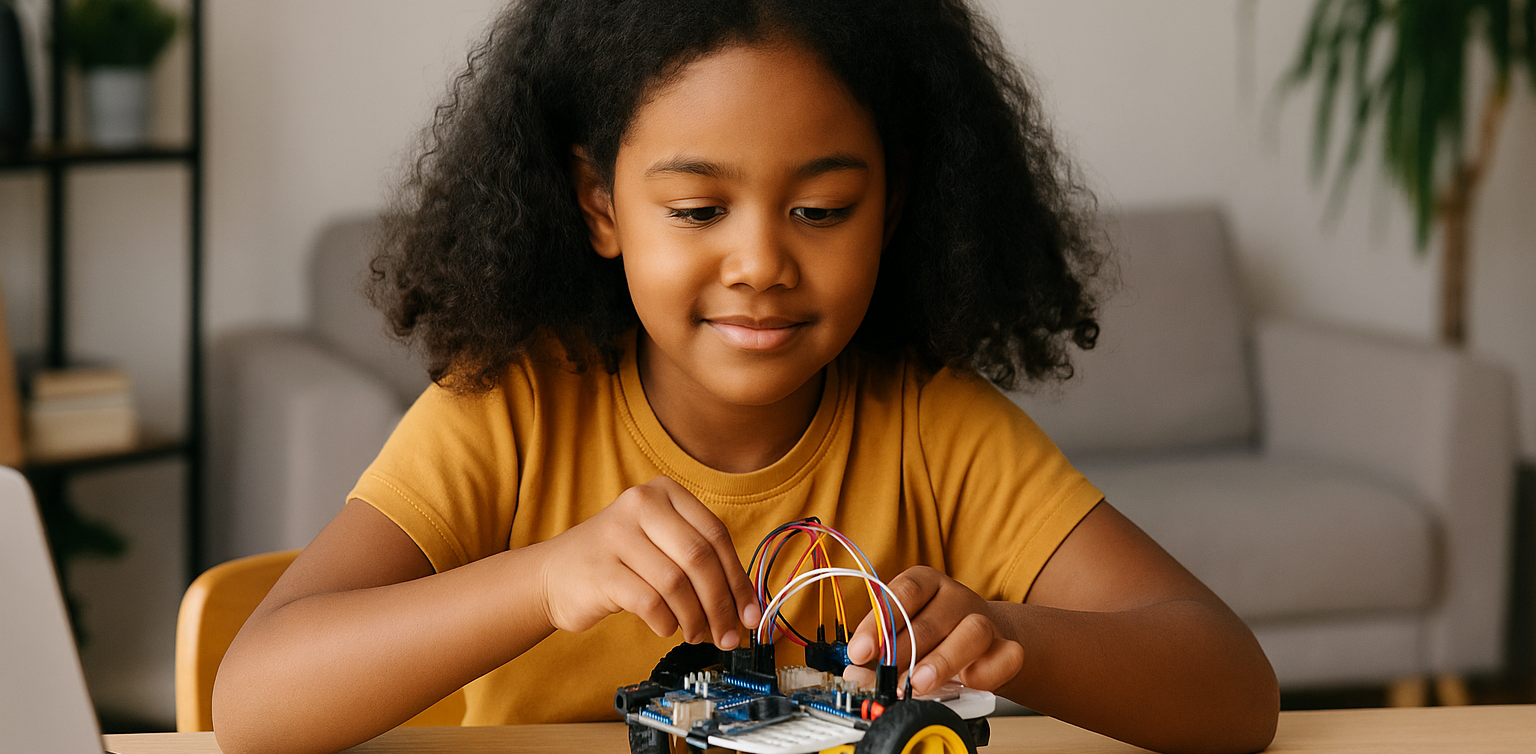
Introduction to Basic Robotics for Kids: Tips and Trick 2025 image

As technology advances rapidly, introducing children to robotics is no longer considered too early. In fact, robotics is one of the most valuable areas to explore at a young age, helping children develop logical thinking, creativity, and structured problem-solving skills.

An introduction to basic robotics for kids can be a gateway to exploring technology in a fun and meaningful way. With a solid foundation in how technology works, children will be better prepared to navigate and shape the future ahead.

What Is Robotics?
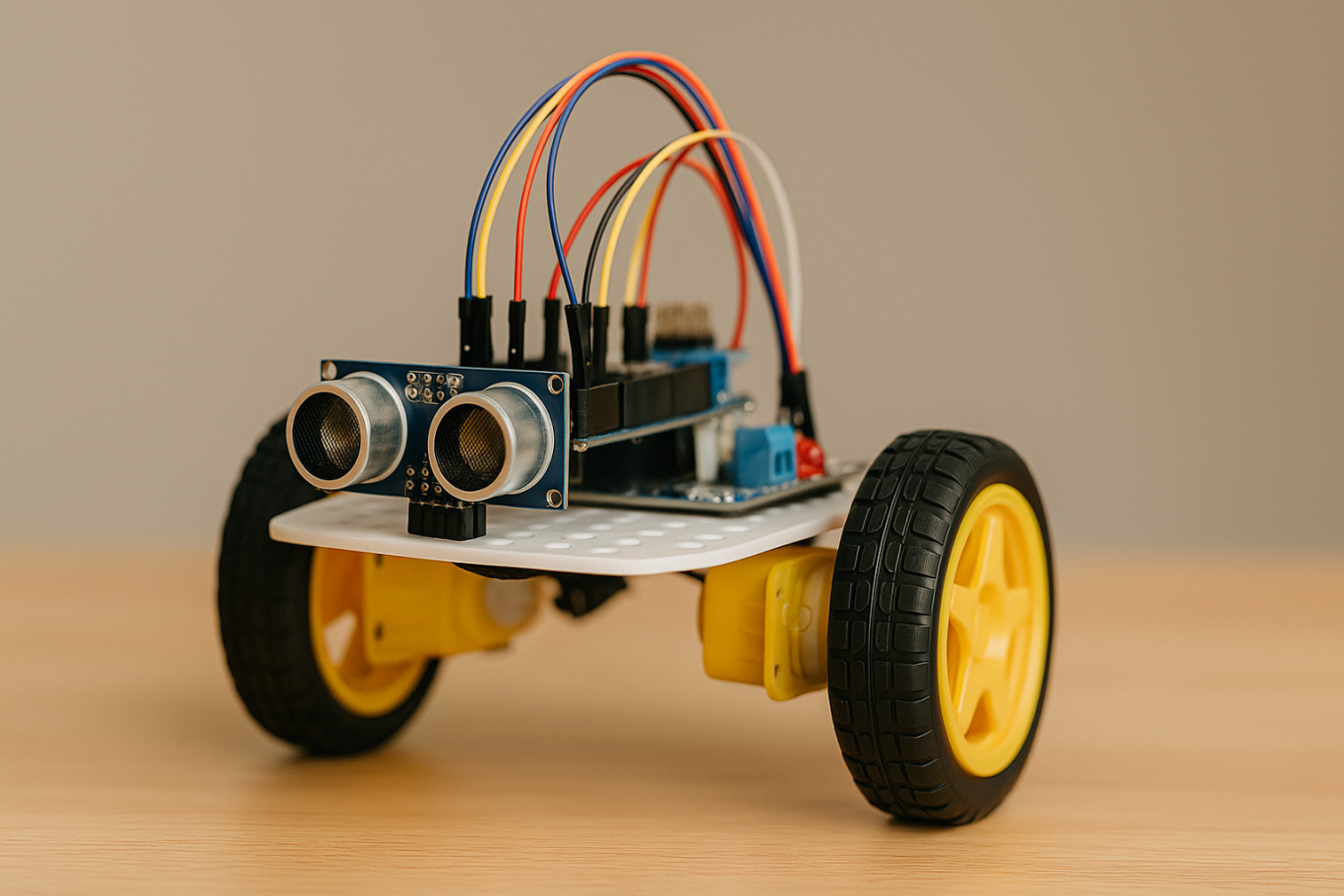
introduction to basic robotics for kids

Robotics is the field of study focused on designing, building, and controlling robots. For children, a robot doesn’t have to be a complex machine. It can be a simple educational toy that can move or perform tasks based on programmed instructions.

Through an introduction to basic robotics for kids, children begin to understand core concepts like sensors, motors, and logic commands, while also learning that every action has a cause and an effect.

Why Should Kids Learn Robotics Early?
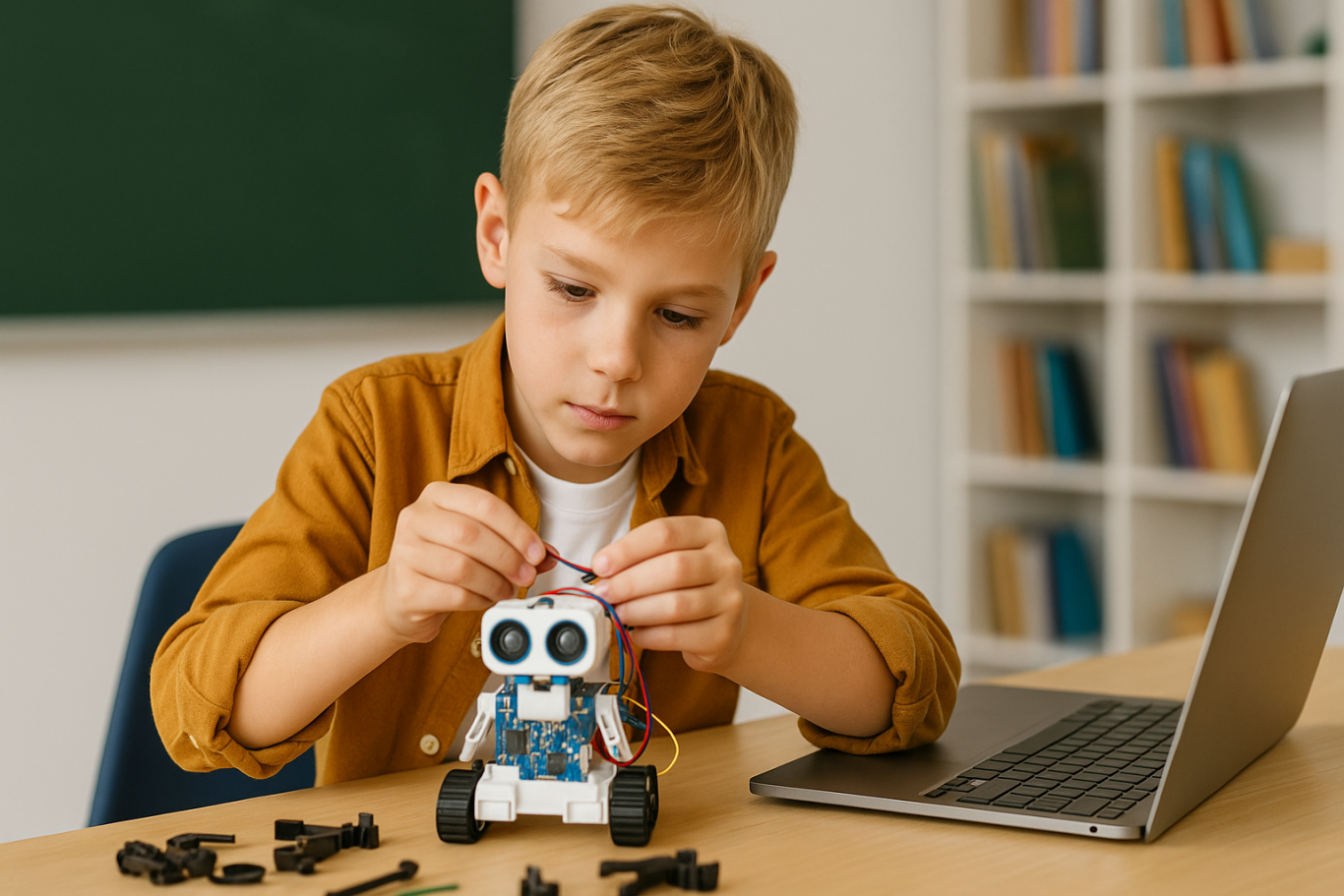
  1. Builds Logical and Systematic Thinking
    Robotics helps children learn how to think in sequences and steps. They learn to structure instructions so a robot can perform specific tasks, reinforcing their problem-solving skills.
  2. Encourages Creativity and Innovation
    Children are given the opportunity to create something from their own ideas. Whether they are designing how a robot looks or deciding what it should do, they are learning to turn imagination into real outcomes.
  3. Introduces Technology in a Positive Way
    When children learn about technology through robotics, they see it as a helpful tool rather than just entertainment. This shapes how they interact with technology as they grow.
  4. Boosts Independence and Confidence
    Completing a working robot on their own gives children a sense of accomplishment. This achievement builds self-confidence and motivates them to keep learning and trying new things.

How to Get Started with Robotics for Kids

An introduction to basic robotics for kids should be fun, simple, and age-appropriate. There are many robotics kits designed specifically for children, often equipped with easy-to-follow instructions and safe-to-use components.

Parents can also begin with unplugged activities to build early logical thinking. Games like direction cards or movement simulations that mimic robot commands can serve as great stepping stones before introducing digital coding.

Fun Robotics Activities to Try at Home
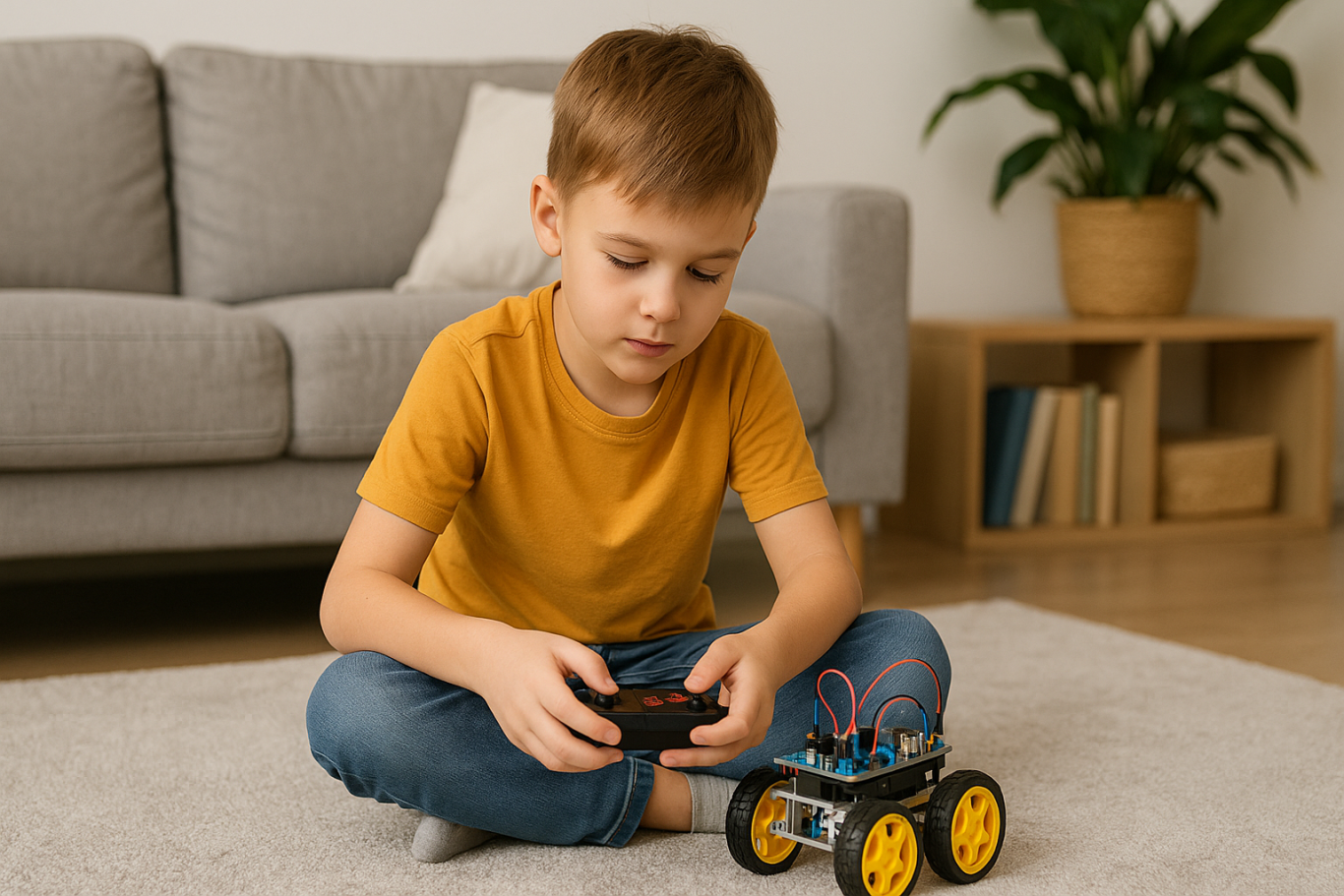
Simple activities like building robots out of cardboard or using beginner-friendly kits like Bee-Bot can make robotics feel like play. Apps like Scratch Junior also help kids understand coding logic in a visual, hands-on way.

The key to a successful introduction to basic robotics for kids is to keep it playful. When children enjoy the process, they naturally become more engaged and absorb more from each activity.

Common Challenges and How to Overcome Them

Introducing robotics to children can come with challenges. Not every parent has a technical background, and not every child is excited right from the start.

These obstacles can be managed with patience and flexibility. Start small, go at the child’s pace, and remove the pressure to get everything right the first time. A consistent and supportive learning environment can make a big difference.

Robotics as a Foundation for the Future

An introduction to basic robotics for kids is not just about teaching them to use technology, but also about shaping how they think. It nurtures critical thinking, creative problem-solving, and the courage to experiment.

Children learn to see failure as part of the process, to try again, and to evaluate what can be improved. These life skills will benefit them in any field they choose to pursue in the future.

Learn Coding and Robotics Easily with Timedoor Academy

If you’re looking for a fun and structured way for your child to learn coding and robotics, Timedoor Academy offers interactive online classes designed for kids. Using creative methods and kid-friendly tools, children can build logical thinking, create commands, and develop real projects with confidence.

 Image

Try a free coding and robotics class today with Timedoor Academy and help your child take their first steps into the world of future-ready technology through a guided and joyful introduction to basic robotics for kids.


Keep Reading

10 Unhealthy Foods for Kids That Parents Should Watch Out For
Every parent wants their child to grow up healthy and full of energy. But in today’s world, where processed foods are everywhere, it’s easy to overlook how much of what kids eat is actually harmful to their health. Many of the snacks and meals kids love are considered unhealthy foods for kids — tasty, yes, but loaded with ingredients that can cause serious health problems down the line. In this article, we’ll walk through 10 common unhealthy foods for kids that should be limited, along with why building healthy eating habits early is so important.   1. Fast Food Burgers, fries, chicken nuggets — these fast food favorites are high in saturated fat, calories, and sodium. They may be convenient, but eating them too often can lead to weight gain and increase the risk of heart disease later in life. Fast food is one of the most recognizable unhealthy foods for kids and should be enjoyed only occasionally.   2. Instant Noodles Quick and easy to prepare, instant noodles are a go-to for busy families. However, they’re loaded with salt, unhealthy fats, and preservatives. Regularly eating instant noodles can raise blood pressure and put unnecessary strain on children’s kidneys, making them one of the most problematic unhealthy foods for kids.   3. Packaged Snacks Potato chips, cheese puffs, and other bagged snacks might be tasty, but they’re often full of artificial flavors, trans fats, and excessive salt. With little to no nutritional value, these snacks are classic examples of unhealthy foods for kids that can easily be replaced with healthier alternatives.   4. Sugary Candy and Sweets Most kids love sweets, but too much sugar leads to tooth decay, weight gain, and even a higher risk of developing type 2 diabetes. Whether it’s candy, chocolate bars, or gummy treats, sugary snacks are firmly in the category of unhealthy foods for kids.   5. Soda and Sugary Drinks Soft drinks and sugary juices pack an enormous amount of added sugar and artificial additives. Not only do they contribute to obesity, but they also weaken bones and harm dental health. It’s no surprise that sugary drinks are among the most well-known unhealthy foods for kids.   6. Sweetened Breakfast Cereals Many cereals marketed toward children are more dessert than breakfast, containing high levels of sugar and very little fiber. Starting the day with these sugary options can cause energy crashes and unhealthy snacking habits later on. Despite clever advertising, sweetened cereals are undoubtedly unhealthy foods for kids.   7. Store-Bought Ice Cream While an occasional scoop of ice cream is fine, commercially produced varieties are often loaded with sugar and unhealthy fats. When consumed too frequently, ice cream becomes yet another source of unnecessary calories and one more item on the list of unhealthy foods for kids.   8. Bubble Tea and Flavored Beverages Bubble tea and flavored milk drinks have become trendy among kids worldwide. Unfortunately, they’re typically packed with sugar, syrups, and calorie-dense toppings. These drinks are fun but should be considered occasional treats, as they’re definitely unhealthy foods for kids.   9. Deep-Fried Street Food Fried snacks sold by street vendors are often cooked in reused oil and prepared in less-than-hygienic conditions. Consuming these foods regularly increases the intake of harmful fats and raises the risk of digestive issues, making them one of the most dangerous unhealthy foods for kids.   10. Packaged Cakes and Pastries Mass-produced cakes, donuts, and pastries are high in refined sugars, unhealthy fats, and preservatives. Regularly eating these sweet treats can contribute to weight gain, disrupt hormone balance, and increase the risk of chronic diseases. Without a doubt, they belong on the list of unhealthy foods for kids.   Why Should You Limit Unhealthy Foods for Kids? The effects of unhealthy foods for kids go far beyond weight gain. Poor eating habits can affect children’s physical growth, learning abilities, mood, and immunity. Kids who frequently consume high-sugar, high-fat, and heavily processed foods may struggle with focus, experience low energy, and be more prone to illness. That’s why it’s essential for parents to guide their children towards healthier food choices early on. Teaching kids about nutrition helps them develop lifelong habits that support their overall well-being.   Don’t Forget Digital Literacy: A Key Skill for Today’s Kids While promoting healthy eating is vital, fostering digital skills is equally important. Introducing kids to coding, for example, helps develop logical thinking, creativity, and problem-solving abilities that are crucial in the digital age. Timedoor Academy offers fun, interactive coding classes specifically designed for kids. It’s a great way to support your child’s overall growth — mind and body. Ready to give your child a head start? Sign up for a free coding trial class with Timedoor Academy today and help them build essential skills for the future.
Cara Menghasilkan Uang dari Koding
How to Make Money Coding as a Kid
In today’s tech-driven world, kids are not just consumers of technology. They can become creators too. One exciting way for young minds to explore this potential is by learning how to code. What’s even better? Coding is not just a fun and valuable skill. It can also help children start earning money at an early age. In this article, we will explore practical and age-appropriate ideas on how to make money coding as a kid, and how platforms like Timedoor Academy can help kickstart the journey.   1. Build and Sell Simple Games One of the most popular ways for kids to make money with coding is by creating simple games. Platforms like Scratch allow children to build their own games using visual programming blocks. Once they get the hang of it, kids can upload their games to platforms like itch.io or Game Jolt, where others can play and support their work through donations or small purchases. This is a great way for kids to combine creativity with coding skills. It also teaches them the basics of digital entrepreneurship, such as designing for users and thinking about what makes a game fun and engaging.   2. Design a Personal Website or Blog Creating a personal website is a great way for kids to showcase their projects and interests. Using platforms like WordPress, Wix, or coding from scratch with HTML/CSS, kids can build blogs, portfolios, or fan pages. Once the website gains some visitors, there are many ways to monetize it. These include placing ads through Google AdSense with adult guidance, using affiliate links, or even selling digital products like game templates or beginner-friendly coding guides. This helps kids learn how websites work and how online income is generated in real life.   3. Create YouTube Coding Tutorials Another exciting option on how to make money coding as a kid is by creating YouTube tutorials. Kids can teach others how to code in Scratch, build simple apps, or walk through a project step by step. These videos do not need to be fancy. They just need to be clear and helpful. As the channel grows, monetization through YouTube ads, sponsorships, and affiliate links becomes possible. This is also a great way for kids to improve their communication skills while reinforcing their own understanding of coding.   4. Sell Digital Art or Assets for Games Kids who enjoy both coding and art can create digital assets like characters, backgrounds, or sound effects. These can be sold on platforms like Unity Asset Store, OpenGameArt, or Itch.io. For example, if your child designs a cool background for a Scratch game, they can package it with a few more designs and offer it for free or for a small fee online. This is a fun way to blend art, coding, and entrepreneurship.   5. Try Safe Freelance Gigs (With Parental Help) Older kids or teenagers ages 13 and up can start exploring junior freelance work in simple coding tasks. These include fixing bugs, customizing websites, or helping with small scripts. Sites like Fiverr or Freelancer often have beginner-friendly gigs that can be done with parental supervision. Even if the job pays only a few dollars at first, the experience and confidence gained are invaluable. It helps children see how coding is used in the real world and builds their early portfolio.   6. Participate in Coding Competitions Many platforms and organizations hold coding competitions or hackathons for kids. These events often come with prizes such as gadgets, cash, or even scholarships. Websites like Tynker, Code.org, and local coding academies host events where kids can test their skills and possibly win something exciting. Competing not only motivates kids to learn faster. It also introduces them to other like-minded peers and creates a supportive community.   7. Build Mobile Apps With tools like Thunkable, MIT App Inventor, or even Flutter, kids can start building simple mobile apps. Whether it is a calculator, a quiz game, or a daily planner, these apps can be uploaded to the Google Play Store with adult help. Even if the app is free, kids can include ads or in-app purchases to start earning money. It is a great way to explore real-world coding with tangible outcomes.   8. Teach Coding to Other Kids Once your child becomes confident in their coding skills, they can teach younger children or peers who are just starting out. Whether it is through local workshops, helping a sibling, or organizing a mini class with friends, this builds leadership and communication skills. Some older kids even offer beginner Scratch tutoring sessions online, turning their knowledge into a meaningful side hustle.   Why Learning to Code Early Matters Understanding how to make money coding as a kid goes beyond earning an allowance. It teaches real-world skills like time management, problem-solving, entrepreneurship, and confidence. Kids who code not only learn how to build apps or games. They also gain a mindset that prepares them for the future.   Start Coding the Fun Way with Timedoor Academy If your child is curious about coding, game creation, or building their first app, Timedoor Academy is the perfect place to begin. With interactive lessons, expert guidance, and beginner-friendly projects, kids can explore coding in a way that is fun and engaging. Ready to see if coding is right for your child? Visit us to join a free trial class and let your child turn creativity into real skills and even their first coding income.
5 Tips Developing Children Creativity with Technology: A Key to a Bright Future
Children are the future, and their creativity plays a significant role in shaping the world. In today’s rapidly changing digital age, technology has become a part of daily life. However, many parents worry about how to integrate technology into their children’s lives in a meaningful and productive way. One of the most impactful ways to do so is by developing children creativity with technology. When used correctly, technology can be a powerful tool for stimulating children’s imagination, fostering problem-solving skills, and enhancing their learning experience. This article will explore the importance of creativity in child development and how parents can harness technology to encourage creativity in their children. The Importance of Creativity in Child Development Creativity is not just about art or music; it is about the ability to think outside the box, solve problems, and adapt to new situations. In today’s world, where change happens rapidly, creativity has become one of the most valuable skills for success. Teaching children to be creative helps them approach challenges with confidence and resourcefulness, making them more resilient in the future. However, creativity does not develop on its own. It needs to be nurtured through experiences, guidance, and exposure to different ideas. One of the most effective ways to develop children creativity with technology is by using digital tools and resources to inspire imagination and innovation. How Technology Can Foster Creativity in Children There are many ways in which technology can be used to develop children creativity with technology. Here are some examples: 1. Digital Art and Design Apps Apps like Canva, Adobe Spark, and Tinkercad provide children with the opportunity to create their own designs, graphics, and 3D models. These apps not only teach children how to use technology but also allow them to express their creativity visually. This hands-on approach helps develop children creativity with technology, enhancing their skills in design and problem-solving. 2. Learning Coding and Building Projects Coding is one of the most valuable skills in the 21st century, and it is also a fantastic way to develop children creativity with technology. Through coding, children learn how to create games, apps, and websites, all while honing their problem-solving abilities. Platforms like Scratch, Code.org, and Blockly make learning coding fun and interactive, giving children the tools they need to build their own digital creations. 3. Making Animations and Videos Creating animations and videos is another excellent way to develop children creativity with technology. By using apps like Scratch or Kinemaster, children can craft their own stories, characters, and animations, which helps them develop storytelling and visual communication skills. These projects encourage creative thinking and give children the confidence to bring their ideas to life. 4. Music Creation with Technology Technology can also foster creativity in children through music. Apps like GarageBand allow children to create their own songs, learn how to play digital instruments, and experiment with different sounds. Developing children creativity with technology in this way helps them explore the world of music and understand rhythm, melody, and harmony, all while using digital tools. 5. Building Digital Content and Blogging Blogging and digital content creation also offer children a platform to express their creativity. They can write, make videos, and share their thoughts with the world. This process not only improves their writing and communication skills but also teaches them about digital literacy and the importance of creating positive, engaging content online. The Role of Parents in Guiding Technology Use While technology can be a powerful tool for developing children creativity with technology, it’s essential that parents play an active role in guiding their children’s use of it. Without proper guidance, children can easily get distracted or fall into the trap of mindless screen time. Parents should ensure that children use technology for productive purposes, such as learning new skills, engaging in creative activities, or collaborating on projects. Setting time limits, providing quality content, and engaging with children during their digital activities are important steps in ensuring that technology serves as a positive influence in their lives. Developing Children’s Creativity with Technology at Timedoor Academy At Timedoor Academy, we believe in the power of technology to enhance children’s learning experience. Our coding and technology programs are designed not just to teach technical skills but also to inspire creativity and innovation in children. Through fun, interactive lessons, we help children develop essential skills like problem-solving, teamwork, and digital literacy. By developing children creativity with technology, we prepare them for a future where technology plays a central role in almost every field. Our courses focus on providing hands-on learning experiences, ensuring that children are not just passive consumers of technology but active creators and innovators. The Power of Technology to Enhance Creativity In today’s world, developing children creativity with technology is not just an option but a necessity. Technology offers endless possibilities for children to explore, create, and innovate. As parents, it is our responsibility to guide children in using technology in a positive and productive way, so they can develop the skills they need to succeed in the future.At Timedoor Academy, we are committed to helping children harness the power of technology to enhance their creativity, develop essential skills, and prepare for the future. If you want your child to start learning and exploring the world of technology, we invite you to sign up for a free trial at Timedoor Academy and watch them grow into creative and confident digital creators.
float button