Jul 23, 2025

9 Parenting Tips for Children That Help Shape Their Future

9 Parenting Tips for Children That Help Shape Their Future image

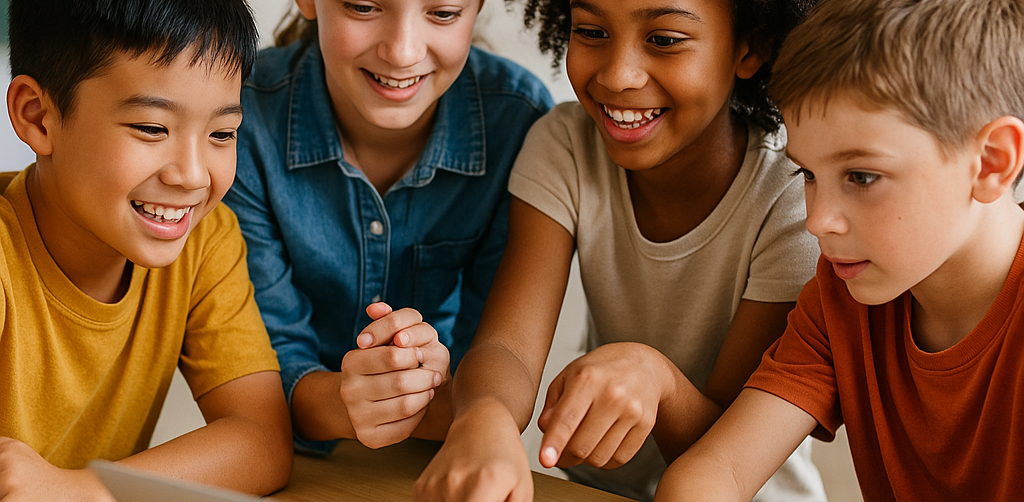
Being a parent is more than just meeting your child’s physical needs. It is a lifelong responsibility to nurture their character, emotional well-being, and future readiness. In today’s fast-paced and digital world, parenting requires a more adaptive and thoughtful approach. That is why understanding effective parenting tips for children is crucial to providing meaningful support.

1. Understand Your Child’s Personality

parenting tips for children

Every child is unique. Some are highly active and outgoing, while others may be quiet and reserved. Getting to know your child’s personality helps you adjust your communication style and parenting strategy. One of the most important parenting tips for children is observing without judgment and giving your child the space to express themselves freely.

2. Build Open Communication

Communication is the foundation of a strong parent-child relationship. Children who feel heard and respected tend to develop greater self-confidence. Simple daily moments, like meals or car rides, can be perfect for building open and honest conversations. One of the essential parenting tips for children is to listen actively, avoid harsh judgment, and respond with empathy.

3. Set Clear and Consistent Boundaries

While freedom is important, children also need boundaries to feel secure and learn responsibility. Parents who consistently apply clear rules help children develop a sense of discipline. Within the framework of parenting tips for children, boundaries are not meant to control but to guide healthy behavior and build self-regulation.

4. Be a Role Model

Children learn more from what they see than what they are told. If you want your child to be respectful, honest, and responsible, you need to model those behaviors yourself. One of the most powerful yet often overlooked parenting tips for children is leading by example through everyday actions.

5. Guide Technology Use with Care

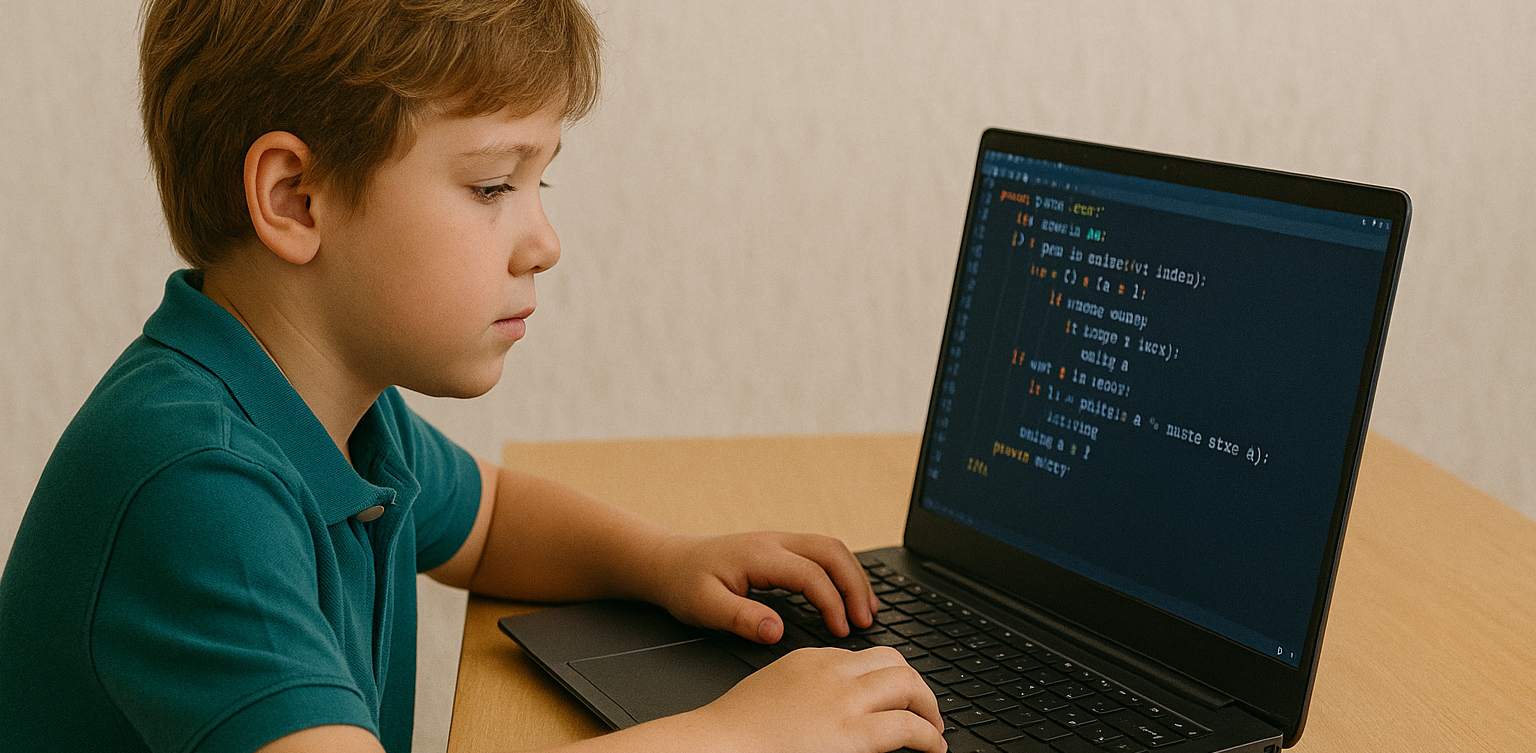
Children today are exposed to technology from a very early age. Instead of banning gadgets, parents should guide their use wisely. Introduce children to educational apps and creative digital tools that encourage productive learning. Among modern parenting tips for children, teaching digital responsibility is crucial.

6. Offer Emotional Support

Children who feel emotionally supported are more resilient and confident. Be there for your child during difficult moments, celebrate their achievements, and show them unconditional love. Emotional support is one of the most valuable parenting tips for children, as it fosters inner strength and emotional intelligence.

7. Create Healthy Daily Routines

Consistent routines for sleeping, eating, studying, and playing give children a sense of structure and security. These routines also help develop time management skills. Simple, repeated habits are a vital part of effective parenting tips for children, laying a solid foundation for future growth.

8. Involve Children in Decision-Making

Give your child opportunities to participate in everyday decisions, such as choosing their clothes or planning family meals. This empowers them to think critically and express their preferences. From a list of practical parenting tips for children, allowing children to make choices builds independence and self-esteem.

9. Keep Learning as a Parent

No parent is perfect, and every child is different. Staying open to learning helps you adapt to your child’s changing needs. Attending parenting workshops, reading educational books, or seeking professional advice can strengthen your parenting skills. Among all parenting tips for children, the willingness to grow with your child may be the most important.

Shaping the Future Begins at Home

 Image

Parenting is a long-term investment filled with joys and challenges. By applying proven parenting tips for children, we create a supportive environment that allows our children to thrive emotionally, socially, and intellectually. Small actions today can build the future we dream of for our kids.

If you’re looking to enhance your child’s learning journey, Timedoor Academy offers an engaging platform where children can explore the world of technology in a safe, structured, and exciting way.

Sign your child up for a free trial at Timedoor Academy today and see how fun, guided tech learning can boost their confidence, creativity, and future readiness.

Keep Reading

Coding for Game-Loving Kids: Help Child’s Gaming Addiction
Coding for Game-Loving Kids is important in today’s digital era, because many children enjoy playing games, especially popular games like Roblox. For some parents, gaming addiction can be a major concern. Children who spend too much time playing games often neglect study time, sleep, and social interaction. Instead of simply forbidding gaming, parents can turn their child’s hobby into a productive activity through Coding for Game-Loving Kids. With the right approach, a passion for gaming can be redirected to develop digital skills and creativity. Children can learn not only to play games but also to understand how games are made. This is where Coding for Game-Loving Kids becomes a practical and enjoyable solution. The Benefits of Introducing Coding Turning a gaming hobby into coding practice offers numerous benefits. Firstly, children can continue exploring the gaming world they enjoy, but in a more productive manner. Secondly, learning coding helps develop logical thinking, problem-solving skills, and creativity. With coding knowledge, children can transition from being mere players to becoming creators of their own games. Timedoor Academy provides specialized classes in Coding for Game-Loving Kids, including game developer programs. Here, children are guided step by step to create their own games, blending learning with their love for gaming. This offers parents a smart way to channel their child’s gaming interest positively. Why Game Developer Classes Are Perfect for Game-Loving Kids Timedoor Academy’s game developer classes are designed specifically for children passionate about gaming. The curriculum is age-appropriate and uses interactive teaching methods. Children are taught how to design simple to intermediate games. The process is engaging, and children feel accomplished when their games can be played by friends. Parents do not need to worry if their children have previously spent too much time playing games. On the contrary, these classes are an effective way to utilize their interest productively. With proper guidance, children learn discipline, focus, and essential digital skills from an early age. Tips for Parents: Turning a Hobby Into a Productive Activity Understand Your Child’s Interest Identify the types of games your child enjoys and use them as a starting point for introducing coding. Provide Positive Motivation Praise your child for every small project they complete through coding. This builds confidence and encourages continued learning. Combine Learning and Fun Interactive coding lessons ensure that learning feels as enjoyable as playing games. Choose the Right Learning Environment Enrolling your child in Timedoor Academy allows them to learn coding in a structured, safe, and fun environment. By applying these strategies, parents can redirect their child’s energy toward positive learning without taking away their love for games. Using Technology to Develop Children Gaming addiction does not always need to be a problem when handled appropriately. Through Coding for Game-Loving Kids at Timedoor Academy, children can learn to create games, develop creativity, and enhance digital skills. Parents play a crucial role by supporting and motivating children to learn actively. Transforming a child’s interest in games into a productive activity benefits not only their digital skills but also builds discipline, confidence, and problem-solving abilities, which are vital in today’s digital world. Enroll your child at Timedoor Academy today and turn their love for gaming into valuable digital skills. With our Coding for Game-Loving Kids classes, your child will learn to create games, unleash their creativity, and achieve rewarding accomplishments. Sign up now for a free trial and start an exciting learning journey!
7 Powerful Benefits of Digital Security Literacy Training for Students in the Modern Era
In today’s fast-paced digital era, children’s ability to use technology must be balanced with an understanding of online safety. Many children are skilled at using gadgets, yet they often lack awareness of the potential risks they may face on the internet. This is why digital security literacy for students has become an essential skill to teach from an early age, helping them explore the digital world safely, wisely, and responsibly. Timedoor Academy understands how important this is. Through interactive learning programs, students not only learn about technology but also understand how to protect themselves online. Therefore, digital security literacy for students is not just theoretical knowledge but also a practical skill they can apply in their everyday lives. What Is Digital Security Literacy for Students? Digital security literacy for students is the ability to understand, identify, and manage risks in the digital world. It includes knowing how to protect personal data, avoid online scams, and communicate ethically on the internet. In education, this literacy goes beyond how to use technology. It also involves developing critical thinking skills about online information. For example, recognizing fake news, understanding data privacy, and using social media wisely. Training of this kind serves as an important foundation for students to grow into responsible and ethical digital users. Why Is Digital Security Literacy Important? While internet access offers great advantages in education, it also opens the door to risks such as cyberbullying, data theft, and exposure to inappropriate content. Children often do not yet have the ability to distinguish between safe and unsafe online spaces. Through digital security literacy for students, they learn to recognize warning signs in the digital world. For example, how to avoid suspicious links, refrain from sharing personal information, and understand the consequences of their online actions. Once students gain this knowledge, they become more confident in using technology in a positive and responsible way. Benefits of Digital Security Literacy Training for Students Digital security literacy for students provides many meaningful benefits for both children and parents. Here are some of the main advantages: 1. Increases Online Safety Awareness Children learn to recognize online threats such as fraud, hacking, and cyberbullying. They also understand preventive measures to keep themselves safe. 2. Builds Responsibility in the Digital World With good literacy, students understand that online actions have real consequences. They become more careful and thoughtful in their digital interactions. 3. Encourages Critical Thinking About Information This training helps children distinguish between accurate and false information so they do not easily fall for hoaxes or misleading content. 4. Develops a Positive Digital Reputation Students learn how to maintain a good digital footprint and understand the importance of building a positive online reputation that can impact their future. 5. Supports Safe Online Collaboration While using online learning platforms, students become aware of the importance of data protection, strong passwords, and teamwork ethics in digital environments. 6. Protects Privacy and Personal Data Children learn not to share personal information such as home addresses, phone numbers, or private photos on social media. 7. Encourages Positive Digital Character Growth Digital security literacy for students teaches not only safety but also respect, kindness, and using technology for meaningful purposes. The Role of Parents in Digital Security Literacy Parents play a major role in supporting the success of digital security literacy for students. Open communication between parents and children is key. Parents should discuss online boundaries and serve as good role models in practicing responsible digital behavior. Timedoor Academy also promotes parental involvement in the learning process. This ensures that digital safety education continues at home as well as in the classroom. Through positive engagement, parents can help children realize that the internet is an incredible tool when used wisely. How Timedoor Academy Implements Digital Security Literacy Timedoor Academy integrates digital security literacy for students into every learning program. Each class not only focuses on technical skills like coding or design but also includes lessons on digital ethics and safety values. Students are encouraged to understand that technology is not only about creating something new but also about using it responsibly. The learning process is interactive, using case studies, simulations, and group discussions that help children better understand real-world online risks. Register Now in Timedoor Academy! Digital security literacy for students is a crucial step in shaping a young generation ready to face the challenges of the digital age. With this ability, children can become not only smart technology users but also ethical and responsible ones. As parents, providing your children with the right training is a valuable investment in their future. Would you like your child to be digitally smart and safe online? Sign up now for a Free Trial Class at Timedoor Academy! Experience an interactive learning journey that not only teaches coding but also builds strong digital security literacy for students to prepare them for a safer and smarter future.
dampak positif dan negatif ai terhadap anak
Positive & Negative Effects of AI on Kids
Artificial Intelligence (AI) is becoming a regular part of children's lives, from voice assistants and learning apps to smart toys and educational platforms. As this technology continues to shape the way children learn and interact with the world, parents and educators are beginning to ask an important question: what are the positive & negative effects of AI on kids? While AI can provide engaging and personalized learning experiences, it also raises concerns about screen time, privacy, and social development. In this article, we’ll explore both sides of the story and help you better understand how to manage AI in your child’s life. What Are the Positive & Negative Effects of AI on Kids? Understanding the positive & negative effects of AI on kids starts with identifying how AI is used in their daily routines. Many children today interact with AI-powered tools at home, in school, or even while playing. AI helps personalize lessons based on learning speed and style. It can adjust content difficulty, give instant feedback, and keep children motivated with gamified progress tracking. However, relying too much on AI can reduce face-to-face interactions and lead to excessive screen exposure. As we explore each aspect, keep in mind that moderation and parental guidance are essential to maximizing the benefits of AI while avoiding its downsides. Positive Effects of AI on Kids’ Learning and Development One of the major positive effects of AI on kids is how it transforms the learning process. AI can create personalized learning paths that help students progress at their own pace. This is especially useful for children who need more time with certain subjects or want to advance beyond the standard curriculum. Some common benefits include: Personalized education: Platforms like Duolingo, Khan Academy Kids, and Google’s Read Along adapt to a child’s learning speed and interests. Interactive engagement: AI-powered tools can make learning fun. Children feel like they are playing a game, which boosts motivation and retention. Support for special needs: AI can assist children with learning difficulties, such as dyslexia or ADHD, by providing tailored content and feedback. Language development: Tools like ChatGPT or AI-powered story apps can help kids practice conversation skills, learn vocabulary, and explore creative writing. When used thoughtfully, AI can support cognitive development, encourage independent learning, and make education more accessible to all children. Negative Effects of AI on Kids’ Behavior and Health While the benefits are impressive, the negative effects of AI on kids should not be overlooked. Increased screen time and constant engagement with digital devices can affect children in many ways. Here are some of the concerns: Reduced social interaction: Over-reliance on AI tools can limit kids' real-world communication and collaboration with peers. Privacy and data concerns: AI tools often collect personal data. Parents must stay aware of how and where their child’s information is stored and used. Impaired creativity: When kids rely too much on automated answers or suggestions, it may reduce their problem-solving and critical thinking skills. Health risks: Excessive screen time is linked to eye strain, poor posture, and decreased physical activity. These negative effects of AI on kids highlight the importance of setting boundaries and ensuring that AI is used as a supplement, not a replacement, for real-life experiences. Balancing the Positive & Negative Effects of AI on Kids at Home and School Finding the right balance between the positive & negative effects of AI on kids is the key to ensuring that technology supports rather than harms their development. Here are some strategies: Set clear screen time limits: Encourage breaks and schedule offline activities like outdoor play or reading. Choose high-quality apps: Use tools that offer educational value and avoid those filled with ads or mindless content. Stay involved: Talk to your child about what they’re learning, and encourage them to ask questions or reflect on what they discover. Encourage a mix of learning methods: Combine AI-based tools with traditional learning and hands-on activities. Teach digital responsibility: Help kids understand the importance of online privacy, respectful communication, and balanced usage. By creating a healthy digital environment at home and working with educators to do the same in schools, we can maximize the positive impact of AI while reducing the risks. Managing the Positive & Negative Effects of AI on Kids AI is here to stay, and its role in children's lives will only continue to grow. As with any technology, the key is to use it intentionally. When guided properly, the positive & negative effects of AI on kids can be managed in a way that supports learning, creativity, and healthy development. Parents, teachers, and caregivers all have a role in helping kids develop strong digital habits and a balanced approach to technology. With the right support, AI can be a powerful tool for growth rather than a source of distraction or harm. Make AI Work for Your Child at Timedoor Academy At Timedoor Academy, we believe in using technology the smart way. Our live, interactive coding and digital classes are designed to help kids explore AI, robotics, and programming while developing communication and critical thinking skills. Looking for a healthy way to introduce tech into your child’s routine? Try our free class and see how we guide students to grow in a structured and inspiring environment. Visit our website to learn more and start your child’s smart tech journey today!
float button