Jul 15, 2022

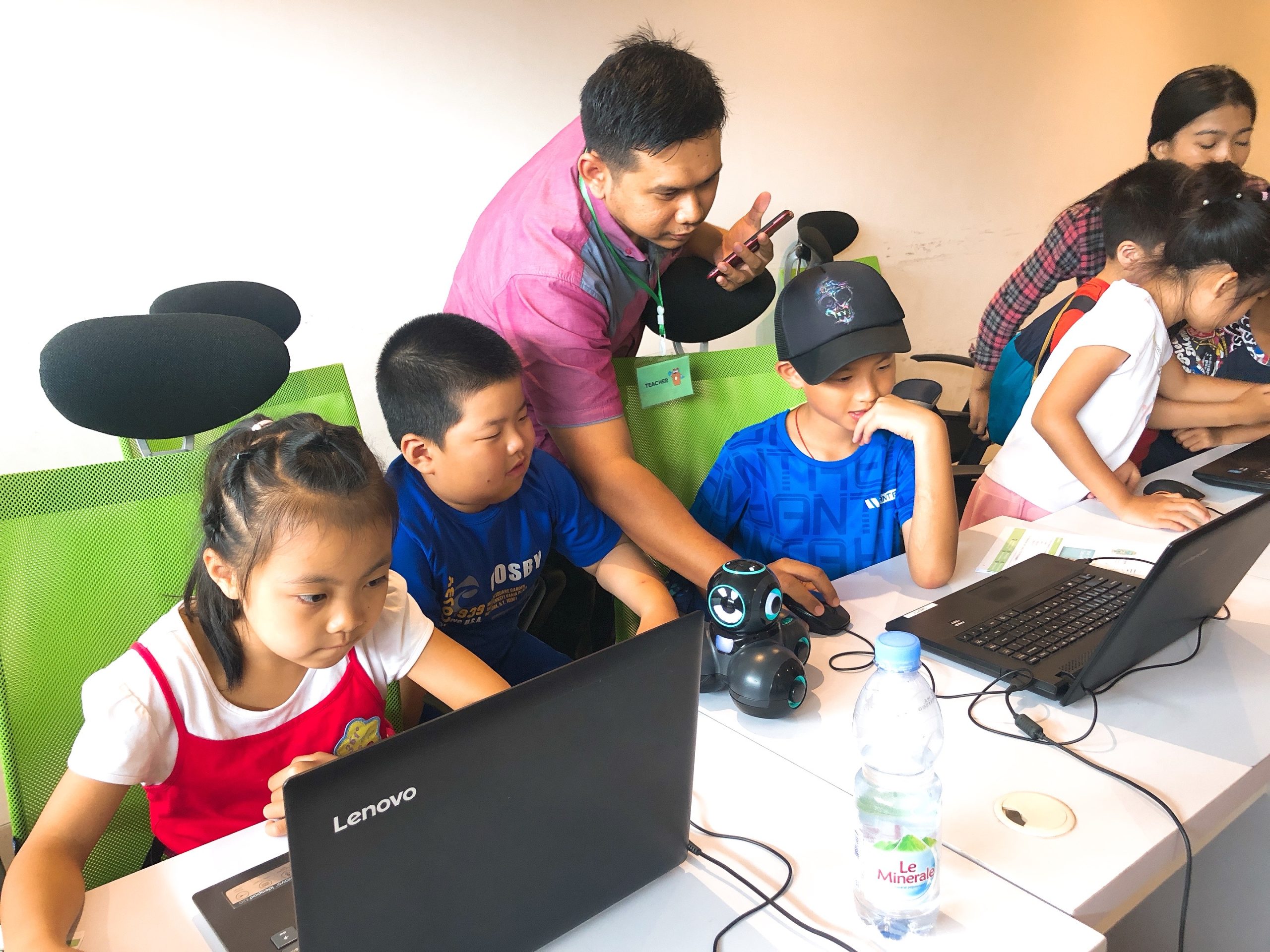
Venue Partner Program – Coding School

Venue Partner Program – Coding School image

Turn Your Space into a Futuristic Education Center

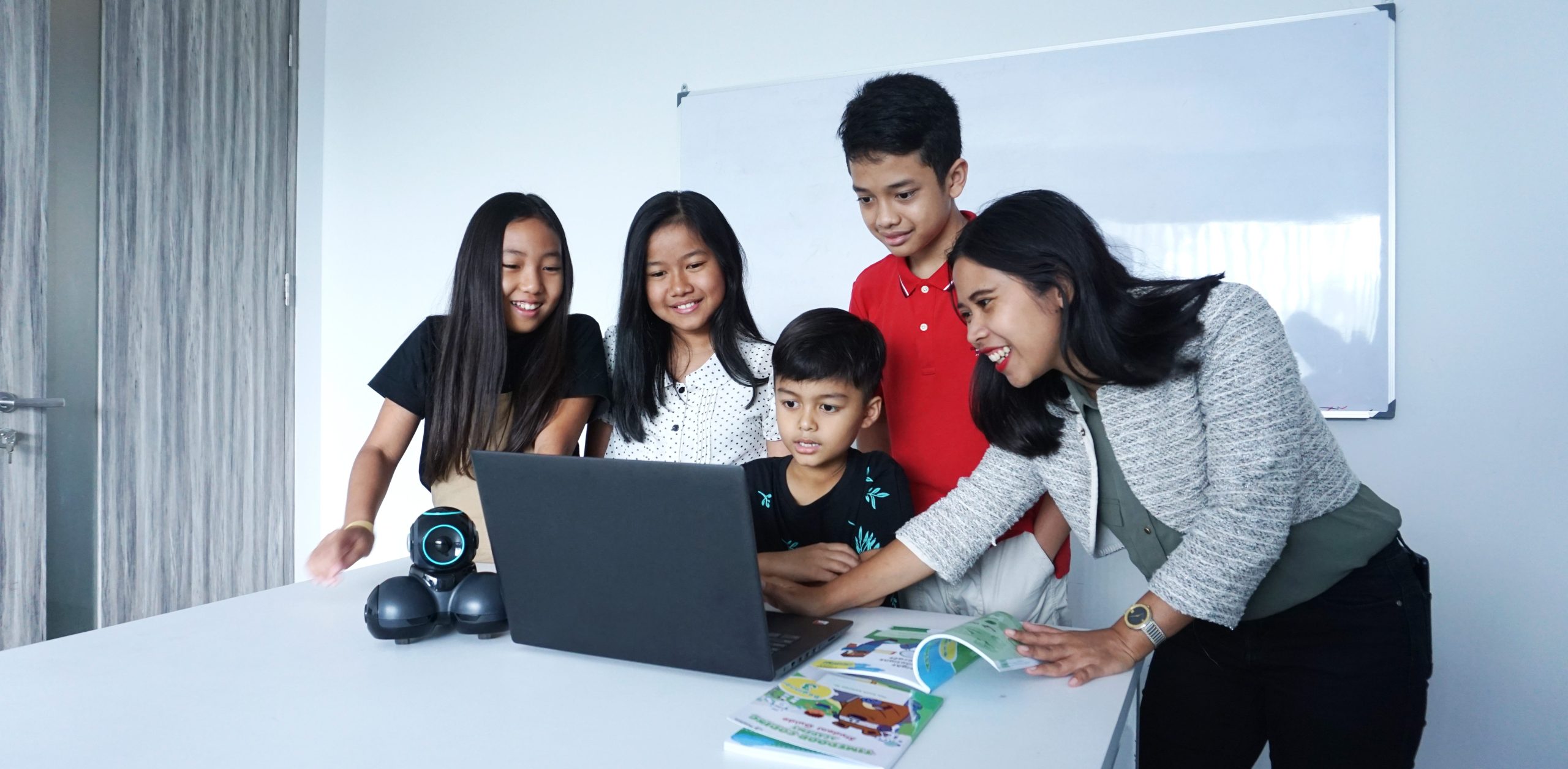
Timedoor Academy is excited to explore the potential of opening an Offline branch in your area. If you happen to have any spare space, we invite you to consider partnering with us and discover the opportunity to generate passive income through our coding school. It’s a chance to contribute to the growth of your community by offering valuable educational resources while also benefiting from the financial rewards of this collaboration. Let’s join forces to create a positive impact together.
 

Business Model

– Sales Share Model
(Not Franchise Model)
 

Benefit

– All operations, management from Timedoor side
– You can generate passive income with spare space
– Synergy effect with your business
– No investment cost
 

Suitable for

– Venue Owner
– School
– Learning Center
– Co-Working Space
– Recreation Club
 

Requirement

– Minimum 3 Rooms, Ideally 7 Rooms for Class (or big class that we can partition into several class)
– Open 15:00 – 21:00 Weekdays, 08:00 – 18:00 Weekend


Contact Us to be our venue partner now!


Keep Reading

<strong>5 Keys: The Differences Between Autism and ADHD in Children That Parents Should Know</strong>
5 Keys: The Differences Between Autism and ADHD in Children That Parents Should Know
Autism and ADHD in children. In the world of child development, two terms that often confuse parents are autism and ADHD. Both are neurodevelopmental conditions that affect how children learn, behave, and interact. However, understanding the differences between autism and ADHD in children is crucial to ensure the right support and approach are given. While they may appear similar at first glance because of overlapping behavioral challenges, the differences between autism and ADHD become clear with closer observation. This article helps parents identify the key traits of each condition and how to distinguish them in daily life. 1. Differences in Social Interaction One of the most noticeable differences between autism and ADHD in children lies in how they interact with others. Children with autism often struggle to understand facial expressions, body language, or social norms. They may seem less responsive during conversations or appear to live in their own world. On the other hand, children with ADHD usually want to engage socially but often interrupt, speak out of turn, or have trouble listening. Here, the differences between autism and ADHD are not just about social interest but also about how children manage their interactions. 2. Focus and Attention Another key difference between autism and ADHD in children is how they focus. Children with ADHD have a hard time staying on task, are easily distracted, and often switch activities without finishing them. In contrast, children with autism can be deeply focused on a specific interest for long periods. This is often called "hyperfocus," especially on topics like numbers, vehicles, or patterns. The differences between autism and ADHD here show opposite tendencies in attention and focus. 3. Behavior Patterns and Routine Children with autism often need consistent routines. Even small changes can cause stress or emotional outbursts. They may also engage in repetitive behaviors like hand flapping, spinning objects, or walking in a specific pattern. Meanwhile, children with ADHD tend to be more impulsive and enjoy change. They may make decisions without thinking and struggle to follow consistent rules. The differences between autism and ADHD in children become clear in how they respond to structure and routine. 4. Language and Communication Language development is another area where the differences between autism and ADHD stand out. Children with autism may have delayed speech or unusual speech patterns, such as repeating words or speaking in a flat tone. They might also prefer gestures over words. In contrast, children with ADHD usually have age-appropriate language skills but may talk excessively, interrupt others, or have trouble listening. These differences between autism and ADHD in children affect both verbal and nonverbal communication. 5. Response to the Environment Children with autism are often sensitive to bright lights, loud sounds, or certain textures. They can become overwhelmed easily by sensory input. On the other hand, children with ADHD often seek out stimulation and may appear constantly active or restless. Recognizing these differences between autism and ADHD helps parents adjust their child’s home or school environment to better support their needs. Diagnosis Requires Professional Evaluation While this article highlights the differences between autism and ADHD, it is important to remember that only a licensed professional, such as a child psychologist, psychiatrist, or developmental pediatrician, can make a formal diagnosis. Some children may show traits of both conditions, so a proper clinical assessment is essential. The Right Support Can Help Children Thrive Once the differences between autism and ADHD in children are understood, the next step is to provide the right support. Behavioral therapy, occupational therapy, and counseling can help children manage their emotions, improve social skills, and adapt to daily challenges. How Coding Helps Support Children’s Development For children with special needs like ADHD or autism, structured and creative activities can be especially beneficial. One such activity is learning to code. At Timedoor Academy, kids can join engaging, structured coding classes that encourage focus, problem-solving, and self-confidence through real digital projects. Try a free coding class at Timedoor Academy and discover how technology can be a powerful and fun learning tool for your child.
How to Introduce AI to Kids: Tips and Trick 2025
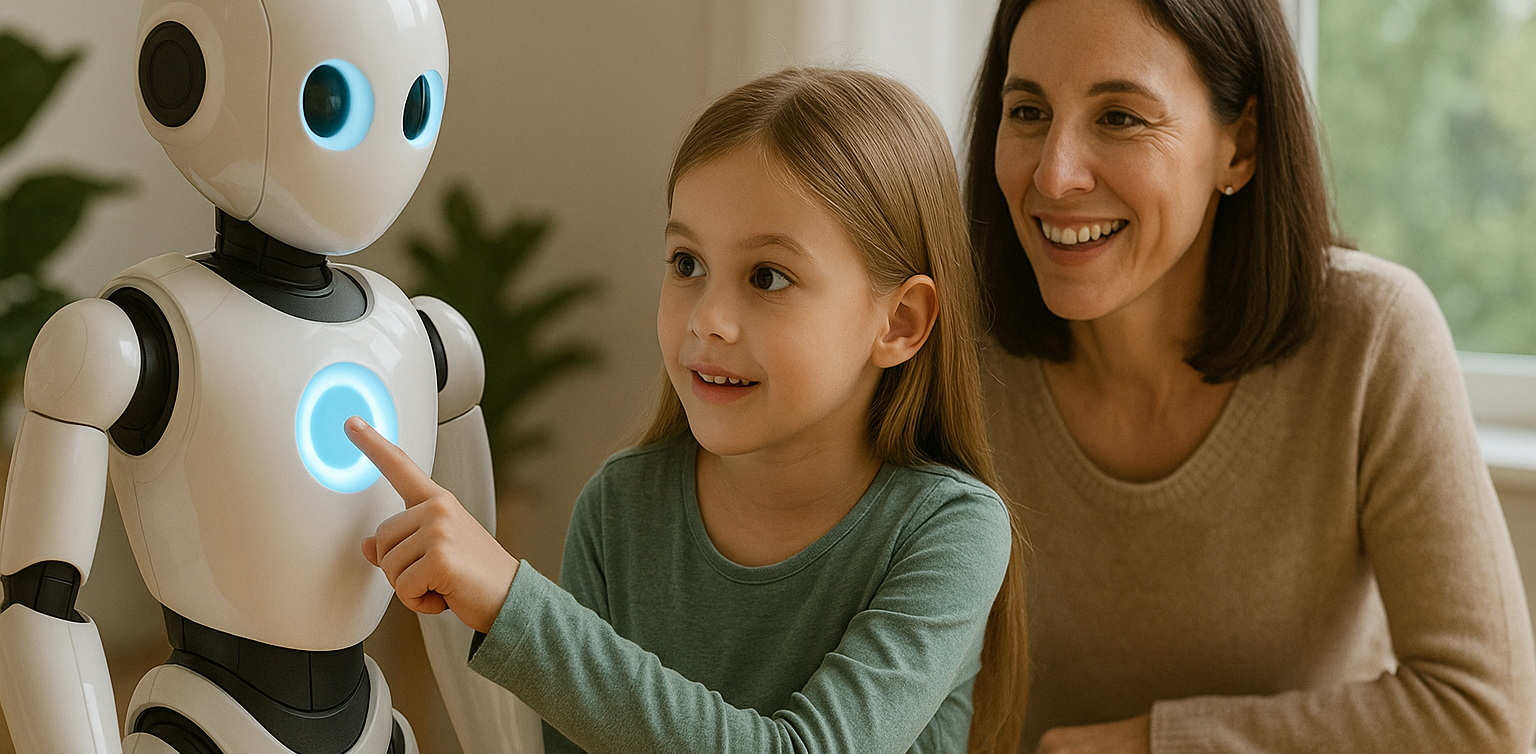
Artificial Intelligence, or AI, is no longer just a concept of the future. From voice assistants on smartphones to video recommendations on YouTube, AI is part of our everyday lives. That’s why learning how to introduce AI to kids is so important. When kids understand the basics, they can grow from passive users into confident, curious thinkers in a tech-driven world. Many parents worry that AI sounds too complicated for young minds. In reality, it can be introduced in very simple and engaging ways. Using relatable examples and interactive methods helps children understand how this powerful technology works. Use Everyday Examples The easiest way to begin is by pointing out how AI already exists around your child. When they ask questions to Google Assistant or talk to Siri, explain that they are interacting with AI systems that are designed to understand and respond to human language. You can also show them how platforms like YouTube suggest videos based on what they usually watch. This helps children understand that AI can observe patterns and make decisions, which is a great starting point in how to introduce AI to kids. Turn Learning into Stories Kids naturally connect with stories. You can create short tales about friendly robots that learn from their experiences, or animated characters who grow smarter over time. These narratives make AI feel more familiar and less abstract. Use simple examples in the story to show that AI learns just like people do. For instance, a robot might recognize faces after seeing them many times, just like children learn to recognize their classmates. Storytelling makes it easier to introduce complex ideas in a way kids enjoy. Play and Learn Together Play is one of the most effective learning tools for children. There are many apps and games that teach the building blocks of AI in fun ways. Look for games that involve logic puzzles, matching patterns, or choosing the best action based on different situations. These playful tools help children learn without even realizing it. Exploring AI through games is a great strategy if you are wondering how to introduce AI to kids without making it feel like a formal lesson. Explain According to Their Age Every child learns at a different pace. Younger children might only need to know that some technology can learn and help people. Older kids can begin to understand that AI works by using information and following rules to make decisions. There is no need to dive into technical terms. The goal is to help kids understand that AI is something people design and control. How to introduce AI to kids should match their age and curiosity level so the process feels natural. Show Real-Life Uses Kids become more interested when they understand why something matters. You can show them how AI is used to help doctors read x-rays, how it guides self-driving cars, or how it supports students with personalized learning tools. Understanding how AI helps people in real situations helps children see its value. This makes the topic more meaningful and gives you a strong foundation for how to introduce AI to kids in a way they’ll appreciate. Support Curiosity and Exploration After learning the basics, kids will often ask more questions. Use this moment to explore together. Look up short videos, create small projects, or just have simple discussions based on their questions. Encouraging exploration builds problem-solving skills and confidence. One of the best parts of how to introduce AI to kids is helping them grow more independent in how they think and learn. Teach Responsible Use Understanding AI should go hand in hand with learning digital responsibility. Talk to your child about online safety, the importance of privacy, and how to treat others kindly in digital spaces. Teaching children how to use technology thoughtfully is just as important as showing them how it works. A full approach to how to introduce AI to kids includes values and habits that prepare them for real life. Learn with Timedoor Academy If you want to support your child’s learning journey in technology, Timedoor Academy offers online interactive classes that are perfect for kids. With fun and age-appropriate lessons in coding, logic, and digital creativity, your child can explore AI concepts in a way that’s engaging and easy to understand. Timedoor Academy helps children build strong foundations in tech while having fun. Join a free trial class today and start discovering how to introduce AI to kids with the support of experienced mentors and exciting hands-on projects
<strong>The Best Sports for Children Ages 3–17</strong>
The Best Sports for Children Ages 3–17
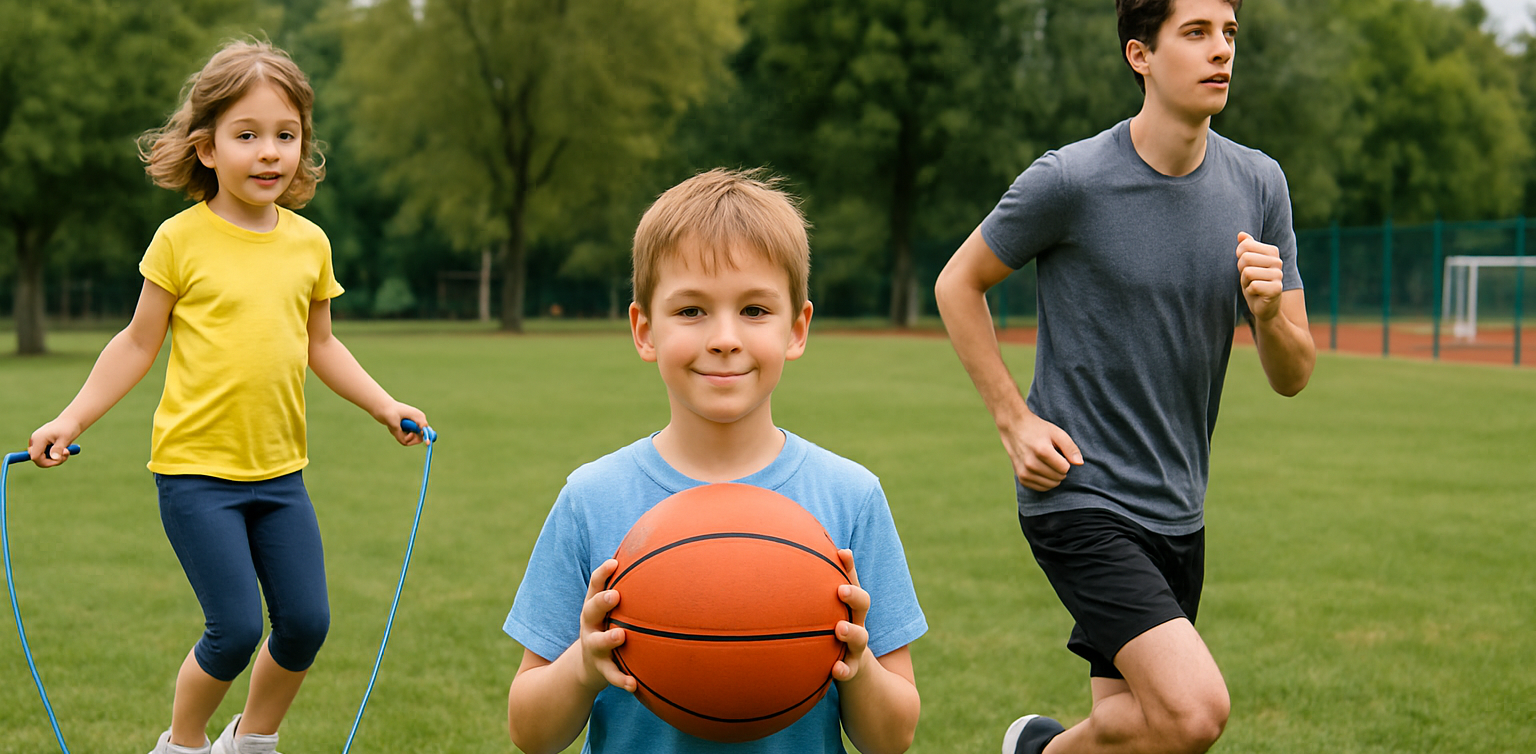
In today’s modern era, one of the biggest challenges for parents is making sure their children stay physically active amid the dominance of gadgets and digital activities. Many children prefer playing games at home rather than running or playing outdoors. In reality, choosing the best sports for children is very important to support their growth, health, and happiness. Through the right physical activities, children can develop healthy habits that last into adulthood. Every child has different interests and abilities. That’s why it is important for parents to understand what types of sports are best for their child, based on age, interest, and health conditions. By introducing physical activity from an early age, children will get to know their bodies, learn teamwork, and build self-confidence. Recommended Sports for Children by Age To maximize the benefits, here are some recommendations for the best sports for children, grouped by age: Ages 3–6:At this stage, children need simple and fun physical activities. Some of the best sports for young children include playing ball, riding a tricycle, swimming, gymnastics, and dancing. Games like hide and seek or jumping rope are also great for developing gross motor skills. Ages 7–12:Children can start joining more structured and competitive sports. Recommended sports for this age group include soccer, basketball, badminton, athletics, martial arts, and swimming. At this age, children also begin to learn teamwork and sportsmanship. Teenagers:As they enter their teenage years, children can choose sports that match their interests and talents, whether in teams or individually. They can also try more specific sports such as volleyball, table tennis, pencak silat, or archery. Teenagers are usually more motivated if sports are done together with friends. Tips to Keep Children Excited About Sports To help children stay enthusiastic and consistent about sports, parents can try these tips: Make sports a family routine, such as exercising together every weekend. Give children the opportunity to try various types of sports until they find what they enjoy most. Avoid comparing your child’s abilities with others; focus on their progress and efforts. Offer praise and support for every effort and achievement. Keep the sports environment fun, so that sports never feel like a burden or punishment. Balancing Sports and Digital Activities Besides introducing the best sports for children, it is also important to teach children how to manage their time between physical and digital activities. In the technology era, it’s true that children need to become familiar with the digital world, but physical health should always be a priority. Parents can create a daily schedule that balances study time, screen time, and physical exercise. This will help build healthy habits and prevent children from becoming too attached to their devices. Developing Children’s Potential Through Sports and Coding Nurturing a child’s potential goes beyond just finding the best sports for children. It also involves introducing them to 21st-century skills such as coding. Balancing a healthy body with an active mind is essential in this digital age. Coding trains children to think logically, creatively, and to solve problems, while sports help them develop discipline and self-confidence. Parents can blend physical and digital activities so that children can grow optimally, both physically and mentally. Try a Free Trial Coding Class at Timedoor Academy To help your child be even more prepared for future challenges, encourage them to join a free trial coding class at Timedoor Academy. In this class, children learn coding in an interactive and creative way, guided by professional mentors. Make your child’s screen time more meaningful with educational digital activities, without neglecting the importance of finding the best sports for children. Visit our website or social media pages, Timedoor Academy, to register for a free trial coding class that can be attended online from home. Finding the best sports for children does take time, but the benefits are enormous for their future. Active support and involvement from parents is essential so children can grow up healthy, happy, and confident to face the modern world.
float button