Jul 15, 2022

Venue Partner Program – Coding School

Venue Partner Program – Coding School image

Turn Your Space into a Futuristic Education Center

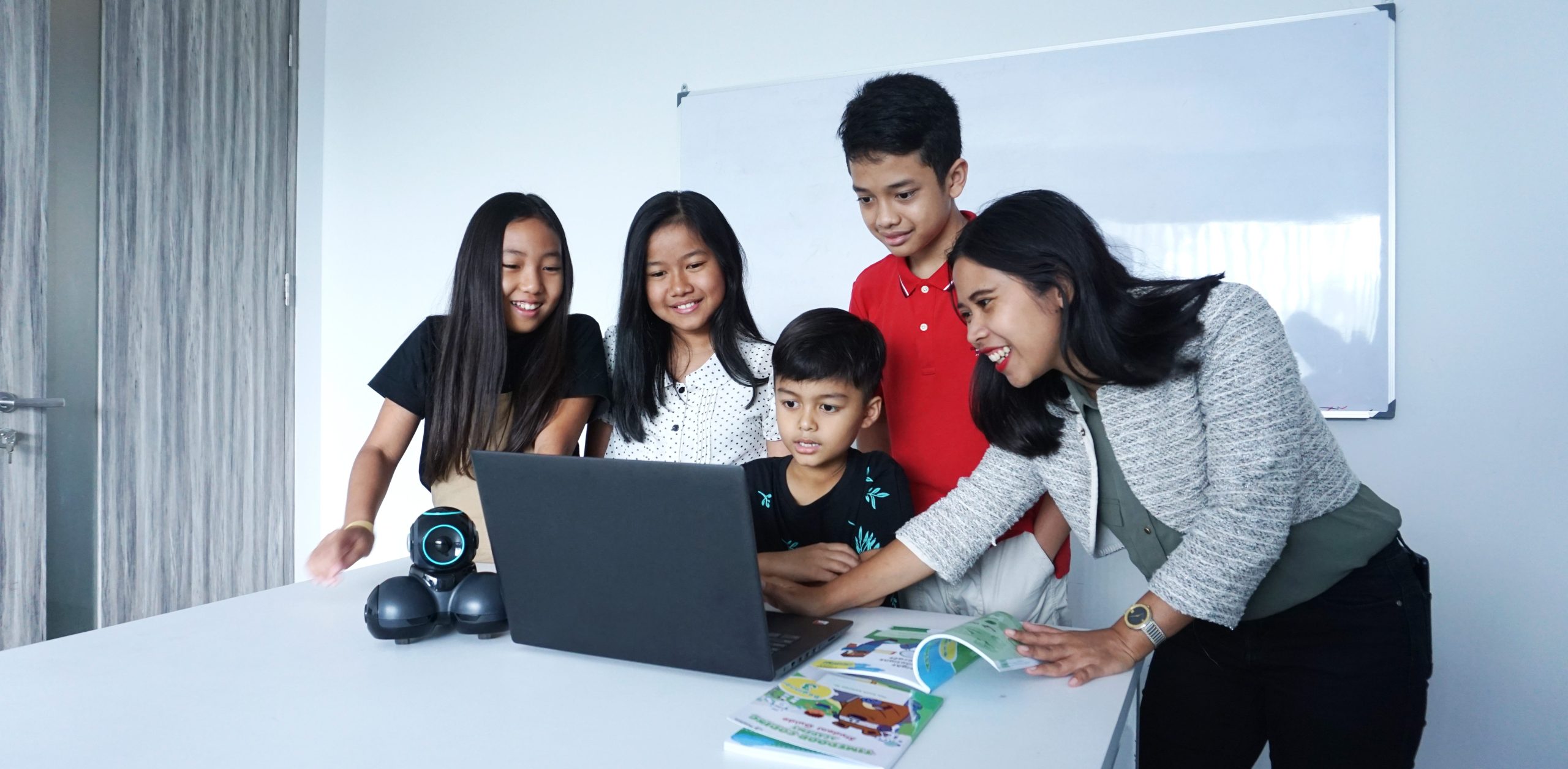
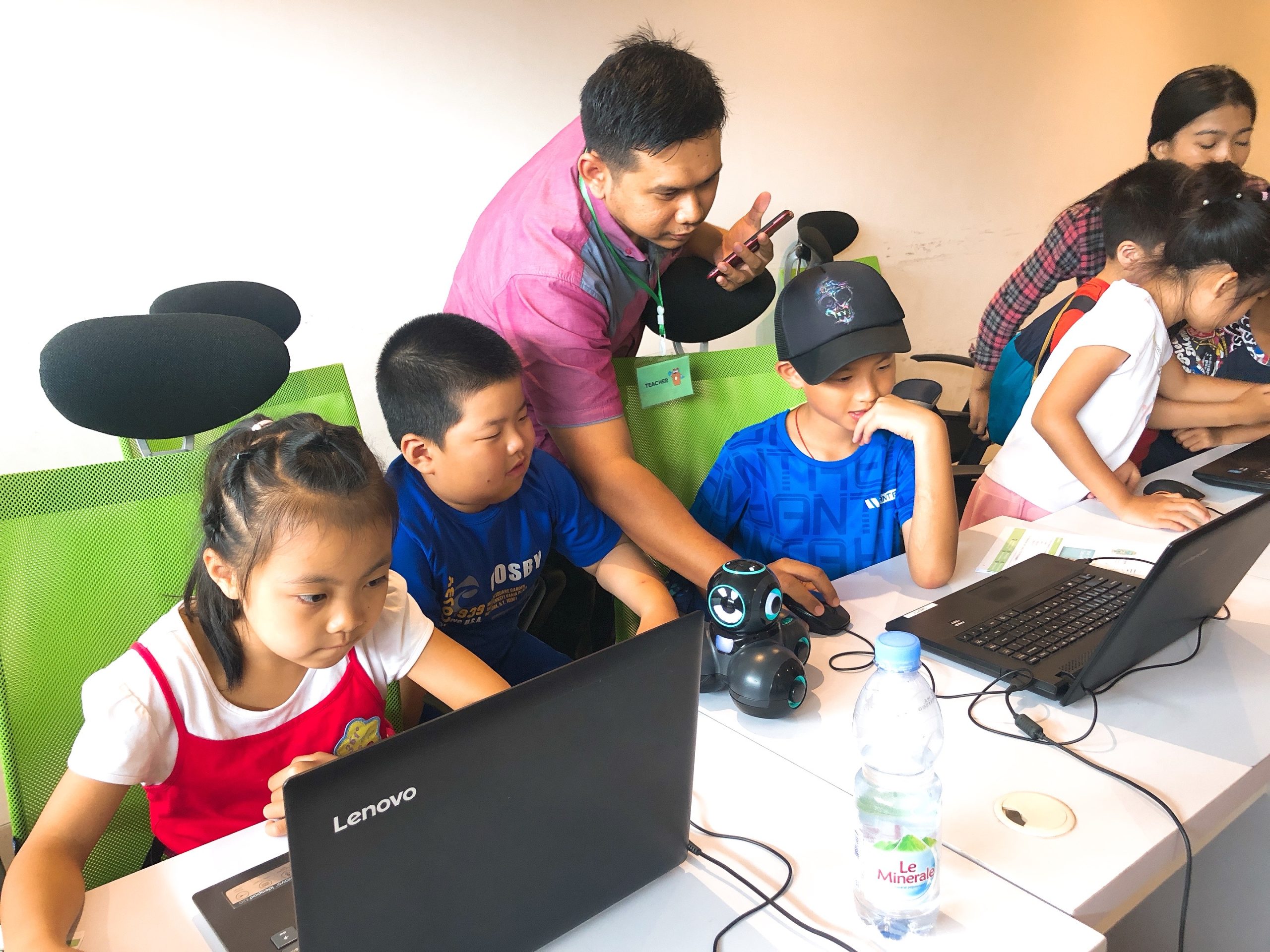
Timedoor Academy is excited to explore the potential of opening an Offline branch in your area. If you happen to have any spare space, we invite you to consider partnering with us and discover the opportunity to generate passive income through our coding school. It’s a chance to contribute to the growth of your community by offering valuable educational resources while also benefiting from the financial rewards of this collaboration. Let’s join forces to create a positive impact together.
 

Business Model

– Sales Share Model
(Not Franchise Model)
 

Benefit

– All operations, management from Timedoor side
– You can generate passive income with spare space
– Synergy effect with your business
– No investment cost
 

Suitable for

– Venue Owner
– School
– Learning Center
– Co-Working Space
– Recreation Club
 

Requirement

– Minimum 3 Rooms, Ideally 7 Rooms for Class (or big class that we can partition into several class)
– Open 15:00 – 21:00 Weekdays, 08:00 – 18:00 Weekend


Contact Us to be our venue partner now!


Keep Reading

The Importance of Teaching Basic Manner for Kids from an Early Age in 2025
Teaching basic manner for kids from an early age is one of the best investments parents can make in shaping their child’s character and future. Good manners, courtesy, and positive behavior not only help kids socialize more easily but also provide a solid foundation for navigating an increasingly complex and digital world. This article explores why basic manner is so important, the long-term benefits, and practical tips for consistently building polite habits at home and in daily life. Why Is Basic Manner for Kids So Important? In today’s fast-paced and digital era, a child’s ability to communicate respectfully and value others is more crucial than ever. Basic manner for kids includes simple acts like saying “please” and “thank you,” greeting others politely, asking for permission, listening attentively, and waiting their turn to speak. While these habits may seem small, they are the backbone of healthy, harmonious social interaction. Kids who are raised with basic manner for kids tend to adapt more easily at school, in their community, and later in the workplace. They often have higher empathy, adjust well to new environments, and form positive relationships with both peers and adults. Positive Impact of Basic Manner for Kids Teaching basic manner for kids can lead to a wide range of positive outcomes, including: Boosting self-confidence: Kids who understand the value of politeness are often more confident in social situations. Easier social adaptation: Well-mannered kids are more readily accepted in new settings because they know how to behave appropriately. Reducing conflict: They are better at managing emotions and understanding social boundaries. Increasing chances of future success: Modern education and workplaces truly value ethics and good manners. Effective Ways to Teach Basic Manner for Kids If you want your child to grow into a polite and respectful person, here are some effective ways to teach basic manner for kids: 1. Be a Role Model Children learn by example. Parents should consistently show basic manner for kids in daily life. Make it a habit to use polite words, ask permission, and say sorry when needed, both to your child and to others at home. 2. Give Simple Explanations Help kids understand why basic manner is important. Tell short stories about why saying “thank you” makes people feel appreciated. 3. Use Games and Role Play Practice basic manner for kids through fun role-playing, such as family mealtime simulations, “shopkeeper and customer” games, or acting out everyday situations to help kids apply good manners. 4. Praise and Positive Reinforcement Praise your child whenever they show basic manner for kids, no matter how small the gesture. Positive feedback motivates kids to repeat good behavior. 5. Be Consistent and Gentle Consistency matters. Parents should gently but firmly remind children if they start to neglect manners, always with kindness and understanding. 6. Use Educational Content Read storybooks, watch cartoons, or use apps that teach basic manner for kids in a fun way. Many digital platforms now offer engaging content that helps kids build good manners. Basic Manner for Kids in the Digital World In the digital age, basic manner for kids also means knowing how to behave online. Teach your child to: Be polite in online chats, games, and on social media. Never share personal information carelessly. Respect other people’s opinions and creations on the internet. Parents can also introduce kids to productive digital activities, like learning coding, creating digital projects, or joining online classes that emphasize teamwork and respect. Everyday Activities to Instill Basic Manner for Kids Here are some daily activities to help instill basic manner for kids: Encourage your child to greet family or guests politely. Teach table manners, like not talking with their mouth full. Remind kids to clean up toys after playing and thank friends who help. Practice asking for permission before borrowing something from others. Long-Term Benefits of Basic Manner for Kids Children raised with basic manner for kids are better prepared to face life’s challenges. They are more comfortable socializing, are more trusted in school and work, and are more likely to succeed both academically and in their careers. Building character through basic manner for kids is a crucial investment with benefits that last a lifetime. Nurturing Manners and Future Skills Teaching basic manner for kids is a lifelong process that requires parental example, consistency, and support. With a strong foundation in manners, children grow into confident, adaptable, and respected individuals wherever they go. Alongside teaching manners, don’t hesitate to give your child future-ready skills like coding. One positive and educational digital activity is learning coding at Timedoor Academy. Here, kids can build logic, creativity, and teamwork—all while developing good character. Sign your child up for a free trial class at Timedoor Academy and let them experience the fun, interactive world of coding while building strong manners and life skills from an early age.
Educating Children in the Digital Age 2025: Practical Tips for Modern Parents
In today’s hyper-connected world, educating children in the digital age has become a new challenge for parents. It’s no longer just about limiting screen time but also teaching digital etiquette, online safety, and emotional intelligence when navigating the internet. The digital world offers endless learning opportunities for children but also comes with risks if not guided properly. This is why educating children in the digital age requires a more adaptive and tech-aware approach from parents. Why Is It Important to Educate Children in the Digital Age? Children today grow up with gadgets in their hands. From online learning to gaming and social media, their daily activities often revolve around screens. Without proper guidance, they are vulnerable to negative content, cyberbullying, social media addiction, and even identity theft. Therefore, educating children in the digital age is not optional — it’s a necessity. Parents play a crucial role as both mentors and role models in helping children use technology in a healthy and productive way. Digital literacy is also essential, equipping children with the skills to discern accurate information and avoid misinformation or fake news. With the right foundation, children will be better prepared to face the challenges of the digital world. Challenges Parents Face in Educating Children in the Digital Age While technology brings many benefits, it can be overwhelming for parents to keep up. Common challenges include: Struggling to control children’s screen time due to the abundance of entertainment like YouTube and TikTok. Limited understanding of the ever-evolving digital apps and platforms. Children’s exposure to inappropriate content not suited to their age. Generational gaps that make discussions about technology difficult. Educating children in the digital age requires extra effort from parents to continually learn and adapt. Not to become tech experts, but to stay relevant and effectively guide their children. Practical Tips for Educating Children in the Digital Age To help parents navigate this journey, here are some practical tips for educating children in the digital age: Be a Digital Role ModelChildren naturally imitate their parents. By demonstrating responsible gadget use, parents set a positive example for their children to follow. Set Clear RulesEstablish clear agreements about screen time, allowed content, and designated times for offline activities to help children develop a balanced routine. Discuss Digital EtiquetteHave open conversations about online manners, the importance of privacy, and how to handle negative comments or interactions. Leverage Educational AppsInstead of banning gadgets, direct children towards educational apps that support learning, such as coding platforms and interactive games. Balance with Offline ActivitiesEncourage children to engage in outdoor play, exercise, and creative activities away from screens to reduce gadget dependency. Educating children in the digital age is not about restricting their interaction with technology. It’s about equipping them with the skills to use it responsibly and healthily. Recommended Apps for Educating Children in the Digital Age To support parents in this journey, here are some recommended apps: Google Family LinkHelps parents monitor and manage their child’s device usage, including screen time limits and app filters. Khan Academy KidsA free educational platform with interactive learning materials designed for young children and elementary school students. Duolingo ABCAn app dedicated to helping young children learn to read through bite-sized lessons and interactive activities. Perfect for building early literacy skills in a digital format. By utilizing these apps, parents can more easily accompany their children in exploring the digital world safely and educationally. The Parent’s Role Remains Crucial in the Digital Era Educating children in the digital age is undoubtedly challenging but far from impossible. With an open mindset, good communication, and responsible use of technology, parents can help their children grow into digitally literate individuals. Remember, technology is merely a tool. What matters most is how we guide our children to use that tool for positive purposes. Help your child make the most of technology in a smart and safe way with Timedoor Academy. Try our free coding class today and see the positive impact on your child’s future.
Effects of Internet on Children in 2025: Positive Impacts, Risks, and the Role of Coding in Preparing for the Future
The effects of internet on children is an increasingly important topic for parents and educators to understand. In today’s fast-growing digital world, the internet provides unparalleled access to information but also presents significant challenges, especially in children’s development. This article explores in detail the various effects of internet on children, both positive and negative, and explains how learning coding can help children become smart and responsible technology users. Positive Effects of Internet on Children The internet offers many important benefits for children’s learning and growth. Through the internet, children can independently access digital learning resources such as educational videos, interactive games, and informative articles available anytime. These positive effects of internet on children help broaden their knowledge and enhance their critical and creative thinking skills. In addition, the internet enables children to communicate and collaborate with peers and teachers remotely. This has greatly supported education, especially in situations like remote learning which is increasingly common. Access to diverse information allows children to explore their interests and talents more widely than ever before. Risks and Negative Effects of Internet on Children Despite many benefits, the effects of internet on children also come with risks that must be managed carefully. Without proper supervision or guidance, children may be exposed to inappropriate content such as violence, pornography, or misinformation. Such exposure can harm their psychological well-being and moral development. Gadget addiction is another serious concern resulting from unlimited internet use. Prolonged screen time can cause health problems like eye strain, poor sleep, and reduced real-life social interactions. Moreover, digital security threats such as cyberbullying and data theft continue to rise. Therefore, parents and educators must actively supervise and guide children to ensure their internet use remains safe and positive. The Importance of Coding Education to Address the Effects of Internet One effective way to prepare children for the effects of internet on children is by equipping them with digital skills through coding education. Coding not only teaches children how to develop software but also strengthens logical thinking, problem-solving, and creativity. Understanding technology fundamentals enables children to become critical thinkers rather than passive internet users. They become more cautious of harmful content and can utilize technology for positive and productive purposes. Learning coding also boosts children’s confidence in navigating the digital world. Timedoor Academy offers coding programs designed specifically for children, using fun and interactive teaching methods. Children can start coding early with professional teachers’ guidance, learning to use technology responsibly. How Parents Can Support Children Facing the Effects of Internet Parents play a crucial role in managing the effects of internet on children to ensure positive outcomes. Here are ways parents can help: Limit screen time and internet use based on the child’s age. Monitor and control the content children access to ensure age-appropriateness. Discuss the benefits and dangers of the internet to foster digital awareness. Encourage participation in coding classes to build solid tech skills. With active parental involvement and proper education, children can become smart, responsible internet users. Preparing Children’s Future with Digital Literacy and Coding The effects of internet on children present both opportunities and risks. To navigate these challenges, coding education is an effective solution that helps children develop critical, creative, and responsible technology habits. By learning coding, children acquire valuable technology skills alongside critical thinking and problem-solving abilities useful throughout life. Parents aiming to give their children the best foundation can enroll them in Timedoor Academy’s coding programs, which feature experienced instructors and a free trial class option. Don’t miss the chance to equip your child with essential digital skills for a bright future. Register now at Timedoor Academy and start a fun, rewarding coding journey!
float button