May 26, 2025

The Importance of Kids EQ in the Modern Era of 2025

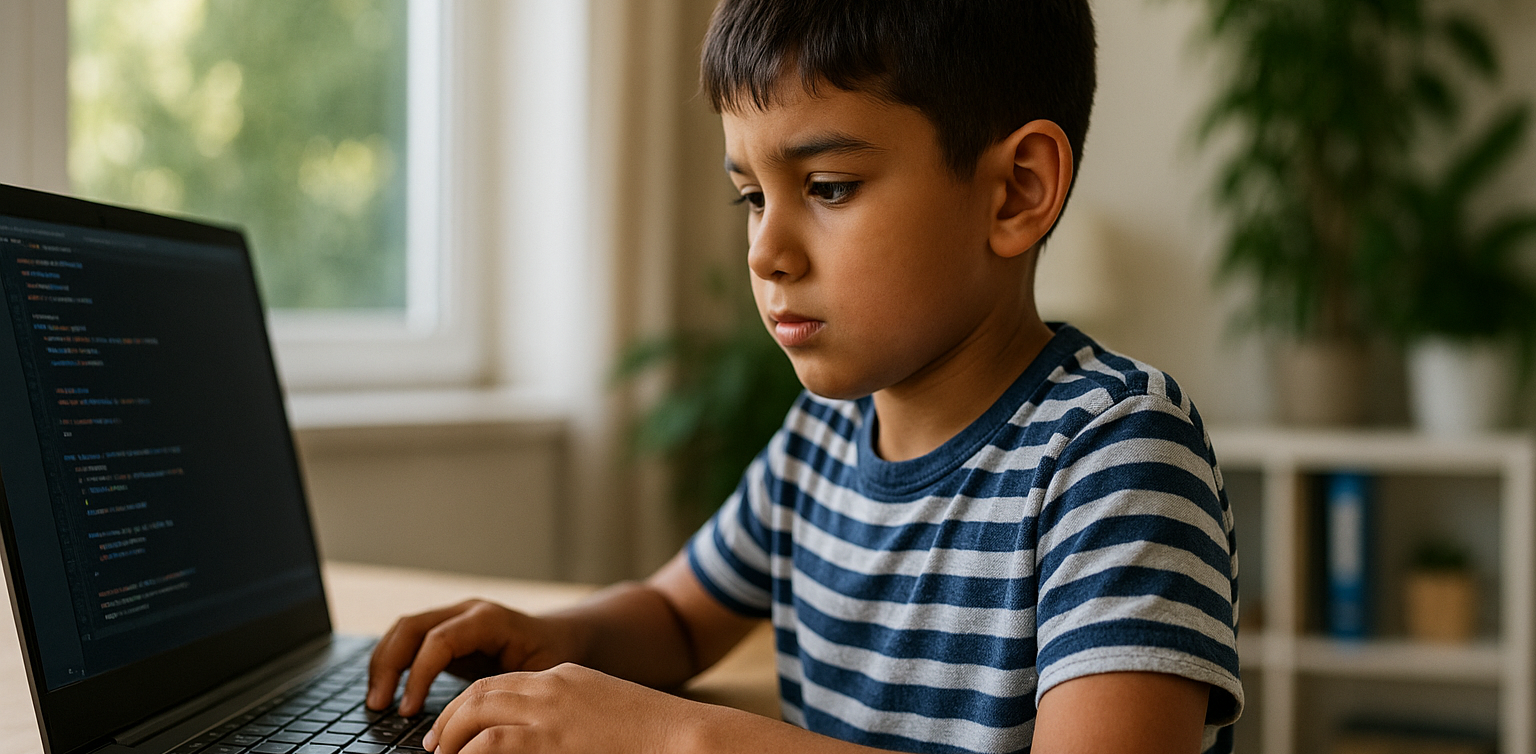
<strong>The Importance of Kids EQ in the Modern Era of 2025</strong> image

The rapid growth of the digital world and technology in today’s modern era means parents need to equip their children with more than just academic intelligence. Now, kids EQ—or emotional intelligence—is a key foundation for building character, social skills, and helping children face the increasingly complex challenges of our time. It’s no wonder that future success is closely linked to the quality of EQ, not just report card grades or cognitive abilities.

This article will discuss what EQ really means for kids, why its quality is so important in the modern world of 2025, the long-term benefits your child can experience, and simple tips for parents to nurture emotional intelligence from an early age.

What Is EQ and Why Is It Becoming More Important? for Kids

kids eq

Kids EQ (emotional quotient or children’s emotional intelligence) is a child’s ability to recognize, understand, manage, and express emotions in a positive way. Children with strong EQ can control anger, accept failure gracefully, and show empathy toward others. EQ also includes important social skills like communication, teamwork, and the ability to build healthy relationships.

In the modern era of 2025, the need for kids EQ is bigger than ever. Children must be able to adapt, manage stress, and solve problems not only in the real world but also in digital environments such as social media, online games, or virtual learning communities.

The Benefits of Kids EQ for Life and the Future

Good quality kids EQ brings many long-term benefits, such as:

  • Boosting confidence and independence: Children aren’t easily swayed by peer pressure or bullying, whether at school or online.
  • Improving conflict resolution skills: Kids are better able to discuss, listen, and respect others’ opinions.
  • Easier adaptation to new environments: Thanks to empathy and good manners, children can quickly make friends and fit in wherever they go.
  • Building resilience when facing setbacks or rejection.
  • Higher academic and non-academic achievement: Children with strong kids EQ can focus and don’t get lost in negative emotions.

Studies show that kids EQ plays a big role in future career success and overall happiness.

The Challenges of Developing Kids EQ in the Digital Age

Even though it’s so important, developing kids EQ in the digital age comes with unique challenges:

  • Less face-to-face interaction due to increased screen time, making kids more likely to communicate online than in person.
  • Exposure to online conflict or negative comments that can trigger stress and negative emotions.
  • Few real-life examples around them on how to manage emotions in a healthy way.
  • Pressure to achieve and compete that can make children feel stressed and anxious.

That’s why parents have a huge role to play as role models, guides, and open listeners to their children’s daily feelings and experiences.

Simple Tips to Nurture Kids EQ

Here are some practical steps parents can take to help boost kids EQ:

  1. Be a positive role model. Show your child how to manage emotions calmly and avoid losing your temper.
  2. Talk about feelings. Ask, “How did you feel today?” or “What made you happy or sad?” regularly.
  3. Practice empathy through daily activities. Invite your child to help a friend or share stories about others’ experiences.
  4. Praise efforts to manage emotions. For example, “I’m proud you stayed patient when playing with your friends.”
  5. Teach simple relaxation techniques. Deep breathing, taking a break when angry, or enjoying hobbies to calm down.
  6. Introduce collaborative activities, such as learning coding with friends, playing team sports, or group projects.

Kids EQ and IT Skills for the Future

Along with nurturing kids EQ, it’s also important to equip children with other essential future skills, like critical thinking, problem-solving, and digital literacy. Learning to code is a great way to strengthen these abilities while also teaching teamwork, communication, and empathy.

In project-based coding activities, children often work in teams, discuss ideas, respect different opinions, and learn to handle setbacks positively. Timedoor Academy offers coding programs for kids that focus not just on technical skills but also on building character and kids EQ.

Kids EQ and Digital Skills: Preparing for the Future

Ingin tahu detail program? Image

Ingin tahu detail program?

High-quality kids EQ in the modern era of 2025 isn’t just a bonus—it’s a key requirement for children to be ready for life’s challenges. With strong kids EQ, your child can grow into a confident, empathetic person who builds healthy relationships both online and offline.

Help nurture your child’s emotional intelligence while also preparing them for the digital world by enrolling them in a coding program at Timedoor Academy. Sign up for a free trial class and experience the positive impact on kids EQ, creativity, and your child’s future in our digital age.

Keep Reading

<strong>Shaping Your Child’s Future Through Early Education</strong>
Shaping Your Child’s Future Through Early Education
Shaping your child future is one of the most important concerns for every parent. Every decision we make from choosing the right school to enrolling our children in extracurricular activities plays a significant role in shaping your child future. As parents, we all want to give our children the best, but the path to doing so is not always clear. Building a strong foundation from an early age is the key to guiding children toward a bright and successful future. This includes not just formal education, but also character development, 21st-century skills, and digital literacy in an ever-evolving world. Why Early Education Matters Research consistently shows that early childhood is a golden period for brain development. During this time, children absorb information rapidly and form lifelong habits. That’s why shaping your child future must start with providing quality learning experiences from a young age. Early education goes beyond teaching reading and math. It involves nurturing logical thinking, creativity, communication skills, and critical thinking. These are the essential building blocks for future success. Technology and Modern-Day Challenges In today’s fast-paced digital era, children need to be familiar with technology to keep up. Without the right exposure, they risk falling behind in skills and confidence. On the other hand, unrestricted use of technology without guidance can lead to negative outcomes. This is where parents play a vital role in ensuring that their children use technology wisely and constructively. One proven way to shaping your child future is by introducing them to the world of coding and digital literacy early. Learning to code is more than just programming it teaches children how to think systematically, solve problems independently, and create useful digital projects. The Importance of 21st-Century Skills In shaping your child future, parents must look beyond academics. Success in the future workforce will require skills such as collaboration, adaptability, innovation, and digital fluency. Thus, children need a holistic education that prepares them to thrive in a dynamic world. These 21st-century skills can be nurtured through engaging activities like digital projects, educational games, and coding classes. A project-based learning approach helps children learn by doing, which fosters curiosity, initiative, and real-world understanding. The Parent’s Role in Guiding Their Child’s Future Parents can’t leave their children’s future entirely in the hands of schools. Active involvement in a child’s learning journey is crucial. Parents who participate in their child’s learning process are better positioned to identify their child’s talents, interests, and individual needs. This involvement also builds the child’s confidence, strengthens their motivation, and reinforces their belief that they are supported. A key aspect of shaping your child future is fostering a strong partnership between the home, the school, and the broader community. Creating a Supportive Learning Environment Children thrive in safe, encouraging, and engaging environments. They need spaces where they feel free to explore, express themselves, and try new things. This is the mission of Timedoor Academy to create inspiring digital learning environments that fuel creativity, exploration, and innovation. With a modern, fun, and forward-looking approach to education, Timedoor Academy has helped thousands of children across the globe discover technology, think critically, and build meaningful projects. Through interactive classes and expert mentorship, children gain the confidence to turn ideas into action. Let’s Invest in Their Future Today Shaping your child future is a long-term commitment. It requires consistent effort, patience, and the right strategy. But the most important step is to start now. By giving children access to relevant education and the skills they’ll need in the future, we’re laying a solid foundation for the lives they will lead. Sign your child up for a free trial at Timedoor Academy today and see how they can begin exploring the world of technology in a way that’s fun, educational, and empowering. Together, let’s support our children as they take confident steps toward shaping their future.
7 Positive Impacts of Online Programming Classes for Beginners
In today’s digital era, programming skills have become one of the most in-demand abilities. Not only for those aiming to work in the tech field, but also as a valuable foundation to face modern challenges. By joining an online programming classes for beginners, kids and teens can learn logic, systematic thinking, and creativity in solving problems. Many parents still hesitate whether their children are ready to start programming lessons. In reality, the earlier they get introduced to programming, the greater their chances to grow into creative and innovative individuals. 1. Flexibility to Learn Anywhere One of the main advantages of an online programming classes for beginners is its flexibility. Kids don’t need to travel to a specific course location. With just a laptop or tablet, they can learn from home, the library, or even while traveling. This helps parents manage their child’s schedule without interfering with school or other main activities. 2. Beginner-Friendly Curriculum Many parents worry that programming is too difficult to understand. However, in an online programming classes for beginners, the curriculum is designed step by step. Children are introduced to basic concepts, such as simple logic, building small programs, and even creating simple games or applications. This approach builds confidence and motivates them to keep learning. 3. Enhances Problem-Solving Skills Every programming lesson encourages students to find solutions to challenges. By joining an online programming class for beginners, kids will get used to facing obstacles, trying different methods, and not giving up easily. This problem-solving mindset is useful not only in technology but also in their daily lives. 4. Fun and Interactive Learning Many programming programs for kids combine game elements with learning. For example, they can create simple games or fun animations. This makes online programming classes for beginners enjoyable. Children don’t feel pressured—instead, they have fun with interactive and engaging lessons. 5. Preparing for Future Careers With rapid technological growth, the demand for digitally literate talent keeps rising. By joining an online programming classes for beginners, kids gain valuable skills for their future. Whether they dream of becoming programmers, game designers, or digital entrepreneurs, these skills will always be relevant. 6. Boosting Children’s Creativity Programming is not just about numbers and codes—it’s also about imagination. In an online programming classes for beginners, kids are encouraged to turn their creative ideas into reality, such as interactive apps or animations. This nurtures their creativity and builds self-confidence. 7. Building Discipline and Responsibility Online classes still require commitment. Kids must learn to manage their study time and complete assignments. Through an online programming classes for beginners, they develop discipline and responsibility for their own learning process. This positively contributes to their character development. The Role of Parents in Supporting Kids Even though children join an online programming classes for beginners, parents still play an important role. Moral support, screen-time supervision, and encouragement can boost their motivation. Parents can also track their kids’ progress by observing the projects they create during the lessons. Why Choose Timedoor Academy? Timedoor Academy offers online programming classes for beginners specially designed for kids and teens. With experienced instructors, interactive curriculum, and fun teaching methods, Timedoor Academy is the right choice for parents who want to invest in their child’s education. A Great Investment for Children’s Future Joining an online programming classes for beginners is not only about learning technology but also about building essential life skills. Kids learn discipline, creativity, and resilience in facing challenges with a positive mindset. All these benefits serve as valuable assets for their future.If you want your child to have a meaningful yet enjoyable learning experience, register them now at Timedoor Academy. Schedule a free trial class and let them experience the excitement of learning programming from an early age.
10 Unhealthy Foods for Kids That Parents Should Watch Out For
Every parent wants their child to grow up healthy and full of energy. But in today’s world, where processed foods are everywhere, it’s easy to overlook how much of what kids eat is actually harmful to their health. Many of the snacks and meals kids love are considered unhealthy foods for kids — tasty, yes, but loaded with ingredients that can cause serious health problems down the line. In this article, we’ll walk through 10 common unhealthy foods for kids that should be limited, along with why building healthy eating habits early is so important.   1. Fast Food Burgers, fries, chicken nuggets — these fast food favorites are high in saturated fat, calories, and sodium. They may be convenient, but eating them too often can lead to weight gain and increase the risk of heart disease later in life. Fast food is one of the most recognizable unhealthy foods for kids and should be enjoyed only occasionally.   2. Instant Noodles Quick and easy to prepare, instant noodles are a go-to for busy families. However, they’re loaded with salt, unhealthy fats, and preservatives. Regularly eating instant noodles can raise blood pressure and put unnecessary strain on children’s kidneys, making them one of the most problematic unhealthy foods for kids.   3. Packaged Snacks Potato chips, cheese puffs, and other bagged snacks might be tasty, but they’re often full of artificial flavors, trans fats, and excessive salt. With little to no nutritional value, these snacks are classic examples of unhealthy foods for kids that can easily be replaced with healthier alternatives.   4. Sugary Candy and Sweets Most kids love sweets, but too much sugar leads to tooth decay, weight gain, and even a higher risk of developing type 2 diabetes. Whether it’s candy, chocolate bars, or gummy treats, sugary snacks are firmly in the category of unhealthy foods for kids.   5. Soda and Sugary Drinks Soft drinks and sugary juices pack an enormous amount of added sugar and artificial additives. Not only do they contribute to obesity, but they also weaken bones and harm dental health. It’s no surprise that sugary drinks are among the most well-known unhealthy foods for kids.   6. Sweetened Breakfast Cereals Many cereals marketed toward children are more dessert than breakfast, containing high levels of sugar and very little fiber. Starting the day with these sugary options can cause energy crashes and unhealthy snacking habits later on. Despite clever advertising, sweetened cereals are undoubtedly unhealthy foods for kids.   7. Store-Bought Ice Cream While an occasional scoop of ice cream is fine, commercially produced varieties are often loaded with sugar and unhealthy fats. When consumed too frequently, ice cream becomes yet another source of unnecessary calories and one more item on the list of unhealthy foods for kids.   8. Bubble Tea and Flavored Beverages Bubble tea and flavored milk drinks have become trendy among kids worldwide. Unfortunately, they’re typically packed with sugar, syrups, and calorie-dense toppings. These drinks are fun but should be considered occasional treats, as they’re definitely unhealthy foods for kids.   9. Deep-Fried Street Food Fried snacks sold by street vendors are often cooked in reused oil and prepared in less-than-hygienic conditions. Consuming these foods regularly increases the intake of harmful fats and raises the risk of digestive issues, making them one of the most dangerous unhealthy foods for kids.   10. Packaged Cakes and Pastries Mass-produced cakes, donuts, and pastries are high in refined sugars, unhealthy fats, and preservatives. Regularly eating these sweet treats can contribute to weight gain, disrupt hormone balance, and increase the risk of chronic diseases. Without a doubt, they belong on the list of unhealthy foods for kids.   Why Should You Limit Unhealthy Foods for Kids? The effects of unhealthy foods for kids go far beyond weight gain. Poor eating habits can affect children’s physical growth, learning abilities, mood, and immunity. Kids who frequently consume high-sugar, high-fat, and heavily processed foods may struggle with focus, experience low energy, and be more prone to illness. That’s why it’s essential for parents to guide their children towards healthier food choices early on. Teaching kids about nutrition helps them develop lifelong habits that support their overall well-being.   Don’t Forget Digital Literacy: A Key Skill for Today’s Kids While promoting healthy eating is vital, fostering digital skills is equally important. Introducing kids to coding, for example, helps develop logical thinking, creativity, and problem-solving abilities that are crucial in the digital age. Timedoor Academy offers fun, interactive coding classes specifically designed for kids. It’s a great way to support your child’s overall growth — mind and body. Ready to give your child a head start? Sign up for a free coding trial class with Timedoor Academy today and help them build essential skills for the future.
float button