May 06, 2025

What Is Doxing on Children and How to Prevent It in 2025

What Is Doxing on Children and How to Prevent It in 2025 image

In today’s digital age, children are not only using the internet for play and learning but are also actively engaging with social media and online platforms. While the internet provides many benefits, it also presents serious threats, one of which is doxing on children.

Doxing on children refers to the act of gathering and sharing a child’s personal information online without permission. This can include their full name, home address, school name, phone number, photos, or even their current location. This kind of exposure is highly dangerous because it can be used to intimidate, harass, or exploit the child.

How Doxing on Children Happens

doxing on children

Many parents may not realize that their child’s private data can be easily exposed through seemingly harmless online activities. For example, when a child creates a social media account without strict privacy settings, or when parents themselves share too much about their kids online — a behavior often referred to as “sharenting.”

Doxing on children can also occur through gaming forums, group chats, or video comment sections. Children often lack the awareness to differentiate between public and private information, and may unknowingly share details that bad actors can take advantage of.

The Psychological Impact of Doxing on Children

Doxing on children can lead to severe psychological effects. Victims may experience stress, fear, anxiety, and even social trauma. Some children may become reluctant to use the internet again, while others might withdraw from their parents out of fear of being scolded. In more serious cases, doxing can lead to prolonged cyberbullying.

It’s important for parents to understand that doxing is not just a technical issue. It also affects a child’s sense of safety and confidence. Recognizing behavioral changes — such as sudden mood shifts, isolation, or fear of using gadgets around adults — can help detect if a child is in distress due to online threats.

How to Prevent Doxing on Children
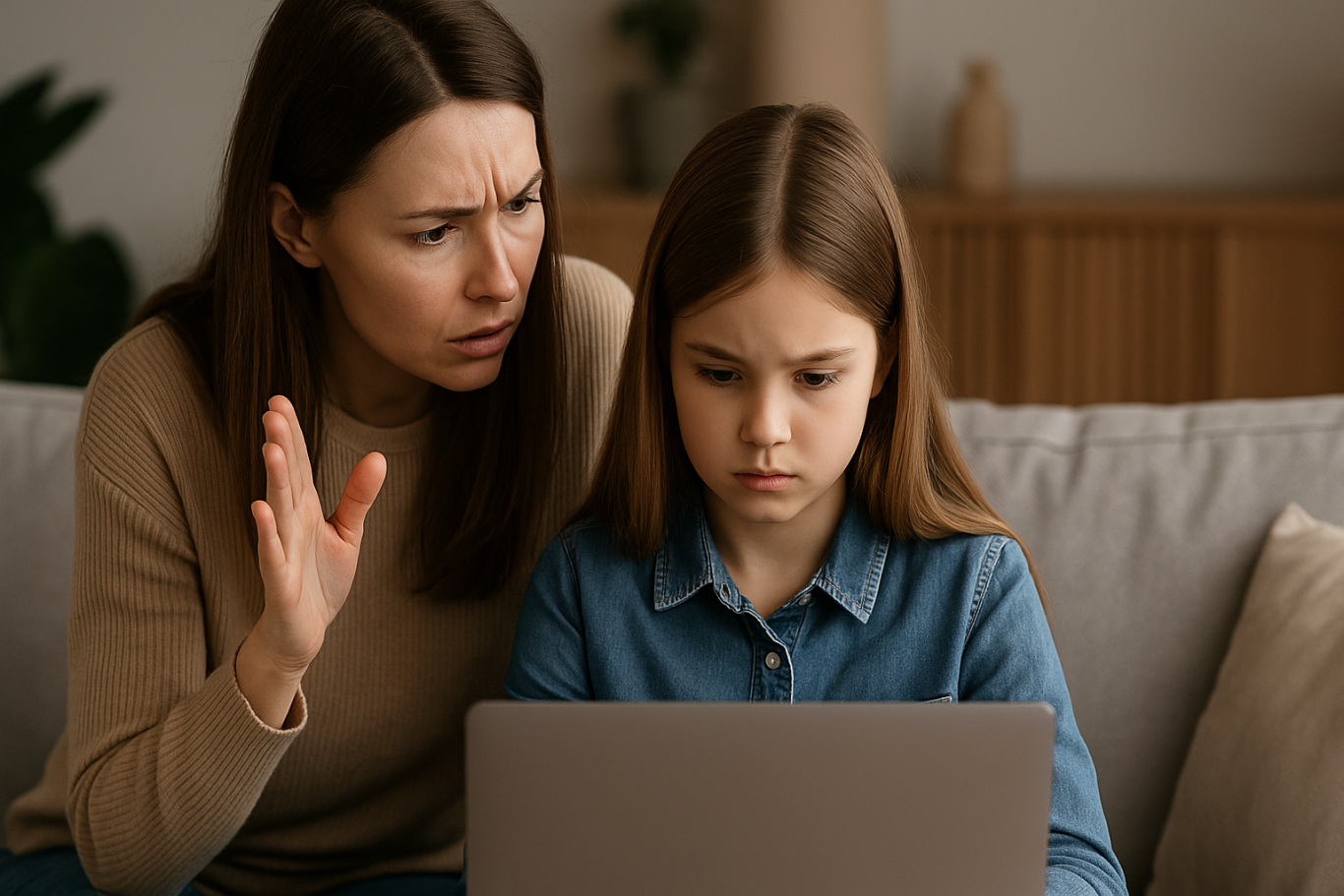
Here are some important steps parents can take to prevent doxing on children:

  1. Educate Early
    Teach children what personal information is and why it should be protected online. Use real-life examples to help them understand the risks.
  2. Use Strong Privacy Settings
    Make sure all of your child’s social media accounts have maximum privacy. Do not allow them to accept requests or follow people they do not know.
  3. Monitor Online Activity Wisely
    Without invading their privacy, it’s still essential for parents to be aware of what platforms their children are using and who they’re interacting with. Consider using parental control tools to enhance digital safety.
  4. Be Mindful When Posting About Your Child
    Parents also need to be careful when sharing their child’s photos, locations, or personal stories online.
  5. Build Open Communication
    Create a safe space where your child feels comfortable sharing if something online makes them uncomfortable. A child who trusts their parent is more likely to ask for help when needed.

The Role of Schools and Teachers

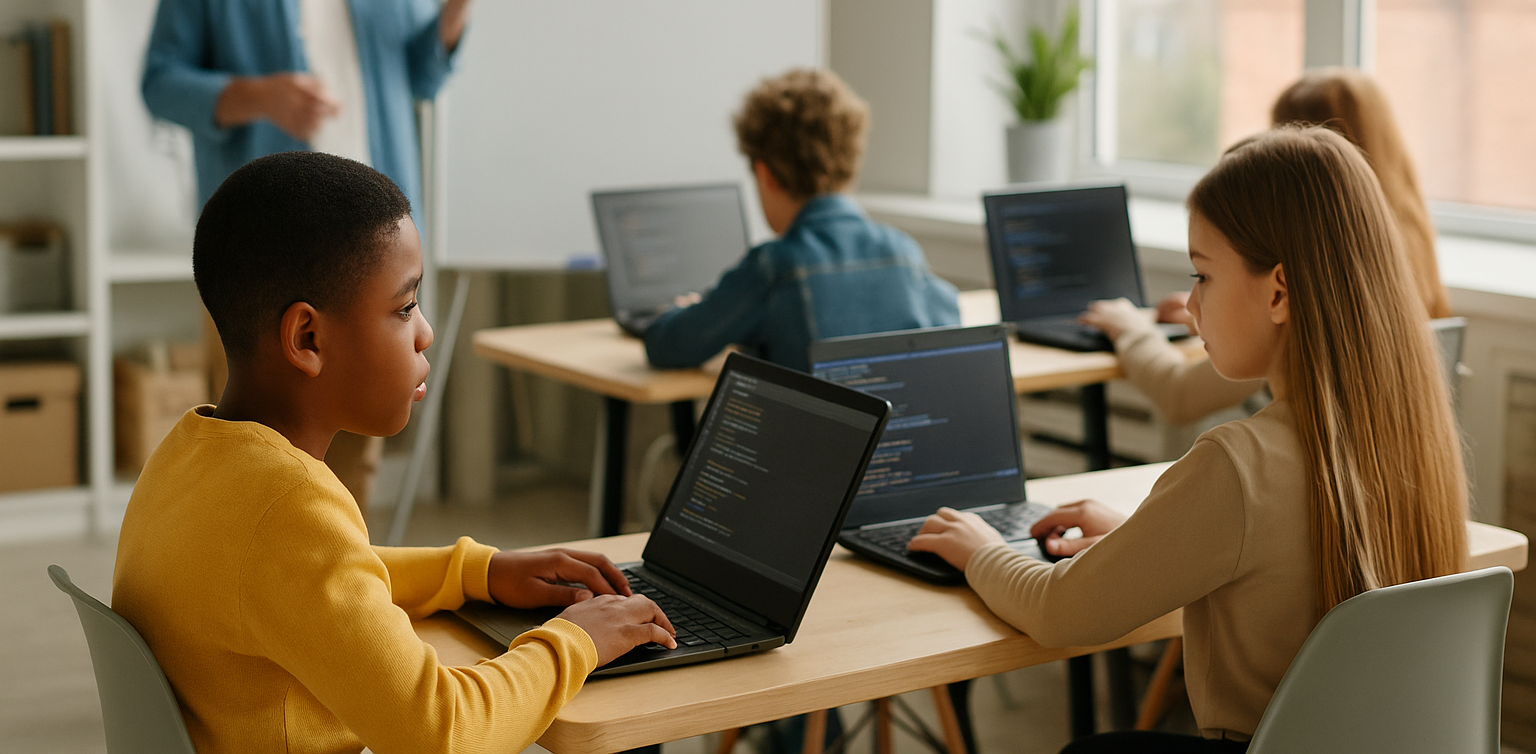
Schools play a vital role in preventing doxing on children. Teachers can incorporate digital ethics and online safety lessons into the school curriculum. Schools can also host open discussions about students’ online experiences and how to deal with digital threats.

With strong collaboration between parents, teachers, and educational institutions, the effort to prevent doxing on children can be more effective and long-lasting.

Doxing on children is a serious threat that cannot be ignored. As technology becomes more embedded in daily life, protecting a child’s digital identity must be a shared responsibility. Through education, active guidance, and honest communication, we can help children navigate the online world safely and responsibly.

Start Building Your Child’s Digital Awareness with Timedoor

 Image

If you want your child to be better prepared for the digital world while learning important skills like online ethics and internet safety, Timedoor Academy offers kid-friendly coding and digital literacy classes. You can also try our free trial class today and see how fun and meaningful digital learning can begin from home.
Keep Reading

Screen Time Isn’t the Enemy: Why Screen Time for Kids Should Focus on Quality in 2025
In today’s digital age, screen time for kids is a hot topic among parents. Many worry that too much time in front of a screen could negatively impact their children’s physical health, mental well-being, and social development. However, the truth is, screen time for kids isn’t inherently bad. When used wisely and filled with the right kind of activities, it can actually bring many positive benefits. This article explores why the quality of screen time for kids matters more than simply limiting the hours. We’ll also discuss examples of productive digital activities, practical tips for managing screen time, and how parents can turn screen moments into opportunities for learning and meaningful family bonding. Look Beyond Just the Hours Most conversations about screen time for kids revolve around duration: how many hours per day is too much? But recent research suggests that the real impact depends more on what children do during that screen time and whether parents are involved. For example, watching educational shows, taking a coding class, or working on digital projects is far more beneficial than passively playing games or binge-watching entertainment videos. The American Academy of Pediatrics (AAP) recommends that parents focus more on content, engagement, and interaction, rather than rigidly limiting screen time hours. What Makes Screen Time High Quality? High-quality screen time is screen time that’s used for educational, creative, or character-building purposes. Examples include learning to code, creating animations, joining digital art classes, reading e-books, or communicating positively with friends and family. Quality also improves when digital activities involve parents. Helping kids choose educational apps, discussing movies together, or working on a digital project as a family can strengthen your bond and build children’s confidence. The Benefits of Well-Managed Screen Time When managed properly, screen time for kids can foster many valuable skills, such as: Digital literacy and tech readiness: Preparing children for a digital-driven world. Critical and creative thinking: Boosted through solving coding challenges, creating digital projects, or editing videos. Communication and collaboration: Practiced in online classes, learning forums, or group projects. Character development: Encouraging discipline, curiosity, responsibility, and confidence. The Risks of Unsupervised Use On the flip side, poorly managed screen time can lead to negative outcomes like gadget addiction, sleep problems, reduced social interaction, and passive behavior. That’s why active parental supervision and guidance are essential in shaping healthy screen habits. How to Make Screen Time More Productive Here are some practical tips to help ensure screen time for kids is beneficial: Choose Educational Content WiselyOpt for age-appropriate learning apps, websites, or programs. Avoid content that’s inappropriate or irrelevant. Create a Balanced Daily ScheduleBalance screen time with physical activity, outdoor play, and enough rest. Watch and Discuss TogetherBe present during digital activities and talk about what your child is learning or watching. Offer Creative Digital OptionsIntroduce fun experiences like coding, graphic design, vlogging, or app-based science experiments. Make It a Family ActivityTry learning coding together, watching documentaries, or working on family-friendly digital projects. Coding Courses: A Great Example of Quality Screen Time One of the best examples of productive screen time for kids is enrolling them in coding courses. Coding isn’t just a trend — it builds logic, creativity, and problem-solving skills. It also promotes patience, teamwork, and curiosity. At Timedoor Academy, children can explore coding through structured lessons and real-world projects in a safe and supportive environment. With free trial classes available, it’s a great way to turn screen time into a fun, meaningful learning experience.
<strong>7 Top Facts About the Danger of YouTube Shorts for Kids in 2025</strong>
7 Top Facts About the Danger of YouTube Shorts for Kids in 2025
In today’s digital age, YouTube is no longer just an entertainment platform for adults. It has become part of many children’s daily routines. One of the most popular features among kids today is YouTube Shorts — short-form videos lasting between 15 to 60 seconds that auto-play in endless succession. While this feature may seem fun and harmless, parents should be aware of the growing danger of YouTube Shorts for kids. YouTube Shorts are designed to keep users engaged for as long as possible. They are particularly captivating to children, who are naturally drawn to fast, colorful, and funny content. However, beneath the surface of quick entertainment lies a range of hidden risks that could seriously affect a child’s mental, emotional, and social development. Here are seven critical facts that explain the danger of YouTube Shorts for kids, and why it’s important for parents to take action early. 1. Instant Content Builds Impatience in Children One major danger of YouTube Shorts for kids is the way it encourages instant gratification. Since the content is so short and constantly changing, kids become less capable of sustaining attention or focus. They are trained to expect quick entertainment without needing to think deeply. Over time, this can harm their concentration and patience when learning or completing tasks. 2. Algorithm Traps Kids in an Endless Loop YouTube Shorts uses an algorithm that adjusts content based on user preferences. If a child watches a funny or exciting video, the system will keep serving similar clips. This creates a cycle that’s hard to break. Without realizing it, the danger of YouTube Shorts for kids increases as they spend hours watching, neglecting social interaction or physical activities that are crucial for healthy growth. 3. Age-Inappropriate Content Slips Through While YouTube offers parental controls, they are far from foolproof. Many kids are still exposed to content that isn’t age-appropriate — from foul language and violence to questionable values. This is a serious danger of YouTube Shorts for kids that many parents overlook. Kids may start mimicking language or behaviors they don’t fully understand or know how to handle. 4. Decline in Imagination and Creativity Excessive exposure to passive visual content can weaken a child’s imagination. Instead of creating their own stories or games, they become consumers rather than creators. One long-term danger of YouTube Shorts for kids is the potential drop in creativity and problem-solving skills, both of which are essential in today’s evolving world. 5. Disruption of Daily Routines Children who frequently watch YouTube Shorts often lose track of time. What starts as watching “just one video” turns into hours of screen time, disrupting sleep, meals, and study schedules. This danger of YouTube Shorts for kids can interfere with healthy routines and habits that should be formed at a young age. 6. Increased Anxiety and FOMO Even kids are now experiencing fear of missing out (FOMO). They feel pressured to keep up with trends so they can relate to their peers. This constant need to stay updated leads to anxiety and social stress. If left unchecked, the danger of YouTube Shorts for kids can turn into issues with self-esteem and dependency on social media for validation. 7. Reduced Interest in Learning and Physical Play When children prefer watching short videos over reading books, playing outdoors, or spending time with family, it’s a red flag. They may lose interest in vital developmental activities. The danger of YouTube Shorts for kids here lies in reduced motivation to learn and a lack of physical exercise, both of which are essential for their overall health and development. What Can Parents Do About It? The first step is recognizing that banning technology altogether is not a realistic solution. Instead, children should be taught how to use it responsibly. Open communication, empathetic guidance, and clear boundaries are key to managing their digital habits. One effective approach is to redirect their attention to more productive digital activities, like learning to code. Coding helps children shift from passive consumption to active creation. It boosts their confidence, strengthens their focus, and opens doors to a bright future. Try a Free Coding Class at Timedoor Academy To counter the danger of YouTube Shorts for kids, Timedoor Academy offers specially designed coding classes that are fun, visual, and age-appropriate. Children are guided to create games, animations, and digital projects that build both creativity and logic. You can sign up for a free coding class at Timedoor Academy as a great first step. With an engaging, project-based curriculum and the support of professional mentors, your child can transition from passive viewer to empowered creator. Help your child grow into a tech-savvy learner with healthy digital habits today.
<strong>5 Best Ways Understanding Introvert vs Antisocial Kids Difference</strong>
5 Best Ways Understanding Introvert vs Antisocial Kids Difference
Many parents still struggle to tell the difference between introverted and antisocial behavior in children. Both can seem quiet or withdrawn, but they have very different meanings. Understanding introvert vs antisocial kids is essential so parents can respond with the right support and approach. Discovering Difference of Introvert vs Antisocial Kids An introverted child is someone who feels more comfortable doing quiet activities alone or with one or two close friends. They are not afraid of people, but social settings can be draining for them. Meanwhile, antisocial kids may break rules, ignore others’ feelings, and show disruptive behavior that goes beyond shyness or quietness.In this article, we will look at how to recognize introvert vs antisocial kids by identifying key behaviors and needs. 1. Different Roots Behind the Behavior Introverted kids prefer calm and independent play because it makes them feel secure and happy. It is a personal preference, not a sign of trouble. On the other hand, kids with antisocial tendencies often act out because of emotional or behavioral challenges. They may show no guilt when they hurt others or ignore rules at home and school. In this case, parents need to understand that introvert vs antisocial kids is not just about social interest, but about deeper behavioral differences. 2. Social Comfort and Adaptation Introverted children can build healthy friendships, even if it takes time. They open up when they feel safe and are not pressured to socialize too much. In contrast, antisocial children often resist or act aggressively in social situations. They may have little interest in forming relationships or even behave in harmful ways. Recognizing this helps in understanding the core difference between introvert vs antisocial kids. 3. Empathy and Emotional Response Introverts are often very empathetic. They notice how others feel and avoid conflict when possible. Antisocial kids, however, may lack empathy. They might say or do things that hurt others and show no signs of remorse. This lack of emotional connection is one of the clearest signs when comparing introvert vs antisocial kids. 4. Relationships and Communication While introverted children may have fewer friends, their relationships are often deep and meaningful. They connect on a personal level and value trust. Antisocial kids, on the other hand, tend to have troubled relationships. They may lie, break trust, or reject others altogether. This makes it hard for them to build or maintain any lasting bond. Parents should observe these patterns carefully when thinking about introvert vs antisocial kids. 5. What Parents Can Do For introverted children, it's important to respect their need for personal space. Support them by encouraging quiet hobbies, reading, or art. They still need social interaction, but in smaller, more manageable doses. If your child shows signs of being antisocial, such as constant rule-breaking or hurting others without guilt, it is best to seek help from a child psychologist. Early intervention can prevent more serious problems in the future. Learning the true nature of introvert vs antisocial kids helps guide that support. Early Awareness Brings Better Support Understanding introvert vs antisocial kids is not about labeling, but about offering the right care. Each child is unique, and when we listen without judgment, we open the door for them to grow confidently. A calm, patient environment and strong communication will make it easier for children to express their thoughts and feelings, regardless of their personality type. Want to Boost Logic and Confidence Too? Besides supporting your child's emotional growth, you can also help them develop skills like problem-solving and focus. Coding is a fun way to improve these abilities. It teaches kids structure, creativity, and critical thinking. Timedoor Academy offers fun and age-appropriate coding classes for kids. Let your child try a free coding trial class today and explore a new world of learning.
float button