May 21, 2025

Free Coding Classes: A Golden Opportunity for Kids to Learn Technology in 2025

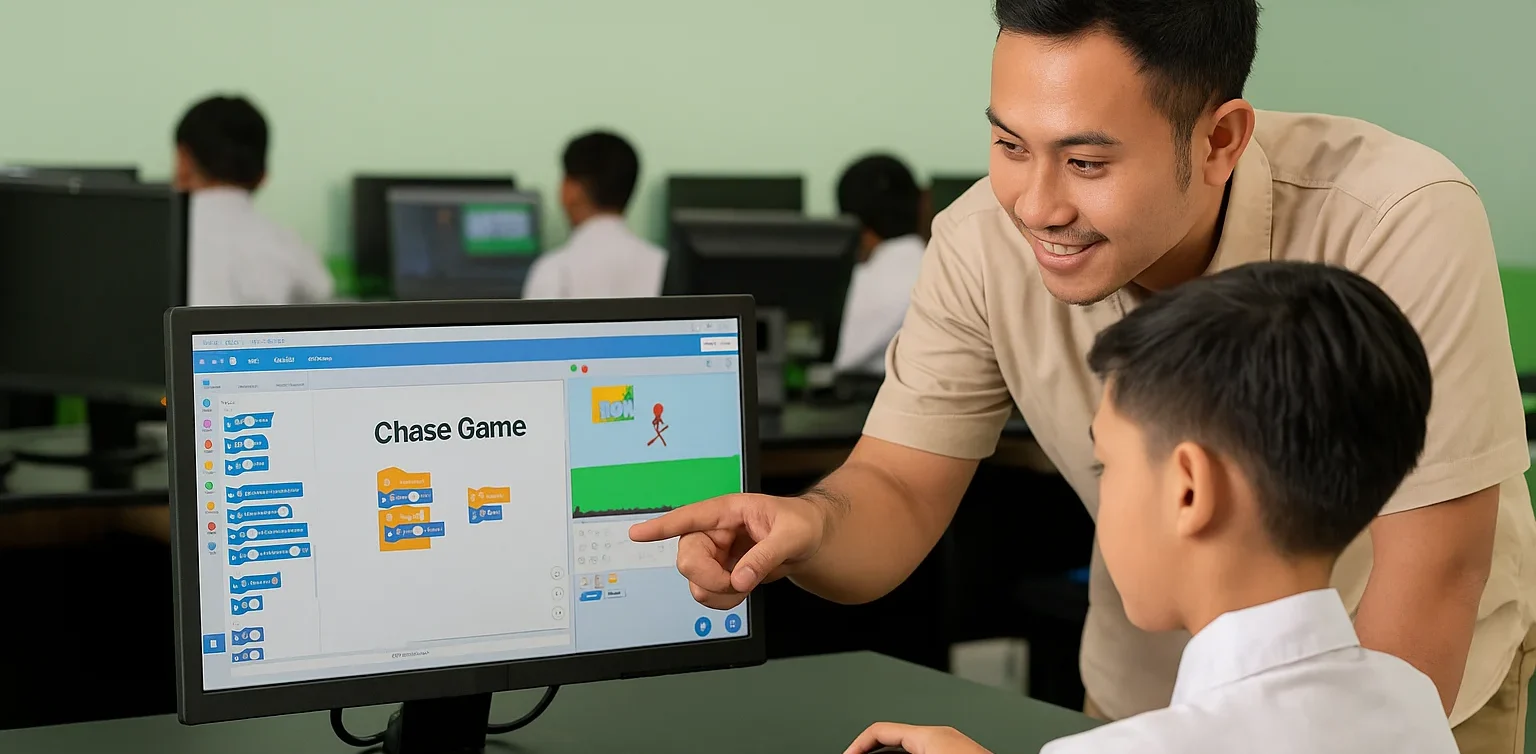
<strong>Free Coding Classes: A Golden Opportunity for Kids to Learn Technology in 2025</strong> image

Free coding classes have become an attractive option for parents who want their children to gain technology skills without spending a lot of money. In today’s digital era, the ability to code or program is essential to master from an early age. This article will discuss why free coding classes are highly needed, the benefits of learning coding from a young age, and how Timedoor Academy offers fun and easy-to-follow free coding programs for children.

Why Are Free Coding Classes Important for Kids?

free coding classes

Technology has become an essential part of everyday life, especially for children growing up in the digital age. Almost every activity, from learning to entertainment and communication, involves digital technology. Therefore, the ability to understand and use technology—especially coding—has become a mandatory skill that kids need to prepare for the future.

Unfortunately, not all parents can afford the often high costs of coding courses. With free coding classes, kids from various socioeconomic backgrounds can enjoy the opportunity to learn coding. This helps open up more equitable access to technology education, so children are no longer held back by financial barriers and can gain important skills for their future.

Additionally, free coding classes give kids a chance to familiarize themselves with a technology language that is continuously evolving and serves as the foundation for many future careers. By understanding coding early, children gain a competitive edge as they enter the workforce.

Benefits of Learning Coding from an Early Age

Learning coding is more than just writing computer programs. The process trains kids to think logically, systematically, and creatively when solving problems. Children who start coding early tend to have better problem-solving abilities because they’re used to breaking down complex problems into smaller parts and solving them step-by-step.

Moreover, learning to code helps improve kids’ focus and patience. They must carefully follow step-by-step instructions to make sure their programs run correctly—an excellent habit that benefits them in many areas of life and education.

Beyond technical skills, coding builds confidence because children can see the results of their own work, such as simple games, animations, or apps they create. This motivates them to keep learning and innovating.

What Does Timedoor Academy Offer in Its Free Coding Classes?

Timedoor Academy deeply understands the importance of coding education for children but also recognizes that cost can be a barrier for many parents. That’s why Timedoor Academy provides free coding classes designed specifically for kids, with easy-to-understand materials and an interactive, fun learning approach.

These free coding classes don’t just teach basic theory like using block coding and logic; they also encourage kids to create simple, engaging projects. This means children don’t just learn theory—they get hands-on practice, which strengthens their understanding and makes learning more lively.

The teachers at Timedoor Academy are professionals experienced in teaching children, so they deliver materials in a language kids easily grasp while creating a comfortable classroom atmosphere. Their kid-friendly methods make learning fun and keep children motivated.

Besides free coding classes, Timedoor Academy also offers free trial classes for paid coding programs. These trial classes give kids and parents a chance to experience the teaching method and see if the program suits them before fully committing.

How to Join Free Coding Classes at Timedoor Academy

Ingin tahu detail program? Image

Ingin tahu detail program?

Joining Timedoor Academy’s free coding classes is very easy. Parents just need to register through Timedoor Academy’s official website. The registration process is quick and simple, so kids can immediately start learning according to flexible schedules that fit their and their family’s time.

Moreover, Timedoor Academy provides responsive support during the learning process. So parents and kids don’t need to worry if they face any difficulties or have questions related to the material.

The Role of Parents in Supporting Children’s Coding Learning

Parental support plays a crucial role in the success of children learning coding. Parents can help by setting aside special time for kids to focus on coding and by accompanying them while working on coding tasks or projects.

Furthermore, parents can discuss the material their kids are learning and how it applies in everyday life. This approach can increase children’s motivation and understanding, making them even more enthusiastic about learning.

Parents should also remind children to balance their learning with enough rest so they don’t get tired or bored during the coding learning process.

Starting Your Child’s Digital Future with Free Coding Classes

Free coding classes provide the best opportunity for children to start learning technology without financial burden. By learning coding from an early age, children get used to thinking critically and creatively, as well as developing problem-solving skills that will be very useful in their future.

Timedoor Academy offers fun and interactive free coding classes supported by professional teachers who are experts at teaching kids. Don’t let your child miss out on this valuable opportunity! Register your child now for free coding classes at Timedoor Academy and also take advantage of free trial classes available for paid programs.

Give your child the essential digital skills needed to face an increasingly advanced and digital world. Visit Timedoor Academy’s website today and start a fun and rewarding coding learning journey!

Keep Reading

Why Coding for Kids Is Ideal Starting at Age 5
Many parents wonder if young children are ready to learn programming. The answer is absolutely yes, and it is highly encouraged. In recent years, coding for kids as young as five has become increasingly popular. It has been shown to support the development of logical thinking, creativity, and confidence from an early age. Learning to code doesn’t mean children have to type lines of complex code like adults. In fact, the methods used for teaching coding for kids are designed to be fun and visual, often using colorful blocks or interactive games. This makes the learning process feel more like play than work. 1. Age 5 Is a Golden Window for Brain Development Research shows that age 5 is a critical period for brain development. At this stage, children rapidly build their ability to think, absorb information, and recognize patterns. Coding for kids at age 5 takes advantage of this window to introduce logical and systematic thinking. As they solve simple coding challenges, children begin to develop strong problem-solving habits without even realizing it. 2. Builds Focus and Concentration One of the biggest challenges for parents is helping children stay focused during learning. Coding engages children in logical sequences and hands-on tasks like programming a character to move. These activities gradually strengthen concentration. Coding for kids at this age can be an effective way to improve attention span through playful and interactive tasks. 3. Enhances Communication and Collaboration Skills Coding isn’t always a solo activity. Many programs offering coding for kids at age 5 are built around collaboration. Children work in pairs or groups, share ideas, and express their thoughts. These moments naturally boost communication and teamwork, helping kids build social skills early on that will benefit them for years to come. 4. Introduces Technology in a Positive Way Today’s children are no strangers to gadgets and the internet. Instead of completely restricting screen time, parents can guide their kids to use technology for educational purposes. Coding for kids is a smart way to shift them from passive digital consumption to active understanding of how tech works. It fosters digital creativity and responsibility from a young age. 5. Opens Up Future Career Opportunities The future job market will be deeply rooted in technology. By introducing programming concepts early, parents give their children a head start. Coding for kids helps them develop not only technical skills, but also essential soft skills like perseverance, logical reasoning, and adaptability, all of which are vital for future success. Try a Free Coding Class at Timedoor Academy If you're curious to see the benefits of coding for kids firsthand, Timedoor Academy offers a free trial class you can join from home. With a project-based curriculum and engaging visual materials, children are encouraged to explore technology in a way that’s fun and age-appropriate. Timedoor’s curriculum is specially designed for young learners. Guided by professional mentors, children learn through play while building critical thinking skills and confidence. Don’t miss the chance to introduce your child to a positive and educational tech environment.
Online Homecshooling
Online Homeschooling for Junior High School Students: A Flexible and Personalized Education Solution
With the advancement of technology and changing lifestyles, an increasing number of parents are considering alternative education paths for their children. One option that is becoming more popular is online homeschooling, a flexible, personalized learning model that adheres to national curriculum standards. For Junior High School students, online homeschooling offers a learning solution that can be tailored to the child’s needs, whether in terms of time, learning style, or emotional well-being. Children can still receive a quality education without being tied to the conventional school system. In this article, we will explore the benefits of online homeschooling for junior high school students and highlight several trusted platforms that provide officially recognized and legal homeschooling programs. Benefits of Online Homeschooling for Junior High School Students Flexible Learning ScheduleStudents can learn at their own pace and during the times when they are most productive. This helps improve learning effectiveness and reduces stress. Safer Learning EnvironmentLearning from home provides a sense of security for children, especially if they have previously experienced social pressure or difficulty adjusting to a traditional school environment. Customized to InterestsHomeschooling programs allow for exploration. In addition to core subjects, children can explore coding, digital arts, foreign languages, or even business from an early age. Increased Parental InvolvementHomeschooling enables parents to play an active role in their children's learning process, not just as supervisors but also as companions in character development. Recommended International Online Homeschooling Platforms 1. Wolsey Hall Oxford Established in 1894, Wolsey Hall Oxford is a distinguished British online school offering IGCSE and A-level courses to homeschoolers in over 120 countries. It is a registered online school of Cambridge Assessment International Education, providing a comprehensive curriculum with personalized support. Key Features: Customized curriculum Interactive video lessons Guidance from professional teachers Examinations and progress reports 2. Connections Academy Based in the United States, Connections Academy offers full-time online schooling for grades K–12 through its International Connections Academy. It provides a U.S.-based curriculum with a flexible learning environment, catering to students worldwide. Key Features: Full-time online school Flexible, personalized learning Accredited curriculum Interactive lessons and online communities 3. Bridgeway Academy Bridgeway Academy offers customizable homeschooling programs with U.S. accreditation. It provides options for live online classes, self-paced courses, and textbook-based learning, making it suitable for international families seeking a flexible educational experience. Key Features U.S. accredited programs Live online classes Self-paced and textbook-based learning Flexible schedule Cambridge Home School Cambridge Home School provides online education based on the British curriculum, offering courses from Primary Prep to Sixth Form College. Renowned for high academic standards and personalized learning experiences, it caters to students aged 7–19. Key Features: British curriculum High academic standards Personalized learning Online classes for students aged 7–19 Tips for Choosing the Best Online Homeschooling Program Check AccreditationEnsure that the program is officially accredited, offering a valid certificate or diploma recognized by the respective education authorities. Evaluate the Learning MethodChoose a program that fits your child’s learning style. Whether they prefer structured lessons or more flexible, self-paced learning, find the right approach for them. Consider Additional FeaturesSome programs offer extra classes in coding, foreign languages, or special skills development. These could be beneficial for your child’s overall growth. Communication with TeachersMake sure the program provides active communication and engagement with teachers, not just assignments and assessments. Does Online Homeschooling Reduce Social Interaction? One of the primary concerns parents have is whether online homeschooling will limit their child’s social interaction. Many online homeschooling programs include social aspects such as: Online group discussions Interactive classes Collaborative projects Local homeschooler communities (both online and offline) With these features, students still have the opportunity to develop social skills and engage in teamwork. Enhancing Digital Skills with Extra Classes Academics alone are no longer enough in today’s world. Children today need to be equipped with digital skills such as: Coding Graphic design Animation Game programming One platform offering such extra classes is Timedoor Academy, which focuses on technology and coding education for Junior High School to High School students. If your child is already homeschooling and has a flexible schedule, taking coding classes can be a fun and beneficial way to fill their time while also building their digital future. Timedoor Academy also offers a free trial class for those who want their kids to have a seamless experience learning about IT! Learning from Home, Growing Freely! Online Homeschooling is no longer just a temporary solution but has become an effective, legal, and increasingly popular education alternative. By choosing the right program and being actively involved in your child’s learning journey, homeschooling from home can be a rewarding experience that helps build strong character. So, are you ready to explore online homeschooling for your child?
<strong>Authoritarian Parenting vs Gentle Parenting: Weighing Parenting Styles for Children in 2025</strong>
Authoritarian Parenting vs Gentle Parenting: Weighing Parenting Styles for Children in 2025
As society evolves, so do parenting trends both in Indonesia and worldwide. While authoritarian parenting was once the standard, gentle parenting is now gaining popularity among many modern families. The debate about authoritarian parenting vs gentle parenting raises an important question: which approach is more effective for shaping a child's character in today’s digital age? This article explores the core differences between authoritarian parenting and gentle parenting, discusses the strengths and weaknesses of each, and offers guidance on how parents can choose or even blend these approaches to best suit their children and family needs. What is Authoritarian Parenting? Authoritarian parenting is rooted in traditional values where discipline, obedience, and clear hierarchy are emphasized within the family. Parents take on a leadership role that is to be respected, while children are expected to follow rules and instructions with minimal negotiation. This style is characterized by strict rules, consequences for disobedience, and one-way communication, where the child’s opinion often holds little weight. Key features include: Non-negotiable rules set by parents Punishments or consequences for breaking rules Limited space for children to express their opinions A strong focus on achievement, independence, and resilience Gentle Parenting: A Contrasting Approach On the other hand, gentle parenting centers on empathy, open communication, and emotional support. Parents act as guides and companions rather than strict authority figures. Gentle parenting encourages children to be confident, expressive, and emotionally intelligent. This approach still involves boundaries, but they are established through understanding and dialogue rather than rigid control. Consistency, emotional validation, and positive reinforcement are the pillars of gentle parenting. Strengths and Weaknesses of Authoritarian Parenting As a classic style, authoritarian parenting is still used by many because it is believed to foster discipline and independence. Children raised with this approach often adapt well to rules and cope under pressure. However, there are risks: this method can make children afraid to make their own decisions, less self-confident, and reluctant to express their feelings or opinions. Gentle parenting, meanwhile, is often seen as more suitable for today’s tech-savvy generation. However, if not balanced with clear boundaries, it can leave children uncertain about rules and appropriate behavior. Authoritarian Parenting in the Digital Age: Challenges and Adaptation In this era of instant information, social media, and rapid cultural shifts, authoritarian parenting faces new challenges. Today’s children are exposed to more ideas and influences than ever before. While discipline and boundaries remain essential, parents also need to update their communication style so that children feel heard and understood. A blended approach—combining the structure of authoritarian parenting with the empathy and communication of gentle parenting—can help children become both resilient and emotionally healthy. Tips for Balancing Parenting Styles Here are some tips for keeping parenting effective in the modern age: Create Rules Together: Involve your child in setting family rules and explain the reasons behind them. Be Consistent but Open: Stick to important rules but be willing to adapt as your child grows. Validate Emotions: Listen to your child’s feelings and help them understand their emotions, even when maintaining discipline. Encourage Two-Way Dialogue: Give space for your child to share thoughts and concerns, not just receive instructions. Lead by Example: Show discipline, honesty, and responsibility in your own actions. Preparing Children for the Future When adapted thoughtfully, authoritarian parenting can help children develop the discipline, responsibility, and independence they’ll need for success in school, friendships, and future careers. However, don’t forget to also nurture their emotional and creative sides for a well-rounded upbringing. Nurture Future Skills with Timedoor Academy No matter which parenting style you choose, giving your child valuable skills for the future is essential. Coding, for example, is now a foundation for many modern professions. At Timedoor Academy, children can learn coding in a fun and interactive way, building logic, creativity, and problem-solving skills. Timedoor Academy offers a free trial class so your child can experience coding before joining the regular program. With expert teachers and a child-friendly curriculum, your child will be ready to adapt and thrive in the world ahead. Start a new adventure with Timedoor Academy today—sign up your child and help open the door to a brighter, opportunity-filled future.!
float button