Jun 03, 2025

5 Best! Recommendations for Effective Diarrhea Medicine for Kids

<strong>5 Best! Recommendations for Effective Diarrhea Medicine for Kids</strong> image

Diarrhea is one of the most common health issues among children worldwide. It can quickly lead to dehydration if not managed properly, making it important for parents to find reliable diarrhea medicine for kids to help them recover safely and quickly.

It is important to understand that managing diarrhea in children is not just about giving diarrhea medicine for kids, but also ensuring proper hydration, balanced nutrition, and attentive care. Diarrhea in kids can be triggered by viral or bacterial infections, food intolerance, or even stress. If not addressed promptly, diarrhea can develop into a serious health risk.

Today, there are many options for diarrhea medicine for kids available both over the counter and as prescribed by doctors. However, not every solution is appropriate for every child, and parents should always consult a healthcare professional before starting any treatment. This is especially crucial if the child experiences severe diarrhea, ongoing vomiting, high fever, or blood in the stool.

Below are five globally recognized options for diarrhea medicine for kids that are both safe and effective, plus some important tips for supporting your child’s recovery.

1. Oral Rehydration Solution (ORS)
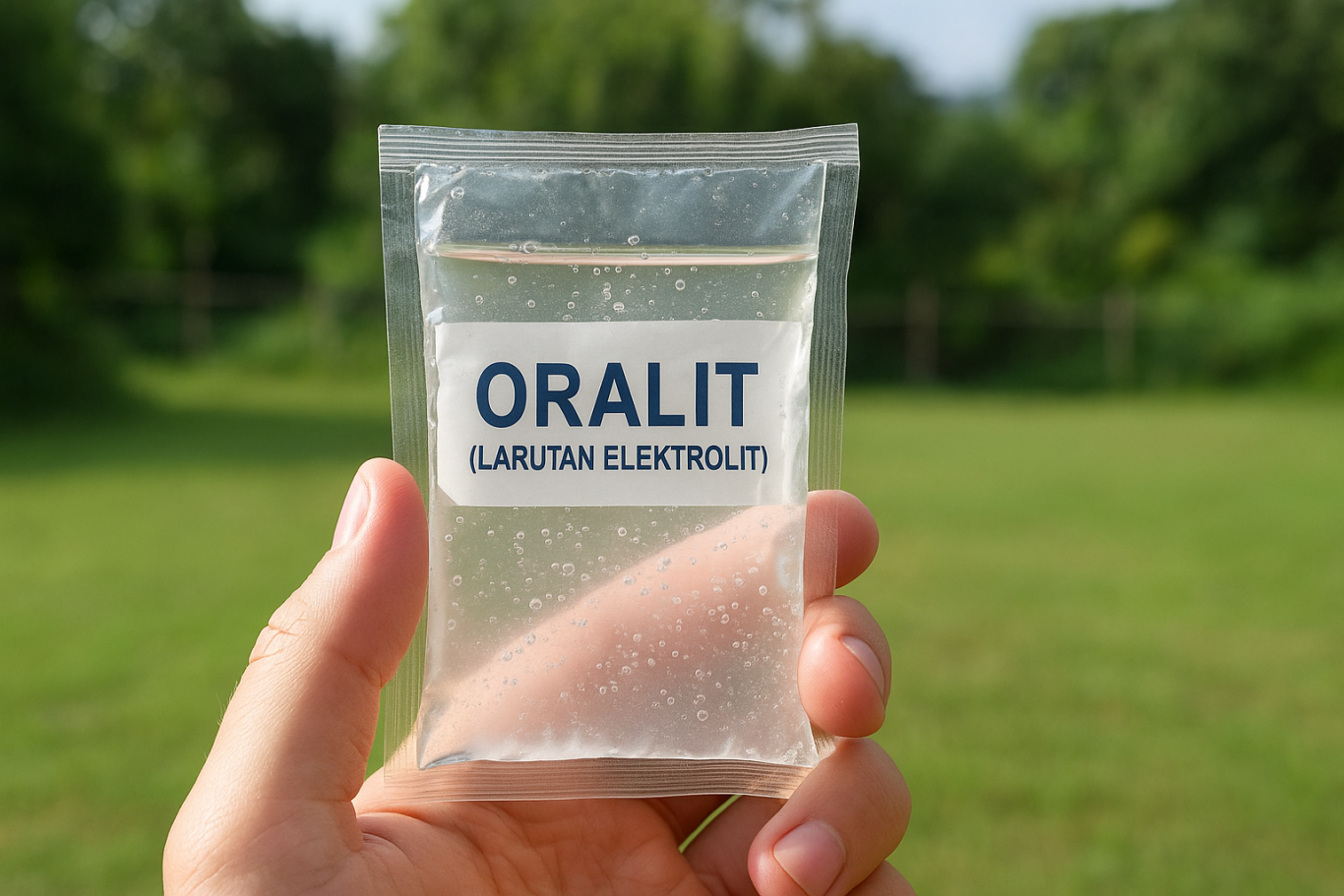
diarrhea medicine for kids

Oral Rehydration Solution, or ORS, is the gold standard diarrhea medicine for kids recommended by organizations like the World Health Organization (WHO) and the American Academy of Pediatrics. ORS replaces fluids and electrolytes lost during diarrhea, helping prevent dehydration.

Main benefits:

  • Quickly restores hydration and electrolyte balance
  • Simple to prepare and use at home
  • No harmful side effects

ORS can be offered after every loose stool and alongside regular meals and breastfeeding. It is the primary treatment for mild to moderate diarrhea and should be used as a first step in home care.

2. Probiotics

Probiotics are supplements containing beneficial bacteria that help restore the balance of healthy gut flora. As a diarrhea medicine for kids, probiotics such as Lactobacillus rhamnosus GG and Saccharomyces boulardii are often recommended by pediatricians to shorten the duration and lessen the severity of diarrhea, especially if the cause is infection or antibiotic use.

Probiotics are available as powders, chewable tablets, or drops. Always use pediatric formulas and consult your doctor for the correct type and dosage for your child.

3. Zinc Supplements

Zinc is another essential diarrhea medicine for kids, particularly for children under five. Taking zinc for 10 to 14 days during an episode of diarrhea has been proven to speed up recovery and help prevent future diarrhea.

Zinc comes in various forms, including syrup, tablets, and dissolvable tablets. Your pediatrician can recommend the best dosage based on your child’s age and weight.

4. Smectite (Diosmectite/Smecta)

Smectite, widely sold under brand names like Smecta, is a natural clay-based product that acts as a physical barrier in the intestines. This diarrhea medicine for kids works by binding to toxins, bacteria, and viruses, helping to safely remove them from the digestive tract.

Smectite is usually available as a powder that can be mixed with water or milk. It is safe for children, but always follow package instructions or your healthcare provider’s guidance.

5. Rice-Based Oral Rehydration Solution

Rice-based ORS is an alternative type of oral rehydration recommended in some parts of the world, especially for kids who may be lactose intolerant or experiencing persistent diarrhea. Rice-based solutions provide both hydration and extra calories from the rice starch.

You can purchase commercial rice-based ORS or make it at home by boiling rice and using the starchy water. For best results, check with a healthcare professional to ensure your child is getting the hydration and nutrition they need.

Home Care Tips for Children with Diarrhea

In addition to providing diarrhea medicine for kids, these supportive steps are crucial:

  • Keep your child hydrated: Regularly offer ORS or other rehydration fluids.
  • Serve bland, easy-to-digest foods: Consider bananas, rice, applesauce, and toast (the BRAT diet).
  • Practice good hand hygiene: Always wash hands before and after caring for your child.
  • Continue breastfeeding: For infants, breastfeeding helps speed recovery and maintain hydration.
  • Watch for dehydration signs: Seek medical attention if your child is lethargic, has a dry mouth, produces little urine, or cries without tears.

Why Health and Digital Education Both Matter

 Image

Using the right diarrhea medicine for kids is a vital step, but it’s also important to teach your child good health habits and personal hygiene for long-term wellness. In today’s digital age, it is equally valuable to help children develop skills like coding, problem-solving, and logical thinking.

If you want your child to grow up healthy, confident, and digitally skilled, try a free coding class at Timedoor Academy. Here, children can develop logical thinking and creativity while also learning essential health basics. Visit the Timedoor Academy website for an engaging and educational free trial coding class.

Keep Reading

<strong>What Is Deepfake? The Impact on Children in 2025 and How to Respond Wisely</strong>
What Is Deepfake? The Impact on Children in 2025 and How to Respond Wisely
The rapid development of digital technology has brought about countless innovations, and one of the most talked-about today is deepfake technology. Recently, the term “deepfake” has been frequently discussed, especially as more and more fake videos that appear shockingly real circulate on social media. But what is deepfake exactly, and why do parents need to understand and be cautious about this technology, especially to protect their children? This article will explain what is deepfake, how it works, and the potential impact it can have on children. We’ll also cover practical steps parents can take to help their kids face digital challenges with confidence. What Is Deepfake? Understanding the Technology Behind Fake Faces Before exploring its impact, it’s important for both parents and children to know what is deepfake. Deepfake is a term used for videos, images, or audio created with artificial intelligence (AI) so convincingly that they appear real, even though they’re fake. This technology can swap faces, mimic voices, or even make someone say or do things that never actually happened. Originally, deepfake technology was developed for entertainment and cinema, such as creating special effects in movies. However, as technology has advanced, deepfakes are increasingly misused—for spreading hoaxes, scams, and even digital bullying. That’s why digital literacy and education about deepfake is now more crucial than ever for Indonesian families. How Does Deepfake Work? To help children and parents better understand what is deepfake, let’s look at the basics of how this technology operates. Deepfake uses machine learning, especially deep learning techniques, to analyze and mimic someone’s facial expressions, voice, and movements. Using sets of videos or photos of a target, AI “learns” unique patterns and then applies them to new videos to make them appear extremely realistic. The end result of a deepfake is often very difficult to distinguish from real footage, especially at a glance. This makes deepfake technology dangerous if misused, particularly for children who may not yet know how to verify what they see online. The Impact of Deepfake on Children After understanding what is deepfake, it’s essential to recognize the negative effects it can have on children in the digital era: 1. Spread of Hoaxes and MisinformationChildren can easily be convinced by a deepfake video or audio that looks and sounds real, making them vulnerable to fake news, slander, or provocative issues. 2. Cyberbullying and ExploitationDeepfake can be used to create fake content that humiliates or damages a child’s reputation, or even as a tool for online bullying and exploitation. 3. Fraud and Privacy ThreatsA child’s personal data can be stolen and used to create deepfakes, which could then be involved in scams, blackmail, or other crimes. 4. Self-Doubt and Mental Health IssuesIf a child becomes a victim of deepfake, they may experience stress, shame, and even trauma, which can affect their self-confidence and mental well-being. 5. Difficulty Distinguishing Fact from ManipulationAt a young age, children are not fully equipped to tell the difference between genuine and fake content. Lack of digital literacy can make them more susceptible to digital manipulation. The Role of Parents: Education and Protection Simply understanding what is deepfake isn’t enough. Parents must also actively educate and guide their children to stay safe in the digital world. Here are some practical steps: Teach Digital Literacy EarlyDiscuss with your child about what is deepfake, how to spot fake content, and the importance of not believing every piece of information encountered online. Build Open CommunicationEncourage children to talk if they come across suspicious content or feel uncomfortable with something online. Strengthen Data Privacy AwarenessHelp children understand the importance of keeping personal data—photos, videos, and identity information—private and protected. Be a Role ModelParents should use technology and social media wisely, and avoid sharing or spreading unverified content. Introduce Positive Digital ActivitiesRedirect children’s attention to educational and productive digital activities, such as learning coding, creating digital projects, or exploring new knowledge. Coding: A Smart Way to Protect Children in the Digital World One concrete way to equip children for the deepfake era is to introduce them to coding. By learning to code, children don’t just become technology users—they also gain an understanding of how technology works. Coding sharpens logic, analytical skills, and encourages critical and creative thinking. Children who learn coding are better able to recognize digital manipulation and understand how AI behind deepfake works. Timedoor Academy offers interactive, fun, and age-appropriate coding programs. Children can learn to build apps, simple games, and even understand basic AI concepts through friendly and easy-to-follow methods. Time to Outsmart Deepfake, Starting from Home In today’s digital age, understanding what is deepfake should be a priority for every family. With the right knowledge, digital literacy education, and technology skills such as coding, children will be better prepared to face the risks and opportunities of the online world. Don’t let your child fall victim to digital manipulation! Register your child for a free trial class at Timedoor Academy and introduce them to coding and digital safety from an early age.
<strong>5 Key Signs Your Child Needs a Psychologist</strong>
5 Key Signs Your Child Needs a Psychologist
Many parents often dismiss shifts in their child’s behavior as just another phase of growing up. But not every act that seems “naughty” is simply misbehavior. Sometimes, these behavioral changes may actually be signs your child needs a psychologist. In some cases, seeking help from a child psychologist can be a vital step to prevent more serious issues later in life. Recognizing the signs your child needs a psychologist helps parents avoid jumping to the wrong conclusions. By observing changes in your child’s emotions, behavior, and social interactions, you can become more attuned to their mental wellbeing. This article will highlight five of the most common signs that your child might benefit from professional psychological support. 1. Intense and Prolonged Emotional Changes It’s completely normal for children to experience emotions like anger, sadness, or fear. However, if these feelings are extreme and last for an extended period, they may be signs your child needs a psychologist. For example, frequent unexplained crying, outbursts over minor frustrations, or excessive anxiety can interfere with your child’s daily life and social relationships. When emotional disturbances become persistent and disruptive, it’s time to consider speaking with a professional. 2. Withdrawal from Social Activities A child’s social behavior can be a strong indicator of their mental state. If a previously outgoing child suddenly avoids playing with friends, refuses to go to school, or prefers to isolate themselves in their room, it could be cause for concern. Social withdrawal may be a self-protection mechanism triggered by pressure or emotional distress that the child struggles to express. These are also strong signs your child needs a psychologist, and should not be overlooked. 3. Significant Changes in Sleep and Eating Habits Sleep and appetite are closely tied to mental health. If your child starts having trouble sleeping, frequently experiences nightmares, or sleeps excessively, it might point to underlying stress. Likewise, a sudden drop in appetite or overeating can signal emotional strain. When such changes persist for more than two weeks without a clear medical cause, they may be signs your child needs a psychologist to help uncover and address what’s really going on. 4. Decline in Academic Performance or Interest in Learning Psychological stress often affects motivation and focus. A child under emotional strain may lose interest in activities they once enjoyed, including school. If your child suddenly avoids homework, loses enthusiasm for learning, or experiences a drop in grades without an obvious reason, don’t be quick to assume they’re just being lazy. These could be signs your child needs a psychologist, and getting support early can help them bounce back before the challenges deepen. 5. Aggressive or Self-Harming Behavior Aggression, whether directed at others or at oneself, is a serious red flag. A child who frequently throws things, hits, lashes out, or even harms themselves is expressing deep emotional turmoil. These intense behaviors are strong signs your child needs a psychologist. Children may act out physically when they don’t yet have the words to express what they feel inside. A trained professional can help them develop healthier coping mechanisms and guide the family through healing. Nurturing Emotional Resilience Through Positive Engagement Identifying signs your child needs a psychologist doesn’t mean you’re being overly anxious. It means you’re being proactive in supporting your child’s growth, both emotionally and physically. Children don’t always have the language to communicate their struggles, which makes parental awareness all the more important. Alongside mental health support, you can empower your child by encouraging positive learning activities that build confidence and logical thinking, like coding. At Timedoor Academy, children not only explore technology, but also learn to solve problems, think critically, and express ideas clearly. You can start by signing up for a free trial coding class to experience how this nurturing and supportive environment helps children grow — not just academically, but emotionally as well. Try a class today and see the difference it can make in your child’s journey.
<strong>5 Best! Recommended Electric Bike for Kids: Safe and Stylish Rides for Everyday Fun</strong>
5 Best! Recommended Electric Bike for Kids: Safe and Stylish Rides for Everyday Fun
In today’s digital era, electric bikes are quickly becoming a popular choice among families, including for children. More parents are looking for a recommended electric bike for kids as an environmentally friendly way to get around, whether for trips to school, outdoor activities, or simply playing around the neighborhood. Besides being efficient, electric bikes now feature modern designs and improved safety elements that appeal to both parents and kids. However, choosing an electric bike for your child requires careful consideration. Parents need to look at quality, safety features, battery capacity, and price before making a decision. With so many options available, finding a recommended electric bike for kids that truly matches your child’s needs and age can be a real challenge. To help you make the best choice, here are the 5 best options for a recommended electric bike for kids that are widely used, highly rated, and perfect for your family in 2024 and beyond. 1. Xiaomi Himo Z16 Kids The Xiaomi Himo Z16 Kids is one of the most popular choices when it comes to a recommended electric bike for kids. This bike is known for its compact, lightweight design, making it easy for children ages 7 to 12 to ride confidently. It also features a safe top speed and double braking system for enhanced safety. Key features: Lithium battery with up to 25 miles (40 km) range per charge Maximum speed of 12 mph (20 km/h) for child safety Front and rear LED lights for visibility Foldable design for easy storage and transport The Xiaomi Himo Z16 Kids is great for active children who enjoy adventure and want a cool, modern ride. 2. Polygon Urbano E1 Junior Polygon is a trusted brand and their Urbano E1 Junior model is a strong candidate as a recommended electric bike for kids. This bike is specifically designed for elementary and middle school children, with a smaller frame and handlebars for a more comfortable and safe fit. Key features: 250W electric motor for smooth rides Removable battery for easy charging Front and rear disc brakes for added security Comfortable suspension, ideal for various road conditions The Polygon Urbano E1 Junior comes with an official warranty and has been thoroughly safety tested, making it an excellent family investment. 3. ECOTRIC Mini Folding Electric Bike If you need a recommended electric bike for kids that is easy to take anywhere, the ECOTRIC Mini Folding Electric Bike is a top pick. Its lightweight, compact design is perfect for travel, vacations, or just easy storage at home. Key features: 250W motor for a safe, steady ride Lithium battery offering up to 15 miles (25 km) per charge 14-inch wheels, just the right size for kids Foldable design fits easily in a car trunk The ECOTRIC Mini Folding Electric Bike is available internationally and is widely used in Europe and the United States, making it a reliable global choice. 4. Pacific E-Lite 12 Kids For younger children ages 4 to 8, the Pacific E-Lite 12 Kids stands out as a recommended electric bike for kids, focusing on safety above all else. With a speed limiter and an automatic cut-off feature when the brake is pressed, this bike is perfect for children who are just learning to ride an electric bike. Key features: 24V battery with 2–3 hours of use per charge Maximum speed of 7 mph (12 km/h) for safety Equipped with pedals and a sturdy kickstand Lightweight frame with bright, attractive colors The Pacific E-Lite 12 Kids is simple to operate and provides plenty of fun for young riders while giving parents peace of mind. 5. Razor Power Core E90 The Razor Power Core E90 is a leading recommended electric bike for kids in the United States and Europe. This bike is ideal for children aged 8 to 12 who want the thrill of riding an electric bike, but with important safety measures in place. Key features: 90W hub motor with a maximum speed of 10 mph (16 km/h) Up to 80 minutes of continuous use per charge Durable steel frame for long-lasting use Automatic braking system for safety The Razor Power Core E90 is easy to find online and is a favorite among kids who love moving around the neighborhood in style. Tips for Choosing the Right Electric Bike for Your Child Along with picking from the recommended electric bike for kids options above, parents should consider a few important things: Choose a bike that matches your child’s age, height, and weight. Make sure the maximum speed complies with child safety standards. Prioritize models with dual brakes, lights, and protective accessories. Check for a warranty, aftersales service, and spare part availability. Teach your child to always wear a helmet and protective gear when riding. Balancing Outdoor Fun and Digital Skills Buying a recommended electric bike for kids is exciting, but it is just as important to balance physical activity with developing digital skills. In today’s world, children should also be introduced to coding, technology, and digital creativity from a young age. If you want your child to become more confident and well prepared for future challenges, sign them up for a free trial coding class at Timedoor Academy. With fun, interactive lessons, kids can learn logic, problem-solving, and creativity while still enjoying plenty of active outdoor time.
float button