Aug 22, 2022

Things Your Kids Can Do Outside of School

Things Your Kids Can Do Outside of School image

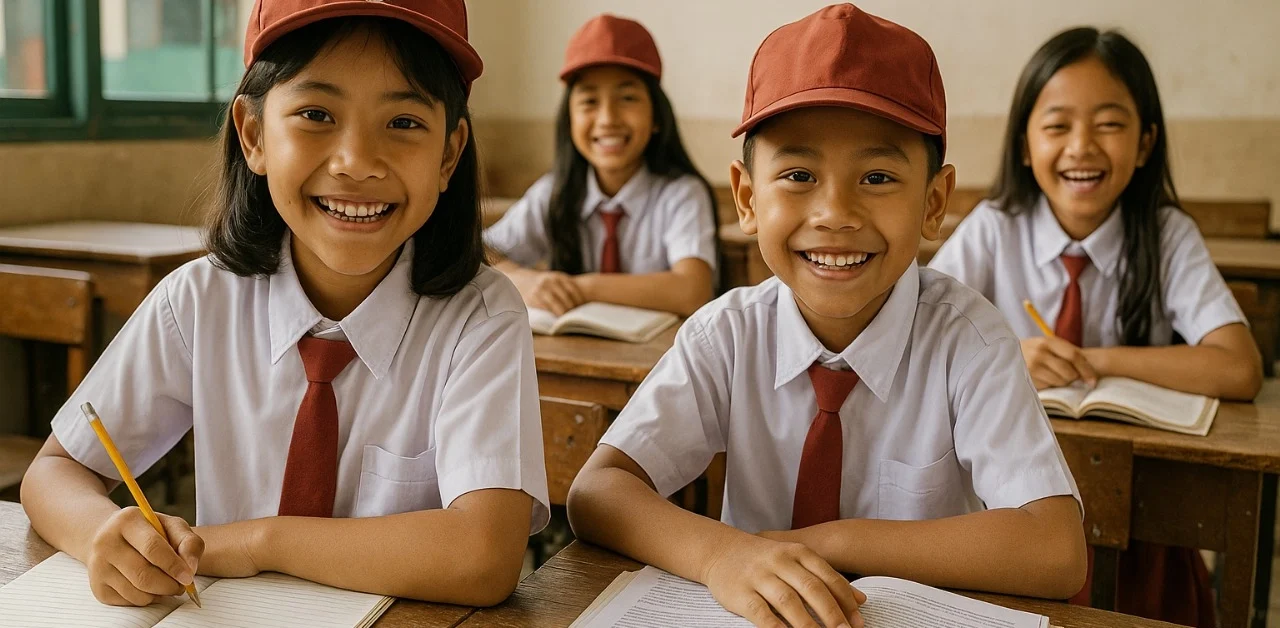
Nurturing well-rounded kids by discovering things your kids can do outside of school. Keeps your kids engaged and stimulated.


Seriously, What to do when your kids aren’t in school?

Do we practice what Singaporean parents are imposing on their children or let them enjoy the relatively unburdened lifestyle of Finnish kids?

While there’s a case to be made for both polar opposites (students in both countries are academic high-achievers) and no precedent or overwhelming consensus on how much time a child should spend in a day studying, we can all agree that there needs to be a period allotted for children that is devoid of anything academic. Because schoolwork can be yucky after a while.

After all, all work and no play make your kids dull.

Once they’ve done their assignments, homework, and chores, the time before bedtime still needs to be occupied with things that keep their interests piqued.

It’s essential to recognize that schoolwork, while crucial, can become overwhelming. To ensure our children grow into well-rounded individuals, we must provide them with ample time for non-academic pursuits.


Beyond the Books: Things Your Kids Can Do Outside of School

In this article, we have compiled a list of things for your kids to do during their free, non-academic time, divided into three categories:

  • Basic Survival Skills – because your kids are going to grow up to be (hopefully) fully functioning members of society. Also because codependency is unattractive.
  • Brawny Things – their bodies are their temples. Keep the temple healthy and the mind tidy.
  • Brainy Stuff – because the world nowadays is a lot to process and navigate. Your kids need to be capable thinkers to survive the modern age.


Basic Survival Skills

Although no good parents would wish any harm would ever come to their children, equipping them with the core skills that would help them survive in a plethora of both daily and unimaginable situations is necessary.

Your kids will at one point decide to explore the world around them, and it’s going to be comforting to you as parents to know that your little ones are bolstered with the skills that allow them to be resilient and durable. Especially if they decided to act like Dora the Explorer – and we hope our kids aren’t as clueless as she is.

More McGyver, less Dora. Here are the skills.


Cooking

things your kids can do outside of school

This isn’t an exclusively girls’ thing. Cooking is necessary regardless of your child’s gender. If they’re human beings with the need for sustenance to survive, then they need to know how to prepare themselves some food.

Cooking also helps your children to learn about good nutrition, and what they put in their bodies, and to get accustomed to healthy diets. Being involved in food-making may also make them more adventurous with their palate choices. So if you want your kids to eat vegetables and other foodstuffs that kids don’t typically find appealing, get them busy in the kitchen!

Things to make sure of when you want to involve your kids in cooking:

  • Have everything ready and in place. Cookware, ingredients, kitchen towel, compost bin, and apron need to be neatly laid out so that your kids can just dive into the experience. Provide stools if your kids aren’t able to reach your kitchen countertop yet.
  • Teach them about kitchen protocols: handwashing, cleaning as you go, never putting sharp tools near the edge of the countertop, and avoiding cross-contamination. 
  • Guide them through simple recipes and the sequences of making a dish – which ingredient goes before which, and which cooking method is appropriate for which stage of the preparation. 

How do you get your kids interested in cooking in the first place? By starting them off with recipes that they like and start slow.

Begin by involving them in the recipe selection process and allow them to participate in one step of the cooking process. Have them bread the chicken for the chicken fingers. Let them whisk eggs. Allow them to mold the chocolate chip cookies that they’re about to bake.

Let them be messy. It’s part of the learning process.


Swimming

things to do other than school

Take your kids to swimming lessons!

Most kids love being wet, thus swimming should naturally be a very exciting activity for them. It also turns out that swimming is a major survival skill too!

With drowning being one of the most common causes of fatal accidents in kids, the ability to swim is as core as it can get.

Have your kids taught by professional swimming instructors so that they are equipped with the correct and efficient skills that would help them to be proficient at it. We’re not looking for the next Michael Phelps here (though that would be a sweet bonus). We’re just imparting an important survival skill.


Gardening

Kids gardening, things to do other than school

If the recent global pandemic has taught us anything, it’s that people need to know how to grow food. Period. 

Remember the food shortage? Yeah. Not cool.

While it may not always be possible to live completely off the sustenance produced on our property – especially if you live in a city where the land is scarce and exorbitantly pricey – the knowledge and ability to cultivate food is a basic survival skill.

If you have a larger property, starting a vegetable garden involving your children is a good way to start to pique their interest in sustenance growing. They get to see how their food goes from soil to the table, and that begets emotional investment so they appreciate their food more.

For families with limited space, growing vegetables on a hydroponic system can be a good idea. Hydroponics requires relatively small space, is easy to maintain, and the produce can be harvested quickly.

Gardening can be either time-consuming or relatively quick, so fit the activity in your kids’ schedule – whether it’s after school or during a lengthy school break!

Who knows what your kids’ takeaway will be when they grow up with this knowledge?


First Aid

As parents, we would never wish that harm may befall our kids. Any good parents would always want to protect their children from misfortune and traumas, keep them “kids” for as long as possible, and let us adults do all the adulting on their behalf.

But kids grow up, and the person who will less likely be to survive is the person who grew up with zero knowledge as to how to navigate emergency situations.

We’re not talking about your kids needing to know how to start a heart with a defibrillator – we’re talking about administering basic first aid and reinforcing them with the knowledge of what to do during times of crisis.

Start when they were really young – toddlers’ age – whenever they get a boo-boo. Narrate how you would put medication and dress their wounds – e.g. “I’m going to apply pressure to the wound to stop it from bleeding, then I’m washing the dirt with clean water. Now let me put this ointment, and then bandage. – Voila! You are okay!”

No less important than the knowledge to dress wounds is the ability to stay calm when the situation is stressful. Teach them the slow deep inhale and release to alleviate stress and tension. This may take time and patience, but they’ll reap the result later on.

Now, no matter where you live, there’s always an emergency hotline – like 911 in the US – to call whenever the situation requires it. Make sure your child knows how to make the call when the situation is dire. If it’s not possible to rely on the emergency hotline, make sure your kids know which trustworthy adults – other than mommy and daddy – they can call instead of 911 or its equivalents.


Baca Juga Artikel Lainnya:

Rekomendasi 22 Terpilih! Sekolah Swasta dan Internasional di Denpasar – Informasi Lengkap, Biaya, dan Alamat

“Free” Coding Bootcamp for IT Student 2023


Brawny Things 

You want your kids to grow up strong, disease-free, and able to defend themselves. One way to achieve that is to accustom your kids to various physically taxing activities.

Worry not though, physically demanding stuff can be made fun so that kids engage with it more readily.  


Self-defense
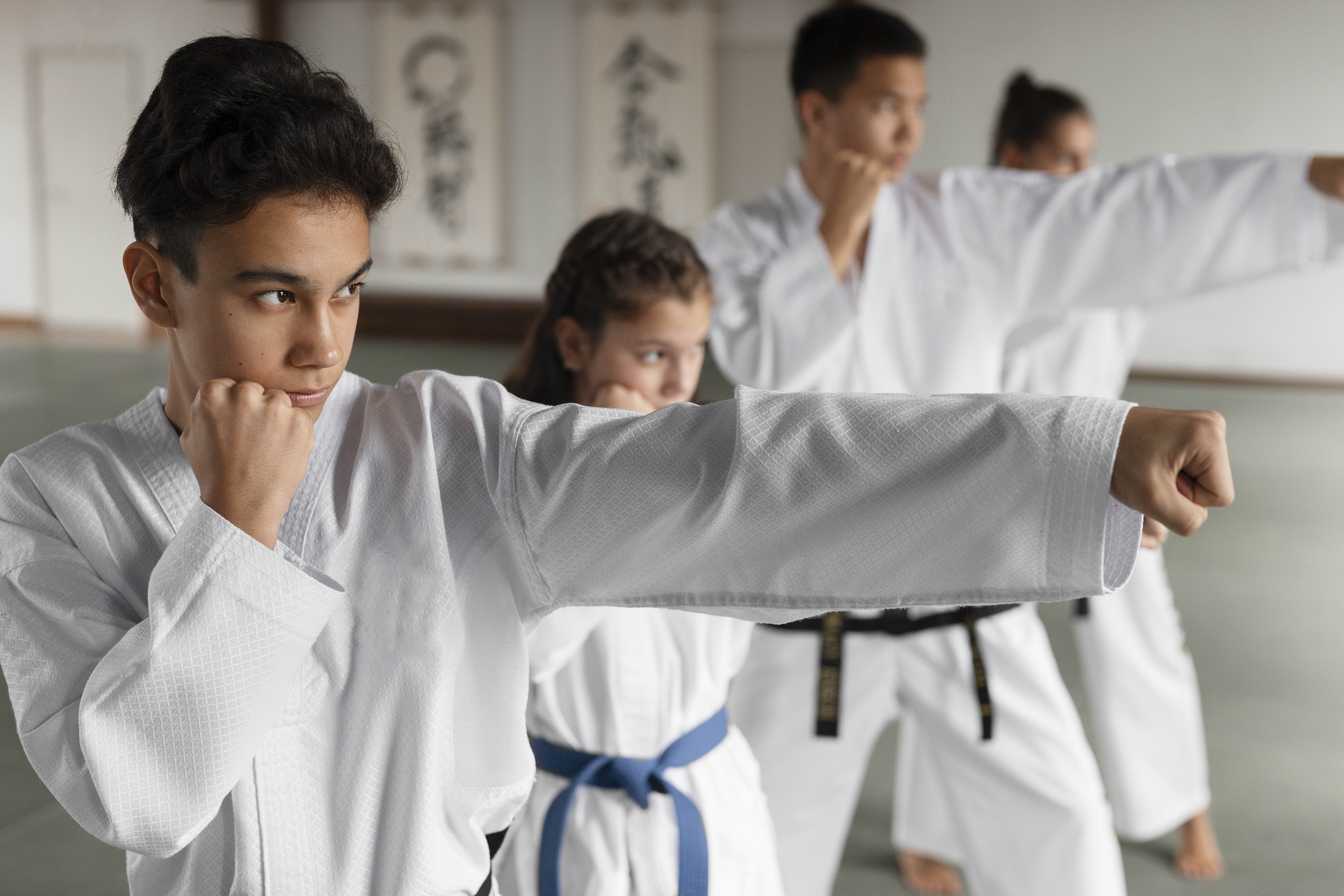
Self-defense for kids has become popular nowadays due to the prevalence of bullying in schools and creepy people potentially preying on their kids.

Yes. 

But self-defense does not always mean teaching them how to throw punches and kicks at their antagonizers. Self-defense can also come in forms such as verbal assertiveness to de-escalate tricky situations.

Talk to a child counselor or therapist on how to best manage situations that call for verbal de-escalation that would best suit your children’s needs.

Also, don’t be afraid to enroll your kids in a martial arts program because you think they might get aggressive. You see, in most martial arts disciplines, kids are going to be compelled to be pacifists. 

Because the fact that you know how to swing, doesn’t mean that you should start – there are plenty of things to do to de-escalate and defend yourselves, and swing only if it’s the last, last, last of the resorts.

Check your local martial arts club because they often host kids’ classes with very accommodating schedules such as on weekends or after-school hours. 


Sports

One of the best ways to de-stress and get good cardiac health is through regular physical exercise. 

Aside from the potential to grow up being more confident, assertive, and resilient, physical exercise can be a very fun way to kill time during your child’s non-academic hours.

The swimming class we’ve discussed in the survival skill section is a good way to incorporate some fun exercise into your child’s life – but there are other fun exercises too.

Understand what your child likes to get them excited about the activities. Girls can play soccer and basketball if they have an inclination to do so. Exercise is exercise and it shouldn’t be bound to gender.

Or a simple daily walk in the park with the dog counts as regular exercise too. You and your kids will get the dose of physical stress that you need while bonding – whatever floats you and your kids’ boat.

No excuses now. Get moving!


Brainy Stuff

You want to keep your child’s brain stimulated as healthily frequently as possible – and no, that does not mean shoving more academic stuff down their throat in their spare time. There are ways to stimulate their brains and their unique brand of intelligence other than schoolwork.


Creative Channeling

Creativity is one way to stimulate your child’s brain without risking the boredom that comes with the territory of academic learning.

One of the most popular avenues of creative channeling is to make a movie – and you don’t need expensive paraphernalia either!

Your regular-degular smartphones coupled with some Stop Motion Studio apps that can be found on your phone’s app stores should suffice.

Movie production no matter how amateur engages several forms of skills, namely creative writing (for the script), imagination and visualization, and photography skills – which are all timely and relevant to the current state of the world.

Who knows if your kids would get seriously hooked on movie-making and grow up understanding more complicated Adobe editing software and make it their life career in the future? You’ve got future Spielbergs on your hands.

Plus, the kids get to have serious fun, and the family will have something to enjoy to watch for years to come!

To incentivize this activity, include a lot of fun movies that are appealing and age-appropriate to watch during their allotted screen time – which is something that you don’t have to avoid.


Socializing

Socializing is good for your child’s brain. It challenges the brain by keeping it active as it teaches them to recognize social cues and stimulate problem-solving.

Because let’s be honest, kids are going to encounter conflicts during socialization, and their critical thinking and empathetic ability are going to be tested during such scenarios.

Ways to get your kids to be social:

  • Playdates! Invite their peers over to your home so that your kids can learn how to be good hosts. And who knows, your kids might get invited by their friends to another playdate in the future, during which you as parents might also get some free time to yourselves. Win-win!
  • Enroll your kids in some social clubs or organizations—examples can include Boy/Girl Scouts or summer camps. Such clubs or camps are filled with positive activities that are probably not available in their schools. This gathering is also the perfect avenue for them to meet other kids from various backgrounds and may also help them make new friends. Remember, in the future as adults, they will need the skills necessary to network, so start them early!
  • Social skills development starts at home. Good parents communicate with their kids. They show through examples. It’s also important for parents to understand whether their children need advice or just a pair of ears that listen.


Coding 

Children coding, things your kids can do outside of school

A lot of children love to code. They just don’t know it yet!

Coding is the gateway to STEM education interest, and in the digital world where everything is rapidly changing and competitive, it would be wise if your kids get a headstart in the race. Coding is for all kids of varying degrees of interests and aptitudes just like STEM transcends all kinds of inclinations.

More than that, through coding, children could learn valuable skills through coding seeing that it keeps their critical thinking and problem-solving. This process will prepare them for a better future including wider possibilities in future careers. Coding encourages children to think logically and break down complex problems into smaller and solvable parts, seeing that in coding they will encounter errors or bugs in their code and the coders need to solve in order to make it work.

At the same time, coding is a creative process, where children learn to think of creative ideas and build something from scratch, whether it’s a simple game, a website, a blog, or an animation. Coding will also foster innovation and original thinking. Besides, children become adaptable by learning new languages in coding.


Luckily, there are many after-school coding classes nowadays that would cater to your children’s need to advance later in life – like Timedoor Academy’s coding classes!

Timedoor Academy offers coding training programs specifically designed for children and beginners. Our teaching method is easy to understand, and we follow standardized curricula from both English and Japanese sources. Enroll your little ones today to equip them for the future’s changes.

Timedoor Academy Kelapa Gading

With more than 10,000 students globally and 300+ certified coding instructors, our coding academy is your best bet for children ages 8 and up.

We provide opportunities for children to explore and develop their programming talents through free trial sessions.

To learn more and enroll at our fun and exciting coding academy, please visit this link.

Keep Reading

Online Homecshooling
Online Homeschooling for Junior High School Students: A Flexible and Personalized Education Solution
With the advancement of technology and changing lifestyles, an increasing number of parents are considering alternative education paths for their children. One option that is becoming more popular is online homeschooling, a flexible, personalized learning model that adheres to national curriculum standards. For Junior High School students, online homeschooling offers a learning solution that can be tailored to the child’s needs, whether in terms of time, learning style, or emotional well-being. Children can still receive a quality education without being tied to the conventional school system. In this article, we will explore the benefits of online homeschooling for junior high school students and highlight several trusted platforms that provide officially recognized and legal homeschooling programs. Benefits of Online Homeschooling for Junior High School Students Flexible Learning ScheduleStudents can learn at their own pace and during the times when they are most productive. This helps improve learning effectiveness and reduces stress. Safer Learning EnvironmentLearning from home provides a sense of security for children, especially if they have previously experienced social pressure or difficulty adjusting to a traditional school environment. Customized to InterestsHomeschooling programs allow for exploration. In addition to core subjects, children can explore coding, digital arts, foreign languages, or even business from an early age. Increased Parental InvolvementHomeschooling enables parents to play an active role in their children's learning process, not just as supervisors but also as companions in character development. Recommended International Online Homeschooling Platforms 1. Wolsey Hall Oxford Established in 1894, Wolsey Hall Oxford is a distinguished British online school offering IGCSE and A-level courses to homeschoolers in over 120 countries. It is a registered online school of Cambridge Assessment International Education, providing a comprehensive curriculum with personalized support. Key Features: Customized curriculum Interactive video lessons Guidance from professional teachers Examinations and progress reports 2. Connections Academy Based in the United States, Connections Academy offers full-time online schooling for grades K–12 through its International Connections Academy. It provides a U.S.-based curriculum with a flexible learning environment, catering to students worldwide. Key Features: Full-time online school Flexible, personalized learning Accredited curriculum Interactive lessons and online communities 3. Bridgeway Academy Bridgeway Academy offers customizable homeschooling programs with U.S. accreditation. It provides options for live online classes, self-paced courses, and textbook-based learning, making it suitable for international families seeking a flexible educational experience. Key Features U.S. accredited programs Live online classes Self-paced and textbook-based learning Flexible schedule Cambridge Home School Cambridge Home School provides online education based on the British curriculum, offering courses from Primary Prep to Sixth Form College. Renowned for high academic standards and personalized learning experiences, it caters to students aged 7–19. Key Features: British curriculum High academic standards Personalized learning Online classes for students aged 7–19 Tips for Choosing the Best Online Homeschooling Program Check AccreditationEnsure that the program is officially accredited, offering a valid certificate or diploma recognized by the respective education authorities. Evaluate the Learning MethodChoose a program that fits your child’s learning style. Whether they prefer structured lessons or more flexible, self-paced learning, find the right approach for them. Consider Additional FeaturesSome programs offer extra classes in coding, foreign languages, or special skills development. These could be beneficial for your child’s overall growth. Communication with TeachersMake sure the program provides active communication and engagement with teachers, not just assignments and assessments. Does Online Homeschooling Reduce Social Interaction? One of the primary concerns parents have is whether online homeschooling will limit their child’s social interaction. Many online homeschooling programs include social aspects such as: Online group discussions Interactive classes Collaborative projects Local homeschooler communities (both online and offline) With these features, students still have the opportunity to develop social skills and engage in teamwork. Enhancing Digital Skills with Extra Classes Academics alone are no longer enough in today’s world. Children today need to be equipped with digital skills such as: Coding Graphic design Animation Game programming One platform offering such extra classes is Timedoor Academy, which focuses on technology and coding education for Junior High School to High School students. If your child is already homeschooling and has a flexible schedule, taking coding classes can be a fun and beneficial way to fill their time while also building their digital future. Timedoor Academy also offers a free trial class for those who want their kids to have a seamless experience learning about IT! Learning from Home, Growing Freely! Online Homeschooling is no longer just a temporary solution but has become an effective, legal, and increasingly popular education alternative. By choosing the right program and being actively involved in your child’s learning journey, homeschooling from home can be a rewarding experience that helps build strong character. So, are you ready to explore online homeschooling for your child?
6 Simple and Trendy Street Food Recipes for Kids in 2025
Snacks are an important part of a child's school day, especially during breaks and playtime. In 2025, the trend for street food recipes for kids is growing, focusing on healthy ingredients, easy preparation, and of course, great taste. Making snacks at home not only saves money but also allows parents to control the quality and hygiene of the food their children eat. Plus, cooking together can be a valuable time for learning and creativity. Here are 6 trendy and easy street food recipes for kids that you can try at home using simple ingredients and straightforward steps.   1. Mini Pancakes with Fresh Fruit Mini pancakes are a favorite snack for many kids. Their soft texture and the natural sweetness from fresh fruit make them a healthy choice for lunchboxes or afternoon treats. Ingredients: 100 grams all-purpose flour 1 egg 150 ml milk 2 tablespoons sugar Fresh fruit pieces (strawberries, bananas, blueberries) How to make: Mix all dry and wet ingredients until smooth without lumps. Heat a non-stick pan on low heat, pour small round pancakes, and cook until golden on both sides. Serve the mini pancakes topped with fresh fruit for an appealing and nutritious snack.   2. Date Chocolate Balls For kids who love sweet snacks but need something healthy, these date chocolate balls are perfect. Dates provide natural sweetness and high fiber, which is good for digestion. Ingredients: 150 grams pitted dates 2 tablespoons cocoa powder 50 grams chopped walnuts How to make: Blend or mash the dates until smooth. Mix in cocoa powder and chopped walnuts until well combined. Shape the mixture into small balls and chill in the fridge for at least 30 minutes to firm up before serving.   3. Banana Yogurt Ice Cream Banana ice cream with plain yogurt is a refreshing and healthy treat. Yogurt contains probiotics that benefit kids' digestive health. Ingredients: 2 ripe bananas 150 ml plain yogurt 1 tablespoon honey How to make: Blend the bananas, yogurt, and honey until smooth and well mixed. Pour the mixture into ice cream molds and freeze for at least 4 hours. This banana yogurt ice cream is perfect for cooling off while providing good nutrition.   4. Chocolate and Cheese Roll Sandwiches These easy-to-make roll sandwiches are kids' favorites thanks to the delicious mix of sweet chocolate and savory cheese. Ingredients: 4 slices of crustless white bread Chocolate spread as needed Grated cheese as needed How to make: Spread chocolate on each bread slice, sprinkle with grated cheese, then roll up tightly. Slice as desired. These rolls can be eaten as is or lightly toasted to melt the cheese and add a crispy texture.   5. Fruit Yogurt Salad Fruit salad with yogurt is a healthy and refreshing snack. Feel free to vary the fruits depending on the season for more variety. Ingredients: Chopped apples, grapes, melon, and other fruits 150 ml plain yogurt 1 tablespoon honey How to make: Mix the chopped fruits with yogurt and honey. Stir well and serve chilled for a fresh and tasty treat.   6. Banana Chocolate Muffins These banana chocolate muffins combine the natural sweetness of bananas with chocolate chips that kids love. They're perfect for school snacks or afternoon treats. Ingredients: 2 ripe bananas, mashed 100 grams all-purpose flour 50 grams sugar 1 egg 50 grams chocolate chips How to make: Mix mashed bananas, egg, and sugar until smooth. Gradually add flour while stirring. Fold in the chocolate chips gently. Pour the batter into muffin molds and bake at 180°C (350°F) for 20 minutes or until cooked through.   Why Making Your Own Street Food Recipes for Kids Matters Making street food recipes for kids at home has many benefits. Besides ensuring the ingredients are healthier and safer, children also learn about food and cooking processes. This helps boost their creativity and responsibility for what they eat. Cooking together also creates precious bonding moments between parents and children. Teaching kids to make healthy snacks encourages better lifestyle habits from an early age.   Learning Coding for Kids — How Does It Connect with Cooking? Combining cooking with learning coding can make kids even more excited to learn. For example, children can be encouraged to create a simple app featuring their favorite snack recipes while picking up basic coding skills. This is a fun and effective way to introduce technology at an early age. For parents who want their kids to start learning coding in a fun and easy way, Timedoor Academy offers specially designed coding programs for children. You can also take advantage of Timedoor Academy’s free trial class so your child can try coding for free before enrolling in full courses. So, don’t hesitate to try these 6 trendy and easy street food recipes for kids. Not only are they delicious and healthy, but cooking together can be a fun and rewarding learning experience. And don’t forget to support your child’s coding journey so they’re ready for the digital world ahead with Timedoor Academy.
What Is Doxing on Children and How to Prevent It in 2025
In today’s digital age, children are not only using the internet for play and learning but are also actively engaging with social media and online platforms. While the internet provides many benefits, it also presents serious threats, one of which is doxing on children. Doxing on children refers to the act of gathering and sharing a child’s personal information online without permission. This can include their full name, home address, school name, phone number, photos, or even their current location. This kind of exposure is highly dangerous because it can be used to intimidate, harass, or exploit the child.   How Doxing on Children Happens Many parents may not realize that their child’s private data can be easily exposed through seemingly harmless online activities. For example, when a child creates a social media account without strict privacy settings, or when parents themselves share too much about their kids online — a behavior often referred to as “sharenting.” Doxing on children can also occur through gaming forums, group chats, or video comment sections. Children often lack the awareness to differentiate between public and private information, and may unknowingly share details that bad actors can take advantage of.   The Psychological Impact of Doxing on Children Doxing on children can lead to severe psychological effects. Victims may experience stress, fear, anxiety, and even social trauma. Some children may become reluctant to use the internet again, while others might withdraw from their parents out of fear of being scolded. In more serious cases, doxing can lead to prolonged cyberbullying. It’s important for parents to understand that doxing is not just a technical issue. It also affects a child’s sense of safety and confidence. Recognizing behavioral changes — such as sudden mood shifts, isolation, or fear of using gadgets around adults — can help detect if a child is in distress due to online threats.   How to Prevent Doxing on Children Here are some important steps parents can take to prevent doxing on children: Educate EarlyTeach children what personal information is and why it should be protected online. Use real-life examples to help them understand the risks. Use Strong Privacy SettingsMake sure all of your child’s social media accounts have maximum privacy. Do not allow them to accept requests or follow people they do not know. Monitor Online Activity WiselyWithout invading their privacy, it’s still essential for parents to be aware of what platforms their children are using and who they’re interacting with. Consider using parental control tools to enhance digital safety. Be Mindful When Posting About Your ChildParents also need to be careful when sharing their child’s photos, locations, or personal stories online. Build Open CommunicationCreate a safe space where your child feels comfortable sharing if something online makes them uncomfortable. A child who trusts their parent is more likely to ask for help when needed.   The Role of Schools and Teachers Schools play a vital role in preventing doxing on children. Teachers can incorporate digital ethics and online safety lessons into the school curriculum. Schools can also host open discussions about students' online experiences and how to deal with digital threats. With strong collaboration between parents, teachers, and educational institutions, the effort to prevent doxing on children can be more effective and long-lasting. Doxing on children is a serious threat that cannot be ignored. As technology becomes more embedded in daily life, protecting a child’s digital identity must be a shared responsibility. Through education, active guidance, and honest communication, we can help children navigate the online world safely and responsibly.   Start Building Your Child’s Digital Awareness with Timedoor If you want your child to be better prepared for the digital world while learning important skills like online ethics and internet safety, Timedoor Academy offers kid-friendly coding and digital literacy classes. You can also try our free trial class today and see how fun and meaningful digital learning can begin from home.
float button