Things Your Kids Can Do Outside of School

Nurturing well-rounded kids by discovering things your kids can do outside of school. Keeps your kids engaged and stimulated.
Seriously, What to do when your kids aren’t in school?
Do we practice what Singaporean parents are imposing on their children or let them enjoy the relatively unburdened lifestyle of Finnish kids?
While there’s a case to be made for both polar opposites (students in both countries are academic high-achievers) and no precedent or overwhelming consensus on how much time a child should spend in a day studying, we can all agree that there needs to be a period allotted for children that is devoid of anything academic. Because schoolwork can be yucky after a while.

After all, all work and no play make your kids dull.
Once they’ve done their assignments, homework, and chores, the time before bedtime still needs to be occupied with things that keep their interests piqued.
It’s essential to recognize that schoolwork, while crucial, can become overwhelming. To ensure our children grow into well-rounded individuals, we must provide them with ample time for non-academic pursuits.
Beyond the Books: Things Your Kids Can Do Outside of School
In this article, we have compiled a list of things for your kids to do during their free, non-academic time, divided into three categories:
- Basic Survival Skills – because your kids are going to grow up to be (hopefully) fully functioning members of society. Also because codependency is unattractive.
- Brawny Things – their bodies are their temples. Keep the temple healthy and the mind tidy.
- Brainy Stuff – because the world nowadays is a lot to process and navigate. Your kids need to be capable thinkers to survive the modern age.
Basic Survival Skills
Although no good parents would wish any harm would ever come to their children, equipping them with the core skills that would help them survive in a plethora of both daily and unimaginable situations is necessary.
Your kids will at one point decide to explore the world around them, and it’s going to be comforting to you as parents to know that your little ones are bolstered with the skills that allow them to be resilient and durable. Especially if they decided to act like Dora the Explorer – and we hope our kids aren’t as clueless as she is.
More McGyver, less Dora. Here are the skills.
Cooking

This isn’t an exclusively girls’ thing. Cooking is necessary regardless of your child’s gender. If they’re human beings with the need for sustenance to survive, then they need to know how to prepare themselves some food.
Cooking also helps your children to learn about good nutrition, and what they put in their bodies, and to get accustomed to healthy diets. Being involved in food-making may also make them more adventurous with their palate choices. So if you want your kids to eat vegetables and other foodstuffs that kids don’t typically find appealing, get them busy in the kitchen!
Things to make sure of when you want to involve your kids in cooking:
- Have everything ready and in place. Cookware, ingredients, kitchen towel, compost bin, and apron need to be neatly laid out so that your kids can just dive into the experience. Provide stools if your kids aren’t able to reach your kitchen countertop yet.
- Teach them about kitchen protocols: handwashing, cleaning as you go, never putting sharp tools near the edge of the countertop, and avoiding cross-contamination.
- Guide them through simple recipes and the sequences of making a dish – which ingredient goes before which, and which cooking method is appropriate for which stage of the preparation.
How do you get your kids interested in cooking in the first place? By starting them off with recipes that they like and start slow.
Begin by involving them in the recipe selection process and allow them to participate in one step of the cooking process. Have them bread the chicken for the chicken fingers. Let them whisk eggs. Allow them to mold the chocolate chip cookies that they’re about to bake.
Let them be messy. It’s part of the learning process.
Swimming

Take your kids to swimming lessons!
Most kids love being wet, thus swimming should naturally be a very exciting activity for them. It also turns out that swimming is a major survival skill too!
With drowning being one of the most common causes of fatal accidents in kids, the ability to swim is as core as it can get.
Have your kids taught by professional swimming instructors so that they are equipped with the correct and efficient skills that would help them to be proficient at it. We’re not looking for the next Michael Phelps here (though that would be a sweet bonus). We’re just imparting an important survival skill.
Gardening

If the recent global pandemic has taught us anything, it’s that people need to know how to grow food. Period.
Remember the food shortage? Yeah. Not cool.
While it may not always be possible to live completely off the sustenance produced on our property – especially if you live in a city where the land is scarce and exorbitantly pricey – the knowledge and ability to cultivate food is a basic survival skill.
If you have a larger property, starting a vegetable garden involving your children is a good way to start to pique their interest in sustenance growing. They get to see how their food goes from soil to the table, and that begets emotional investment so they appreciate their food more.
For families with limited space, growing vegetables on a hydroponic system can be a good idea. Hydroponics requires relatively small space, is easy to maintain, and the produce can be harvested quickly.
Gardening can be either time-consuming or relatively quick, so fit the activity in your kids’ schedule – whether it’s after school or during a lengthy school break!
Who knows what your kids’ takeaway will be when they grow up with this knowledge?
First Aid

As parents, we would never wish that harm may befall our kids. Any good parents would always want to protect their children from misfortune and traumas, keep them “kids” for as long as possible, and let us adults do all the adulting on their behalf.
But kids grow up, and the person who will less likely be to survive is the person who grew up with zero knowledge as to how to navigate emergency situations.
We’re not talking about your kids needing to know how to start a heart with a defibrillator – we’re talking about administering basic first aid and reinforcing them with the knowledge of what to do during times of crisis.
Start when they were really young – toddlers’ age – whenever they get a boo-boo. Narrate how you would put medication and dress their wounds – e.g. “I’m going to apply pressure to the wound to stop it from bleeding, then I’m washing the dirt with clean water. Now let me put this ointment, and then bandage. – Voila! You are okay!”
No less important than the knowledge to dress wounds is the ability to stay calm when the situation is stressful. Teach them the slow deep inhale and release to alleviate stress and tension. This may take time and patience, but they’ll reap the result later on.
Now, no matter where you live, there’s always an emergency hotline – like 911 in the US – to call whenever the situation requires it. Make sure your child knows how to make the call when the situation is dire. If it’s not possible to rely on the emergency hotline, make sure your kids know which trustworthy adults – other than mommy and daddy – they can call instead of 911 or its equivalents.
Baca Juga Artikel Lainnya:
“Free” Coding Bootcamp for IT Student 2023
Brawny Things
You want your kids to grow up strong, disease-free, and able to defend themselves. One way to achieve that is to accustom your kids to various physically taxing activities.
Worry not though, physically demanding stuff can be made fun so that kids engage with it more readily.
Self-defense
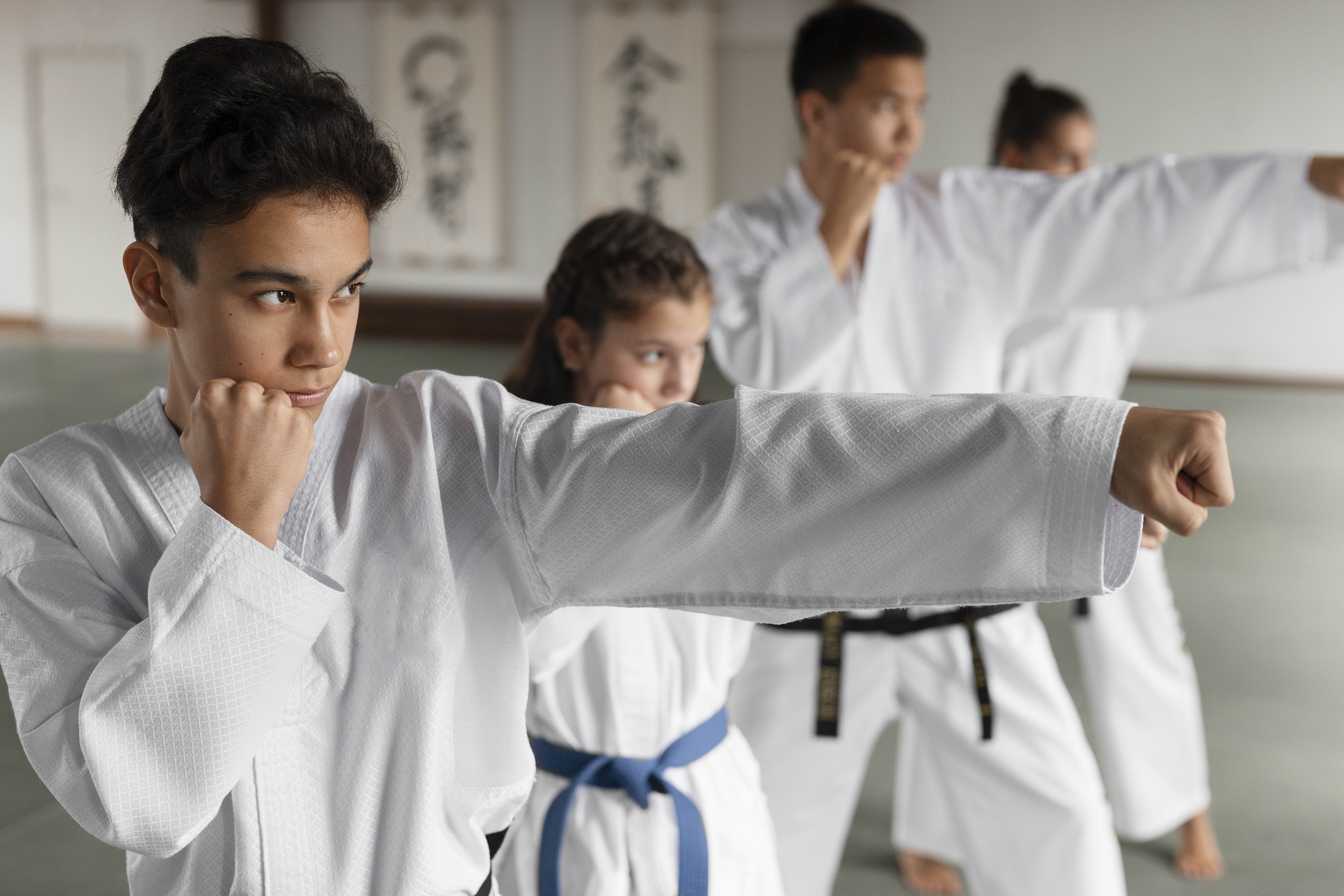
Self-defense for kids has become popular nowadays due to the prevalence of bullying in schools and creepy people potentially preying on their kids.
Yes.
But self-defense does not always mean teaching them how to throw punches and kicks at their antagonizers. Self-defense can also come in forms such as verbal assertiveness to de-escalate tricky situations.
Talk to a child counselor or therapist on how to best manage situations that call for verbal de-escalation that would best suit your children’s needs.
Also, don’t be afraid to enroll your kids in a martial arts program because you think they might get aggressive. You see, in most martial arts disciplines, kids are going to be compelled to be pacifists.
Because the fact that you know how to swing, doesn’t mean that you should start – there are plenty of things to do to de-escalate and defend yourselves, and swing only if it’s the last, last, last of the resorts.
Check your local martial arts club because they often host kids’ classes with very accommodating schedules such as on weekends or after-school hours.
Sports
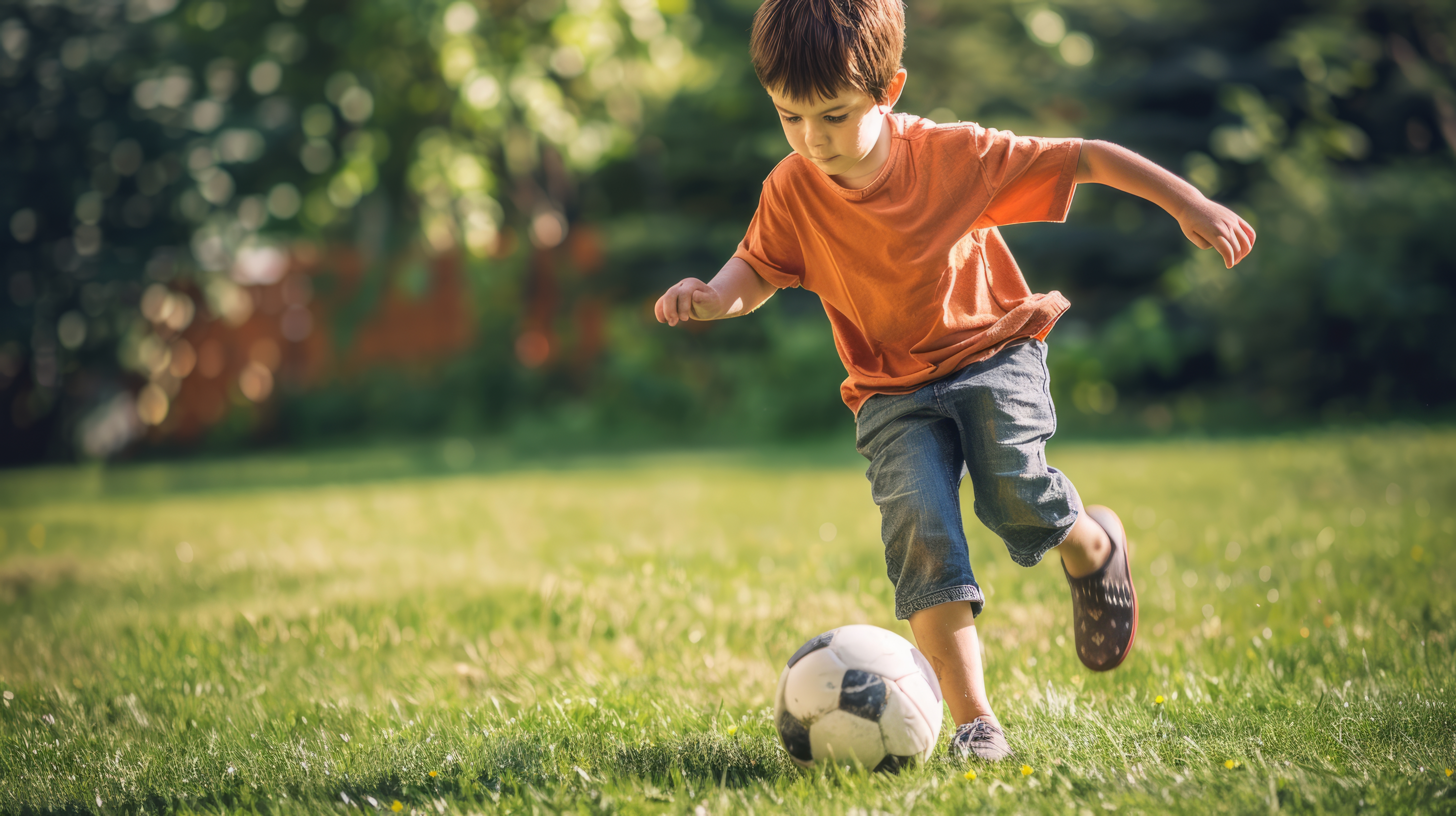
One of the best ways to de-stress and get good cardiac health is through regular physical exercise.
Aside from the potential to grow up being more confident, assertive, and resilient, physical exercise can be a very fun way to kill time during your child’s non-academic hours.
The swimming class we’ve discussed in the survival skill section is a good way to incorporate some fun exercise into your child’s life – but there are other fun exercises too.
Understand what your child likes to get them excited about the activities. Girls can play soccer and basketball if they have an inclination to do so. Exercise is exercise and it shouldn’t be bound to gender.
Or a simple daily walk in the park with the dog counts as regular exercise too. You and your kids will get the dose of physical stress that you need while bonding – whatever floats you and your kids’ boat.
No excuses now. Get moving!
Brainy Stuff
You want to keep your child’s brain stimulated as healthily frequently as possible – and no, that does not mean shoving more academic stuff down their throat in their spare time. There are ways to stimulate their brains and their unique brand of intelligence other than schoolwork.
Creative Channeling
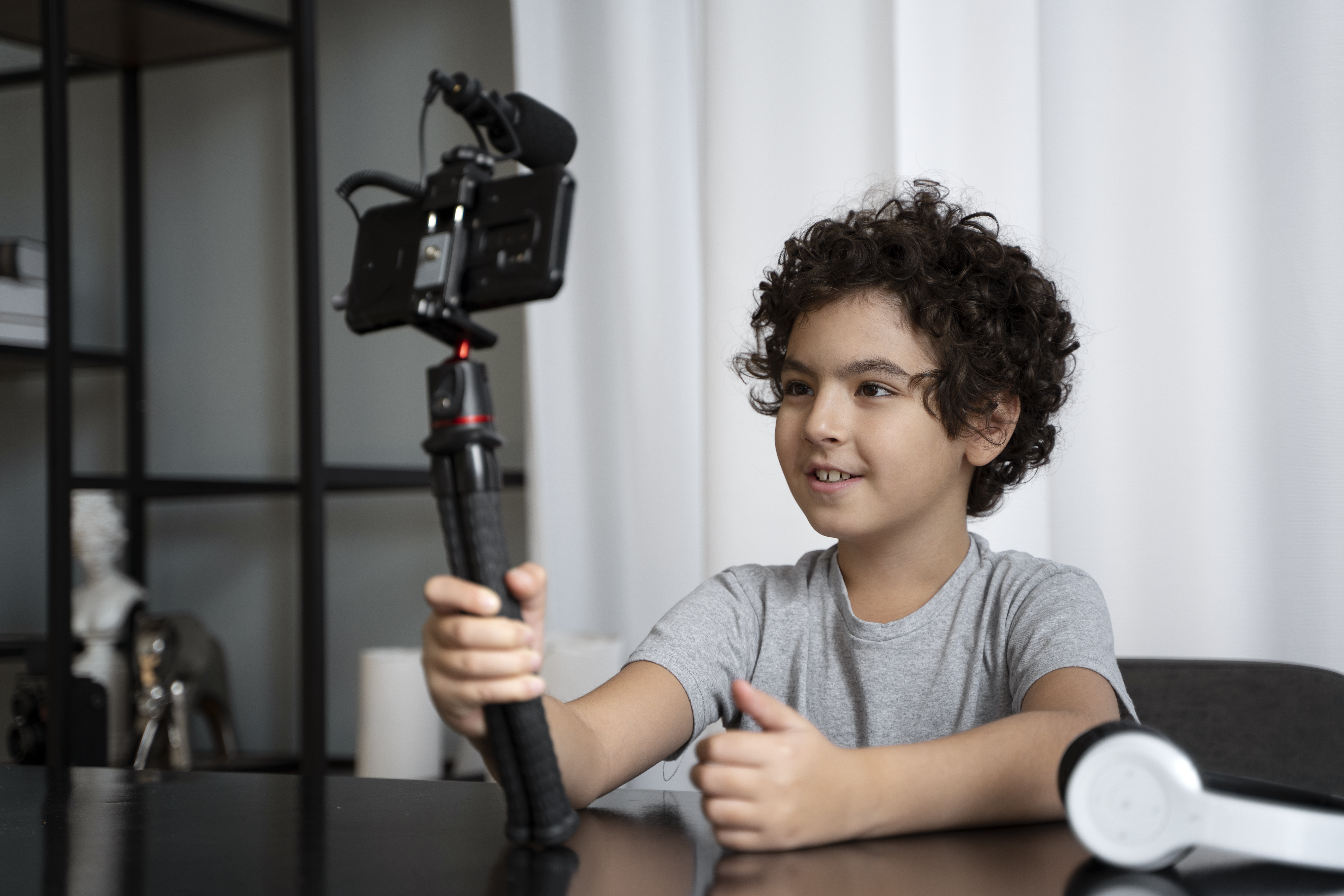
Creativity is one way to stimulate your child’s brain without risking the boredom that comes with the territory of academic learning.
One of the most popular avenues of creative channeling is to make a movie – and you don’t need expensive paraphernalia either!
Your regular-degular smartphones coupled with some Stop Motion Studio apps that can be found on your phone’s app stores should suffice.
Movie production no matter how amateur engages several forms of skills, namely creative writing (for the script), imagination and visualization, and photography skills – which are all timely and relevant to the current state of the world.
Who knows if your kids would get seriously hooked on movie-making and grow up understanding more complicated Adobe editing software and make it their life career in the future? You’ve got future Spielbergs on your hands.
Plus, the kids get to have serious fun, and the family will have something to enjoy to watch for years to come!
To incentivize this activity, include a lot of fun movies that are appealing and age-appropriate to watch during their allotted screen time – which is something that you don’t have to avoid.
Socializing

Socializing is good for your child’s brain. It challenges the brain by keeping it active as it teaches them to recognize social cues and stimulate problem-solving.
Because let’s be honest, kids are going to encounter conflicts during socialization, and their critical thinking and empathetic ability are going to be tested during such scenarios.
Ways to get your kids to be social:
- Playdates! Invite their peers over to your home so that your kids can learn how to be good hosts. And who knows, your kids might get invited by their friends to another playdate in the future, during which you as parents might also get some free time to yourselves. Win-win!
- Enroll your kids in some social clubs or organizations—examples can include Boy/Girl Scouts or summer camps. Such clubs or camps are filled with positive activities that are probably not available in their schools. This gathering is also the perfect avenue for them to meet other kids from various backgrounds and may also help them make new friends. Remember, in the future as adults, they will need the skills necessary to network, so start them early!
- Social skills development starts at home. Good parents communicate with their kids. They show through examples. It’s also important for parents to understand whether their children need advice or just a pair of ears that listen.
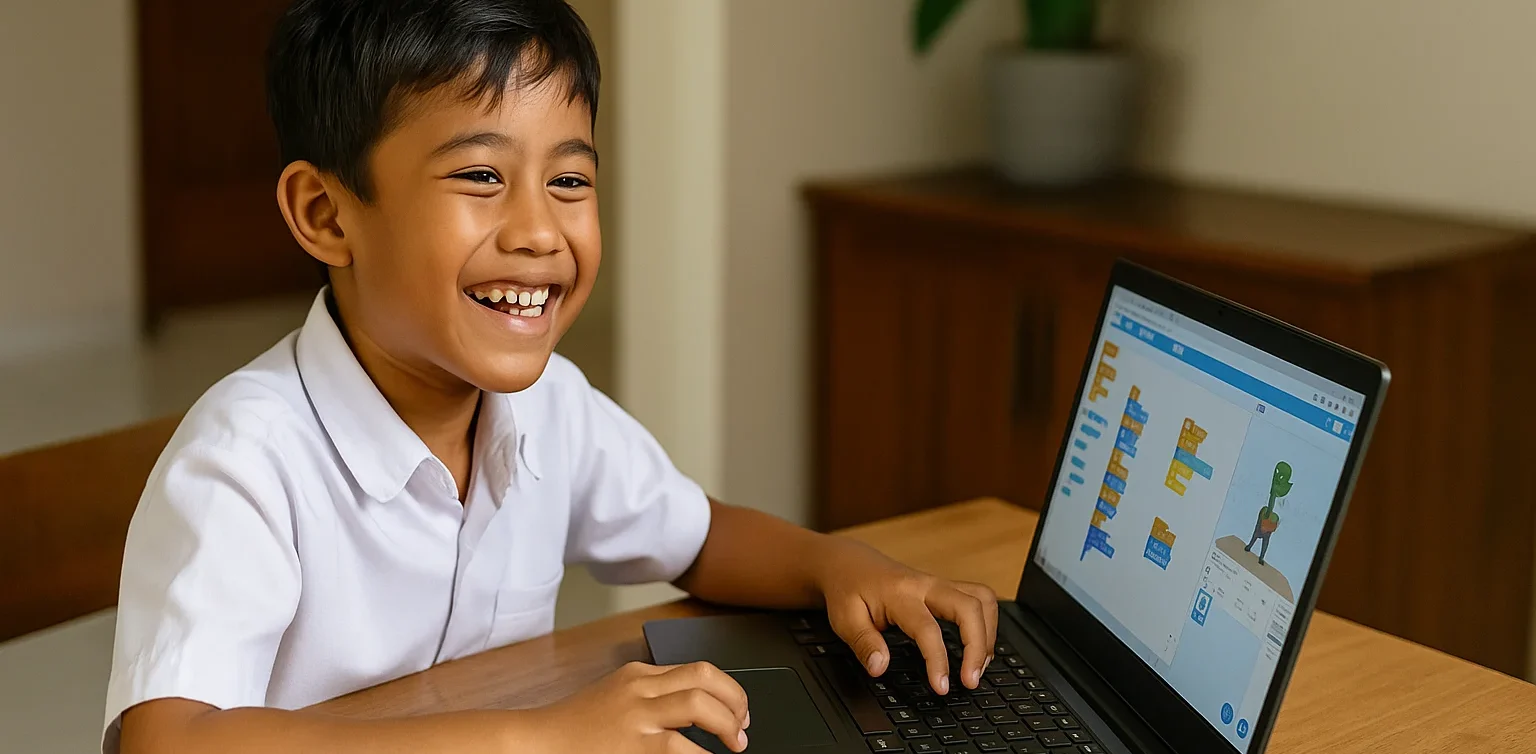
Coding

A lot of children love to code. They just don’t know it yet!
Coding is the gateway to STEM education interest, and in the digital world where everything is rapidly changing and competitive, it would be wise if your kids get a headstart in the race. Coding is for all kids of varying degrees of interests and aptitudes just like STEM transcends all kinds of inclinations.
More than that, through coding, children could learn valuable skills through coding seeing that it keeps their critical thinking and problem-solving. This process will prepare them for a better future including wider possibilities in future careers. Coding encourages children to think logically and break down complex problems into smaller and solvable parts, seeing that in coding they will encounter errors or bugs in their code and the coders need to solve in order to make it work.
At the same time, coding is a creative process, where children learn to think of creative ideas and build something from scratch, whether it’s a simple game, a website, a blog, or an animation. Coding will also foster innovation and original thinking. Besides, children become adaptable by learning new languages in coding.
Luckily, there are many after-school coding classes nowadays that would cater to your children’s need to advance later in life – like Timedoor Academy’s coding classes!
Timedoor Academy offers coding training programs specifically designed for children and beginners. Our teaching method is easy to understand, and we follow standardized curricula from both English and Japanese sources. Enroll your little ones today to equip them for the future’s changes.

With more than 10,000 students globally and 300+ certified coding instructors, our coding academy is your best bet for children ages 8 and up.
We provide opportunities for children to explore and develop their programming talents through free trial sessions.
To learn more and enroll at our fun and exciting coding academy, please visit this link.