May 15, 2025

5 Dangerous Games for Kids Parents Should Watch Out For in 2025

5 Dangerous Games for Kids Parents Should Watch Out For in 2025 image

Technology brings countless benefits, especially in education. However, easy access to the digital world also exposes children to dangerous games for kids. Many parents believe games are harmless fun, but in reality, some can negatively impact a child’s development.

This article will cover a list of dangerous games for kids, the risks they pose, and how parents can guide their children toward healthier digital habits.

Why Are Some Games Dangerous for Kids?

dangerous games for kids

Before diving into the list of dangerous games for kids, it is important to understand why certain games pose risks. Here are some of the most common dangers:

  1. Gaming Addiction
    Games with instant rewards or endless gameplay loops make it hard for kids to stop playing. This often disrupts their study time, sleep schedule, and daily routine.
  2. Exposure to Violence and Aggression
    Shooting and fighting games can influence a child’s behavior. Over time, constant exposure may lead to increased irritability or mimicry of violent actions.
  3. Negative Online Interactions
    Online multiplayer games expose children to strangers without proper safeguards. This can lead to cyberbullying, exposure to inappropriate language, and negative social influences.
  4. Physical Health Neglect
    Prolonged gaming reduces physical activity. This increases risks of obesity, posture problems, and overall sedentary lifestyle habits.
  5. Inappropriate Ads and Microtransactions
    Many games target children with in-game purchases and advertisements. Without understanding the implications, kids may make unintended purchases or see content not suitable for their age.

List of Dangerous Games for Kids

bahaya game untuk anak

Here are some examples of dangerous games for kids that require close parental supervision or should be avoided entirely.

1. Free Fire

A popular battle royale game known for fast-paced action and violence. Free Fire carries risks of addiction and can influence aggressive behavior patterns in children.

2. PUBG Mobile

Similar to Free Fire, PUBG Mobile features intense combat and survival modes. Its competitive nature can lead to emotional stress and obsession with winning.

3. Call of Duty Mobile

This game presents high-level realistic violence. The combination of vivid graphics and intense sound effects can have a strong psychological impact on younger players.

4. Grand Theft Auto (GTA) Series

GTA is infamous for its explicit content, extreme violence, and criminal elements. This series is highly inappropriate for children and is not recommended under any circumstances.

5. Roblox (Without Supervision)

While Roblox can be safe with moderation, user-generated content within the platform is not always child-friendly. Without proper supervision, children can stumble upon games with violent or negative themes.

The Dangers of Gaming Without Parental Supervision

Unsupervised gaming can amplify the dangers of gaming for kids. Beyond excessive screen time, gaming without limits may affect children’s behavior, habits, and even personal data security.

That is why parental involvement is key. Instead of simply banning games, parents should redirect their children’s attention to positive digital experiences that foster growth and learning.

Redirecting Kids to Positive Digital Activities

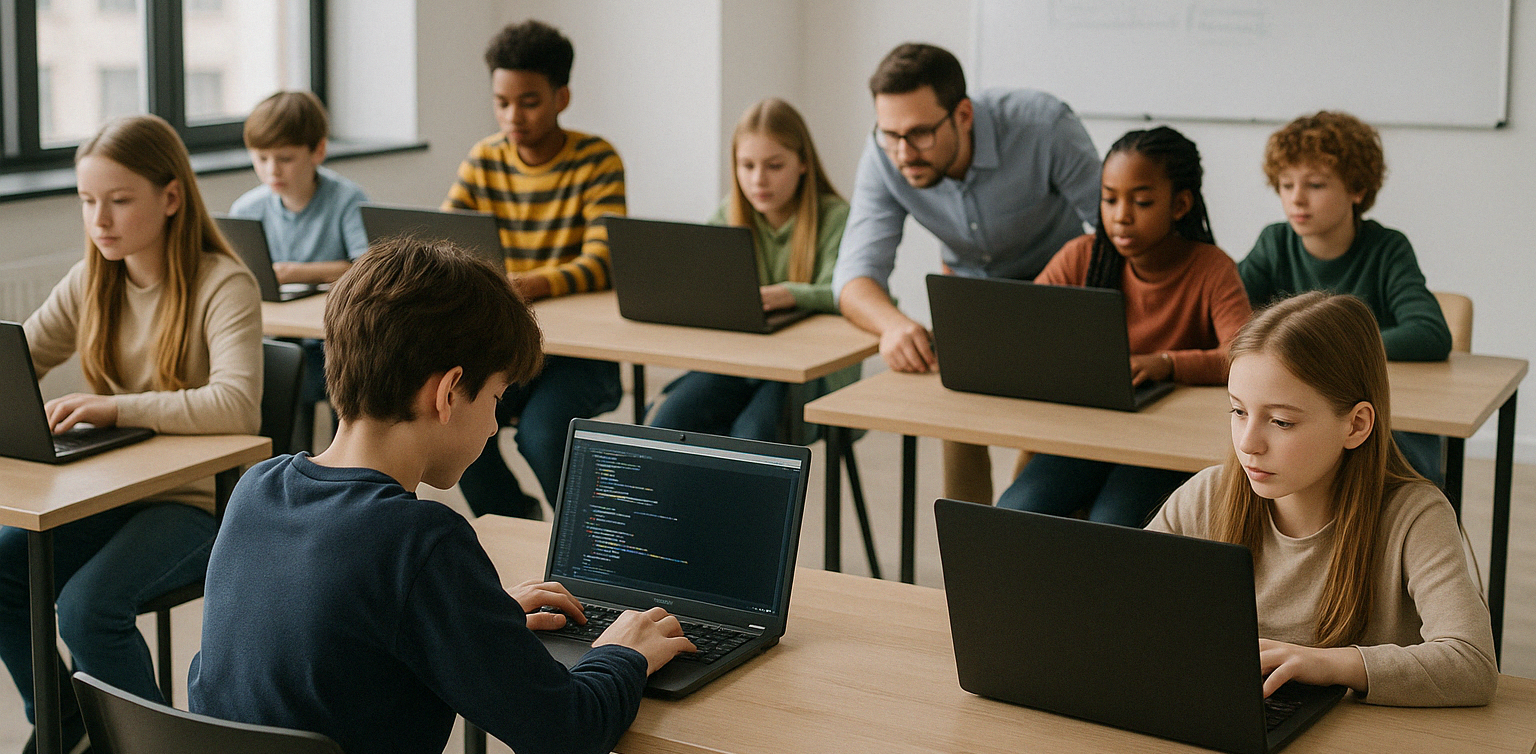
One effective way to shift attention from dangerous games for kids is to introduce children to productive digital activities, such as learning to code.

Coding teaches children logical thinking, patience, and problem-solving skills. Just like solving puzzles, coding involves structured steps that train children to think critically and creatively. With interactive and fun approaches, children can enjoy their time online while gaining valuable skills.

Practical Tips for Parents to Handle Gaming Risks
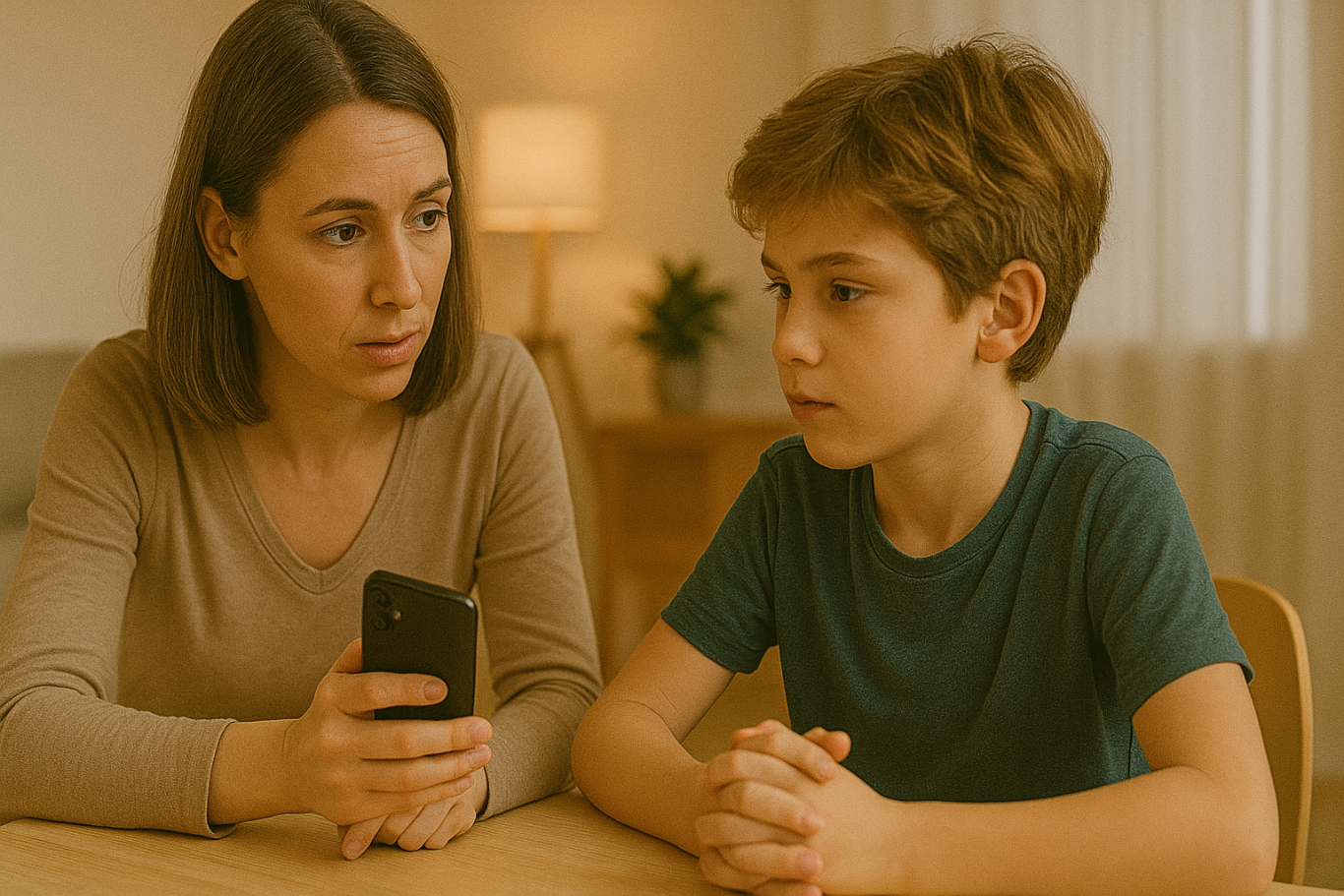
To prevent children from falling into harmful gaming habits, parents can take these practical steps:

  • Monitor the games your child plays. Always check age ratings and trusted reviews.
  • Set clear and consistent limits on gaming time. Enforce healthy boundaries.
  • Discuss the dangers of gaming for kids openly. Focus on educating rather than just restricting.
  • Introduce productive digital activities. Coding, graphic design, and digital art are excellent alternatives.
  • Balance screen time with physical activities and family time. Ensure children stay active and socially engaged offline.

Being Smart About the Digital World

Not all games are harmful, but it is crucial for parents to identify which are safe and which are dangerous games for kids. The solution is not solely about restrictions but also about providing direction. When children are guided toward positive digital experiences, they can benefit from technology in constructive ways.

Introducing children to coding is a meaningful alternative. It develops structured thinking, problem-solving, and opens up creative opportunities in the digital world.

Free Coding Classes at Timedoor Academy

Timedoor Academy offers free coding classes for kids, designed with fun, interactive lessons suited for young learners. This can be a great alternative to help children stay engaged with digital media in a productive and educational way.

Ingin tahu detail program? Image

Ingin tahu detail program?

Register now and help your child explore a healthier digital lifestyle:
Join Timedoor Academy’s Free Coding Trial Class

Keep Reading

Top 5! How to Limit YouTube for Kids Effectively
In today’s digital world, YouTube has become one of the most popular entertainment platforms for children. While it offers a wide variety of educational content, it also exposes kids to videos that may not be suitable for their age. That’s why many parents are searching for a clear and practical solution: how to limit YouTube for kids. Ensuring your child’s safety while exploring the internet is no easy task. YouTube’s algorithm often suggests videos based on watch history, not necessarily on age-appropriateness. This makes it even more critical for parents to learn how to limit YouTube for kids as part of responsible digital parenting. Why It’s Important to Monitor Kids on YouTube While YouTube can be a great source of learning—offering science experiments, storytime videos, and creative tutorials—it can also lead kids down a rabbit hole of violent, inappropriate, or misleading content. Without proper supervision, your child may unintentionally view content that contradicts the values you are trying to instill. That’s why understanding how to limit YouTube for kids is not just a parenting option, but an essential digital safety measure. How to Limit YouTube for Kids: Practical Steps Here are some concrete steps you can take as a parent: 1. Use YouTube Kids App YouTube offers a child-friendly version of its platform called YouTube Kids. This app is designed with automatic filters to block inappropriate content and provide age-appropriate viewing. It’s a strong first step in your approach to how to limit YouTube for kids. 2. Enable Restricted Mode If your child uses the standard YouTube app, you can enable “Restricted Mode” in the settings. This feature helps filter out videos flagged as unsuitable. It adds an extra layer of protection in your efforts to control what your child watches. 3. Set Parental Controls Both YouTube Kids and the regular app allow you to set screen time limits and control the types of content your child can access. These built-in parental controls are crucial in enforcing how to limit YouTube for kids without needing constant supervision. 4. Establish Viewing Schedules Create specific times for when your child is allowed to watch YouTube, such as after completing homework or during weekends. Clear time restrictions encourage discipline and help children value their screen time. 5. Watch Together Spend time watching YouTube with your child. It’s not just about monitoring—it’s an opportunity to bond, understand their interests, and gently guide them toward more enriching content. 6. Educate Your Child on Good Content Choices Teach your child how to recognize content that is inappropriate or makes them uncomfortable. Encourage them to speak up if they come across something they don’t understand or that feels wrong. This empowers them to be responsible digital citizens. 7. Use Third-Party Monitoring Apps Tools like Google Family Link can provide more detailed control over your child’s online behavior. You can view their activity, set time limits, and even approve or block apps. These tools are highly effective in supporting your journey in how to limit YouTube for kids. Common Challenges Parents May Face Setting limits is not always easy. Children may resist new rules or attempt to find workarounds to access restricted content. That’s why consistency, patience, and open communication are key. Involve your child in creating these rules so they feel included and understand the reasons behind them. It’s also important to strike a balance. Remember, the goal of learning how to limit YouTube for kids is not to ban access entirely but to guide children toward safe and meaningful digital experiences. Limiting is Not Banning, It’s Redirecting When done right, how to limit YouTube for kids becomes a way of redirecting your child’s screen time toward educational and creative growth. There are countless videos that can inspire innovation, critical thinking, and even spark a passion for science, art, or coding—when chosen wisely. As parents, we have the power to shape how children interact with technology. By combining digital tools with parental guidance and open conversations, we prepare them for a safer and smarter future online. Try a Free Coding Class at Timedoor Academy Parenting in the digital era requires new tools and strategies. With the right knowledge and support, you can protect your child from harmful content while encouraging their curiosity and creativity. If you're looking for a positive and productive way to introduce your child to the digital world, consider enrolling them in a fun and educational tech program. Timedoor Academy offers free trial courses in coding, tailored for children aged 5 to 19.
5 Top Causes of Stunting in Children and How to Prevent It
Causes of stunting in children remains one of the most serious public health challenges globally. This condition not only affects a child’s height, making them shorter than their peers, but it also impacts brain development and long-term cognitive ability. To prevent this condition early, it is essential for parents and caregivers to understand the main causes of stunting in children and how to effectively address them. In this article, we will explore five key causes of stunting in children along with practical solutions that can support optimal growth and development. 1. Poor Nutritional Intake During Pregnancy One of the leading causes of stunting in children is inadequate nutrition during pregnancy. When a pregnant mother does not consume a well-balanced diet, there is a higher risk of giving birth to babies with low birth weight, which is an early factor that can lead to stunting. A fetus depends entirely on the nutrients the mother consumes. A lack of important micronutrients such as iron, folic acid, and calcium can hinder fetal growth. It is therefore crucial for expectant mothers to maintain regular check-ups and follow a nutritious, balanced diet from the beginning of pregnancy. 2. Inadequate Exclusive Breastfeeding Another common cause of stunting in children is the lack of exclusive breastfeeding during the first six months of life. Breast milk contains all the essential nutrients a baby needs, including antibodies that protect against infection. Babies who do not receive exclusive breastfeeding or who are introduced to complementary food too early are at higher risk of nutrient deficiencies that may affect growth. After six months, it is recommended to introduce complementary foods that are age-appropriate and nutrient-dense, while continuing to breastfeed. 3. Unbalanced Diet During Toddler Years After the breastfeeding stage, children need a daily intake of nutritious foods to support their growth. A frequent cause of stunting in children is an unbalanced diet that relies heavily on carbohydrates but lacks adequate protein, vitamins, and minerals. Children’s meals should include diverse food groups such as animal and plant-based proteins, vegetables, fruits, and energy sources like rice or tubers. Serving colorful and varied meals is a simple way to ensure that children receive the nutrients they need to grow optimally. 4. Frequent Infections and Poor Sanitation Repeated infections such as diarrhea, respiratory illness, and worm infestations are also major contributors to stunting in children. When a child is frequently ill, their body uses energy to fight off infections rather than to grow. This reduces nutrient absorption and may gradually impair development. Poor sanitation, unsafe drinking water, and lack of access to clean toilets increase the risk of infectious diseases. Families should ensure a clean living environment and teach children good hygiene habits, such as washing hands with soap before meals and after using the toilet. 5. Limited Parental Knowledge of Nutrition and Development A lack of awareness about nutrition and child development among parents is an indirect but significant factor contributing to stunting in children. Many caregivers are unaware of how to track their child’s growth or recognize early signs of nutritional deficiencies. Visiting local health centers, participating in parenting classes, or accessing online consultations with nutritionists can help improve parents’ knowledge. With the right information, parents can take preventive steps early and ensure their child grows up healthy and strong. How to Effectively Prevent Stunting in Children Stunting does not happen overnight. It is often the result of multiple contributing factors from pregnancy through the first two years of life. This period, known as the first 1,000 days of life, is critical for building a child’s foundation for long-term health and development. Some effective steps parents can take include: Eating a balanced diet during pregnancy Exclusively breastfeeding for the first six months Introducing nutritious complementary foods from six months onward Practicing good hygiene and maintaining clean living conditions Regularly monitoring child growth with healthcare professionals Public education on proper nutrition and sanitation must also be expanded so that every child has an equal chance to grow and thrive. Healthy Body, Healthy Brain, and Digital Skills Too Understanding the causes of stunting in children is the first step in making informed decisions about their well-being. Alongside proper nutrition and health care, it is also beneficial to introduce children to future-ready skills such as coding. Timedoor Academy offers fun, interactive online coding classes tailored for kids. These classes help develop logical thinking and creativity in a child-friendly environment. Try a free trial class now at Timedoor Academy!
Future-Ready Skills: Coding Education for Elementary School Students
In today’s digital era, technology skills are no longer optional but have become essential for the younger generation. Wise parents understand the importance of preparing their children for the future by equipping them with the right knowledge and mindset. One valuable skill to introduce early is coding. Through Coding Education for Elementary School Students, children not only learn how to use technology but also how it truly works. Many parents might wonder if coding is too complicated for young learners. In fact, when taught through interactive and enjoyable methods, children adapt quickly. Coding can be presented like solving puzzles, stacking blocks, or building a story. With the right approach, Coding Education for Elementary School Students becomes accessible and engaging for kids. Why Start Early? Introducing coding at an early age brings multiple benefits. First, children develop logical and structured thinking. When writing code, they learn to arrange steps in order and understand cause-and-effect relationships. Second, coding sparks creativity. Children can design simple games, animations, or applications that reflect their imagination. Third, it fosters persistence. When their programs do not run smoothly, they practice finding solutions until they succeed. Therefore, Coding Education for Elementary School Students is not just about computer knowledge, but also about shaping resilient, creative, and critical thinkers. The Connection Between Coding and Daily Life Coding is not a separate or abstract concept. Children encounter it daily through apps, digital games, and smart devices. By learning coding, they can understand the logic behind these technologies. For example, when playing a game, they can imagine how a character moves because of certain instructions happening in the background. This transforms children from passive consumers into future creators of technology. That is the true value of Coding Education for Elementary School Students compared to simply using gadgets. Challenges and the Role of Parents Of course, introducing coding to children comes with challenges. One of the biggest is keeping the learning process enjoyable. Children can lose focus if the lessons are too complicated or monotonous. This is why teaching methods must be designed specifically for their age group. Parents play a crucial role by providing encouragement and consistent support. Setting aside time, motivating children when they face difficulties, and choosing a trusted learning program are key to success. With proper guidance, Coding Education for Elementary School Students can be a meaningful and sustainable journey. Effective Learning Methods To ensure effective learning, methods must be child-friendly. One popular approach is visual programming, where children use drag-and-drop blocks to create instructions. This helps them grasp the basics without being overwhelmed by complex syntax. Another method is integrating hobbies into coding. A child who enjoys drawing can learn to create simple animations, while a child who loves games can experiment with building their own mini-games. Through these approaches, Coding Education for Elementary School Students feels natural and relevant to their daily experiences. Long-Term Impact The benefits of coding extend far beyond the present. Children who start coding early often perform better in subjects involving logic, such as mathematics and science. Moreover, they will be more competitive in the future as technology continues to shape industries worldwide. In this sense, Coding Education for Elementary School Students is a long-term investment. It nurtures innovative thinking, problem-solving abilities, and adaptability, all of which are essential for thriving in a globalized world. Fun and Safe Coding for Elementary School Kids For parents, introducing coding during the elementary school years is a forward-looking decision. With the right teaching methods, coding can be both fun and educational. Timedoor Academy offers a structured curriculum and experienced tutors to guide children in learning coding interactively and safely. If you want your child to be future-ready with strong digital skills, consider signing them up for a free trial at Timedoor Academy. With creative and enjoyable learning experiences, your child will discover the exciting world of coding while preparing for a brighter future.
float button