May 26, 2025

Authoritarian Parenting vs Gentle Parenting: Weighing Parenting Styles for Children in 2025
<strong>Authoritarian Parenting vs Gentle Parenting: Weighing Parenting Styles for Children in 2025</strong> image

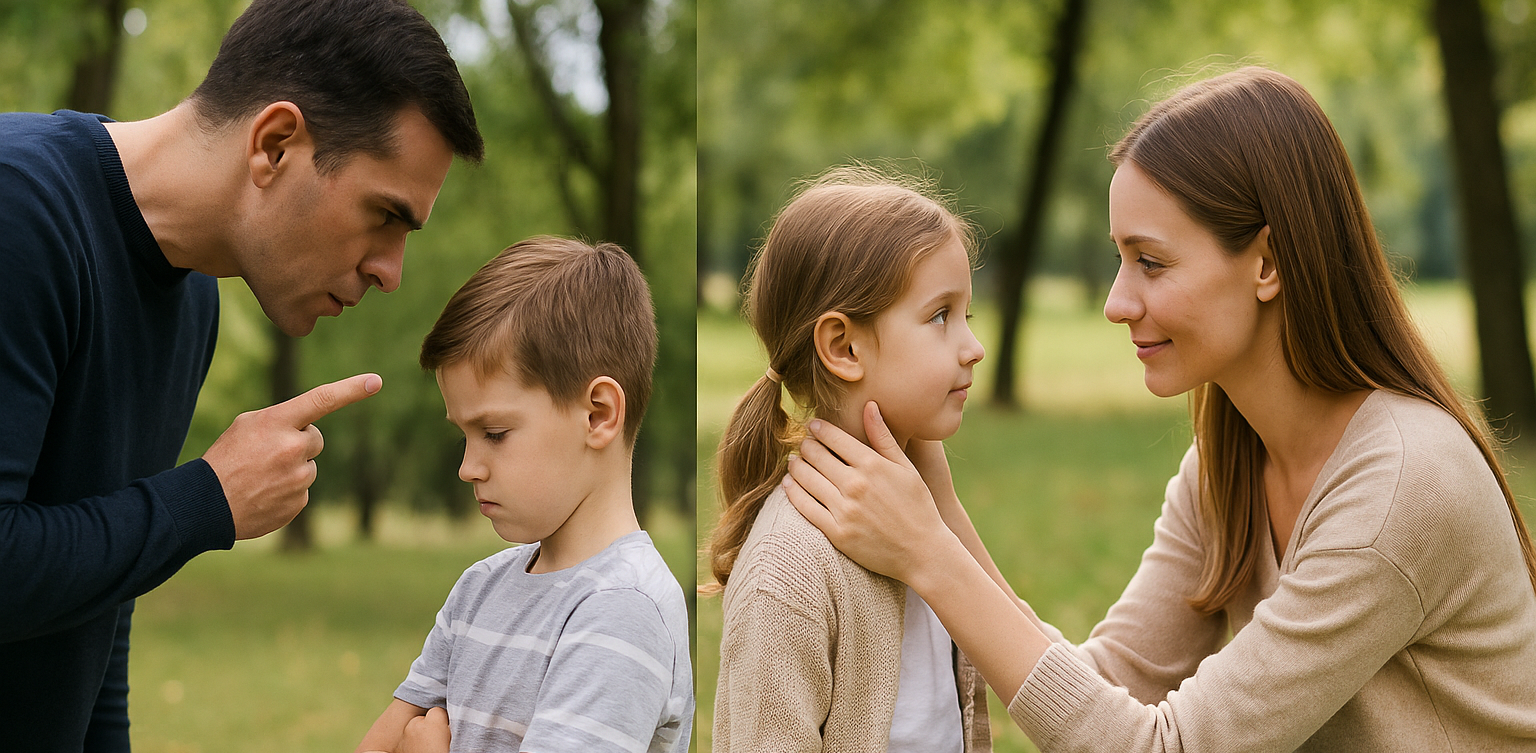
As society evolves, so do parenting trends both in Indonesia and worldwide. While authoritarian parenting was once the standard, gentle parenting is now gaining popularity among many modern families. The debate about authoritarian parenting vs gentle parenting raises an important question: which approach is more effective for shaping a child’s character in today’s digital age?

This article explores the core differences between authoritarian parenting and gentle parenting, discusses the strengths and weaknesses of each, and offers guidance on how parents can choose or even blend these approaches to best suit their children and family needs.

What is Authoritarian Parenting?

Authoritarian parenting is rooted in traditional values where discipline, obedience, and clear hierarchy are emphasized within the family. Parents take on a leadership role that is to be respected, while children are expected to follow rules and instructions with minimal negotiation. This style is characterized by strict rules, consequences for disobedience, and one-way communication, where the child’s opinion often holds little weight.

Key features include:

  • Non-negotiable rules set by parents
  • Punishments or consequences for breaking rules
  • Limited space for children to express their opinions
  • A strong focus on achievement, independence, and resilience

Gentle Parenting: A Contrasting Approach

On the other hand, gentle parenting centers on empathy, open communication, and emotional support. Parents act as guides and companions rather than strict authority figures. Gentle parenting encourages children to be confident, expressive, and emotionally intelligent.

This approach still involves boundaries, but they are established through understanding and dialogue rather than rigid control. Consistency, emotional validation, and positive reinforcement are the pillars of gentle parenting.

Strengths and Weaknesses of Authoritarian Parenting

authoritarian parenting

As a classic style, authoritarian parenting is still used by many because it is believed to foster discipline and independence. Children raised with this approach often adapt well to rules and cope under pressure. However, there are risks: this method can make children afraid to make their own decisions, less self-confident, and reluctant to express their feelings or opinions.

Gentle parenting, meanwhile, is often seen as more suitable for today’s tech-savvy generation. However, if not balanced with clear boundaries, it can leave children uncertain about rules and appropriate behavior.

Authoritarian Parenting in the Digital Age: Challenges and Adaptation
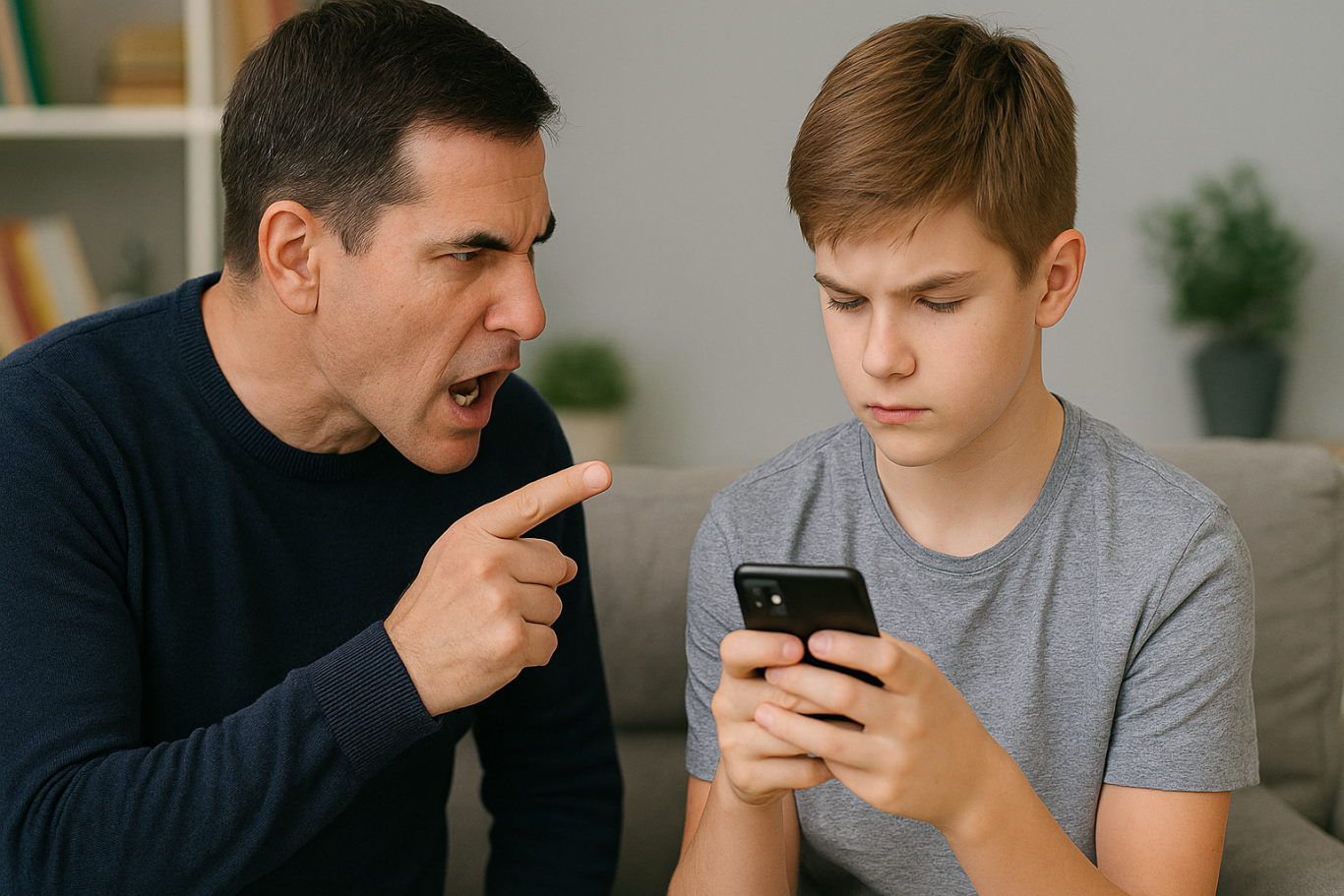
In this era of instant information, social media, and rapid cultural shifts, authoritarian parenting faces new challenges. Today’s children are exposed to more ideas and influences than ever before. While discipline and boundaries remain essential, parents also need to update their communication style so that children feel heard and understood.

A blended approach—combining the structure of authoritarian parenting with the empathy and communication of gentle parenting—can help children become both resilient and emotionally healthy.

Tips for Balancing Parenting Styles

Here are some tips for keeping parenting effective in the modern age:

  • Create Rules Together: Involve your child in setting family rules and explain the reasons behind them.
  • Be Consistent but Open: Stick to important rules but be willing to adapt as your child grows.
  • Validate Emotions: Listen to your child’s feelings and help them understand their emotions, even when maintaining discipline.
  • Encourage Two-Way Dialogue: Give space for your child to share thoughts and concerns, not just receive instructions.
  • Lead by Example: Show discipline, honesty, and responsibility in your own actions.

Preparing Children for the Future

When adapted thoughtfully, authoritarian parenting can help children develop the discipline, responsibility, and independence they’ll need for success in school, friendships, and future careers. However, don’t forget to also nurture their emotional and creative sides for a well-rounded upbringing.

Nurture Future Skills with Timedoor Academy

 Image

No matter which parenting style you choose, giving your child valuable skills for the future is essential. Coding, for example, is now a foundation for many modern professions. At Timedoor Academy, children can learn coding in a fun and interactive way, building logic, creativity, and problem-solving skills.

Timedoor Academy offers a free trial class so your child can experience coding before joining the regular program. With expert teachers and a child-friendly curriculum, your child will be ready to adapt and thrive in the world ahead.

Start a new adventure with Timedoor Academy today—sign up your child and help open the door to a brighter, opportunity-filled future.!
Keep Reading

<strong>How to Set Healthy Screen Time Limits for Children in 2025</strong>
How to Set Healthy Screen Time Limits for Children in 2025
In today’s digital world, children are growing up surrounded by gadgets and screens. Televisions, smartphones, tablets, and laptops have all become a normal part of their daily lives. While these devices bring convenience and learning opportunities, many parents are left wondering: how can we set screen time limits for children that support their healthy physical, mental, and social growth? When managed properly, screen time can be educational and entertaining. But when it becomes excessive, it may pose serious risks to children’s development. That’s why it’s essential for parents to create healthy screen time limits for children and stick to them consistently. Why Do Screen Time Limits for Children Matter? Children are naturally attracted to visual and interactive content. Without supervision, long hours in front of screens can lead to issues like poor sleep, eye strain, less physical activity, and difficulty with social interaction. At their developmental stage, children’s brains need real-world stimulation, not just digital input. Too much screen exposure can also shorten attention spans and reduce focus. Research shows that a lack of screen time limits for children may lead to lower academic performance, slower language development, and even emotional imbalance. Global Health Guidelines Both the World Health Organization (WHO) and the American Academy of Pediatrics (AAP) offer age-specific recommendations for managing screen use: Ages 0–2: Avoid screen time entirely, except for video calls with family. Ages 2–5: Limit screen time to a maximum of 1 hour per day with adult supervision. Age 6 and up: Monitor screen use to ensure it doesn’t interfere with sleep, exercise, or family time. Of course, duration is only one part of the equation. The type of content and how it’s used matter even more. Not all screen time is harmful—especially when it’s used for learning or creating. Risks of Excessive Screen Time Without reasonable screen time limits for children, several long-term consequences can appear: Sleep disruption: Blue light from screens can interfere with melatonin production, making it harder to fall asleep. Physical inactivity: Children who spend too much time on screens may become sedentary, leading to obesity risks. Eye strain: Prolonged use of devices can result in dry eyes and blurred vision. Delayed communication and social skills: Face-to-face interaction decreases, especially during early childhood. Emotional reactivity: Overuse of screens may lead to irritability, impatience, and difficulty managing emotions. How to Set Effective Screen Time Limits Here are several practical strategies that can help you manage screen time for your child: Create a clear daily routine: Only allow screen time after homework, reading, or chores are finished. Be a good role model: Reduce your own screen time at home so your child can follow your example. Use parental control features: Many devices and apps have built-in tools to manage screen access and usage time. Introduce fun offline activities: Encourage exercise, crafts, puzzles, or reading time to balance digital activities. Establish screen-free zones: Keep devices out of the bedroom, dining area, or family time spaces. Choose high-quality content: Use educational platforms or age-appropriate games and videos. Communicate openly: Explain the reasons behind setting limits and include your child in creating rules. Consistency, patience, and open dialogue will help your child build healthy digital habits that last. A Better Way to Use Screen Time: Learn Coding at Timedoor Academy Instead of banning screens altogether, guide your child toward something meaningful. Coding is one of the best ways to turn screen time into an active, creative, and skill-building experience. Children learn logic, problem-solving, and digital literacy in a fun and empowering way. At Timedoor Academy, we offer coding classes that teach children how to create games, websites, and animations while building responsible screen habits. With an international curriculum and project-based learning, screen time becomes a tool for growth—not just entertainment. Try our free trial class and see how your child can thrive with the right kind of digital learning.
<strong>7 Signs of ADHD in Children Parents Should Recognize</strong>
7 Signs of ADHD in Children Parents Should Recognize
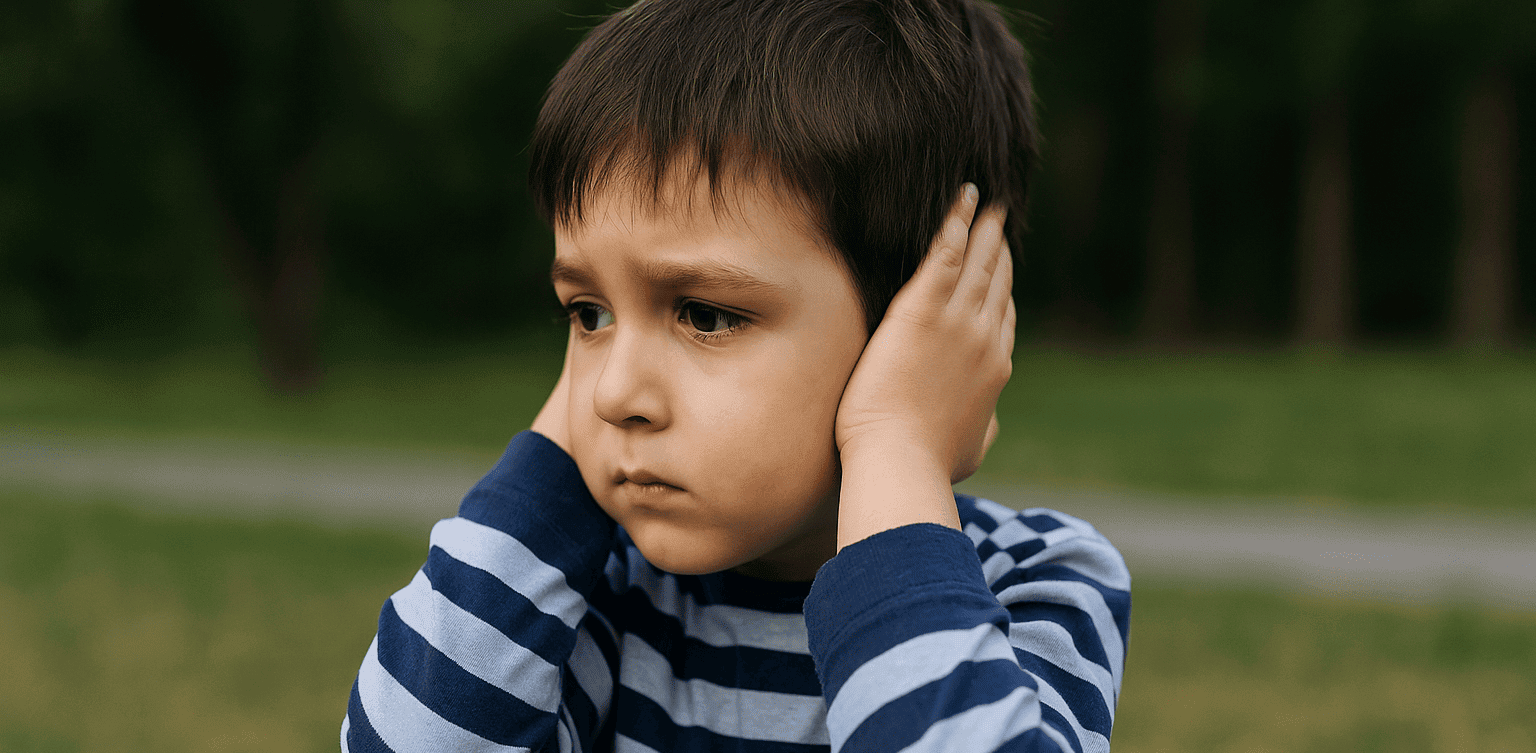
Child development is a unique journey for every individual. While each child grows at their own pace with different traits and temperaments, there are times when parents become concerned about certain behaviors. A child who is unusually restless, often distracted, or frequently ignores instructions may be showing early signs of a condition known as ADHD. ADHD, or Attention Deficit Hyperactivity Disorder, is a neurodevelopmental condition that often begins in childhood and can continue into adulthood. It affects a child’s ability to pay attention, manage impulses, and control movement. Recognizing the signs of ADHD in children early can make a significant difference in how they grow and succeed. Here are some of the most common signs to look out for: 1. Difficulty Paying Attention A frequent sign of ADHD in children is difficulty focusing on one task. Children may be easily distracted, often lose things, or appear not to listen even when spoken to directly. Tasks that require sustained mental effort, like homework or reading, are particularly challenging. 2. Often Forgetful or Careless Children with ADHD tend to forget daily activities or make mistakes due to lack of focus, not because of low intelligence. Missing instructions, leaving assignments unfinished, or forgetting important items are common behaviors. These are often overlooked as typical child behavior but can be part of the signs of ADHD in children. 3. Hyperactive Behavior Many children are energetic, but hyperactivity in ADHD goes beyond normal levels. Children may constantly move, fidget, or talk excessively. They struggle to sit still, even during meals or story time. This type of behavior is one of the most visible signs of ADHD in children. 4. Impatience or Trouble Waiting Children with ADHD often find it hard to wait their turn or follow social rules. They may interrupt others, speak out in class, or take over games. These actions can affect how they interact with friends and adults, making social development more difficult. This is another key sign of ADHD in children that parents should observe. 5. Acting Without Thinking Impulsivity is another clear indicator. A child might do something risky, like running across the street without checking for cars or grabbing a hot object. In conversation, they may say things without thinking or shout out answers before a question is finished. Such impulsive actions are commonly found in children showing signs of ADHD in children. 6. Emotional Outbursts Many children with ADHD experience difficulty managing their emotions. They may get frustrated easily, cry or become angry quickly, and struggle to calm down. These emotional reactions may seem too intense for the situation and are often misunderstood. However, this is also among the signs of ADHD in children. 7. Difficulty Following Routine Children with ADHD often struggle to adapt to routines or structured environments. They may forget the order of steps, need constant reminders, or find it hard to transition between activities. These behaviors can be challenging at school and home. Understanding this as part of the signs of ADHD in children can help parents respond with more patience and support. ADHD Is More Than Just Being Active It is important to remember that not all active or distracted children have ADHD. Kids naturally have high energy levels and shorter attention spans. What sets ADHD apart is how frequently these behaviors occur and how much they interfere with a child’s life. If the signs of ADHD in children are present for more than six months and are affecting school or relationships, it may be time to seek professional help. A thorough diagnosis should come from a qualified psychologist or developmental pediatrician. Parents should not try to diagnose on their own. Parental Support Can Make a Big Difference Supporting a child with ADHD requires consistency, empathy, and often guidance from professionals. With the right structure, children with ADHD can thrive and build positive habits for life. Understanding the signs of ADHD in children gives parents the power to help their child succeed. A Positive Outlet: Coding for Kids For children who have difficulty staying focused, creative and structured activities can help. Coding is one such activity. At Timedoor Academy, we offer coding classes that teach kids how to think logically, solve problems, and stay engaged. The visual and hands-on nature of coding makes it ideal for children who learn differently. Interested in trying it out? Sign up for a free coding class at Timedoor Academy and let your child explore a world of creativity and learning through coding.
<strong>6 Kids-Friendly Holiday Destinations in Bali That Are Fun, Educational, and Family-Friendly</strong>
6 Kids-Friendly Holiday Destinations in Bali That Are Fun, Educational, and Family-Friendly
Bali is not just famous as a romantic getaway or a paradise for nature lovers—it’s also a dream destination for families looking to treat their children to a memorable vacation. There are so many kids-friendly holiday destinations in Bali that offer exciting, educational, and truly child-friendly experiences. From adventure playgrounds and natural wonders to interactive learning centers, the Island of the Gods has it all. If you’re planning a family trip, here are some must-visit kids-friendly holiday destinations in Bali. Not only will your children have a blast, but these places also provide valuable bonding moments and opportunities for meaningful learning. 1. Bali Safari & Marine Park One of the most popular kids-friendly holiday destinations in Bali is Bali Safari & Marine Park. Here, children can see a variety of animals from around the world, watch entertaining and educational animal shows, and even take a thrilling Safari Journey. There’s also a mini water park and special children’s area for close-up encounters with friendly animals. This experience is not only fun, but also teaches kids the importance of protecting wildlife and nature. 2. Waterbom Bali No Bali holiday is complete without some fun in the water. Waterbom Bali is a favorite kids-friendly holiday destination in Bali, offering water rides and attractions for all ages. From lazy rivers and water slides to toddler zones, Waterbom is always bustling with families. The facilities are safe, clean, and equipped with dining areas and family rest zones. Children can burn energy and enjoy the Bali sunshine while staying active. 3. Bali Bird Park For kids who love animals, Bali Bird Park is an unforgettable kids-friendly holiday destination in Bali. The park is home to hundreds of exotic bird species from Indonesia and beyond. Children can feed the birds, take photos, and learn about biodiversity. Interactive experiences like this help foster a love for the environment and empathy toward living creatures. 4. Finns Recreation Club Looking for an all-in-one kids-friendly holiday destination in Bali? Finns Recreation Club has it all—water park, bowling, trampoline park, kids club, and indoor playgrounds. Every activity is designed to support children’s growth while also giving parents some well-deserved relaxation. Located in the heart of Canggu, it’s perfect for a full day of family fun. 5. 3D Trick Art Museum Learning through play? The 3D Trick Art Museum is a great educational and Instagrammable kids-friendly holiday destination in Bali. Kids can use their imagination and snap photos with realistic three-dimensional art. This activity encourages creativity, builds confidence, and lets children express themselves in fun ways. The whole family will surely enjoy the laughs and memories made here. 6. Bali Botanic Garden (Kebun Raya Bali) Bali isn’t just about beaches—kids-friendly holiday destinations in Bali can also include mountain nature retreats. Bali Botanic Garden in Bedugul offers cool air, flower gardens, and spacious picnic areas. Children can learn about various plants, explore mini forests, and go biking with the family. It’s a fantastic place to introduce kids to Indonesia’s rich natural heritage and nurture a love for the environment. Tips for a Memorable Kids’ Holiday in Bali To make your trip to kids-friendly holiday destinations in Bali even more meaningful, consider these tips: Plan your itinerary according to your child’s age and interests. Bring personal essentials such as extra clothes, sunblock, and healthy snacks. Make the most of the holiday by combining fun with learning, like visiting educational attractions. Don’t forget to capture family memories for keepsakes. Use Holiday Time to Develop New Skills Besides exploring different kids-friendly holiday destinations in Bali, parents can also fill the holiday with educational activities at home, such as learning to code. Coding is not just about computers; it strengthens logic, creativity, and problem-solving skills. If your child has never tried it, the holidays are the perfect time to introduce them to the world of technology in a fun and interactive way. Fun and Educational Holidays with Timedoor Academy A Bali vacation doesn’t have to be just about beaches or outdoor adventures. You can enrich your child’s holiday experience by giving them access to digital learning activities, such as coding classes at Timedoor Academy. Here, children can learn to code in a fun, interactive, age-appropriate way. No worries—Timedoor Academy offers a free trial class so your child can try coding for free before joining regular classes. So, make the most of your holiday in Bali by exploring these amazing kids-friendly holiday destinations in Bali and at the same time, empower your child’s future by learning to code with Timedoor Academy!
float button