Jun 30, 2025

30 Best! Nintendo Switch Games for Kids in 2025
30 Best! Nintendo Switch Games for Kids in 2025 image

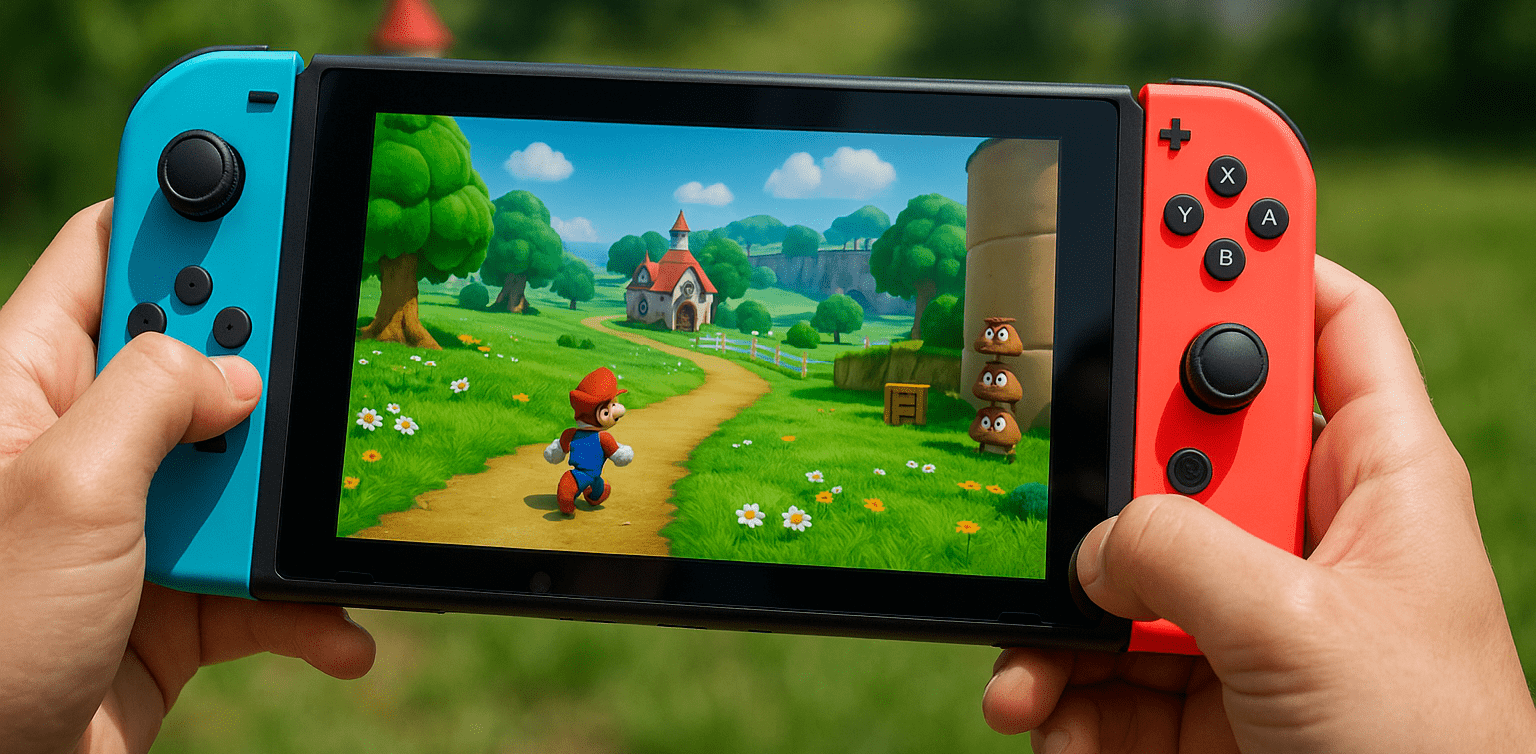
The Nintendo Switch has become one of the most popular consoles among children and families. Thanks to its flexible and user-friendly design, there is a wide range of nintendo switch games for kids available. More parents are now selective in choosing games that are not only fun, but also educational, safe, and age-appropriate.

In this article, we share 30 recommended nintendo switch games for kids in 2025. These games are curated to suit various age ranges, from toddlers to pre-teens, and offer a balance of entertainment and learning value.

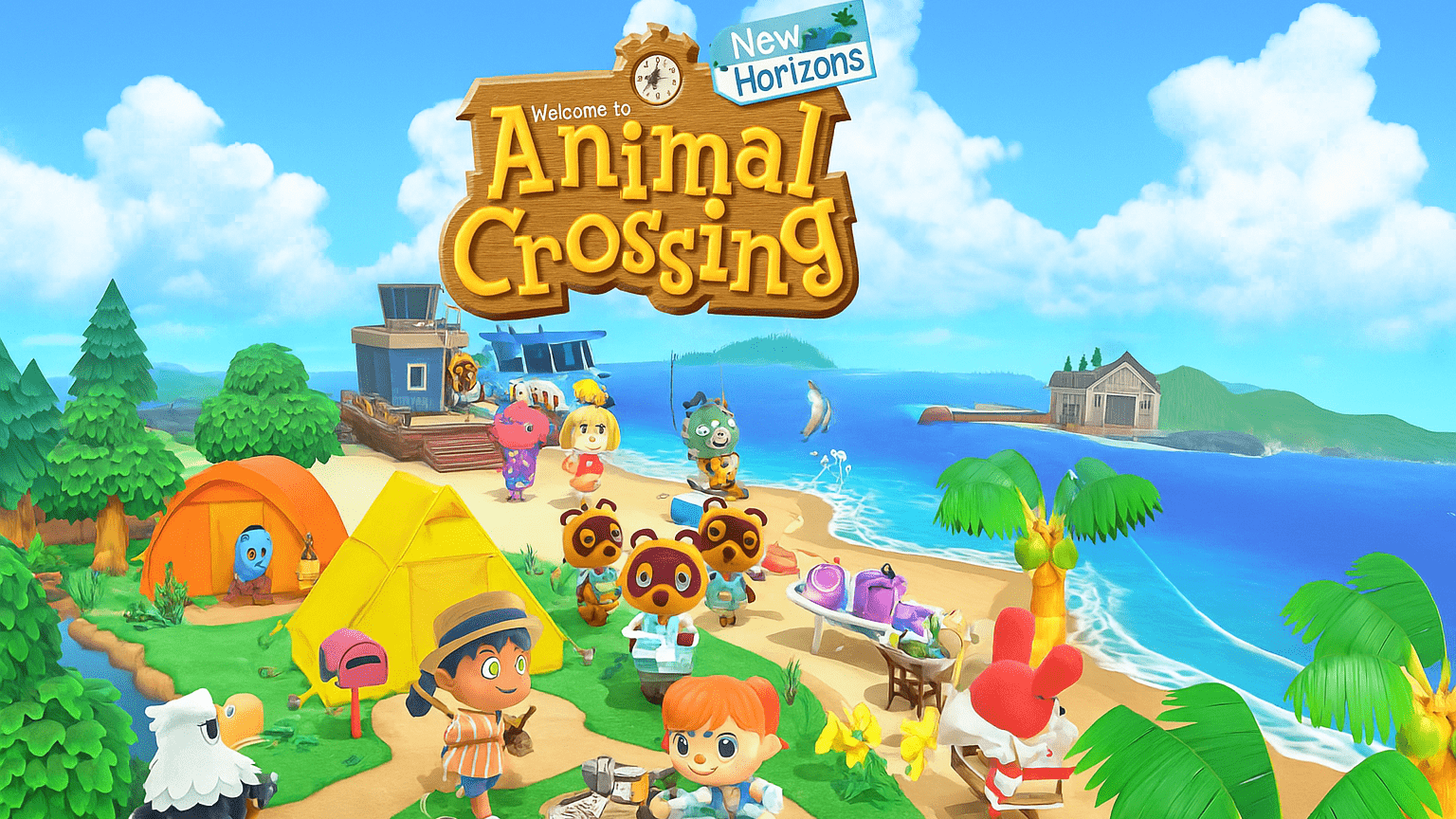
1. Animal Crossing: New Horizons
Nintendo Switch Games for Kids

Introduces children to independent living, island management, and teaches responsibility and creativity.

2. Super Mario Odyssey

A classic adventure filled with light challenges and vibrant visuals for kids aged 6 and above.

3. Yoshi’s Crafted World

One of the most visually creative nintendo switch games for kids, featuring hand-crafted art and simple gameplay.

4. Mario Kart 8 Deluxe

Colorful racing fun and healthy competition, ideal for family play.

5. Pokémon Scarlet & Violet

Encourages exploration of a fantasy world and strategic thinking through Pokémon battles.

6. Just Dance 2025

Combines music with physical movement, perfect for family entertainment and fitness.

7. Kirby and the Forgotten Land

A vibrant platformer with adorable characters, suitable for kids aged 5 and above.

8. Crayola Scoot

A racing and coloring game ideal for kids who love to express themselves visually.

9. Luigi’s Mansion 3

A light puzzle adventure great for kids with big imaginations.

10. Mario + Rabbids Sparks of Hope

A fun strategy game featuring quirky characters and an engaging story.

11. Captain Toad: Treasure Tracker

Light puzzle and exploration gameplay that strengthens logic and focus.

12. Pikmin 4

Teaches teamwork, strategy, and decision-making in a fun, nature-inspired world.

13. Snipperclips: Cut it Out, Together!

A cooperative game that promotes communication and problem-solving.

14. Donkey Kong Country: Tropical Freeze

A challenging yet exciting classic platformer for kids aged 7 and up.

15. Minecraft
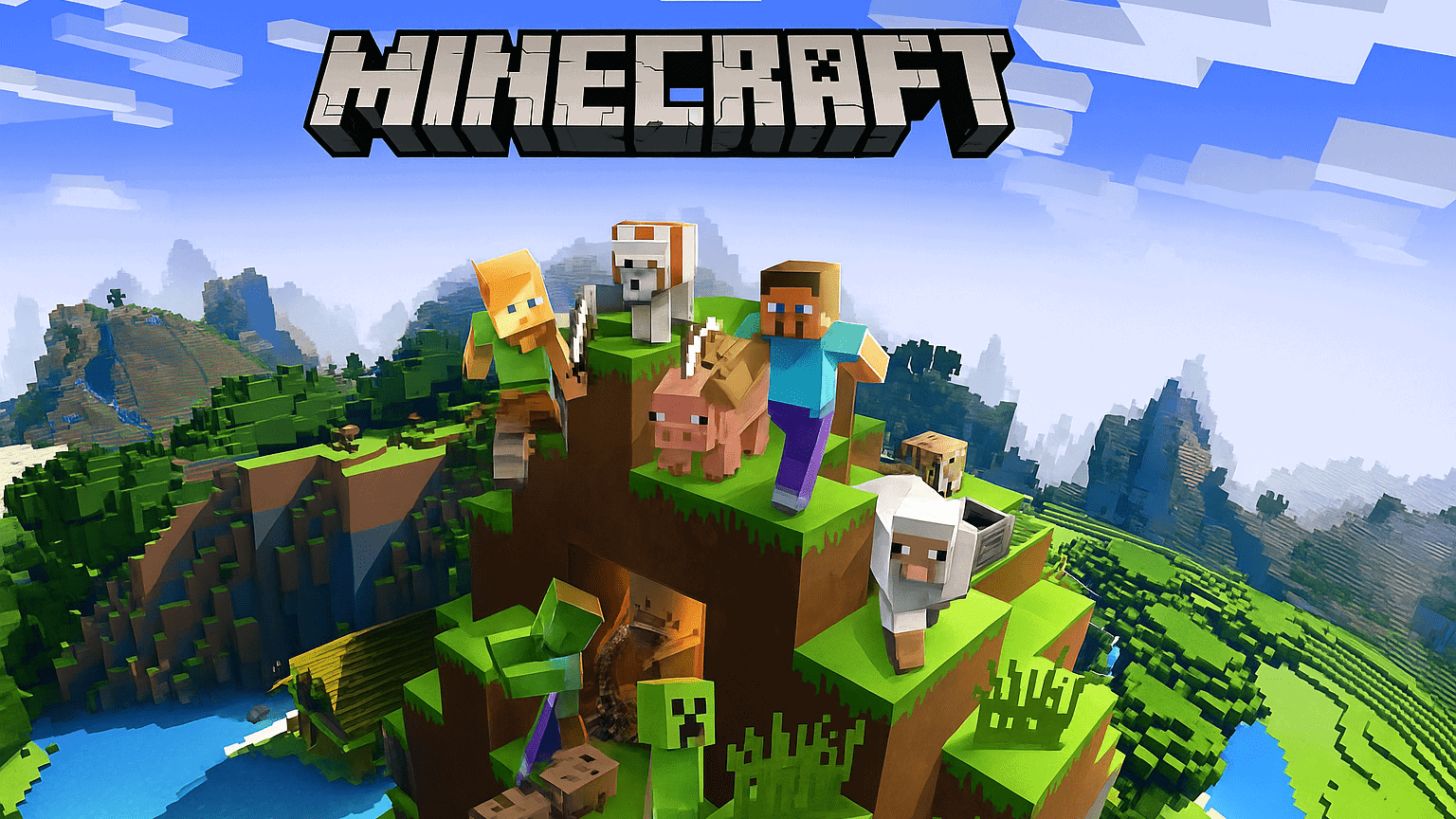
One of the most popular nintendo switch games for kids, encouraging creativity, exploration, and logical thinking.

16. Splatoon 3

A non-violent shooter that emphasizes color, creativity, and healthy competition.

17. Story of Seasons: Friends of Mineral Town

Ideal for kids who want to learn about farming and rural life in a playful way.

18. Big Brain Academy: Brain vs. Brain

A brain-training game that’s both fun and educational for the whole family.

19. Pokémon Let’s Go Pikachu / Eevee

A lighter, more accessible Pokémon game perfect for beginners.

20. New Super Mario Bros. U Deluxe

A classic platformer that supports up to 4 players at once.

21. Clubhouse Games: 51 Worldwide Classics

A global collection of traditional games that boost logic and concentration.

22. Nintendo Switch Sports

Offers virtual sports activities such as bowling, tennis, and soccer.

23. Ring Fit Adventure

Combines exercise with RPG gameplay, ideal for physically active kids.

24. Tetris 99

A modern take on the timeless puzzle game.

25. Cooking Mama: Cookstar

A fun cooking simulation game that introduces kids to simple recipes.

26. Paw Patrol: Mighty Pups Save Adventure Bay

Tailored for toddlers and preschoolers, based on the popular cartoon series.

27. Hello Kitty Kruisers

A cute racing game featuring Hello Kitty characters, safe for young kids.

28. My Universe: School Teacher

A simulation game that lightly teaches children about school and education.

29. Animal Hospital

Builds empathy and responsibility by caring for virtual animals.

30. LEGO City Undercover
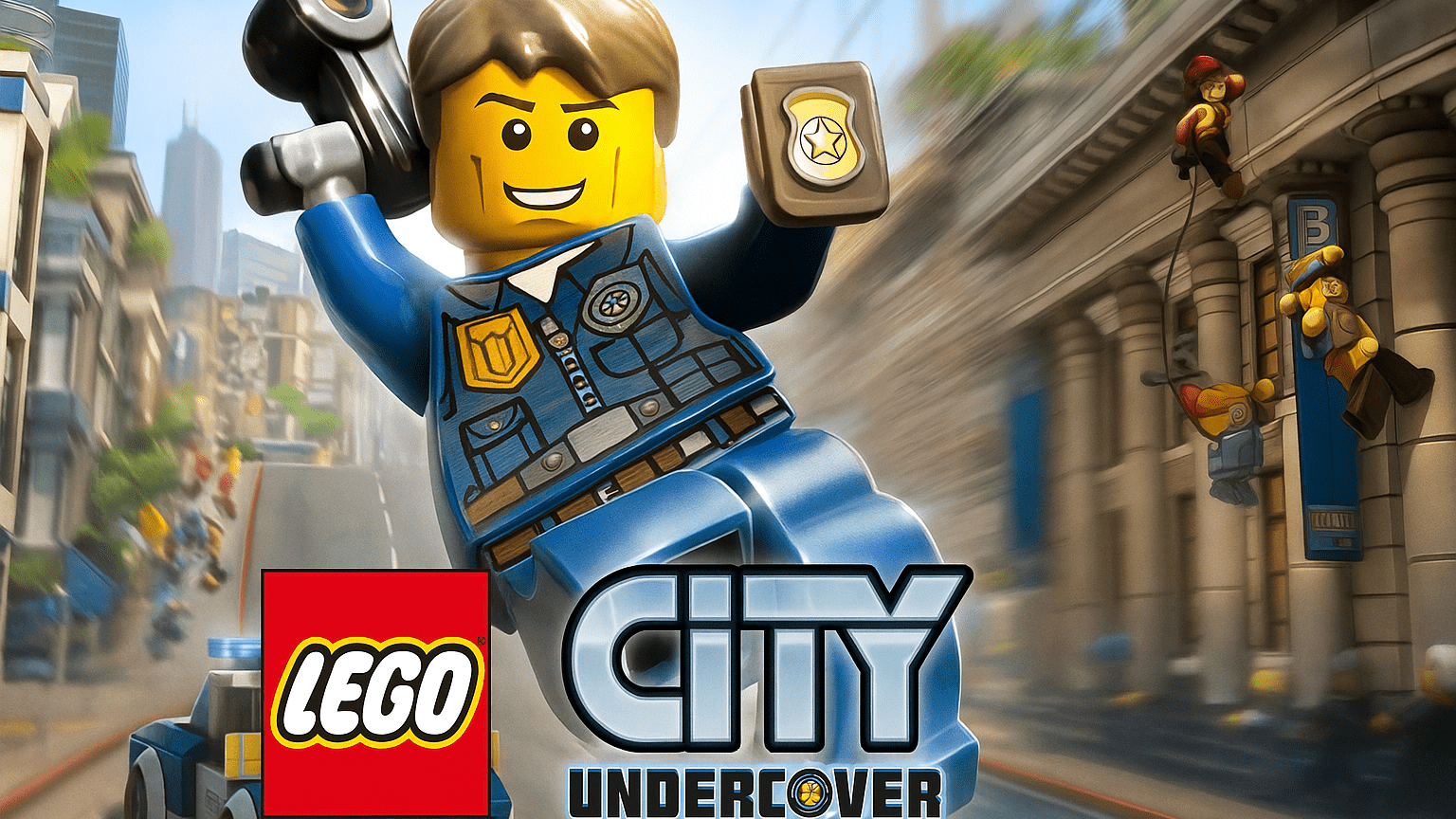
A light open-world game with humor and fun missions in a LEGO universe.

Tips for Choosing Nintendo Switch Games for Kids

When selecting nintendo switch games for kids, parents should check the ESRB age rating, game content, and whether the game supports cooperative play. Avoid games with excessive violence and opt for ones that promote social interaction, creativity, or learning.

Equally important, playing games with your child helps strengthen your bond and allows you to monitor the content together.

Learning Through Play: A Healthy Alternative with Coding

Ingin tahu detail program? Image

Ingin tahu detail program?

With all the nintendo switch games for kids above, parents now have many safe, educational, and age-appropriate options. But instead of just playing, kids can also learn how games are created, making screen time more meaningful.

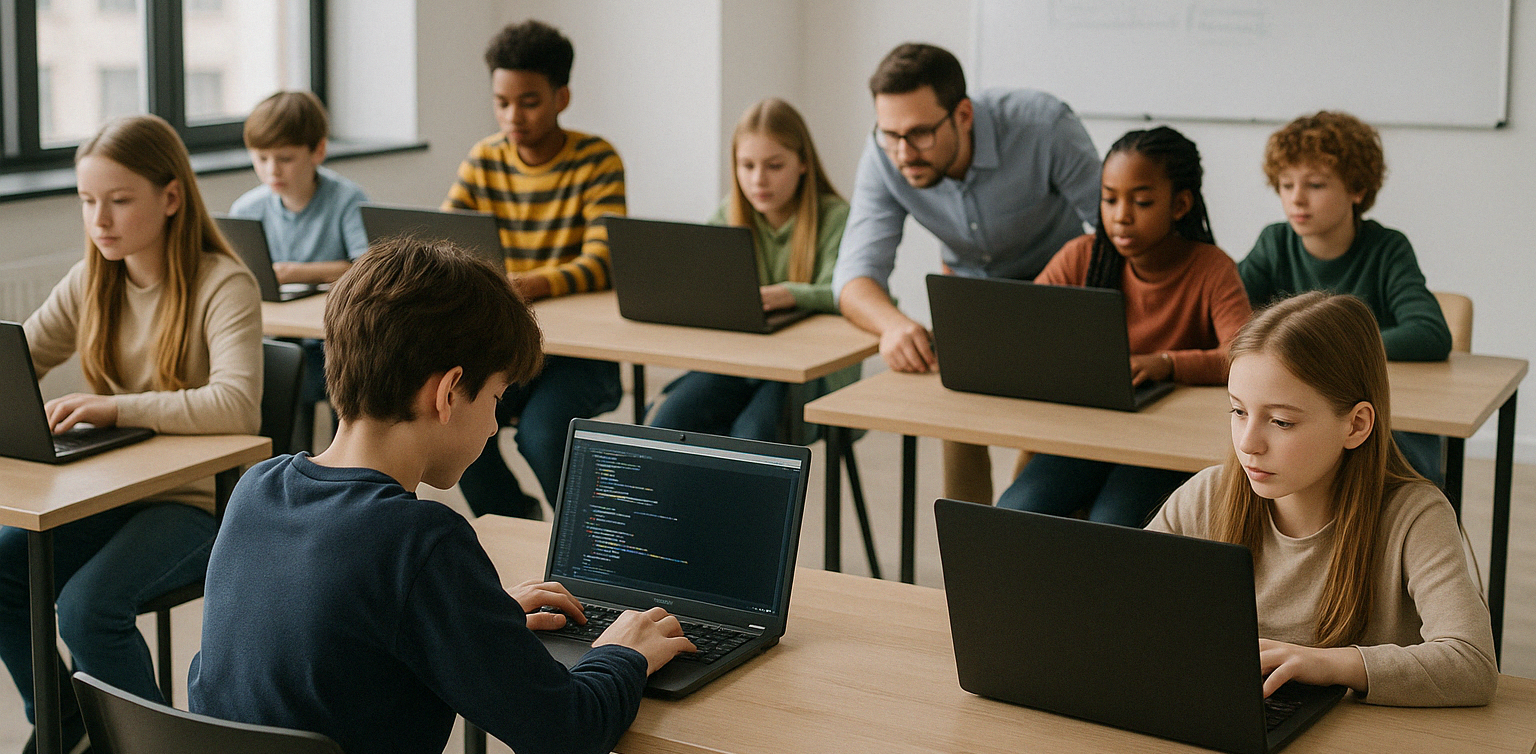
At Timedoor Academy, children can learn how to build their own games through fun and structured coding classes. With an international curriculum and project-based learning, kids develop logic, creativity, and confidence. Sign your child up today and enjoy a free trial class at Timedoor Academy.

Keep Reading

What Is Doxing on Children and How to Prevent It in 2025
In today’s digital age, children are not only using the internet for play and learning but are also actively engaging with social media and online platforms. While the internet provides many benefits, it also presents serious threats, one of which is doxing on children. Doxing on children refers to the act of gathering and sharing a child’s personal information online without permission. This can include their full name, home address, school name, phone number, photos, or even their current location. This kind of exposure is highly dangerous because it can be used to intimidate, harass, or exploit the child.   How Doxing on Children Happens Many parents may not realize that their child’s private data can be easily exposed through seemingly harmless online activities. For example, when a child creates a social media account without strict privacy settings, or when parents themselves share too much about their kids online — a behavior often referred to as “sharenting.” Doxing on children can also occur through gaming forums, group chats, or video comment sections. Children often lack the awareness to differentiate between public and private information, and may unknowingly share details that bad actors can take advantage of.   The Psychological Impact of Doxing on Children Doxing on children can lead to severe psychological effects. Victims may experience stress, fear, anxiety, and even social trauma. Some children may become reluctant to use the internet again, while others might withdraw from their parents out of fear of being scolded. In more serious cases, doxing can lead to prolonged cyberbullying. It’s important for parents to understand that doxing is not just a technical issue. It also affects a child’s sense of safety and confidence. Recognizing behavioral changes — such as sudden mood shifts, isolation, or fear of using gadgets around adults — can help detect if a child is in distress due to online threats.   How to Prevent Doxing on Children Here are some important steps parents can take to prevent doxing on children: Educate EarlyTeach children what personal information is and why it should be protected online. Use real-life examples to help them understand the risks. Use Strong Privacy SettingsMake sure all of your child’s social media accounts have maximum privacy. Do not allow them to accept requests or follow people they do not know. Monitor Online Activity WiselyWithout invading their privacy, it’s still essential for parents to be aware of what platforms their children are using and who they’re interacting with. Consider using parental control tools to enhance digital safety. Be Mindful When Posting About Your ChildParents also need to be careful when sharing their child’s photos, locations, or personal stories online. Build Open CommunicationCreate a safe space where your child feels comfortable sharing if something online makes them uncomfortable. A child who trusts their parent is more likely to ask for help when needed.   The Role of Schools and Teachers Schools play a vital role in preventing doxing on children. Teachers can incorporate digital ethics and online safety lessons into the school curriculum. Schools can also host open discussions about students' online experiences and how to deal with digital threats. With strong collaboration between parents, teachers, and educational institutions, the effort to prevent doxing on children can be more effective and long-lasting. Doxing on children is a serious threat that cannot be ignored. As technology becomes more embedded in daily life, protecting a child’s digital identity must be a shared responsibility. Through education, active guidance, and honest communication, we can help children navigate the online world safely and responsibly.   Start Building Your Child’s Digital Awareness with Timedoor If you want your child to be better prepared for the digital world while learning important skills like online ethics and internet safety, Timedoor Academy offers kid-friendly coding and digital literacy classes. You can also try our free trial class today and see how fun and meaningful digital learning can begin from home.
The Importance of Teaching Basic Manner for Kids from an Early Age in 2025
Teaching basic manner for kids from an early age is one of the best investments parents can make in shaping their child’s character and future. Good manners, courtesy, and positive behavior not only help kids socialize more easily but also provide a solid foundation for navigating an increasingly complex and digital world. This article explores why basic manner is so important, the long-term benefits, and practical tips for consistently building polite habits at home and in daily life. Why Is Basic Manner for Kids So Important? In today’s fast-paced and digital era, a child’s ability to communicate respectfully and value others is more crucial than ever. Basic manner for kids includes simple acts like saying “please” and “thank you,” greeting others politely, asking for permission, listening attentively, and waiting their turn to speak. While these habits may seem small, they are the backbone of healthy, harmonious social interaction. Kids who are raised with basic manner for kids tend to adapt more easily at school, in their community, and later in the workplace. They often have higher empathy, adjust well to new environments, and form positive relationships with both peers and adults. Positive Impact of Basic Manner for Kids Teaching basic manner for kids can lead to a wide range of positive outcomes, including: Boosting self-confidence: Kids who understand the value of politeness are often more confident in social situations. Easier social adaptation: Well-mannered kids are more readily accepted in new settings because they know how to behave appropriately. Reducing conflict: They are better at managing emotions and understanding social boundaries. Increasing chances of future success: Modern education and workplaces truly value ethics and good manners. Effective Ways to Teach Basic Manner for Kids If you want your child to grow into a polite and respectful person, here are some effective ways to teach basic manner for kids: 1. Be a Role Model Children learn by example. Parents should consistently show basic manner for kids in daily life. Make it a habit to use polite words, ask permission, and say sorry when needed, both to your child and to others at home. 2. Give Simple Explanations Help kids understand why basic manner is important. Tell short stories about why saying “thank you” makes people feel appreciated. 3. Use Games and Role Play Practice basic manner for kids through fun role-playing, such as family mealtime simulations, “shopkeeper and customer” games, or acting out everyday situations to help kids apply good manners. 4. Praise and Positive Reinforcement Praise your child whenever they show basic manner for kids, no matter how small the gesture. Positive feedback motivates kids to repeat good behavior. 5. Be Consistent and Gentle Consistency matters. Parents should gently but firmly remind children if they start to neglect manners, always with kindness and understanding. 6. Use Educational Content Read storybooks, watch cartoons, or use apps that teach basic manner for kids in a fun way. Many digital platforms now offer engaging content that helps kids build good manners. Basic Manner for Kids in the Digital World In the digital age, basic manner for kids also means knowing how to behave online. Teach your child to: Be polite in online chats, games, and on social media. Never share personal information carelessly. Respect other people’s opinions and creations on the internet. Parents can also introduce kids to productive digital activities, like learning coding, creating digital projects, or joining online classes that emphasize teamwork and respect. Everyday Activities to Instill Basic Manner for Kids Here are some daily activities to help instill basic manner for kids: Encourage your child to greet family or guests politely. Teach table manners, like not talking with their mouth full. Remind kids to clean up toys after playing and thank friends who help. Practice asking for permission before borrowing something from others. Long-Term Benefits of Basic Manner for Kids Children raised with basic manner for kids are better prepared to face life’s challenges. They are more comfortable socializing, are more trusted in school and work, and are more likely to succeed both academically and in their careers. Building character through basic manner for kids is a crucial investment with benefits that last a lifetime. Nurturing Manners and Future Skills Teaching basic manner for kids is a lifelong process that requires parental example, consistency, and support. With a strong foundation in manners, children grow into confident, adaptable, and respected individuals wherever they go. Alongside teaching manners, don’t hesitate to give your child future-ready skills like coding. One positive and educational digital activity is learning coding at Timedoor Academy. Here, kids can build logic, creativity, and teamwork—all while developing good character. Sign your child up for a free trial class at Timedoor Academy and let them experience the fun, interactive world of coding while building strong manners and life skills from an early age.
dampak positif dan negatif ai terhadap anak
Positive & Negative Effects of AI on Kids
Artificial Intelligence (AI) is becoming a regular part of children's lives, from voice assistants and learning apps to smart toys and educational platforms. As this technology continues to shape the way children learn and interact with the world, parents and educators are beginning to ask an important question: what are the positive & negative effects of AI on kids? While AI can provide engaging and personalized learning experiences, it also raises concerns about screen time, privacy, and social development. In this article, we’ll explore both sides of the story and help you better understand how to manage AI in your child’s life. What Are the Positive & Negative Effects of AI on Kids? Understanding the positive & negative effects of AI on kids starts with identifying how AI is used in their daily routines. Many children today interact with AI-powered tools at home, in school, or even while playing. AI helps personalize lessons based on learning speed and style. It can adjust content difficulty, give instant feedback, and keep children motivated with gamified progress tracking. However, relying too much on AI can reduce face-to-face interactions and lead to excessive screen exposure. As we explore each aspect, keep in mind that moderation and parental guidance are essential to maximizing the benefits of AI while avoiding its downsides. Positive Effects of AI on Kids’ Learning and Development One of the major positive effects of AI on kids is how it transforms the learning process. AI can create personalized learning paths that help students progress at their own pace. This is especially useful for children who need more time with certain subjects or want to advance beyond the standard curriculum. Some common benefits include: Personalized education: Platforms like Duolingo, Khan Academy Kids, and Google’s Read Along adapt to a child’s learning speed and interests. Interactive engagement: AI-powered tools can make learning fun. Children feel like they are playing a game, which boosts motivation and retention. Support for special needs: AI can assist children with learning difficulties, such as dyslexia or ADHD, by providing tailored content and feedback. Language development: Tools like ChatGPT or AI-powered story apps can help kids practice conversation skills, learn vocabulary, and explore creative writing. When used thoughtfully, AI can support cognitive development, encourage independent learning, and make education more accessible to all children. Negative Effects of AI on Kids’ Behavior and Health While the benefits are impressive, the negative effects of AI on kids should not be overlooked. Increased screen time and constant engagement with digital devices can affect children in many ways. Here are some of the concerns: Reduced social interaction: Over-reliance on AI tools can limit kids' real-world communication and collaboration with peers. Privacy and data concerns: AI tools often collect personal data. Parents must stay aware of how and where their child’s information is stored and used. Impaired creativity: When kids rely too much on automated answers or suggestions, it may reduce their problem-solving and critical thinking skills. Health risks: Excessive screen time is linked to eye strain, poor posture, and decreased physical activity. These negative effects of AI on kids highlight the importance of setting boundaries and ensuring that AI is used as a supplement, not a replacement, for real-life experiences. Balancing the Positive & Negative Effects of AI on Kids at Home and School Finding the right balance between the positive & negative effects of AI on kids is the key to ensuring that technology supports rather than harms their development. Here are some strategies: Set clear screen time limits: Encourage breaks and schedule offline activities like outdoor play or reading. Choose high-quality apps: Use tools that offer educational value and avoid those filled with ads or mindless content. Stay involved: Talk to your child about what they’re learning, and encourage them to ask questions or reflect on what they discover. Encourage a mix of learning methods: Combine AI-based tools with traditional learning and hands-on activities. Teach digital responsibility: Help kids understand the importance of online privacy, respectful communication, and balanced usage. By creating a healthy digital environment at home and working with educators to do the same in schools, we can maximize the positive impact of AI while reducing the risks. Managing the Positive & Negative Effects of AI on Kids AI is here to stay, and its role in children's lives will only continue to grow. As with any technology, the key is to use it intentionally. When guided properly, the positive & negative effects of AI on kids can be managed in a way that supports learning, creativity, and healthy development. Parents, teachers, and caregivers all have a role in helping kids develop strong digital habits and a balanced approach to technology. With the right support, AI can be a powerful tool for growth rather than a source of distraction or harm. Make AI Work for Your Child at Timedoor Academy At Timedoor Academy, we believe in using technology the smart way. Our live, interactive coding and digital classes are designed to help kids explore AI, robotics, and programming while developing communication and critical thinking skills. Looking for a healthy way to introduce tech into your child’s routine? Try our free class and see how we guide students to grow in a structured and inspiring environment. Visit our website to learn more and start your child’s smart tech journey today!
float button