Jun 04, 2025

5 Best! Reading Programs for Kids in Bali with Prices in 2025

5 Best! Reading Programs for Kids in Bali with Prices in 2025 image

As more parents recognize the importance of early education, many are looking for reading programs for kids in Bali that help children master basic literacy skills. The ability to read and write forms the foundation for academic, social, and emotional development.

Today, various institutions in Bali offer reading programs for kids in Bali with different approaches, including phonics-based methods, multisensory learning, and interactive storytelling. Parents can choose a program that fits their child’s learning style, whether for preschoolers or early elementary students. Many of these programs are also designed to support children with learning challenges or those who require more focused attention.

If you’re searching for high-quality reading programs for kids in Bali, here are five recommended places worth considering.

5 Recommended Reading Programs for Kids in Bali

1. Cikal Literacy Center

reading programs for kids in bali

Price: Starting from IDR 550,000 per month

Cikal Literacy Center focuses on early literacy development for children aged 4 to 7. Their approach includes phonics, playful activities with letters, and imaginative learning methods.

Highlights:

  • Interactive phonics-based curriculum
  • Storybook reading and creative drawing
  • Basic creative writing for preschoolers

Location: Jl. Tukad Barito Timur No. 16, Renon, Denpasar
WhatsApp: 0812-3400-1123

2. Taman Baca dan Belajar Pelangi

les baca tulis anak di bali

Price: Starting from IDR 400,000 per month

This inclusive learning community provides reading programs for kids in Bali with a fun and supportive atmosphere. Their personalized approach is especially helpful for children with learning difficulties or special needs.

Highlights:

  • Daily reading activities and journaling
  • Support for children with mild dyslexia
  • Small, flexible class settings

Location: Jl. Raya Pengosekan, Ubud, Bali
Instagram: @tbpelangi

3. Kumon Renon Bali

Price: Starting from IDR 850,000 per month

Kumon is a well-known name in education, offering a structured and progressive method. Their reading programs for kids in Bali encourage independent study and consistent learning habits.

Highlights:

  • Daily worksheet-based learning
  • Level adjustments based on the child’s ability
  • Progress monitoring and regular assessments

Location: Jl. Tukad Badung, Denpasar Selatan
WhatsApp: 0812-8888-5678

4. LiterActive Kids Bali
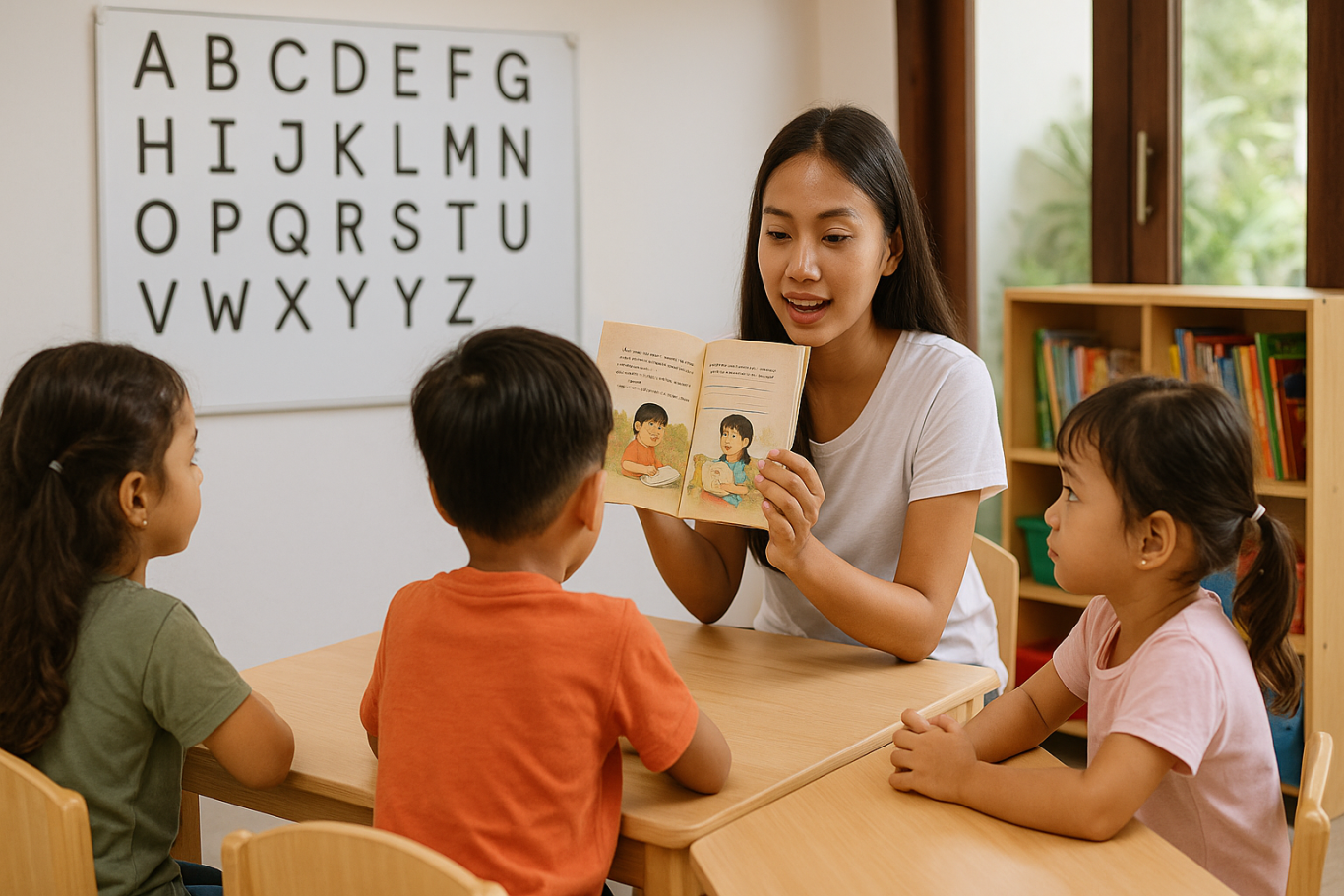
Price: Starting from IDR 700,000 per month

This center uses a multisensory approach that includes music, movement, and visuals to teach reading and writing. Ideal for energetic kids aged 3 to 8 who learn best through hands-on activities.

Highlights:

  • Kinesthetic games for letter recognition
  • Flashcards and syllable-based activities
  • Combines audio-visual tools with fine motor practice

Location: Jl. Teuku Umar Barat, Denpasar
WhatsApp: 0821-4567-2234

5. Little Step Literacy School
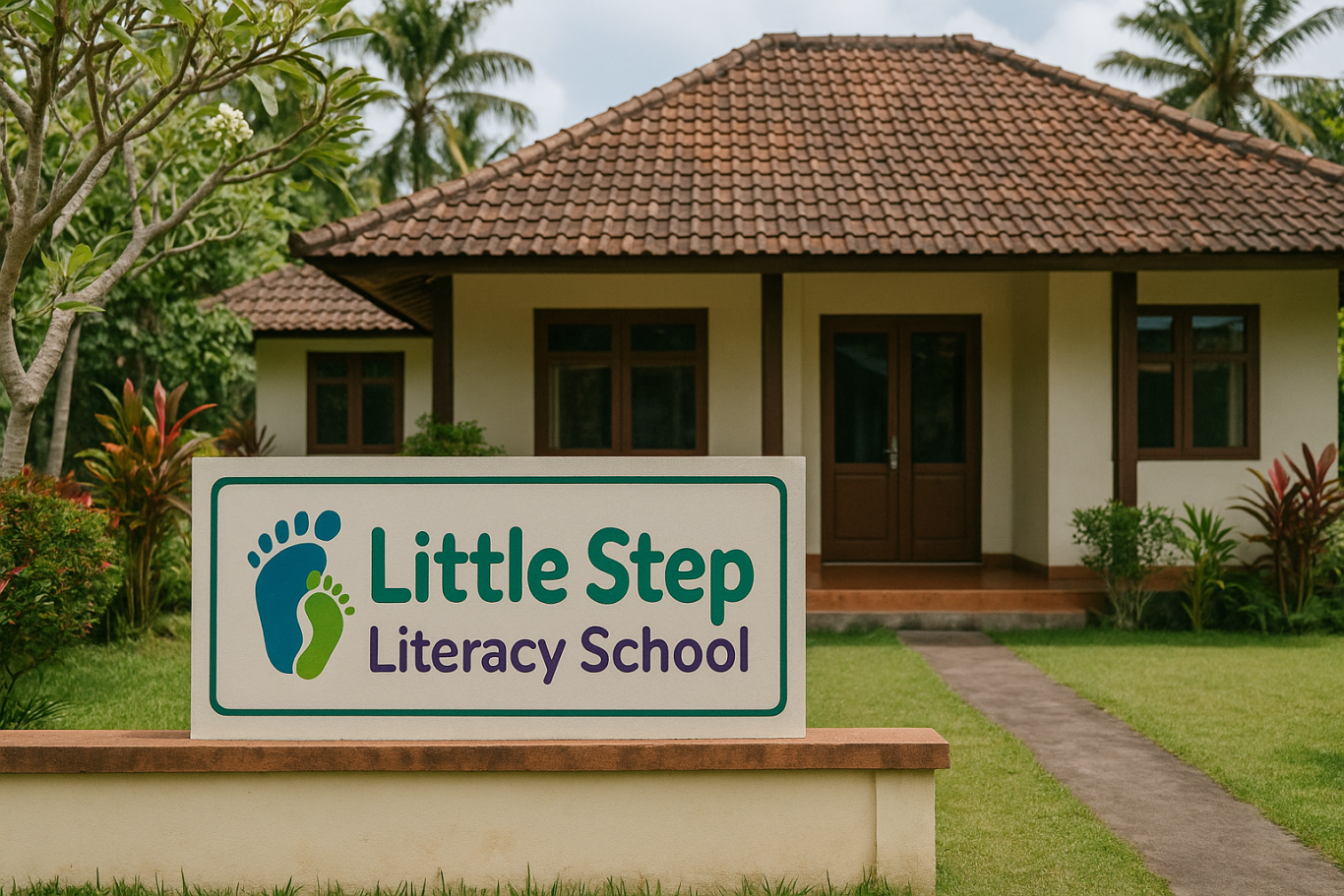
Price: Starting from IDR 500,000 per month

Little Step focuses on building sentence understanding and vocabulary through weekly themed lessons. The classes are designed to help children express ideas through writing while having fun.

Highlights:

  • Semi-private classes (max 5 students)
  • Weekly rotating topics
  • Character-based and story-driven materials

Location: Jl. Sunset Road No. 78, Kuta, Bali
Instagram: @littlestepliteracy

Why Kids Should Try Coding After Literacy Classes

Ingin tahu detail program? Image

Ingin tahu detail program?

Once your child has built strong reading and writing skills through reading programs for kids in Bali, it’s a great time to introduce them to coding. Reading helps kids follow instructions and understand programming logic, which makes the transition to digital skills much smoother. Coding also develops problem-solving, logical thinking, and creativity.

Timedoor Academy is an excellent next step for children in Bali who want to explore technology through fun and engaging coding projects. While it doesn’t offer reading programs for kids in Bali, Timedoor is a smart choice for building future-ready skills after literacy foundations have been established. Their international curriculum and experienced instructors ensure that kids learn in a structured yet playful environment.

If you’re ready to take your child’s development even further, Timedoor Academy offers a great opportunity to explore coding through interactive classes. Try a free trial class today at Timedoor Academy!

Keep Reading

Cara Menghasilkan Uang dari Koding
How to Make Money Coding as a Kid
In today’s tech-driven world, kids are not just consumers of technology. They can become creators too. One exciting way for young minds to explore this potential is by learning how to code. What’s even better? Coding is not just a fun and valuable skill. It can also help children start earning money at an early age. In this article, we will explore practical and age-appropriate ideas on how to make money coding as a kid, and how platforms like Timedoor Academy can help kickstart the journey.   1. Build and Sell Simple Games One of the most popular ways for kids to make money with coding is by creating simple games. Platforms like Scratch allow children to build their own games using visual programming blocks. Once they get the hang of it, kids can upload their games to platforms like itch.io or Game Jolt, where others can play and support their work through donations or small purchases. This is a great way for kids to combine creativity with coding skills. It also teaches them the basics of digital entrepreneurship, such as designing for users and thinking about what makes a game fun and engaging.   2. Design a Personal Website or Blog Creating a personal website is a great way for kids to showcase their projects and interests. Using platforms like WordPress, Wix, or coding from scratch with HTML/CSS, kids can build blogs, portfolios, or fan pages. Once the website gains some visitors, there are many ways to monetize it. These include placing ads through Google AdSense with adult guidance, using affiliate links, or even selling digital products like game templates or beginner-friendly coding guides. This helps kids learn how websites work and how online income is generated in real life.   3. Create YouTube Coding Tutorials Another exciting option on how to make money coding as a kid is by creating YouTube tutorials. Kids can teach others how to code in Scratch, build simple apps, or walk through a project step by step. These videos do not need to be fancy. They just need to be clear and helpful. As the channel grows, monetization through YouTube ads, sponsorships, and affiliate links becomes possible. This is also a great way for kids to improve their communication skills while reinforcing their own understanding of coding.   4. Sell Digital Art or Assets for Games Kids who enjoy both coding and art can create digital assets like characters, backgrounds, or sound effects. These can be sold on platforms like Unity Asset Store, OpenGameArt, or Itch.io. For example, if your child designs a cool background for a Scratch game, they can package it with a few more designs and offer it for free or for a small fee online. This is a fun way to blend art, coding, and entrepreneurship.   5. Try Safe Freelance Gigs (With Parental Help) Older kids or teenagers ages 13 and up can start exploring junior freelance work in simple coding tasks. These include fixing bugs, customizing websites, or helping with small scripts. Sites like Fiverr or Freelancer often have beginner-friendly gigs that can be done with parental supervision. Even if the job pays only a few dollars at first, the experience and confidence gained are invaluable. It helps children see how coding is used in the real world and builds their early portfolio.   6. Participate in Coding Competitions Many platforms and organizations hold coding competitions or hackathons for kids. These events often come with prizes such as gadgets, cash, or even scholarships. Websites like Tynker, Code.org, and local coding academies host events where kids can test their skills and possibly win something exciting. Competing not only motivates kids to learn faster. It also introduces them to other like-minded peers and creates a supportive community.   7. Build Mobile Apps With tools like Thunkable, MIT App Inventor, or even Flutter, kids can start building simple mobile apps. Whether it is a calculator, a quiz game, or a daily planner, these apps can be uploaded to the Google Play Store with adult help. Even if the app is free, kids can include ads or in-app purchases to start earning money. It is a great way to explore real-world coding with tangible outcomes.   8. Teach Coding to Other Kids Once your child becomes confident in their coding skills, they can teach younger children or peers who are just starting out. Whether it is through local workshops, helping a sibling, or organizing a mini class with friends, this builds leadership and communication skills. Some older kids even offer beginner Scratch tutoring sessions online, turning their knowledge into a meaningful side hustle.   Why Learning to Code Early Matters Understanding how to make money coding as a kid goes beyond earning an allowance. It teaches real-world skills like time management, problem-solving, entrepreneurship, and confidence. Kids who code not only learn how to build apps or games. They also gain a mindset that prepares them for the future.   Start Coding the Fun Way with Timedoor Academy If your child is curious about coding, game creation, or building their first app, Timedoor Academy is the perfect place to begin. With interactive lessons, expert guidance, and beginner-friendly projects, kids can explore coding in a way that is fun and engaging. Ready to see if coding is right for your child? Visit us to join a free trial class and let your child turn creativity into real skills and even their first coding income.
<strong>5 Top Recommendations for Saving Accounts for Kids: Safe and Educational Options</strong>
5 Top Recommendations for Saving Accounts for Kids: Safe and Educational Options
Teaching children to save from an early age is a smart move to help them build healthy financial habits. One of the most effective steps parents can take is to open saving accounts for kids with a trusted bank. Through these special products, parents can introduce financial concepts, help children manage their allowance, and encourage a sense of responsibility about money management right from the start. Today, many banks around the world offer saving accounts for kids that are both attractive and educational. Parents can easily keep an eye on the balance and guide their children toward reaching their savings goals, whether it’s for a new toy, a book, or something they need for school. However, choosing saving accounts for kids should not be done on a whim. There are several factors to consider, including minimum deposit requirements, fees, as well as features like debit cards, mobile banking apps, and educational resources. Here are five of the best saving accounts for kids from globally recognized banks that are worth considering this year. 1. HSBC MySavings Youth Account The HSBC MySavings Youth Account is a popular choice among saving accounts for kids. Designed for children and teens (typically ages 7 to 17, though age requirements vary by country), this account helps kids understand banking basics and offers competitive interest rates with parental oversight. Highlights: No monthly fees Low minimum deposit Optional debit card with parental approval Online banking access for both parents and kids HSBC’s strong global network and easy-to-use digital services make it a reliable choice for families everywhere. 2. Santander 123 Mini Account The Santander 123 Mini Account is an excellent example of saving accounts for kids that are accessible internationally, especially in the UK and Spain. Suitable for children up to 17 years old, this account focuses on developing smart savings habits through a simple interface. Highlights: No monthly maintenance fees No minimum deposit Optional contactless debit card for older kids Online and mobile banking for parents and children This account lets parents supervise transactions while helping children learn the importance of saving and budgeting. 3. Capital One Kids Savings Account For families in the United States, the Capital One Kids Savings Account is an easy and fee-free way to get children started with saving accounts for kids. This account offers robust parental controls and is designed to be managed entirely online. Highlights: No monthly or annual fees No minimum balance requirement Competitive interest rates User-friendly mobile banking app Capital One also provides helpful resources for parents and kids to learn about money management together. 4. Revolut <18 (Under 18 Account) Revolut <18 is a digital solution for saving accounts for kids, available across Europe, the UK, Australia, Singapore, and other regions. Designed for children ages 6 to 17, it provides a digital wallet and a prepaid debit card under the supervision of a parent. Highlights: Instant app-based notifications Parental controls and spending limits Prepaid debit card for safe transactions Budgeting tools and goal setting Revolut <18 is ideal for families who want a modern, digital approach to teaching kids about saving and spending safely. 5. Chase First Banking Chase First Banking is one of the latest saving accounts for kids in the United States, created in partnership with Greenlight. It combines checking and savings features with strong parental controls and educational tools. Highlights: No monthly service fees Customizable saving, spending, and earning features Parental approval for key transactions Access to a large network of ATMs and branches Chase’s mobile app is intuitive and helps children learn to set goals, manage money, and track their progress in real time. Tips for Choosing the Right Saving Accounts for Kids To maximize the benefits, here are some useful tips for selecting saving accounts for kids: Choose an account that suits your child’s age and offers strong parental oversight. Look for low fees, reasonable minimum deposits, and attractive interest rates. Consider extra features such as mobile banking, debit cards, and educational content. Prefer banks with programs that reward good saving habits and offer financial education. Involve your child in the process of opening the account to build a sense of responsibility and motivation. Saving, Financial Literacy, and Digital Skills for the Future Introducing saving accounts for kids is not just about putting money away; it’s about building a foundation for lifelong financial literacy. In our increasingly digital world, it’s also wise to introduce children to essential digital skills like coding, preparing them for tomorrow’s challenges. If you want your child to become both financially responsible and tech-savvy, sign them up for a free trial coding class at Timedoor Academy. Kids can learn money management while developing logical thinking and creativity, helping them grow into a wise and innovative generation.
5 Top Recommended Children Books for Kids Ages 5–10
Choosing recommended children books for kids ages 5–10 is a wonderful way to nurture their love for reading and support their personal growth. Reading does much more than entertain. It helps develop imagination, empathy, curiosity, and problem-solving skills. In this digital age, making recommended children books a regular part of your child’s life can have a lasting positive impact on their development. Of course, not every book will fit every child’s needs. Parents should look for stories with clear, engaging language, relatable themes, and illustrations that spark interest. With so many options available, it can be tough to choose the right titles. Below are five recommended children books that have earned worldwide popularity and are ideal for children ages 5 to 10. These selections are both enjoyable and educational, making them excellent companions for your child’s reading journey. 1. “The Tale of Peter Rabbit” by Beatrix Potter A true classic among recommended children books, “The Tale of Peter Rabbit” has been loved by generations. The story follows the adventures of Peter Rabbit, a curious and mischievous bunny who gets into trouble in Mr. McGregor’s garden. Children are gently introduced to important lessons about listening, making choices, and facing the consequences of their actions. The charming watercolor illustrations and timeless story make this book a favorite for bedtime or early readers. 2. “Where the Wild Things Are” by Maurice Sendak Among the most imaginative and beloved recommended children books is “Where the Wild Things Are.” It tells the story of Max, a spirited boy whose adventure with wild creatures leads him to discover the comfort of home and the power of imagination. The expressive illustrations and creative storyline help children process their feelings and encourage them to dream big. This book is perfect for sparking conversations about emotions and the magic of storytelling. 3. “Charlotte’s Web” by E.B. White “Charlotte’s Web” is an essential pick for families searching for recommended children books with depth and heart. This classic novel tells the touching tale of Wilbur, a pig, and Charlotte, a wise and caring spider who devises a clever plan to save her friend. The themes of friendship, loyalty, and the natural cycles of life are explored in gentle, thoughtful ways. Reading this book together provides parents and children with opportunities to discuss empathy, kindness, and courage. 4. The “Magic Tree House” Series by Mary Pope Osborne If you’re looking for recommended children books that blend adventure and learning, the “Magic Tree House” series is an excellent choice. Jack and Annie, the main characters, travel through time and around the world, exploring history, science, and culture. Each book presents a new topic, from ancient Egypt to dinosaurs, in a format that is accessible and engaging for young readers. Short chapters and lively illustrations make these books ideal for independent reading or reading aloud together. 5. “The Day the Crayons Quit” by Drew Daywalt & Oliver Jeffers A creative modern addition to the list of recommended children books is “The Day the Crayons Quit.” Through witty letters written by a box of crayons to their owner, this book encourages kids to appreciate different perspectives and to think outside the box. The humor, clever illustrations, and unique characters inspire creativity and understanding. This story is both fun and thought-provoking, perfect for children with active imaginations. Tips to Grow a Reading Habit in Children Ages 5–10 To make the most of these recommended children books, parents can use a few simple strategies: Set aside a daily reading time, such as before bed or after dinner. Allow your child to pick out books that match their interests, even if it means rereading favorites. Visit libraries or bookstores together and make reading an exciting shared activity. Talk about the stories you read and ask questions to encourage discussion and deeper thinking. Keep reading enjoyable and pressure-free, creating positive memories around books. With encouragement and the right approach, your child can become a confident reader who loves to discover new worlds and ideas. Connecting Reading and Digital Skills In addition to introducing recommended children books, parents should also help their children develop important digital skills like coding and logical thinking. A balanced approach to literacy and technology will prepare children for a future full of opportunities. Reading helps grow imagination and comprehension, while coding develops critical thinking and problem-solving abilities. If you want your child to gain both literacy and digital skills, consider enrolling them in a free trial coding class at Timedoor Academy. With engaging, age-appropriate lessons, your child can enjoy learning about technology while still developing a passion for books. Visit Timedoor Academy’s website to find out more about this fun and valuable learning experience.
float button