Sep 25, 2025

Why Learning Coding While Playing Games for Kids is a Brilliant Choice
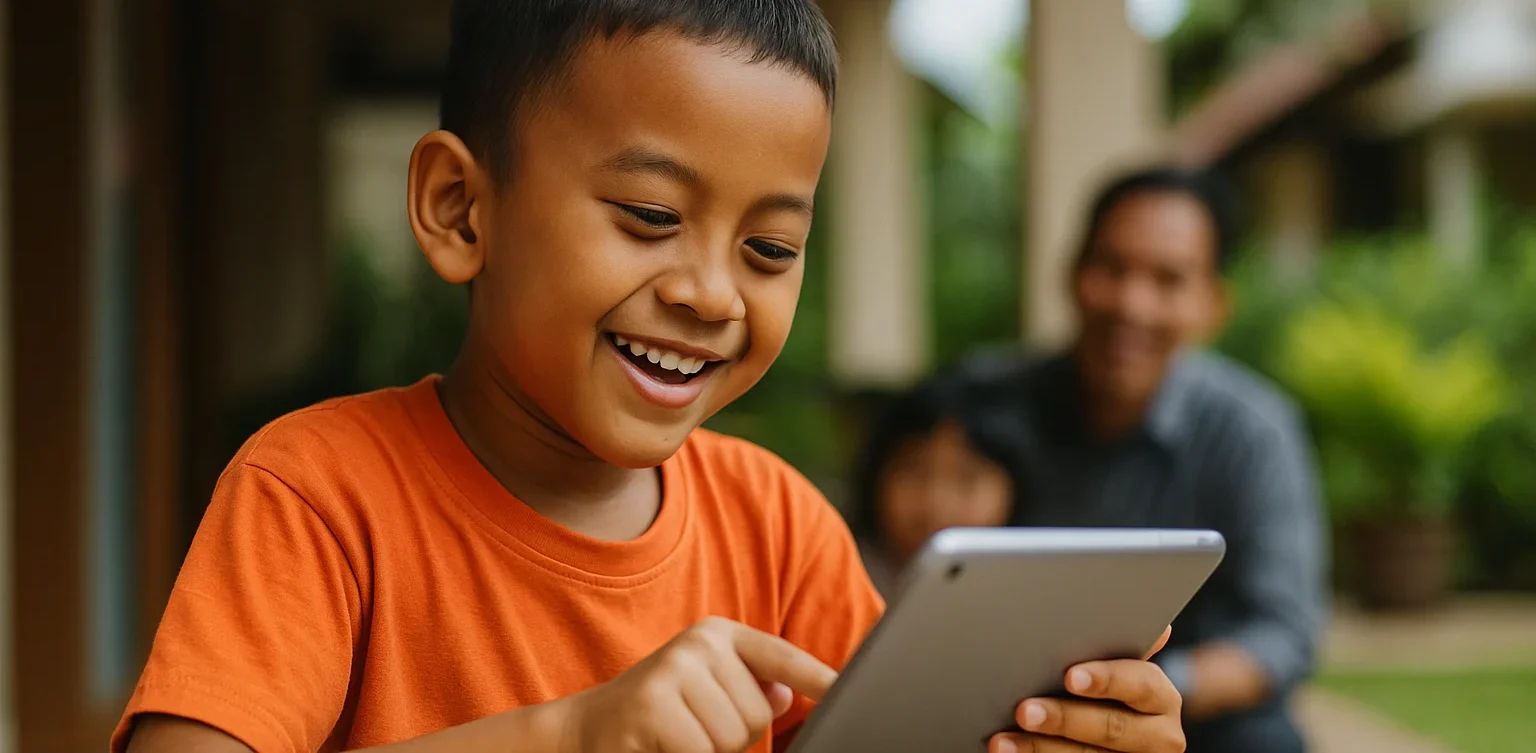
<strong>Why Learning Coding While Playing Games for Kids is a Brilliant Choice</strong> image

In today’s digital age, technological skills are no longer optional but essential. Children who grow up surrounded by digital tools will be much better prepared for the future if they gain a basic understanding of technology. One of the most enjoyable and effective ways to introduce technology to children is through learning coding while playing games for kids. This approach combines entertainment with education, allowing children to have fun while gaining valuable knowledge.

Is Coding Suitable for Children?
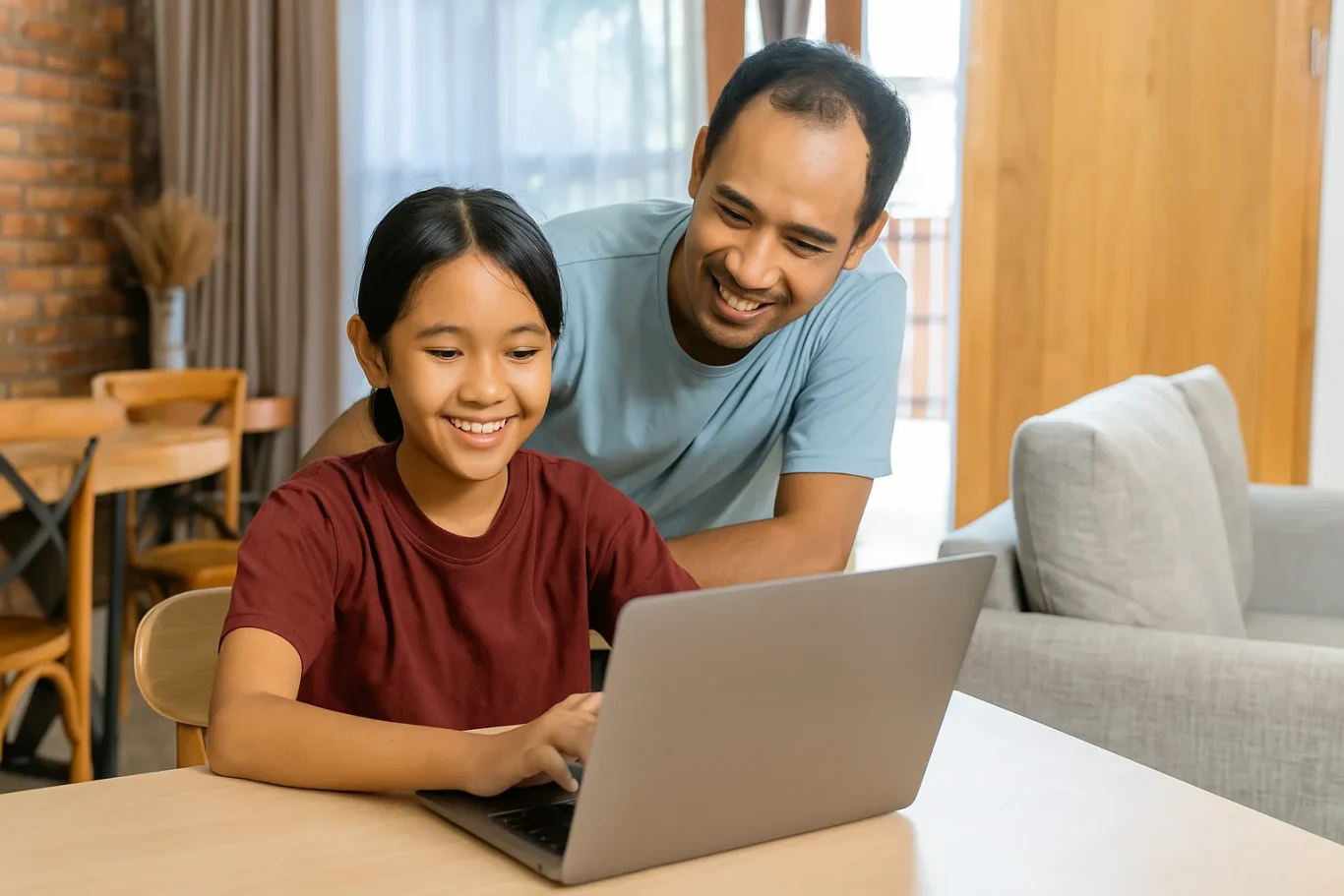
coding while playing games for kids

Many parents may still wonder if coding is appropriate for elementary school children. Questions like, “Can my child really understand programming concepts?” often arises. The answer is yes, because with learning coding while playing games for kids, complex material can be delivered in simple and interactive ways. Children do not need to grasp complicated math formulas right away. Instead, they are introduced to logical thinking and problem-solving through something they already love: playing games.

Developing Critical and Creative Thinking

coding while playing games for kids

One of the greatest benefits of learning coding while playing games for kids is how this method encourages critical thinking. While playing, children encounter specific challenges that require them to find solutions. For example, coding-based games often feature characters that move only when the player arranges the correct instructions. This trains children to think systematically and creatively at the same time.

Building Collaboration Skills

In addition to critical thinking, this approach also fosters collaboration. Many coding platforms for children provide multiplayer features or sharing forums. Kids can exchange ideas, learn from peers, and enjoy the social benefits of learning coding while playing games for kids. They are not only learning about technology but also practicing communication and teamwork, which are equally important for their future.

Increasing Motivation to Learn Early On

coding while playing games for kids

Equally important, this method boosts intrinsic motivation. Children often get bored when learning is presented in conventional forms. However, when the experience feels like play, their curiosity grows. Every challenge in the game provides a sense of achievement that motivates them to continue. In other words, learning coding while playing games for kids is not only fun but also builds positive learning habits.

Insights from Education Experts

Education experts also support this method. They emphasize that 21st-century skills such as digital literacy, creativity, and problem-solving can be developed effectively through interactive learning. If parents want their children to be future-ready in a world full of technology, then choosing learning coding while playing games for kids is a wise decision.

The Role of Parents in Supporting Children

Of course, parents play a crucial role in supporting this journey. Accompanying children while they learn, offering encouragement when they face difficulties, and appreciating every small achievement will make the process more meaningful. With active parental involvement, the benefits of learning coding while playing games for kids can be fully maximized.

Timedoor Academy and Creative Curriculum

Timedoor Academy understands the importance of fun and relevant learning methods for the younger generation. The coding programs offered are designed specifically for children, combining the excitement of games with programming principles. Kids not only learn to create simple commands but also get the chance to design their own games. This makes every step of learning feel like a new adventure.

Enroll Your Child at Timedoor Academy!

Ingin tahu detail program? Image

Ingin tahu detail program?

If you want your child to grow with strong future-ready skills, now is the perfect time to start. Enroll your child in the Free Trial program at Timedoor Academy and experience how coding can be both fun and meaningful. Click the registration button today and give your child the best opportunity to thrive.


Keep Reading

8 Reasons Why Your Kids Should Join Coding Class
In today’s fast-moving digital world, coding is no longer just for tech professionals. It is quickly becoming a basic form of literacy, just like reading, writing, or math. Kids today are growing up surrounded by technology. From YouTube videos to online games and smart devices, digital tools play a major role in their daily lives. So instead of letting kids just consume technology, why not teach them how to create it? That is exactly what coding classes are all about. These programs help kids build valuable skills that go far beyond the screen. Let’s explore the top reasons why joining a coding class could be one of the smartest decisions for your kids future. Coding class improves kids problem-solving At its core, coding is all about solving problems. Kids learn how to break a big challenge into smaller steps, test different solutions, and try again when something goes wrong. This helps them think logically and become more patient. Imagine your child is building a simple game. The character is supposed to jump when they press a button, but it is not working. They start asking questions. Did they miss something? Is the command correct? This process of figuring things out helps develop critical thinking, a skill that will benefit them in school and beyond. Coding class boosts kids creativity Coding is not just about writing lines of code. It is a way for kids to tell stories, build games, animate characters, and design their own digital world. With platforms like Scratch or Roblox Studio, children can turn their wildest ideas into real, working projects. This kind of creativity builds confidence too. It shows kids that they can make something fun, interesting, and completely their own. Coding class builds kids persistence and confidence Coding teaches kids that it is okay to fail. In fact, failure is part of the process. When a code does not work, they are encouraged to try again. And again. Until they get it right. Over time, this builds resilience and confidence in their own abilities. They start to think, I can fix this or I know how to figure this out instead of giving up. This kind of mindset helps in school, sports, and even social situations. Coding class offer structured learning for kids Sure, your child could try learning from free videos online. But coding classes offer something more valuable. They provide a step-by-step structure that matches your child’s age and skill level. With experienced instructors guiding them, kids can ask questions, get support, and build their skills in a safe space. It is similar to learning music or swimming. Having a coach makes a huge difference. Coding class prepares kids for their future The job market is changing. Many of the careers our children will have one day do not even exist yet. But one thing is certain. Technology will be a big part of those jobs. By learning to code, your child gets a head start. Even if they do not become a programmer, they will understand how technology works. That knowledge is useful in almost every field, from medicine to business to the arts. Coding class encourages kids teamwork Many people think coding is a solo activity, but that is not always true. In coding classes, kids often work in teams. They share ideas, collaborate on projects, and give each other feedback. This helps improve their communication skills and teaches them how to work well with others. These are important skills no matter what career path they choose later on. Coding class is fun for kids Let us not forget the most important part. Coding is fun. When taught in a playful and engaging way, it becomes something kids actually look forward to. They get to build their own games, apps, and stories. They get to be creators, not just consumers. And when kids are having fun while learning, they are more likely to stick with it. Early exposure by coding class builds kids confidence Just like learning a new language or playing an instrument, it is easier to start coding when you are young. Kids are naturally curious and unafraid to experiment. They pick things up quickly and are not afraid to make mistakes. By introducing coding early, you help your child build digital confidence. They grow up not just comfortable with technology, but capable of using it in meaningful ways. How to get started in coding class for your kids You do not need to be a tech expert to support your child. Just look for beginner-friendly programs or platforms designed for kids. Start with block-based coding tools like Scratch, where they can drag and drop commands to make things happen. Even better, enroll them in a structured coding class that fits their age and learning style. Classes with real instructors give kids the guidance and support they need to succeed. Why Timedoor Academy is a great choice for your kids coding class At Timedoor Academy, we make coding fun and meaningful for kids. Our classes are designed to be beginner-friendly, with hands-on projects, supportive mentors, and lots of room for creativity. Kids build games, solve challenges, and most importantly, enjoy the learning process. Thousands of parents in Indonesia and beyond have already seen the benefits. Now it is your turn. Let your child explore, create, and grow with technology. Enroll in a coding class or free trial at Timedoor Academy today and give them the tools to thrive in a digital world!
<strong>Is Coding Necessary for Kids? Let’s Find Out in 2025!</strong>
Is Coding Necessary for Kids? Let’s Find Out in 2025!
In today’s rapidly evolving digital era, many parents are asking, is coding necessary for kids to learn from an early age? Coding or programming is one of the skills increasingly in demand, but is it really necessary for children to learn coding? This article will explore whether coding is necessary for kids, its benefits, challenges, and how parents can start their children on the right path, especially through coding programs like those offered by Timedoor Academy. Is Coding Necessary for Kids? The question is coding necessary for kids has become more common, especially with advances in technology and digital education. Formally, coding is not yet a mandatory subject in all schools, but today’s job market and digital industries highly value tech and coding skills. Coding is the language behind almost every digital device we use today. Teaching coding early helps prepare children for future challenges that rely heavily on technology and digital innovation. So, while it may not be mandatory by regulation yet, coding is a crucial skill that should be introduced early. Benefits of Coding for Kids When considering is coding necessary for kids, it is important to understand the benefits of learning coding. Coding helps children develop logical and systematic thinking. They learn to break down big problems into smaller parts and solve them step by step. Coding also boosts creativity because children get to create digital projects such as games, animations, and apps. This makes learning coding fun and builds their confidence. Additionally, coding develops problem-solving skills and perseverance. Children need to be patient and precise to ensure their programs work correctly. These skills are valuable not only in tech but in many areas of life. Challenges in Learning Coding for Kids Even though there are many benefits, some challenges come with learning coding. This often leads parents to ask again, is coding necessary for kids, considering the learning process can be tough. Kids may struggle with abstract concepts or complex logic. Parents need to provide extra support and choose fun, age-appropriate methods so children stay engaged and don’t get frustrated. Programs like those at Timedoor Academy are designed to make coding interactive and enjoyable for kids. With the right approach, these challenges can be overcome, and children become more interested in technology. How to Start Learning Coding for Kids? If you still wonder is coding necessary for kids, the key is starting the right way. Begin with simple basics like visual block coding that’s easy to understand. Timedoor Academy offers coding classes tailored to kids’ age and skill level, from beginner to advanced. Children learn through fun projects that deepen their understanding. Timedoor Academy also provides free trial classes. These allow parents and kids to experience the learning method before fully committing. The Role of Parents in Supporting Coding Learning Parents play a crucial role in helping kids succeed in coding. They can set aside dedicated time for learning and accompany children while they work on assignments or projects. Discussing what children learn helps them feel supported and motivated. Good parent-child communication strengthens the learning process and helps kids overcome difficulties. Parents should also remind kids to balance study and rest to avoid fatigue and burnout. Conclusion: Is Coding Necessary for Kids? So, is coding necessary for kids? While coding isn’t mandatory in many schools yet, it is vital for children’s futures. Teaching coding early prepares kids for a digital workforce and develops critical thinking, creativity, and problem-solving skills. Timedoor Academy supports this by offering child-friendly, interactive, and accessible coding classes. With free trial classes available, parents and kids can try a free trial class before fully joining. Don’t wait! Register your child at Timedoor Academy and give them the chance to learn coding in a fun and effective way. With coding skills, your child will be ready to thrive in an advancing digital world full of opportunities.
Membangun Kesehatan Mental Anak Sejak Dini di Era Digital 2025
Building Kids Mental Health Early in the Digital Age of 2025
In today’s fast-moving world, awareness around kids mental health has become more important than ever. Many parents now realize that emotional and psychological well-being is just as essential as physical health. In the digital age, kids are constantly exposed to information, social pressure, and expectations that may affect their mental balance. Recognizing early signs of mental challenges, creating a supportive environment, and guiding children through confidence-boosting activities are crucial steps to protect kids mental health. This article explores the key factors that influence emotional well-being, how to recognize potential warning signs, and practical steps parents can take at home. Why Kids Mental Health Matters Kids mental health affects how children think, feel, and behave on a daily basis. When their emotional well-being is supported, kids are more likely to adapt well to challenges, develop strong relationships, and solve problems effectively. However, if a child experiences ongoing emotional stress without adequate support, the impact can last into adulthood—affecting learning, social life, and even physical health. According to the World Health Organization, one in seven children and adolescents experiences a mental health disorder. This number highlights how essential it is for families to offer a nurturing environment where children feel safe, accepted, and understood. Signs Your Child Might Be Struggling As a parent or educator, recognizing early signs of emotional struggle can make a big difference. Some common indicators include: Sudden mood swings such as frequent anger or unexplained crying Withdrawal from friends, family, or favorite activities Difficulty sleeping or recurring nightmares Decreased concentration or loss of motivation Physical complaints like headaches or stomachaches without a medical cause Of course, not all behavioral changes mean your child has a serious problem. But if these signs persist and interfere with daily life, it’s best to consult with a mental health professional. The Parent’s Role in Supporting Kids Mental Health Parents play a central role in creating a safe, loving, and open environment. One of the most effective ways to support kids mental health is through healthy communication. Listen without judgment, ask caring questions, and create space for your child to express their emotions in a healthy way. It’s also important for parents to model good emotional habits. The way you manage stress, resolve conflicts, and balance daily life serves as a powerful example for your child. Positive Activities to Strengthen Mental Well-Being There are many simple activities that families can do together to support kids mentally and emotionally, such as: Spending time outdoors, giving kids space to explore and release energy Engaging in arts and crafts like drawing, dancing, or building things Encouraging journaling or storytelling as a way to process emotions Teaching mindfulness techniques like breathing exercises or light meditation Exploring new skills like coding, which helps build confidence and logical thinking At Timedoor Academy, we believe that digital education like coding doesn’t just develop technical skills—it also supports kids emotionally. Completing a small coding project can give children a sense of pride and achievement, making a real difference in their overall emotional growth. Creating Balanced Routines at Home A well-balanced daily routine is another key to maintaining kids mental health. Make sure your child has time not just for learning, but also for play, rest, and social interaction. Avoid overloading them with academic pressure, and allow space for relaxation and hobbies they genuinely enjoy. Also, limit excessive exposure to social media or overwhelming digital content. Guide your child toward age-appropriate, educational, and positive media. Always try to be present when they use digital devices. Taking Action: Support Starts at Home Building and maintaining kids mental health is not a quick fix—it’s an ongoing process that requires attention, patience, and consistency. With a loving home environment, healthy communication, and positive activities, parents can help kids grow into emotionally strong and resilient individuals. If you’re looking for a fun yet meaningful way to support your child’s development, interactive coding classes at Timedoor Academy could be a great fit. Our programs are designed not only to educate but also to build confidence through hands-on learning. Sign up today and try a free coding class and see how technology can play a role in nurturing your child’s emotional and mental growth!
float button