May 27, 2025

The Phenomenon of Child Exploitation by Influencers: A New Parenting Challenge in the Digital Era 2025

<strong>The Phenomenon of Child Exploitation by Influencers: A New Parenting Challenge in the Digital Era 2025</strong> image

In recent years, the rapid growth of social media has given rise to countless influencers with millions of followers. It has become increasingly common for these influencers to feature their children in content to gain more attention, likes, and financial benefits. However, this trend does not always have a positive impact. Child exploitation has become a growing concern, especially when children are used as tools to boost popularity or generate income online.

This article takes a deeper look at the phenomenon of child exploitation by influencers, the potential effects on children’s development, and the important roles of parents and society in addressing this issue.

What Is Child Exploitation in the Digital World?
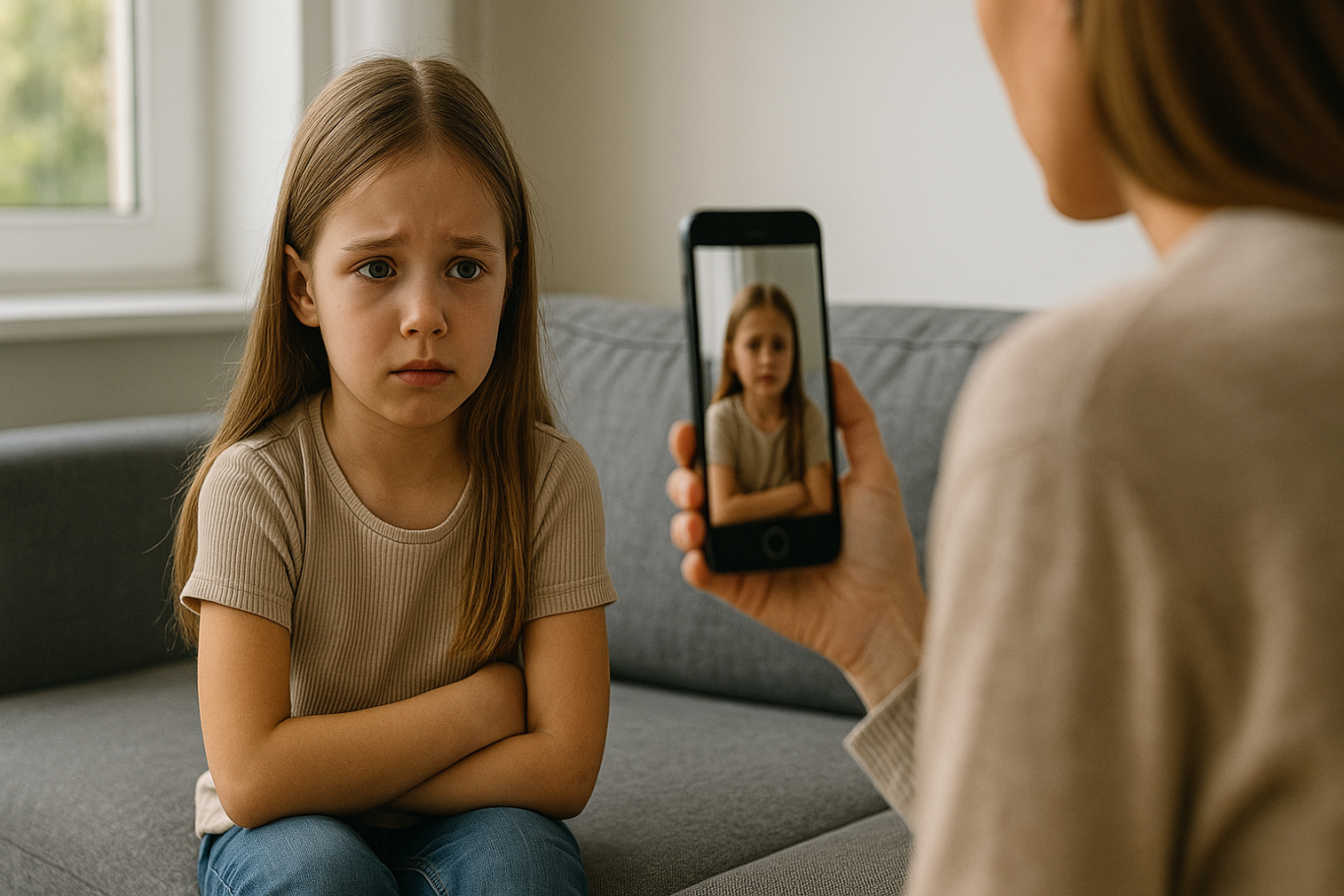
child exploitation

Child exploitation in the digital era refers to situations where children are excessively used for content creation, economic gain, or popularity, without regard for their rights, comfort, or future. In the influencer world, child exploitation often appears in the following ways:

  • Children are made the main stars in family content, pranks, or toy unboxing videos.
  • Children’s private lives are continuously exposed to the public, sometimes including sensitive moments like anger, sadness, or other personal experiences.
  • Children are asked to promote products, do endorsements, or follow trends that may not be appropriate for their age.
  • The profits generated from this content are not used for the benefit of the child, or the child is never given a voice in these decisions.

Why Is Child Exploitation by Influencers Such a Serious Problem?

There are several reasons why child exploitation by influencers is a serious issue:

  1. Violation of Children’s Rights
    Every child has the right to privacy, to grow and develop healthily, and not to be treated as a commercial object. When child exploitation happens on social media, these rights are often ignored in pursuit of popularity.
  2. Mental Health Risks
    Excessive exposure to the public eye can make children feel pressured, unsafe, or even anxious. Negative comments, online bullying, and the expectation to always be perfect can impact a child’s psychological development.
  3. Lost Childhood
    Children who are constantly on camera, have to act for content, or are heavily involved in content production are at risk of losing out on natural moments of play and age-appropriate learning.
  4. Long-Term Consequences
    Child exploitation can affect a person well into adulthood. They may struggle to form their own identity, suffer from low self-esteem, or regret their digital footprint that has already spread widely.

Warning Signs of Child Exploitation by Influencers

Parents and society need to be vigilant about these warning signs:

  • The child looks uncomfortable, forced, or often cries during filming.
  • The child is made to do things that are not age-appropriate for the sake of content.
  • All of the child’s activities are documented and shared publicly without limits.
  • Parents seem more focused on views, likes, and comments than the child’s well-being.
  • The child is never asked for their opinion about their participation in content.

The Role of Parents: Setting Boundaries, Ethics, and Responsibility

Parents play the most important role in preventing child exploitation in the digital world. Here are some steps that can be taken:

  • Respect Privacy Boundaries
    Not every moment of a child’s life needs to be shared publicly. Respect their privacy, especially if they show reluctance or discomfort.
  • Prioritize Mental Health
    Make sure children do not feel pressured, are not overexposed, and have space to be themselves off-camera.
  • Involve Children in Decisions
    Talk to your child before making content together. Listen to their wishes and feelings.
  • Educate About Digital Risks
    Help your child understand the consequences of digital footprints, cyberbullying, and the long-term impact of online content.
  • Focus on the Child’s Needs
    If content generates income, ensure the child’s rights are protected. Prioritize education, comfort, and development, not just popularity.

Society and Policy Makers Have a Role Too

Beyond parental responsibilities, society and policy makers must work together to address child exploitation. Governments need to strengthen regulations on child protection in the digital world, including rules on commercial content involving children, transparency in managing a child’s earnings, and education for both influencers and parents.

The public can also help by raising awareness or speaking up when they see content that involves child exploitation. A supportive environment is crucial to ensure this trend is not normalized or justified as mere entertainment.

Teaching Children Boundaries in the Digital Era
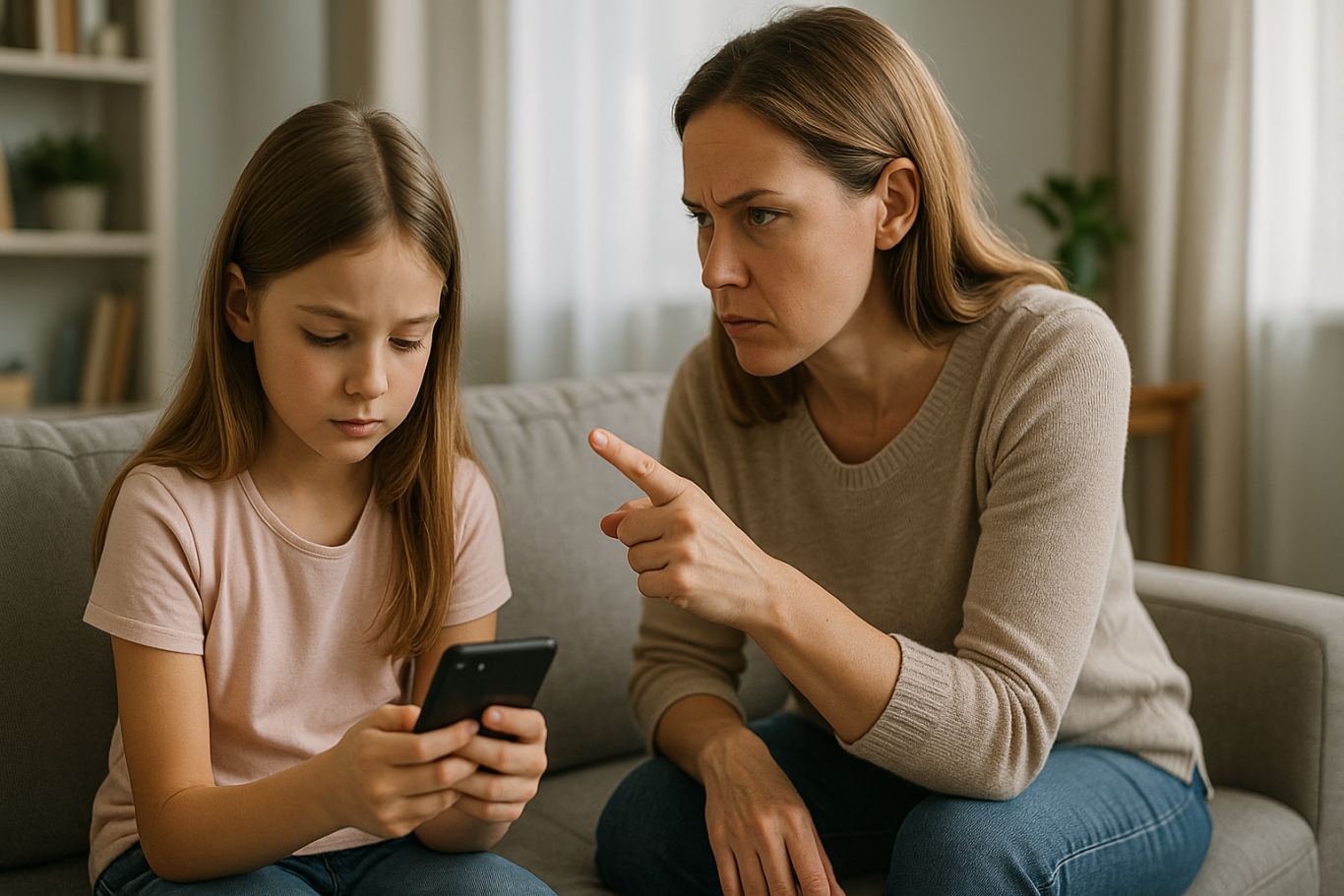
It is also important for parents to help children understand their own rights and boundaries online. Include them in discussions about what is appropriate to share on social media, and encourage them to say no if they ever feel uncomfortable. This helps children grow up with confidence and a healthy sense of self-protection from an early age.

Protect Children Wisely and Build Digital Skills

 Image

Child exploitation by influencers is a real challenge in the digital age that cannot be ignored. Parents, society, and policy makers need to work together to protect children from excessive exposure and pressure online. Always put children’s rights, well-being, and future first.

In addition to limiting children’s exposure on social media, parents can equip their children with positive skills that are relevant for the digital era, such as learning to code. By joining coding classes at Timedoor Academy, kids can nurture their creativity, develop logical thinking, and explore technology in a fun and safe way, without needing to be in front of the camera.

Sign your child up for a free trial class at Timedoor Academy so they can experience engaging, educational coding lessons that build confidence. Let’s make social media a platform for education and creativity, not a tool for child exploitation in the name of popularity.

Keep Reading

<strong>5 Best Ways Understanding Introvert vs Antisocial Kids Difference</strong>
5 Best Ways Understanding Introvert vs Antisocial Kids Difference
Many parents still struggle to tell the difference between introverted and antisocial behavior in children. Both can seem quiet or withdrawn, but they have very different meanings. Understanding introvert vs antisocial kids is essential so parents can respond with the right support and approach. Discovering Difference of Introvert vs Antisocial Kids An introverted child is someone who feels more comfortable doing quiet activities alone or with one or two close friends. They are not afraid of people, but social settings can be draining for them. Meanwhile, antisocial kids may break rules, ignore others’ feelings, and show disruptive behavior that goes beyond shyness or quietness.In this article, we will look at how to recognize introvert vs antisocial kids by identifying key behaviors and needs. 1. Different Roots Behind the Behavior Introverted kids prefer calm and independent play because it makes them feel secure and happy. It is a personal preference, not a sign of trouble. On the other hand, kids with antisocial tendencies often act out because of emotional or behavioral challenges. They may show no guilt when they hurt others or ignore rules at home and school. In this case, parents need to understand that introvert vs antisocial kids is not just about social interest, but about deeper behavioral differences. 2. Social Comfort and Adaptation Introverted children can build healthy friendships, even if it takes time. They open up when they feel safe and are not pressured to socialize too much. In contrast, antisocial children often resist or act aggressively in social situations. They may have little interest in forming relationships or even behave in harmful ways. Recognizing this helps in understanding the core difference between introvert vs antisocial kids. 3. Empathy and Emotional Response Introverts are often very empathetic. They notice how others feel and avoid conflict when possible. Antisocial kids, however, may lack empathy. They might say or do things that hurt others and show no signs of remorse. This lack of emotional connection is one of the clearest signs when comparing introvert vs antisocial kids. 4. Relationships and Communication While introverted children may have fewer friends, their relationships are often deep and meaningful. They connect on a personal level and value trust. Antisocial kids, on the other hand, tend to have troubled relationships. They may lie, break trust, or reject others altogether. This makes it hard for them to build or maintain any lasting bond. Parents should observe these patterns carefully when thinking about introvert vs antisocial kids. 5. What Parents Can Do For introverted children, it's important to respect their need for personal space. Support them by encouraging quiet hobbies, reading, or art. They still need social interaction, but in smaller, more manageable doses. If your child shows signs of being antisocial, such as constant rule-breaking or hurting others without guilt, it is best to seek help from a child psychologist. Early intervention can prevent more serious problems in the future. Learning the true nature of introvert vs antisocial kids helps guide that support. Early Awareness Brings Better Support Understanding introvert vs antisocial kids is not about labeling, but about offering the right care. Each child is unique, and when we listen without judgment, we open the door for them to grow confidently. A calm, patient environment and strong communication will make it easier for children to express their thoughts and feelings, regardless of their personality type. Want to Boost Logic and Confidence Too? Besides supporting your child's emotional growth, you can also help them develop skills like problem-solving and focus. Coding is a fun way to improve these abilities. It teaches kids structure, creativity, and critical thinking. Timedoor Academy offers fun and age-appropriate coding classes for kids. Let your child try a free coding trial class today and explore a new world of learning.
<strong>From Customer to Partner: Over 70 Parents Joined the Parentpreneurship Webinar by Timedoor Academy</strong>
From Customer to Partner: Over 70 Parents Joined the Parentpreneurship Webinar by Timedoor Academy
On Saturday, May 17, 2025, Timedoor Academy held a webinar titled “Parentpreneurship: From Customer to Partner,” a special program aimed at active students’ parents who are interested in exploring business partnership opportunities with Timedoor Academy. This event successfully attracted more than 70 participants, reflecting the high enthusiasm for collaboration in technology education. The Parentpreneurship Timedoor Academy webinar was opened by Yutaka-san, CEO of Timedoor Academy, who presented Timedoor’s vision to expand access to quality IT education across Indonesia through strategic partnerships with various partners, including students’ parents. There were also two inspiring guests of Parentpreneurship Timedoor Academy who have already become partners with Timedoor Academy: Mr. George Purba, who has experience in the F&B industry, has now opened two Timedoor Academy branches and is currently preparing for his third branch. Mr. Iskandar, who has successfully brought Timedoor Academy to Gorontalo and Manado, and is now also preparing for his third branch. Both of them showed that this partnership can be undertaken by anyone, even without a background in education or technology business, as long as there is passion and commitment to grow together. The Parentpreneurship Timedoor Academy webinar concluded with an interactive Q&A session as well as a presentation of the business proposal and market analysis, providing a comprehensive overview for participants of Parentpreneurship Timedoor Academy interested in becoming part of the Timedoor Academy family as official partners. We would like to thank all participants for joining. We hope this event will be the starting point for impactful and sustainable collaboration. Missed this event? Don’t worry! You can contact our team directly via Chat on WhatsApp or find more complete information about Timedoor Academy’s partnership program at:🔗 https://timedooracademy.com/partnership-franchise-investment/
Why Coding Games for Elementary School Kids Matter in the Digital Era 2025
In today’s digital era, children grow up surrounded by technology. They are familiar with using gadgets to play, watch, or even learn. Instead of being only passive users, children should also be equipped with the skills to create with technology. One of the most valuable skills is coding. Specifically, coding games for elementary school kids can serve as a fun entry point to introduce programming logic from an early age. Learning Through Play For children, learning while playing has always been the most effective approach. The concept of coding games for elementary school kids combines learning and play, allowing children to absorb knowledge without feeling pressured. By creating simple games, they can learn to think logically, solve problems, and understand how programs work. As a result, they are not only playing games but also building their own digital creations. The Benefits of Teaching Coding in Elementary School Introducing coding games for elementary school kids provides children with many advantages that go far beyond technical skills. Some of the key benefits include: Boosting creativity Children can express their imagination by designing characters, stories, and challenges within the games they build. Sharpening critical thinking Every game follows a set of rules. Through coding, children learn how to structure and organize these rules so the game works properly. Encouraging teamwork Many coding platforms allow kids to collaborate on projects, teaching them the importance of working with others. Preparing for the future Digital skills are becoming increasingly important. By learning coding games for elementary school kids, children are better prepared to face the demands of tomorrow. Child-Friendly Coding Platforms There are many platforms designed specifically for children. Some use colorful block-based coding that is easy to understand, while others introduce basic text-based commands gradually. Platforms like Scratch and Tynker, along with educational apps developed by learning institutions, make coding interactive and enjoyable. With this kind of approach, coding games for elementary school kids can be explored without overwhelming or intimidating young learners. The Role of Parents in Supporting Learning Parents play a vital role in supporting their children’s journey into coding. Providing time, access, and encouragement helps children grow more confident. When a child shows interest in creating a simple game, parents should appreciate their efforts and celebrate small achievements. With consistent support, learning coding games for elementary school kids becomes an engaging and meaningful activity rather than just another lesson. Teaching coding from an early age is an invaluable investment in a child’s future. With the right methods, coding goes beyond technical knowledge and becomes a way to develop creativity, logical reasoning, and resilience. Through coding games for elementary school kids, children can learn while playing and at the same time build essential skills that will serve them well in the digital era How Timedoor Academy Helps As an institution focused on technology education for children, Timedoor Academy offers a curriculum specifically designed for elementary school students. With a project-based learning method, children not only grasp concepts but also produce real outcomes such as simple games they can proudly share and play. The classes are interactive, age-appropriate, and most importantly fun. This makes coding games for elementary school kids approachable and exciting, turning challenges into enjoyable learning opportunities. Would you like your child to experience the joy of creating their own games while learning valuable skills? Sign them up for a free trial class at Timedoor Academy. Let your child discover how fun and empowering it can be to build their own digital creations. Click here to register and start their exciting journey in coding today.
float button