Jun 30, 2023

Coding for a Brighter Future: Empowering Children with Disabilities
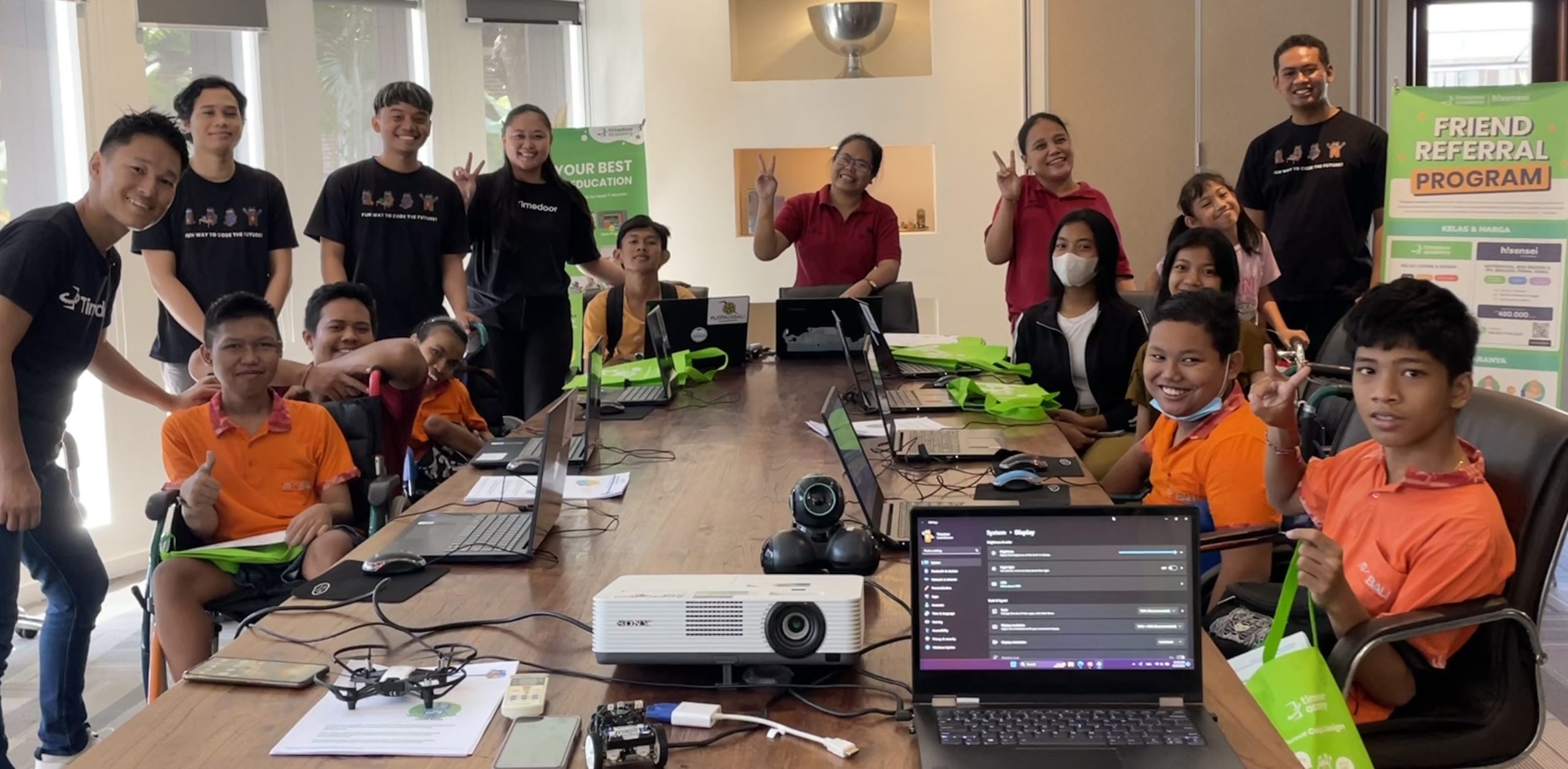
Coding for a Brighter Future: Empowering Children with Disabilities image

Timedoor Academy collaborates with Puspadi Bali to introduce coding to talented disabled children.


Introduction

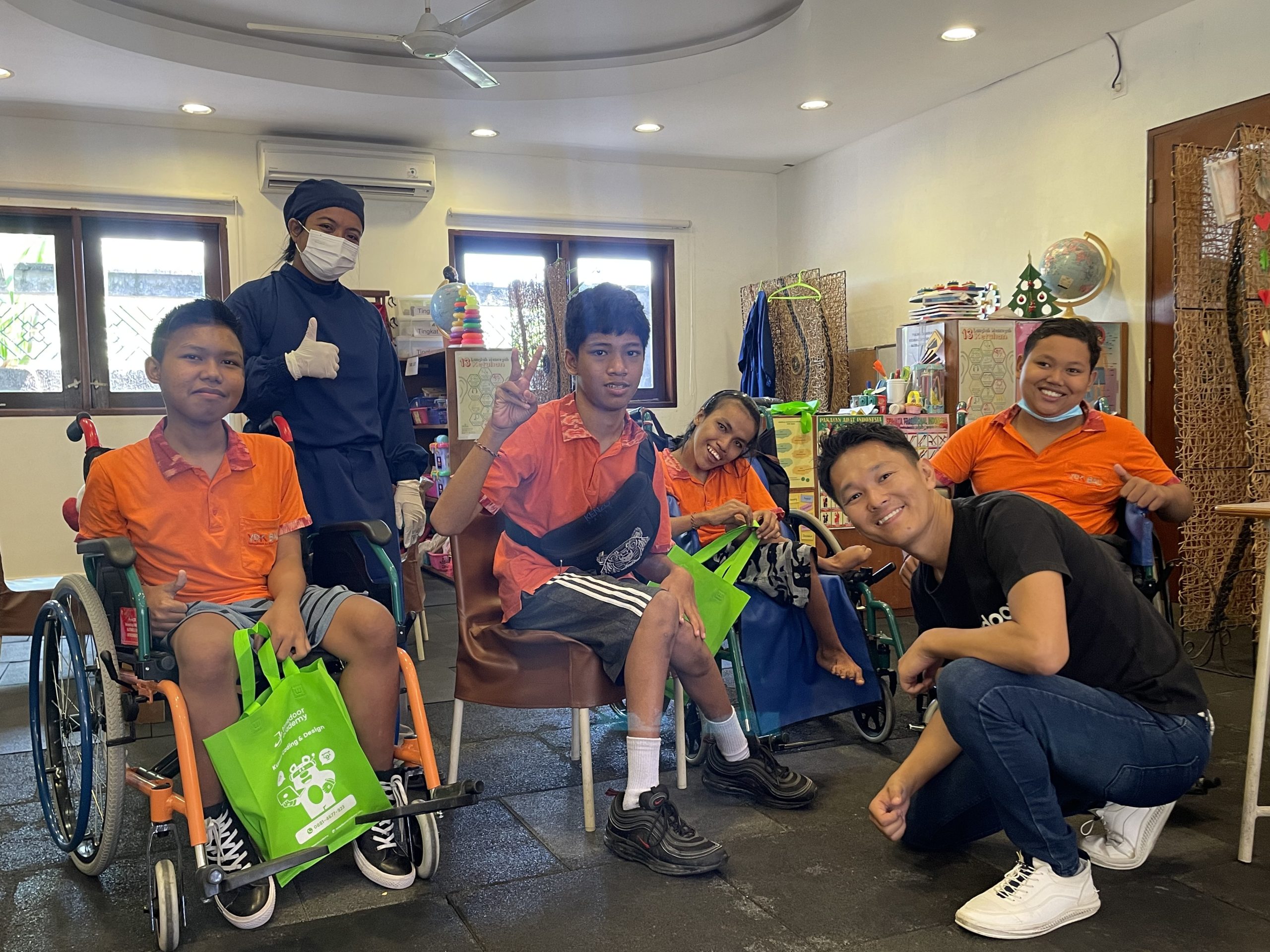
Recently, our Coding School had the wonderful opportunity to collaborate with Puspadi Bali, an organization that supports children with disabilities. Together, we organized a one-day coding workshop. This workshop aimed to show these talented disabled children how coding can offer them exciting opportunities.

 

What is Coding and Why is it Important?

Coding is the process of creating instructions for computers using programming languages. It’s an essential skill in today’s digital world. For individuals with disabilities, coding can be a very important tool. It allows them to work in many fields without the need for physical labor, and they can often work from home.
 

Challenges for Disabled Individuals in Employment

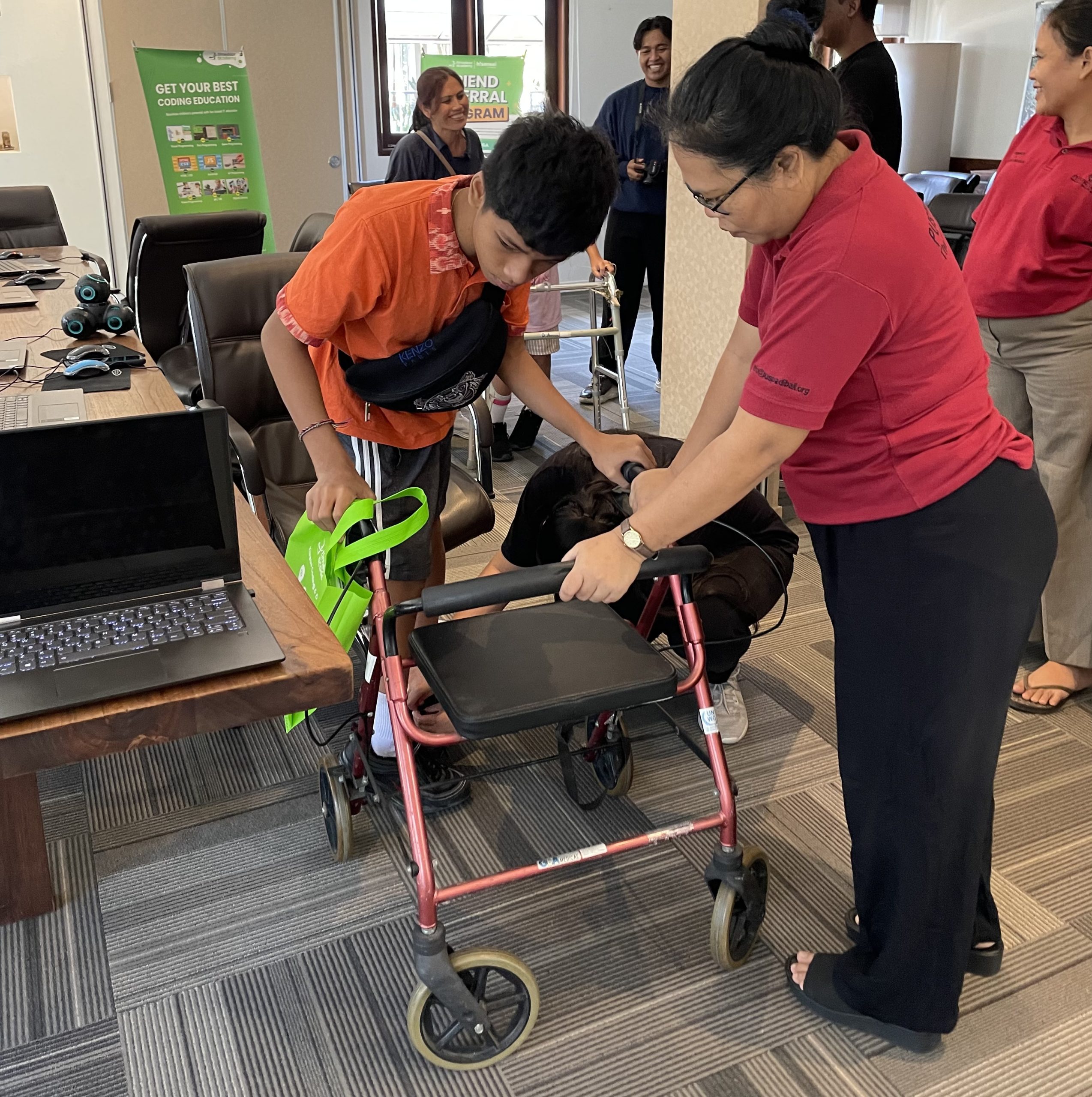
It is important to understand that people with disabilities often face challenges in finding jobs. This is due to various reasons such as physical barriers, lack of accessibility, and sometimes, sadly, discrimination. Learning to code can help them overcome these challenges as the tech industry often offers more flexible work environments.
 

Message from Yutaka

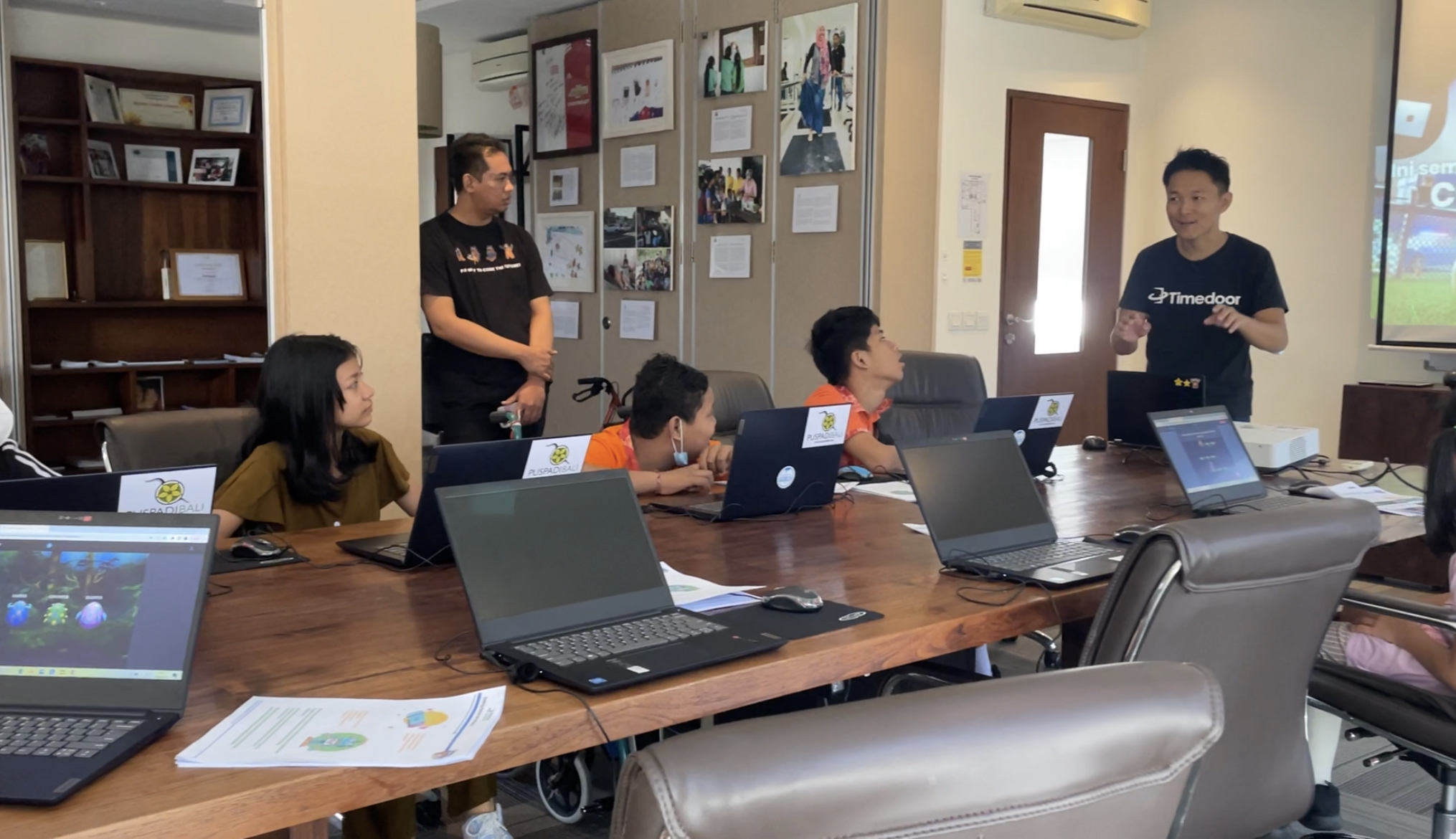
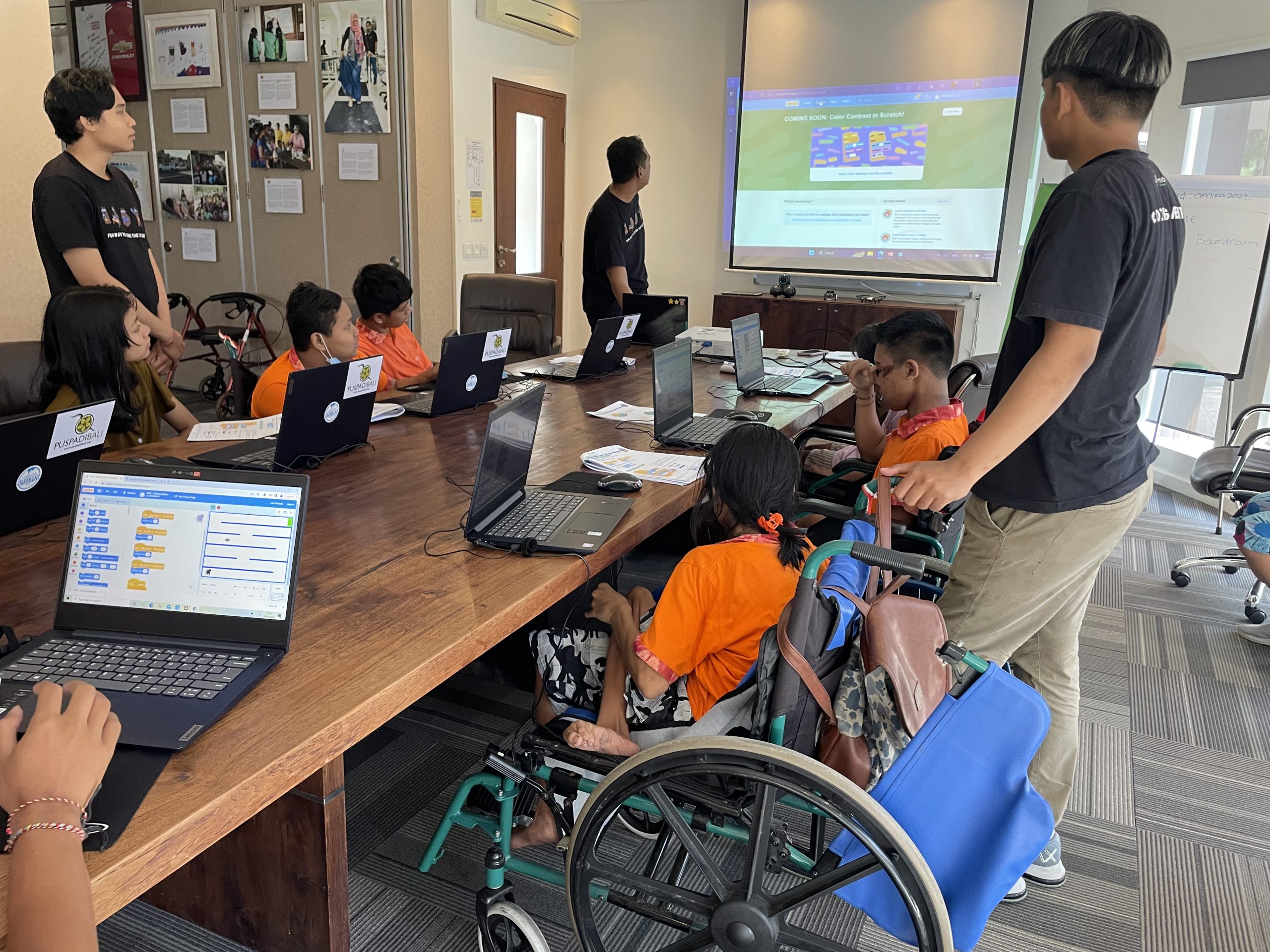
Our CEO, Mr. Yutaka Tokunaga, began the day with an inspiring talk. He explained to the children why technology and coding are so important. He encouraged them to focus on their strength and how they can use them for success instead of lamenting their misfortunes. Yutaka concludes the seminar with the message “Don’t Just Play the Game, Make One!”
 

Hands-On Coding Experience

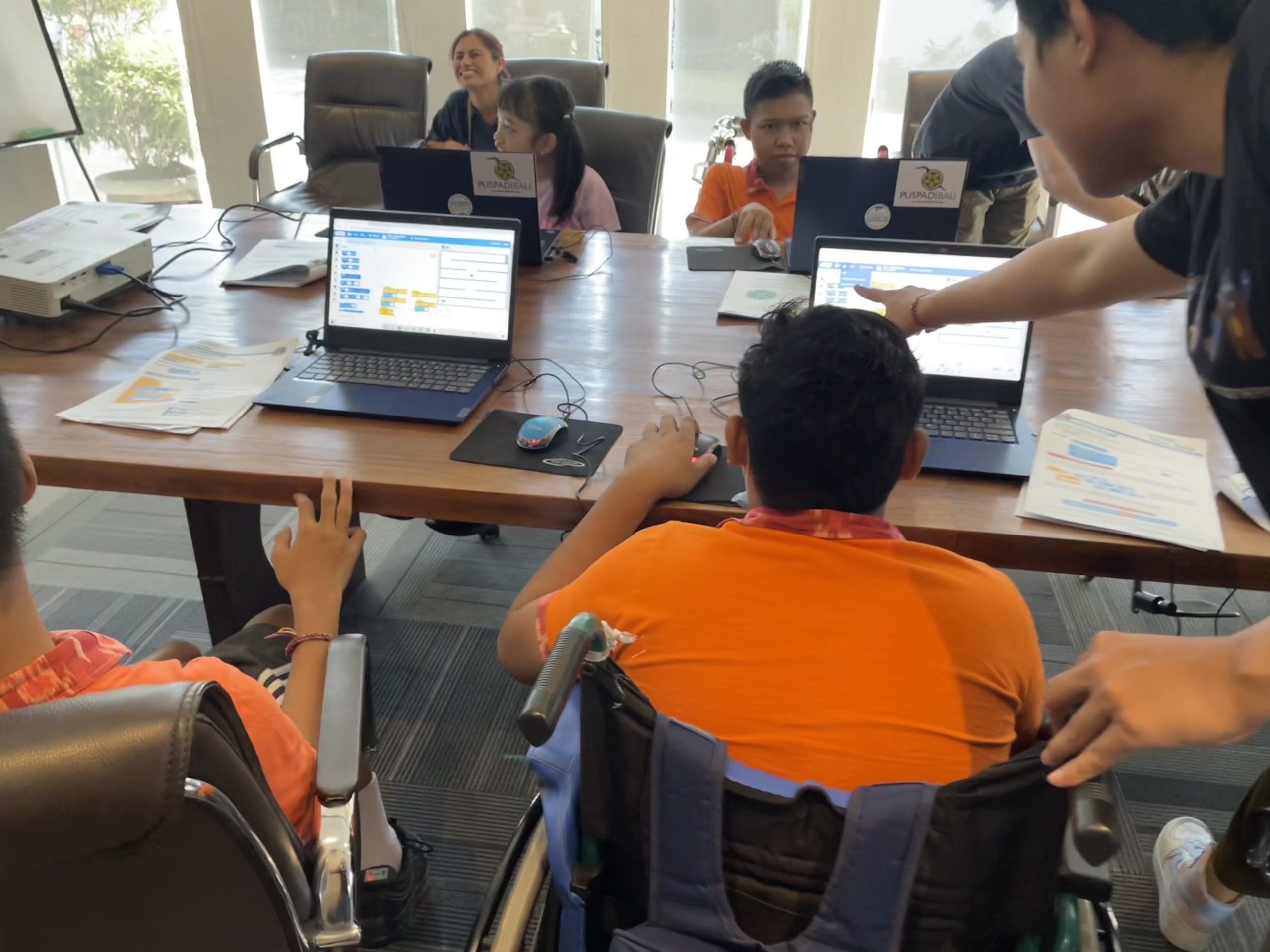
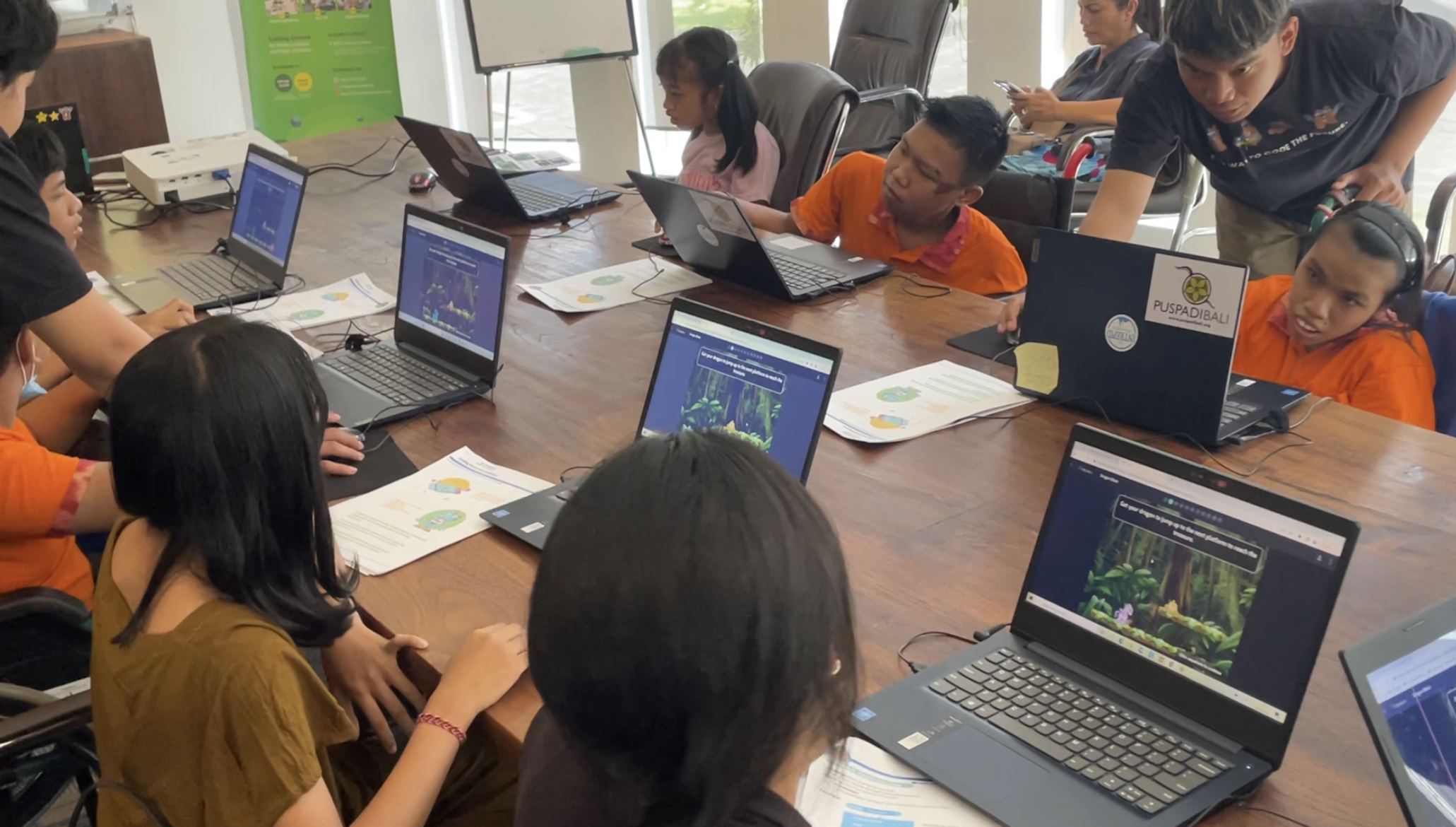
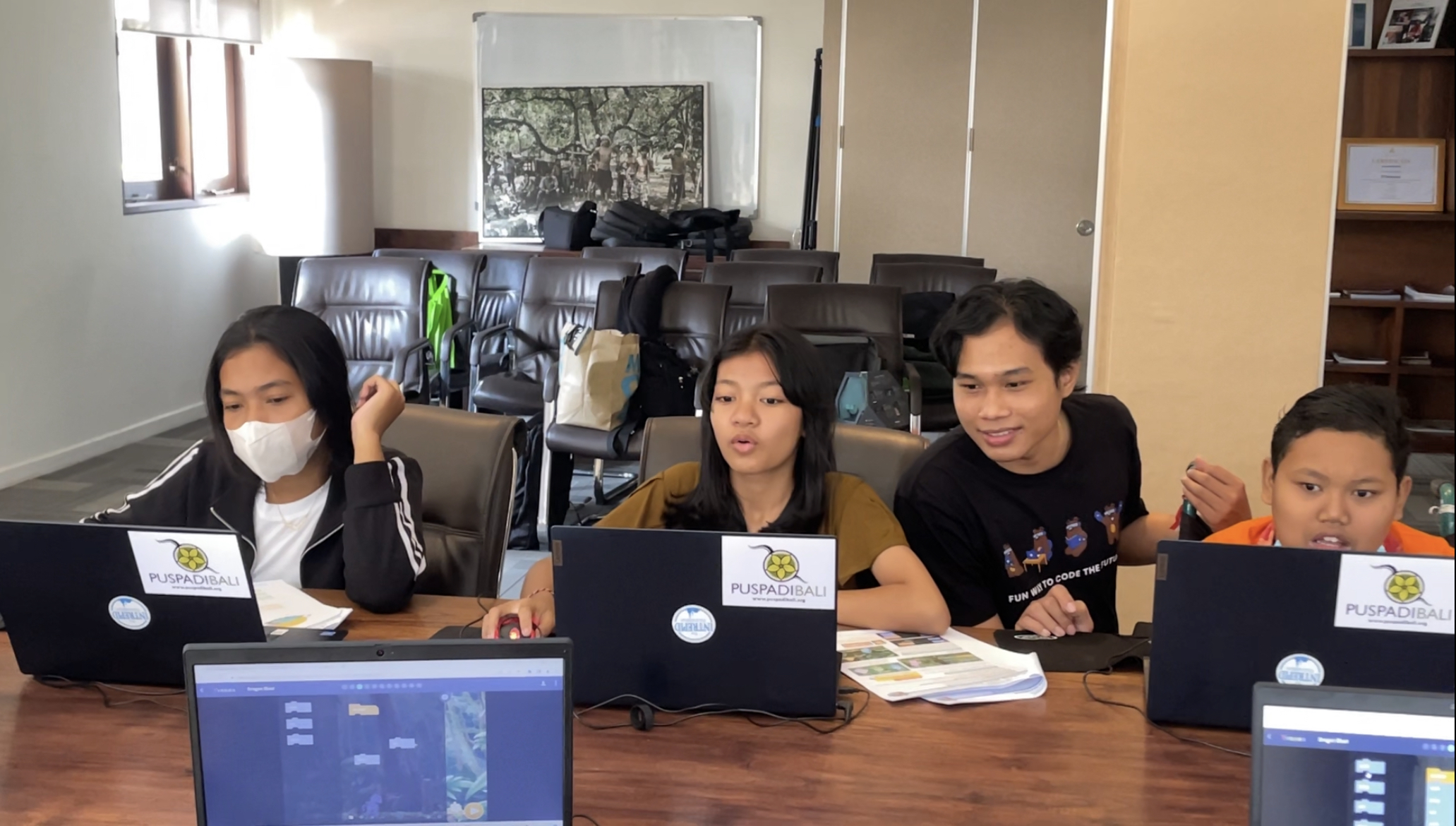
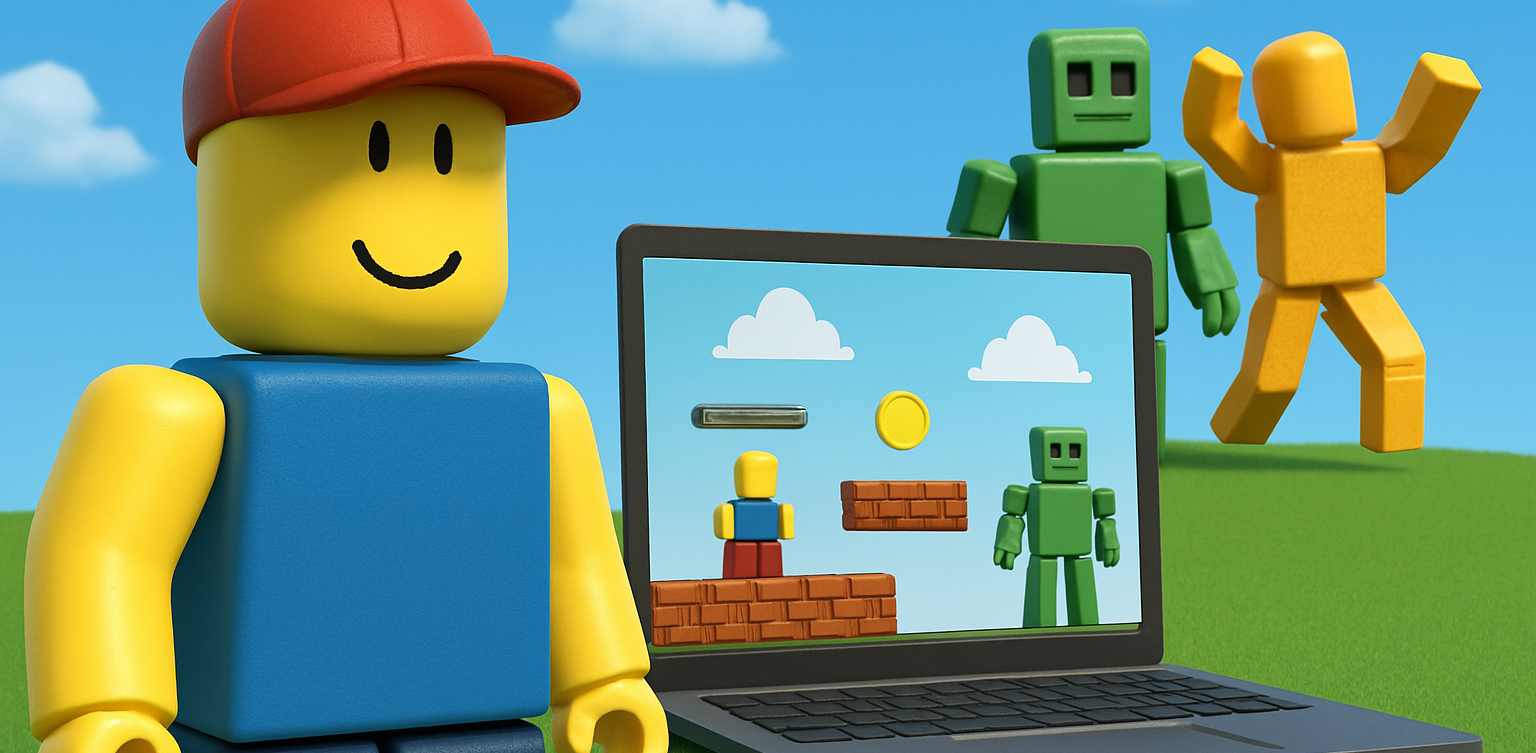
After Mr. Yutaka’s talk, the children participated in a coding workshop. They learned basic coding concepts and even built their own games using a program called Scratch. Scratch makes coding fun and easy by using blocks that fit together to build programs. The children were very focused and did an impressive job!
 

Dreams Take Flight

It was amazing to see how the workshop ignited dreams within these young hearts. By the end of the day, some of the children spoke about their aspirations to become digital entrepreneurs, programmers, or e-sports players.
 

Looking Ahead

Our Coding School is committed to giving back to the community. We believe that every child, regardless of their physical abilities, should have the opportunity to learn and grow. This workshop was just a small step in that direction, and we are excited about continuing these efforts.
 

Coding for Bright Future

As we progress into an increasingly digital age, coding skills are more valuable than ever. Through coding, we can build a more inclusive world where everyone has the opportunity to succeed and thrive. We hope that they will continue to be interested in studying and that they will use technology in the future to play an active role in society.
Keep Reading

<strong>What Is Deepfake? The Impact on Children in 2025 and How to Respond Wisely</strong>
What Is Deepfake? The Impact on Children in 2025 and How to Respond Wisely
The rapid development of digital technology has brought about countless innovations, and one of the most talked-about today is deepfake technology. Recently, the term “deepfake” has been frequently discussed, especially as more and more fake videos that appear shockingly real circulate on social media. But what is deepfake exactly, and why do parents need to understand and be cautious about this technology, especially to protect their children? This article will explain what is deepfake, how it works, and the potential impact it can have on children. We’ll also cover practical steps parents can take to help their kids face digital challenges with confidence. What Is Deepfake? Understanding the Technology Behind Fake Faces Before exploring its impact, it’s important for both parents and children to know what is deepfake. Deepfake is a term used for videos, images, or audio created with artificial intelligence (AI) so convincingly that they appear real, even though they’re fake. This technology can swap faces, mimic voices, or even make someone say or do things that never actually happened. Originally, deepfake technology was developed for entertainment and cinema, such as creating special effects in movies. However, as technology has advanced, deepfakes are increasingly misused—for spreading hoaxes, scams, and even digital bullying. That’s why digital literacy and education about deepfake is now more crucial than ever for Indonesian families. How Does Deepfake Work? To help children and parents better understand what is deepfake, let’s look at the basics of how this technology operates. Deepfake uses machine learning, especially deep learning techniques, to analyze and mimic someone’s facial expressions, voice, and movements. Using sets of videos or photos of a target, AI “learns” unique patterns and then applies them to new videos to make them appear extremely realistic. The end result of a deepfake is often very difficult to distinguish from real footage, especially at a glance. This makes deepfake technology dangerous if misused, particularly for children who may not yet know how to verify what they see online. The Impact of Deepfake on Children After understanding what is deepfake, it’s essential to recognize the negative effects it can have on children in the digital era: 1. Spread of Hoaxes and MisinformationChildren can easily be convinced by a deepfake video or audio that looks and sounds real, making them vulnerable to fake news, slander, or provocative issues. 2. Cyberbullying and ExploitationDeepfake can be used to create fake content that humiliates or damages a child’s reputation, or even as a tool for online bullying and exploitation. 3. Fraud and Privacy ThreatsA child’s personal data can be stolen and used to create deepfakes, which could then be involved in scams, blackmail, or other crimes. 4. Self-Doubt and Mental Health IssuesIf a child becomes a victim of deepfake, they may experience stress, shame, and even trauma, which can affect their self-confidence and mental well-being. 5. Difficulty Distinguishing Fact from ManipulationAt a young age, children are not fully equipped to tell the difference between genuine and fake content. Lack of digital literacy can make them more susceptible to digital manipulation. The Role of Parents: Education and Protection Simply understanding what is deepfake isn’t enough. Parents must also actively educate and guide their children to stay safe in the digital world. Here are some practical steps: Teach Digital Literacy EarlyDiscuss with your child about what is deepfake, how to spot fake content, and the importance of not believing every piece of information encountered online. Build Open CommunicationEncourage children to talk if they come across suspicious content or feel uncomfortable with something online. Strengthen Data Privacy AwarenessHelp children understand the importance of keeping personal data—photos, videos, and identity information—private and protected. Be a Role ModelParents should use technology and social media wisely, and avoid sharing or spreading unverified content. Introduce Positive Digital ActivitiesRedirect children’s attention to educational and productive digital activities, such as learning coding, creating digital projects, or exploring new knowledge. Coding: A Smart Way to Protect Children in the Digital World One concrete way to equip children for the deepfake era is to introduce them to coding. By learning to code, children don’t just become technology users—they also gain an understanding of how technology works. Coding sharpens logic, analytical skills, and encourages critical and creative thinking. Children who learn coding are better able to recognize digital manipulation and understand how AI behind deepfake works. Timedoor Academy offers interactive, fun, and age-appropriate coding programs. Children can learn to build apps, simple games, and even understand basic AI concepts through friendly and easy-to-follow methods. Time to Outsmart Deepfake, Starting from Home In today’s digital age, understanding what is deepfake should be a priority for every family. With the right knowledge, digital literacy education, and technology skills such as coding, children will be better prepared to face the risks and opportunities of the online world. Don’t let your child fall victim to digital manipulation! Register your child for a free trial class at Timedoor Academy and introduce them to coding and digital safety from an early age.
<strong>The Importance of Tutoring for Children: An Investment in Their Educational Future</strong>
The Importance of Tutoring for Children: An Investment in Their Educational Future
Tutoring for children has become an increasingly popular method of supplementary education among parents in Indonesia. This activity not only helps children catch up on school subjects but also provides a fun and interactive learning experience. The importance of tutoring for children is now widely recognized as an integral part of supporting both academic and personal development. Academic Benefits of Tutoring One of the main reasons parents choose tutoring is to improve their child’s understanding of school subjects. With guidance from experienced tutors, children can revisit concepts they have not fully understood and deepen their knowledge. The importance of tutoring for children in academic terms is also reflected in enhanced problem-solving skills, stronger fundamentals in mathematics, and improved language proficiency. Children who regularly attend tutoring sessions tend to be more confident when facing exams or completing school assignments. Developing Discipline and Study Habits Beyond academic advantages, tutoring also helps children develop discipline and regular study habits. A consistent tutoring schedule teaches children how to manage their time, prioritize tasks, and focus on their learning. The importance of tutoring for children extends beyond academic achievement to character development, fostering responsibility and self-discipline from an early age. Tutoring as a Platform for Creativity and Skills Tutoring is not limited to core subjects such as mathematics or languages. Many tutoring programs now offer creative classes, such as coding, arts, music, or science experiments. These activities provide children the opportunity to explore their talents and interests. The importance of tutoring for children in this context is evident in their ability to develop creativity, critical thinking, and problem-solving skills. Children who are encouraged to learn creatively often adapt better to different situations and challenges. Encouraging Independence Tutoring also plays a role in fostering independence. During sessions, children are encouraged to complete tasks on their own with appropriate guidance from their tutors. This approach helps children learn to take responsibility for their own learning. The importance of tutoring for children in promoting independence lays the foundation for building confidence, resilience, and decision-making skills. The Role of Parents The success of tutoring is closely linked to the involvement of parents. Support, motivation, and effective communication between parents and tutors can greatly enhance a child’s learning experience. Parents who actively participate in their child’s education provide positive reinforcement and encourage continuous growth. The importance of tutoring for children becomes more meaningful when parents actively support this additional learning at home. Choosing the Right Tutoring Program Not all tutoring programs are equal in quality. Selecting the right program that aligns with a child’s needs is essential. Parents should consider the teaching methods, tutor experience, facilities, and approaches that allow children to learn comfortably. The importance of tutoring for children also depends on how well the program matches the child’s learning style, making the experience both effective and enjoyable. Register your child at Timedoor Academy now! Overall, tutoring for children offers numerous benefits, from improved academic performance and discipline to enhanced creativity, independence, and character development. The importance of tutoring for children continues to grow as educational demands become more complex and children need to be prepared for the future. By selecting the right program and actively supporting their child’s learning, parents can ensure that children gain the maximum benefit from every tutoring session. To provide the best learning experience for your child, Timedoor Academy offers engaging and effective tutoring programs. Sign up now for a free trial and witness firsthand how your child can thrive in a supportive, creative, and interactive learning environment. Take this opportunity to support your child’s educational journey in a way that is both enjoyable and structured.
10 Best JavaScript Apps for Kids to Learn Coding in 2025
As we step into 2025, coding is no longer just for adults. Children are now learning programming through engaging tools that match their interests and age. One of the most effective ways to start is by using JavaScript apps for kids. These apps provide a fun and structured way for children to learn how to code while developing essential problem-solving and logical thinking skills. Whether your child is just starting out or already interested in tech, this list of JavaScript apps for kids in 2025 offers the perfect tools to support their coding journey.   10 Best JavaScript Apps for Kids to Learn Coding in 2025   1. CodeCombat Best for: Ages 10 to 15CodeCombat teaches real JavaScript through game-based adventures. Kids write actual code to control characters, solve puzzles, and progress through game levels. It is ideal for children who enjoy gaming and want to learn through action. What stands out: Real coding is combined with exciting missions that keep them motivated.   2. Tynker Best for: Ages 7 to 14Tynker offers lessons that grow with your child, starting with visual block coding and gradually introducing JavaScript and Python. It includes creative projects like Minecraft modding, storytelling, and space-themed challenges. What stands out: Smooth transition from beginner to real coding for long-term growth.   3. Grasshopper Best for: Ages 10 to 16Created by Google, Grasshopper is a mobile-friendly app that uses short, interactive lessons to teach JavaScript. It's excellent for older kids who are ready for more advanced program What stands out: Clean design, daily goals, and real code that builds confidence.   4. Kodable Best for: Ages 5 to 10Kodable begins with simple block coding concepts and introduces JavaScript later on. It focuses on early logic and computational thinking skills through colorful, engaging games. What stands out: Family dashboard for parents to support and track their child's progress.   5. Code.org’s App Lab Best for: Ages 11 to 16App Lab gives kids the freedom to build their own apps using JavaScript. It is perfect for students who are ready to apply their skills through hands-on projects. What stands out: Combines design tools and coding to promote both creativity and technical ability.   6. Bitsbox Best for: Ages 8 to 14Bitsbox is a unique service that sends coding projects to your home, teaching kids how to build apps using real JavaScript. It is ideal for learners who benefit from physical materials alongside digital practice. What stands out: Kids can test their creations on phones or tablets instantly.   7. Hopscotch (with JavaScript transition) Best for: Ages 9 to 13Hopscotch is a visual coding app that also encourages older users to explore JavaScript through community-driven projects and tutorials. It appeals to children who are artistic and love customizing their work. What stands out: Blend of art and code helps kids express creativity.   8. CodeMonkey’s Game Builder Best for: Ages 8 to 12CodeMonkey introduces kids to programming concepts with a JavaScript-style language and game-based learning. Later stages include real JavaScript coding as kids grow more confident. What stands out: Helpful support resources for both kids and educators.   9. LightBot: Code Hour + JavaScript Add-ons Best for: Ages 6 to 11LightBot uses puzzles to teach basic programming logic. It pairs well with JavaScript extensions that introduce actual syntax when the child is ready to move beyond the basics. What stands out: Offline play combined with logic-based challenges.   10. ScriptKit Junior Best for: Ages 10 to 14ScriptKit Junior is a lightweight coding app for iPads where kids can build basic apps using simplified JavaScript. It is ideal for those interested in app development without the complexity of a full IDE. What stands out: Combines touch interaction and coding for intuitive learning.   Why Use JavaScript Apps for Kids? These JavaScript apps for kids help young learners grasp real programming skills in a way that is accessible and exciting. They build a foundation for future learning in tech, engineering, and creative fields. Key benefits include: Developing logical thinking and focus Enhancing creativity through project-based tasks Preparing for future tech careers Boosting self-confidence in problem solving   Choosing the Right JavaScript Apps For Kids To get the most out of JavaScript apps for kids match the app to your child’s age, interests, and goals. Here are a few tips: Test the app yourself to ensure it is ad-free and safe Choose apps with structured learning paths Encourage regular use without overdoing screen time Combine coding with offline creative play or group activities   Support Their JavaScript Learning at Timedoor Academy At Timedoor Academy, we offer both online and offline classes that introduce kids to the world of coding through engaging lessons in JavaScript, Python, robotics, and more. Our structured programs help children build strong technical and critical thinking skills in a fun, supportive environment. Try a free class at Timedoor Academy and discover how we make coding accessible and meaningful for kids of all ages. Visit our website to learn more and start your child’s smart tech journey today.
float button