May 20, 2025

Effects of Internet on Children in 2025: Positive Impacts, Risks, and the Role of Coding in Preparing for the Future
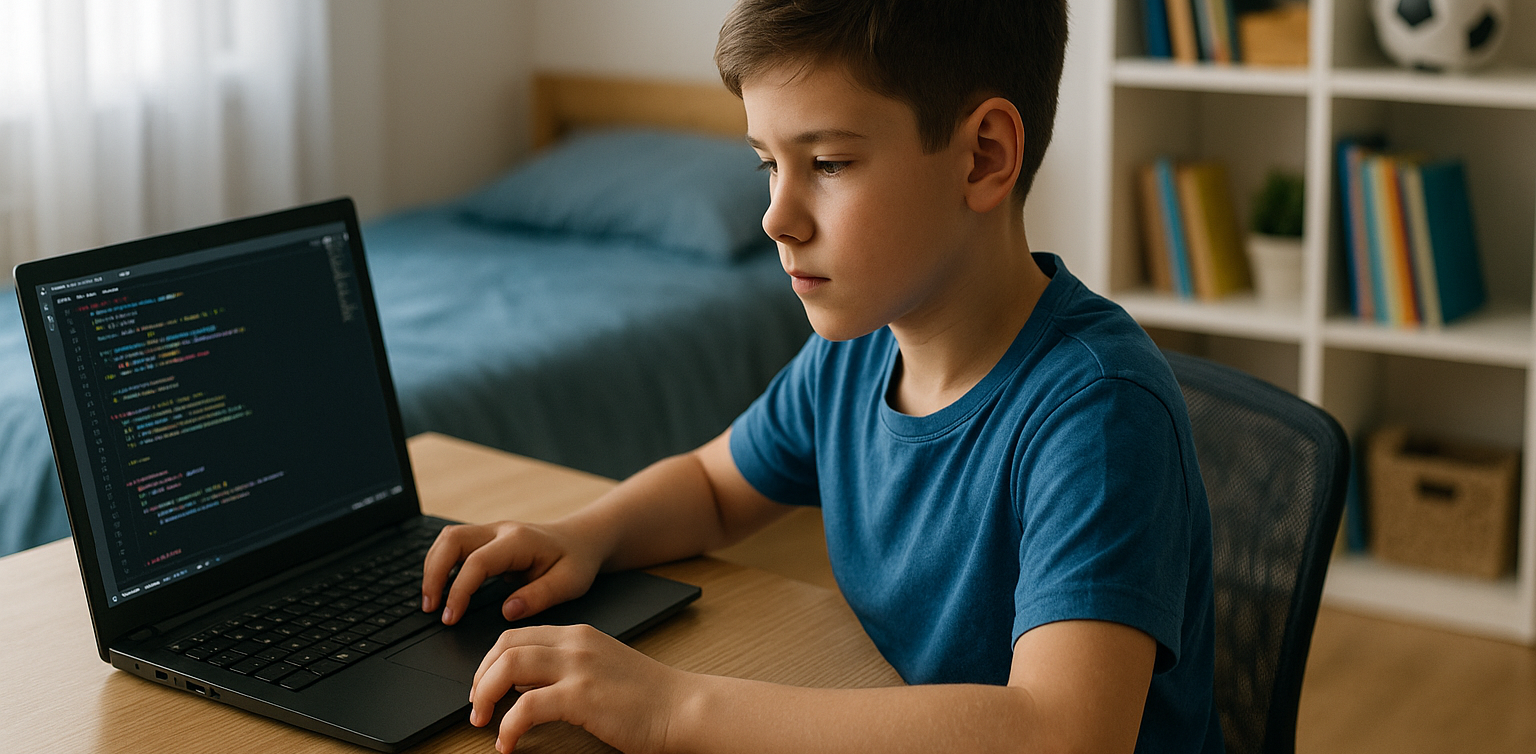
Effects of Internet on Children in 2025: Positive Impacts, Risks, and the Role of Coding in Preparing for the Future image

The effects of internet on children is an increasingly important topic for parents and educators to understand. In today’s fast-growing digital world, the internet provides unparalleled access to information but also presents significant challenges, especially in children’s development. This article explores in detail the various effects of internet on children, both positive and negative, and explains how learning coding can help children become smart and responsible technology users.

Positive Effects of Internet on Children

effects of internet on children

The internet offers many important benefits for children’s learning and growth. Through the internet, children can independently access digital learning resources such as educational videos, interactive games, and informative articles available anytime. These positive effects of internet on children help broaden their knowledge and enhance their critical and creative thinking skills.

In addition, the internet enables children to communicate and collaborate with peers and teachers remotely. This has greatly supported education, especially in situations like remote learning which is increasingly common. Access to diverse information allows children to explore their interests and talents more widely than ever before.

Risks and Negative Effects of Internet on Children

Despite many benefits, the effects of internet on children also come with risks that must be managed carefully. Without proper supervision or guidance, children may be exposed to inappropriate content such as violence, pornography, or misinformation. Such exposure can harm their psychological well-being and moral development.

Gadget addiction is another serious concern resulting from unlimited internet use. Prolonged screen time can cause health problems like eye strain, poor sleep, and reduced real-life social interactions. Moreover, digital security threats such as cyberbullying and data theft continue to rise.

Therefore, parents and educators must actively supervise and guide children to ensure their internet use remains safe and positive.

The Importance of Coding Education to Address the Effects of Internet

One effective way to prepare children for the effects of internet on children is by equipping them with digital skills through coding education. Coding not only teaches children how to develop software but also strengthens logical thinking, problem-solving, and creativity.

Understanding technology fundamentals enables children to become critical thinkers rather than passive internet users. They become more cautious of harmful content and can utilize technology for positive and productive purposes. Learning coding also boosts children’s confidence in navigating the digital world.

Timedoor Academy offers coding programs designed specifically for children, using fun and interactive teaching methods. Children can start coding early with professional teachers’ guidance, learning to use technology responsibly.

How Parents Can Support Children Facing the Effects of Internet
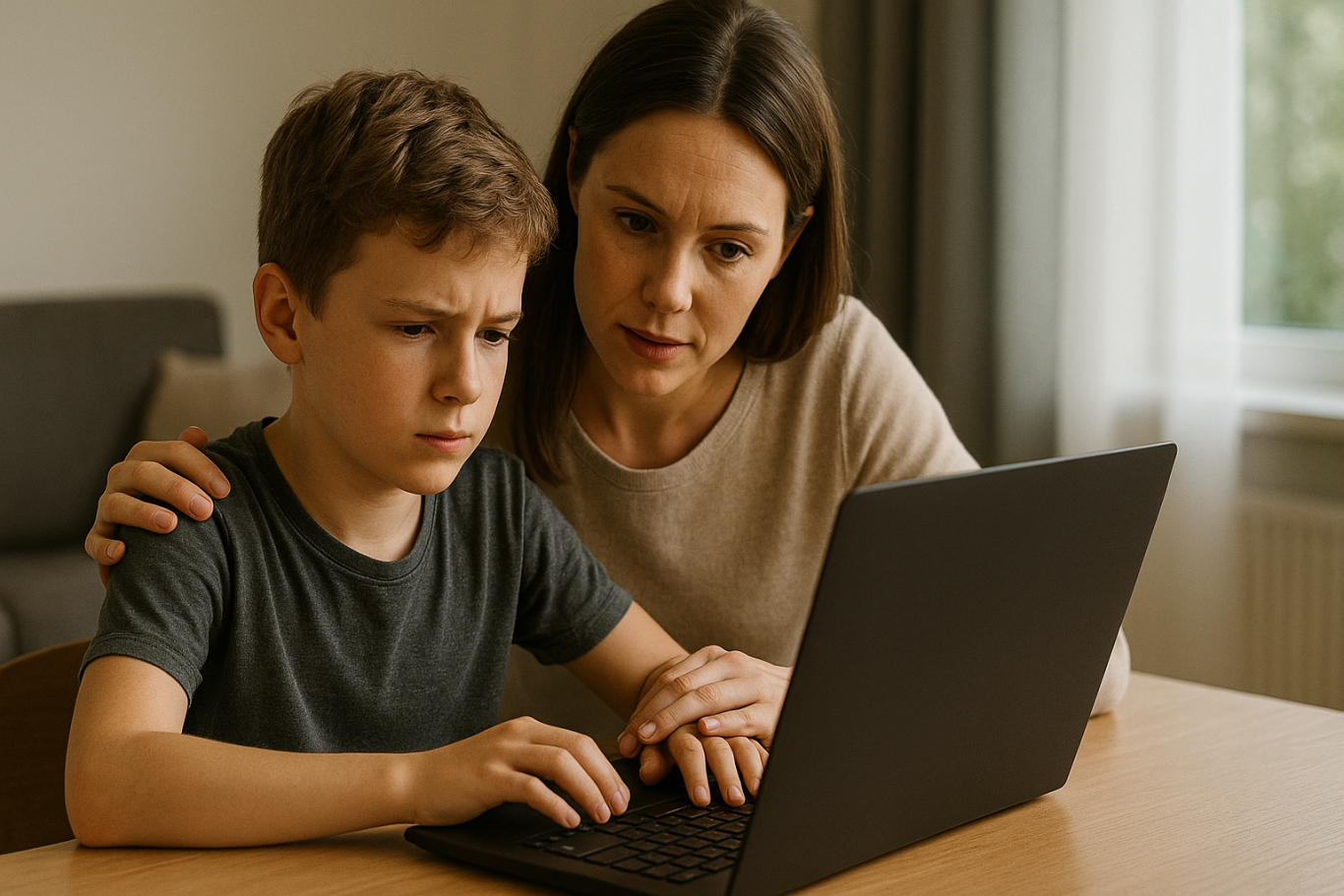
Parents play a crucial role in managing the effects of internet on children to ensure positive outcomes. Here are ways parents can help:

  • Limit screen time and internet use based on the child’s age.
  • Monitor and control the content children access to ensure age-appropriateness.
  • Discuss the benefits and dangers of the internet to foster digital awareness.
  • Encourage participation in coding classes to build solid tech skills.

With active parental involvement and proper education, children can become smart, responsible internet users.

Preparing Children’s Future with Digital Literacy and Coding

Ingin tahu detail program? Image

Ingin tahu detail program?

The effects of internet on children present both opportunities and risks. To navigate these challenges, coding education is an effective solution that helps children develop critical, creative, and responsible technology habits.

By learning coding, children acquire valuable technology skills alongside critical thinking and problem-solving abilities useful throughout life. Parents aiming to give their children the best foundation can enroll them in Timedoor Academy’s coding programs, which feature experienced instructors and a free trial class option.

Don’t miss the chance to equip your child with essential digital skills for a bright future. Register now at Timedoor Academy and start a fun, rewarding coding journey!

Keep Reading

<strong>Building Positive Habits in Children on National Children’s Day</strong>
Building Positive Habits in Children on National Children’s Day
Every year on July 23rd, Indonesia celebrates National Children’s Day to show appreciation for the next generation. It is a moment of reflection for parents, educators, and communities to prioritize the needs, safety, and development of children. One of the most impactful ways to invest in a child’s future is by building positive habits in children from an early age. Habits are behaviors formed through repetition, and they often last a lifetime. Childhood is a critical phase in which values and patterns take root. That is why building positive habits in children during these formative years is so important. Why Early Habits Matter Simple routines like tidying up toys, saying “thank you,” or putting trash in the bin may seem minor. However, they lay the foundation for greater life skills such as responsibility, discipline, and empathy. On a broader level, building positive habits in children involves nurturing a mindset of honesty, teamwork, curiosity, and respect for learning. Children who are raised with consistent, positive habits are more likely to grow into responsible, independent individuals with strong character. On the other hand, children who lack structure or guidance during their early years may adopt unhealthy behaviors that are difficult to change later. The Role of Parents and the Environment Parents play the central role in building positive habits in children. Kids learn more from what they see than from what they are told. That means parents must model the values they wish to pass on. Showing punctuality, gratitude, patience, and balanced screen time will speak louder than any instruction. Beyond the home, children are shaped by their surroundings schools, peers, and community influences all matter. A supportive environment with positive reinforcement, teamwork, and structured activities helps strengthen the values instilled at home. Practical Ways to Start Building Positive Habits in Children Be Consistent Change doesn’t happen overnight. Whether it’s encouraging your child to read each night or tidy up after playing, repetition is key. Even ten minutes of daily practice can make a long-term difference. Lead by Example Children mimic behavior. If you want your child to manage time well, show them how you do it. Let them see you following schedules, keeping promises, and avoiding distractions. Use Encouragement and Praise A simple “Great job!” or “Thank you for helping” goes a long way. Positive reinforcement helps motivate kids to repeat good behaviors. Allow Room for Mistakes When building positive habits in children, understand that mistakes are part of the learning process. Patience and guidance are more effective than punishment. Involve Children in Decision-Making Let your child help plan their daily routine or choose their afternoon activity. When they feel a sense of ownership, they are more likely to stick to their responsibilities. Integrate Technology Wisely In today’s world, technology cannot be separated from childhood. Instead of avoiding it, guide your child to use it for learning. Educational apps, coding platforms, and creative tools can help turn screen time into productive time. National Children’s Day as a Moment for Reflection and Action National Children’s Day is not just a celebration, but an opportunity for reflection. As a society, have we done enough to support and protect children? As parents, have we been present enough in guiding their development? And most importantly, are we truly committed to building positive habits in children that will prepare them for the future? Positive habits are not built in a day. They take consistency, collaboration, and encouragement. Families, schools, and communities must work hand in hand to create environments that nurture growth and character. Try a Free Coding Class at Timedoor Academy The journey of parenting is filled with joy, challenge, and responsibility. National Children’s Day reminds us that every child deserves support, attention, and guidance. And one of the most meaningful forms of guidance we can offer is by consistently building positive habits in children. At Timedoor Academy, we believe that technology and character education go hand in hand. Our online coding and digital literacy programs are designed not only to build skills, but also to nurture self-discipline, curiosity, and confidence. Register your child for a free trial class today and take the first step in building habits that last a lifetime. Let’s shape a brighter future together one child at a time.
7 Types of Robot Coding Suitable for Beginners
In today’s digital era, introducing children to technology is becoming increasingly important. One of the most engaging and educational ways to do this is through robot coding. This activity not only develops logical thinking but also fosters creativity, problem-solving skills, and teamwork. For parents, choosing the right robot coding tool for beginners is crucial. There are many options available, from simple to more advanced robots. To make the decision easier, let’s explore the benefits of robot coding, the types of beginner-friendly robots, and tips for choosing the most suitable option for your child. Why Choose Robot Coding for Beginners Robot coding is designed to help children learn programming interactively. Instead of only typing code on a screen, they can see how their commands make a robot move or perform specific actions. This makes the learning process more tangible and fun. Children become motivated to experiment because they immediately see the results of their code. For example, when they program a robot to move forward or avoid an obstacle, they witness how logic and commands shape real outcomes. This builds confidence and curiosity in young learners. Types of Robot Coding for Beginners Here are some beginner-friendly robots that children can easily explore: Line Following Robot This robot uses light sensors to follow a line on the floor. It is simple but effective for teaching decision-making based on conditions.   Obstacle Avoidance Robot Equipped with ultrasonic or infrared sensors, this robot avoids obstacles in its path. Children learn about basic if-else logic, which is fundamental in coding. Drawing Robot This robot can create patterns or drawings on paper. It is perfect for children who enjoy art, as they can combine coding logic with creativity.   Voice Controlled Robot A robot that responds to simple voice commands like “move” or “stop.” This helps children understand how machines interact with human input.   Dancing Robot Small robots that can be programmed to dance to patterns or music. It shows children that robot coding can be fun and expressive.   Sensor-Based Robot Robots equipped with light, temperature, or motion sensors that react to environmental conditions. For example, moving when motion is detected or turning on lights when it is dark.   Modular Robot Robots that can be reassembled and programmed with new functions. These encourage creativity and problem-solving by letting children design and rebuild their robots. With this wide selection, parents can choose robots based on their child’s interests. If the child enjoys art, a Drawing Robot is ideal. For those who love challenges, an Obstacle Avoidance Robot may be more suitable. Tips for Choosing Robot Coding Tools for Kids Match with Age Select robots appropriate for the child’s development stage. Younger children may benefit from block-based coding systems, while older ones can explore text-based coding.   Consider Child’s Interests Children who like creativity may prefer drawing robots, while those interested in problem-solving might enjoy sensor-based or obstacle avoidance robots.   Ease of Use A beginner robot coding kit should come with clear instructions, a user-friendly app, and ideally an active support community.   Prioritize Safety Ensure the materials are safe, durable, and suitable for repeated use by children. Long-Term Benefits of Learning Robot Coding Robot coding is not just a hobby. It builds a strong foundation for future skills. Children develop logical thinking, creativity, and perseverance, all of which are critical for success in the digital age. By experimenting with robots, kids also build resilience. If a program doesn’t work as expected, they learn to troubleshoot and try again, developing patience and determination. Parents can also participate in the process, making it a shared family activity that strengthens bonds while learning new skills. Learning Robots Coding Easier with Timedoor Academy Introducing children to robot coding at an early stage is a wise investment in their future. With the many beginner-friendly options available, each child can find a robot that suits their interests and learning style. If you are looking for a program that blends technology with creativity, Timedoor Academy offers interactive courses that can guide children step by step. Register your child now for a free trial at Timedoor Academy and discover how robot coding can be both an enjoyable and meaningful learning experience for their future.
Beware of Social Media Platforms Children Should Avoid in 2025
In today’s digital age, social media is part of everyday life — even for children. Many kids have social media accounts before they even reach their teenage years, whether to play games, watch videos, or stay in touch with friends. But not all platforms are safe or appropriate. There are several social media platforms children should avoid due to the high risks they pose to their safety and psychological development. Why Should Children’s Access to Social Media Be Limited? Children are still in the process of developing cognitive and emotional maturity. They often don’t fully understand privacy boundaries, long-term consequences of online posts, or how to handle harmful digital interactions. Without proper supervision, children can be exposed to inappropriate content, online predators, cyberbullying, and even social media addiction. That’s why parents need to be aware of the social media platforms children should avoid, and replace them with safer, age-appropriate alternatives. List of Social Media Platforms Children Should Avoid Here are several platforms that are not recommended for children, especially without parental supervision: TikTok (without child restrictions)While TikTok offers “Family Pairing” and “Restricted Mode,” the reality is that explicit content, dangerous challenges, and toxic comments are still easily accessible. The platform’s algorithm quickly delivers viral content, some of which may not be suitable for kids. X (formerly Twitter)X is an open platform where anyone can post opinions and information, often without filters. Harmful content, hate speech, and misinformation are rampant. The DM (Direct Message) feature also allows strangers to contact users directly — a big risk for children. DiscordInitially created for gaming communities, Discord has expanded into all kinds of chat servers. Many are public and unmoderated, making it easy for children to encounter inappropriate language, adult content, or strangers with bad intentions. InstagramInstagram often pressures kids to focus on appearance, popularity, and curated lifestyles. Its comment and DM features can become avenues for cyberbullying or unhealthy social comparisons. FacebookThough no longer a favorite among younger users, Facebook is still widely used by adults. The platform exposes kids to hoaxes, extreme content in groups, and unwanted interactions, making it one of the social media platforms children should avoid. Recognizing which social media platforms children should avoid allows parents to take control of their child's digital environment and redirect their attention to safer spaces. Psychological and Social Risks Allowing children to use social media platforms children should avoid can lead to serious consequences. Children may experience low self-esteem from comparing themselves to others, feel pressure to maintain a certain online image, or face emotional distress from negative comments. Exposure to violent or sexual content can disrupt emotional growth and affect how children view relationships and self-worth. In the long run, it can lead to mental health issues and strained social development offline. How to Protect Children from Harmful Social Media Parents can take the following steps to protect children from risky digital exposure: Delay social media access until they are readyRespect the minimum age requirements of each platform. Make sure your child is mentally and emotionally ready before allowing them to join. Use parental control apps and settingsMany platforms offer tools that help monitor and limit what kids can access. Enable privacy and safety settings wherever possible. Check in on your child’s digital activity regularlyThis isn’t about spying but ensuring that your child’s online space is safe and healthy. Open up conversations about online content and friendshipsEncourage children to share what they see and experience online. Building trust is key to early problem detection. Introduce educational and kid-friendly platformsSafer alternatives like YouTube Kids or interactive learning platforms are better choices than social media platforms children should avoid. A Safer Digital Experience Starts with Awareness Understanding which social media platforms children should avoid is a crucial step in developing healthy digital habits. The online world can be fun and enriching — but only when children are equipped with the right tools, knowledge, and adult guidance. If you're looking for a way to introduce your child to the digital world safely and meaningfully, Timedoor Academy offers kid-friendly coding and digital literacy classes. You can also try a free trial class today and discover how digital learning can be both safe and fun from the start.
float button