Oct 24, 2025

7 Important Reasons Why Understanding the Function of VR in the Future Will Change How Children Learn
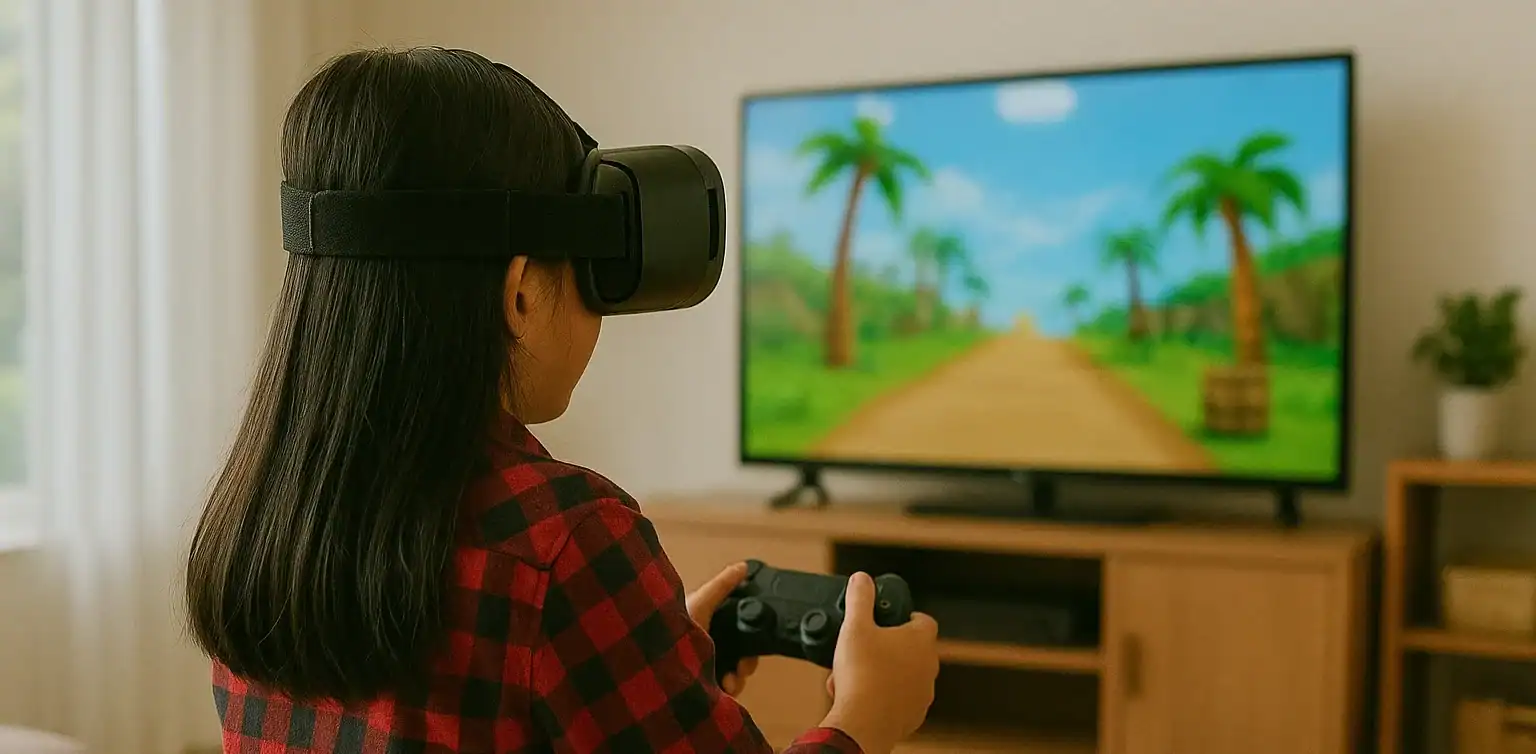
7 Important Reasons Why Understanding the Function of VR in the Future Will Change How Children Learn image

Technology is advancing rapidly, and one of the most fascinating innovations shaping the future is Virtual Reality (VR). In the past, VR might have sounded like a concept from a science fiction movie, but today, this technology has become a real part of education, entertainment, and even professional training. With its ability to create deep and immersive experiences, the function of VR in the future is predicted to become one of the most important elements in the ever-evolving digital world.

Virtual Reality allows users to interact with an artificial environment that feels realistic through headsets and sensors. In the context of education, this technology is not just a form of entertainment but also a bridge to deeper and more interactive learning. Children can explore outer space, study human anatomy, or even conduct scientific experiments virtually without any real-world risks.

But how important is the function of VR in the future, and how can this technology shape the way our children learn and grow? Here are seven strong reasons why every parent needs to understand the great potential of this technology

1. Providing a More Realistic Learning Experience
function of VR in the future

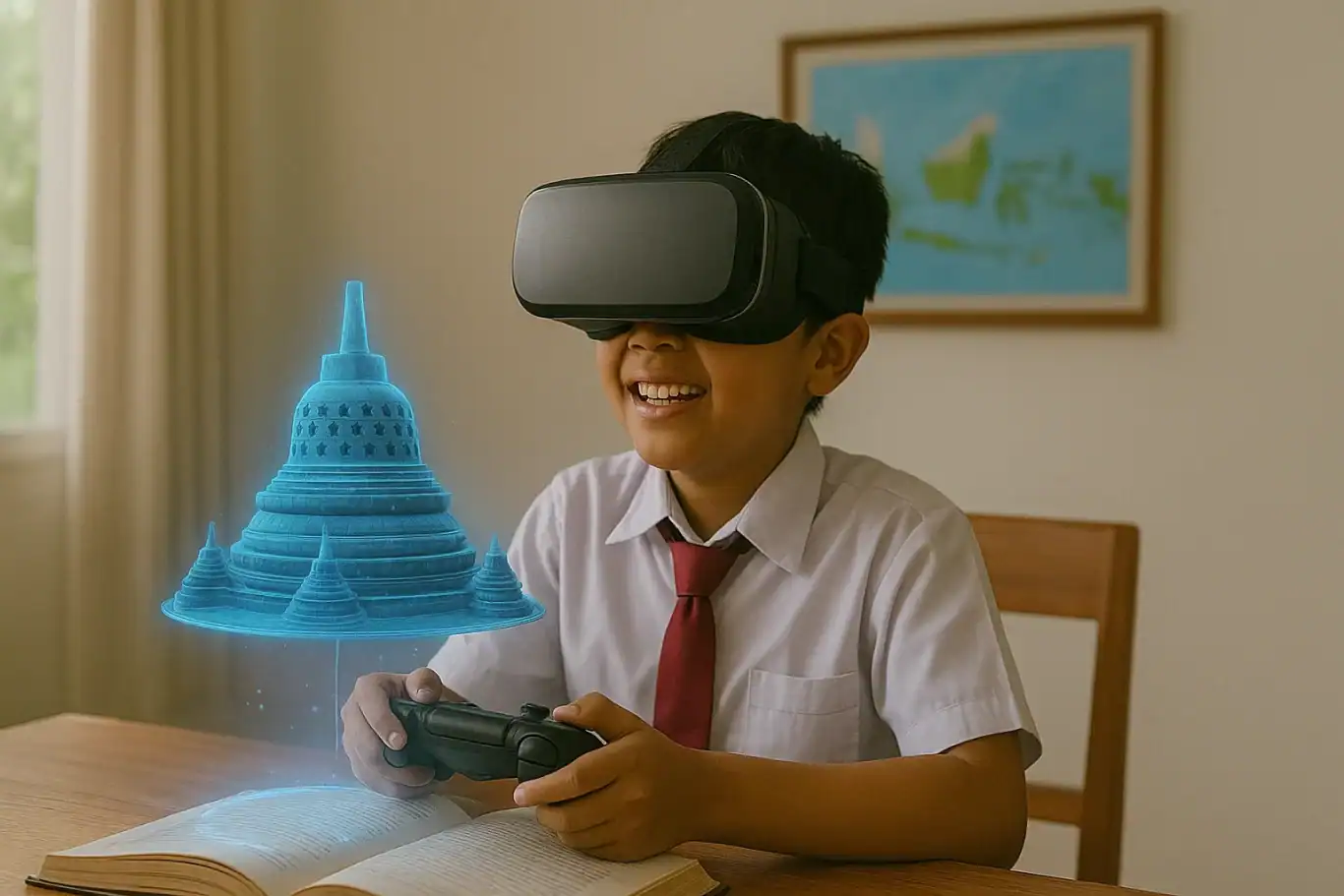
One of the most promising functions of VR in the future is its ability to provide immersive and realistic learning experiences. Instead of only reading books or watching videos, children can “enter” directly into the learning material. For example, when studying history, they can explore the Egyptian pyramids or witness historical events as if they were truly there.

This experience-based learning improves children’s understanding of concepts and memory retention. With more sensory engagement, their brains process information in a more meaningful way.

2. Increasing Children’s Engagement and Motivation

Learning is often a challenge for children, especially when teaching methods feel monotonous. Through the function of VR in the future, learning activities can turn into something exciting and full of adventure.

Imagine children learning coding, physics, or biology in a virtual world where every lesson becomes an interactive game. VR provides a sense of exploration and discovery that keeps children more motivated to learn. Additionally, this technology helps children with visual or kinesthetic learning styles better understand material in ways that suit their strengths.

3. Developing Empathy and Social Awareness

Beyond formal education, the function of VR in the future also plays an important role in developing empathy and social understanding. With VR, children can experience what it feels like to be in someone else’s situation, such as living in another country or understanding the challenges faced by individuals with physical limitations.

These experiences broaden their perspectives and nurture values such as compassion, empathy, and respect for diversity. In an era of globalization, these abilities are invaluable in shaping a more inclusive and open-minded generation.

4. Supporting the Learning of Technical and Practical Skills
function of VR in the future

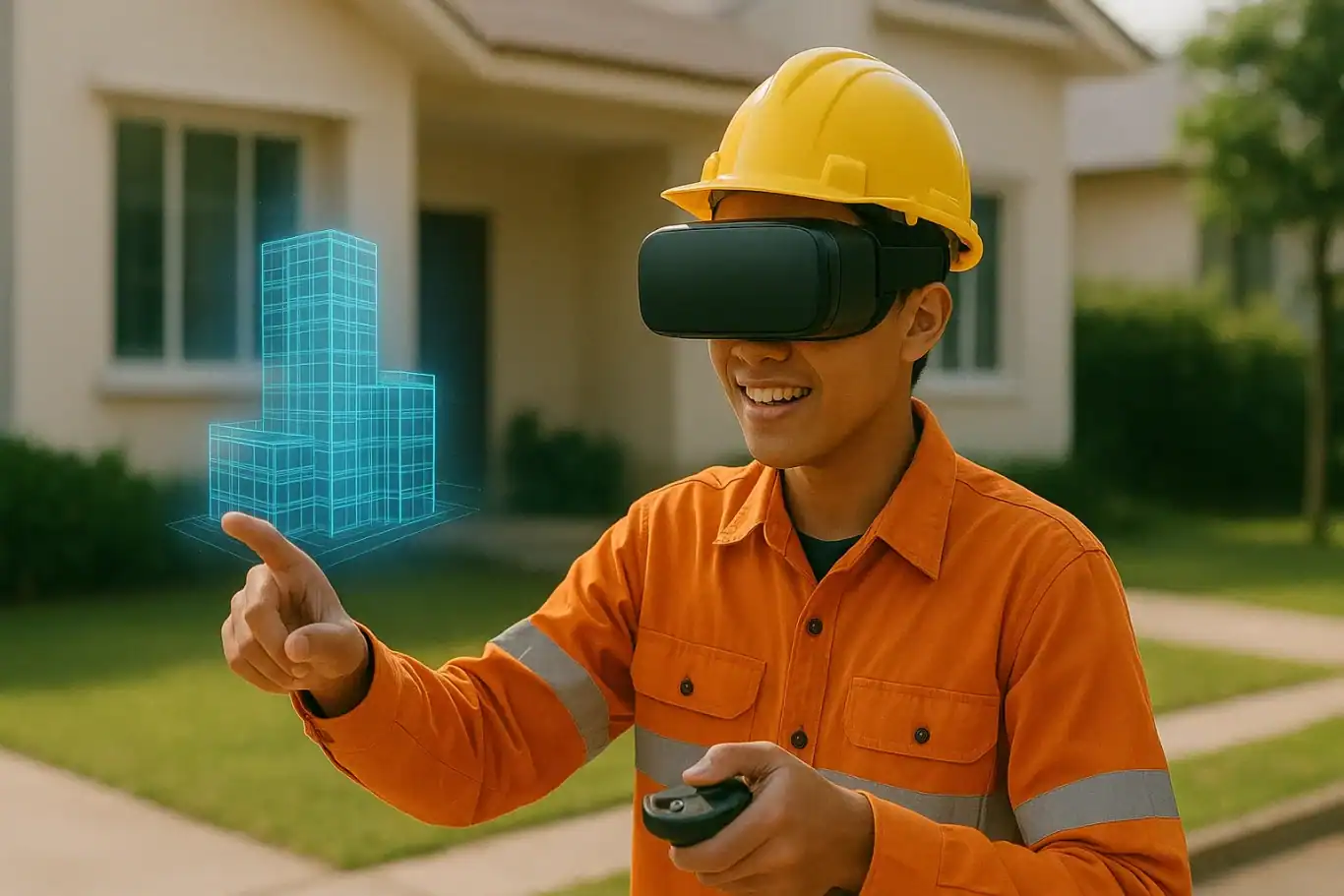
In the future job market, many professions will use VR for training and simulation. Therefore, understanding the function of VR in the future becomes important from an early age.

For example, in the medical field, students can use VR to practice surgery without any risk to real patients. In the aviation industry, trainee pilots can learn to control aircraft through realistic simulations. Even in design, architects can create and “walk through” virtual buildings before actual construction begins.

Thus, children who are familiar with VR from an early age will have a competitive advantage in the future because they understand how this technology works and how to apply it in practical ways.

5. Encouraging Creativity and Innovation

VR is not just about experiencing artificial worlds but also about creating them. One of the most powerful functions of VR in the future is its ability to nurture children’s creativity.

Through VR platforms, children can design their own virtual worlds, create characters, or even program interactions within them. This offers great opportunities to combine imagination, art, and technology. Beyond being fun, the process also trains critical thinking and problem-solving skills that are essential for the future.

6. Providing a Safe Environment for Experimentation and Mistakes

One of the greatest advantages of the function of VR in the future is its ability to create a safe environment for learning through trial and error. In a virtual world, children can experiment freely without fear of failure or causing real-world harm.

This is especially useful in science, engineering, and programming education, where making mistakes is an important part of the learning process. Children can repeat simulations until they truly understand the concept, building confidence and healthy curiosity.

7. Opening New Opportunities in Education and Careers
function of VR in the future

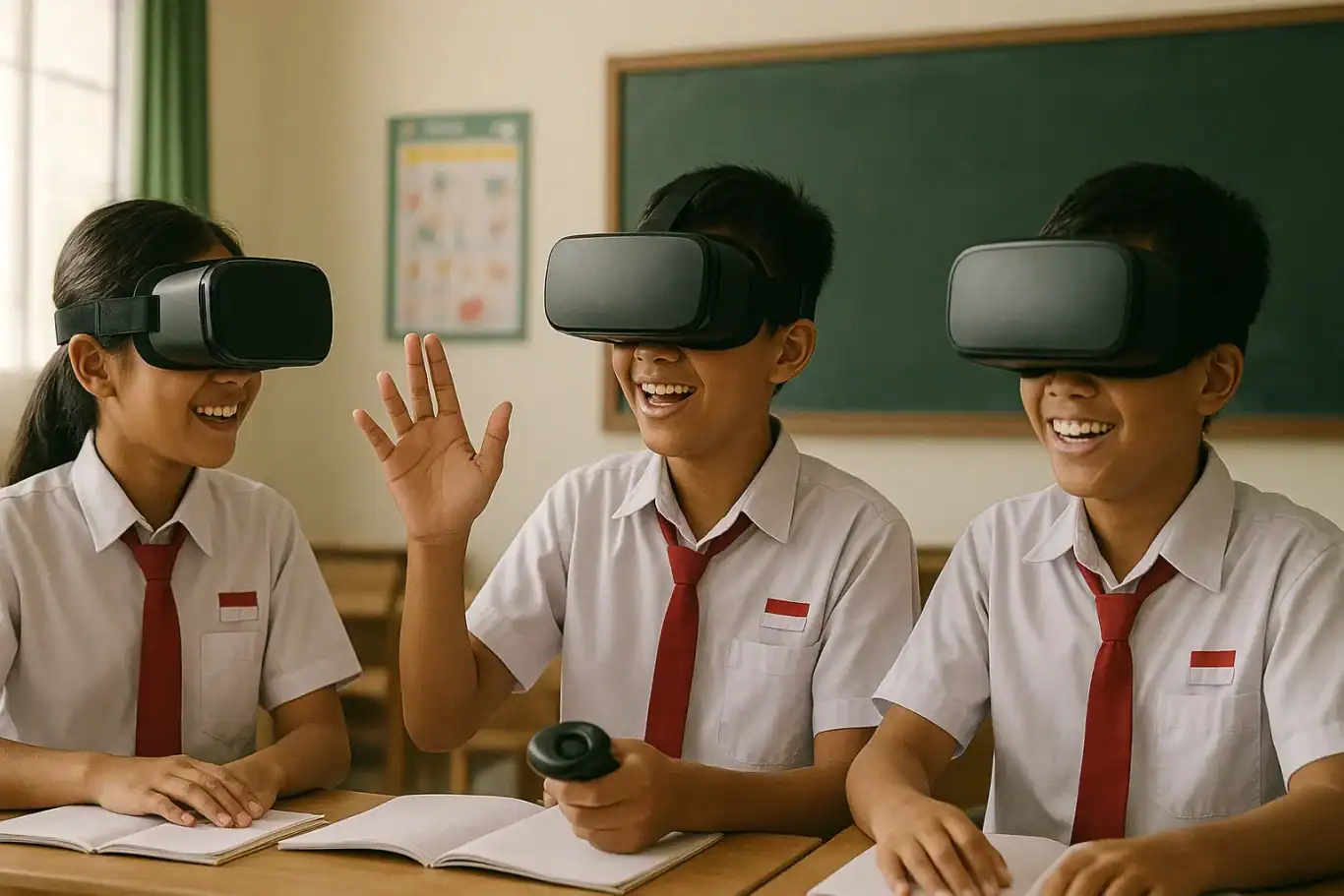
VR technology paves new paths in global education. With the function of VR in the future, children from different parts of the world can learn together in virtual classrooms, interact with teachers from other countries, and access high-quality educational resources without geographical limits.

In addition, VR-based industries such as game design, app development, digital training, and entertainment will continue to grow rapidly. Children who understand and can adapt to this technology will have broader and more exciting career opportunities in the future.

How Timedoor Academy Equips Children with Future Technology Understanding

Timedoor Academy believes that the future of children is not only determined by academic ability but also by their understanding of technology. Through interactive and enjoyable learning, students are introduced to the world of coding, digital design, and innovative technology relevant to today’s advancements, including the function of VR in the future.

Under the guidance of professional mentors, every child is encouraged to explore technology with curiosity, responsibility, and creativity. The goal is to help children become not just technology users, but innovative and forward-thinking creators.

Start Your Child’s Technology Journey Today

Ingin tahu detail program? Image

Ingin tahu detail program?

Technologies like VR are not just temporary trends but vital parts of children’s educational and career futures. If you want your child to be ready for the future with strong digital skills and a deep understanding of the function of VR in the future, now is the time to take the first step.

Register your child for a free trial class at Timedoor Academy today and discover how digital learning can be fun, safe, and inspiring for their future.


Keep Reading

7 Top Real Dangers of Roblox for Kids in 2025
Roblox has quickly become one of the most popular online games among children today. With its open-world design and endless possibilities for creating and playing games within the platform, it offers a fun and imaginative space for kids. But behind its colorful charm, parents need to be aware of the very real dangers of Roblox for kids that often go unnoticed. As an open and user-driven platform, Roblox allows players to interact, build content, and explore virtual worlds freely. Unfortunately, that same freedom also creates potential risks that can impact a child’s emotional, mental, and social well-being. Below are seven critical dangers of Roblox for kids that every parent should understand to better protect their child. 1. Exposure to Age-Inappropriate Content Although Roblox has parental controls and age restrictions, many games are created by users and don’t go through strict moderation. This can expose children to violence, harsh language, or mature themes. One of the most concerning dangers of Roblox for kids is how easily this content can influence their thoughts, speech, and behavior if not properly monitored. 2. Unsafe Online Chat Features Roblox includes chat functions that allow players to talk with others. Without restrictions, children may engage with strangers who could have bad intentions. In some instances, these chats have led to cyberbullying or inappropriate conversations. This makes the chat feature one of the more hidden yet dangerous dangers of Roblox for kids. 3. Risk of Gaming Addiction Roblox’s constantly evolving content and variety of mini-games make it highly addictive. Many children find themselves playing for hours without a break, leading to less time for schoolwork, sleep, and physical activity. One of the long-term dangers of Roblox for kids is the disruption of a healthy daily routine and the decline of important real-world habits. 4. In-App Purchases and Digital Spending While Roblox is free to download and play, it includes in-app purchases through its virtual currency, Robux. Kids may not fully understand the value of money and might make accidental purchases, sometimes using their parents’ payment methods. This financial risk is another example of the underestimated dangers of Roblox for kids. 5. Online Predators and Stranger Danger Some online predators disguise themselves as friendly players and use Roblox to connect with children. Over time, they may ask for personal information or manipulate trust. Among the most serious dangers of Roblox for kids is the possibility of them falling victim to online grooming or exploitation. 6. Decreased Interest in Physical and Social Activities Spending too much time on Roblox can lead to children losing interest in physical play or socializing with friends and family. Over time, this withdrawal can slow down their social development. One of the behavioral dangers of Roblox for kids is the reduction in offline experiences that build empathy, communication, and social skills. 7. Distraction from Learning and Lower Academic Focus Kids who spend too much time playing Roblox may struggle to concentrate in school. They often think about the game even during study time and may become restless or disinterested in learning. This drop in focus and motivation is a clear warning among the many dangers of Roblox for kids that affect their educational progress. What Can Parents Do? Rather than banning Roblox completely, a more effective approach is to guide your child’s digital use. Set clear screen time limits, use parental controls, and have open conversations about the dangers of Roblox for kids. It’s also a good idea to offer healthier tech-based alternatives that are just as fun, but more beneficial. One such activity is learning to code. Instead of just playing games, children can explore how games are made, which builds logic, creativity, and self-confidence. Try a Free Coding Class at Timedoor Academy Timedoor Academy offers free coding classes for children aged 5 to 18. With a project-based learning method and a fun, age-appropriate curriculum, kids get to create games, animations, and digital projects while learning valuable problem-solving skills. Guided by professional mentors, children can shift from being passive users of tech to creative thinkers and builders. Let’s help kids grow in a safe and inspiring digital space. Sign your child up today for a free coding class at Timedoor Academy!
apps for kids learning english
10 Best Apps for Kids Learning English in 2025 (Fun and Effective Tools)
In today's digital age, many parents are turning to technology to support their child's education. If you're searching for apps for kids learning English, you are in the right place. The right apps can help children build their vocabulary, improve pronunciation, and master grammar while having fun through interactive games, songs, and storytelling. This article features the 10 best apps for kids learning English in 2025. Whether your child is a complete beginner or looking to sharpen their English skills, these apps offer engaging ways to learn at home or on the go.   10 Best Apps for Kids Learning English in 2025 (Fun and Effective Tools)   1. Duolingo Kids Why it’s great: Duolingo Kids simplifies English learning with bite-sized, gamified lessons. The colorful design and rewards system make it exciting for young learners. Key Features: Fun vocabulary practice with visual cues Audio support for correct pronunciation Progress tracking for parents Ideal for: Children aged 4 to 10 who enjoy playful, interactive learning.   2. Lingokids – Playlearning App Why it’s great: Lingokids offers a complete English learning experience for kids. It includes games, songs, and videos that cover grammar, vocabulary, and conversation skills. Key Features: Adaptive learning based on skill level Downloadable content for offline use Weekly progress reports for parents Ideal for: Preschool and elementary-aged children who learn best through play.   3. Endless Alphabet Why it’s great: This app uses adorable animated monsters to introduce English words in a fun and engaging way. It's great for building vocabulary and early literacy skills. Key Features: Animated word puzzles Clear voice narration No ads or distractions Ideal for: Toddlers and young children who are just starting with apps for kids learning English.   4. ABCmouse Why it’s great: ABCmouse offers a full curriculum, including reading, phonics, and grammar lessons in English. With thousands of activities, kids stay engaged while learning. Key Features: Structured learning paths Hundreds of English storybooks Built-in reward system for motivation Ideal for: Kids aged 2 to 8 who need a well-rounded learning app.   5. Fun English by Studycat Why it’s great: This app uses games and songs to teach kids English vocabulary, phrases, and sentence structures. It's fun and suitable for both beginners and bilingual learners. Key Features: Voice recognition to practice speaking Games covering numbers, colors, and animals Easy navigation for kids Ideal for: Children who want to learn English in a playful environment.   6. Reading Eggs Why it’s great: Focused on reading and comprehension, Reading Eggs offers phonics-based lessons that improve vocabulary and fluency. Key Features: Interactive reading games English storybooks and lessons Adaptive difficulty levels Ideal for: Early readers who want to improve their English comprehension.   7. Khan Academy Kids Why it’s great: This free app includes English reading lessons along with math, logic, and social-emotional learning. The friendly characters guide kids through interactive stories and games. Key Features: High-quality educational content Creative learning tools No ads and completely free Ideal for: Parents looking for high-value, free apps for kids learning English.   8. Monkey Stories Why it’s great: Monkey Stories features a vast library of animated stories in English. Kids can follow along with subtitles, improving listening and reading skills. Key Features: 1,000+ English books and stories Interactive reading mode Daily learning goals Ideal for: Children who enjoy learning through storytelling.   9. Speakia Why it’s great: Speakia focuses on improving speaking and conversational English skills. It uses AI to simulate dialogues, helping kids speak more confidently. Key Features: Speaking practice with instant feedback Real-life conversation simulations Progress tracking Ideal for: Kids who need extra help with speaking and listening in English.   10. Hello English Kids Why it’s great: Hello English Kids offers lessons in vocabulary, sentence structure, and everyday conversations. The app is simple to use and designed for young learners. Key Features: Games and videos for better engagement English tests and flashcards Child-friendly interface Ideal for: Beginners looking for simple and effective apps for kids learning English.   Tips of Choosing Apps for Kids Learning English Choosing the best apps for kids learning English depends on your child's: Age and learning level: Make sure the content is age-appropriate. Learning style: Some children prefer stories, while others enjoy games or visuals. Screen time: Pick apps that are ad-free and encourage short, productive sessions. Look for apps that allow offline access and offer progress reports so parents can stay involved.   Final Thoughts There are plenty of amazing apps for kids learning English, but the key is to find one that suits your child’s unique interests and learning pace. From storytelling apps to full learning platforms, each of the ten apps mentioned above offers a different approach to mastering English in a fun, engaging way. If your child enjoys using technology to learn, why not take the next step with Timedoor Academy’s online coding classes? While they explore apps to improve their English, learning to code can help them develop logical thinking, creativity, and problem-solving skills. These are essential abilities in today's digital world. Try a free coding class at Timedoor Academy today and empower your child for the future.
Cheap Laptops For Kids
10 Best Cheap Laptops for Kids in 2025: Specs and Prices
As digital learning becomes more integrated into daily education, laptops have become an essential tool for kids. From joining online classes to completing homework and exploring creative projects like coding or animation, a laptop can be a child’s gateway to limitless learning. In this article, we’ll share 10 best cheap laptops for kids in 2025 that strike the perfect balance between affordability, durability, and performance. Whether your child is in elementary or junior high school, these devices can support their learning journey without breaking your budget.   What to Look for in Cheap Laptops for Kids Before buying a laptop for your child, make sure you check the essentials: 1. Budget-friendly price Look for options ranging from $150 to $400 that still offer smooth performance for daily school needs. 2. RAM and Storage A minimum of 4 GB RAM and at least 64 GB storage is ideal for online learning, browsing, and video conferencing. 3. Battery Life Long battery life (6 to 10 hours) ensures your child can use the laptop for long school sessions without constantly needing to recharge. 4. Screen Size and Portability Laptops with 11 to 14 inch screens are the best for kids, offering a balance between portability and screen real estate for learning. 5. Operating System Windows 10 or 11 or ChromeOS laptops tend to support the widest range of educational apps and tools.   10 Best Cheap Laptops for Kids in 2025 Here are 10 cheap laptops for kids that are recommended based on their specifications and friendly prices as of April 2025:   1. ASUS Chromebook C204 Price: Around $220Display: 11.6-inch HDProcessor: Intel Celeron N4000RAM & Storage: 4 GB RAM, 32 GB eMMCBattery: Up to 10 hours This laptop is durable and perfect for younger kids who need something that can withstand a little rough handling. 2. Lenovo IdeaPad Slim 1 Price: Around $280Display: 14-inch HDProcessor: AMD 3020eRAM & Storage: 4 GB RAM, 64 GB eMMCBattery: Up to 8 hours An affordable laptop that packs just enough power for everyday school activities. 3. Acer Aspire 3 Slim A314 Price: Around $300Display: 14-inch HDProcessor: Intel Celeron N4500RAM & Storage: 4 GB RAM, 256 GB SSDBattery: Up to 9 hours This budget-friendly model is suitable for kids starting to experiment with design and coding. 4. HP Chromebook 11A G8 Price: Around $230Display: 11.6-inch HDProcessor: AMD A4RAM & Storage: 4 GB RAM, 32 GB eMMCBattery: Up to 10 hours Great for younger kids thanks to its simple design and intuitive ChromeOS. 5. Zyrex Sky 232 S2 Price: Around $210Display: 14-inch Full HDProcessor: Intel Celeron N3350RAM & Storage: 4 GB RAM, 128 GB SSDBattery: Up to 7 hours A local option that combines affordability with decent performance for online school activities. 6. Axioo MyBook 14E Price: Around $250Display: 14-inch HDProcessor: Intel Celeron N4020RAM & Storage: 4 GB RAM, 128 GB SSDBattery: Up to 8 hours This lightweight laptop is perfect for active kids who need to take their learning on the go. 7. Samsung Chromebook 4 Price: Around $240Display: 11.6-inch HDProcessor: Intel Celeron N4000RAM & Storage: 4 GB RAM, 32 GB eMMCBattery: Up to 12.5 hours A highly affordable energy-efficient device with an easy-to-use interface. 8. Dell Inspiron 11 3180 Price: Around $280Display: 11.6-inch HDProcessor: AMD A9RAM & Storage: 4 GB RAM, 64 GB eMMCBattery: Up to 9 hours Compact and sleek this laptop is perfect for light schoolwork and web browsing. 9. Lenovo Chromebook 3 14 Price: Around $300Display: 14-inch HDProcessor: MediaTek MT8183RAM & Storage: 4 GB RAM, 64 GB eMMCBattery: Up to 10 hours Perfect for kids using Google Classroom and other school apps. 10. HP Stream 11 Price: Around $260Display: 11.6-inch HDProcessor: Intel Celeron N4020RAM & Storage: 4 GB RAM, 64 GB eMMCBattery: Up to 10 hours Affordable portable and designed for basic school tasks and entertainment.   Cheap Laptops For Kids as Kids Learning Journey Support Giving laptops for kids is not just a financial decision. It’s an investment in their confidence independence and future potential. These cheap laptops for kids and affordable laptops for kids are not just tools. They’re a stepping stone into digital exploration. But to truly make the most of these tools your child also needs the right guidance. At Timedoor Academy we offer online classes in coding animation game development and more tailored for kids ages 7 to 18. Let your child explore the tech world with the support of expert mentors and interactive learning methods. Best of all you can try it out first. Sign up now for a free trial class and take the first step toward your child’s digital future.
float button