Apr 25, 2025

Java Programming for High School Students: Unlock the World of Coding

Java Programming for High School Students: Unlock the World of Coding image

In today’s fast-paced, technology-driven world, programming skills have become essential for young minds. For high school students looking to dive into the world of coding, Java programming for high school students is an excellent starting point. Java is one of the most widely used programming languages, known for its versatility, reliability, and ease of learning. It is used in everything from mobile apps to large-scale enterprise applications.

Whether your child is interested in creating mobile games, building websites, or exploring artificial intelligence, Java programming for high school students provides a solid foundation. In this article, we will explore the importance of Java programming for high school students, how it can benefit their future, and why enrolling in a Java programming class for high school students is a smart choice.

Why Java Programming is a Great Choice for High School Students
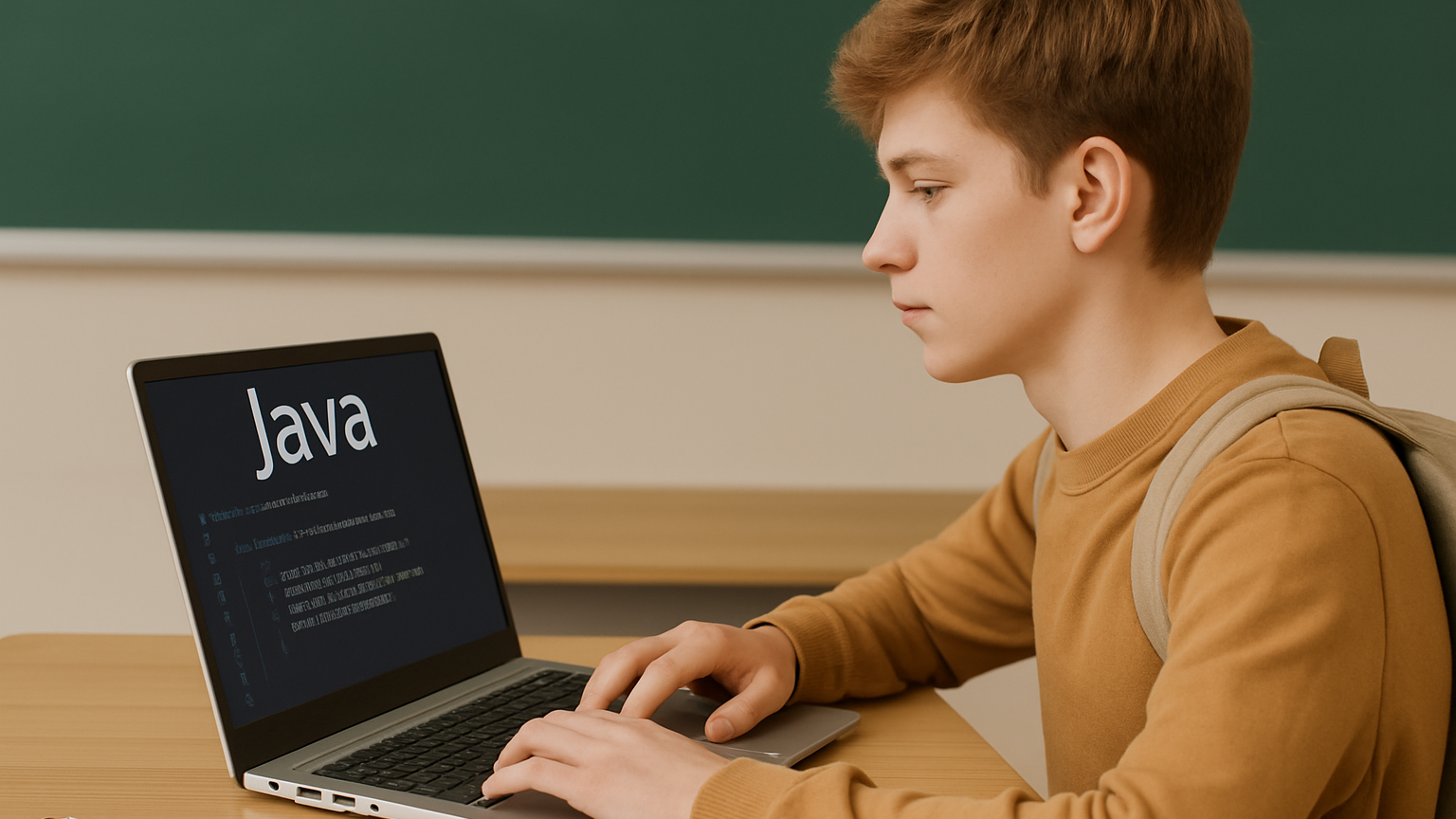
Java programming for high school students offers a wide range of advantages for young learners:

  1. Universal Language: Java is a language that can run on any platform without needing to be re-written, which is known as its platform independence. This means students can write code once and run it anywhere, whether on Windows, macOS, or Linux. This cross-platform compatibility is a big advantage for aspiring developers.
  2. Foundation for Other Languages: Learning Java programming for high school students provides a strong foundation for other programming languages. Once students are comfortable with Java, transitioning to other languages like Python, C++, or JavaScript becomes much easier. Java introduces students to core programming concepts such as variables, loops, conditionals, and object-oriented programming.
  3. Job Opportunities: Java programming for high school students is one of the most in-demand skills in the job market. By learning Java early on, students set themselves up for future opportunities in fields such as software development, game design, web development, and even machine learning.
  4. Problem-Solving Skills: Java programming for high school students helps develop logical thinking and problem-solving skills. By learning to write code, students practice breaking down problems into manageable pieces and finding efficient solutions. These skills are not only valuable for coding but also essential in various other aspects of life.
  5. Real-World Applications: Java is used in numerous industries, from finance to entertainment. It powers Android mobile apps, large-scale enterprise systems, cloud-based applications, and much more. By learning Java programming for high school students, they gain exposure to real-world applications and can apply their knowledge to projects with practical uses.

Benefits of Java Programming for High School Students
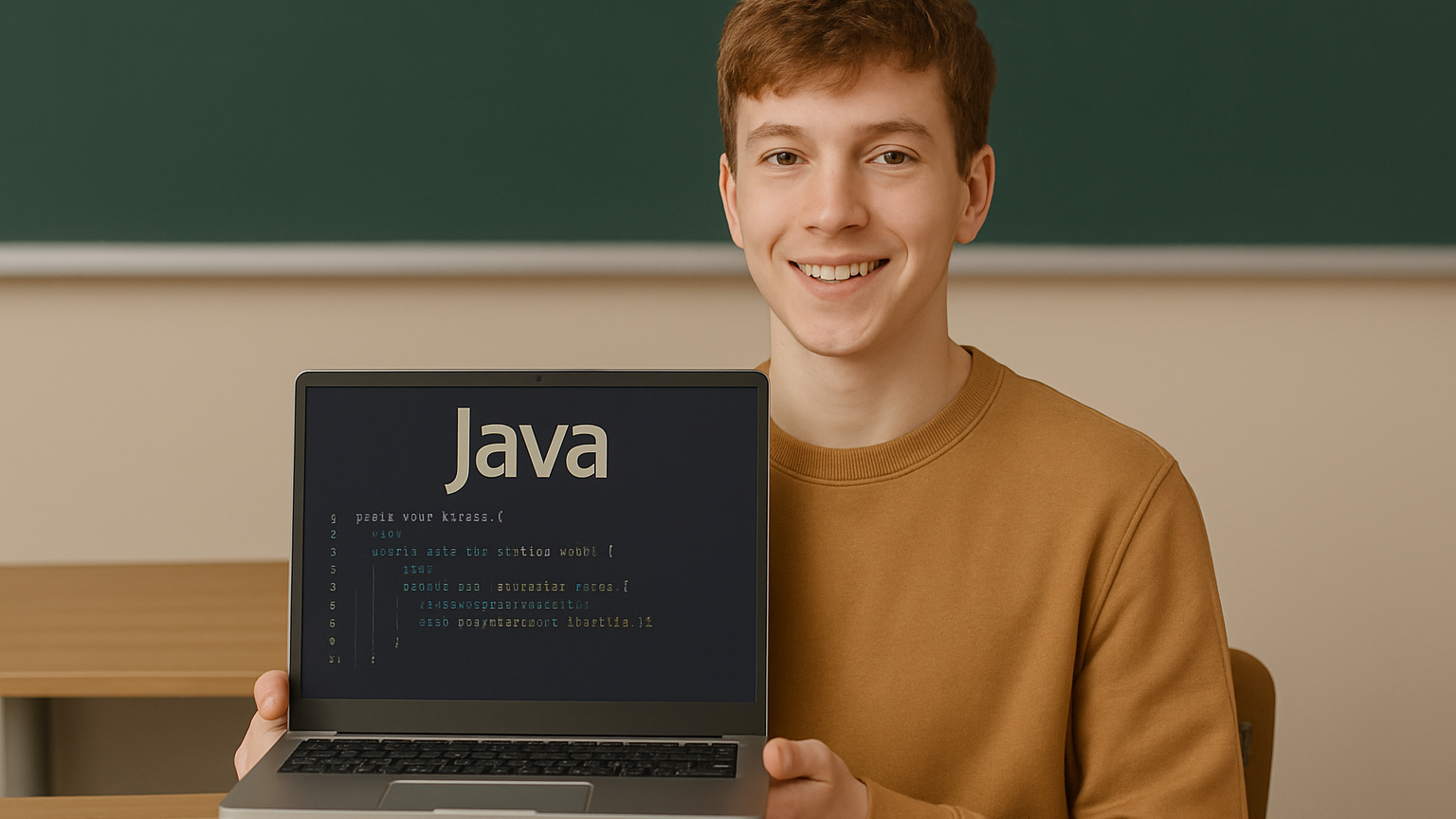
java programming for high school students

Enrolling in a Java programming class for high school students can provide several key benefits:

  1. Structured Learning Path: While there are plenty of online tutorials and resources available, taking a formal Java programming class for high school students provides a structured approach. Students learn from experienced instructors who guide them through the fundamentals and advanced topics, ensuring they build a strong understanding of the language.
  2. Hands-On Experience: Programming is best learned through practice. Java programming classes for high school students typically involve hands-on coding exercises, allowing students to apply their knowledge in real-time. Whether it’s building a simple calculator or creating a basic game, students get to experience the thrill of bringing their ideas to life.
  3. Access to Expert Guidance: Learning a programming language can be challenging, especially for beginners. Having access to expert instructors in a classroom setting allows students to ask questions, get feedback, and receive help when they encounter difficulties. This can boost their confidence and keep them motivated throughout the learning process.
  4. Collaborative Environment: Many Java programming classes for high school students encourage teamwork and collaboration. Students often work on group projects, where they can learn from one another, share ideas, and tackle challenges together. Collaboration enhances their communication skills and prepares them for future careers that require teamwork.
  5. Portfolio Building: One of the most valuable aspects of taking a Java programming class for high school students is the opportunity to build a programming portfolio. Students can showcase their projects, whether it’s a simple game or a web application, to potential employers or universities. A strong portfolio can set them apart from others in the competitive tech industry.

What Students Will Learn in Java Programming Classes
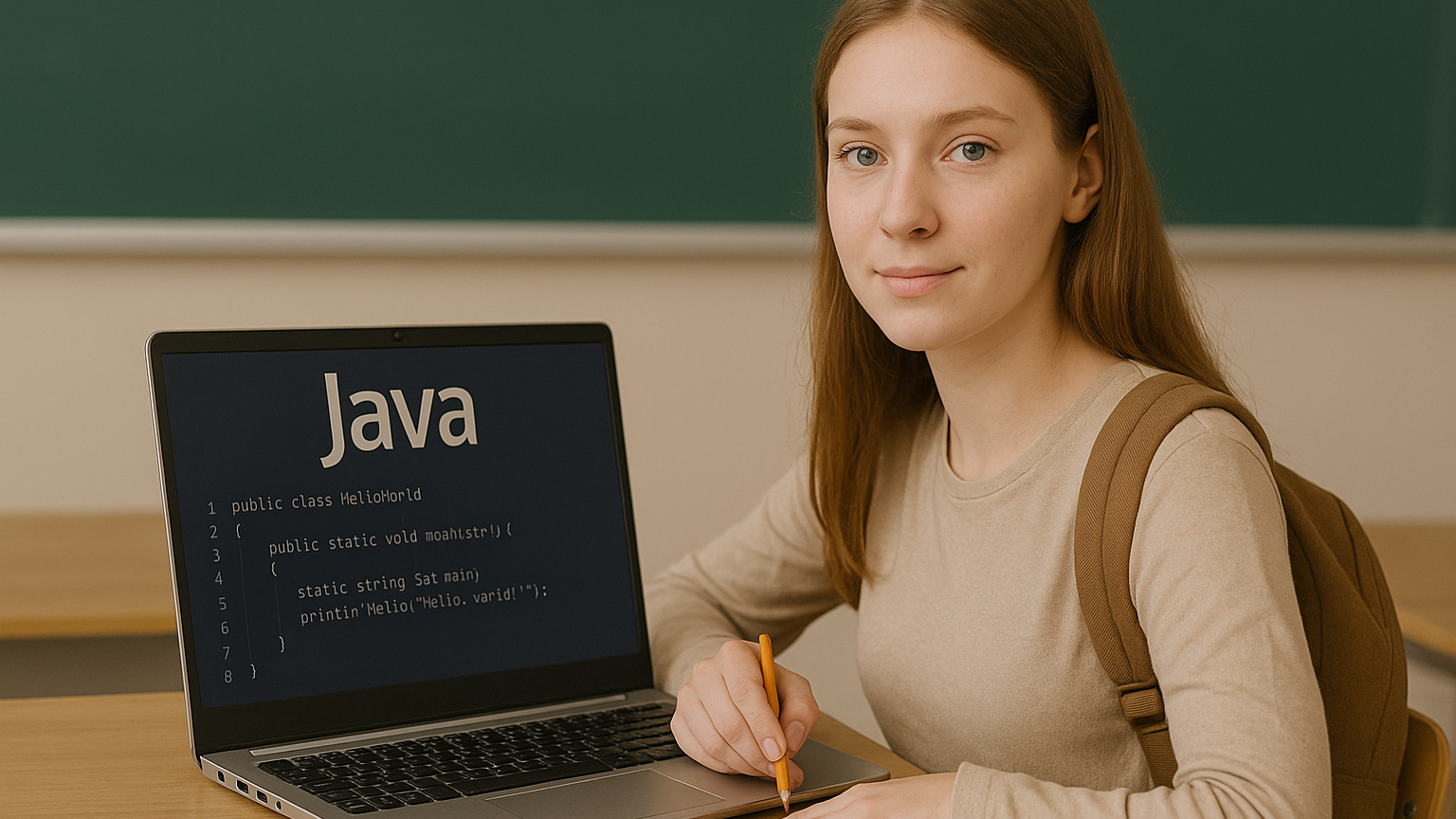
A typical Java programming class for high school students covers a wide range of topics, including:

  1. Introduction to Java: Students learn the basics of Java programming for high school students, including how to install and set up the Java development environment. They’ll also learn about the syntax of Java and how to write simple programs.
  2. Variables and Data Types: Students learn how to use variables to store data and how to work with different data types such as integers, strings, and booleans. They’ll also learn how to perform operations on variables.
  3. Control Flow: Students are introduced to control flow concepts such as conditionals (if-else statements) and loops (for, while), which help in making decisions and repeating actions within a program.
  4. Object-Oriented Programming (OOP): One of the key features of Java is its object-oriented nature. Students learn how to create and work with classes and objects, which is essential for developing complex applications.
  5. Functions and Methods: Students learn how to define and call functions (or methods) to perform specific tasks within their programs. This is essential for organizing code and making programs more efficient.
  6. Arrays and Collections: Students learn how to store and manage collections of data, such as arrays and lists, which are essential for building more advanced programs.
  7. Exception Handling: Java programming classes for high school students introduce students to the concept of error handling, teaching them how to anticipate and manage potential errors in their programs.
  8. GUI Development: Students may also learn the basics of creating graphical user interfaces (GUIs), allowing them to build user-friendly applications with buttons, text fields, and other interactive elements.
  9. Project Development: As a final step, students often work on a larger project, applying everything they’ve learned to create a complete Java application. This could be a simple game, a calculator, or a more complex system.

Why Timedoor Academy’s Java Programming Class Is Perfect for High School Students

 Image

At Timedoor Academy, we offer Java programming classes for high school students specifically designed to help young learners succeed. Our classes provide a well-rounded curriculum that covers everything from the basics to advanced topics. Our experienced instructors are passionate about teaching and helping students succeed, and our hands-on approach ensures that students gain practical coding experience.

We believe in making coding fun and accessible, and our classes are designed to engage students with interactive lessons, real-world projects, and collaborative work. Whether your child is new to programming or has some experience, our Java programming classes for high school students will help them develop their coding skills and prepare them for future success in the tech industry.

The Power of Java Programming for High School Students
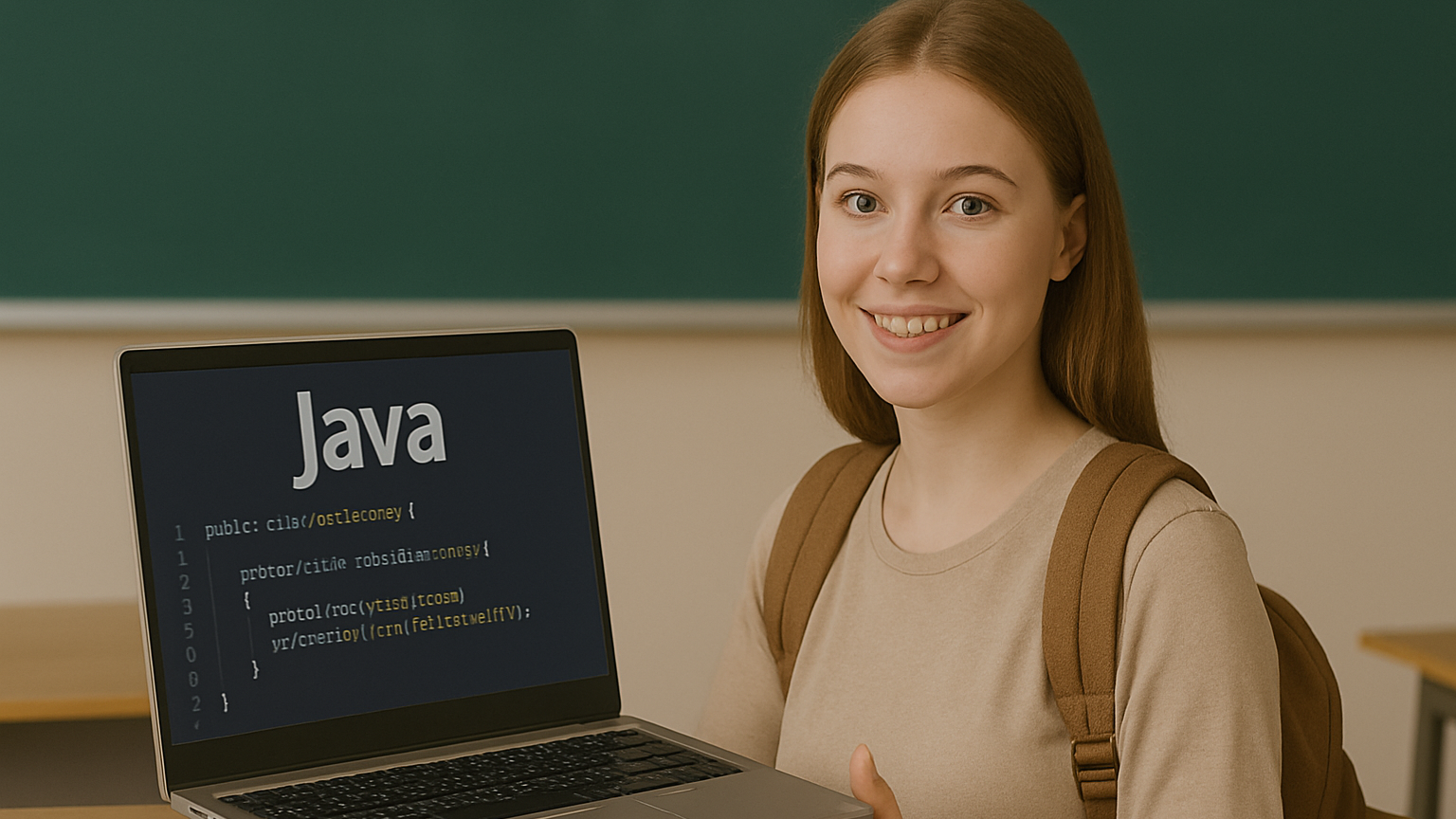
Java programming for high school students is a valuable skill that can open doors to numerous career opportunities in the technology field. By enrolling in a Java programming class for high school students, they gain a solid foundation in coding that can serve as a stepping stone for future endeavors. The skills they acquire will not only help them in their academic journey but also prepare them for a bright future in the ever-evolving world of technology.

Start your child’s coding journey today with Timedoor Academy in free trial class and watch them unlock their potential in the world of programming!
Keep Reading

4 Bahasa Pemrograman Terbaik Untuk Anak
Top 4 Programming Languages for Kids
In today’s digital-first world, teaching children how to code is becoming just as essential as teaching them math, reading, or science. Coding builds logical thinking, creativity, and problem-solving skills. These are abilities that are crucial for success in any future career. But with so many programming languages out there, many parents wonder: Where should my child start? The answer depends on your child’s age, interests, and learning style. Some languages are visual and beginner-friendly, while others offer more complexity for older or advanced learners. In this article, we’ll break down the top 4 programming languages for kids, explaining what makes each of them great and how to choose the right one for your child’s coding journey.   Why Should Kids Learn Programming Language In Coding? Before we jump into the list, let’s quickly look at why coding is so valuable for children: Boosts logical thinking and analytical skills Strengthens creativity and imagination Improves academic performance, especially in STEM subjects Builds persistence and resilience through problem-solving Prepares them for a future in a tech-driven world Coding also helps children become creators of technology, not just passive users.   1. Programming Language In Coding: Scratch Best for Kids Aged 6 to 12 Scratch is a block-based programming language developed by MIT, specifically for children and beginners. Instead of typing code, kids drag and drop visual blocks to build animations, games, and interactive stories. Why it’s great: No previous coding knowledge needed Highly visual and engaging Encourages storytelling, creativity, and experimentation Free and web-based Scratch is ideal for young learners who enjoy art, games, or creative play. It’s fun, easy to understand, and extremely rewarding.   2. Programming Language In Coding: Python Best for Kids Aged 10 and Up Python is one of the world’s most popular programming languages and a great choice for kids who are ready to move beyond visual coding. Its syntax is clean and readable, making it one of the easiest text-based languages to learn. Why it’s great: Beginner-friendly with real-world applications Used in data science, AI, game development, and automation Loads of free resources and tutorials available Great for building games, quizzes, and mini apps Python is perfect for curious kids who enjoy solving problems and want to dive deeper into the tech world.   3. Programming Language In Coding: JavaScript Best for Kids Aged 11 and Up JavaScript is the go-to language for web development. If your child is interested in how websites work or wants to build their own online games or tools, JavaScript is an exciting and rewarding option. Why it’s great: Teaches how to make websites interactive Encourages real-time experimentation in the browser Can be combined with HTML and CSS for full website building Great for creative projects like online games and visual effects JavaScript is ideal for tweens and teens who are internet-savvy and want to bring their ideas to life on the web.   4. Programming Language In Coding: Blockly Best for Kids Aged 7 to 10 Blockly is a visual coding language like Scratch but with a twist. It also shows the actual code behind the blocks. It’s designed to help children transition from block-based programming to real text-based coding. Why it’s great: Easy to use with a visual interface Builds understanding of programming logic Bridges the gap between Scratch and Python Often used in educational robots and coding kits Blockly is excellent for kids who are ready to go beyond simple blocks but not quite ready for full typing-based code.   Quick Guide by Age For Kids To Choose Programming Language Age Group Recommended Language 6 to 8 Scratch or Blockly 9 to 12 Scratch, then Python 12+ Python or JavaScript   How Can Parents Support Their Kids Coding Journey? Explore coding platforms together such as Timedoor Academy Choose fun, project-based learning activities Encourage creativity by allowing your child to build what they love Celebrate progress at every step, no matter how small   Ready to Help Your Kids Start Coding? The best programming language for your child is the one that fits their age, interest, and learning pace. Whether they’re creating their first animation in Scratch or developing a game in Python, every coding experience empowers them with skills for the future. At Timedoor Academy, we provide structured and engaging online coding classes for children of all ages. Our programs are designed to turn beginners into confident young coders through hands-on learning and creative projects. Ready to start your child’s coding journey? Check out our courses and free trial at Timedoor Academy and unlock your child’s potential in tech.
7 Strong Steps to Prepare Your Child as a Generation of Technology Creators
In today’s fast-paced digital era, understanding and creating technology has become one of the most essential skills for children. The world no longer only needs users of technology but also creators and innovators who can bring new solutions through digital creativity. That is why nurturing a generation of technology creators from an early age is a strategic step for parents and educators. Technology is now a part of almost every aspect of human life. From communication and education to entertainment, everything relies on digital innovation. In this context, the role of technology creators becomes crucial in shaping a more advanced, creative, and sustainable future. Children who understand the fundamentals of technology from a young age will grow with stronger logical, analytical, and creative thinking skills. 1. Cultivating an Innovative Mindset from an Early Age The first step in developing a generation of technology creators is to instill an innovative mindset in children. Instead of merely using apps or playing games, children should be encouraged to understand how those technologies are built. Through activities such as coding, digital design, or simple experiments with software, children begin to think like creators rather than consumers. This approach trains them to seek solutions, generate new ideas, and not fear making mistakes. The earlier children are introduced to the concept of creating technology, the greater their potential to grow into true innovators. 2. Strengthening Problem-Solving and Logical Thinking One of the main benefits of building a generation of technology creators is helping children develop systematic thinking and logical problem-solving skills. In the world of coding, for instance, they learn how to arrange steps so that computers can execute commands correctly. This process fosters critical thinking, which is valuable in many areas of life. Moreover, problem-solving activities teach perseverance and patience. Children learn that every mistake can be fixed through analysis and improvement, shaping a resilient and growth-oriented mindset. 3. Connecting Creativity with Technology Many parents think technology is rigid and technical, while in reality, it can also be a powerful medium for creativity. Children who grow as part of the generation of technology creators can combine art and technology to produce unique works such as animation, digital music, or interactive games. Through this creative approach, children learn that coding and design are not only about numbers and logic but also about imagination and self-expression. Technology provides them with the space to create something original and meaningful. 4. Building Early Career Readiness Technology skills are becoming one of the key foundations of the future workforce. Professions in digital fields, such as software development, game design, and artificial intelligence, are in high demand. By developing a generation of technology creators, parents help their children gain a competitive advantage from an early age. Children who grow up thinking in technological logic will adapt more easily to changes in the job market. They will not only be ready to face the future but also lead innovation that shapes it. 5. Teaching Digital Responsibility Being part of the generation of technology creators is not only about mastering technical skills but also about understanding the ethics behind technology use. Children should learn to create technologies that are useful, safe, and responsible for society. Through balanced digital education, they will understand the importance of privacy, respect for others’ work, and using technology for positive purposes. This foundation helps them grow into innovators who are not only intelligent but also ethical. 6. Enhancing Collaboration and Communication Skills In today’s technology-driven world, collaboration is the key to success. Building a generation of technology creators also means teaching children how to work in teams, exchange ideas, and value others’ opinions. Many technology projects require interdisciplinary teamwork involving developers, designers, and more. Through collaborative activities, children learn that great innovations are not created by one person alone but through effective teamwork and communication. These social skills will become valuable assets in their academic and professional journeys. 7. Building Independence and Confidence Children who can create something from their own ideas develop high self-confidence. They learn that every idea, no matter how small, has the potential to grow. This is the essence of the generation of technology creators: children who dare to dream, think critically, and turn ideas into reality. With the right support from parents and a positive learning environment, they will remain motivated to learn and innovate without limits. How Timedoor Academy Helps Build a Generation of Technology Creators Timedoor Academy understands the importance of nurturing children who not only use technology but also create it. Through project-based learning and guidance from professional mentors, students explore the world of coding, design, and digital innovation in a fun and interactive way. Every lesson is designed to develop logical thinking, creativity, and responsibility. With a child-friendly approach, Timedoor Academy helps every student grow their curiosity and passion to become part of the generation of technology creators who will shape the future. Take the First Step Today The world of technology keeps moving forward, and the future belongs to those who can create, not just consume. Help your child become part of the generation of technology creators who are ready to face the challenges of tomorrow with confidence, logic, and creativity.Sign up your child for a free trial class at Timedoor Academy today and discover how digital learning can become an inspiring, safe, and meaningful experience.
What Is Vibe Coding? Understanding the Concept and Its Benefits for Kids
In today’s digital era, children are not only expected to excel academically but also to be creative, collaborative, and adaptable to technology. One learning method that is gaining attention in tech education is vibe coding. More parents and educators are beginning to ask: what is vibe coding, and how can it be used in a meaningful way to help children learn? This article will explain what is vibe coding, its core principles, and why this method is a fun and effective approach to introducing programming to young learners. If you’re considering a coding class that feels less rigid and more intuitive, vibe coding for kids might be the perfect fit. What Is Vibe Coding? To answer the question what is vibe coding, we need to understand the basic idea behind this learning method. Vibe coding refers to a teaching approach that emphasizes a fun, creative, and child-friendly atmosphere while learning programming. The word “vibe” represents the overall feeling or energy created during the learning experience. Unlike traditional programming lessons that can feel formal or rigid, vibe coding for kids focuses on letting children learn through play, imagination, and building meaningful projects. The emphasis is not just on the final product but also on enjoying the process of creating something. Why Is Vibe Coding a Great Fit for Kids? Once you understand what is vibe coding, it becomes clear why this method works especially well for children. Kids often get bored or overwhelmed by dry, technical lessons. Vibe coding for kids creates a fun, engaging environment that sparks curiosity and creativity. This approach incorporates storytelling, animations, music, and visuals to help children feel immersed in their projects. For example, kids can learn to code by creating their own video games, designing cartoon characters, or programming a virtual robot that follows commands. With this setup, children naturally learn the basics of coding such as logic, sequences, conditions, and loops. They’re not pressured to get everything right immediately. Instead, they’re encouraged to explore, try new things, and learn from mistakes. That’s the heart of vibe coding for kids: building a positive and flexible learning experience. Benefits of Vibe Coding for Kids For parents who are still unsure about this method, here are some key benefits that vibe coding for kids offers. It doesn’t just improve tech skills. It also supports broader developmental growth in young learners. Boosts creativityKids are encouraged to build things from their own ideas—games, animations, or simple apps. Develops logic and problem-solvingEven though the environment is playful, the foundation of vibe coding for kids is rooted in core programming logic. Promotes collaboration and communicationMany activities are group-based, teaching kids to discuss, share roles, and work as a team. Builds confidenceChildren gain pride and belief in their abilities when they successfully create something. Prepares them for the futureBy learning coding early, kids are better equipped for a digital-driven world. Vibe Coding at Timedoor Academy Now that you understand what is vibe coding, you might be wondering where your child can learn this method in a structured yet fun way. Timedoor Academy offers one of the best implementations of vibe coding for kids, combining creative programming with a child-centered teaching style. Timedoor’s platform is designed specifically for young learners, featuring project-based activities like game development, animations, and beginner-friendly applications. Every class is filled with engaging content and guided by experienced mentors who understand how kids learn best. The goal at Timedoor Academy is to make every student feel confident, curious, and excited about learning. Grades and tests are not the focus. Instead, it’s about exploring, creating, and enjoying the journey. This is exactly what vibe coding for kids is all about, and Timedoor applies it consistently across their programs. Conclusion: Let Your Kids Experience Vibe Coding Now you know what is vibe coding and how this approach makes learning programming enjoyable and effective for children. As our world becomes more digital, introducing kids to coding at an early age is no longer optional—it’s a smart and timely decision. If you’re looking for a coding class that sparks creativity, feels natural, and actually speaks your child’s language, vibe coding for kids at Timedoor Academy is a perfect choice. Sign your child up today and see how much fun they can have learning with vibe coding. Try a free trial class now at Timedoor Academy!
float button