Apr 11, 2025

How to Use AI in Kids Education: A Step-by-Step Guide to Revolutionizing Learning
How to Use AI in Kids Education: A Step-by-Step Guide to Revolutionizing Learning image

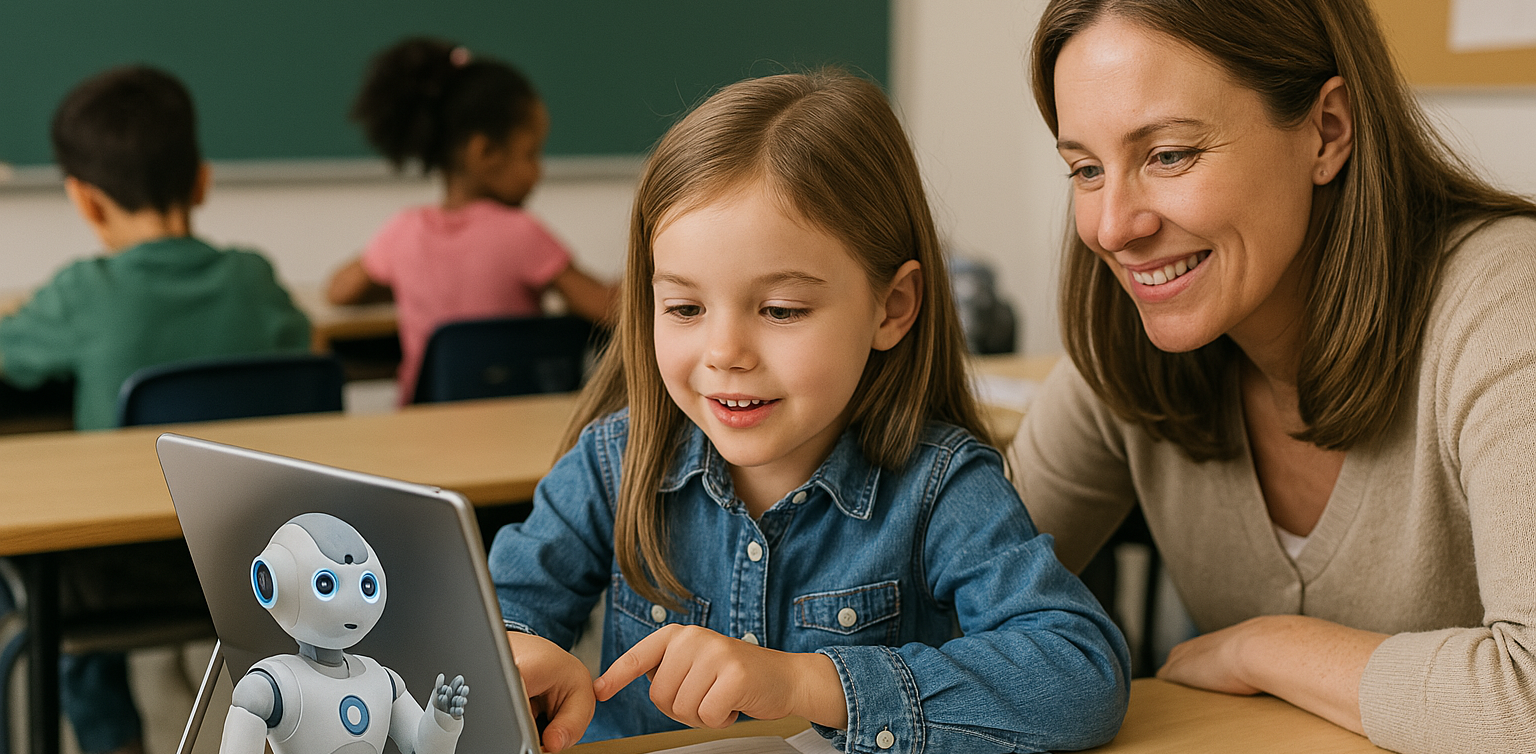
AI in kids education is transforming the way kids learn by offering personalized, engaging, and effective learning experiences. Whether you’re an educator, parent, or guardian, using AI-powered tools in children’s education can make a significant impact on their academic success. This step-by-step guide will show you how to incorporate AI in kids education from understanding its role to effectively using it in everyday learning settings.

Step 1: Understand The Benefit of AI in Kids Education

The first step in using AI in kids education is to understand its potential benefits. AI-powered tools can:

  • Personalize learning by adapting to each child’s pace and needs.
  • Provide instant feedback to help children improve faster.
  • Offer a variety of learning resources, such as videos, quizzes, and games, that keep kids engaged.
  • Support children with special needs by providing tailored learning tools.

These benefits create a dynamic and effective learning environment, enabling kids to excel at their own pace.

Step 2: Choose the Right AI-Powered Learning Apps to Support AI in Kids Education
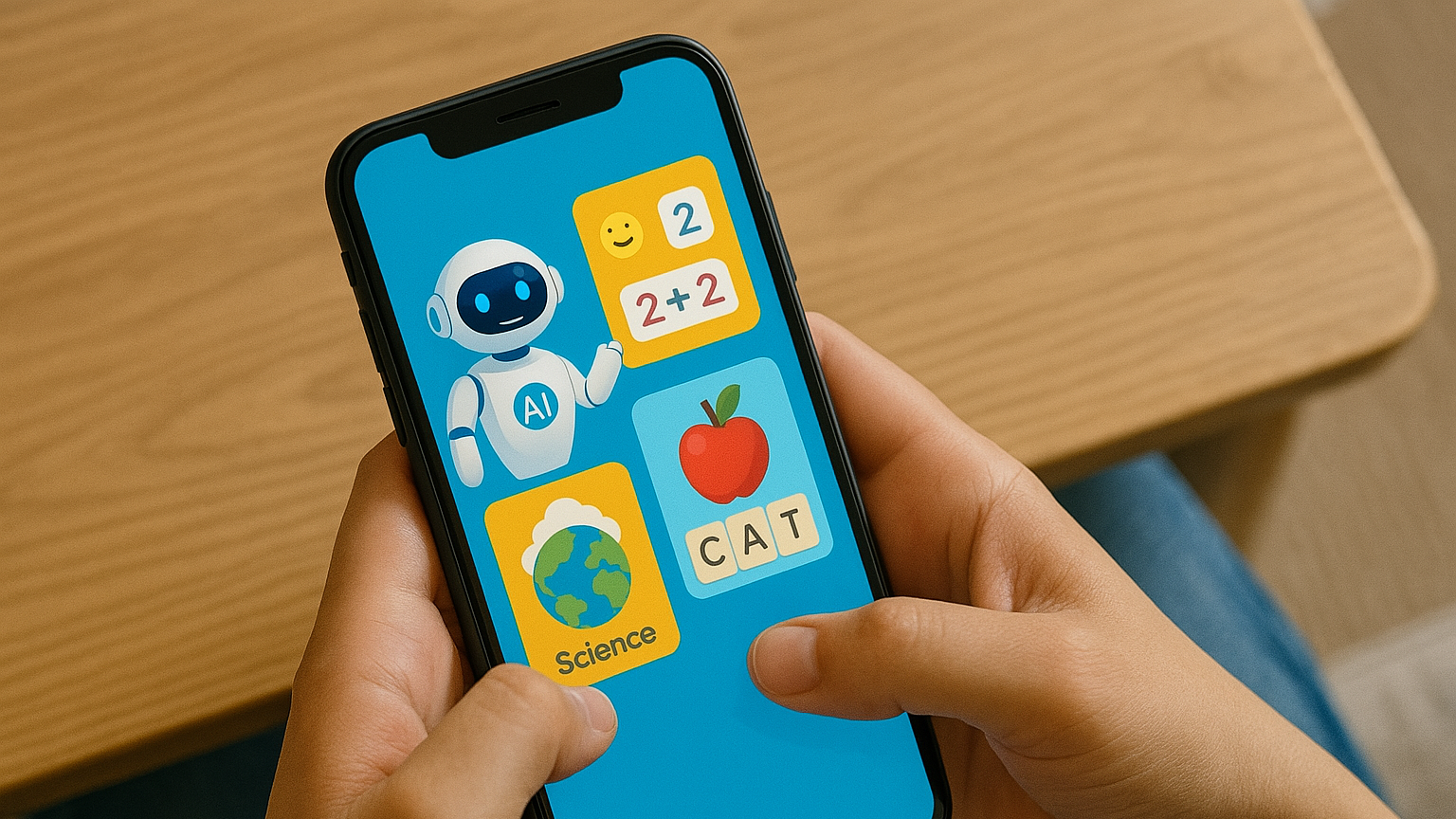
Choosing the right AI-powered learning apps is essential to support your AI in kids education. Here are some popular options:

  • Khan Academy Kids: Offers personalized learning paths for children aged 2-8 in subjects like math, reading, and problem-solving.
  • DreamBox: A math-focused app for kids in kindergarten through 8th grade that adjusts difficulty based on the child’s learning pace.
  • Scratch: A visual programming language for children to learn coding through interactive games and animations.
  • Duolingo: An AI-driven language learning app that helps kids learn new languages with immediate feedback.

By selecting the best apps, you can ensure that your kid receives the most effective AI-enhanced education.

Step 3: Implement AI in Kids Education For Daily Learning Routines
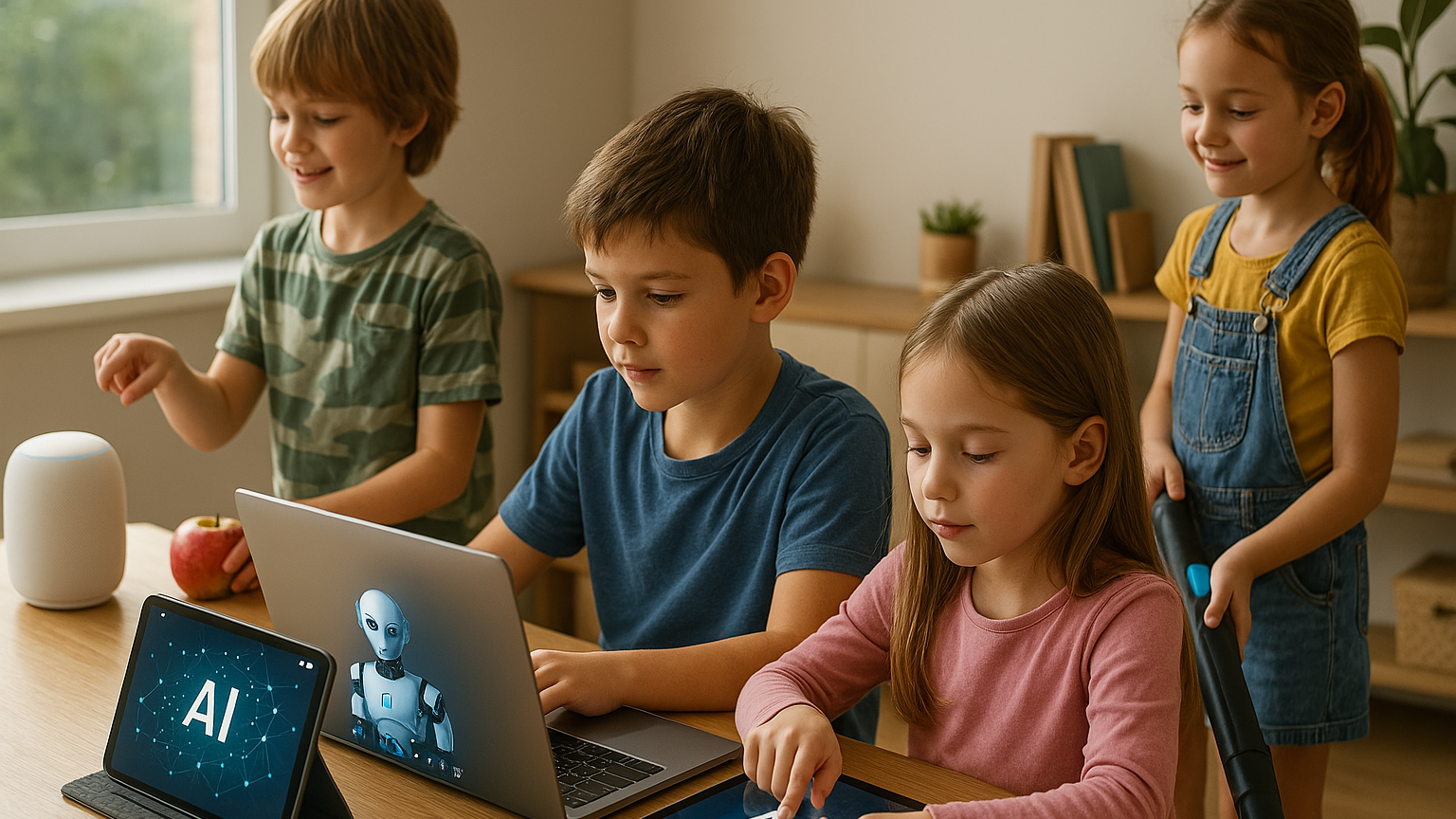
Now that you have the right tools, to support AI in kids education, it’s time to integrate AI-powered educational tools into your child’s daily routine:

  • Daily practice: Encourage daily use of AI apps for short sessions to reinforce what they’ve learned.
  • Homework help: Use Socratic by Google for assistance with homework and to provide explanations for complex problems.
  • Interactive learning: Incorporate fun, hands-on activities using Tynker for coding or Osmo for interactive learning games.

Integrating AI into daily routines helps children make steady progress while keeping learning fun.

Step 4: Track Progress and Adjust Learning Paths of AI in Kids Education

One key benefit of using AI in kids education is its ability to track progress. Most AI-powered tools provide built-in analytics that monitor a child’s performance. Here’s how to track and adjust:

  • Review progress reports: Apps like DreamBox and Khan Academy Kids provide reports that show areas of strength and where improvement is needed.
  • Adjust learning paths: Based on progress reports, you can adjust your child’s learning path to focus on areas where they need more practice.
  • Set goals: Work with your child to set goals and use AI data to track their achievements and motivate them to reach milestones.

Regularly reviewing progress ensures the learning experience remains effective and keeps your children challenged.

Step 5: Use AI in Kids Education to Support Special Education Needs
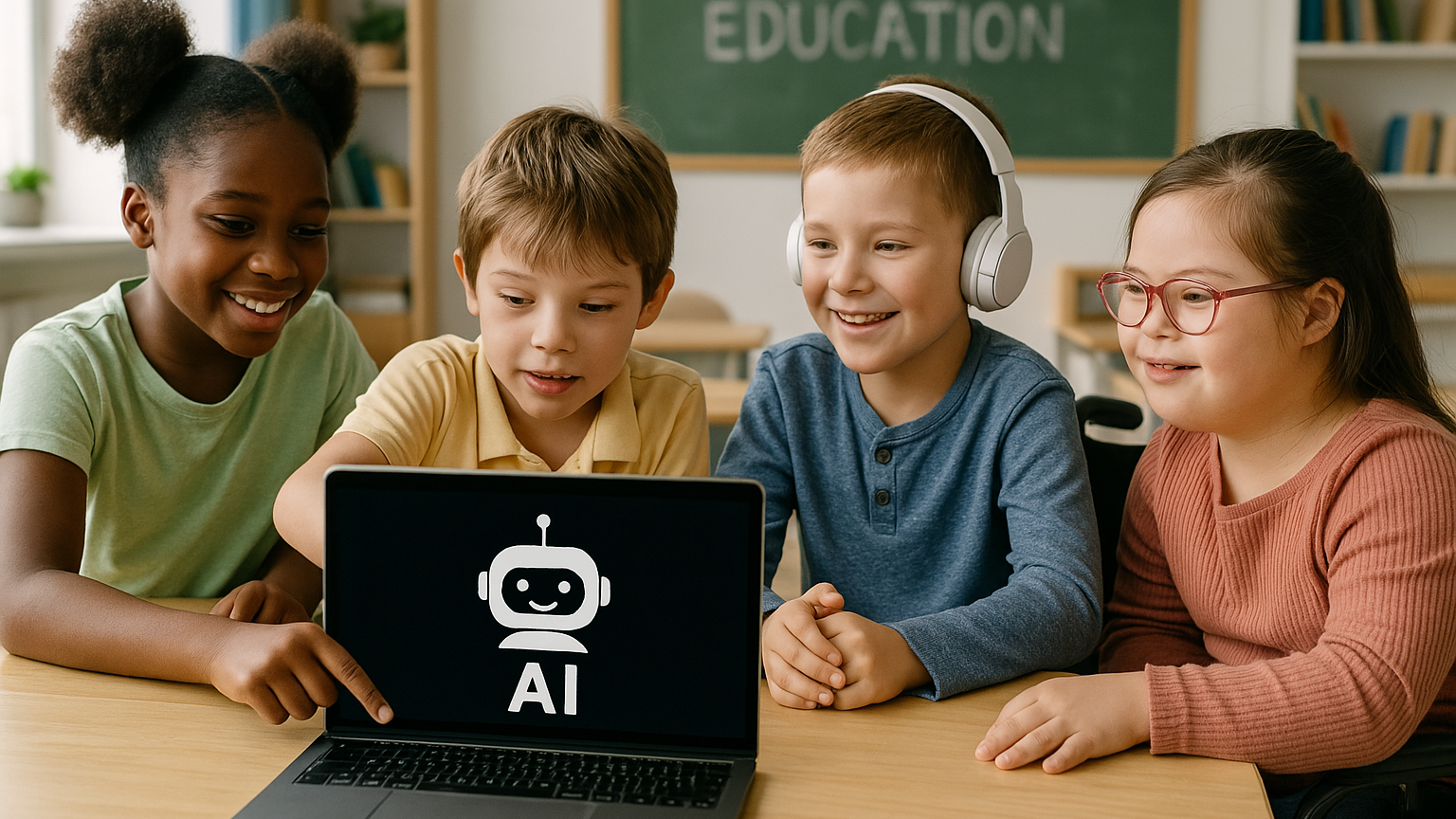
AI in Kids Education can significantly support children with special educational needs. Personalized learning tools cater to the unique needs of each child, providing a more inclusive educational experience. Examples include:

  • Speech recognition tools for children with hearing impairments or speech delays.
  • Visual aids for children with autism spectrum disorders to better understand concepts.
  • Cognitive training apps to improve focus and memory for children with ADHD.

AI-powered tools designed for special education help create an inclusive learning environment where every child can thrive.

Step 6: Foster Collaboration with Group Learning of AI in Kids Education
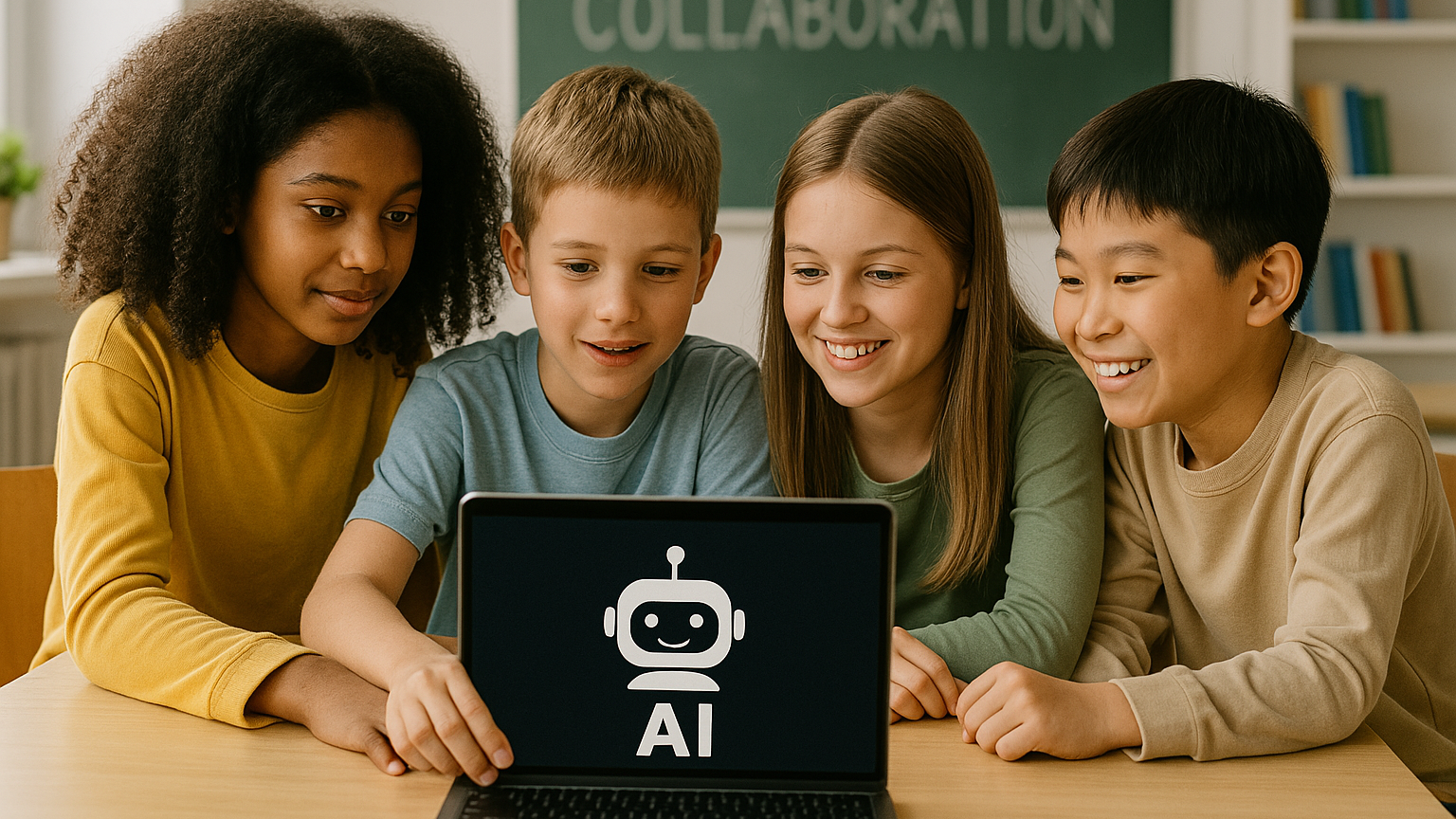
AI is not just for individual learning—it also supports group learning. Many AI-powered apps allow children to collaborate on projects. Here’s how:

  • Group challenges: Apps like Scratch and Tynker allow children to collaborate on coding projects, fostering teamwork and creative problem-solving.
  • Peer learning: Platforms like Google Classroom foster group discussions and collaborative learning with real-time AI feedback.
  • Teacher-student collaboration: AI tools assist teachers in monitoring group projects and providing personalized feedback to each student.

Group learning with AI promotes communication and teamwork while enhancing learning outcomes.

Step 7: Monitor Safety and Well-being of AI in Kids Education
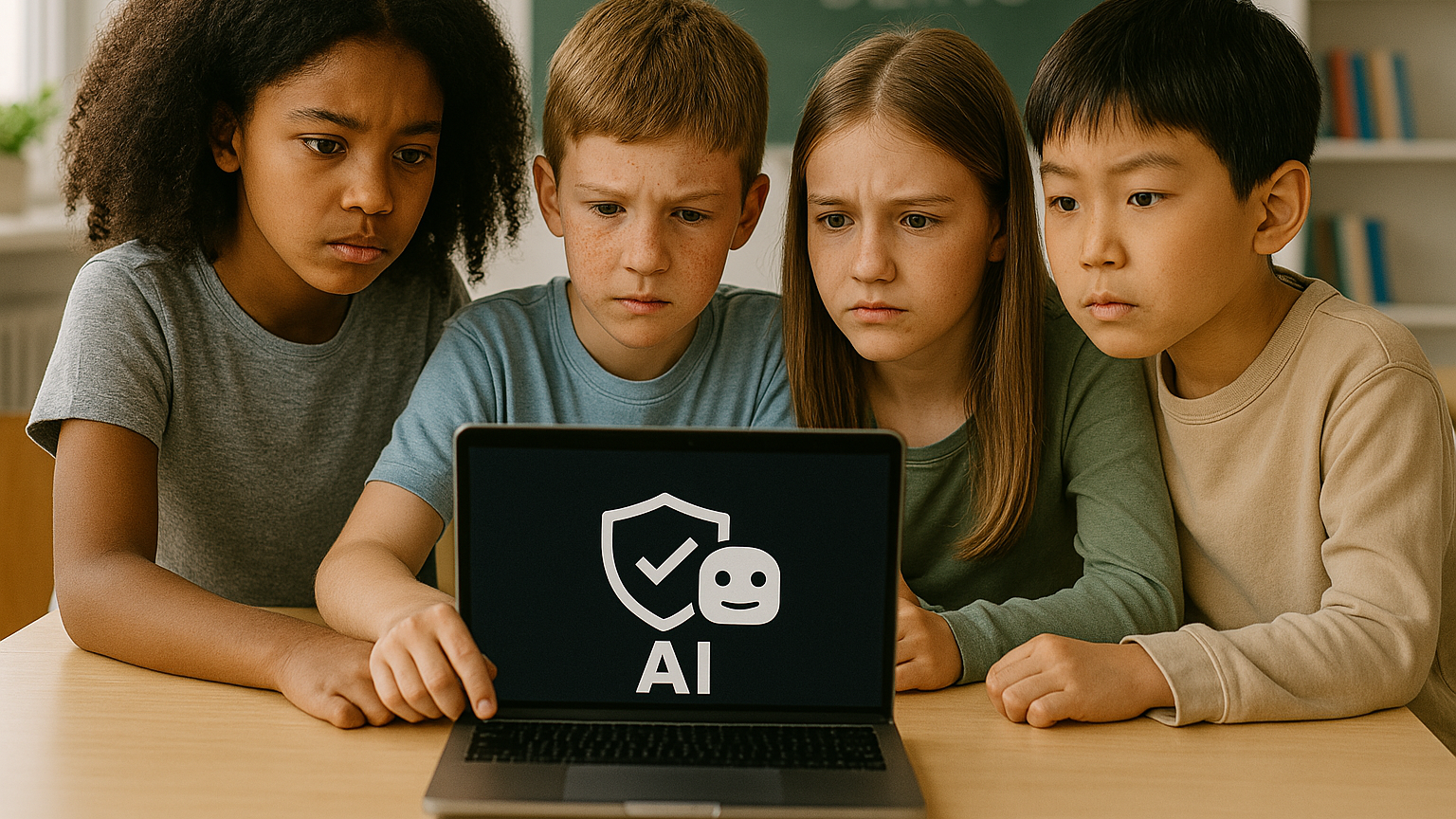
It’s essential to ensure that AI in Kids Education uses AI tools in a safe environment. Here are some key safety measures:

  • Limit screen time: Set time limits for using AI apps to avoid overuse and encourage breaks.
  • Monitor activity: Track the content your child engages with to ensure it is age-appropriate.
  • Privacy settings: Ensure the apps have proper privacy settings and don’t collect unnecessary personal data.

By monitoring your child’s use of AI tools, you can ensure a safe and productive learning experience.

The Future of Learning with AI in Kids Education

Using AI in kids education is revolutionizing the way kids learn, offering personalized, engaging, and inclusive learning experiences. By following these steps—understanding AI’s benefits, choosing the right tools, implementing them in daily routines, tracking progress, and ensuring safety—you can help your child make the most of AI-powered education.

At Timedoor Academy, we leverage AI to enhance children’s learning experiences, helping them develop critical skills like coding, problem-solving, and creativity. Join our free trial class and give your child the tools they need to succeed in the future of education.

Keep Reading

10 Practical Tips to Set Up a Comfortable and Productive Home Learning Space for Kids
In today’s digital age, children are not only learning at school but also through various online platforms from the comfort of home. That’s why setting up a home learning space for kids that is both comfortable and productive has become increasingly important. A well-organized learning environment supports better focus, enhances motivation, and encourages independent study habits from an early age. Here are ten simple yet effective tips to help parents create an ideal home learning space that supports both comfort and academic success. 10 Practical Tips to Set Up a Comfortable and Productive Home Learning Space for Kids 1. Choose a Quiet Spot with Minimal Distractions Start by picking a location that isn’t heavily trafficked throughout the day. Ideally, a home learning space for kids should be away from TVs, the kitchen, or play areas. If you don’t have a dedicated room, convert a quiet corner of the bedroom or living room into a learning zone. Use a bookshelf or lightweight divider to create a clear separation between study time and leisure time. 2. Ensure Good Lighting Lighting has a direct impact on mood and focus. Make sure the home learning space for kids has access to natural light during the day. For evening sessions, provide a desk lamp with bright but soft white lighting. Avoid dim lights, as they can cause drowsiness and reduce attention. 3. Provide Ergonomic Furniture A comfortable setup goes a long way. Use a chair and desk that match your child’s height to encourage proper posture. Add cushions or a footrest if needed, so your child can sit comfortably for longer study sessions. 4. Minimize Visual and Audio Distractions Overly bright or busy decor can be distracting in home learning space for kids. Stick to neutral or calming colors for the walls and furniture. Keep toys and unrelated devices out of reach during study hours. If noise from outside interrupts your child’s focus, consider using noise-cancelling headphones, especially during online classes. 5. Keep All Learning Materials Within Reach Equip the space with all the essentials: stationery, books, a laptop or tablet, headphones, and a reliable internet connection. Having everything nearby prevents unnecessary movement and keeps the child focused. Use storage bins or small shelves to keep the desk tidy and clutter-free. 6. Display a Daily Schedule Help your child develop a routine by creating a visual schedule. Post it on the wall near their desk using colorful charts or illustrations. The schedule can include study time, breaks, meals, and creative activities. Visual structure supports time management and builds responsibility. 7. Involve Your Child in the Setup Let your child have a say in how the space looks. Allow them to choose the colors, arrange the desk, or decorate with their favorite items. When kids feel ownership over their home learning space, they are more likely to use it enthusiastically and keep it tidy. 8. Ensure Good Air Circulation and Room Temperature A cool, fresh room helps maintain energy and concentration. Open windows regularly or use a fan or air conditioner if needed. Scent can also influence mood — try light, calming scents like lavender to create a relaxed environment. 9. Match the Setup to Your Child’s Digital Learning Needs If your child is involved in digital learning, make sure the equipment works smoothly. Check the laptop or tablet, webcam, microphone, and internet connection before class begins. Also, make sure their chair and desk setup supports good posture for screen-based learning. 10. Add Motivational Personal Touches Showcase your child’s artwork, awards, or inspiring quotes on the wall. Personal touches can boost confidence and make the space feel more welcoming and meaningful to them. Maximize Your Child’s Home Learning Space with the Right Learning Program Creating a home learning space for kids is a strong start, but it becomes truly effective when paired with the right learning content. Timedoor Academy offers a wide range of interactive online classes to help children grow academically and creatively — all from their home learning space. With subjects like coding, robotics, math, and digital creativity, your child can explore their interests in a fun and structured way. Sign up for a free trial class at Timedoor Academy today and give your child the opportunity to build skills for the future while learning comfortably at home.
7 Top Movie Recommendations for Kids: Best Family Films of 2024 – 2025!
Watching movies with your children is not only a fun family activity, but also a meaningful way to teach important values, expand horizons, and spark their imagination. By choosing the right movie recommendations for kids, parents can introduce positive messages and exciting stories that stay with their children for years to come. Between 2024 and 2025, there are many new animated and live-action releases that are full of adventure and valuable lessons. Here are seven movie recommendations for kids that you should not miss for your next family movie night. 1. Jumbo (2025) Released on March 31, 2025, Jumbo is an Indonesian animated film directed by Ryan Adriandhy. The story follows Don, an orphaned boy often underestimated because of his large size. With the help of a tiny fairy named Meri, Don embarks on a magical adventure to discover the meaning of friendship and courage. Jumbo quickly became Indonesia’s highest-grossing animated movie of all time, reaching more than two million viewers in just eleven days. This is a must-watch and one of the top movie recommendations for kids in 2025. 2. Inside Out 2 (2024) Inside Out 2, released on June 14, 2024, is the much-anticipated sequel to Pixar’s acclaimed film. The story continues with Riley as she enters her teenage years, experiencing new emotions such as anxiety and embarrassment. As one of the most talked-about movie recommendations for kids this year, Inside Out 2 provides deep insight into the importance of understanding and managing feelings, making it both entertaining and meaningful for children and parents alike. 3. Elio (2025) Set to premiere on June 13, 2025, Elio is Pixar’s next big animated release. The movie centers on Elio, a young boy who is accidentally abducted by an intergalactic organization and suddenly finds himself appointed as Earth’s ambassador. Packed with vibrant interstellar adventures and positive messages about courage and self-discovery, Elio stands out among the latest movie recommendations for kids for families seeking something unique and imaginative. 4. The Wild Robot (2024) The Wild Robot was released on September 27, 2024, and tells the story of Roz, a robot who becomes stranded on a deserted island and must learn to adapt to the natural world and its inhabitants. This beautifully animated film is one of the most inspiring movie recommendations for kids, sharing heartfelt lessons about compassion, adaptation, and the importance of building relationships with others, no matter how different they may seem. 5. Zootopia 2 (2025) Zootopia 2 is scheduled for release on November 25, 2025, and brings back the beloved characters Judy Hopps and Nick Wilde as they solve new mysteries in the vibrant city of Zootopia. The movie is highly anticipated and is sure to be one of the top movie recommendations for kids next year, offering exciting stories and positive messages about diversity, teamwork, and justice. 6. Space Cadet (2025) Space Cadet, a Canadian animated film, had its world premiere on February 16, 2025, at the Berlin International Film Festival. This dialogue-free movie tells the story of a young astronaut and her robot guardian, exploring themes of loss, love, and finding your place in the universe. With its stunning visuals and emotional depth, Space Cadet is a standout among movie recommendations for kids and offers a unique viewing experience for the whole family. 7. Sauvages (2024) Released on May 18, 2024, Sauvages is a stop-motion animated film about Kéria, a young girl living in Borneo who teams up with her cousin and an orangutan to fight against deforestation. The movie addresses important themes of environmental conservation and cultural identity, making it one of the most educational and relevant movie recommendations for kids this year. Tips for Enjoying Movies with Kids To get the most out of these movie recommendations for kids, parents can try these simple tips: Choose movies that are appropriate for your child’s age and always check reviews beforehand. Discuss the story after watching, asking your child about their favorite characters and what lessons they learned. Combine movie time with other activities, such as reading related books or doing crafts inspired by the film’s themes. Limit screen time and balance it with physical activities and social interaction. Make movie night a special bonding time for the family, not just entertainment. By carefully selecting movie recommendations for kids, parents can help their children develop empathy, broaden their perspectives, and gain positive values from a young age. Balancing Entertainment and Digital Learning In today’s digital world, children need not only quality entertainment but also essential skills for the future. Along with watching the latest movie recommendations for kids, introduce them to the world of coding, creativity, and technology through fun educational activities. If you want your child to develop logical thinking, creativity, and self-confidence, sign them up for a free trial coding class at Timedoor Academy. Make family time even more fun and meaningful by balancing great entertainment with digital learning opportunities.
Bagaimana Teknologi Meningkatkan Kreativitas Anak
How Technology Boosts Creativity for Kids
In today's digital age, technology plays a significant role in shaping children's lives, offering them not only entertainment but also endless opportunities to enhance their creativity. How technology boosts creativity for kids is not just about playing games or watching videos; it's about engaging with tools that encourage children to explore new ideas, express themselves through various forms of art, and solve complex problems in innovative ways. In this article, we’ll dive into the many ways how technology boosts creativity for kids, helping parents and educators harness the power of technology for creative development.   1. Digital Tools That Boost Creativity for Kids Technology offers a vast array of digital tools designed to stimulate creativity in children. Drawing apps like Procreate or Tayasui Sketches, for example, allow kids to create beautiful artworks on tablets, pushing their imagination and skills. Music production software, such as GarageBand, is another fantastic tool to help children explore their musical creativity by composing songs and learning about sound design. These tools don’t just teach technical skills; they encourage kids to think creatively. The immediate feedback and flexibility offered by these apps allow children to experiment with different styles and techniques, making it a fun and educational way how technology boosts creativity for kids.   2. Problem-Solving and Critical Thinking One of the most impactful ways how technology boosts creativity for kids is by enhancing their problem-solving and critical thinking abilities. Educational games and apps that challenge children to solve puzzles, plan strategies, and make decisions help develop their cognitive skills. Apps like Scratch or Tynker, which teach coding and logic, are excellent examples of how technology boosts creativity for kids. By engaging with these platforms, children not only learn to code but also learn to think critically, test solutions, and refine their ideas. This helps them become creative problem-solvers who are capable of thinking outside the box, which is an essential skill for both academic success and life in general.   3. Access to a Wealth of Creative Learning Resources The internet is a treasure trove of creative learning resources that can help how technology boosts creativity for kids. Platforms like YouTube, TED-Ed, and Khan Academy provide a wide variety of content that can spark children’s imaginations. From DIY craft tutorials to science experiments, there is no shortage of material to engage kids and fuel their creativity. Moreover, eBooks and audiobooks offer children new ways to experience stories that stimulate their imagination. These resources allow kids to engage with the arts, explore new concepts, and learn new skills in creative and interactive ways.   4. Collaborative Creativity and Social Interaction Technology also offers unique opportunities for kids to collaborate on creative projects with others. Online platforms and apps designed for group work allow children to share ideas, co-create, and provide feedback to one another, fostering both creativity and social skills. By working together, kids not only boost creativity but also learn how to communicate effectively, manage team dynamics, and develop empathy. For instance, children can participate in group art projects, write collaborative stories, or join virtual hackathons. These shared creative experiences are a great way to help children enhance their creativity while also developing valuable interpersonal skills.   5. Digital Storytelling for Creative Expression Digital storytelling is another powerful way how technology boosts creativity for kids. With easy-to-use platforms like Storybird, Adobe Spark, and even Instagram, children can write, illustrate, and share their stories in engaging ways. These platforms allow kids to take control of their narratives, helping them express their thoughts, ideas, and emotions creatively. Storytelling is not only a fun way to engage with creativity but also a valuable skill that supports literacy, critical thinking, and emotional development. By using digital tools to tell their stories, children can learn how to organize their ideas, use technology to enhance their creations, and communicate their thoughts in new and innovative ways.   6. Immersive Technologies: Virtual and Augmented Reality Virtual Reality (VR) and Augmented Reality (AR) technologies are increasingly being used to enhance creativity for kids. These immersive technologies provide children with the opportunity to engage with creative environments in ways that are not possible in the real world. With VR and AR, children can design virtual spaces, explore interactive 3D models, and engage in hands-on creative activities. For example, using VR headsets, children can participate in virtual learning experiences that incorporate art, design, and creativity. They can create 3D models, design virtual sculptures, or explore complex architectural structures. AR apps like Quiver bring children’s drawings to life, allowing them to see their artwork come to life in augmented spaces. These tools give kids a whole new world to explore, further showing how technology boosts creativity for kids.   7. Technology as a Gateway to STEM Creativity Another way how technology boosts creativity for kids is by inspiring them to pursue STEM (Science, Technology, Engineering, and Mathematics) fields, where creativity is a crucial component. Coding platforms, robotics kits, and 3D printing tools all encourage kids to create, innovate, and design in the realms of engineering and technology. Tools like LEGO Mindstorms or robotics kits allow kids to build and program their own creations, providing them with hands-on experience in both technology and design. These activities encourage kids to think creatively about how to solve problems, design solutions, and bring their ideas to life.   How Technology Boosts Creativity for Kids in Countless Ways Incorporating technology into your child’s life can have a profound impact on their creative development. From digital art and music tools to coding apps and immersive experiences, technology offers a vast range of opportunities for kids to explore, create, and learn. By using these tools, parents and educators can help nurture creativity, problem-solving skills, and innovation in children, setting them up for future success. At Timedoor Academy, we provide various online resources and learning tools designed to help your child develop their creativity through technology. Whether it’s interactive coding classes, virtual workshops, or personalized learning materials, we’re here to support your child’s creative journey. Start a free trial today and explore how technology can boost creativity for kids in exciting and engaging ways!
float button