Apr 28, 2025

The Benefits of Coding for Kids 2025: Why Start Early?

The Benefits of Coding for Kids 2025: Why Start Early? image

In today’s digital world, understanding technology is becoming as important as reading and writing. One of the best ways to prepare children for the future is by introducing them to coding at an early age. The Benefits of Coding for Kids go far beyond just learning how to program a computer. Coding can help children develop essential life skills that will serve them well in any career path they choose. In this article, we will explore The Benefits of Coding for Kids and why starting early makes a big difference.

1. Enhancing Problem-Solving Skills
the benefits of coding for kids

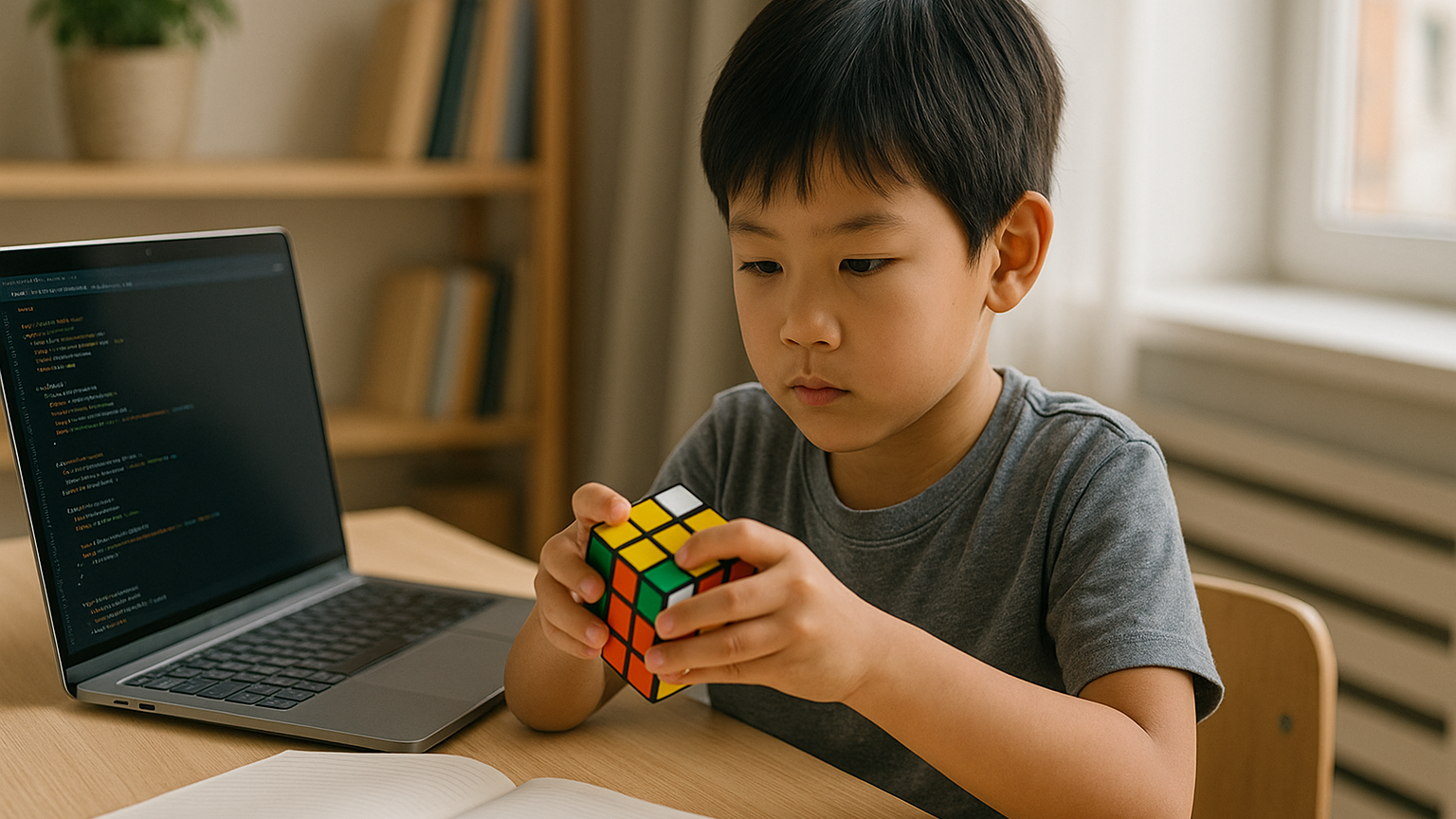
One of The Benefits of Coding for Kids is the development of strong problem-solving abilities. Coding encourages children to think critically and approach challenges with a logical mindset. When kids write code, they often encounter errors or bugs. Finding and fixing these issues teaches them how to break down problems into manageable parts and work through solutions methodically. The Benefits of Coding for Kids in this area are clear, as these problem-solving skills are useful not only in computer science but in everyday life as well.

2. Boosting Creativity and Innovation
the benefits of coding for kids

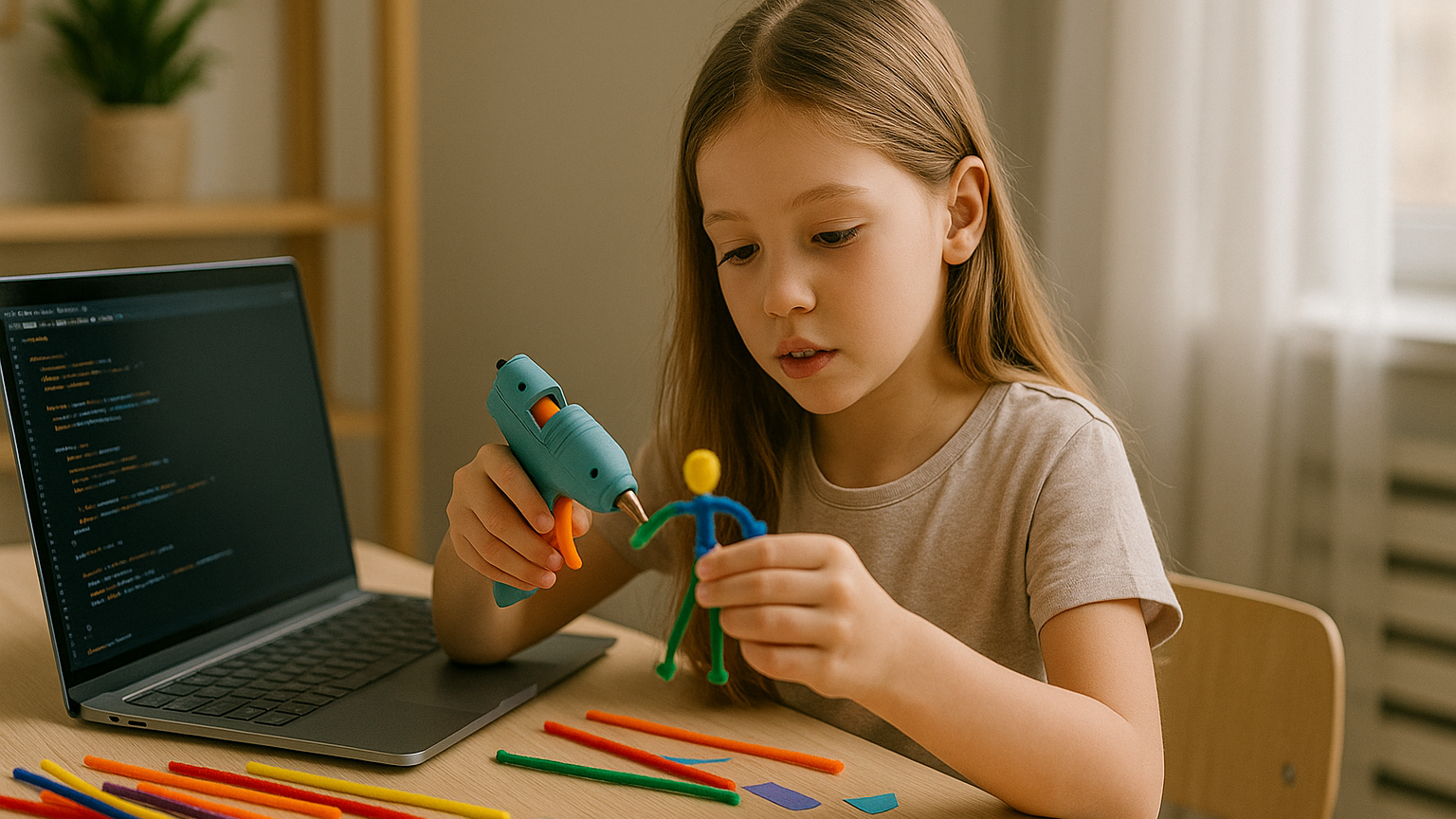
Another key aspect of The Benefits of Coding for Kids is how it nurtures creativity. Contrary to the belief that coding is purely technical, creating a new app, game, or website involves a great deal of imagination. Children can express themselves by building projects that reflect their interests and ideas. The Benefits of Coding for Kids also include encouraging them to think outside the box and come up with innovative solutions to real-world problems.

3. Building Resilience and Persistence
the benefits of coding for kids

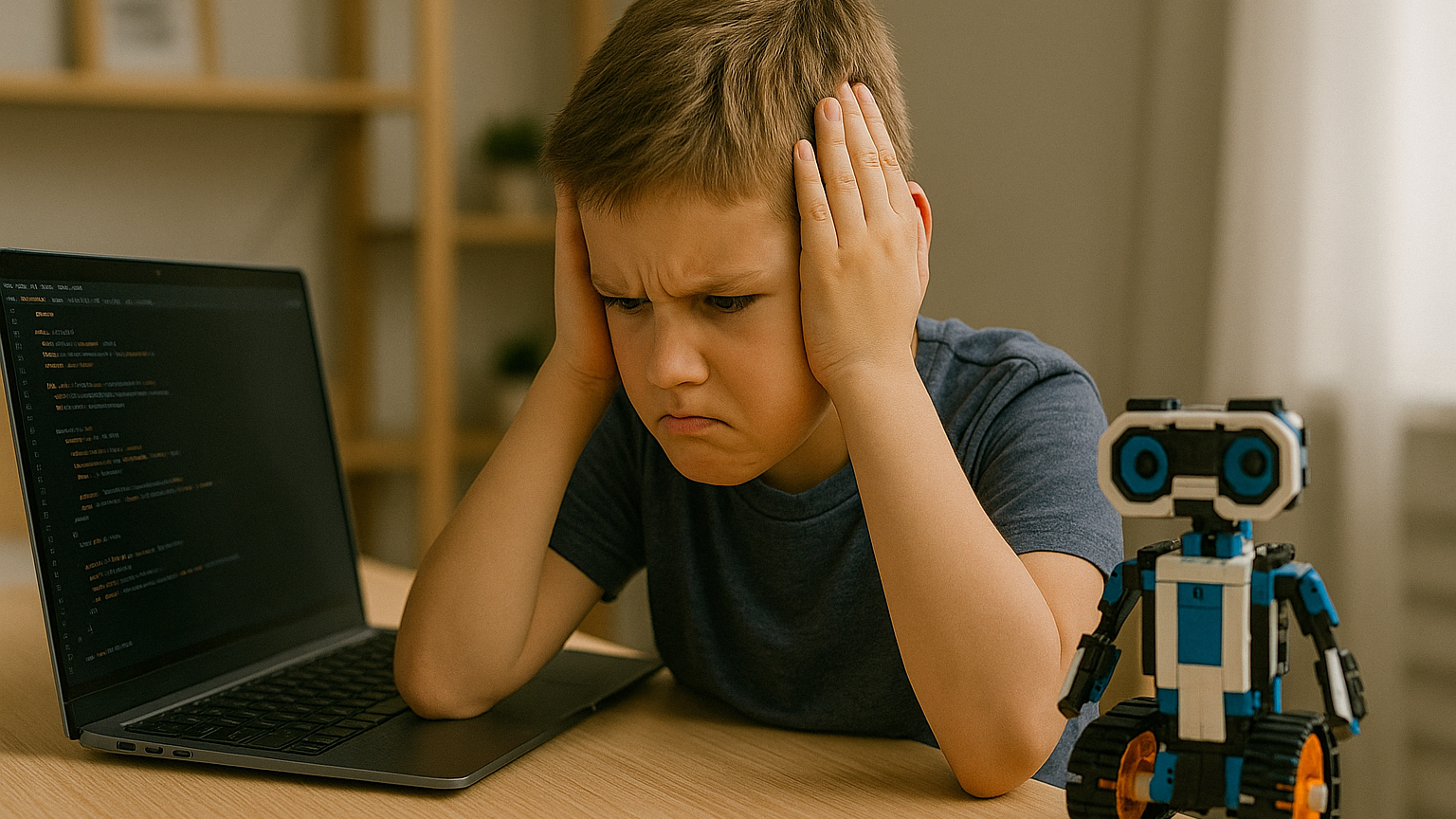
Learning to code is not always easy, and that is exactly why The Benefits of Coding for Kids include building resilience. Kids quickly learn that failure is a part of the process and that persistence is key to success. They may have to try multiple times before they get their code to work correctly. The Benefits of Coding for Kids in this area are significant because resilience and persistence are important traits that will benefit them throughout their academic and professional lives.

4. Strengthening Mathematical Skills

the benefits of coding for kids

Mathematics and coding are closely related. Understanding concepts like variables, sequences, and patterns is crucial in both fields. One of The Benefits of Coding for Kids is that it helps strengthen their math skills in a practical and engaging way. Instead of seeing math as a boring subject, children realize that numbers and logic have real-world applications. The Benefits of Coding for Kids extend to making math more fun and approachable, which can improve their overall academic performance.

5. Preparing for Future Career Opportunities
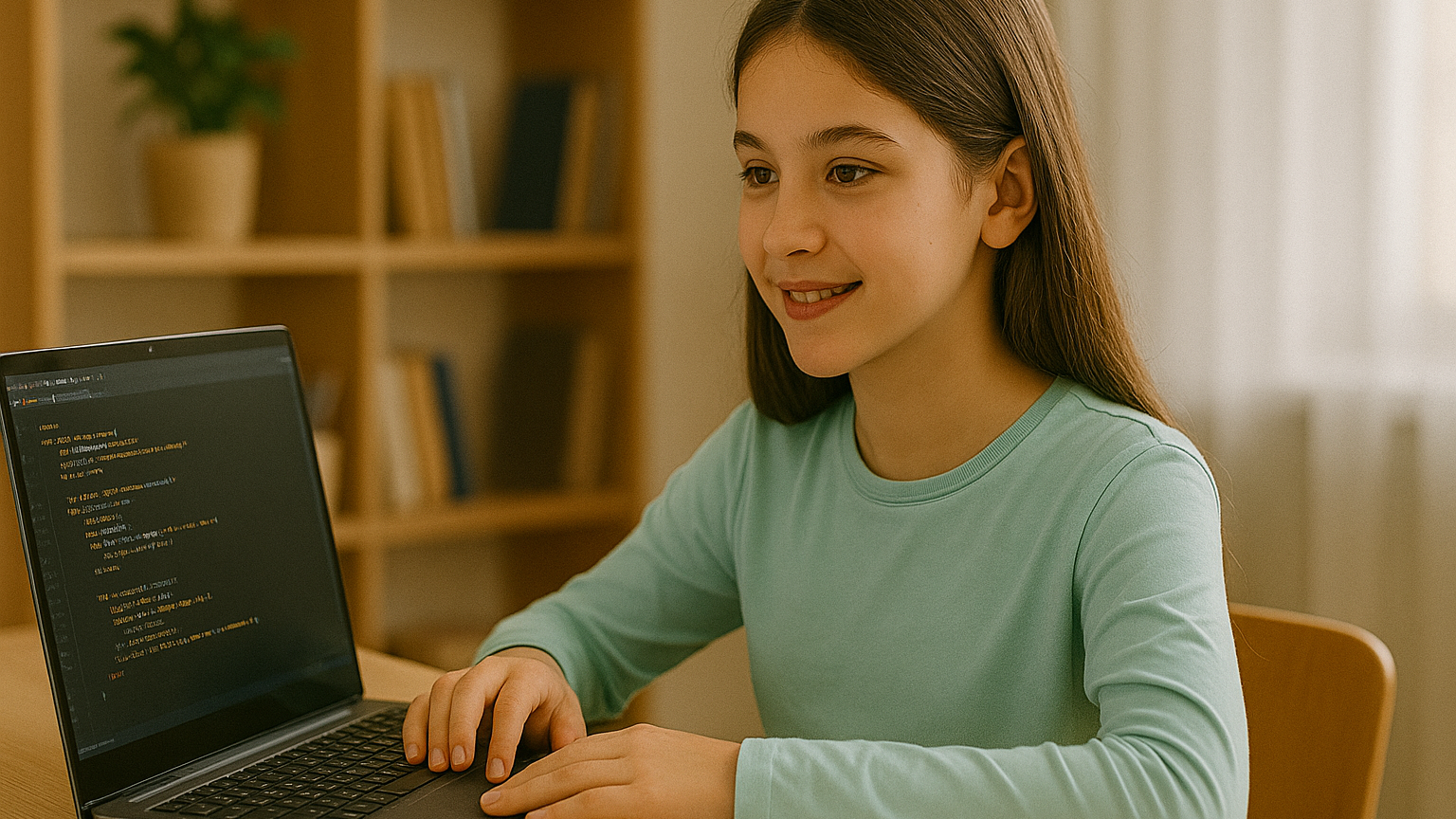
The job market is evolving rapidly, and coding skills are becoming increasingly valuable across industries. One of The Benefits of Coding for Kids is giving them a head start in a world where technology dominates many fields. Whether they choose a career in software development, medicine, finance, or the arts, understanding how technology works will be an asset. The Benefits of Coding for Kids also include opening doors to numerous opportunities, ensuring that children are not just consumers of technology but creators as well.

6. Fostering Collaboration and Communication

While coding may seem like a solitary activity, it often involves working in teams, especially in real-world projects. The Benefits of Coding for Kids include learning how to collaborate with others, share ideas, and communicate effectively. Group projects encourage children to listen to others’ perspectives and explain their own ideas clearly. The Benefits of Coding for Kids, therefore, reach beyond technical skills, helping children become better teammates and communicators.

7. Enhancing Logical Thinking and Analytical Skills

Coding requires a logical approach to solving problems. Children must think step-by-step, anticipate outcomes, and plan accordingly. The Benefits of Coding for Kids in terms of enhancing logical thinking are profound. Analytical skills developed through coding activities help children in other subjects such as science and reading comprehension. The Benefits of Coding for Kids include creating a structured way of thinking that supports academic success across multiple disciplines.

8. Encouraging Self-Confidence

Another important point when discussing The Benefits of Coding for Kids is the boost in self-confidence that coding can provide. Successfully completing a coding project, solving a difficult problem, or seeing their app or game come to life gives children a great sense of accomplishment. The Benefits of Coding for Kids also involve building their belief in their own abilities, encouraging them to tackle bigger challenges in the future with confidence.

9. Promoting Global Competitiveness

the benefits of coding for kids

In an increasingly interconnected world, coding is a universal language. Children who learn to code are better prepared to compete on a global stage. The Benefits of Coding for Kids include preparing them to participate in a global economy where technological literacy is key. The Benefits of Coding for Kids ensure that children have the skills needed to innovate, collaborate internationally, and succeed in a tech-driven world.

How to Get Started Obtaining The Benefits of Coding for Kids

Now that we have seen The Benefits of Coding for Kids, it is important to consider how to get them started. Parents and educators can introduce coding through online platforms, coding camps, and school programs. Platforms like Timedoor Academy offer structured courses designed specifically for children, making the learning process fun and effective. Emphasizing The Benefits of Coding for Kids from the beginning helps children stay motivated and excited about their coding journey.

Many programs use visual-based coding languages like Scratch to teach beginners. These programs allow children to drag and drop code blocks, making it easy to understand basic programming concepts. As children progress, they can move on to more advanced languages like Python, JavaScript, or HTML. Understanding The Benefits of Coding for Kids early on can inspire them to pursue coding seriously and develop skills that will serve them for a lifetime.

Ready to Unlock The Benefits of Coding for Kids?

 Image

If you are looking for the best way to introduce your child to coding, Timedoor Academy is here to help. Our expert-designed courses are tailored to make learning coding fun, engaging, and effective for children of all ages. Whether your child is just starting or looking to deepen their skills, Timedoor Academy offers a supportive environment that focuses on building creativity, problem-solving, and confidence.

Discover how your child can experience The Benefits of Coding for Kids by joining our free trial class today. Let us help your child take the first step towards a bright and successful future.

Sign up for a free trial at Timedoor Academy now!

Keep Reading

Future-Ready Skills: Coding Education for Elementary School Students
In today’s digital era, technology skills are no longer optional but have become essential for the younger generation. Wise parents understand the importance of preparing their children for the future by equipping them with the right knowledge and mindset. One valuable skill to introduce early is coding. Through Coding Education for Elementary School Students, children not only learn how to use technology but also how it truly works. Many parents might wonder if coding is too complicated for young learners. In fact, when taught through interactive and enjoyable methods, children adapt quickly. Coding can be presented like solving puzzles, stacking blocks, or building a story. With the right approach, Coding Education for Elementary School Students becomes accessible and engaging for kids. Why Start Early? Introducing coding at an early age brings multiple benefits. First, children develop logical and structured thinking. When writing code, they learn to arrange steps in order and understand cause-and-effect relationships. Second, coding sparks creativity. Children can design simple games, animations, or applications that reflect their imagination. Third, it fosters persistence. When their programs do not run smoothly, they practice finding solutions until they succeed. Therefore, Coding Education for Elementary School Students is not just about computer knowledge, but also about shaping resilient, creative, and critical thinkers. The Connection Between Coding and Daily Life Coding is not a separate or abstract concept. Children encounter it daily through apps, digital games, and smart devices. By learning coding, they can understand the logic behind these technologies. For example, when playing a game, they can imagine how a character moves because of certain instructions happening in the background. This transforms children from passive consumers into future creators of technology. That is the true value of Coding Education for Elementary School Students compared to simply using gadgets. Challenges and the Role of Parents Of course, introducing coding to children comes with challenges. One of the biggest is keeping the learning process enjoyable. Children can lose focus if the lessons are too complicated or monotonous. This is why teaching methods must be designed specifically for their age group. Parents play a crucial role by providing encouragement and consistent support. Setting aside time, motivating children when they face difficulties, and choosing a trusted learning program are key to success. With proper guidance, Coding Education for Elementary School Students can be a meaningful and sustainable journey. Effective Learning Methods To ensure effective learning, methods must be child-friendly. One popular approach is visual programming, where children use drag-and-drop blocks to create instructions. This helps them grasp the basics without being overwhelmed by complex syntax. Another method is integrating hobbies into coding. A child who enjoys drawing can learn to create simple animations, while a child who loves games can experiment with building their own mini-games. Through these approaches, Coding Education for Elementary School Students feels natural and relevant to their daily experiences. Long-Term Impact The benefits of coding extend far beyond the present. Children who start coding early often perform better in subjects involving logic, such as mathematics and science. Moreover, they will be more competitive in the future as technology continues to shape industries worldwide. In this sense, Coding Education for Elementary School Students is a long-term investment. It nurtures innovative thinking, problem-solving abilities, and adaptability, all of which are essential for thriving in a globalized world. Fun and Safe Coding for Elementary School Kids For parents, introducing coding during the elementary school years is a forward-looking decision. With the right teaching methods, coding can be both fun and educational. Timedoor Academy offers a structured curriculum and experienced tutors to guide children in learning coding interactively and safely. If you want your child to be future-ready with strong digital skills, consider signing them up for a free trial at Timedoor Academy. With creative and enjoyable learning experiences, your child will discover the exciting world of coding while preparing for a brighter future.
Pemrograman Java untuk anak SMA
Java Programming for High School Students: Unlock the World of Coding
In today's fast-paced, technology-driven world, programming skills have become essential for young minds. For high school students looking to dive into the world of coding, Java programming for high school students is an excellent starting point. Java is one of the most widely used programming languages, known for its versatility, reliability, and ease of learning. It is used in everything from mobile apps to large-scale enterprise applications. Whether your child is interested in creating mobile games, building websites, or exploring artificial intelligence, Java programming for high school students provides a solid foundation. In this article, we will explore the importance of Java programming for high school students, how it can benefit their future, and why enrolling in a Java programming class for high school students is a smart choice. Why Java Programming is a Great Choice for High School Students Java programming for high school students offers a wide range of advantages for young learners: Universal Language: Java is a language that can run on any platform without needing to be re-written, which is known as its platform independence. This means students can write code once and run it anywhere, whether on Windows, macOS, or Linux. This cross-platform compatibility is a big advantage for aspiring developers. Foundation for Other Languages: Learning Java programming for high school students provides a strong foundation for other programming languages. Once students are comfortable with Java, transitioning to other languages like Python, C++, or JavaScript becomes much easier. Java introduces students to core programming concepts such as variables, loops, conditionals, and object-oriented programming. Job Opportunities: Java programming for high school students is one of the most in-demand skills in the job market. By learning Java early on, students set themselves up for future opportunities in fields such as software development, game design, web development, and even machine learning. Problem-Solving Skills: Java programming for high school students helps develop logical thinking and problem-solving skills. By learning to write code, students practice breaking down problems into manageable pieces and finding efficient solutions. These skills are not only valuable for coding but also essential in various other aspects of life. Real-World Applications: Java is used in numerous industries, from finance to entertainment. It powers Android mobile apps, large-scale enterprise systems, cloud-based applications, and much more. By learning Java programming for high school students, they gain exposure to real-world applications and can apply their knowledge to projects with practical uses. Benefits of Java Programming for High School Students Enrolling in a Java programming class for high school students can provide several key benefits: Structured Learning Path: While there are plenty of online tutorials and resources available, taking a formal Java programming class for high school students provides a structured approach. Students learn from experienced instructors who guide them through the fundamentals and advanced topics, ensuring they build a strong understanding of the language. Hands-On Experience: Programming is best learned through practice. Java programming classes for high school students typically involve hands-on coding exercises, allowing students to apply their knowledge in real-time. Whether it's building a simple calculator or creating a basic game, students get to experience the thrill of bringing their ideas to life. Access to Expert Guidance: Learning a programming language can be challenging, especially for beginners. Having access to expert instructors in a classroom setting allows students to ask questions, get feedback, and receive help when they encounter difficulties. This can boost their confidence and keep them motivated throughout the learning process. Collaborative Environment: Many Java programming classes for high school students encourage teamwork and collaboration. Students often work on group projects, where they can learn from one another, share ideas, and tackle challenges together. Collaboration enhances their communication skills and prepares them for future careers that require teamwork. Portfolio Building: One of the most valuable aspects of taking a Java programming class for high school students is the opportunity to build a programming portfolio. Students can showcase their projects, whether it's a simple game or a web application, to potential employers or universities. A strong portfolio can set them apart from others in the competitive tech industry. What Students Will Learn in Java Programming Classes A typical Java programming class for high school students covers a wide range of topics, including: Introduction to Java: Students learn the basics of Java programming for high school students, including how to install and set up the Java development environment. They'll also learn about the syntax of Java and how to write simple programs. Variables and Data Types: Students learn how to use variables to store data and how to work with different data types such as integers, strings, and booleans. They'll also learn how to perform operations on variables. Control Flow: Students are introduced to control flow concepts such as conditionals (if-else statements) and loops (for, while), which help in making decisions and repeating actions within a program. Object-Oriented Programming (OOP): One of the key features of Java is its object-oriented nature. Students learn how to create and work with classes and objects, which is essential for developing complex applications. Functions and Methods: Students learn how to define and call functions (or methods) to perform specific tasks within their programs. This is essential for organizing code and making programs more efficient. Arrays and Collections: Students learn how to store and manage collections of data, such as arrays and lists, which are essential for building more advanced programs. Exception Handling: Java programming classes for high school students introduce students to the concept of error handling, teaching them how to anticipate and manage potential errors in their programs. GUI Development: Students may also learn the basics of creating graphical user interfaces (GUIs), allowing them to build user-friendly applications with buttons, text fields, and other interactive elements. Project Development: As a final step, students often work on a larger project, applying everything they've learned to create a complete Java application. This could be a simple game, a calculator, or a more complex system. Why Timedoor Academy’s Java Programming Class Is Perfect for High School Students At Timedoor Academy, we offer Java programming classes for high school students specifically designed to help young learners succeed. Our classes provide a well-rounded curriculum that covers everything from the basics to advanced topics. Our experienced instructors are passionate about teaching and helping students succeed, and our hands-on approach ensures that students gain practical coding experience. We believe in making coding fun and accessible, and our classes are designed to engage students with interactive lessons, real-world projects, and collaborative work. Whether your child is new to programming or has some experience, our Java programming classes for high school students will help them develop their coding skills and prepare them for future success in the tech industry. The Power of Java Programming for High School Students Java programming for high school students is a valuable skill that can open doors to numerous career opportunities in the technology field. By enrolling in a Java programming class for high school students, they gain a solid foundation in coding that can serve as a stepping stone for future endeavors. The skills they acquire will not only help them in their academic journey but also prepare them for a bright future in the ever-evolving world of technology. Start your child’s coding journey today with Timedoor Academy in free trial class and watch them unlock their potential in the world of programming!
Why Coding for Kids Is Ideal Starting at Age 5
Many parents wonder if young children are ready to learn programming. The answer is absolutely yes, and it is highly encouraged. In recent years, coding for kids as young as five has become increasingly popular. It has been shown to support the development of logical thinking, creativity, and confidence from an early age. Learning to code doesn’t mean children have to type lines of complex code like adults. In fact, the methods used for teaching coding for kids are designed to be fun and visual, often using colorful blocks or interactive games. This makes the learning process feel more like play than work. 1. Age 5 Is a Golden Window for Brain Development Research shows that age 5 is a critical period for brain development. At this stage, children rapidly build their ability to think, absorb information, and recognize patterns. Coding for kids at age 5 takes advantage of this window to introduce logical and systematic thinking. As they solve simple coding challenges, children begin to develop strong problem-solving habits without even realizing it. 2. Builds Focus and Concentration One of the biggest challenges for parents is helping children stay focused during learning. Coding engages children in logical sequences and hands-on tasks like programming a character to move. These activities gradually strengthen concentration. Coding for kids at this age can be an effective way to improve attention span through playful and interactive tasks. 3. Enhances Communication and Collaboration Skills Coding isn’t always a solo activity. Many programs offering coding for kids at age 5 are built around collaboration. Children work in pairs or groups, share ideas, and express their thoughts. These moments naturally boost communication and teamwork, helping kids build social skills early on that will benefit them for years to come. 4. Introduces Technology in a Positive Way Today’s children are no strangers to gadgets and the internet. Instead of completely restricting screen time, parents can guide their kids to use technology for educational purposes. Coding for kids is a smart way to shift them from passive digital consumption to active understanding of how tech works. It fosters digital creativity and responsibility from a young age. 5. Opens Up Future Career Opportunities The future job market will be deeply rooted in technology. By introducing programming concepts early, parents give their children a head start. Coding for kids helps them develop not only technical skills, but also essential soft skills like perseverance, logical reasoning, and adaptability, all of which are vital for future success. Try a Free Coding Class at Timedoor Academy If you're curious to see the benefits of coding for kids firsthand, Timedoor Academy offers a free trial class you can join from home. With a project-based curriculum and engaging visual materials, children are encouraged to explore technology in a way that’s fun and age-appropriate. Timedoor’s curriculum is specially designed for young learners. Guided by professional mentors, children learn through play while building critical thinking skills and confidence. Don’t miss the chance to introduce your child to a positive and educational tech environment.
float button