Apr 29, 2025

Bringing Tech Education To Potential Youth: J Trust Bank and Timedoor Academy Empower Orphans in Karangasem
Bringing Tech Education To Potential Youth: J Trust Bank and Timedoor Academy Empower Orphans in Karangasem image

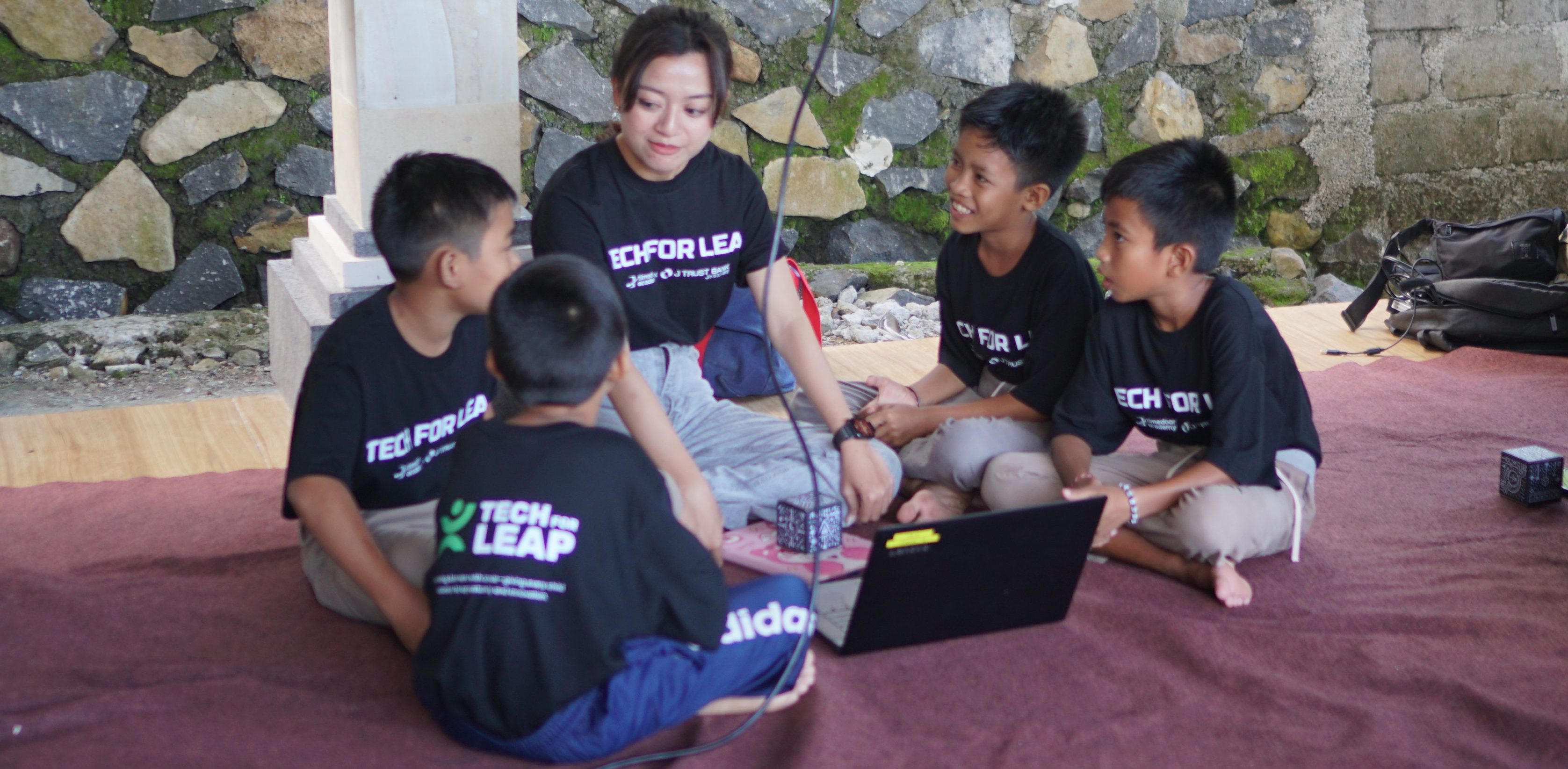
Karangasem, April 27, 2025 – To support IT education for underprivileged children in Indonesia, PT Bank JTrust Indonesia Tbk (J Trust Bank) has partnered with Timedoor Academy, a tech education startup, to launch a Corporate Social Responsibility (CSR) initiative. The program, titled “IT Education for Underprivileged Children and Orphans” took place in Seraya Timur Village, Karangasem District, Bali, and reached 15 children aged 7–18 from orphaned and economically disadvantaged backgrounds.

This initiative addresses the urgent need for IT education for underprivileged children who often face significant barriers such as poverty, limited educational infrastructure, and minimal access to technology. By equipping them with essential digital skills, J Trust Bank and Timedoor Academy aim to prepare these children for a brighter, more equitable future.

Program Focus: IT Education for Underprivileged Children
IT education for underprivileged children

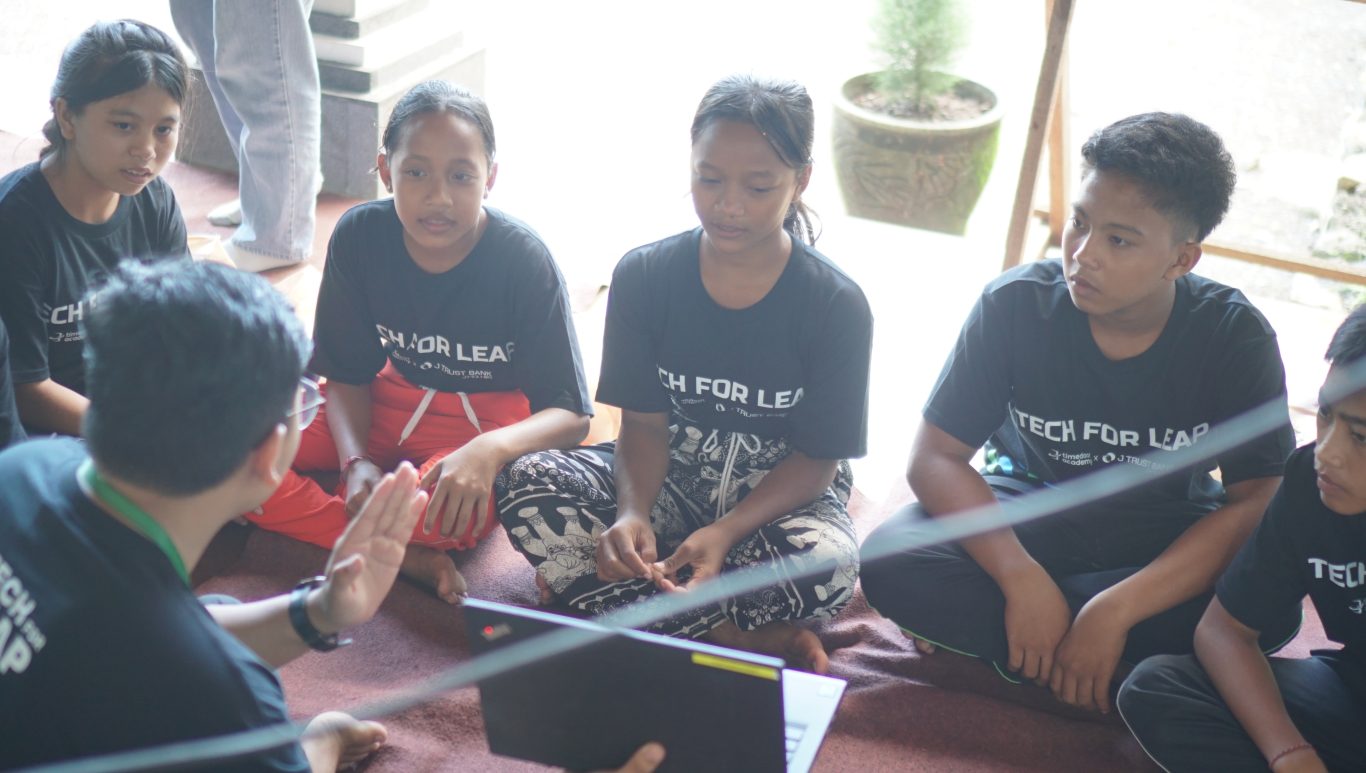
As part of their commitment to IT education for underprivileged children, J Trust Bank and Timedoor Academy designed the program around three key pillars:

1. Training of Trainers (ToT):
This component equips local educators with both technical and teaching skills, enabling them to support and sustain tech education for potential youth in their communities.

2. Learning Management System (LMS) Access:
Students gain access to a digital platform offering curriculum-aligned learning materials for elementary to high school levels, helping to provide structured IT education for underprivileged children that meets their developmental needs.

3. Ongoing In-Person Training:
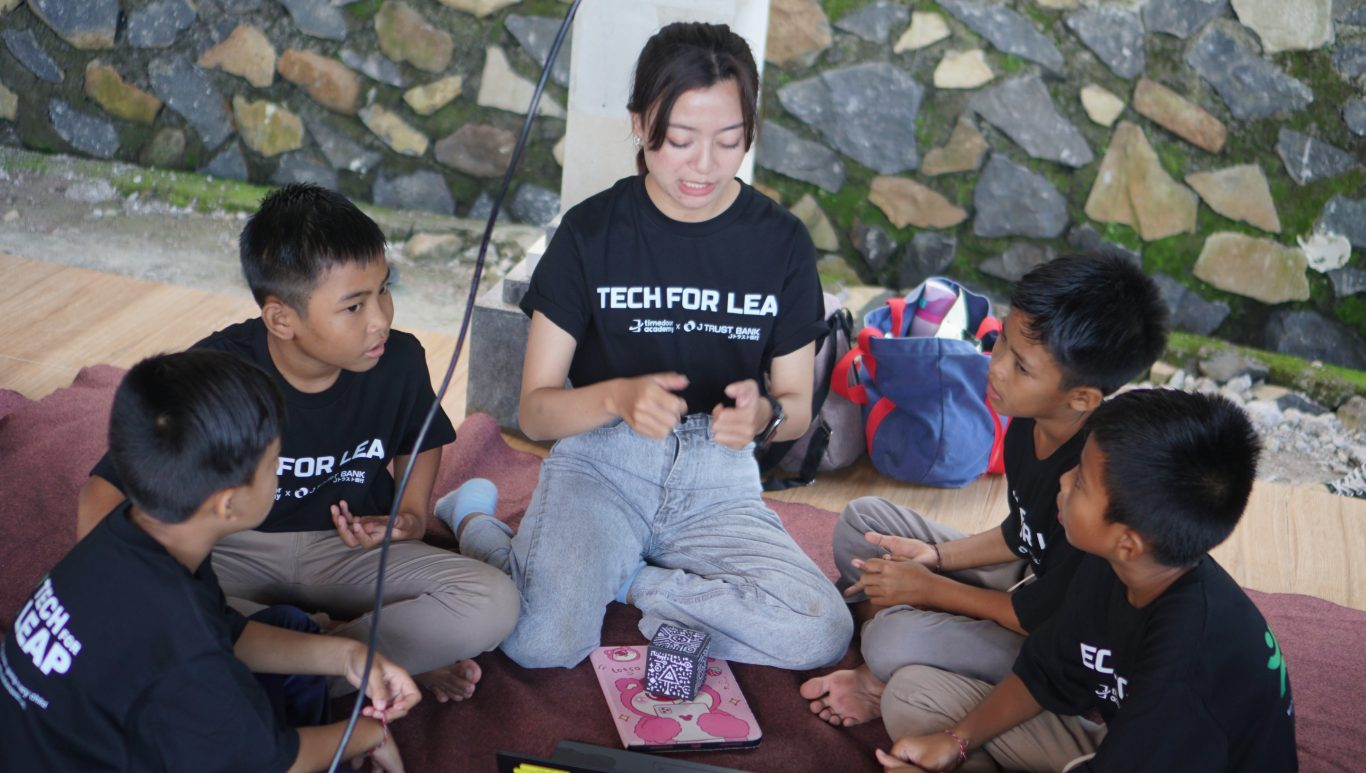
The children undergo 12 months of hands-on learning in coding and basic tech skills. This extended period reinforces the foundational goals of IT education for underprivileged children, building their confidence and digital literacy over time.

J Trust Bank’s Commitment to Inclusive Digital Learning
Ritsuo Fukadai, President Director of J Trust Bank, highlighted the importance of expanding IT education for underprivileged children to foster social equity.

“As a Japanese company operating in Indonesia, we believe technological education must be accessible to all. This program is our step toward opening doors for orphans and underprivileged youth to reach their full potential,” Fukadai explained.

This initiative is part of the bank’s broader mission to support sustainable, tech-driven social development in underserved areas.

Timedoor Academy’s Role in Delivering IT Education for Underprivileged Children
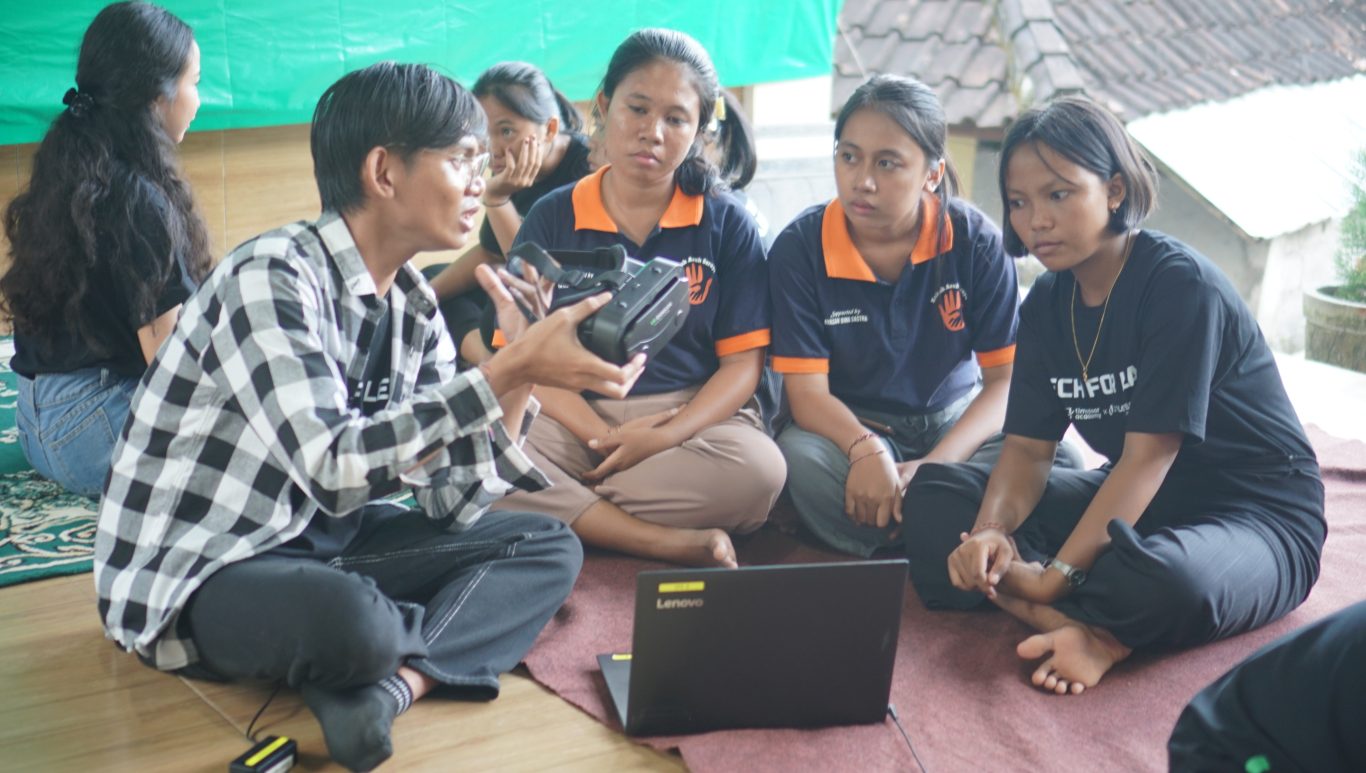
Timedoor Academy plays a vital role by offering a user-friendly LMS and relevant digital learning content tailored to the children’s educational levels. The academy also conducted training for local teachers to ensure continuity of IT education for underprivileged children even after the formal program concludes.

Beyond delivering technical knowledge, Timedoor Academy encourages creative thinking, problem-solving, and independence—core values that enrich IT education for underprivileged children in today’s digital age.

Positive Community Impact in Karangasem
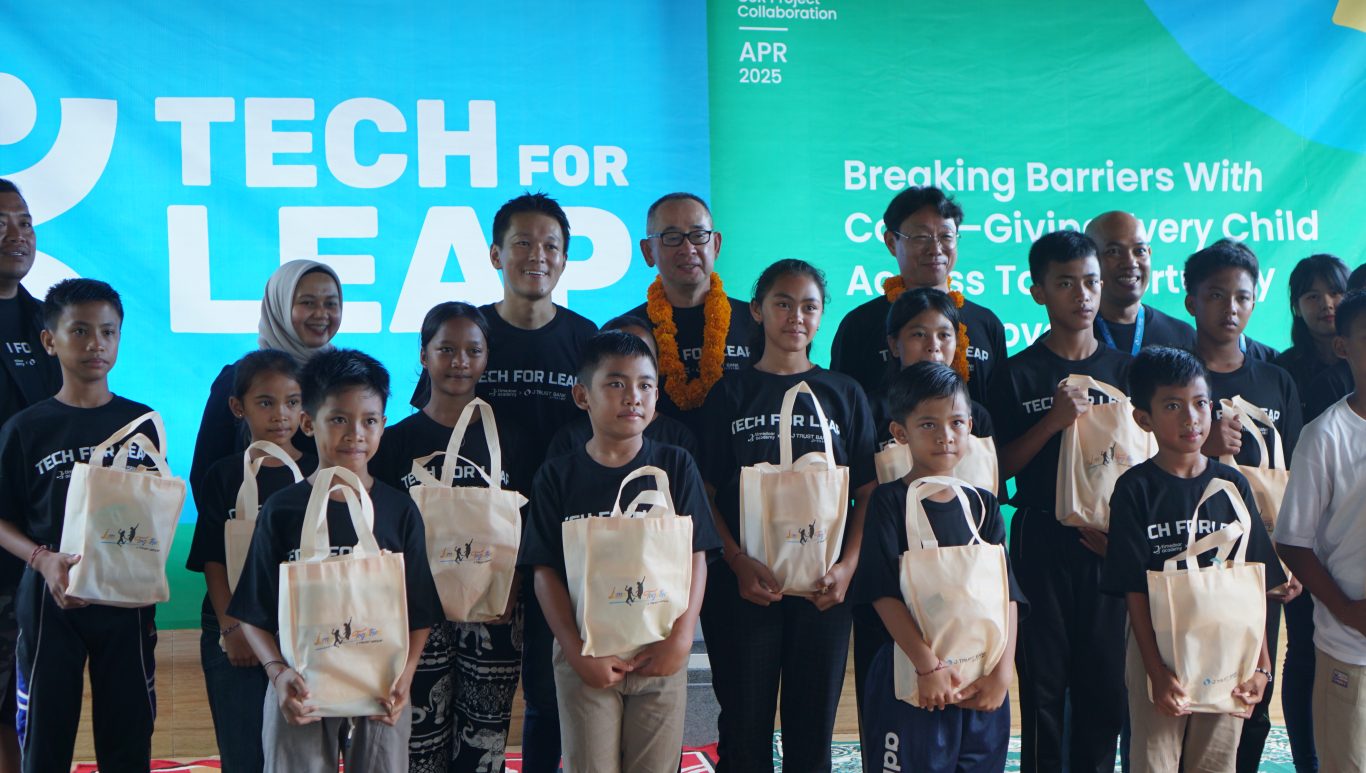
The response to the program was overwhelmingly positive. Children showed excitement and curiosity as they learned coding and created simple apps. Teachers who completed the ToT training appreciated the new methods and approaches offered by the program, enhancing their ability to deliver IT education for underprivileged children using technology.

With the shared vision of “Creating a Bright Future for the Next Generation with IT Education,” this collaboration sets a precedent for future efforts in IT education for underprivileged children across Indonesia. It proves that meaningful change is possible when education and opportunity are made accessible to all.


Keep Reading

Future Trends in STEM Education: What Parents Need to Know In 2025
STEM education, which stands for science, technology, engineering, and mathematics, has long been recognized as a critical foundation for preparing children to thrive in a technology-driven world. However, it is no longer just about learning formulas or solving problems. The landscape of learning is changing quickly, and parents need to stay informed about where education is headed. This article explores the future trends in STEM education that are shaping how children learn and develop key skills. From coding in early grades to interdisciplinary learning, parents today play a bigger role than ever in guiding and supporting their child’s STEM journey. Personalized and Adaptive Learning One of the most significant future trends in STEM education is the use of personalized learning platforms. These platforms adjust the pace and content based on the learner's needs. Instead of using a one-size-fits-all approach, students receive lessons that match their ability level and learning style. This makes STEM subjects more accessible for children who may struggle in a traditional classroom. With adaptive tools, children can explore challenging topics like algebra or coding in ways that feel engaging rather than overwhelming. Emphasis on Real-World Problem Solving STEM education is moving beyond theory to practice. Schools are encouraging students to solve real-world problems, whether it's designing a water filtration system or programming a simple app. This trend helps children see the connection between what they learn in class and how it applies to the world around them. By focusing on real-life applications, children develop a deeper understanding of STEM concepts. They also build critical thinking, teamwork, and communication skills, which are just as important as technical knowledge. Coding as a Core Skill Coding is no longer seen as an optional extracurricular activity. It is becoming a core part of the curriculum in many schools around the world. Understanding the basics of coding helps children become not just consumers of technology but also creators. Among the future trends in STEM education, coding stands out because it blends creativity with logic. From block-based languages like Scratch to more advanced tools like Python, students are learning how to build games, automate tasks, and solve digital challenges. Integration of AI and Emerging Technologies Artificial intelligence is also making its way into STEM classrooms. AI-powered platforms can offer instant feedback, personalize learning paths, and even simulate experiments in virtual labs. Students are also being introduced to how AI works, not just how to use it. This exposure prepares children for a future where technology will continue to evolve rapidly. Understanding emerging technologies is becoming as important as understanding basic math or science. Focus on Interdisciplinary Learning In the future, STEM will not be taught in isolation. Interdisciplinary learning, often referred to as STEAM when incorporating the arts, is gaining popularity. Projects may combine coding with storytelling or physics with design. This shift reflects how the real world works, where innovation often happens at the intersection of multiple disciplines. For parents, encouraging children to explore connections between subjects helps them develop more holistic thinking. More Hands-On, Project-Based Learning Another one of the key future trends in STEM education is project-based learning. Children are no longer just reading textbooks or memorizing facts. They are building, testing, and iterating on their own designs. From robotics kits to 3D printing, students now learn through experimentation. Hands-on learning encourages trial and error and allows children to develop resilience. When a project fails, they learn to adapt and try new solutions, which is a critical skill in any STEM career path. Increased Access Through Online Platforms Online learning has become more refined and accessible. High-quality STEM content is now available to students from various backgrounds, often at low or no cost. This trend is helping to reduce gaps in education and allow more children to engage with STEM early on. Parents can use these resources to support their child’s learning from home. Platforms like Timedoor Academy offer structured online courses in coding, robotics, and math that are designed for children and flexible for families. Equity and Inclusion in STEM There is growing awareness about the need for more diverse representation in STEM fields. Future trends in STEM education will continue to emphasize equity by making sure girls, underrepresented groups, and students with different learning needs have equal opportunities to thrive. This includes inclusive teaching materials, diverse role models, and support systems that encourage every child to explore their interests in STEM regardless of background. What This Means for Parents Staying informed about the future trends in STEM education helps parents make better decisions about their child’s learning path. Whether through after-school programs, online courses, or simple encouragement at home, parents play a crucial role in nurturing a STEM mindset. Understanding these trends also helps parents advocate for improved STEM education at school. By recognizing the direction education is heading, families can help children develop both the curiosity and confidence needed to succeed. Explore STEM Learning at Home with Timedoor Academy If you want your child to experience hands-on, future-ready STEM learning, Timedoor Academy offers interactive online courses in coding, robotics, and digital skills. Designed with young learners in mind, these programs build creativity, logic, and confidence. Try a free class today and help your child stay ahead of the curve by exploring the future trends in STEM education in a fun and engaging way.
<strong>5 Best! Free Coding Apps for Kids You Should Try</strong>
5 Best! Free Coding Apps for Kids You Should Try
Introducing free coding apps for kids is a powerful way to build their logical thinking, creativity, and problem-solving skills from an early age. With user-friendly and kid-safe platforms, children can explore how to code, design games, animate characters, and develop mini programs without paying for expensive software. Why Should Parents Discover the 5 Best Free Coding Apps for Kids? Coding is no longer just for tech-savvy teens or college students. Even elementary school kids can begin their digital journey through colorful and interactive interfaces. Below are five top recommendations of free coding apps for kids, each offering unique features and a fun learning experience. 1. Scratch Recommended Age: 8 to 16 yearsWhy It’s Great: Uses visual blocks instead of complicated text code, which is perfect for beginners Includes a safe online community where kids can share projects Offers guided tutorials that teach them how to create animations and games Parent Tip: Help your child start with a basic animation, then let them customize characters or add sound effects to boost engagement. 2. Code.org Recommended Age: 6 to 18 yearsWhy It’s Great: Offers a complete learning path from drag-and-drop to real coding with JavaScript Features Hour of Code activities with themes like Minecraft and Frozen Has tools for parents and teachers to track learning progress Parent Tip: Encourage your child to join Hour of Code events around the world to make the experience feel exciting and social. 3. Tynker Recommended Age: 7 to 14 yearsWhy It’s Great: Game-based learning with space, robot, and arcade themes Lets kids transition from visual blocks to text-based coding with Python or JavaScript Comes with ready-made project templates to jump-start creativity Parent Tip: Use the free Learning Path before exploring premium features. Make sure your child completes one level at a time to stay focused. 4. Grasshopper Recommended Age: 10 years and upWhy It’s Great: Developed by Google to teach JavaScript in bite-sized, mobile-friendly lessons Gives instant feedback with visual explanations Tracks daily learning streaks to encourage consistent practice Parent Tip: Set a goal for 15 minutes of coding each day. Short, regular practice is more effective than longer sessions once a week. 5. Kodable Recommended Age: 5 to 10 yearsWhy It’s Great: Uses fun maze games to teach programming logic like sequencing and loops Works offline, making it a great option for travel or areas with limited internet access Offers free lesson plans for teachers that parents can also use at home Parent Tip: Ask your child to explain what they did after each game level. Talking about the process helps reinforce their understanding. How to Maximize Learning from Free Coding Apps For Kids Create a Weekly RoutineKeep learning sessions short and fun. Younger children stay more focused with shorter screen time. Celebrate Their ProjectsPrint out screenshots or let them show their work to family. This helps build pride and motivation. Support Group LearningInvite a sibling or friend to try the same app. Coding becomes more fun when kids learn together. Connect to School LessonsUse these apps to explain math or science concepts. Coding is a powerful tool that makes abstract ideas more concrete. Why Free Coding Apps For Kids Matter Learning with free coding apps for kids provides valuable skills without financial barriers. These apps allow children to: Develop logical thinking and creativity Explore digital storytelling and simple game design Learn basic programming terms and structure Build confidence with hands-on digital tools What’s Next? Upgrade to Structured Learning at Timedoor Academy After exploring free coding apps for kids, you can take your child’s skills to the next level. Timedoor Academy offers online coding courses with expert instructors, real-world projects, and a fun, guided experience that grows with your child. Sign up now for a free trial coding class at Timedoor Academy and give your child a head start in the digital age.
<strong>How to Set Healthy Screen Time Limits for Children in 2025</strong>
How to Set Healthy Screen Time Limits for Children in 2025
In today’s digital world, children are growing up surrounded by gadgets and screens. Televisions, smartphones, tablets, and laptops have all become a normal part of their daily lives. While these devices bring convenience and learning opportunities, many parents are left wondering: how can we set screen time limits for children that support their healthy physical, mental, and social growth? When managed properly, screen time can be educational and entertaining. But when it becomes excessive, it may pose serious risks to children’s development. That’s why it’s essential for parents to create healthy screen time limits for children and stick to them consistently. Why Do Screen Time Limits for Children Matter? Children are naturally attracted to visual and interactive content. Without supervision, long hours in front of screens can lead to issues like poor sleep, eye strain, less physical activity, and difficulty with social interaction. At their developmental stage, children’s brains need real-world stimulation, not just digital input. Too much screen exposure can also shorten attention spans and reduce focus. Research shows that a lack of screen time limits for children may lead to lower academic performance, slower language development, and even emotional imbalance. Global Health Guidelines Both the World Health Organization (WHO) and the American Academy of Pediatrics (AAP) offer age-specific recommendations for managing screen use: Ages 0–2: Avoid screen time entirely, except for video calls with family. Ages 2–5: Limit screen time to a maximum of 1 hour per day with adult supervision. Age 6 and up: Monitor screen use to ensure it doesn’t interfere with sleep, exercise, or family time. Of course, duration is only one part of the equation. The type of content and how it’s used matter even more. Not all screen time is harmful—especially when it’s used for learning or creating. Risks of Excessive Screen Time Without reasonable screen time limits for children, several long-term consequences can appear: Sleep disruption: Blue light from screens can interfere with melatonin production, making it harder to fall asleep. Physical inactivity: Children who spend too much time on screens may become sedentary, leading to obesity risks. Eye strain: Prolonged use of devices can result in dry eyes and blurred vision. Delayed communication and social skills: Face-to-face interaction decreases, especially during early childhood. Emotional reactivity: Overuse of screens may lead to irritability, impatience, and difficulty managing emotions. How to Set Effective Screen Time Limits Here are several practical strategies that can help you manage screen time for your child: Create a clear daily routine: Only allow screen time after homework, reading, or chores are finished. Be a good role model: Reduce your own screen time at home so your child can follow your example. Use parental control features: Many devices and apps have built-in tools to manage screen access and usage time. Introduce fun offline activities: Encourage exercise, crafts, puzzles, or reading time to balance digital activities. Establish screen-free zones: Keep devices out of the bedroom, dining area, or family time spaces. Choose high-quality content: Use educational platforms or age-appropriate games and videos. Communicate openly: Explain the reasons behind setting limits and include your child in creating rules. Consistency, patience, and open dialogue will help your child build healthy digital habits that last. A Better Way to Use Screen Time: Learn Coding at Timedoor Academy Instead of banning screens altogether, guide your child toward something meaningful. Coding is one of the best ways to turn screen time into an active, creative, and skill-building experience. Children learn logic, problem-solving, and digital literacy in a fun and empowering way. At Timedoor Academy, we offer coding classes that teach children how to create games, websites, and animations while building responsible screen habits. With an international curriculum and project-based learning, screen time becomes a tool for growth—not just entertainment. Try our free trial class and see how your child can thrive with the right kind of digital learning.
float button