Aug 25, 2025

The Importance of Tutoring for Children: An Investment in Their Educational Future

<strong>The Importance of Tutoring for Children: An Investment in Their Educational Future</strong> image

Tutoring for children has become an increasingly popular method of supplementary education among parents in Indonesia. This activity not only helps children catch up on school subjects but also provides a fun and interactive learning experience. The importance of tutoring for children is now widely recognized as an integral part of supporting both academic and personal development.

Academic Benefits of Tutoring

The Importance of Tutoring for Children

One of the main reasons parents choose tutoring is to improve their child’s understanding of school subjects. With guidance from experienced tutors, children can revisit concepts they have not fully understood and deepen their knowledge. The importance of tutoring for children in academic terms is also reflected in enhanced problem-solving skills, stronger fundamentals in mathematics, and improved language proficiency. Children who regularly attend tutoring sessions tend to be more confident when facing exams or completing school assignments.

Developing Discipline and Study Habits

The Importance of Tutoring for Children

Beyond academic advantages, tutoring also helps children develop discipline and regular study habits. A consistent tutoring schedule teaches children how to manage their time, prioritize tasks, and focus on their learning. The importance of tutoring for children extends beyond academic achievement to character development, fostering responsibility and self-discipline from an early age.

Tutoring as a Platform for Creativity and Skills

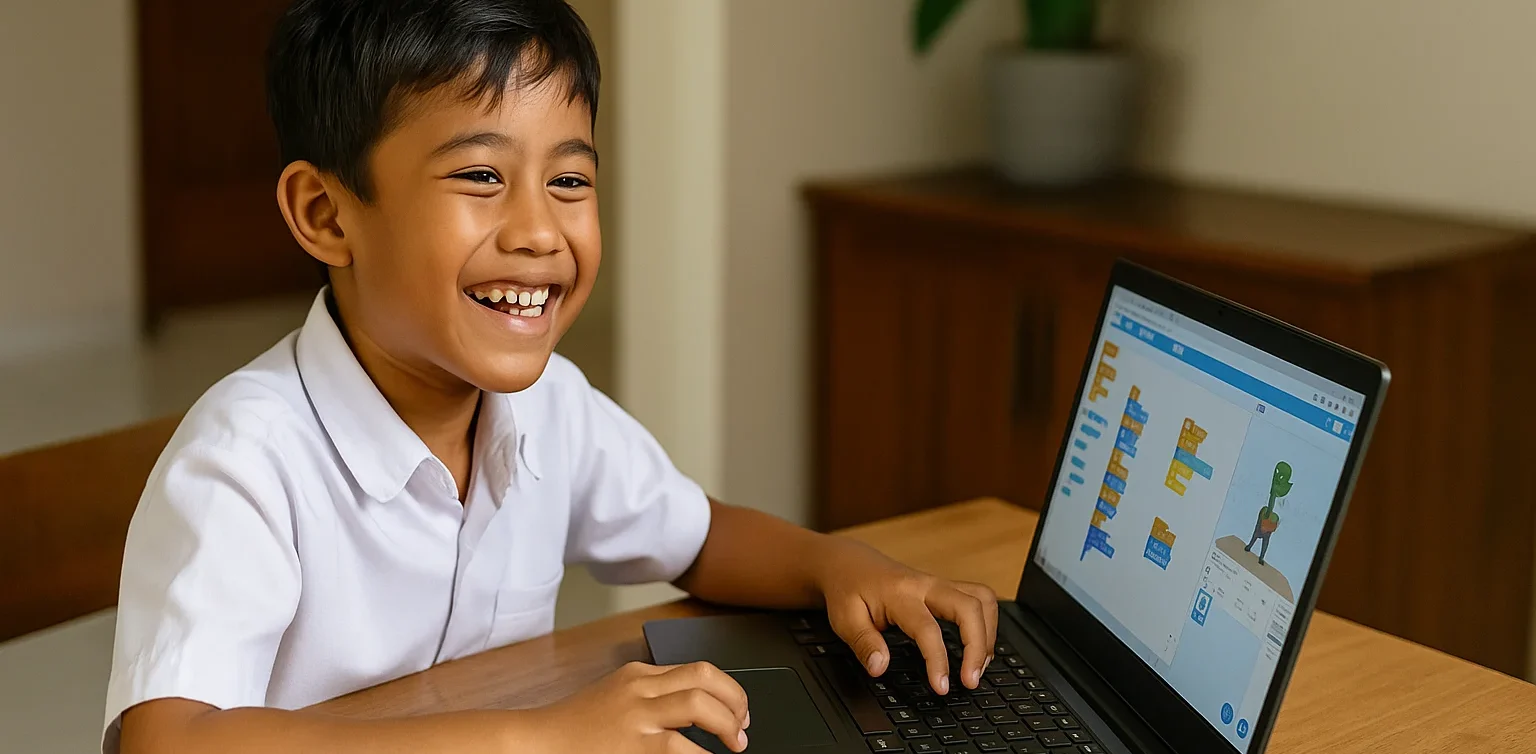
Tutoring is not limited to core subjects such as mathematics or languages. Many tutoring programs now offer creative classes, such as coding, arts, music, or science experiments. These activities provide children the opportunity to explore their talents and interests. The importance of tutoring for children in this context is evident in their ability to develop creativity, critical thinking, and problem-solving skills. Children who are encouraged to learn creatively often adapt better to different situations and challenges.

Encouraging Independence

Tutoring also plays a role in fostering independence. During sessions, children are encouraged to complete tasks on their own with appropriate guidance from their tutors. This approach helps children learn to take responsibility for their own learning. The importance of tutoring for children in promoting independence lays the foundation for building confidence, resilience, and decision-making skills.

The Role of Parents
The Importance of Tutoring for Children

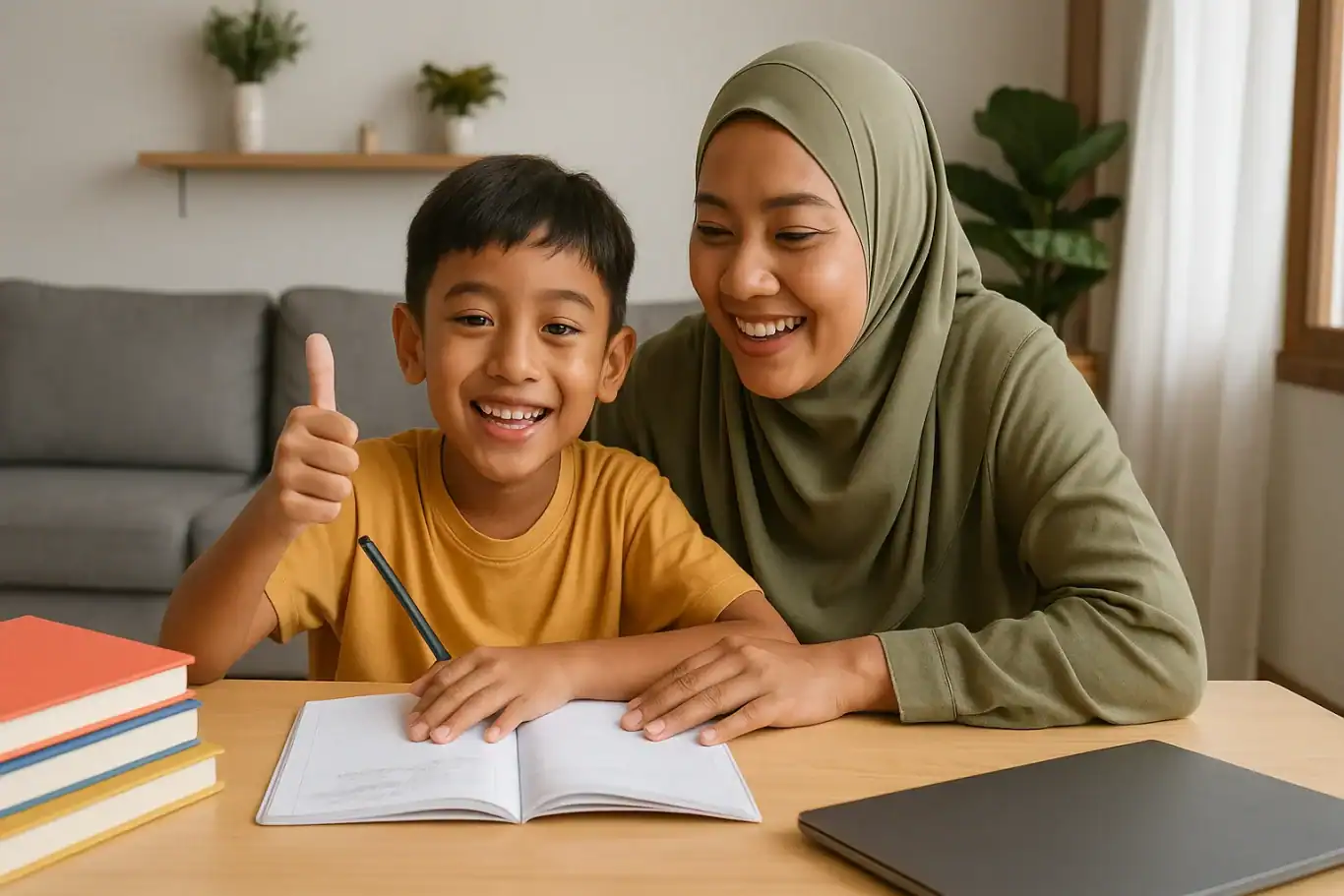
The success of tutoring is closely linked to the involvement of parents. Support, motivation, and effective communication between parents and tutors can greatly enhance a child’s learning experience. Parents who actively participate in their child’s education provide positive reinforcement and encourage continuous growth. The importance of tutoring for children becomes more meaningful when parents actively support this additional learning at home.

Choosing the Right Tutoring Program

Not all tutoring programs are equal in quality. Selecting the right program that aligns with a child’s needs is essential. Parents should consider the teaching methods, tutor experience, facilities, and approaches that allow children to learn comfortably. The importance of tutoring for children also depends on how well the program matches the child’s learning style, making the experience both effective and enjoyable.

Register your child at Timedoor Academy now!

Ingin tahu detail program? Image

Ingin tahu detail program?

Overall, tutoring for children offers numerous benefits, from improved academic performance and discipline to enhanced creativity, independence, and character development. The importance of tutoring for children continues to grow as educational demands become more complex and children need to be prepared for the future. By selecting the right program and actively supporting their child’s learning, parents can ensure that children gain the maximum benefit from every tutoring session.

To provide the best learning experience for your child, Timedoor Academy offers engaging and effective tutoring programs. Sign up now for a free trial and witness firsthand how your child can thrive in a supportive, creative, and interactive learning environment. Take this opportunity to support your child’s educational journey in a way that is both enjoyable and structured.

Keep Reading

<strong>5 Best Ways Understanding Introvert vs Antisocial Kids Difference</strong>
5 Best Ways Understanding Introvert vs Antisocial Kids Difference
Many parents still struggle to tell the difference between introverted and antisocial behavior in children. Both can seem quiet or withdrawn, but they have very different meanings. Understanding introvert vs antisocial kids is essential so parents can respond with the right support and approach. Discovering Difference of Introvert vs Antisocial Kids An introverted child is someone who feels more comfortable doing quiet activities alone or with one or two close friends. They are not afraid of people, but social settings can be draining for them. Meanwhile, antisocial kids may break rules, ignore others’ feelings, and show disruptive behavior that goes beyond shyness or quietness.In this article, we will look at how to recognize introvert vs antisocial kids by identifying key behaviors and needs. 1. Different Roots Behind the Behavior Introverted kids prefer calm and independent play because it makes them feel secure and happy. It is a personal preference, not a sign of trouble. On the other hand, kids with antisocial tendencies often act out because of emotional or behavioral challenges. They may show no guilt when they hurt others or ignore rules at home and school. In this case, parents need to understand that introvert vs antisocial kids is not just about social interest, but about deeper behavioral differences. 2. Social Comfort and Adaptation Introverted children can build healthy friendships, even if it takes time. They open up when they feel safe and are not pressured to socialize too much. In contrast, antisocial children often resist or act aggressively in social situations. They may have little interest in forming relationships or even behave in harmful ways. Recognizing this helps in understanding the core difference between introvert vs antisocial kids. 3. Empathy and Emotional Response Introverts are often very empathetic. They notice how others feel and avoid conflict when possible. Antisocial kids, however, may lack empathy. They might say or do things that hurt others and show no signs of remorse. This lack of emotional connection is one of the clearest signs when comparing introvert vs antisocial kids. 4. Relationships and Communication While introverted children may have fewer friends, their relationships are often deep and meaningful. They connect on a personal level and value trust. Antisocial kids, on the other hand, tend to have troubled relationships. They may lie, break trust, or reject others altogether. This makes it hard for them to build or maintain any lasting bond. Parents should observe these patterns carefully when thinking about introvert vs antisocial kids. 5. What Parents Can Do For introverted children, it's important to respect their need for personal space. Support them by encouraging quiet hobbies, reading, or art. They still need social interaction, but in smaller, more manageable doses. If your child shows signs of being antisocial, such as constant rule-breaking or hurting others without guilt, it is best to seek help from a child psychologist. Early intervention can prevent more serious problems in the future. Learning the true nature of introvert vs antisocial kids helps guide that support. Early Awareness Brings Better Support Understanding introvert vs antisocial kids is not about labeling, but about offering the right care. Each child is unique, and when we listen without judgment, we open the door for them to grow confidently. A calm, patient environment and strong communication will make it easier for children to express their thoughts and feelings, regardless of their personality type. Want to Boost Logic and Confidence Too? Besides supporting your child's emotional growth, you can also help them develop skills like problem-solving and focus. Coding is a fun way to improve these abilities. It teaches kids structure, creativity, and critical thinking. Timedoor Academy offers fun and age-appropriate coding classes for kids. Let your child try a free coding trial class today and explore a new world of learning.
Why Learning Programming Is So Valuable for Children’s Future: The Secret to Digital Success
In today’s fast-growing digital world, technological skills have become one of the most essential assets for the next generation. Children are growing up surrounded by technology that continues to evolve every day. As parents, we naturally want to prepare our children with the best possible skills for their future. One of the most recommended abilities to learn today is programming or coding.Yet many parents still wonder, “programming is good for children future?” The answer is yes, and the reasons go far beyond just technical skills. Programming Builds Logical and Systematic Thinking Learning programming is not only about writing code, but also about thinking logically, creatively, and systematically. Children who learn to code develop problem-solving skills step by step. They learn how to analyze a challenge, find solutions, and test their ideas until they work effectively.This kind of structured thinking benefits them not only in technology but also in daily life. That is why programming is good for children future, as it builds a strong foundation for logical reasoning and critical thinking. Programming Teaches Perseverance and Independence When children write programs, they will often encounter errors or bugs. However, these moments teach them persistence and problem-solving resilience. They learn not to give up easily, to try different methods, and to find satisfaction in fixing mistakes.This process nurtures independence and patience—skills that will serve them in many aspects of life. So if someone asks why programming is good for children future, one of the main reasons is that it teaches them confidence and determination. Developing Creativity in the Digital Era Programming encourages children to be creative thinkers. They can design simple games, create educational apps, or build digital animations. Coding transforms imagination into reality, making it both logical and artistic.This creativity will set them apart as future innovators. The world increasingly needs individuals who do not only use technology but also create new technologies. That is another strong reason why programming is good for children future. Preparing for a Promising Career Path It is undeniable that the future job market will be dominated by digital professions. From app developers to cybersecurity experts, data analysts, and digital designers—technology will be at the heart of almost every career.Children who learn coding early have a competitive advantage. They will understand how technology works and how to use it to solve real-world problems. Simply put, programming is good for children future because it opens the door to endless career opportunities. Improving Collaboration and Communication Skills Programming projects often involve teamwork. By working together, children learn to share ideas, value different opinions, and communicate effectively. At Timedoor Academy, for instance, students are encouraged to work in teams to solve coding challenges.Through this experience, they learn that success depends not only on individual skills but also on teamwork and empathy—two essential soft skills for the future. Programming Builds Digital Awareness and Safety Programming also helps children understand how the digital world works. They learn about data privacy, online ethics, and the importance of cybersecurity.In a time when children frequently interact online, this knowledge becomes crucial. This is another reason why programming is good for children future, as it helps them become responsible and mindful digital citizens. Enhancing Academic and Mathematical Skills Studies show that children who learn programming tend to perform better in analytical and mathematical reasoning. Coding requires logical thinking and pattern recognition, which are both useful in understanding subjects like math, science, and even languages.No wonder many schools around the world are now including coding as part of their official curriculum. Why Parents Should Support Their Children in Learning Programming As parents, your role is vital in guiding and supporting your child’s journey in learning programming. Encouraging them to explore coding means helping them unlock future potential.You do not have to be a tech expert yourself—what matters most is providing encouragement and access to quality learning programs that make the experience fun and meaningful. Timedoor Academy offers a great opportunity for children to learn programming in an interactive, engaging, and age-appropriate way. Its curriculum is designed by experts to help children develop not only technical knowledge but also creativity, discipline, and digital responsibility. Register Now in Timedoor Academy! From logical thinking to creativity, teamwork, and character building, there is no doubt that programming is good for children future. Coding equips children with essential 21st-century skills that will help them adapt and thrive in a world driven by innovation. By introducing programming early, parents are giving their children a strong foundation to become capable, creative, and confident individuals. Want to prepare your child for a bright digital future? Enroll them now in Timedoor Academy and join our Free Trial Class! Through interactive lessons and real-world projects, children will not only learn coding but also develop creativity, confidence, and responsible digital habits. Start today, because the future begins with the first line of code.
<strong>Age Limit for Children Using Gadgets: When Is the Right Time?</strong>
Age Limit for Children Using Gadgets: When Is the Right Time?
In today's digital age, gadgets have become an inseparable part of daily life. Children are increasingly exposed to smartphones, tablets, and laptops from a very young age. This growing trend raises a crucial question for parents: what is the ideal age limit for children using gadgets? This question does not have a one-size-fits-all answer, as every child develops at their own pace. However, understanding the basic principles of when and how children should be introduced to gadgets is essential for developing healthy digital habits. Why Setting an Age Limit Matters Research shows that excessive gadget use at an early age, especially without supervision, can negatively affect a child’s cognitive, emotional, and social development. Therefore, setting an age limit for children using gadgets is not about banning technology entirely. Rather, it’s about protecting children and guiding them during their growth years. Children who spend too much time on gadgets may experience sleep disturbances, delayed speech development, or even early signs of screen addiction. That’s why it’s important for parents to know the right time to introduce gadgets and how to direct their usage in a positive way. Expert Recommendations Child development organizations such as the American Academy of Pediatrics (AAP) offer clear guidelines on the age limit for children using gadgets: 0–18 months: Avoid screen exposure except for video calls with family members. 18–24 months: If introducing gadgets, ensure the content is high-quality and that parents are present to assist and explain. 2–5 years: Limit screen time to one hour per day, focused on educational content. 6 years and older: Begin to teach children about screen time boundaries, digital responsibility, and the importance of physical activity. These recommendations can serve as a helpful starting point for parents to develop digital guidelines at home. When Is a Child Ready for Their Own Gadget? Beyond the question of screen time, many parents also wonder when it’s appropriate for children to have their own gadget. This goes beyond just age. The age limit for children using gadgets should take into account emotional maturity and responsibility. Here are a few things to consider before handing over a personal device: Has your child demonstrated a clear understanding of rules and limits? Can your child take care of their belongings responsibly? Does your child use digital tools for learning or productive activities? If your answers are mostly yes, it may be time to consider allowing a child to own a device, provided you set clear boundaries and maintain active supervision. The Role of Parents in Digital Guidance Establishing the age limit for children using gadgets is only effective if parents are actively involved in the process. It’s not just about creating rules. Parents should model good behavior by managing their own screen time and encouraging healthy tech habits. Use this opportunity to teach your children about digital literacy, including internet safety, online etiquette, and the importance of taking regular screen breaks. Additionally, promote offline activities like reading, outdoor play, and creative hobbies to create a more balanced lifestyle. Using Gadgets for Positive Purposes Gadgets are not inherently bad. When used properly, they can be powerful tools for learning and creativity. There are numerous educational platforms and apps designed specifically to enhance children’s knowledge and skills. That’s why the age limit for children using gadgets should be complemented by introducing them to productive tech-based activities like learning coding, animation, or basic digital design. When children use gadgets to create and explore, they develop valuable 21st-century skills while staying engaged in meaningful ways. Responsible Tech Starts with Age-Appropriate Use Understanding the age limit for children using gadgets is a foundational step in fostering healthy digital habits at home. While each family’s approach may differ, the underlying principles remain the same: supervision, clear time limits, and age-appropriate content. As parents, our role is not to fear the digital world, but to prepare our children for it with wisdom, support, and education. Would you like your child to use gadgets for something truly meaningful? Sign up for a free trial at Timedoor Academy, where your child can learn coding and digital skills in a fun, structured, and educational environment.
float button