Apr 10, 2025

Jumbo and Kids: 3 Inspiring Lessons on Imagination & Technology

Jumbo and Kids: 3 Inspiring Lessons on Imagination & Technology image

As parents, we want to understand the world of children that often seems “absurd”-full of fantasy, but also full of potential. In today’s digital era, that world of imagination can be realized not only through drawings or handwriting, but also through digital media such as coding, animation, and game development. So, what can we learn from Jumbo’s story about children and technology?

1. Children’s Imagination Is Their Greatest Asset

Jo, the main character of Jumbo didn’t create Jumbo because she was told to, but because she felt alone and wanted a friend. Children have a rich inner world, and imagination is often the bridge to expressing emotions or exploring new ideas. Unfortunately, in an education system that focuses too much on academics, children’s imaginations can be forgotten. In fact, in the world of technology, creativity is a major force. Many great innovations were born not from knowledge, but from the courage to imagine things that do not yet exist. As parents, we can start by asking: “If you could make a robot like Jumbo, what would it be like? Can it do anything?” From there, children learn to think creatively and express ideas concretely.

2. Technology: Not an Enemy, But a Tool of Expression

In the movie Jumbo, technology serves as a medium of expression-not just an entertainment tool. Just like Jo who built Jumbo from scrap, kids today can also create something from what they have: laptops, tablets, and internet connections. However, the use of technology must be directed. Gadgets are not always bad. If used with a clear purpose, they can be a means for children to learn to think logically, innovate, and even convey their feelings. Instead of forbidding children from playing with gadgets, we can ask: “What can you make with it?” “Do you want to try making your own game or animation?” This is where technology changes function: from passive consumption to active creation.

3. Every Child Can Be a Creator, Not Just a User

The movie Jumbo gives us one important message: children have the capacity to create something extraordinary, as long as they are given the opportunity. Not every child has to be a scientist or engineer, but every child can be a creator-they just need the right platform. Nowadays, learning technology such as coding or animation can start as early as elementary school. Children don’t need to build robots right away, but they can start by creating characters, organizing storylines, or creating small games. This process trains many things: from systematic thinking, problem solving, to cooperation. And most importantly? They learn to believe in their own ideas.
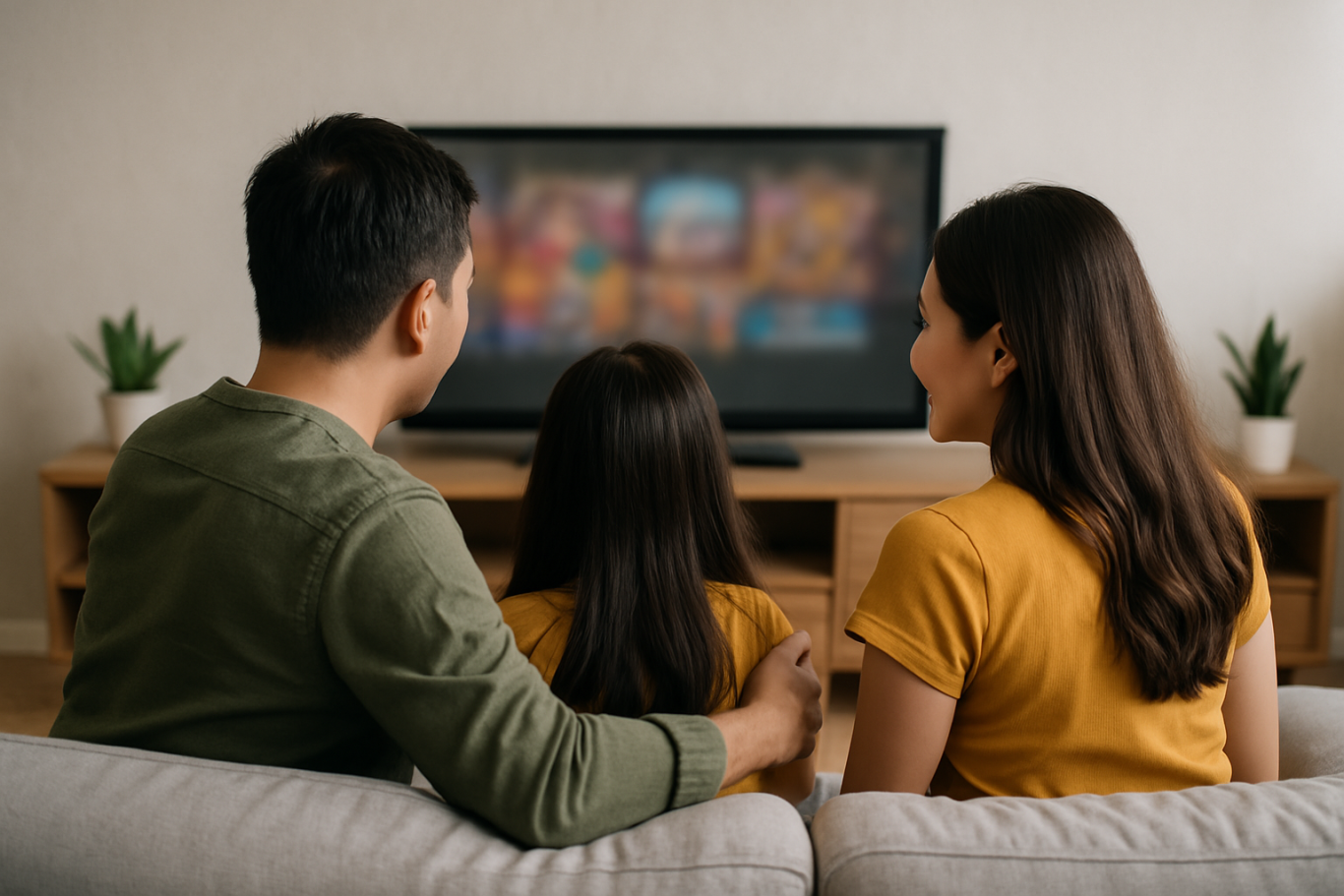
Are we ready to give children the space to create?

As parents, we have an important role to play in assisting and facilitating our children’s explorations – not rigidly directing them. Children’s imagination, like Jo in the movie Jumbo, is often the early foundation of 21st century skills: creativity, empathy, technological literacy and innovation. Giving space to play and imagine with technology could be the first step towards a brighter future for our children.

Help Your Child Bring Their Wild Ideas to Life with Timedoor Academy

At Timedoor Academy, we believe that every child has tremendous potential to create and not just follow. Through programs such as coding, animation, and digital design, children are encouraged to hone their imagination and put it into tangible form: from interactive games, animated characters, to personal digital projects that reflect their ideas and feelings. With a fun and structured approach, we help children understand that technology is not just consumption, but also a space for exploration.

Our classes are online and interactive, guided by professional mentors from Indonesia and Japan, and designed for children aged 5 to 18 from various backgrounds. So if your child has an imaginary world as big as a Jumbo robot, maybe they just need one thing: the right environment to make it happen. Timedoor is here to be the bridge between a child’s idea-rich world, and a bright future!


Keep Reading

7 Powerful Secrets to Make Children Excited About Learning Technology
In today’s fast-paced digital era, understanding technology has become one of the most essential skills for kids. However, many parents are still unsure about how to make kids interested in learning technology. Most kids prefer playing games on their phones or watching videos for entertainment rather than using technology for something educational. In fact, when used correctly, technology can be a bridge toward a bright future. kids who are familiar with technology from an early age have greater opportunities to develop creativity, logical thinking, and problem-solving skills. Timedoor Academy understands this challenge and is committed to helping parents find the best approach to make their kids love the world of technology in a positive and enjoyable way. Let us explore seven powerful secrets that will help you discover how to make kids interested in learning technology naturally and effectively. 1. Start with What Your Child Loves The first step in finding how to make kids interested in learning technology is to identify what your child enjoys the most. For instance, if your child loves drawing, introduce them to simple digital design apps. If they love playing games, invite them to learn how to create their own games. When learning is connected to their personal interests, kids are more likely to understand and stay engaged. They will see technology not as a rigid subject but as a tool for creativity and self-expression. 2. Make Learning Interactive and Meaningful kids are naturally drawn to interactive activities. They love to participate and see results from their own efforts. Therefore, one of the best ways on how to make children interested in learning technology is by providing fun and hands-on experiences. At Timedoor Academy, each lesson is designed to be engaging through activities like creating animations, designing websites, or building simple educational games. These experiences help kids understand technology in a visual and contextual way rather than only through theory. When kids can see their animation move or their program run successfully, their excitement and curiosity grow naturally. 3. Create a Supportive Learning Environment A supportive environment plays a key role in sparking a child’s interest. If parents limit technology use without clear guidance, kids might see technology as something negative. However, when the environment encourages exploration, they become more confident to try new things. One effective method of how to make kids interested in learning technology is to create a positive learning space. Parents can schedule a special time to learn together, ask about what their child is discovering, or even try out coding lessons alongside them. When kids feel valued and supported, their motivation to learn will rise significantly. 4. Introduce Technology as a Creative Tool kids often see technology only as a form of entertainment. In reality, technology holds incredible potential for creating meaningful works. To truly discover how to make kids interested in learning technology, show them that technology can be used to create something valuable. For example, they can make digital comics, design game characters, or write interactive stories using beginner-friendly programming tools. When kids realize that they can produce something original and exciting through technology, their curiosity will naturally grow stronger. 5. Show Inspiring Role Models in Technology Inspiration can come from real people who have made an impact in the world of technology. Tell your kids stories about people like Mark Zuckerberg, Elon Musk, or young Indonesian developers who have created digital innovations. This approach can be one of the best examples of how to make kids interested in learning technology because it helps them see real-life success stories. Kids will understand that technology is not limited to adults or professionals; it is a field open to anyone with passion and creativity. Through these stories, kids can be motivated to dream big and work toward their own goals in the tech world. 6. Use the Right Learning Platform Not all learning platforms are suitable for kids . Some are too technical, while others may lack meaningful challenges. That is why choosing the right educational platform is crucial. Timedoor Academy provides the perfect solution for parents looking for how to make kids interested in learning technology in a fun and age-appropriate way. Here, kids learn coding and technology through project-based lessons that encourage creativity, logical thinking, and collaboration. With interactive classes and friendly mentors, kids will discover that learning technology is not difficult but actually exciting and rewarding. 7. Celebrate Every Achievement Even small accomplishments deserve recognition. One of the most effective approaches to how to make kids interested in learning technology is by celebrating every milestone. When your child finishes their first coding project or creates a simple app, express your appreciation and excitement. These positive reinforcements help them feel proud of their progress and eager to continue learning. As a result, learning will no longer feel like a chore but an enjoyable and fulfilling adventure. The Role of Parents in Nurturing Tech Interest Parents play a crucial role in supporting and guiding their kids as they explore technology. Emotional support and shared curiosity can make the learning process more meaningful. Be your child’s learning companion. Listen to their stories, help them solve challenges, and avoid judging mistakes. By doing so, you strengthen your bond and boost your child’s confidence. You do not have to be a tech expert to support your child. Showing genuine enthusiasm and encouragement is often enough to make a lasting impact on their learning journey. Register Your Kid Now! Encouraging kids to learn technology may seem challenging at first, but it is definitely possible. By applying these principles of how to make kids interested in learning technology, parents can help their kids discover the fun and creative side of the digital world. Kids who learn to love technology from an early age will grow into creators, not just consumers. They will be better prepared to face future challenges with creativity, confidence, and problem-solving skills.Would you like your child to learn technology in a fun and inspiring way? Register now for a Free Trial Class at Timedoor Academy! Let your child experience interactive learning that builds creativity, logic, and curiosity about technology from an early age.
<strong>7 Signs of ADHD in Children Parents Should Recognize</strong>
7 Signs of ADHD in Children Parents Should Recognize
Child development is a unique journey for every individual. While each child grows at their own pace with different traits and temperaments, there are times when parents become concerned about certain behaviors. A child who is unusually restless, often distracted, or frequently ignores instructions may be showing early signs of a condition known as ADHD. ADHD, or Attention Deficit Hyperactivity Disorder, is a neurodevelopmental condition that often begins in childhood and can continue into adulthood. It affects a child’s ability to pay attention, manage impulses, and control movement. Recognizing the signs of ADHD in children early can make a significant difference in how they grow and succeed. Here are some of the most common signs to look out for: 1. Difficulty Paying Attention A frequent sign of ADHD in children is difficulty focusing on one task. Children may be easily distracted, often lose things, or appear not to listen even when spoken to directly. Tasks that require sustained mental effort, like homework or reading, are particularly challenging. 2. Often Forgetful or Careless Children with ADHD tend to forget daily activities or make mistakes due to lack of focus, not because of low intelligence. Missing instructions, leaving assignments unfinished, or forgetting important items are common behaviors. These are often overlooked as typical child behavior but can be part of the signs of ADHD in children. 3. Hyperactive Behavior Many children are energetic, but hyperactivity in ADHD goes beyond normal levels. Children may constantly move, fidget, or talk excessively. They struggle to sit still, even during meals or story time. This type of behavior is one of the most visible signs of ADHD in children. 4. Impatience or Trouble Waiting Children with ADHD often find it hard to wait their turn or follow social rules. They may interrupt others, speak out in class, or take over games. These actions can affect how they interact with friends and adults, making social development more difficult. This is another key sign of ADHD in children that parents should observe. 5. Acting Without Thinking Impulsivity is another clear indicator. A child might do something risky, like running across the street without checking for cars or grabbing a hot object. In conversation, they may say things without thinking or shout out answers before a question is finished. Such impulsive actions are commonly found in children showing signs of ADHD in children. 6. Emotional Outbursts Many children with ADHD experience difficulty managing their emotions. They may get frustrated easily, cry or become angry quickly, and struggle to calm down. These emotional reactions may seem too intense for the situation and are often misunderstood. However, this is also among the signs of ADHD in children. 7. Difficulty Following Routine Children with ADHD often struggle to adapt to routines or structured environments. They may forget the order of steps, need constant reminders, or find it hard to transition between activities. These behaviors can be challenging at school and home. Understanding this as part of the signs of ADHD in children can help parents respond with more patience and support. ADHD Is More Than Just Being Active It is important to remember that not all active or distracted children have ADHD. Kids naturally have high energy levels and shorter attention spans. What sets ADHD apart is how frequently these behaviors occur and how much they interfere with a child’s life. If the signs of ADHD in children are present for more than six months and are affecting school or relationships, it may be time to seek professional help. A thorough diagnosis should come from a qualified psychologist or developmental pediatrician. Parents should not try to diagnose on their own. Parental Support Can Make a Big Difference Supporting a child with ADHD requires consistency, empathy, and often guidance from professionals. With the right structure, children with ADHD can thrive and build positive habits for life. Understanding the signs of ADHD in children gives parents the power to help their child succeed. A Positive Outlet: Coding for Kids For children who have difficulty staying focused, creative and structured activities can help. Coding is one such activity. At Timedoor Academy, we offer coding classes that teach kids how to think logically, solve problems, and stay engaged. The visual and hands-on nature of coding makes it ideal for children who learn differently. Interested in trying it out? Sign up for a free coding class at Timedoor Academy and let your child explore a world of creativity and learning through coding.
cara mengurangi screen time pada anak
How to Reduce Screen Time for Kids and Encourage More Physical Activity
Screens are everywhere, from TVs and tablets to smartphones and laptops. While digital devices can support learning and creativity, many parents today are asking the same question: how to reduce screen time for kids without starting a daily argument. With more classes, entertainment, and social interaction happening online, children are spending more time in front of screens than ever before. But excessive screen time can affect their physical health, sleep quality, and even emotional well-being. So how can we find the right balance? This article shares practical tips for reducing screen time while promoting more physical activity, helping children grow in a healthy, well-rounded way.   Why Reducing Screen Time Matters Understanding how to reduce screen time for kids starts with knowing why it is important. According to the American Academy of Pediatrics, screen time (excluding educational use) should be limited to no more than two hours per day for children over age five. Excessive screen time can lead to: Eye strain and poor posture Trouble falling asleep Weight gain and low energy Reduced attention span and creativity Meanwhile, regular physical activity supports: Healthy growth and stronger bones Improved mood and focus Better sleep patterns Social development and teamwork skills   1. Set Consistent Rules and Daily Limits The first step in learning how to reduce screen time for kids is to set clear boundaries. Children thrive with structure, and having a consistent schedule helps them develop discipline and independence. Alternatives: Set device-free hours in the morning and evening Use timers or apps to manage screen duration Keep screens out of bedrooms, especially before bedtime Create a reward system for non-screen activities 2. Replace Passive Screen Time with Active Choices Not all screen time is bad, but it is important to guide children toward more active or creative screen use, or replace it with something physical. Alternatives: Encourage drawing, puzzles, or hands-on crafts Swap cartoons for interactive learning videos Use music apps for dancing or movement-based play Sign up for extracurriculars like swimming, martial arts, or team sports 3. Be a Role Model for Healthy Screen Habits Children mimic adult behavior. If you are always on your phone, it becomes harder to convince them to turn off their devices. Modeling a balanced tech routine is one of the most effective ways to teach how to reduce screen time for kids. Alternatives: Read a book while your child plays Keep your phone out of sight during meals Suggest family walks instead of watching TV Join your kids in outdoor games or activities 4. Involve Your Kids in Planning Screen-Free Time When children feel involved in the process, they are more likely to follow the rules. Let them help plan fun screen-free activities for the week. Alternatives: Create a weekly activity jar with ideas like bike rides, baking, or hide and seek Use sticker charts to track screen-free time Allow them to choose the family game or weekend adventure 5. Create Fun Physical Routines Balancing movement with screen time does not mean forcing kids into sports they do not enjoy. Find what excites them and build around that. Alternatives: Backyard obstacle courses Dance breaks between homework sessions Family yoga or stretching challenges Short fitness videos designed for kids Chores with a twist such as turning tasks into a timed race 6. Use Tech Wisely with Movement-Based Apps If completely removing screen time is not realistic, try using apps that blend movement with tech. This way, kids remain active while staying engaged. Alternatives: Dance apps like GoNoodle Augmented Reality (AR) games that require walking Fitness video games like Ring Fit Adventure Educational platforms that include movement breaks 7. Establish Tech-Free Family Traditions Make family time more meaningful by building rituals that do not involve screens. This strengthens your bond and shows that fun does not always require a device. Alternatives: Family cooking nights Nature walks or park visits Gardening or DIY projects Volunteering together in local events Learning how to reduce screen time for kids is not about removing devices entirely. It is about creating healthier, more balanced routines. When screen habits are paired with regular movement, children become more focused, creative, and emotionally strong. By staying involved, setting clear limits, and offering fun alternatives, parents can guide kids toward a lifestyle that blends the best parts of technology with the joys of being active.   Try a Healthy Digital Routine with Timedoor Academy Looking for another way how to reduce screen time for kids and turn them into learning time? At Timedoor Academy, your child can explore the world of coding, animation, and creative digital projects in a structured, kid-friendly environment. With live teachers and flexible schedules, our courses encourage healthy online habits and critical thinking. A free trial is available so you can see how your child can enjoy screen time the smart and balanced way. Visit our website to learn more and get started!
float button