Jun 03, 2025

5 Best! Recommended Electric Bike for Kids: Safe and Stylish Rides for Everyday Fun
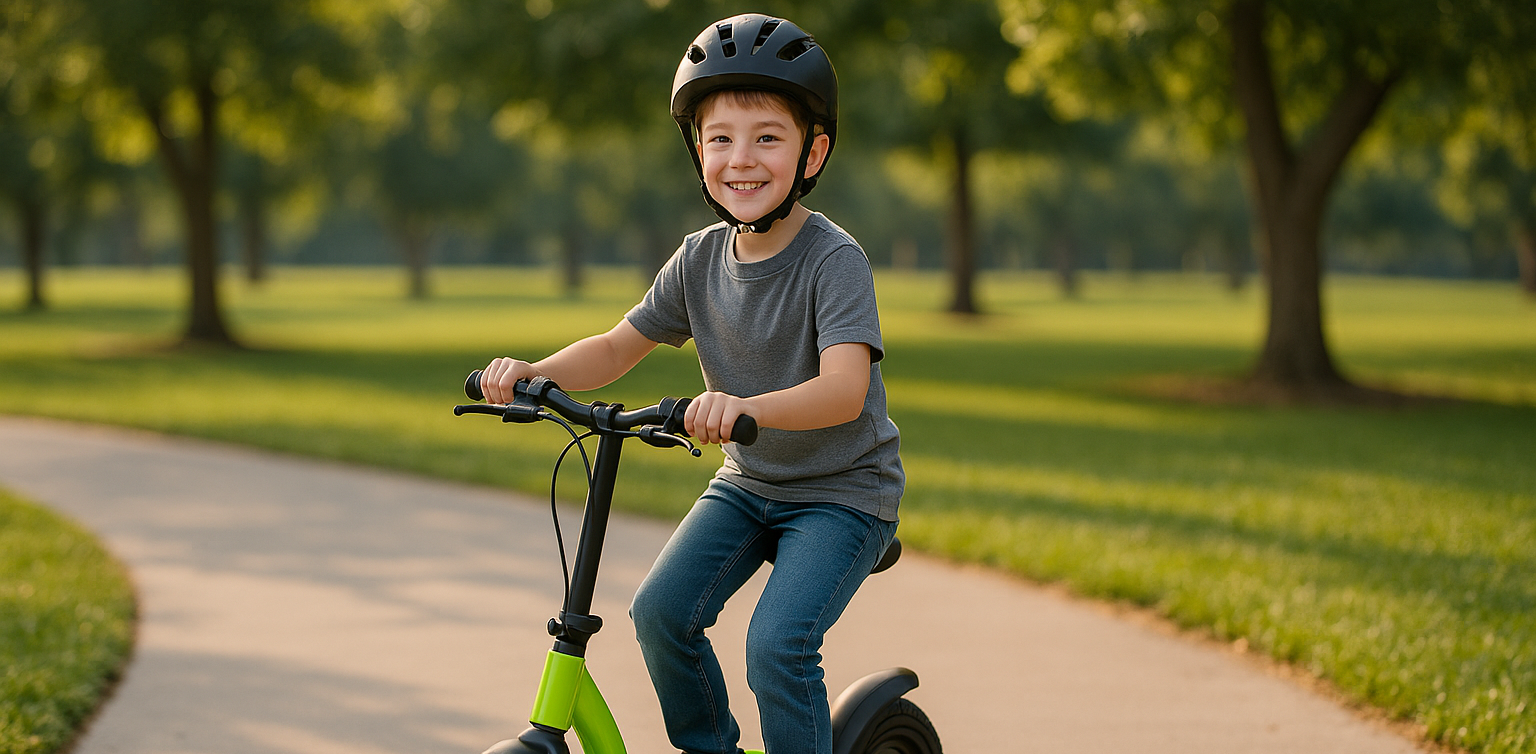
<strong>5 Best! Recommended Electric Bike for Kids: Safe and Stylish Rides for Everyday Fun</strong> image

In today’s digital era, electric bikes are quickly becoming a popular choice among families, including for children. More parents are looking for a recommended electric bike for kids as an environmentally friendly way to get around, whether for trips to school, outdoor activities, or simply playing around the neighborhood. Besides being efficient, electric bikes now feature modern designs and improved safety elements that appeal to both parents and kids.

However, choosing an electric bike for your child requires careful consideration. Parents need to look at quality, safety features, battery capacity, and price before making a decision. With so many options available, finding a recommended electric bike for kids that truly matches your child’s needs and age can be a real challenge.

To help you make the best choice, here are the 5 best options for a recommended electric bike for kids that are widely used, highly rated, and perfect for your family in 2024 and beyond.

1. Xiaomi Himo Z16 Kids
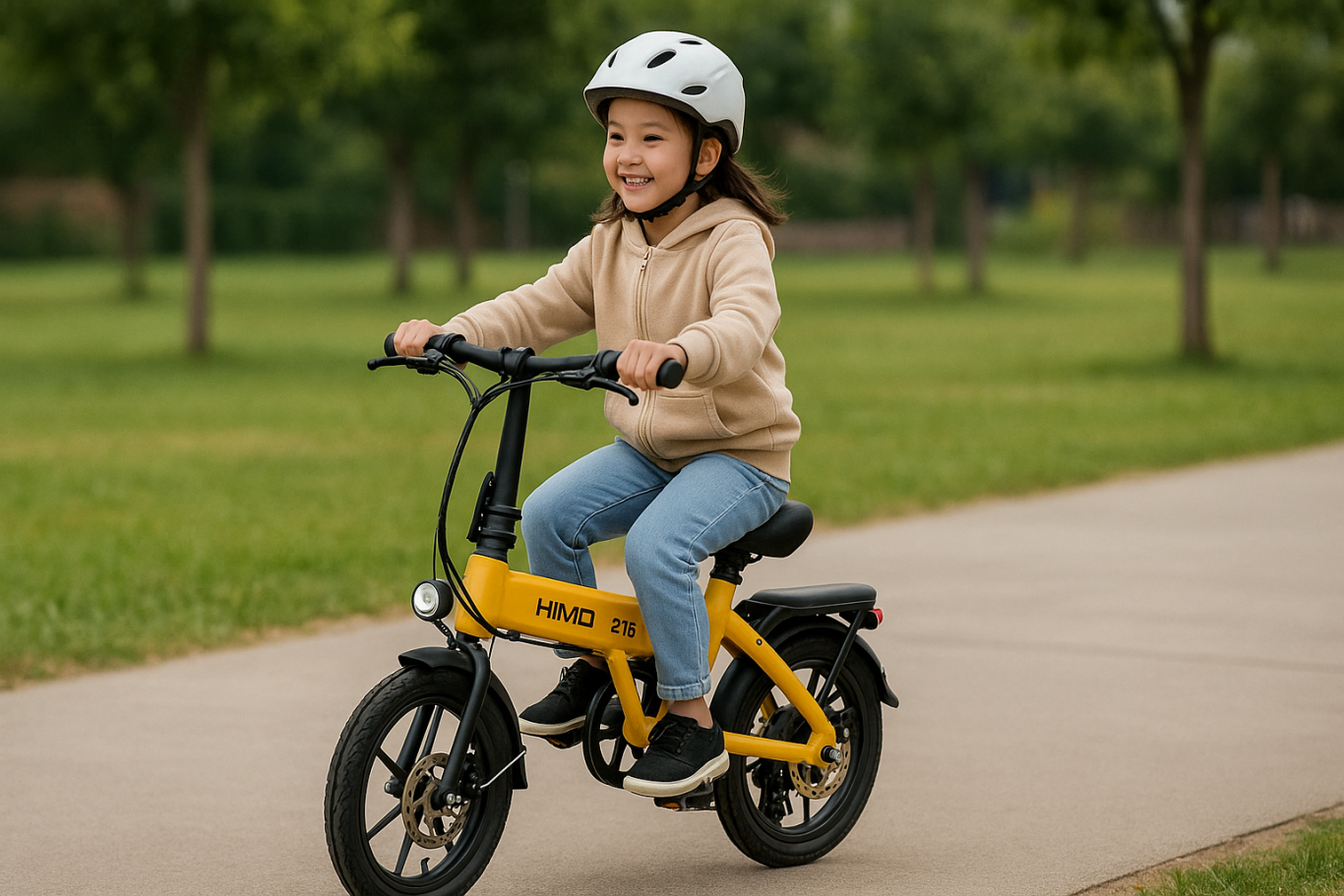
recommended electric bike for kids

The Xiaomi Himo Z16 Kids is one of the most popular choices when it comes to a recommended electric bike for kids. This bike is known for its compact, lightweight design, making it easy for children ages 7 to 12 to ride confidently. It also features a safe top speed and double braking system for enhanced safety.

Key features:

  • Lithium battery with up to 25 miles (40 km) range per charge
  • Maximum speed of 12 mph (20 km/h) for child safety
  • Front and rear LED lights for visibility
  • Foldable design for easy storage and transport

The Xiaomi Himo Z16 Kids is great for active children who enjoy adventure and want a cool, modern ride.

2. Polygon Urbano E1 Junior

Polygon is a trusted brand and their Urbano E1 Junior model is a strong candidate as a recommended electric bike for kids. This bike is specifically designed for elementary and middle school children, with a smaller frame and handlebars for a more comfortable and safe fit.

Key features:

  • 250W electric motor for smooth rides
  • Removable battery for easy charging
  • Front and rear disc brakes for added security
  • Comfortable suspension, ideal for various road conditions

The Polygon Urbano E1 Junior comes with an official warranty and has been thoroughly safety tested, making it an excellent family investment.

3. ECOTRIC Mini Folding Electric Bike

If you need a recommended electric bike for kids that is easy to take anywhere, the ECOTRIC Mini Folding Electric Bike is a top pick. Its lightweight, compact design is perfect for travel, vacations, or just easy storage at home.

Key features:

  • 250W motor for a safe, steady ride
  • Lithium battery offering up to 15 miles (25 km) per charge
  • 14-inch wheels, just the right size for kids
  • Foldable design fits easily in a car trunk

The ECOTRIC Mini Folding Electric Bike is available internationally and is widely used in Europe and the United States, making it a reliable global choice.

4. Pacific E-Lite 12 Kids
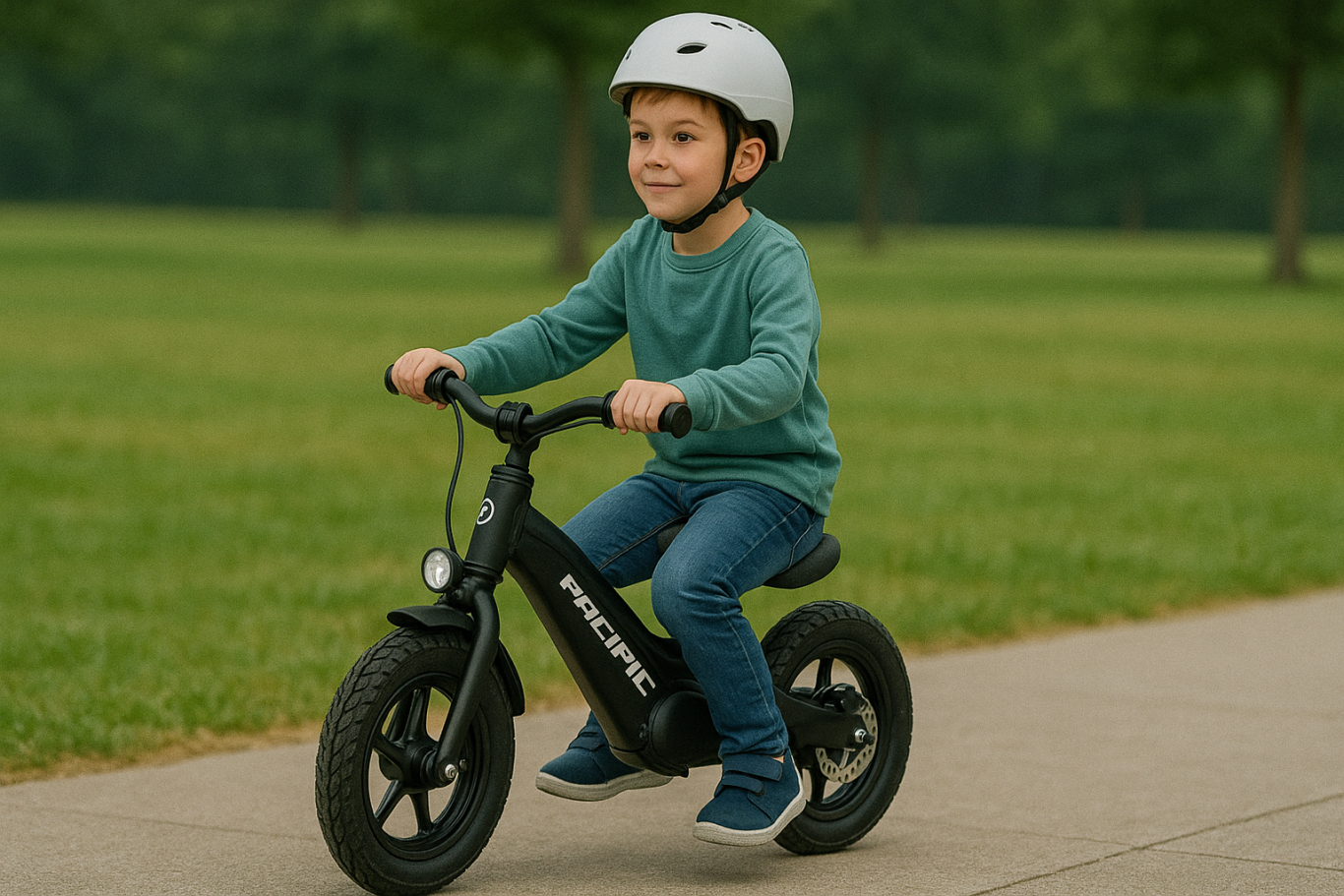
For younger children ages 4 to 8, the Pacific E-Lite 12 Kids stands out as a recommended electric bike for kids, focusing on safety above all else. With a speed limiter and an automatic cut-off feature when the brake is pressed, this bike is perfect for children who are just learning to ride an electric bike.

Key features:

  • 24V battery with 2–3 hours of use per charge
  • Maximum speed of 7 mph (12 km/h) for safety
  • Equipped with pedals and a sturdy kickstand
  • Lightweight frame with bright, attractive colors

The Pacific E-Lite 12 Kids is simple to operate and provides plenty of fun for young riders while giving parents peace of mind.

5. Razor Power Core E90

The Razor Power Core E90 is a leading recommended electric bike for kids in the United States and Europe. This bike is ideal for children aged 8 to 12 who want the thrill of riding an electric bike, but with important safety measures in place.

Key features:

  • 90W hub motor with a maximum speed of 10 mph (16 km/h)
  • Up to 80 minutes of continuous use per charge
  • Durable steel frame for long-lasting use
  • Automatic braking system for safety

The Razor Power Core E90 is easy to find online and is a favorite among kids who love moving around the neighborhood in style.

Tips for Choosing the Right Electric Bike for Your Child

Along with picking from the recommended electric bike for kids options above, parents should consider a few important things:

  • Choose a bike that matches your child’s age, height, and weight.
  • Make sure the maximum speed complies with child safety standards.
  • Prioritize models with dual brakes, lights, and protective accessories.
  • Check for a warranty, aftersales service, and spare part availability.
  • Teach your child to always wear a helmet and protective gear when riding.

Balancing Outdoor Fun and Digital Skills

Ingin tahu detail program? Image

Ingin tahu detail program?

Buying a recommended electric bike for kids is exciting, but it is just as important to balance physical activity with developing digital skills. In today’s world, children should also be introduced to coding, technology, and digital creativity from a young age.

If you want your child to become more confident and well prepared for future challenges, sign them up for a free trial coding class at Timedoor Academy. With fun, interactive lessons, kids can learn logic, problem-solving, and creativity while still enjoying plenty of active outdoor time.


Keep Reading

<strong>5 Keys: The Differences Between Autism and ADHD in Children That Parents Should Know</strong>
5 Keys: The Differences Between Autism and ADHD in Children That Parents Should Know
Autism and ADHD in children. In the world of child development, two terms that often confuse parents are autism and ADHD. Both are neurodevelopmental conditions that affect how children learn, behave, and interact. However, understanding the differences between autism and ADHD in children is crucial to ensure the right support and approach are given. While they may appear similar at first glance because of overlapping behavioral challenges, the differences between autism and ADHD become clear with closer observation. This article helps parents identify the key traits of each condition and how to distinguish them in daily life. 1. Differences in Social Interaction One of the most noticeable differences between autism and ADHD in children lies in how they interact with others. Children with autism often struggle to understand facial expressions, body language, or social norms. They may seem less responsive during conversations or appear to live in their own world. On the other hand, children with ADHD usually want to engage socially but often interrupt, speak out of turn, or have trouble listening. Here, the differences between autism and ADHD are not just about social interest but also about how children manage their interactions. 2. Focus and Attention Another key difference between autism and ADHD in children is how they focus. Children with ADHD have a hard time staying on task, are easily distracted, and often switch activities without finishing them. In contrast, children with autism can be deeply focused on a specific interest for long periods. This is often called "hyperfocus," especially on topics like numbers, vehicles, or patterns. The differences between autism and ADHD here show opposite tendencies in attention and focus. 3. Behavior Patterns and Routine Children with autism often need consistent routines. Even small changes can cause stress or emotional outbursts. They may also engage in repetitive behaviors like hand flapping, spinning objects, or walking in a specific pattern. Meanwhile, children with ADHD tend to be more impulsive and enjoy change. They may make decisions without thinking and struggle to follow consistent rules. The differences between autism and ADHD in children become clear in how they respond to structure and routine. 4. Language and Communication Language development is another area where the differences between autism and ADHD stand out. Children with autism may have delayed speech or unusual speech patterns, such as repeating words or speaking in a flat tone. They might also prefer gestures over words. In contrast, children with ADHD usually have age-appropriate language skills but may talk excessively, interrupt others, or have trouble listening. These differences between autism and ADHD in children affect both verbal and nonverbal communication. 5. Response to the Environment Children with autism are often sensitive to bright lights, loud sounds, or certain textures. They can become overwhelmed easily by sensory input. On the other hand, children with ADHD often seek out stimulation and may appear constantly active or restless. Recognizing these differences between autism and ADHD helps parents adjust their child’s home or school environment to better support their needs. Diagnosis Requires Professional Evaluation While this article highlights the differences between autism and ADHD, it is important to remember that only a licensed professional, such as a child psychologist, psychiatrist, or developmental pediatrician, can make a formal diagnosis. Some children may show traits of both conditions, so a proper clinical assessment is essential. The Right Support Can Help Children Thrive Once the differences between autism and ADHD in children are understood, the next step is to provide the right support. Behavioral therapy, occupational therapy, and counseling can help children manage their emotions, improve social skills, and adapt to daily challenges. How Coding Helps Support Children’s Development For children with special needs like ADHD or autism, structured and creative activities can be especially beneficial. One such activity is learning to code. At Timedoor Academy, kids can join engaging, structured coding classes that encourage focus, problem-solving, and self-confidence through real digital projects. Try a free coding class at Timedoor Academy and discover how technology can be a powerful and fun learning tool for your child.
Top 10 Educational Apps For Kids
Top 10 Educational Apps for Kids in 2025 – Learning Meets Fun!
How often do your kids ask, 'Mom, can I play with your phone?' It’s a question many parents hear daily. But what if that screen time could be transformed into a chance for kids to learn, grow, and explore through educational apps? At Timedoor Academy, we believe fun learning shouldn’t end when the school day does. With the right fun learning apps, your child can develop new skills, spark curiosity, and fall in love with education—all while having fun. To help you make the most of screen time, we’ve curated a list of the Top 10 Educational Apps for Kids in 2025—designed for children ages 4 to 12! Top 10 Educational Fun Learning Apps for Kids in 2025 1. Khan Academy Kids: Best Educational App for Kids’ Fun Learning • Age: 2–8 | Free - This all-time favorite keeps growing smarter. In 2025, Khan Academy Kids features more personalized learning paths and emotional learning tools, helping kids improve not just academically—but socially too. The app offers a broad range of subjects, from math and reading to social-emotional skills, making it ideal for holistic development. • Timedoor Tip: Great for early learners who enjoy story-based learning! 2. Duolingo ABC: Best Educational App for Kids’ Fun Learning • Age: 3–7 | Free - A charming spin-off from Duolingo, this app is now powered by AI-driven reading tutors. It helps young kids master the alphabet, phonics, and basic reading skills through interactive play. The app’s bright and engaging visuals keep children interested as they learn essential language skills step by step. • Encourages early literacy in both native and foreign languages. 3. Toca Life World: Best Educational App for Kids’ Fun Learning • Age: 6–12 | Freemium - More than just a game, Toca Life is a creative sandbox for storytelling, roleplaying, and problem-solving. In 2025, it includes educational missions designed by child psychologists and educators to foster creativity and teach key skills like emotional intelligence, cooperation, and critical thinking. • Great for building creativity and emotional intelligence. 4. Prodigy Math Game: Best Educational App for Kids’ Fun Learning • Age: 6–12 | Free with premium option - Prodigy gamifies math using an RPG-style format. The 2025 version introduces adaptive difficulty, so kids are constantly challenged at the right level. With multiplayer features, kids can “battle” with friends while solving math problems, turning learning into an interactive adventure. • Fun, fantasy, and fractions—all rolled into one! 5. CodeSpark Academy: Best Educational App for Kids’ Fun Learning • Age: 5–9 | Subscription - A coding app with no words! Kids learn the logic behind coding through puzzles, games, and story creation. In 2025, CodeSpark Academy introduces collaborative coding projects, allowing kids to work together and solve problems, making it even more engaging for young digital creators. • Perfect for young digital creators and future programmers! Read our another articles:https://timedooracademy.com/blog/winners-announcement-of-bootcamp-december-2024https://timedooracademy.com/blog/timedoor-academy-sea-coding-competition 6. Sago Mini World: Best Educational App for Kids’ Fun Learning • Age: 2–5 | Subscription - This charming app bundle includes over 40 educational games designed for toddlers, each focused on foundational concepts such as shapes, colors, and problem-solving. In 2025, the app adds new science and nature-themed adventures to spark curiosity and introduce environmental awareness. • Ideal for learning through play—especially in early childhood. 7. Elmo Loves ABCs: Best Educational App for Kids’ Fun Learning • Age: 2–5 | Paid - Beloved Elmo helps kids learn alphabets and counting through songs, games, and drawing. A timeless favorite, Elmo’s cheerful presence makes learning numbers fun and accessible for even the youngest learners. The app offers age-appropriate challenges that promote early math skills. • A great bonding activity for parents and toddlers. 8. Endless Alphabet: Best Educational App for Kids’ Fun Learning • Age: 3–7 | Paid - This delightful app uses playful animations and adorable characters to teach kids the alphabet and vocabulary. Each word is brought to life through fun puzzles, with vibrant visuals and friendly creatures that help reinforce each letter and its sound. It’s an excellent way to build literacy skills in young children. • Great for early literacy and word recognition skills. 9. Monkey Preschool Lunchbox: Best Educational App for Kids’ Fun Learning • Age: 2–5 | Paid - This app introduces young children to a variety of foundational concepts such as colors, shapes, numbers, and letters, all through engaging mini-games. The app’s friendly characters make the learning process playful and entertaining, providing a fun, hands-on way to practice essential skills. • Perfect for toddlers to build early math and reading skills in a fun way. 10. Epic!: Best Educational App for Kids’ Fun Learning • Age: 3–12 | Subscription - Epic! offers an extensive digital library of books, audiobooks, and educational videos, making reading more exciting for kids. The app adapts to your child’s interests and reading level, providing them with personalized recommendations and a wide variety of reading material that encourages independent learning. • Ideal for developing reading habits and expanding vocabulary. Turn Kids Curiosity Into Capable Fun Learning In 2025, the world of educational apps is more exciting than ever. Whether your child wants to build stories, solve puzzles, explore new languages, or code their first game—there’s an app waiting to spark that passion. As parents, we don’t just want our kids to be tech-savvy—we want them to be thoughtful, creative learners. The right apps, used with guidance, can be powerful tools for just that. Want to take your kids learning to the next level? Join one of Timedoor Academy's online coding classes and support their development in a structured, fun, and nurturing Llearning environment. Visit our website or contact our team to find the best course for your child.
<strong>5 Effective Ways How to Improve Children’s Literacy</strong>
5 Effective Ways How to Improve Children’s Literacy
In today’s digital era, literacy remains one of the most essential skills in a child’s development. It goes beyond just reading and writing. Literacy includes the ability to understand information, think critically, and express ideas clearly. That’s why knowing how to improve children's literacy from an early age is an important step every parent should take. Strong literacy skills help children succeed in school, better understand the world around them, and communicate more confidently. However, building these skills takes time, consistency, and a fun, age-appropriate approach to keep children engaged and motivated. 1. Introduce Books Early in Life One of the most basic yet powerful ways in how to improve children's literacy is by making books a part of their lives from the start. Reading bedtime stories, providing picture books, or sharing age-appropriate content helps form positive habits around reading. Parents don’t need to wait until a child can read independently. Simply reading to them with engaging voices or using hand puppets can turn storytime into a magical moment they look forward to every day. 2. Use Interactive and Visual Media Children today are naturally drawn to visual and digital content. That’s why one approach in how to improve children's literacy is by using educational digital media, such as interactive reading apps, animated story videos, or audiobooks. Select content that’s suitable for their age and monitor screen time wisely. These tools can expand vocabulary, spark curiosity, and help children understand stories in a more dynamic way. 3. Encourage Storytelling and Expression Children who regularly listen to and retell stories tend to have stronger language and comprehension skills. A highly effective method in how to improve children's literacy is by encouraging them to retell stories they’ve heard, or even create their own. Activities like roleplaying, making simple comics, or writing in a personal journal help children express themselves while naturally developing literacy skills. 4. Create a Print-Rich Environment at Home A supportive home environment plays a crucial role in shaping reading habits. A great tip for how to improve children's literacy is to set up a cozy reading corner filled with accessible reading materials. It doesn’t have to be expensive. A few children’s books, colorful magazines, or alphabet posters can make reading feel like an everyday activity. The goal is to make reading feel fun and natural, not like a chore. 5. Incorporate Literacy into Daily Life Literacy can be found in everyday routines. When children help cook and read recipes, recognize letters on food packaging, or follow instructions during games, they’re practicing valuable literacy skills. Understanding how to improve children's literacy through daily experiences makes learning more relatable and helps children connect what they read with the world around them. Parents’ Role in Building Literacy Parents are key players in creating a literacy-friendly environment. It’s not enough to just buy books. Leading by example, having regular conversations, and showing enthusiasm for learning all play a big role. Encourage your child to ask questions, take time to explain new concepts, and celebrate their progress. These small efforts support long-term literacy development. Digital Literacy and Modern Skills In the digital age, literacy extends beyond books. Children must learn to process information from videos, websites, and social media. That’s why modern approaches in how to improve children's literacy include introducing digital skills responsibly. One way to support this is through coding. Learning how to code helps children think systematically, organize ideas logically, and solve problems step by step. These are foundational skills that complement traditional reading and writing. Build Chidren’s Activity With Digital Activity Improving children’s literacy takes time and patience, but with the right tools and support, it can be a joyful journey. With a consistent and engaging approach, children will grow into strong communicators and curious learners. If you’re also interested in developing your child’s digital literacy, Timedoor Academy offers fun and age-appropriate coding classes. These classes are interactive and designed to build essential tech skills for the future. Try a free coding class today and see how digital learning can empower your child’s growth.
float button