Apr 25, 2025

Why Scratch Games for Kids Are the Best Educational Tool
Why Scratch Games for Kids Are the Best Educational Tool image

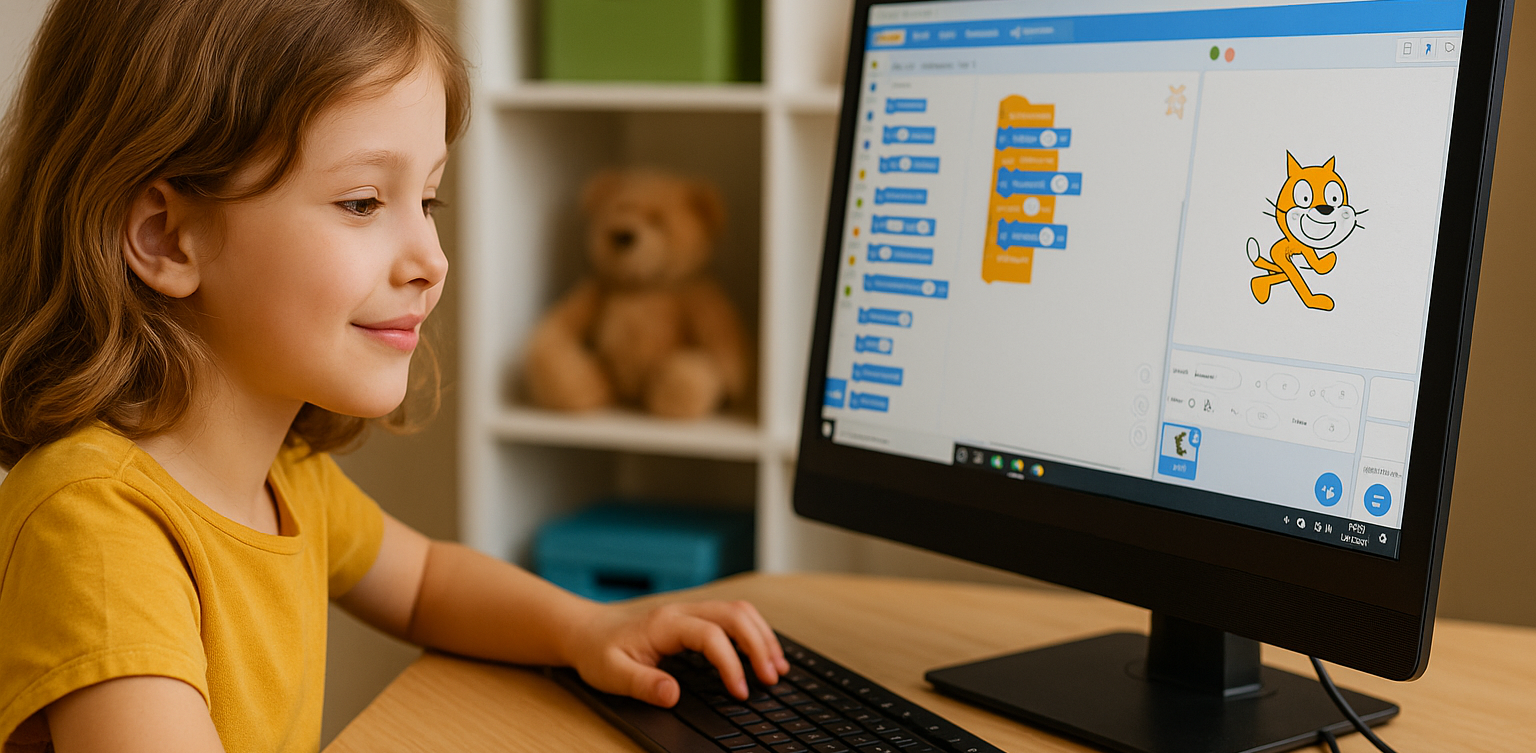
In today’s world, where digital technologies play a massive role, it’s important for children to develop the skills needed to thrive in an ever-evolving environment. One of the best ways to do this is through engaging, educational tools like Scratch games for kids. Scratch, a visual programming language, has become a go-to platform for introducing kids to the world of coding and game development. It offers a hands-on approach that encourages creativity, logical thinking, and problem-solving. Here’s why Scratch games for kids should be an essential part of your child’s learning journey.

1. Scratch Games for Kids Foster Creativity and Imagination
scratch games for kids

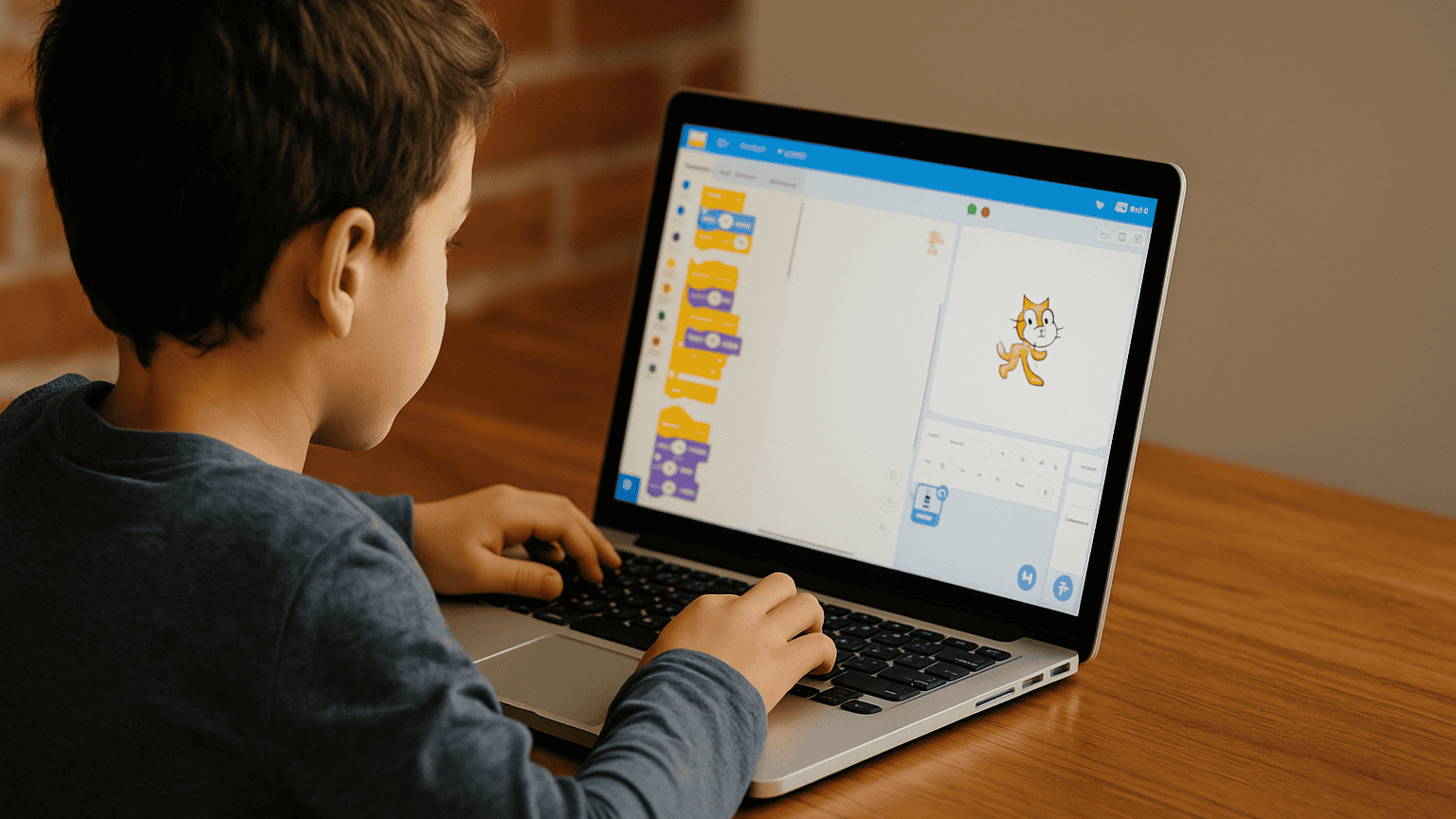
One of the standout benefits of Scratch games for kids is their ability to spark creativity and imagination. Scratch allows children to design their own interactive stories, animations, and games. This creative freedom encourages kids to think beyond the box and develop their original ideas. With Scratch games for kids, your child can experiment with character designs, develop storylines, and even create custom sounds for their games. This is not only fun but also promotes a creative mindset that benefits them in other aspects of learning and life.

By using Scratch games for kids, children can learn how to blend technology with creativity. Instead of simply consuming content, they actively engage with it, learning the process of making something unique. This helps them build a strong foundation for their future creative endeavors in digital media, game design, and beyond.

2. Scratch Games for Kids Boost Problem-Solving Skills
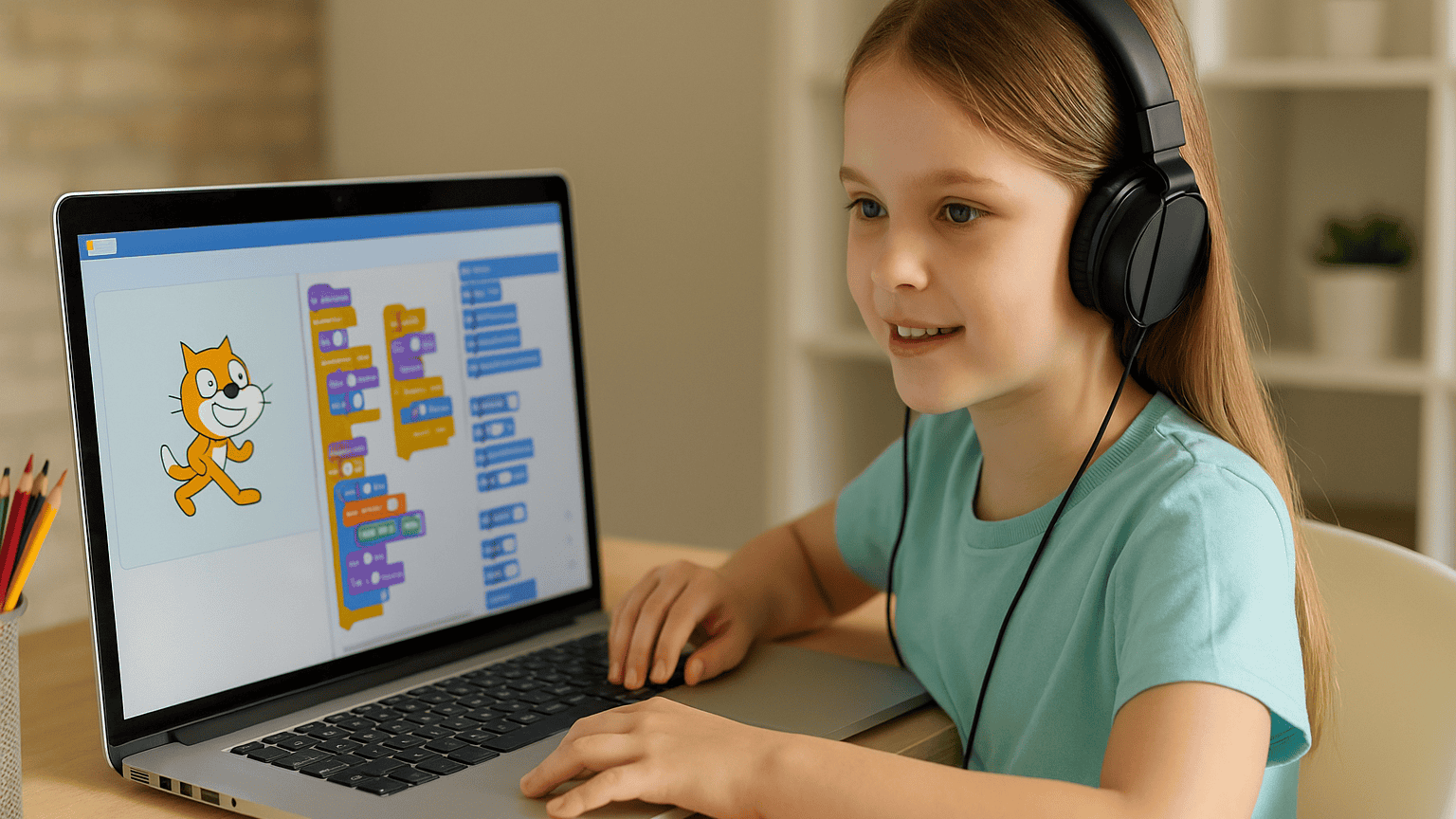
Problem-solving is one of the key skills children can develop through Scratch games for kids. As children create their own games, they are often faced with challenges that require logical thinking. For instance, when designing a game, kids need to figure out how to make a character move, respond to certain actions, or interact with other game elements. These tasks require them to apply problem-solving strategies, breaking down complex tasks into smaller, manageable steps.

The beauty of Scratch games for kids is that they provide a safe environment for children to experiment with different solutions, test their ideas, and make mistakes. This trial-and-error process not only improves problem-solving skills but also teaches kids how to approach challenges from various angles. By engaging with Scratch games for kids, children learn that failure is part of the learning process and develop resilience to overcome obstacles.

3. Scratch Games for Kids Teach Coding Fundamentals
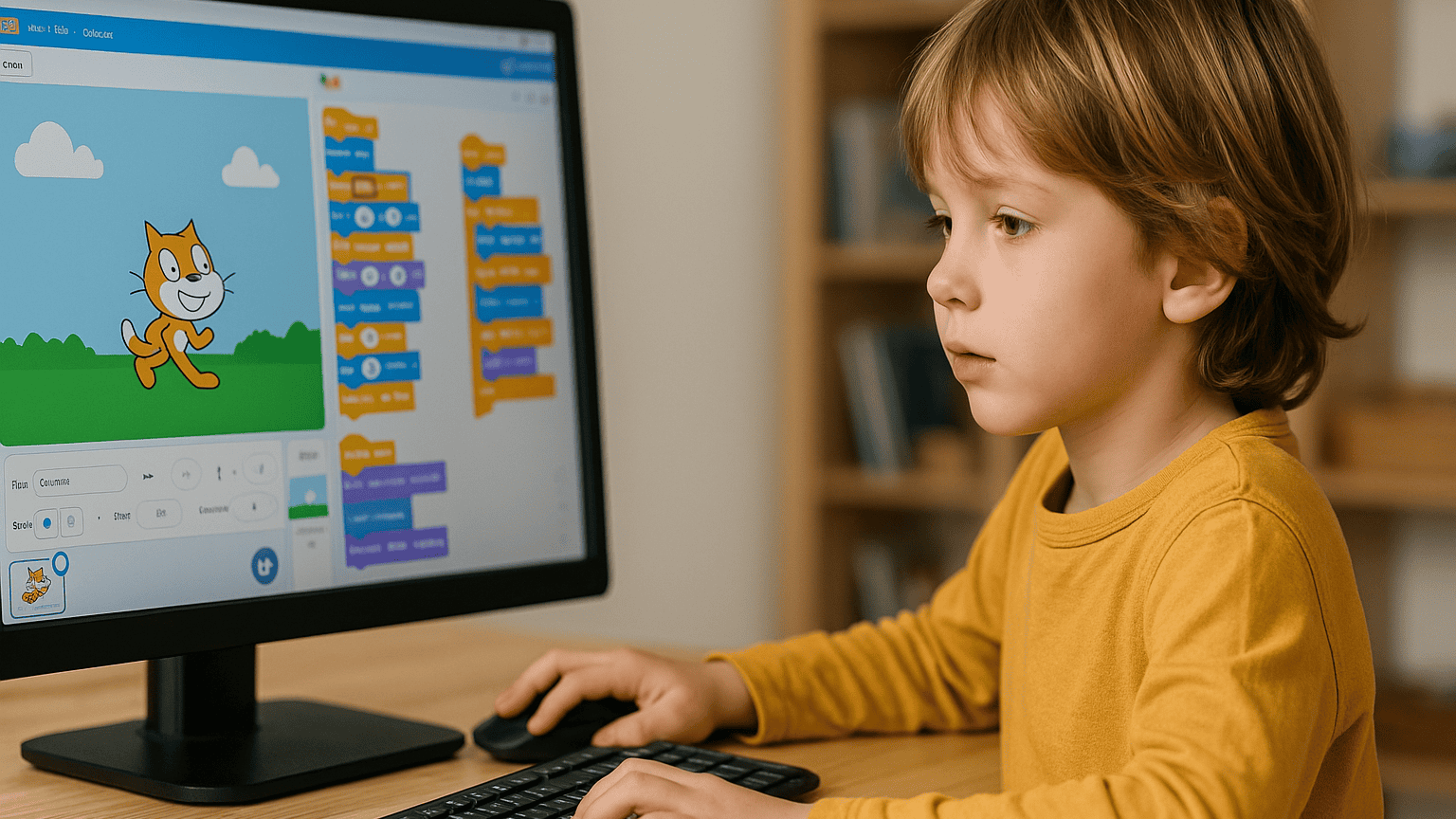
One of the most important reasons to incorporate Scratch games for kids into their learning routine is that they provide an accessible introduction to coding. Unlike traditional programming languages that might be too complex for beginners, Scratch uses a block-based visual interface, making it easy for kids to grasp coding concepts. By dragging and dropping blocks to create actions, children are learning the fundamentals of programming, such as loops, conditionals, events, and variables.

With Scratch games for kids, children get to explore the basics of coding in a hands-on, interactive manner. These foundational skills will prepare them for more advanced programming languages as they grow older. Whether they choose to pursue Python, Java, or C++ in the future, the logical thinking and problem-solving skills learned from Scratch games for kids will provide a solid foundation for their programming journey.

4. Scratch Games for Kids Develop Logical Thinking
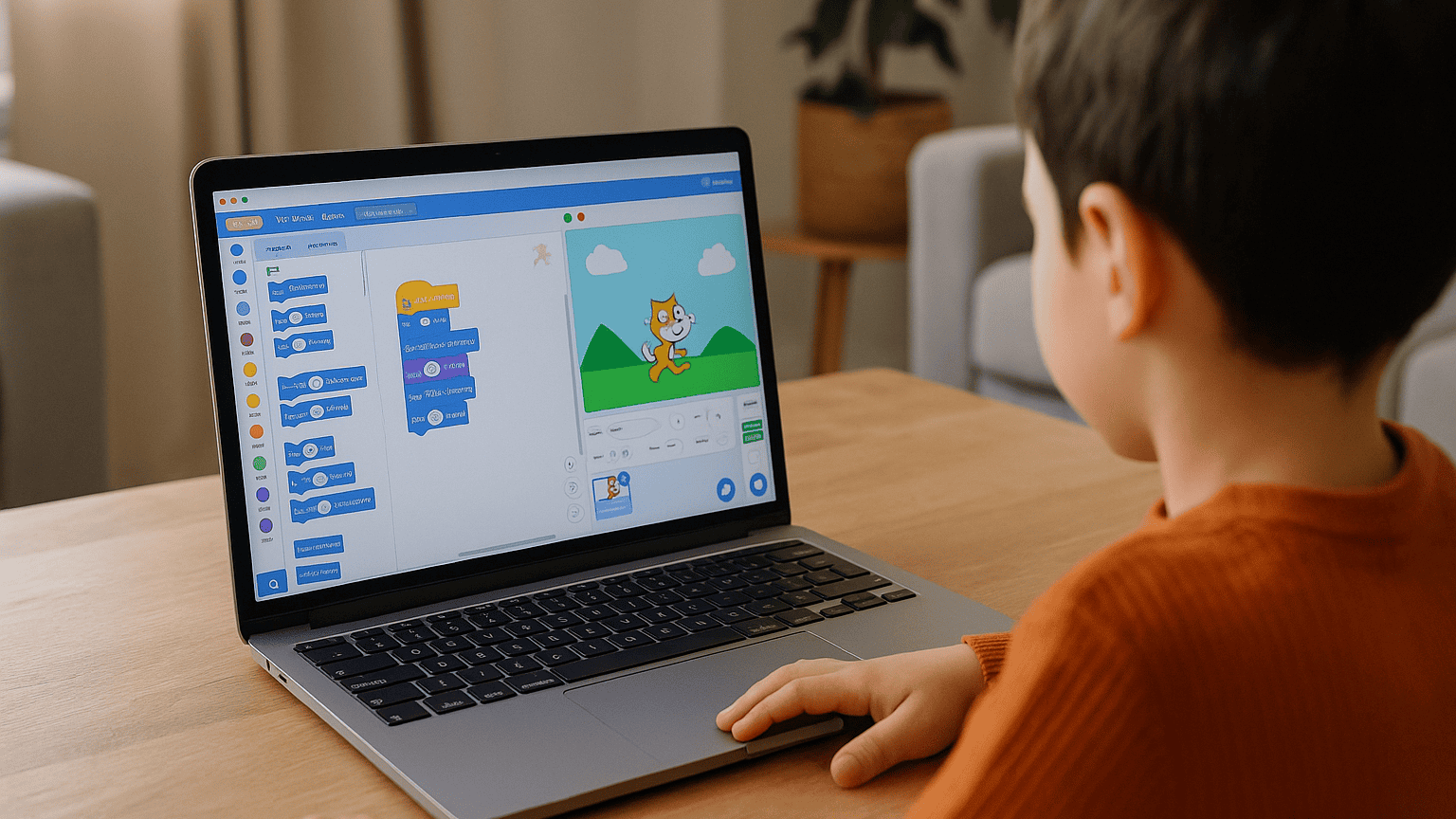
At the heart of Scratch games for kids lies logical thinking. When creating a game, children need to structure their actions and events logically. For example, if a child wants their character to jump when a certain key is pressed, they must figure out how to implement that action through the right sequence of events. By working through this logical process, kids develop stronger critical thinking and reasoning skills.

Engaging with Scratch games for kids encourages children to think step by step and organize their thoughts in a systematic way. These skills translate into better performance in subjects such as math, science, and even everyday problem-solving. By practicing logical thinking through Scratch games for kids, children will be more adept at making decisions and solving problems efficiently in the future.

5. Scratch Games for Kids Teach Persistence and Patience
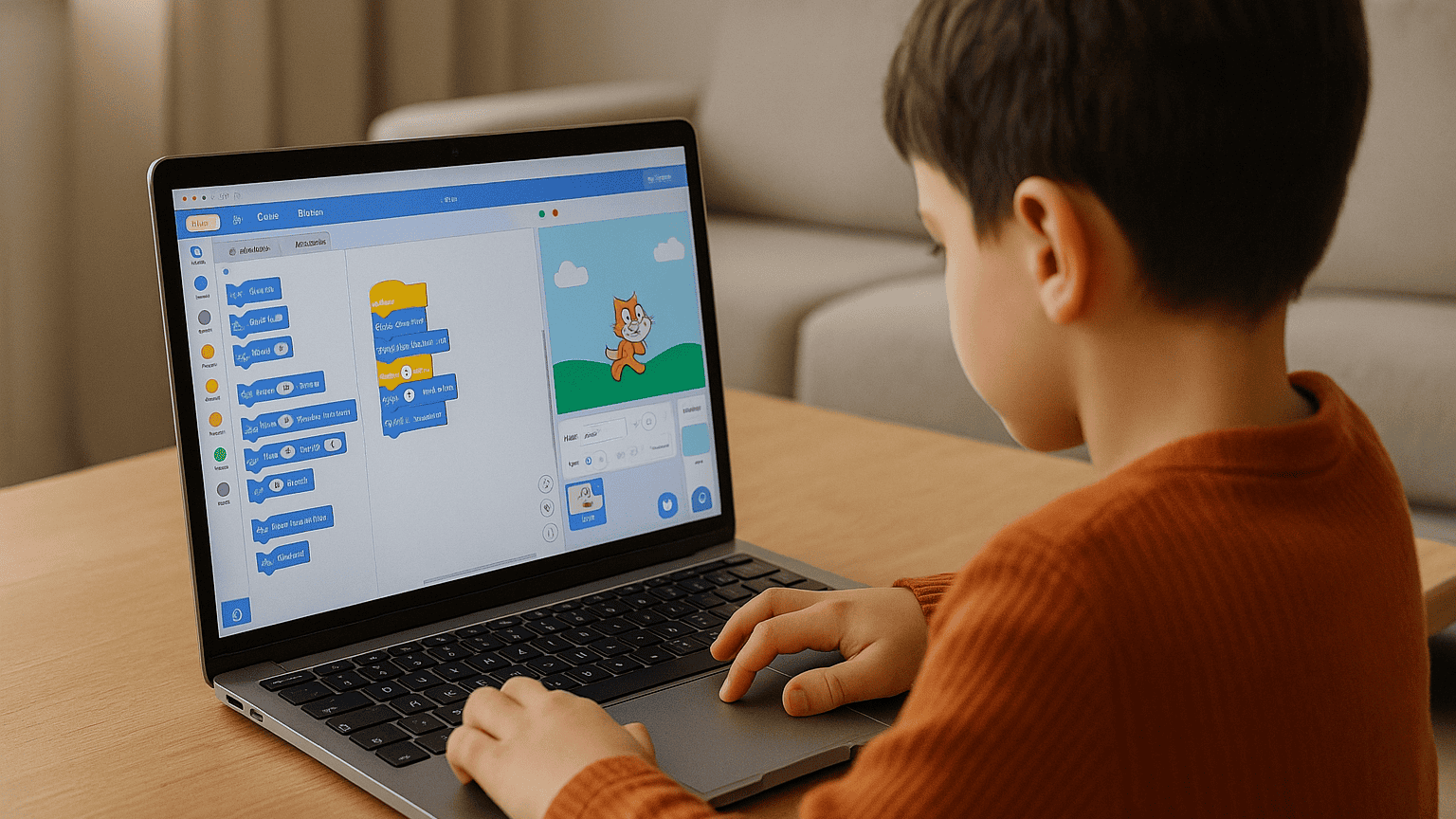
Creating Scratch games for kids can be challenging at times. Children might encounter bugs or unexpected behavior in their game, requiring them to troubleshoot and make adjustments. This process of debugging teaches kids the value of persistence and patience. Instead of getting frustrated or giving up when things don’t go as planned, children learn to approach the problem from different angles and keep trying until they find a solution.

By working through these challenges, children develop a growth mindset, understanding that success often comes through perseverance. The ability to stick with a problem and find solutions is an invaluable skill that will serve kids well in all areas of life, from school projects to personal goals.

6. Scratch Games for Kids Foster Teamwork and Collaboration
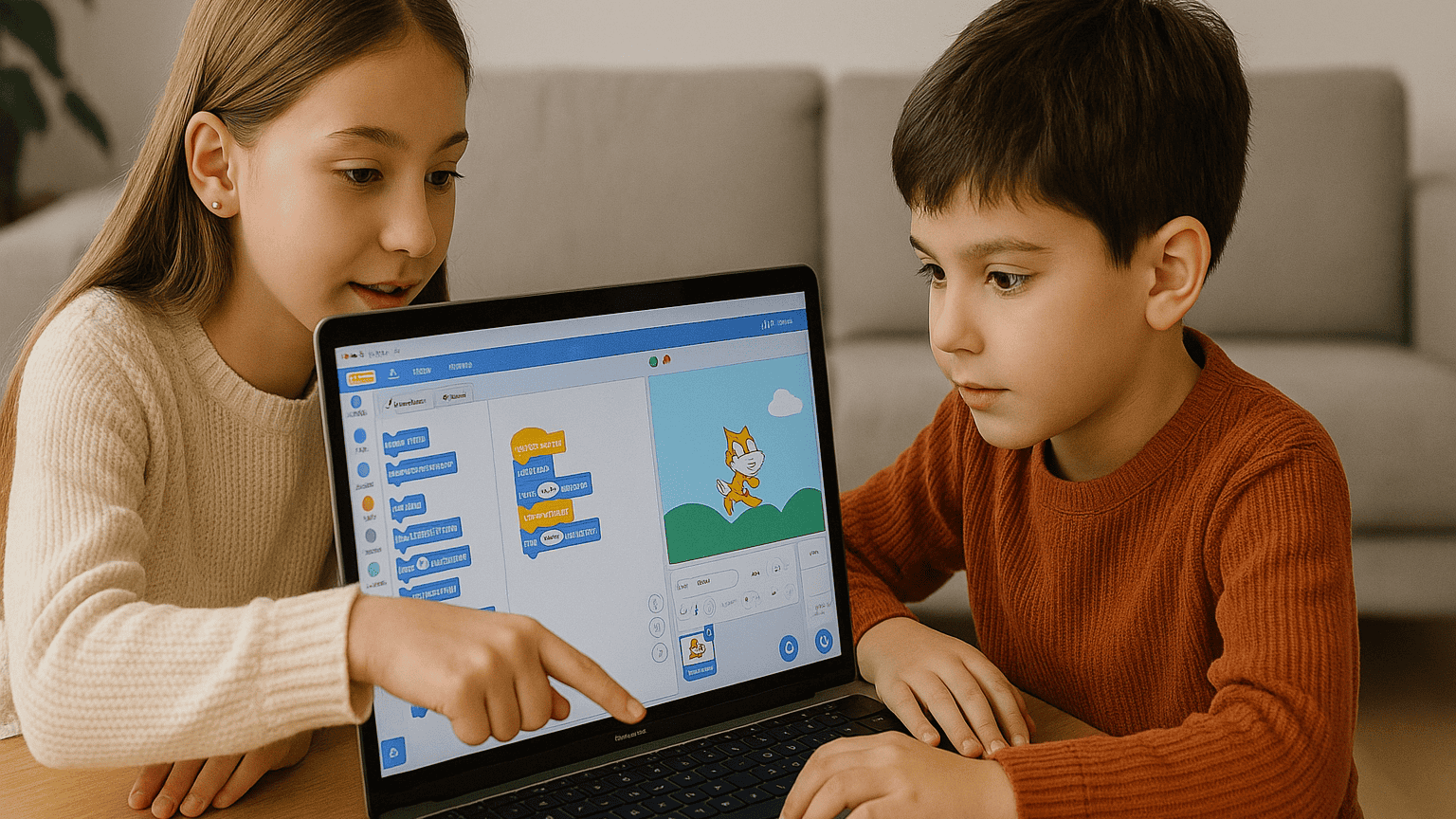
While Scratch games for kids can certainly be enjoyed individually, they also provide excellent opportunities for collaboration. In many cases, kids work together to share ideas, divide tasks, and support each other in game development. This teamwork aspect teaches kids how to communicate effectively, cooperate with others, and work towards a shared goal.

When children collaborate on Scratch games for kids, they learn the importance of listening to others, respecting different viewpoints, and combining their strengths. These skills are vital for success in both academic and social settings, making Scratch games for kids a great way to promote collaboration and social learning.

7. Scratch Games for Kids Provide Real-World Skills
scratch games for kids

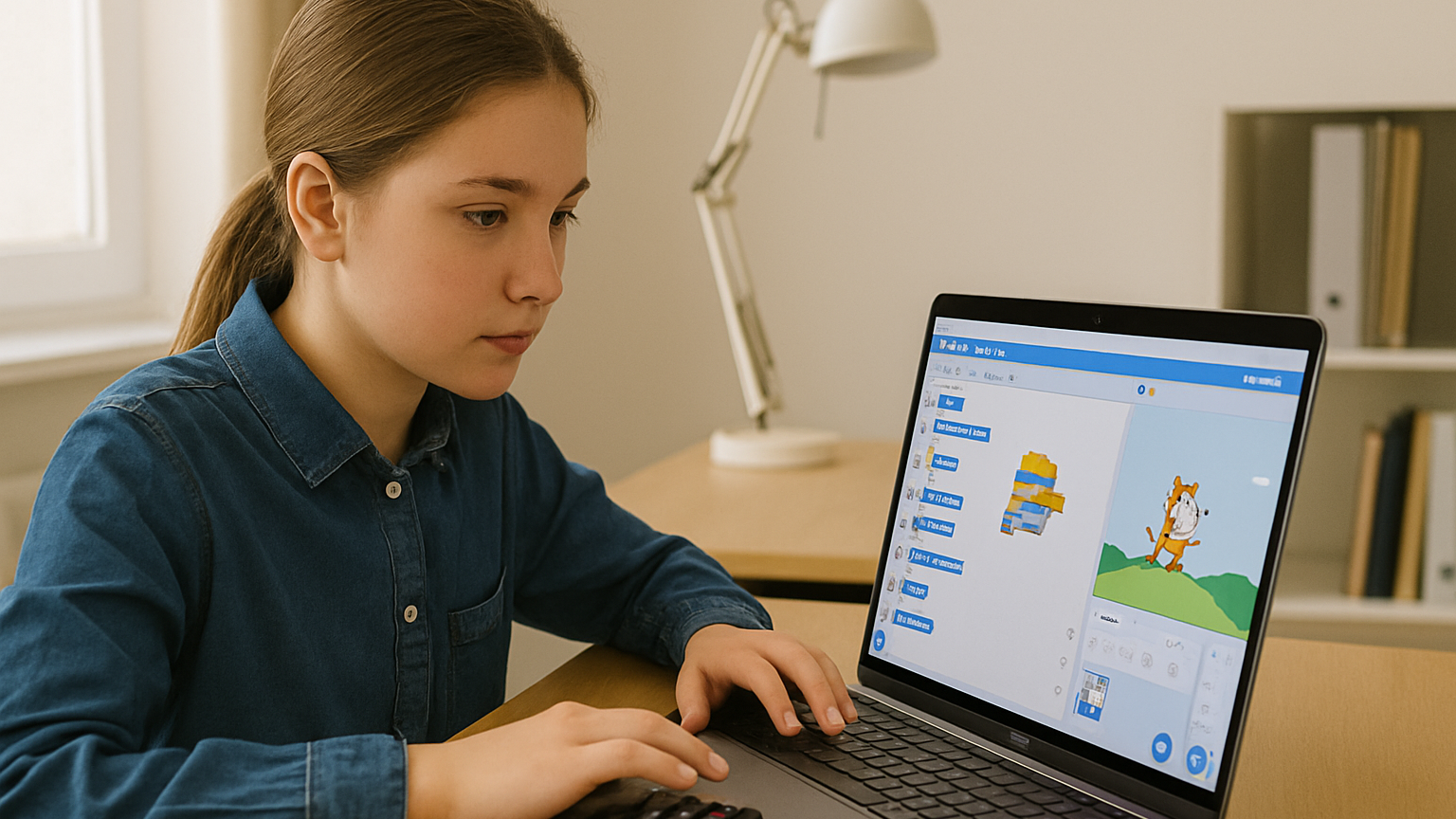
One of the most significant benefits of Scratch games for kids is that they offer real-world skills that can translate into future careers. The coding concepts learned through Scratch are the same building blocks used in professional software development, game design, and digital content creation. By learning to create games and interactive projects, children gain practical skills that can open doors to future opportunities in the tech world.

The skills developed through Scratch games for kids, such as coding, problem-solving, and logical thinking, are highly transferable and can be applied in various fields, including web development, app creation, and robotics. Early exposure to these skills will give children a head start in an increasingly digital world.

8. Scratch Games for Kids Make Learning Fun
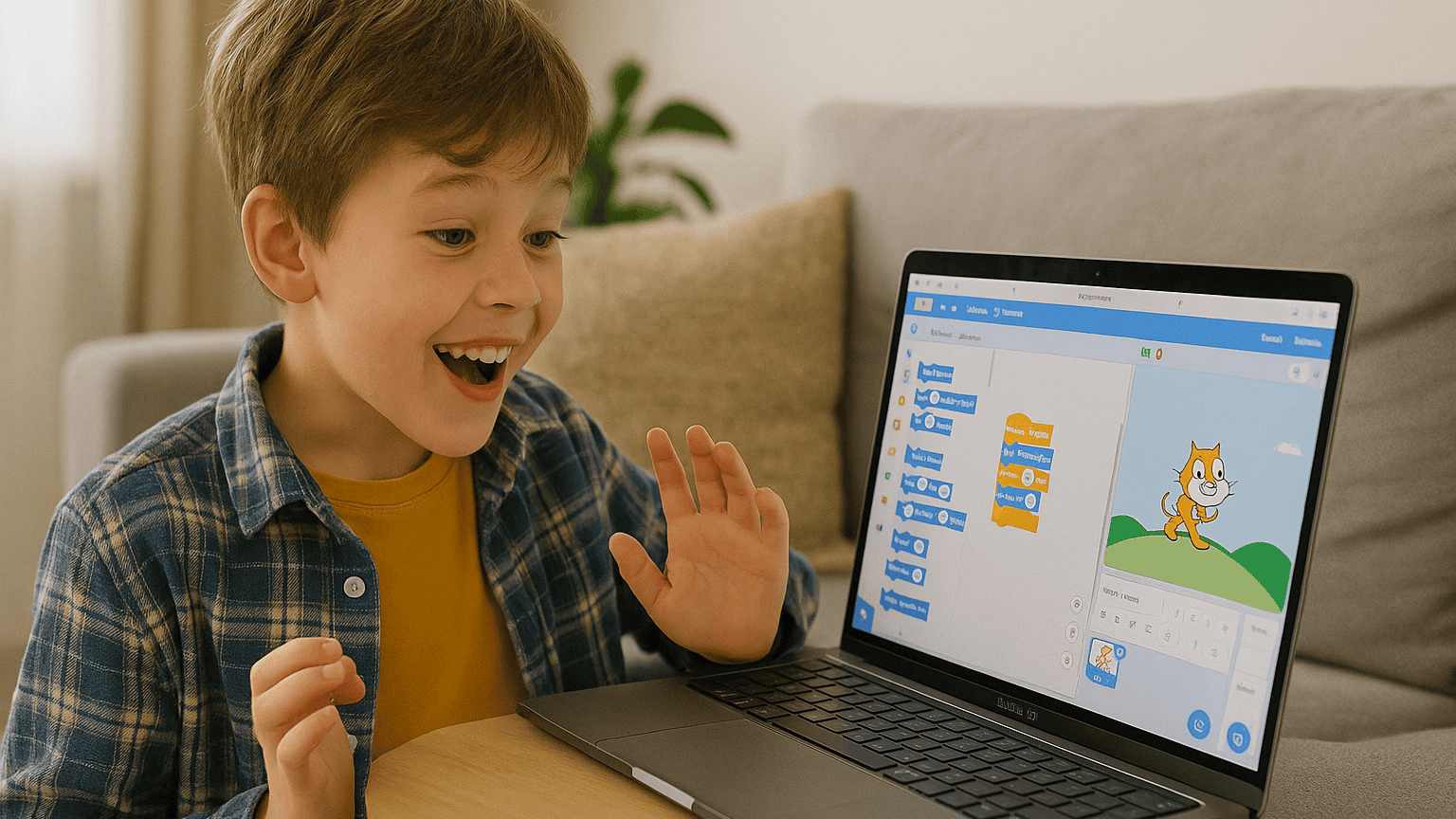
scratch games for kids

Above all, Scratch games for kids make learning enjoyable. Kids are naturally drawn to games, and by combining fun with education, Scratch turns learning into an engaging experience. As children create and play their own games, they get immediate feedback on their progress, which motivates them to continue exploring and learning.

By integrating play with learning, Scratch games for kids foster a love for technology and education. This positive experience with coding can inspire children to explore other areas of technology, helping them become lifelong learners.

Start Your Child’s Coding Journey with Timedoor Academy!

 Image

If you’re ready to introduce your child to the exciting world of Scratch games for kids, Timedoor Academy is here to help. Our interactive, beginner-friendly courses are designed to make coding fun and engaging. With a focus on creativity, problem-solving, and logical thinking, our classes ensure your child develops a strong foundation in programming.

Join our free trial class today and see how much fun learning to code can be! Visit our website now to enroll!


Keep Reading

Fun Science Experiments For Kids You Can Try at Home in 2025
Children are naturally curious. Unfortunately, that curiosity can fade when learning feels limited to books or school assignments. In reality, learning can be a fun activity you enjoy together at home. One of the best ways to keep your child engaged is through fun science experiments for kids. These experiments are not just for fun. They are also a simple and effective way to introduce basic concepts of logic, cause and effect, and help children develop structured thinking. Plus, they offer valuable quality time for parents and children to bond. Why Should You Try Science Experiments at Home? Before we dive into the examples, it is worth understanding why fun science experiments for kids are so beneficial. First, kids learn better when they can see and experience things directly, rather than just reading about them. Second, it shows children that learning is not always about sitting still at a desk. Third, it creates opportunities for meaningful parent-child interaction through shared learning moments. Simple and Fun Science Experiments For Kids No need for complicated tools. Most of these activities use everyday items you probably already have at home. 1. Baking Soda and Vinegar Volcano A timeless experiment that never fails to impress. Build a small “volcano” from clay or playdough around a container, add baking soda, then pour vinegar mixed with food coloring. The result is a small lava-like eruption that kids will love. 2. Walking Water Rainbow Line up cups filled with colored water, placing empty cups in between. Connect them with folded paper towels. Over time, the water will "walk" through the towels and mix colors, creating a rainbow effect. This is a fantastic visual example of capillary action and a perfect fun science experiment for kids. 3. DIY Lava Lamp Using a plastic bottle, add vegetable oil, water, food coloring, and an effervescent tablet. Watch as colorful bubbles rise and fall, mimicking a lava lamp. This teaches kids about density and simple chemical reactions. 4. Magic Milk Pour milk into a shallow dish, add drops of food coloring, then touch the surface with a cotton swab dipped in dish soap. The colors will swirl and move due to changes in surface tension. This fun experiment also sparks curiosity about how molecules interact. 5. Static Electricity Butterfly Cut a butterfly shape from tissue paper, rub a balloon on your hair, then bring it close to the paper. The butterfly wings will "lift" due to static electricity. This simple and entertaining activity helps children understand basic physics concepts. From Science to Coding: Training a Child’s Logical Thinking At first glance, these fun science experiments for kids might seem simple. However, they actually help develop logical thinking, patience, and step-by-step problem-solving. These are the same foundational skills used in coding. Coding teaches children to break down complex problems into smaller tasks, much like the scientific process in experiments. Both require focus, precision, and persistence. If children become familiar with structured thinking through simple science activities, transitioning to coding will feel like a natural and enjoyable next step. Tips to Keep Home Experiments Fun and Stress-Free To make sure your experiments go smoothly and your child stays excited, keep these tips in mind: Safety first. Always supervise, even when using everyday materials. Get your child involved from the start. Let them help prepare and take ownership. Do not fear failure. Mistakes are valuable learning opportunities. Relate experiments to everyday life. Show how science is all around them. Learning Can Be Fun and Practical By doing fun science experiments for kids, parents can make learning more enjoyable and hands-on. It allows children to experience cause and effect directly, beyond memorizing facts from a textbook. If you want to take it a step further, introducing your child to coding is another great way to develop structured thinking. Coding helps children stay focused, think logically, and persevere through challenges. Try a Free Coding Class with Timedoor Academy If you are looking for a way to combine fun and learning, Timedoor Academy offers free coding classes for kids. The lessons are interactive, engaging, and designed to match your child’s age and learning pace. Sign up today and help your child sharpen their logical thinking skills from an early age: Join Timedoor Academy's Free Coding Trial Class
Who Knew? Coding Helps Kids Excel at Math in 2025
When parents hear the word “coding,” they often picture kids staring at a screen, typing complicated commands. But did you know that this activity can actually boost a child’s math skills? Yes, coding helps kids excel at math, and this benefit has been proven through studies and real-world learning experiences from children around the globe. Coding is no longer just a skill for future programmers. It is becoming a fundamental part of modern education, and its impact reaches far beyond computer science. For many children, coding serves as a gateway to understanding mathematical logic, improving attention to detail, and enjoying learning more than ever before.   Why Are Coding and Math So Closely Connected? Coding teaches kids how to think logically and systematically. When learning to code, children practice problem-solving, recognizing patterns, and building algorithms. These are also core elements of math. As kids learn to write step-by-step instructions in coding, they are also training themselves to solve math problems in a structured way. For example, when creating a program that calculates average scores, a child is not just coding. They are applying addition and division. This is a clear, practical example of how coding helps kids excel at math in a fun and hands-on way. Moreover, understanding sequences, loops, and conditions in programming encourages children to think mathematically. These are the same skills used in operations, geometry, and even data analysis. These areas of math can feel abstract in a textbook but come to life through coding.   Learning Logic Instead of Memorizing Formulas Math often feels intimidating because it is full of formulas to memorize. Coding, on the other hand, emphasizes understanding the logic behind each concept. When kids write basic programs using loops or if-else statements, they are also learning repetition and decision-making. Both of these are critical in arithmetic and algebra. Through coding, kids build a solid understanding of math without relying on rote memorization. That is how coding helps kids excel at math while also boosting their confidence and reducing anxiety around the subject. Coding allows them to approach math from a new angle. It is not just something to study but something to apply and explore creatively. This kind of active learning can spark curiosity and make math less intimidating.   Coding Makes Math More Relevant Many students struggle with math because they do not see how it applies to the real world. Coding changes that. When children create simple games, calculators, or interactive animations, they realize that math is essential to making those programs work. This realization increases motivation. Kids get excited when they see how math helps bring their ideas to life. No wonder coding helps kids excel at math. It brings learning into context and makes it meaningful. With coding, abstract math concepts become tools that help kids build something real. Instead of solving equations on paper, they are using those equations to animate a character, solve a puzzle, or calculate a score. This deepens their understanding and interest.   It Builds Focus and Perseverance Coding requires attention to detail. One wrong character can break the whole program. This teaches kids how to stay focused, troubleshoot problems, and persevere through frustration. These are the same skills they will need when tackling long or complex math problems. So coding is not just about tech. It is about shaping a productive learning mindset. That is another reason why coding helps kids excel at math and also builds character along the way. As they debug code, children learn that making mistakes is part of the process. This resilience is essential in mathematics, where trial and error often leads to breakthroughs and better understanding.   Fits Every Learning Style Each child learns differently. Some are visual learners, while others prefer hands-on activities. Coding supports all learning styles. Kids can explore concepts through animations, games, and simulations. Many of these activities involve math. Thanks to this flexibility, coding helps kids excel at math in a way that feels natural and tailored to their strengths. It empowers children to take ownership of their learning and progress at their own pace.   Conclusion: A Powerful Duo for the Future In today’s digital world, parents need to equip their children with relevant skills. Coding is more than a tech trend. It enhances academic performance, especially in math. Start early and see how coding helps kids excel at math while preparing them for the future.   Want Your Child to Excel in Both Coding and Math? Join Timedoor Academy, where kids learn coding in a fun, interactive environment that also boosts their math and logical thinking skills. Our programs are designed to support every child’s growth in both technology and academics. Sign up for a free trial today and discover how coding helps kids excel at math from the very beginning.
Cara Membuat Game di Roblox untuk Anak-Anak
How to Create a Roblox Game for Kids: Easy Guide
Roblox is a fantastic platform that allows kids to create, play, and share their own games. Learning how to create a game in Roblox can be a rewarding and fun experience for children, helping them develop creativity and basic coding skills. In this easy guide, we’ll walk you through step-by-step how your child can start creating their very own Roblox game. Creating Roblox Game For Kids Step 1: Setting Up Roblox Game Studio For Your Kids To create games, kids first need Roblox Game Studio. Here’s how to set it up: Log in to your Roblox account. Go to the Roblox Studio website and click on "Start Creating." Follow the simple instructions to install Roblox Studio on your computer. Step 2: Choose a Roblox Game Template For Your Kids Roblox Game offers several easy-to-use templates to help beginners: Open Roblox Studio. Select "New," and then choose a template like "Obby" (Obstacle Course) or "Baseplate." Step 3: Customize Your Roblox Game For Your Kids Encourage your child to personalize their roblox game: Drag and drop different objects from the Toolbox. Click objects to move, rotate, or resize them. Customize colors and textures to make the game visually appealing. Step 4: Add Simple Roblox Gameplay Elements For Your Kids Make the roblox game interactive: Add checkpoints or obstacles in an Obby game. Use scripts from the Toolbox to easily add functionality. Test the game frequently by clicking the "Play" button at the top. Step 5: Publish and Share Your Kids Roblox Game Once your roblox game is ready, follow these simple steps: Click "File" then select "Publish to Roblox." Enter a fun and descriptive name for the game. Choose settings like visibility (Public or Private). Click "Create" to publish your game. Tips for Kids Creating Roblox Game Start simple: Create a basic game and gradually add more features. Explore tutorials: Roblox provides great beginner tutorials. Experiment: Don’t be afraid to try new things Start Your Kids Roblox Game Journey Today! Creating Roblox games is an excellent way for kids to express creativity while learning valuable skills. Follow our simple steps and your child can easily build their first Roblox game today. Want more learning experiences? Timedoor Academy offers free classes to help your kids dive deeper into coding and game design. Join the Free Trial Class now and keep the fun going!
float button