May 22, 2025

Screen Time Isn’t the Enemy: Why Screen Time for Kids Should Focus on Quality in 2025

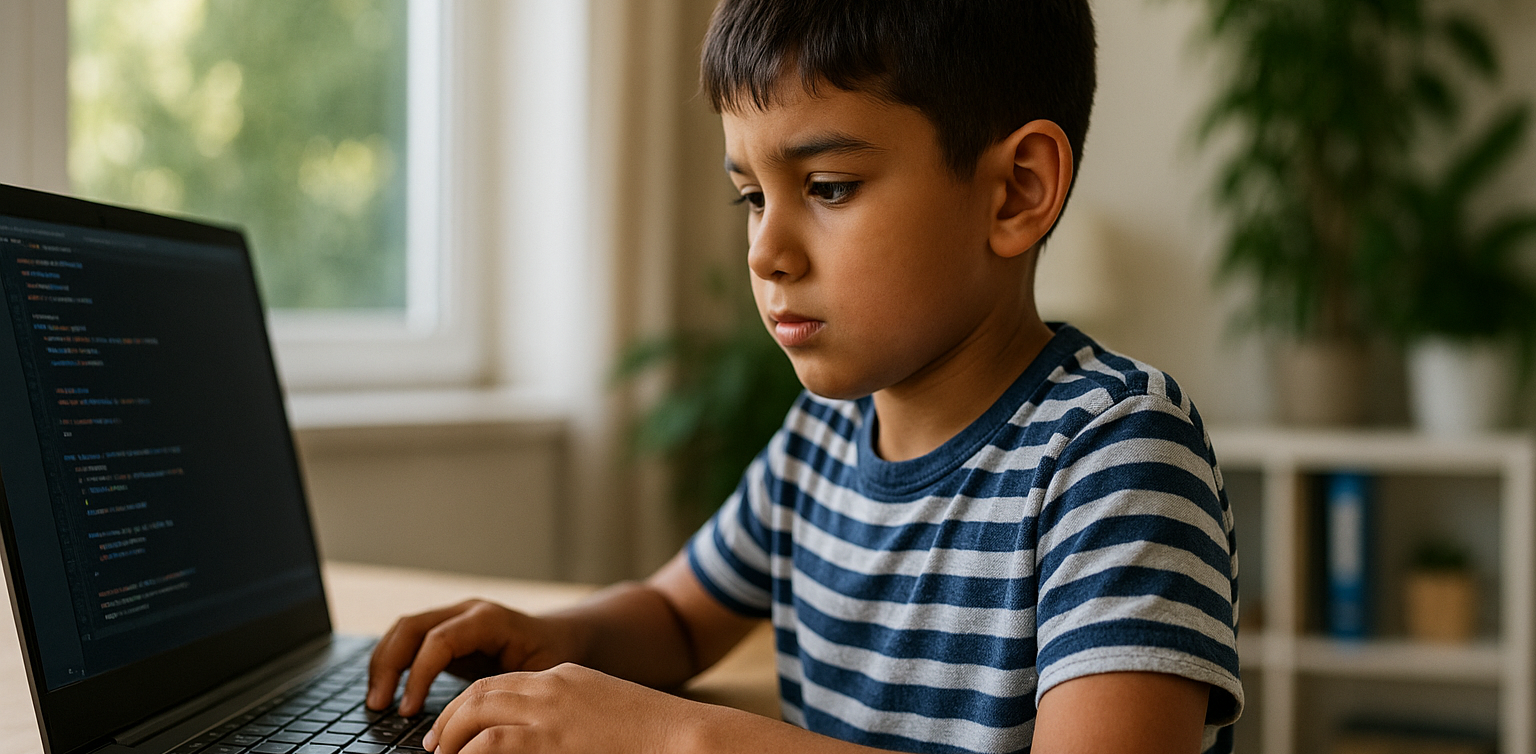
<strong>Screen Time Isn’t the Enemy: Why Screen Time for Kids Should Focus on Quality in 2025</strong> image

In today’s digital age, screen time for kids is a hot topic among parents. Many worry that too much time in front of a screen could negatively impact their children’s physical health, mental well-being, and social development. However, the truth is, screen time for kids isn’t inherently bad. When used wisely and filled with the right kind of activities, it can actually bring many positive benefits.

This article explores why the quality of screen time for kids matters more than simply limiting the hours. We’ll also discuss examples of productive digital activities, practical tips for managing screen time, and how parents can turn screen moments into opportunities for learning and meaningful family bonding.

Look Beyond Just the Hours

screen time for kids

Most conversations about screen time for kids revolve around duration: how many hours per day is too much? But recent research suggests that the real impact depends more on what children do during that screen time and whether parents are involved.

For example, watching educational shows, taking a coding class, or working on digital projects is far more beneficial than passively playing games or binge-watching entertainment videos.

The American Academy of Pediatrics (AAP) recommends that parents focus more on content, engagement, and interaction, rather than rigidly limiting screen time hours.

What Makes Screen Time High Quality?

High-quality screen time is screen time that’s used for educational, creative, or character-building purposes. Examples include learning to code, creating animations, joining digital art classes, reading e-books, or communicating positively with friends and family.

Quality also improves when digital activities involve parents. Helping kids choose educational apps, discussing movies together, or working on a digital project as a family can strengthen your bond and build children’s confidence.

The Benefits of Well-Managed Screen Time

When managed properly, screen time for kids can foster many valuable skills, such as:

  • Digital literacy and tech readiness: Preparing children for a digital-driven world.
  • Critical and creative thinking: Boosted through solving coding challenges, creating digital projects, or editing videos.
  • Communication and collaboration: Practiced in online classes, learning forums, or group projects.
  • Character development: Encouraging discipline, curiosity, responsibility, and confidence.

The Risks of Unsupervised Use

On the flip side, poorly managed screen time can lead to negative outcomes like gadget addiction, sleep problems, reduced social interaction, and passive behavior. That’s why active parental supervision and guidance are essential in shaping healthy screen habits.

How to Make Screen Time More Productive

Here are some practical tips to help ensure screen time for kids is beneficial:

  • Choose Educational Content Wisely
    Opt for age-appropriate learning apps, websites, or programs. Avoid content that’s inappropriate or irrelevant.
  • Create a Balanced Daily Schedule
    Balance screen time with physical activity, outdoor play, and enough rest.
  • Watch and Discuss Together
    Be present during digital activities and talk about what your child is learning or watching.
  • Offer Creative Digital Options
    Introduce fun experiences like coding, graphic design, vlogging, or app-based science experiments.
  • Make It a Family Activity
    Try learning coding together, watching documentaries, or working on family-friendly digital projects.

Coding Courses: A Great Example of Quality Screen Time

Ingin tahu detail program? Image

Ingin tahu detail program?

One of the best examples of productive screen time for kids is enrolling them in coding courses. Coding isn’t just a trend — it builds logic, creativity, and problem-solving skills. It also promotes patience, teamwork, and curiosity.

At Timedoor Academy, children can explore coding through structured lessons and real-world projects in a safe and supportive environment. With free trial classes available, it’s a great way to turn screen time into a fun, meaningful learning experience.

Keep Reading

<strong>Is Coding Necessary for Kids? Let’s Find Out in 2025!</strong>
Is Coding Necessary for Kids? Let’s Find Out in 2025!
In today’s rapidly evolving digital era, many parents are asking, is coding necessary for kids to learn from an early age? Coding or programming is one of the skills increasingly in demand, but is it really necessary for children to learn coding? This article will explore whether coding is necessary for kids, its benefits, challenges, and how parents can start their children on the right path, especially through coding programs like those offered by Timedoor Academy. Is Coding Necessary for Kids? The question is coding necessary for kids has become more common, especially with advances in technology and digital education. Formally, coding is not yet a mandatory subject in all schools, but today’s job market and digital industries highly value tech and coding skills. Coding is the language behind almost every digital device we use today. Teaching coding early helps prepare children for future challenges that rely heavily on technology and digital innovation. So, while it may not be mandatory by regulation yet, coding is a crucial skill that should be introduced early. Benefits of Coding for Kids When considering is coding necessary for kids, it is important to understand the benefits of learning coding. Coding helps children develop logical and systematic thinking. They learn to break down big problems into smaller parts and solve them step by step. Coding also boosts creativity because children get to create digital projects such as games, animations, and apps. This makes learning coding fun and builds their confidence. Additionally, coding develops problem-solving skills and perseverance. Children need to be patient and precise to ensure their programs work correctly. These skills are valuable not only in tech but in many areas of life. Challenges in Learning Coding for Kids Even though there are many benefits, some challenges come with learning coding. This often leads parents to ask again, is coding necessary for kids, considering the learning process can be tough. Kids may struggle with abstract concepts or complex logic. Parents need to provide extra support and choose fun, age-appropriate methods so children stay engaged and don’t get frustrated. Programs like those at Timedoor Academy are designed to make coding interactive and enjoyable for kids. With the right approach, these challenges can be overcome, and children become more interested in technology. How to Start Learning Coding for Kids? If you still wonder is coding necessary for kids, the key is starting the right way. Begin with simple basics like visual block coding that’s easy to understand. Timedoor Academy offers coding classes tailored to kids’ age and skill level, from beginner to advanced. Children learn through fun projects that deepen their understanding. Timedoor Academy also provides free trial classes. These allow parents and kids to experience the learning method before fully committing. The Role of Parents in Supporting Coding Learning Parents play a crucial role in helping kids succeed in coding. They can set aside dedicated time for learning and accompany children while they work on assignments or projects. Discussing what children learn helps them feel supported and motivated. Good parent-child communication strengthens the learning process and helps kids overcome difficulties. Parents should also remind kids to balance study and rest to avoid fatigue and burnout. Conclusion: Is Coding Necessary for Kids? So, is coding necessary for kids? While coding isn’t mandatory in many schools yet, it is vital for children’s futures. Teaching coding early prepares kids for a digital workforce and develops critical thinking, creativity, and problem-solving skills. Timedoor Academy supports this by offering child-friendly, interactive, and accessible coding classes. With free trial classes available, parents and kids can try a free trial class before fully joining. Don’t wait! Register your child at Timedoor Academy and give them the chance to learn coding in a fun and effective way. With coding skills, your child will be ready to thrive in an advancing digital world full of opportunities.
7 Positive Impacts of Online Programming Classes for Beginners
In today’s digital era, programming skills have become one of the most in-demand abilities. Not only for those aiming to work in the tech field, but also as a valuable foundation to face modern challenges. By joining an online programming classes for beginners, kids and teens can learn logic, systematic thinking, and creativity in solving problems. Many parents still hesitate whether their children are ready to start programming lessons. In reality, the earlier they get introduced to programming, the greater their chances to grow into creative and innovative individuals. 1. Flexibility to Learn Anywhere One of the main advantages of an online programming classes for beginners is its flexibility. Kids don’t need to travel to a specific course location. With just a laptop or tablet, they can learn from home, the library, or even while traveling. This helps parents manage their child’s schedule without interfering with school or other main activities. 2. Beginner-Friendly Curriculum Many parents worry that programming is too difficult to understand. However, in an online programming classes for beginners, the curriculum is designed step by step. Children are introduced to basic concepts, such as simple logic, building small programs, and even creating simple games or applications. This approach builds confidence and motivates them to keep learning. 3. Enhances Problem-Solving Skills Every programming lesson encourages students to find solutions to challenges. By joining an online programming class for beginners, kids will get used to facing obstacles, trying different methods, and not giving up easily. This problem-solving mindset is useful not only in technology but also in their daily lives. 4. Fun and Interactive Learning Many programming programs for kids combine game elements with learning. For example, they can create simple games or fun animations. This makes online programming classes for beginners enjoyable. Children don’t feel pressured—instead, they have fun with interactive and engaging lessons. 5. Preparing for Future Careers With rapid technological growth, the demand for digitally literate talent keeps rising. By joining an online programming classes for beginners, kids gain valuable skills for their future. Whether they dream of becoming programmers, game designers, or digital entrepreneurs, these skills will always be relevant. 6. Boosting Children’s Creativity Programming is not just about numbers and codes—it’s also about imagination. In an online programming classes for beginners, kids are encouraged to turn their creative ideas into reality, such as interactive apps or animations. This nurtures their creativity and builds self-confidence. 7. Building Discipline and Responsibility Online classes still require commitment. Kids must learn to manage their study time and complete assignments. Through an online programming classes for beginners, they develop discipline and responsibility for their own learning process. This positively contributes to their character development. The Role of Parents in Supporting Kids Even though children join an online programming classes for beginners, parents still play an important role. Moral support, screen-time supervision, and encouragement can boost their motivation. Parents can also track their kids’ progress by observing the projects they create during the lessons. Why Choose Timedoor Academy? Timedoor Academy offers online programming classes for beginners specially designed for kids and teens. With experienced instructors, interactive curriculum, and fun teaching methods, Timedoor Academy is the right choice for parents who want to invest in their child’s education. A Great Investment for Children’s Future Joining an online programming classes for beginners is not only about learning technology but also about building essential life skills. Kids learn discipline, creativity, and resilience in facing challenges with a positive mindset. All these benefits serve as valuable assets for their future.If you want your child to have a meaningful yet enjoyable learning experience, register them now at Timedoor Academy. Schedule a free trial class and let them experience the excitement of learning programming from an early age.
cara membangun rasa percaya diri anak
How to Build Confidence for Kids: Fun Activities Using Technology and Coding
Learning how to build confidence for kids is one of the most important things parents and educators can do today. Confidence helps children try new activities, solve problems, and handle challenges with resilience. When we focus on how to build confidence for kids early, we prepare them to succeed in a rapidly changing, technology-driven world. In this article, we explore practical ways on how to build confidence for kids, especially by introducing technology and coding as fun, valuable tools. 1. Encourage Participation in Sports and Tech Competitions One of the proven ways on how to build confidence for kids is through healthy competition. Sports teach teamwork and leadership, while technology competitions like coding contests, robotics challenges, and game design tournaments also foster self-belief and perseverance. Participating in both physical sports and tech-based activities strengthens how to build confidence for kids by showing them their hard work can lead to real achievements, whether on the field or in the digital world. 2. Introduce Creative Arts and Digital Creation Creative expression plays a major role in how to build confidence for kids. Traditional arts like painting and music are important, but digital creativity is just as powerful. Kids can design digital art, create animations, or develop their own simple apps. Coding empowers them to build real projects they can proudly share. By blending creative arts with technology, we make how to build confidence for kids even more exciting and relevant to today's world. 3. Promote Public Speaking and Tech Presentations Another essential strategy for how to build confidence for kids is encouraging them to present ideas, especially tech-related projects. Whether it's demonstrating a coding project, showcasing a simple game they built, or explaining a robotics experiment, these presentations strengthen communication skills. When kids explain technology in their own words, they not only become more confident but also realize the value of their knowledge — an important part of how to build confidence for kids. 4. Teach Coding to Build Problem-Solving Skills Teaching coding is a highly effective method on how to build confidence for kids. Through coding, kids learn to break down complex problems, experiment with solutions, and celebrate successes when they see their projects come to life. Every error they fix and every program they build adds to their sense of achievement. Platforms like Scratch, Minecraft Education, and beginner coding classes allow children to experience firsthand how to build confidence for kids in a way that’s fun, interactive, and empowering. 5. Celebrate Tech-Driven Small Achievements Celebrating small wins is key to how to build confidence for kids. This could mean finishing their first coding project, debugging a tricky error, or creating their first animation. Recognizing achievements in the tech space shows kids that every step counts. Praising their effort in technology projects builds a habit of perseverance and reinforces how to build confidence for kids even when challenges arise. 6. Provide Leadership Opportunities in Technology Leadership experiences are essential when thinking about how to build confidence for kids. Letting kids mentor others in coding clubs, lead a small tech workshop, or present a group project boosts their self-esteem and teaches valuable collaboration skills. Being seen as a “tech leader” among their peers strengthens how to build confidence for kids and encourages them to take pride in their abilities. 7. Encourage Independent Tech Projects Encouraging kids to explore independent technology projects is another way on how to build confidence for kids. Whether it's coding their own mini-game, building a basic website, or programming a simple robot, independent projects help children develop critical thinking and ownership. Solving problems without heavy adult assistance shows them they are capable and resourceful — a huge part of how to build confidence for kids. Building Lifelong Confidence Through Technology and Experiences Understanding how to build confidence for kids means offering opportunities across many areas, especially in the digital world. Technology and coding empower kids to think creatively, solve problems, and take pride in their achievements. Whether it’s through sports, public speaking, creative arts, or tech projects, helping kids see their own potential is crucial. By focusing on how to build confidence for kids early, we prepare them to face the future with strength, curiosity, and joy. At Timedoor Academy, we specialize in helping children build confidence through fun coding and technology programs. If you want your child to experience firsthand how to build confidence for kids with exciting tech activities, sign up for a free trial class today!
float button