Jul 18, 2025

Complete Guide How to Make a Roblox Skin for Your Child
Complete Guide How to Make a Roblox Skin for Your Child image

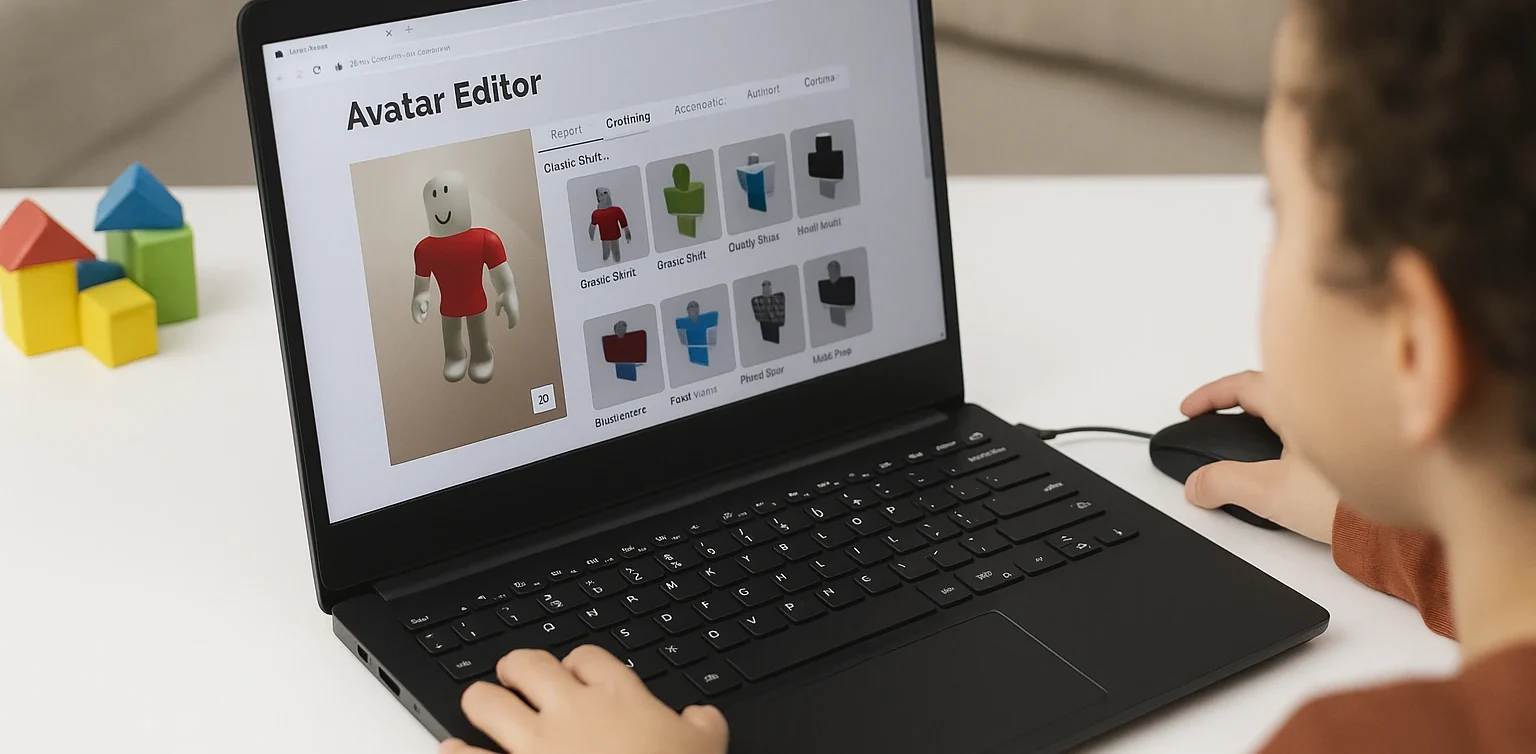
For many children, gaming has evolved beyond entertainment. It has become a creative outlet and a way to express themselves. One of the most popular platforms among kids and teens today is Roblox. This game allows users to create virtual worlds and customize their avatars to reflect their unique personalities. That’s why learning how to make a Roblox skin can be both fun and educational for your child.

What Is a Roblox Skin?
How to Make a Roblox Skin

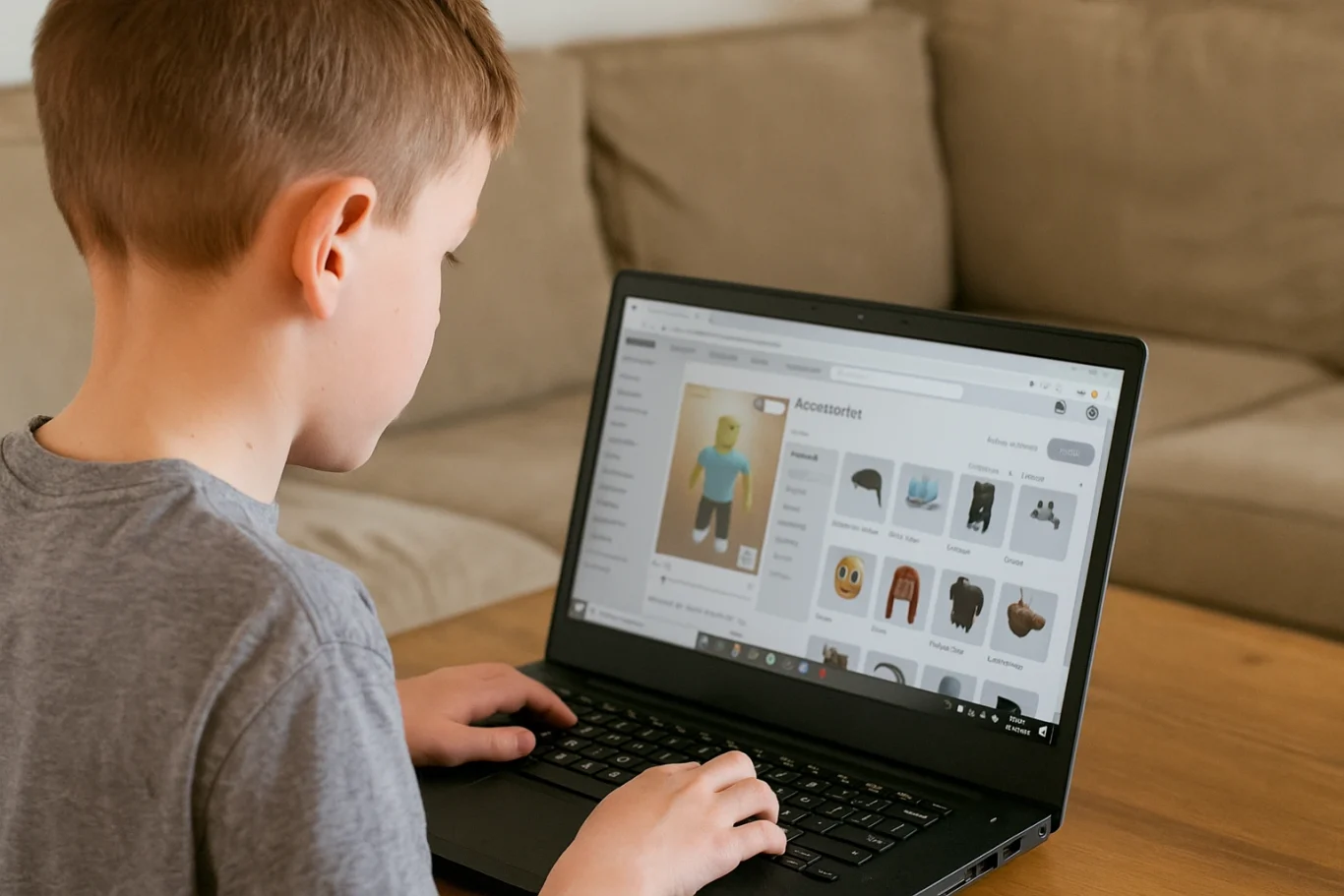
In Roblox, a skin refers to the appearance of a player’s avatar. Children can personalize their avatars by changing clothing, skin tones, hairstyles, accessories, and more. These skins aren’t just for looks. They’re tools for creativity and learning, especially when kids use Roblox Studio to explore deeper customization options.

Why Should Kids Learn to Make Their Own Skins?
How to Make a Roblox Skin

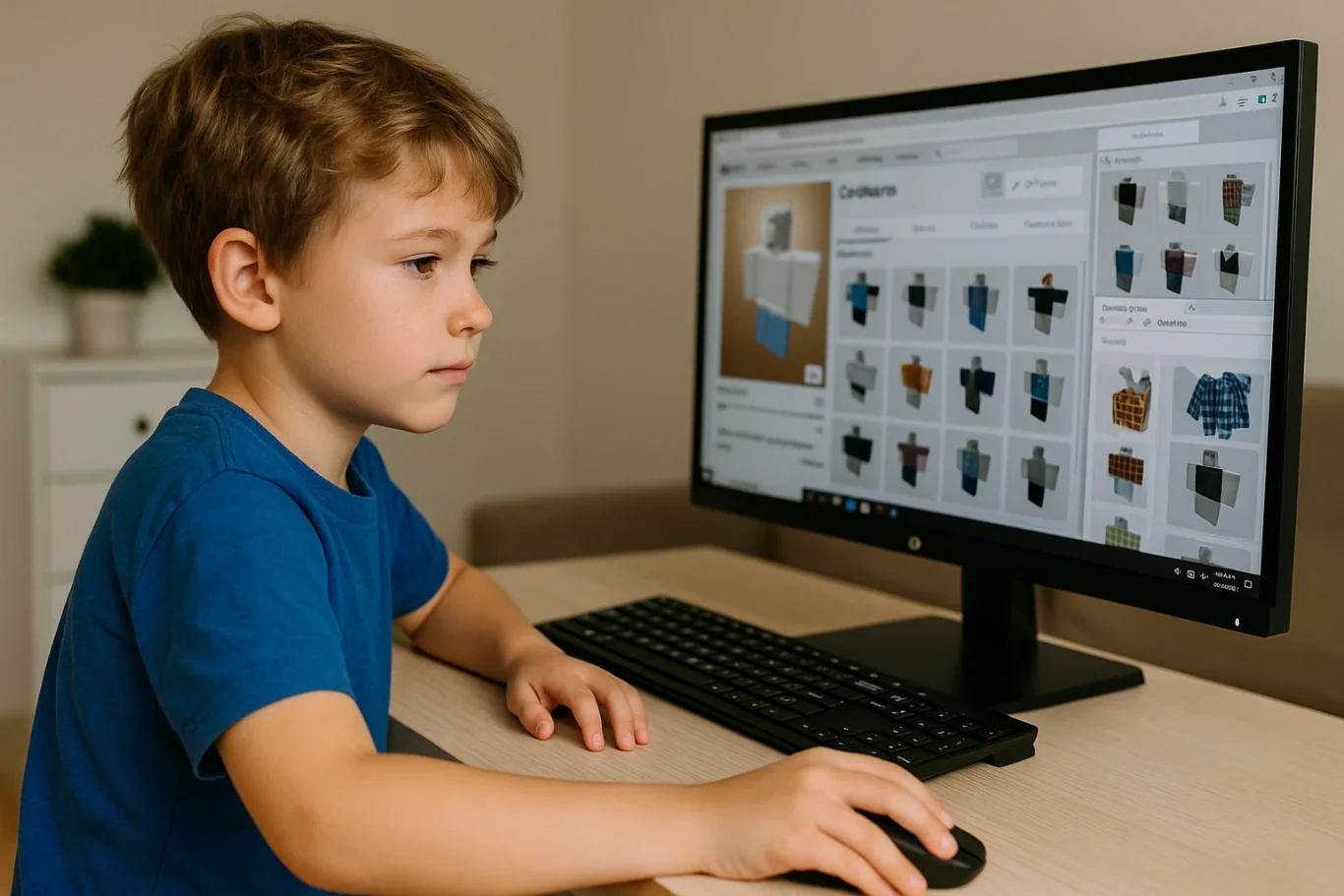
Introducing children to how to make a Roblox skin has numerous benefits. First, it encourages creativity. Kids get to explore color combinations, design themes, and styles. Second, they gain exposure to basic digital tools and visual design principles.

This process also supports problem-solving skills. Children often need to experiment and refine their designs to achieve the result they envision. Best of all, it transforms screen time into something more productive and purposeful.

What Tools Are Needed?

To help your child get started with how to make a Roblox skin, you’ll need just a few basic items:

  1. An active Roblox account
  2. A computer or laptop
  3. Access to Roblox Studio (available free on Roblox’s official site)
  4. A downloadable Roblox skin template

Roblox provides flat skin templates that show the layout of each part of the avatar, including the head, torso, arms, and legs. These templates serve as the base for customization.

Step-by-Step Instructions on How to Make a Roblox Skin

Here’s a simple guide that parents and children can follow together:

  1. Download the official template from the Roblox Developer site. This template helps with precise customization.
  2. Use a graphic editing tool such as Paint.NET, GIMP, or even Pixlr. Choose software that’s beginner-friendly and age-appropriate.
  3. Design the skin by adding colors, patterns, logos, or any details your child enjoys. Let them express their personality.
  4. Save the file in PNG format without altering the original dimensions.
  5. Upload the skin to Roblox Studio and preview how it looks in the game.

These steps are not just technical but also developmental. Kids will become familiar with software tools, layout concepts, and creative thinking.

Tips to Make the Experience More Enjoyable

To ensure your child has fun while learning how to make a Roblox skin, here are a few practical tips:

  • Encourage creative freedom. Allow children to explore their ideas without strict limitations.
  • Turn it into a shared project. Parents can join the process to build stronger connections with their kids.
  • Celebrate their creations. Offering praise builds self-confidence and motivates kids to keep learning.

Making a Roblox skin is not just a hobby. It’s a gateway into the world of design and digital literacy.

Connecting Hobbies with Digital Learning

Exploring how to make a Roblox skin can be an entry point into broader tech skills. Roblox Studio even allows users to add scripts using Lua, a programming language. If your child shows an interest in going further, this could be an ideal time to introduce them to structured learning in technology.

Through this hobby, children get a hands-on introduction to digital tools, design logic, and maybe even a little coding. It’s an excellent way to turn a pastime into a valuable learning experience.

Try a Free Coding Class at Timedoor Academy

Ingin tahu detail program? Image

Ingin tahu detail program?

Helping your child discover how to make a Roblox skin is more than just a gaming activity. It nurtures creativity, boosts digital confidence, and introduces the basics of design and technology. With the right guidance, what begins as a simple customization project can lead to a deeper interest in tech-based learning.

If you’re looking for a fun and structured way for your child to explore coding, creativity, and digital tools, Timedoor Academy offers coding classes specially designed for kids. These programs are interactive, age-appropriate, and focus on building skills for the future.
Sign up today for a free trial at Timedoor Academy and support your child’s journey into the world of technology in a fun and meaningful way.
Keep Reading

<strong>5 Effective Strategies on How to Improve Children’s Focus</strong>
5 Effective Strategies on How to Improve Children’s Focus
The ability to focus is one of the most important foundations of a child’s learning process. Children with good concentration skills tend to absorb information better, complete tasks more efficiently, and perform well both at school and in daily life. However, improving focus is not something that happens overnight. It requires strategy, patience, and consistency from parents. That’s why it’s essential to understand how to improve children's focus from an early age. Not all children are naturally focused. Some are more easily distracted, especially by noisy environments or digital devices. But with the right approach, children can gradually build their ability to concentrate. 1. Build a Consistent Daily Routine The first step in understanding how to improve children's focus is by creating a structured daily routine. A predictable schedule helps children know what to expect throughout the day. Setting consistent times for learning, playing, eating, and sleeping helps their minds prepare for each activity, reducing distractions and enhancing focus. Routines also give children a sense of safety and stability. This sense of order supports their ability to concentrate because their brains are not constantly adjusting to unpredictable changes. 2. Limit Digital Distractions Excessive screen time is one of the biggest obstacles to concentration. A practical tip on how to improve children's focus is by limiting access to gadgets like tablets, smartphones, or television, especially during study or family interaction time. Encourage children to engage in physical or creative activities like drawing, building puzzles, or reading. These types of play stimulate the brain and teach children to complete tasks without being distracted by fast-paced digital entertainment. 3. Introduce Mindfulness Activities Mindfulness isn't just for adults. There are now many child-friendly mindfulness techniques that support how to improve children's focus. These exercises include deep breathing, listening to natural sounds, or observing objects closely to help kids become more aware of the present moment. For example, ask your child to sit quietly and listen to the sound of rain or birds for one full minute. It may seem simple, but it can help strengthen their attention span over time. 4. Use Focus-Enhancing Games Games can be a fun and effective way to teach concentration. Puzzle-solving, matching games, memory cards, or board games like chess and snakes and ladders are excellent tools for building attention skills. These games teach kids to stay on one task, follow rules, and think ahead. Integrating these activities into your child’s routine is a proven method on how to improve children's focus while keeping it enjoyable. 5. Start with Simple, Age-Appropriate Tasks Small, manageable tasks help train a child’s ability to focus. Whether it’s tidying up their toys, watering plants, or helping set the table, these tasks are a great way to build responsibility and concentration. When exploring how to improve children's focus, assigning simple chores can go a long way. It teaches kids to stick with one task until it’s done. Celebrate their success with specific praise, like “You finished the puzzle all by yourself. That’s awesome!” to boost their motivation. Challenges in Building Focus It’s normal for young children to have short attention spans. That’s why parents must be patient and avoid comparing their children to others. Each child has a different rhythm when it comes to learning and focusing. If focus issues continue over a long period, consider consulting a child psychologist for further insights. However, most children benefit significantly from consistent routines and structured guidance at home. Final Thoughts: Focus Can Be Learned Improving focus is not a talent that children are born with, but a skill that can be developed. It benefits not just their academic performance but also their emotional regulation, problem-solving, and ability to work independently. Understanding how to improve children's focus allows parents to guide their kids toward a stronger mental foundation for the future. As a complement to focus training, coding classes can be a great tool. At Timedoor Academy, children can explore technology in an engaging and structured environment. Coding requires logic, patience, and attention, making it a powerful way to enhance your child's concentration. Try a free coding class today and unlock your child’s potential in the digital age.
Pengumuman Resmi Penghargaan Holiday Camp Juni - Juli 2025
Official Announcement of Holiday Camp Awards June to July 2025
Holiday Camp 2025 was successfully held from June 9 to July 11, 2025, with over 500 participants from all over Indonesia!This year was even more special with the launch of a new program: English Camp, which made the learning experience even more fun and comprehensive. The 5-day Holiday Camp at Timedoor Academy was designed for students who wanted to learn coding or design based on their interests. Various programs were available, such as Python Development, Roblox Development, Artificial Intelligence, UI/UX Design, and Comic Making. With guidance from professional instructors and exciting, challenging projects, participants were able to improve their digital skills according to the subject they chose. Today, we are proud to announce the participants who are entitled to receive awards for Best Project and Best Participant.Please see the list of winners below: JUNIOR ANIMATOR CATEGORY PARTICIPANT’S NAME BRANCH Best Project Rafie Dhanapati Tang Jambi Best Participant Adifa Khairisa Hamdel Pekanbaru JUNIOR 3D GAME CATEGORY PARTICIPANT’S NAME BRANCH Best Project Albercio Javier Zafran Green Lake City Best Participant Feni Chandra Kirana Cikarang JUNIOR CONSTRUCT CATEGORY PARTICIPANT’S NAME BRANCH Best Project Aira Meta Letisha Jambi Best Participant Raditya Alvarendra Ramadhan Cikarang KIDS CONSTRUCT BEGINNER + WEBSITE CATEGORY PARTICIPANT’S NAME BRANCH Best Project Komang Tribuana Devi Danu Asri Gatsu Bali Best Participant Nyoman Ngurah Reyndra Devananta Gatsu Bali KIDS MACHINE LEARNING CATEGORY PARTICIPANT’S NAME BRANCH Best Project Altair Jordan Wiryadhika Palembang Best Participant Nathanael Gusti Ngurah Gyanendra Raditya Cikarang KIDS ANDROID APP DEVELOPER CATEGORY PARTICIPANT’S NAME BRANCH Best Project Andi Kayla Fatmah Jambi Best Participant Marvella Alexa Jambi KIDS ROBLOX FIND THE PIZZA (V1 & V2) CATEGORY PARTICIPANT’S NAME BRANCH Best Project Joanna Glory Celia Tampubolon Pontianak Best Participant Mikaela Larasatiningrum Widharto Cikarang KIDS PYTHON CATEGORY PARTICIPANT’S NAME BRANCH Best Project Muhammad Nabhan Rinaldi Makassar Best Participant Dhiyo Lucas Iswantoro Manado KIDS AI DEVELOPER CATEGORY PARTICIPANT’S NAME BRANCH Best Project Rafael Lorenzo Citraland Best Participant Felix Parulian Kurniawan Online ID TEENS PHASER CATEGORY PARTICIPANT’S NAME BRANCH Best Project I Putu Abyakta Dhika Kurniawan Renon Best Participant Addo Darian Peejaya Renon TEENS WEB DEVELOPER CATEGORY PARTICIPANT’S NAME BRANCH Best Project Quraisy Aqila Rafif Cikarang Best Participant Awwalun Tangguh Firjatullah Citraland TEENS ROBLOX NEVERLAND SURVIVAL (V1 & V2) CATEGORY PARTICIPANT’S NAME BRANCH Best Project Rafael Geovanni Kelapa Gading Best Participant Ignasius Tristan Widharto Cikarang TEENS PYTHON CATEGORY PARTICIPANT’S NAME BRANCH Best Project Arkaan Fatih Safaraz Pekanbaru Best Participant M. Izyan Adly A Gayungan TEENS APP DEV CATEGORY PARTICIPANT’S NAME BRANCH Best Project Vannesa Feryan William Medan Maimun Best Participant TEENS AI DEV CATEGORY PARTICIPANT’S NAME BRANCH Best Project Udara Alouin Arauna Situngkir Kelapa Gading Best Participant Callie Angeline Sutanto Online ID  TEENS IoT CATEGORY PARTICIPANT’S NAME BRANCH Best Project Darren Hanzel Kelapa Gading Best Participant Jonathan Isaac Santoso Citraland  COMIC KIDS CATEGORY PARTICIPANT’S NAME BRANCH Best Project Alyaa Kunaziza Werdaya Online ID Best Participant Malika Della Sachanda Online ID  COMIC TEENS CATEGORY PARTICIPANT’S NAME BRANCH Best Project Arisha Qurrotua'yunina Online ID Best Participant Raphaella Generosa Simanjuntak Gatsu Bali  DESIGN ANIMATION CATEGORY PARTICIPANT’S NAME BRANCH Best Project Amos Gracio Immanuel Harapan Indah Bekasi Best Participant Regina Sayo Harapan Indah Bekasi  UI/UX APPS CATEGORY PARTICIPANT’S NAME BRANCH Best Project Sherin Magdalena langelo Cikarang Best Participant Daffa Muhammad Cikarang ENGLISH CAMP CATEGORY PARTICIPANT’S NAME BRANCH Best Participant I Gede Bagus Aksara Abinaya Gatsu Bali
<strong>The Importance of Kids EQ in the Modern Era of 2025</strong>
The Importance of Kids EQ in the Modern Era of 2025
The rapid growth of the digital world and technology in today’s modern era means parents need to equip their children with more than just academic intelligence. Now, kids EQ—or emotional intelligence—is a key foundation for building character, social skills, and helping children face the increasingly complex challenges of our time. It’s no wonder that future success is closely linked to the quality of EQ, not just report card grades or cognitive abilities. This article will discuss what EQ really means for kids, why its quality is so important in the modern world of 2025, the long-term benefits your child can experience, and simple tips for parents to nurture emotional intelligence from an early age. What Is EQ and Why Is It Becoming More Important? for Kids Kids EQ (emotional quotient or children’s emotional intelligence) is a child’s ability to recognize, understand, manage, and express emotions in a positive way. Children with strong EQ can control anger, accept failure gracefully, and show empathy toward others. EQ also includes important social skills like communication, teamwork, and the ability to build healthy relationships. In the modern era of 2025, the need for kids EQ is bigger than ever. Children must be able to adapt, manage stress, and solve problems not only in the real world but also in digital environments such as social media, online games, or virtual learning communities. The Benefits of Kids EQ for Life and the Future Good quality kids EQ brings many long-term benefits, such as: Boosting confidence and independence: Children aren’t easily swayed by peer pressure or bullying, whether at school or online. Improving conflict resolution skills: Kids are better able to discuss, listen, and respect others’ opinions. Easier adaptation to new environments: Thanks to empathy and good manners, children can quickly make friends and fit in wherever they go. Building resilience when facing setbacks or rejection. Higher academic and non-academic achievement: Children with strong kids EQ can focus and don’t get lost in negative emotions. Studies show that kids EQ plays a big role in future career success and overall happiness. The Challenges of Developing Kids EQ in the Digital Age Even though it’s so important, developing kids EQ in the digital age comes with unique challenges: Less face-to-face interaction due to increased screen time, making kids more likely to communicate online than in person. Exposure to online conflict or negative comments that can trigger stress and negative emotions. Few real-life examples around them on how to manage emotions in a healthy way. Pressure to achieve and compete that can make children feel stressed and anxious. That’s why parents have a huge role to play as role models, guides, and open listeners to their children’s daily feelings and experiences. Simple Tips to Nurture Kids EQ Here are some practical steps parents can take to help boost kids EQ: Be a positive role model. Show your child how to manage emotions calmly and avoid losing your temper. Talk about feelings. Ask, “How did you feel today?” or “What made you happy or sad?” regularly. Practice empathy through daily activities. Invite your child to help a friend or share stories about others’ experiences. Praise efforts to manage emotions. For example, “I’m proud you stayed patient when playing with your friends.” Teach simple relaxation techniques. Deep breathing, taking a break when angry, or enjoying hobbies to calm down. Introduce collaborative activities, such as learning coding with friends, playing team sports, or group projects. Kids EQ and IT Skills for the Future Along with nurturing kids EQ, it’s also important to equip children with other essential future skills, like critical thinking, problem-solving, and digital literacy. Learning to code is a great way to strengthen these abilities while also teaching teamwork, communication, and empathy. In project-based coding activities, children often work in teams, discuss ideas, respect different opinions, and learn to handle setbacks positively. Timedoor Academy offers coding programs for kids that focus not just on technical skills but also on building character and kids EQ. Kids EQ and Digital Skills: Preparing for the Future High-quality kids EQ in the modern era of 2025 isn’t just a bonus—it’s a key requirement for children to be ready for life’s challenges. With strong kids EQ, your child can grow into a confident, empathetic person who builds healthy relationships both online and offline. Help nurture your child’s emotional intelligence while also preparing them for the digital world by enrolling them in a coding program at Timedoor Academy. Sign up for a free trial class and experience the positive impact on kids EQ, creativity, and your child’s future in our digital age.
float button