Jun 30, 2025

How to Set Healthy Screen Time Limits for Children in 2025
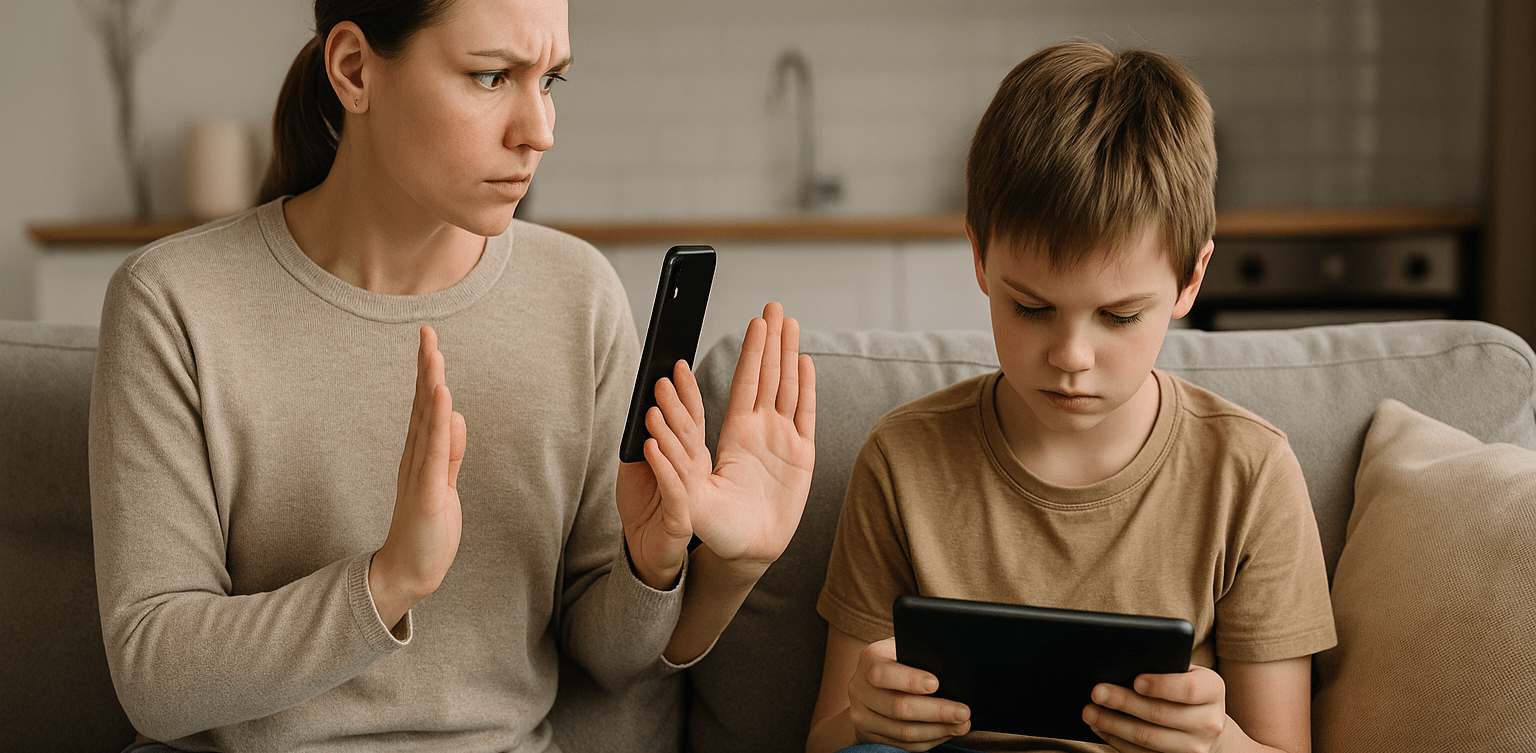
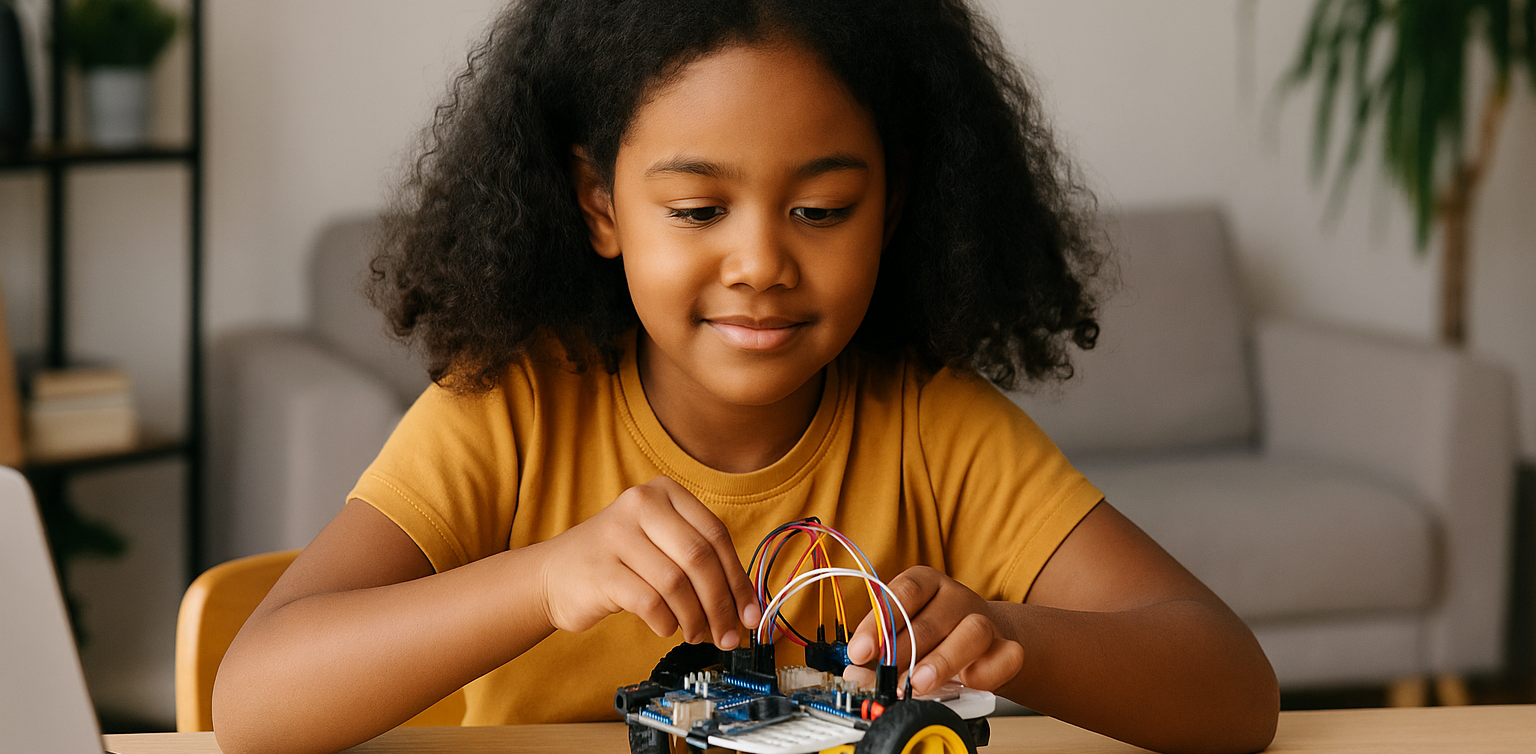
<strong>How to Set Healthy Screen Time Limits for Children in 2025</strong> image

In today’s digital world, children are growing up surrounded by gadgets and screens. Televisions, smartphones, tablets, and laptops have all become a normal part of their daily lives. While these devices bring convenience and learning opportunities, many parents are left wondering: how can we set screen time limits for children that support their healthy physical, mental, and social growth?

When managed properly, screen time can be educational and entertaining. But when it becomes excessive, it may pose serious risks to children’s development. That’s why it’s essential for parents to create healthy screen time limits for children and stick to them consistently.

Why Do Screen Time Limits for Children Matter?
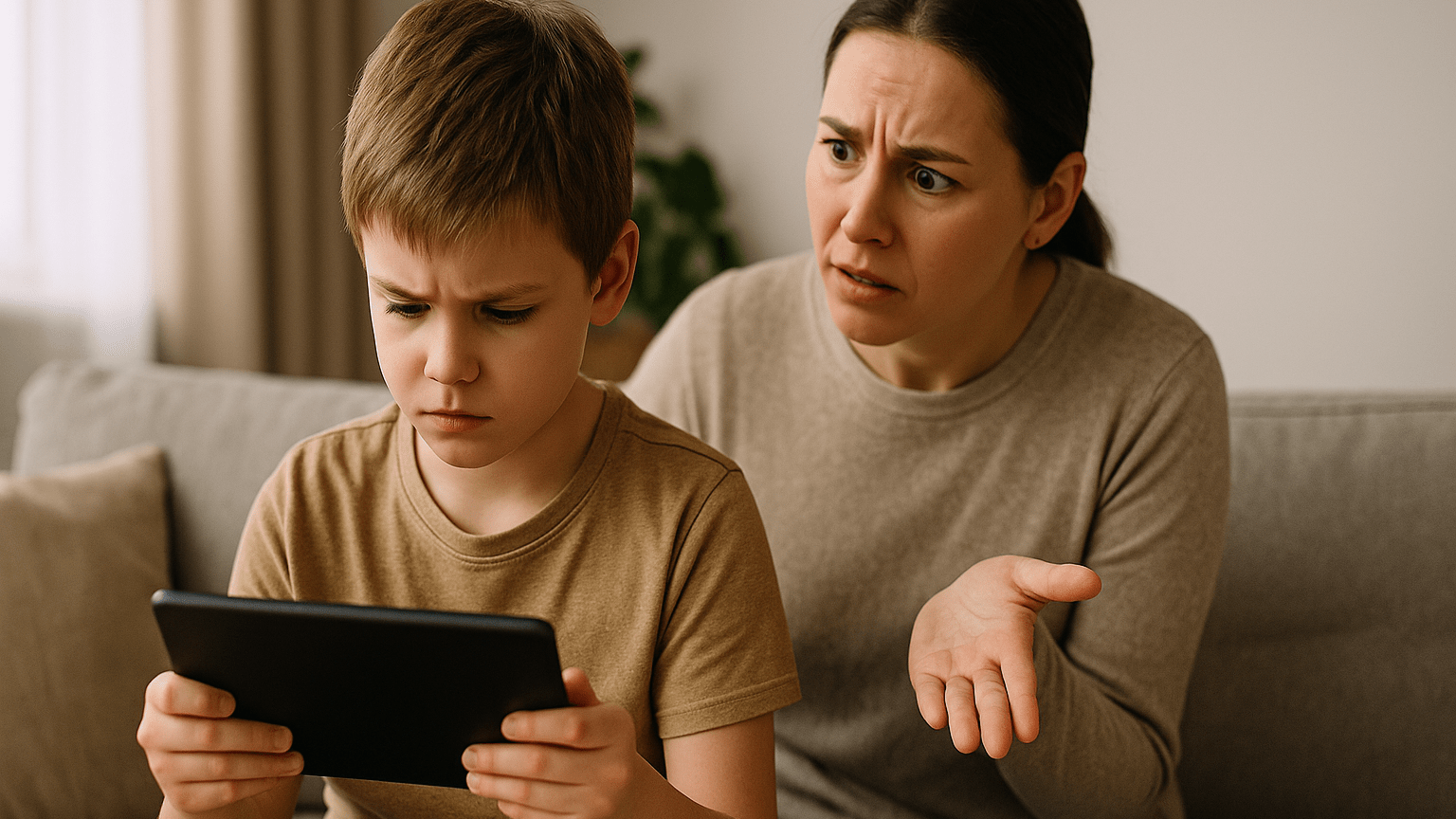
Screen Time Limits for Children

Children are naturally attracted to visual and interactive content. Without supervision, long hours in front of screens can lead to issues like poor sleep, eye strain, less physical activity, and difficulty with social interaction. At their developmental stage, children’s brains need real-world stimulation, not just digital input.

Too much screen exposure can also shorten attention spans and reduce focus. Research shows that a lack of screen time limits for children may lead to lower academic performance, slower language development, and even emotional imbalance.

Global Health Guidelines

Both the World Health Organization (WHO) and the American Academy of Pediatrics (AAP) offer age-specific recommendations for managing screen use:

  • Ages 0–2: Avoid screen time entirely, except for video calls with family.
  • Ages 2–5: Limit screen time to a maximum of 1 hour per day with adult supervision.
  • Age 6 and up: Monitor screen use to ensure it doesn’t interfere with sleep, exercise, or family time.

Of course, duration is only one part of the equation. The type of content and how it’s used matter even more. Not all screen time is harmful—especially when it’s used for learning or creating.

Risks of Excessive Screen Time

Without reasonable screen time limits for children, several long-term consequences can appear:

  • Sleep disruption: Blue light from screens can interfere with melatonin production, making it harder to fall asleep.
  • Physical inactivity: Children who spend too much time on screens may become sedentary, leading to obesity risks.
  • Eye strain: Prolonged use of devices can result in dry eyes and blurred vision.
  • Delayed communication and social skills: Face-to-face interaction decreases, especially during early childhood.
  • Emotional reactivity: Overuse of screens may lead to irritability, impatience, and difficulty managing emotions.

How to Set Effective Screen Time Limits
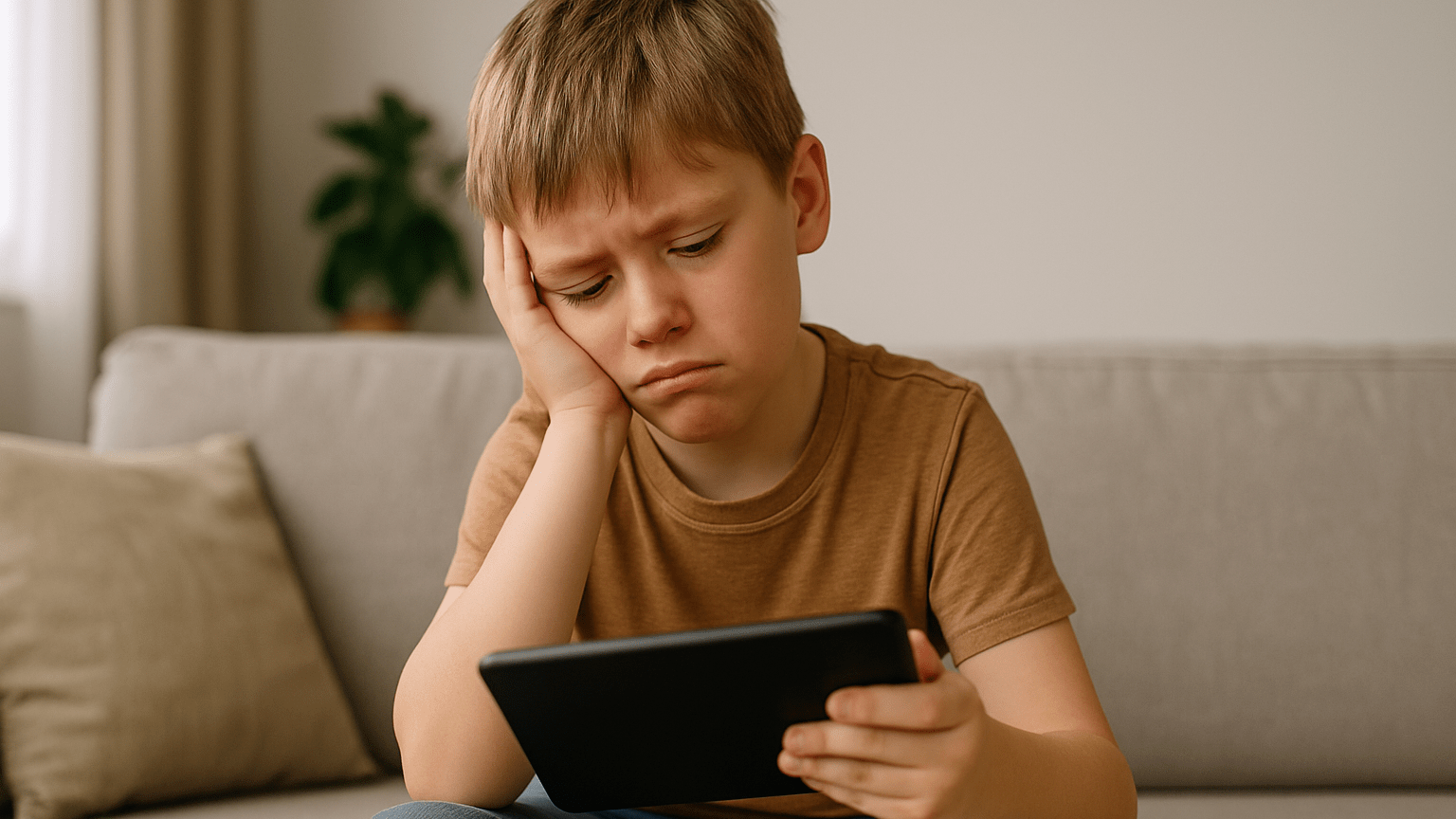
Here are several practical strategies that can help you manage screen time for your child:

  • Create a clear daily routine: Only allow screen time after homework, reading, or chores are finished.
  • Be a good role model: Reduce your own screen time at home so your child can follow your example.
  • Use parental control features: Many devices and apps have built-in tools to manage screen access and usage time.
  • Introduce fun offline activities: Encourage exercise, crafts, puzzles, or reading time to balance digital activities.
  • Establish screen-free zones: Keep devices out of the bedroom, dining area, or family time spaces.
  • Choose high-quality content: Use educational platforms or age-appropriate games and videos.
  • Communicate openly: Explain the reasons behind setting limits and include your child in creating rules.

Consistency, patience, and open dialogue will help your child build healthy digital habits that last.

A Better Way to Use Screen Time: Learn Coding at Timedoor Academy

Ingin tahu detail program? Image

Ingin tahu detail program?

Instead of banning screens altogether, guide your child toward something meaningful. Coding is one of the best ways to turn screen time into an active, creative, and skill-building experience. Children learn logic, problem-solving, and digital literacy in a fun and empowering way.

At Timedoor Academy, we offer coding classes that teach children how to create games, websites, and animations while building responsible screen habits. With an international curriculum and project-based learning, screen time becomes a tool for growth—not just entertainment. Try our free trial class and see how your child can thrive with the right kind of digital learning.

Keep Reading

<strong>6 Best Kids-Friendly Holiday Destinations in Bali</strong>
6 Best Kids-Friendly Holiday Destinations in Bali
Bali is not just famous as a romantic getaway or a paradise for nature lovers—it’s also a dream destination for families looking to treat their children to a memorable vacation. There are so many kids-friendly holiday destinations in Bali that offer exciting, educational, and truly child-friendly experiences. From adventure playgrounds and natural wonders to interactive learning centers, the Island of the Gods has it all. If you’re planning a family trip, here are some must-visit kids-friendly holiday destinations in Bali. Not only will your children have a blast, but these places also provide valuable bonding moments and opportunities for meaningful learning. 1. Bali Safari & Marine Park One of the most popular kids-friendly holiday destinations in Bali is Bali Safari & Marine Park. Here, children can see a variety of animals from around the world, watch entertaining and educational animal shows, and even take a thrilling Safari Journey. There’s also a mini water park and special children’s area for close-up encounters with friendly animals. This experience is not only fun, but also teaches kids the importance of protecting wildlife and nature. 2. Waterbom Bali No Bali holiday is complete without some fun in the water. Waterbom Bali is a favorite kids-friendly holiday destination in Bali, offering water rides and attractions for all ages. From lazy rivers and water slides to toddler zones, Waterbom is always bustling with families. The facilities are safe, clean, and equipped with dining areas and family rest zones. Children can burn energy and enjoy the Bali sunshine while staying active. 3. Bali Bird Park For kids who love animals, Bali Bird Park is an unforgettable kids-friendly holiday destination in Bali. The park is home to hundreds of exotic bird species from Indonesia and beyond. Children can feed the birds, take photos, and learn about biodiversity. Interactive experiences like this help foster a love for the environment and empathy toward living creatures. 4. Finns Recreation Club Looking for an all-in-one kids-friendly holiday destination in Bali? Finns Recreation Club has it all—water park, bowling, trampoline park, kids club, and indoor playgrounds. Every activity is designed to support children’s growth while also giving parents some well-deserved relaxation. Located in the heart of Canggu, it’s perfect for a full day of family fun. 5. 3D Trick Art Museum Learning through play? The 3D Trick Art Museum is a great educational and Instagrammable kids-friendly holiday destination in Bali. Kids can use their imagination and snap photos with realistic three-dimensional art. This activity encourages creativity, builds confidence, and lets children express themselves in fun ways. The whole family will surely enjoy the laughs and memories made here. 6. Bali Botanic Garden (Kebun Raya Bali) Bali isn’t just about beaches—kids-friendly holiday destinations in Bali can also include mountain nature retreats. Bali Botanic Garden in Bedugul offers cool air, flower gardens, and spacious picnic areas. Children can learn about various plants, explore mini forests, and go biking with the family. It’s a fantastic place to introduce kids to Indonesia’s rich natural heritage and nurture a love for the environment. Tips for a Memorable Kids’ Holiday in Bali To make your trip to kids-friendly holiday destinations in Bali even more meaningful, consider these tips: Plan your itinerary according to your child’s age and interests. Bring personal essentials such as extra clothes, sunblock, and healthy snacks. Make the most of the holiday by combining fun with learning, like visiting educational attractions. Don’t forget to capture family memories for keepsakes. Use Holiday Time to Develop New Skills Besides exploring different kids-friendly holiday destinations in Bali, parents can also fill the holiday with educational activities at home, such as learning to code. Coding is not just about computers; it strengthens logic, creativity, and problem-solving skills. If your child has never tried it, the holidays are the perfect time to introduce them to the world of technology in a fun and interactive way. Fun and Educational Holidays with Timedoor Academy A Bali vacation doesn’t have to be just about beaches or outdoor adventures. You can enrich your child’s holiday experience by giving them access to digital learning activities, such as coding classes at Timedoor Academy. Here, children can learn to code in a fun, interactive, age-appropriate way. No worries—Timedoor Academy offers a free trial class so your child can try coding for free before joining regular classes. So, make the most of your holiday in Bali by exploring these amazing kids-friendly holiday destinations in Bali and at the same time, empower your child’s future by learning to code with Timedoor Academy!
Best Age for Kids to Use Laptops: What Age Can Kids Start Using Laptops for Learning?
Technology has brought many changes to education, including how children learn. Nowadays, laptops and tablets have become common learning tools. However, many parents still wonder: what is the best age for kids to use laptops, and at what age can kids start using laptops safely and effectively? This article provides a guide on the right age for children to start using laptops for learning, the benefits and challenges to consider, and tips to help ensure laptop use supports their development in the best way possible.   Why Is It Important to Consider Age When Letting Kids Use Laptops? Laptops and other digital devices make learning easier with wide access to information, interactive educational apps, and fast communication tools. However, early and unsupervised use of technology can pose risks like eye strain, posture problems, and screen dependency. That’s why parents need to know the best age for kids to use laptops so the benefits are maximized without compromising their health and social development. Choosing the right time also helps kids be mentally and cognitively ready to handle technology in a healthy way.   So, What Age Can Kids Start Using Laptops? There’s no strict rule because every child develops differently. But experts generally recommend: Under 2 years old: Avoid screen time including laptops and tablets, since brain development at this age depends heavily on direct physical and social interaction. Ages 2–5: Limit screen time to no more than 1 hour per day, and use devices only with educational content supervised by parents. 6 years and older: Kids can start using laptops for learning for longer periods, but with clear time limits and adult supervision. So, the age when kids can start freely using laptops for learning is usually around elementary school age—starting from 6 years old—with guidance and rules in place.   Benefits of Using Laptops for Kids’ Learning Using laptops appropriately by age and need offers many benefits, including: Access to Diverse Learning Resources: Kids can explore a variety of online sources like educational videos, e-books, and interactive apps. Development of Digital Skills: In today’s digital world, knowing how to use technology is a crucial skill that should be developed early. Boosting Creativity and Independence: Children can create digital projects like drawings, videos, or basic coding that stimulate creativity. Ease of Communication and Collaboration: Laptops enable kids to communicate easily with teachers and classmates, especially in remote learning.   Challenges and Risks of Laptop Use for Kids Despite the benefits, parents should be aware of some risks: Excessive Screen Time: Can cause eye fatigue, sleep disturbances, and other health issues. Poor Posture: Long use without ergonomic setups can lead to neck and back pain. Social and Emotional Issues: Dependence on devices may reduce social interaction and physical activity. Inappropriate Content: Kids might access unsuitable material without supervision.   Tips for Choosing the Best Age for Kids to Use Laptops Safely To ensure positive laptop use, consider these tips: Start Slowly and Gradually: Adjust laptop time based on your child’s age and focus capacity. Monitor and Supervise: Always stay with your child while they use the laptop, especially when young. Choose Educational Content: Make sure apps and websites are age-appropriate and support learning. Set Up Proper Posture and Breaks: Provide ergonomic seating and regular rest periods. Set Rules and Schedules: Agree on time limits to prevent overuse.   Supporting Your Child’s Tech Learning Journey To help your child use technology effectively and appropriately, besides knowing the best age for kids to use laptops, it’s important to introduce fun and age-appropriate coding lessons. Timedoor Academy offers specially designed coding programs for kids, with easy-to-understand and engaging methods. Don’t hesitate to try it out, because Timedoor Academy also provides free trial classes that let parents and children explore coding without pressure before committing fully. This is a great first step to support your child’s digital development for the future.   Best Age for Kids to Use Laptops and When It’s Appropriate Determining the best age for kids to use laptops and when they can safely start isn’t just about numbers, but also about the child’s mental, physical, and social readiness. Generally, elementary school age is an ideal time to begin using laptops as learning tools, with supervised and limited use. Healthy and purposeful laptop use opens up many learning opportunities and helps develop essential skills in the digital age. Therefore, parents should actively guide and regulate technology use so it supports their child’s overall growth.
The Importance of Teaching Basic Manner for Kids from an Early Age in 2025
Teaching basic manner for kids from an early age is one of the best investments parents can make in shaping their child’s character and future. Good manners, courtesy, and positive behavior not only help kids socialize more easily but also provide a solid foundation for navigating an increasingly complex and digital world. This article explores why basic manner is so important, the long-term benefits, and practical tips for consistently building polite habits at home and in daily life. Why Is Basic Manner for Kids So Important? In today’s fast-paced and digital era, a child’s ability to communicate respectfully and value others is more crucial than ever. Basic manner for kids includes simple acts like saying “please” and “thank you,” greeting others politely, asking for permission, listening attentively, and waiting their turn to speak. While these habits may seem small, they are the backbone of healthy, harmonious social interaction. Kids who are raised with basic manner for kids tend to adapt more easily at school, in their community, and later in the workplace. They often have higher empathy, adjust well to new environments, and form positive relationships with both peers and adults. Positive Impact of Basic Manner for Kids Teaching basic manner for kids can lead to a wide range of positive outcomes, including: Boosting self-confidence: Kids who understand the value of politeness are often more confident in social situations. Easier social adaptation: Well-mannered kids are more readily accepted in new settings because they know how to behave appropriately. Reducing conflict: They are better at managing emotions and understanding social boundaries. Increasing chances of future success: Modern education and workplaces truly value ethics and good manners. Effective Ways to Teach Basic Manner for Kids If you want your child to grow into a polite and respectful person, here are some effective ways to teach basic manner for kids: 1. Be a Role Model Children learn by example. Parents should consistently show basic manner for kids in daily life. Make it a habit to use polite words, ask permission, and say sorry when needed, both to your child and to others at home. 2. Give Simple Explanations Help kids understand why basic manner is important. Tell short stories about why saying “thank you” makes people feel appreciated. 3. Use Games and Role Play Practice basic manner for kids through fun role-playing, such as family mealtime simulations, “shopkeeper and customer” games, or acting out everyday situations to help kids apply good manners. 4. Praise and Positive Reinforcement Praise your child whenever they show basic manner for kids, no matter how small the gesture. Positive feedback motivates kids to repeat good behavior. 5. Be Consistent and Gentle Consistency matters. Parents should gently but firmly remind children if they start to neglect manners, always with kindness and understanding. 6. Use Educational Content Read storybooks, watch cartoons, or use apps that teach basic manner for kids in a fun way. Many digital platforms now offer engaging content that helps kids build good manners. Basic Manner for Kids in the Digital World In the digital age, basic manner for kids also means knowing how to behave online. Teach your child to: Be polite in online chats, games, and on social media. Never share personal information carelessly. Respect other people’s opinions and creations on the internet. Parents can also introduce kids to productive digital activities, like learning coding, creating digital projects, or joining online classes that emphasize teamwork and respect. Everyday Activities to Instill Basic Manner for Kids Here are some daily activities to help instill basic manner for kids: Encourage your child to greet family or guests politely. Teach table manners, like not talking with their mouth full. Remind kids to clean up toys after playing and thank friends who help. Practice asking for permission before borrowing something from others. Long-Term Benefits of Basic Manner for Kids Children raised with basic manner for kids are better prepared to face life’s challenges. They are more comfortable socializing, are more trusted in school and work, and are more likely to succeed both academically and in their careers. Building character through basic manner for kids is a crucial investment with benefits that last a lifetime. Nurturing Manners and Future Skills Teaching basic manner for kids is a lifelong process that requires parental example, consistency, and support. With a strong foundation in manners, children grow into confident, adaptable, and respected individuals wherever they go. Alongside teaching manners, don’t hesitate to give your child future-ready skills like coding. One positive and educational digital activity is learning coding at Timedoor Academy. Here, kids can build logic, creativity, and teamwork—all while developing good character. Sign your child up for a free trial class at Timedoor Academy and let them experience the fun, interactive world of coding while building strong manners and life skills from an early age.
float button