May 06, 2025

What Are the Importance of AI in Kids Education in 2025?
What Are the Importance of AI in Kids Education in 2025? image

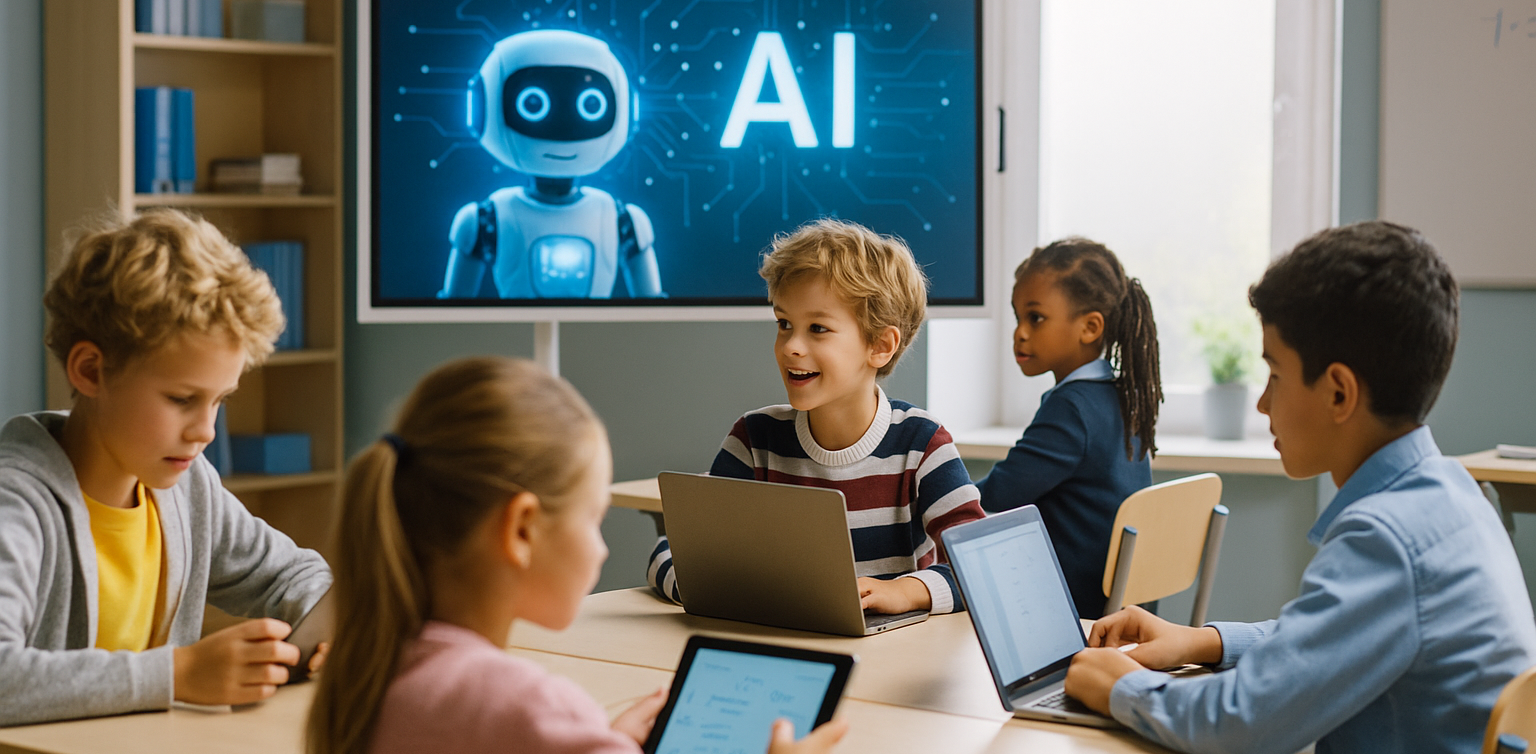
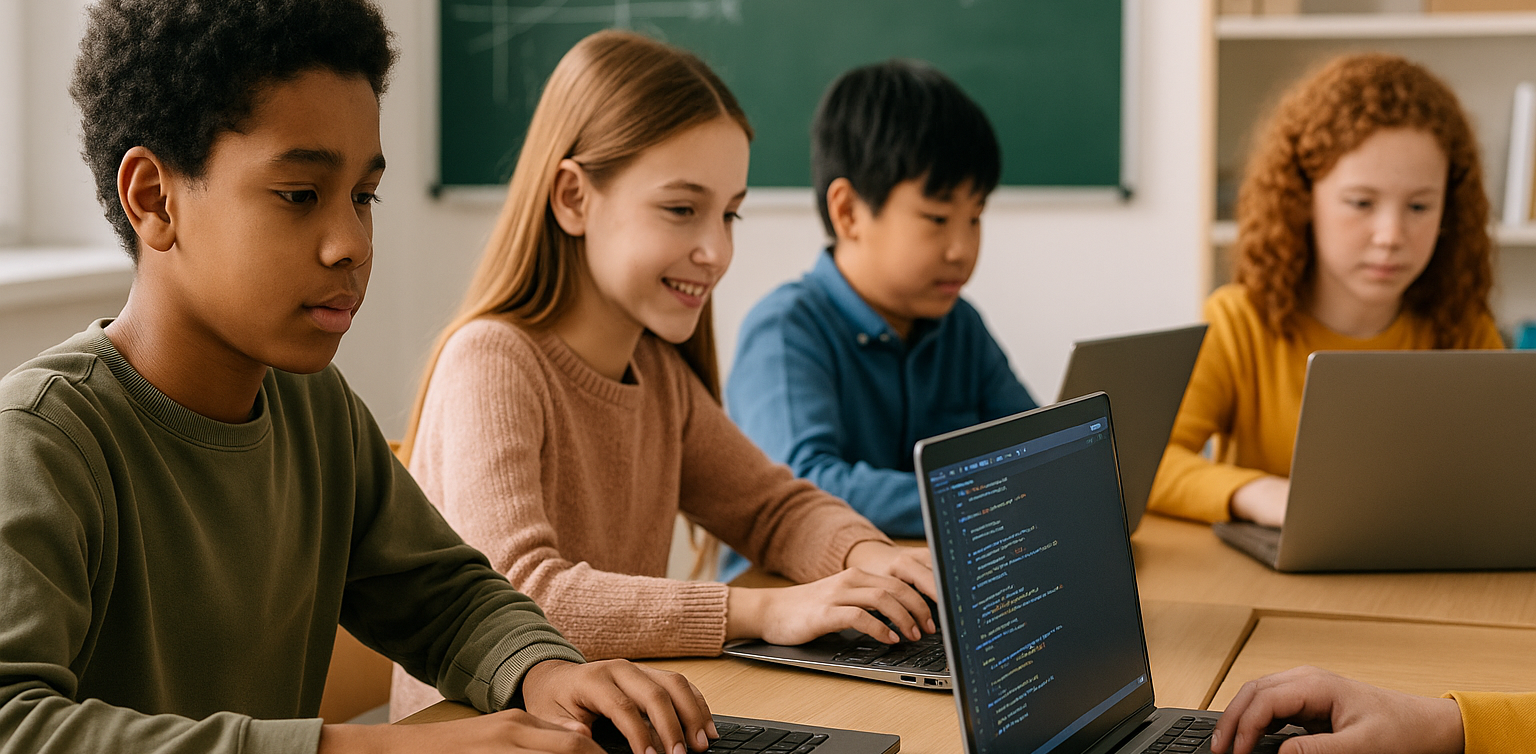
As we move deeper into the digital age, many educators and parents are asking: what are the importance of AI in kids education? With artificial intelligence influencing everything from content recommendations to personalized learning tools, understanding its role in education has become a pressing issue.

Recent studies show that a majority of parents believe AI will be essential for their children’s future success. However, many are unsure if schools are ready to teach these skills effectively. Exploring global efforts, benefits, and challenges can help clarify the importance of AI in kids education and how to implement it responsibly.

Global Trends in AI and Education

the importance of ai in kids education

Several countries are leading the way in integrating AI into school curriculums. China has made AI a required subject in elementary and high schools, while South Korea has developed adaptive digital textbooks powered by AI to match student progress and needs.

These initiatives reflect a growing consensus that the importance of AI in kids education goes beyond theory. Nations like Australia and Estonia are also developing policies to ensure responsible and ethical use of AI in classrooms, showing how seriously the world is treating this transition.

Benefits of AI for Young Learners
ai in kids education

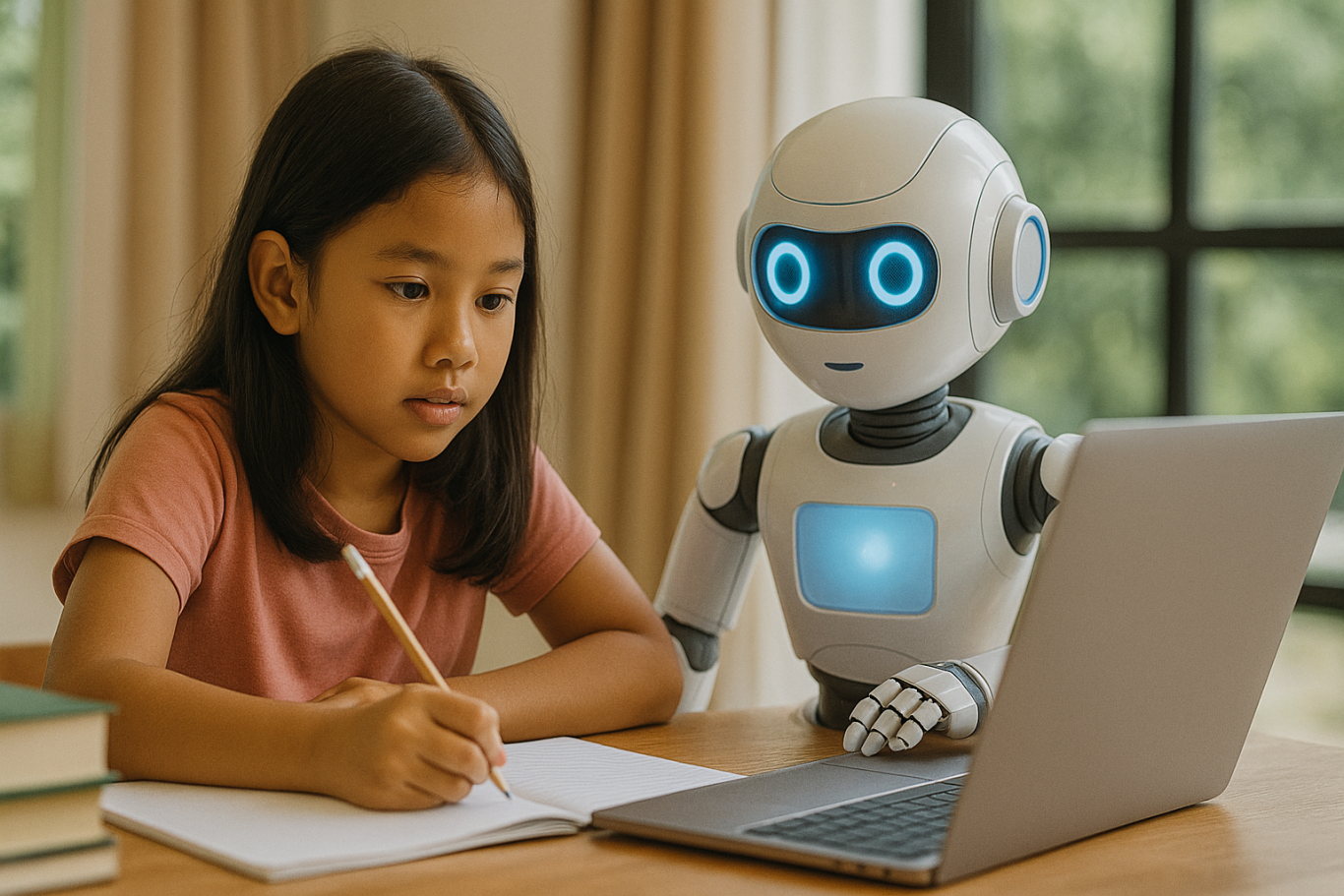
The importance of AI in kids education lies in its ability to personalize learning. AI-based tools can adapt materials to suit individual student performance, helping children stay engaged, confident, and supported throughout their academic journey.

In addition to personalization, AI fosters problem-solving, creativity, and critical thinking. When children explore how algorithms work or build a simple chatbot, they’re developing cognitive skills that go beyond technology. These abilities are crucial in preparing them for future roles in a digital-first world.

Addressing Challenges and Risks
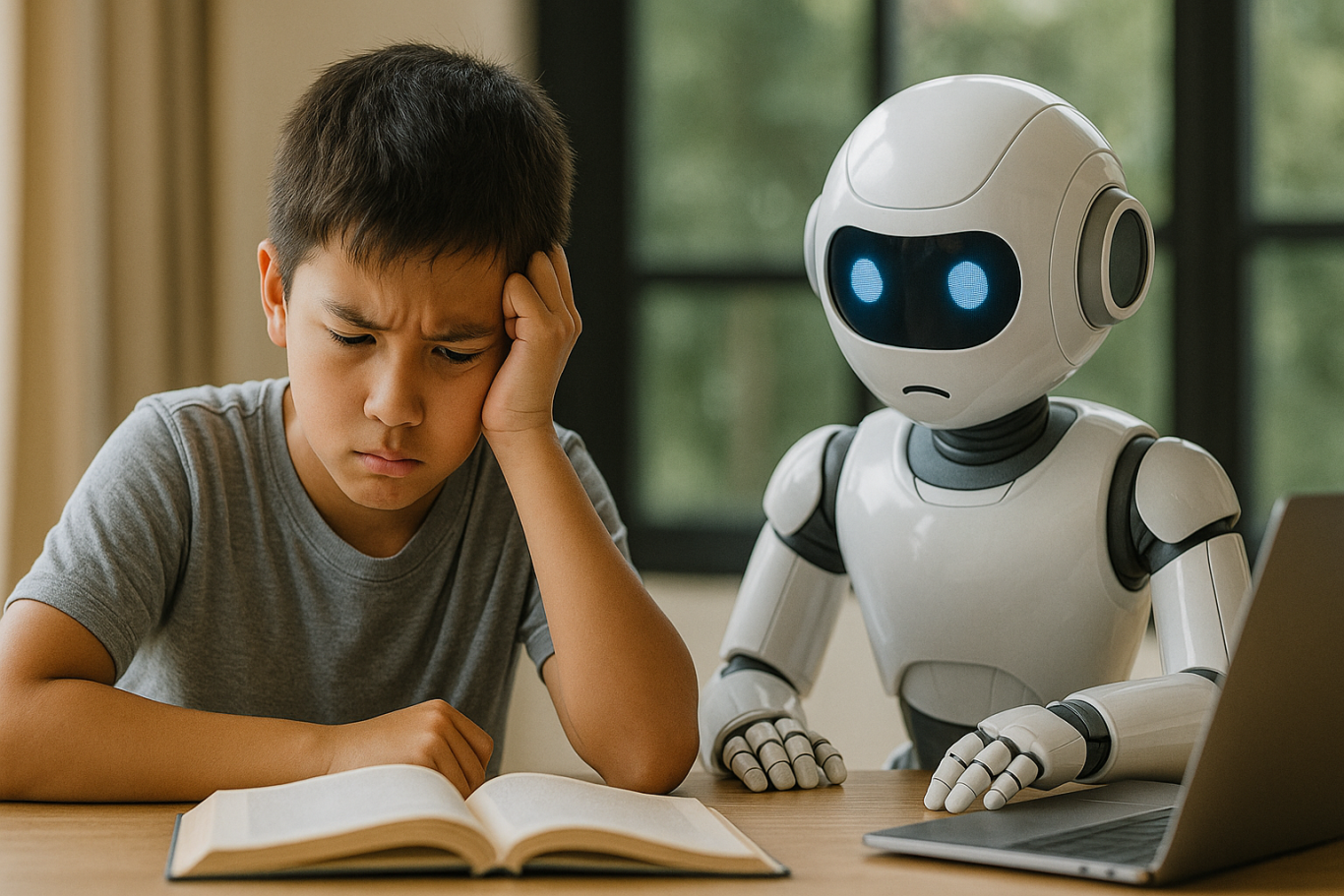
Despite its potential, there are challenges in adopting AI in education. Some schools lack internet access or up-to-date devices, and many teachers are not yet trained to use AI-driven platforms. This digital divide can limit access to the benefits of AI for students in underserved areas.

There are also ethical issues to consider, such as data privacy and algorithmic fairness. These concerns further emphasize the importance of AI in kids education being accompanied by strong policies, teacher training, and clear usage guidelines to prevent harm and misuse.

Why Teachers Still Matter

While AI can enhance education, it cannot replace human connection. Teachers provide mentorship, emotional support, and moral guidance that technology cannot deliver. Children need interpersonal relationships in learning environments to grow socially and emotionally.

Understanding the importance of AI in kids education also means recognizing the role of teachers in managing that technology. When used correctly, AI is not a substitute, but a support system that helps teachers personalize and strengthen the learning experience.

Conclusion: A Balanced Approach to Digital Learning

The importance of AI in kids education is clear, but it must be implemented carefully. Around the world, schools are beginning to adopt AI-powered solutions, yet success depends on infrastructure, equity, and human-centered policies.

By combining innovation with empathy, we can create education systems that prepare children for the future without losing sight of what makes learning meaningful. The right mix of technology and teaching will ensure kids are not only tech-savvy, but also thoughtful, curious, and ethical learners.

Try a Safe and Smart Learning Platform for Kids

For those ready to start introducing technology to children, Timedoor Academy offers coding and AI programs designed for young learners. These courses are interactive, age-appropriate, and can be a great entry point into digital education.

 Image

You can explore the program with a free trial and see how your child responds to engaging, structured learning supported by smart technology. Timedoor Academy makes it easy to experience the importance of AI in kids education firsthand.

Keep Reading

7 Top Dangers of Sweetened Condensed Milk for Children in 2025
Sweetened condensed milk is still widely considered by many parents as a substitute for regular milk or a nutritious drink for kids. Its sweet taste, low price, and appealing packaging often make it seem like a practical choice. However, the dangers of sweetened condensed milk for children are serious and often go unnoticed. Unlike regular milk, sweetened condensed milk is a processed product that is extremely high in sugar and contains very little protein or calcium. It is more accurately categorized as a sugary beverage with a milky flavor. Unfortunately, due to a lack of awareness, the dangers of sweetened condensed milk for children continue to be overlooked, especially in households with limited access to nutrition education. This article outlines seven key dangers of sweetened condensed milk for children that parents must be aware of in order to make healthier choices for their families. 1. Extremely High Sugar Content A single serving of sweetened condensed milk can contain more than 40 percent sugar. Children who consume it regularly are at high risk of excessive sugar intake. This is one of the primary dangers of sweetened condensed milk for children, as it can lead to obesity, tooth decay, and metabolic issues from a young age. 2. Increased Risk of Childhood Diabetes Too much sugar from sweetened condensed milk puts added stress on the pancreas to produce insulin. Over time, this can result in blood sugar regulation problems. One of the more alarming dangers of sweetened condensed milk for children is the rising number of cases of type 2 diabetes found in school-aged kids. 3. Lacks Essential Nutrients Though it may look like milk, the nutritional content of sweetened condensed milk is significantly lower than that of UHT milk or formula. Children need protein, healthy fats, and calcium, all of which are lacking in this product. The danger of sweetened condensed milk for children in this context is that it can make kids feel full without providing the nutrients needed for healthy growth. 4. Develops a Sweet Tooth Drinking sweetened condensed milk regularly can condition children to prefer overly sweet foods. This can lead them to reject healthier options like vegetables or natural foods. One of the dangers of sweetened condensed milk for children is that it creates unbalanced eating habits that are hard to reverse later in life. 5. Digestive Discomfort Some children may experience diarrhea or constipation after consuming large amounts of sweetened condensed milk. Its high sugar and processed fat content can disrupt the balance of gut bacteria. This is one of the more overlooked dangers of sweetened condensed milk for children, but it can significantly affect their daily activities. 6. Causes Tooth Decay Sweetened condensed milk is sticky and tends to cling to teeth. If not brushed away properly, the leftover sugar becomes a breeding ground for cavity-causing bacteria. This danger of sweetened condensed milk for children can manifest quickly, especially if they brush infrequently or still use bottles. 7. Lowers Overall Family Nutrition Quality Many families serve sweetened condensed milk as a daily drink, which can lower the overall standard of nutrition in the household. Children may miss out on better sources of calcium and protein. The dangers of sweetened condensed milk for children go beyond individual health and can negatively impact the entire family’s eating habits. What Can Parents Do? The first step is recognizing that not all milky-looking drinks are healthy for kids. Always read labels, seek reliable information, and consult with a pediatric nutritionist if needed. Replace sugary drinks with water, fresh milk, or natural fruit juices with no added sugar. Guide Children Toward Positive, Productive Activities In addition to managing nutrition, parents can support their children by encouraging activities that promote growth and learning. One excellent option is coding. Coding is not just fun, it also boosts focus, logic, and creativity from an early age. Try a Free Coding Class at Timedoor Academy Timedoor Academy offers free coding classes for children ages 5 to 18. Kids can learn to build games, animations, and digital projects tailored to their age and interests. With project-based learning and the guidance of professional mentors, children will be engaged in creating and thinking, not just consuming screen time. Invite your child to try a free coding class at Timedoor Academy today. Help them build a future that is healthy, smart, and filled with creativity!
<strong>6 Top Kid-Friendly Mountains in Indonesia for Family Adventures</strong>
6 Top Kid-Friendly Mountains in Indonesia for Family Adventures
Hiking is no longer just an activity for adults. It has become a popular choice for family holidays that are both educational and fun. In Indonesia, more and more parents are introducing nature and outdoor activities to their children from a young age. One of the best ways to do this is by taking your child to climb a kid-friendly mountains, which is a mountain with easy trails, a safe environment, and good facilities for families. Choosing a kid-friendly mountain does more than give your children a new experience. It also helps strengthen family bonds, nurtures a love for nature, and builds both physical and mental endurance in kids. Hiking can help children learn independence, teamwork, and greater self-confidence. No wonder more and more families are searching for kid-friendly mountains as an alternative to typical family vacations. To ensure a safe and enjoyable trip, it is important to pick a kid-friendly mountain with gentle trails, manageable distances, and beautiful scenery that keeps kids motivated. Here are six top recommendations for kid-friendly mountains in Indonesia that are perfect for family adventures. 1. Mount Papandayan, Garut Mount Papandayan in Garut, West Java is one of the most popular kid-friendly mountains in Indonesia. The trail is gentle and easy for both kids and beginners. The walk to the camping ground only takes about one to two hours, with views of volcanic craters, fields of edelweiss, and the unique "dead forest" area. Facilities near the basecamp are very complete, including toilets, food stalls, and a spacious parking area. Mount Papandayan is a favorite destination for families who want to enjoy the mountain atmosphere without the challenge of difficult climbs. 2. Mount Andong, Magelang This kid-friendly mountain is located in Magelang, Central Java. Mount Andong rises to only 1,726 meters above sea level but offers truly beautiful panoramic views. The hiking trail is short and perfect for children aged six and up who are used to light hiking. The summit is spacious enough for camping, and the cool air together with the rice fields at the base add to its charm. Many families and nature communities recommend Andong as one of the best kid-friendly mountains in Central Java. 3. Mount Prau, Dieng Famous as one of Indonesia’s best sunrise spots, Mount Prau in the Dieng Plateau is also considered a kid-friendly mountain. With an elevation of 2,565 meters above sea level, its gradual incline is safe for beginners and children. The hike to the summit generally takes just two to three hours, so it will not tire out the kids. At the top, children can enjoy sweeping views of clouds and beautiful savanna. Remember to bring warm clothing since it can get very cold at the summit, especially in the early morning. 4. Mount Bromo, East Java Mount Bromo is already famous as a family tourism destination and is definitely a kid-friendly mountain. The route to Bromo’s crater and the sea of sand is very accessible, and can be covered on foot or by horseback from the parking area. Children will love watching the sunrise from Penanjakan, playing in the sand, and learning about the local Tengger culture. The area’s facilities are excellent, with plenty of accommodations, public toilets, and a wide variety of local foods available. 5. Mount Penanggungan, Mojokerto Another great kid-friendly mountain is Mount Penanggungan, located in Mojokerto, East Java. Even though its elevation is 1,653 meters, the trail is gentle and can be completed in two to three hours. Along the way, children will pass historical sites from the ancient Majapahit Kingdom, making this an educational hike. The large camping grounds and beautiful sunrise views make Mount Penanggungan a perfect choice for family adventures. 6. Mount Puntang, Bandung Mount Puntang in South Bandung is the next kid-friendly mountain on our list. The trail is not too steep, there are plenty of water sources, and the camping ground is safe for children. In addition to hiking, families can camp, ride bikes, or simply enjoy a picnic under the cool pine forest. Mount Puntang is perfect for safely introducing children to outdoor activities and the joys of nature. Safety Tips for Hiking with Kids To make your hiking adventure more comfortable, here are some tips for families: Choose a kid-friendly mountain with a short, gentle trail and adequate facilities. Prepare hiking gear that is suitable for your child’s age, such as jackets, shoes, hats, snacks, and water. Always accompany your child while hiking and do not let them walk too far ahead or behind. Make the journey fun by helping your child learn about the local plants and animals along the trail. Take lots of photos and videos to capture your family moments. Balancing Outdoor Adventures and Digital Skills Introducing children to the adventure of hiking a kid-friendly mountain is a great way to nurture a love of nature and build their courage. At the same time, do not forget to equip your child with important skills for the twenty-first century, such as coding and digital literacy. A balance of outdoor experiences and technological knowledge will prepare children for the challenges of the future. If you want your child to experience coding in a fun and interactive way, try enrolling them in a free trial coding class at Timedoor Academy. Let your kids grow into adventurous, nature-loving, and tech-savvy individuals who are ready for tomorrow’s world.
<strong>5 Effective Strategies on How to Improve Children’s Focus</strong>
5 Effective Strategies on How to Improve Children’s Focus
The ability to focus is one of the most important foundations of a child’s learning process. Children with good concentration skills tend to absorb information better, complete tasks more efficiently, and perform well both at school and in daily life. However, improving focus is not something that happens overnight. It requires strategy, patience, and consistency from parents. That’s why it’s essential to understand how to improve children's focus from an early age. Not all children are naturally focused. Some are more easily distracted, especially by noisy environments or digital devices. But with the right approach, children can gradually build their ability to concentrate. 1. Build a Consistent Daily Routine The first step in understanding how to improve children's focus is by creating a structured daily routine. A predictable schedule helps children know what to expect throughout the day. Setting consistent times for learning, playing, eating, and sleeping helps their minds prepare for each activity, reducing distractions and enhancing focus. Routines also give children a sense of safety and stability. This sense of order supports their ability to concentrate because their brains are not constantly adjusting to unpredictable changes. 2. Limit Digital Distractions Excessive screen time is one of the biggest obstacles to concentration. A practical tip on how to improve children's focus is by limiting access to gadgets like tablets, smartphones, or television, especially during study or family interaction time. Encourage children to engage in physical or creative activities like drawing, building puzzles, or reading. These types of play stimulate the brain and teach children to complete tasks without being distracted by fast-paced digital entertainment. 3. Introduce Mindfulness Activities Mindfulness isn't just for adults. There are now many child-friendly mindfulness techniques that support how to improve children's focus. These exercises include deep breathing, listening to natural sounds, or observing objects closely to help kids become more aware of the present moment. For example, ask your child to sit quietly and listen to the sound of rain or birds for one full minute. It may seem simple, but it can help strengthen their attention span over time. 4. Use Focus-Enhancing Games Games can be a fun and effective way to teach concentration. Puzzle-solving, matching games, memory cards, or board games like chess and snakes and ladders are excellent tools for building attention skills. These games teach kids to stay on one task, follow rules, and think ahead. Integrating these activities into your child’s routine is a proven method on how to improve children's focus while keeping it enjoyable. 5. Start with Simple, Age-Appropriate Tasks Small, manageable tasks help train a child’s ability to focus. Whether it’s tidying up their toys, watering plants, or helping set the table, these tasks are a great way to build responsibility and concentration. When exploring how to improve children's focus, assigning simple chores can go a long way. It teaches kids to stick with one task until it’s done. Celebrate their success with specific praise, like “You finished the puzzle all by yourself. That’s awesome!” to boost their motivation. Challenges in Building Focus It’s normal for young children to have short attention spans. That’s why parents must be patient and avoid comparing their children to others. Each child has a different rhythm when it comes to learning and focusing. If focus issues continue over a long period, consider consulting a child psychologist for further insights. However, most children benefit significantly from consistent routines and structured guidance at home. Final Thoughts: Focus Can Be Learned Improving focus is not a talent that children are born with, but a skill that can be developed. It benefits not just their academic performance but also their emotional regulation, problem-solving, and ability to work independently. Understanding how to improve children's focus allows parents to guide their kids toward a stronger mental foundation for the future. As a complement to focus training, coding classes can be a great tool. At Timedoor Academy, children can explore technology in an engaging and structured environment. Coding requires logic, patience, and attention, making it a powerful way to enhance your child's concentration. Try a free coding class today and unlock your child’s potential in the digital age.
float button