Jun 04, 2025

What Is Vibe Coding? Understanding the Concept and Its Benefits for Kids

What Is Vibe Coding? Understanding the Concept and Its Benefits for Kids image

In today’s digital era, children are not only expected to excel academically but also to be creative, collaborative, and adaptable to technology. One learning method that is gaining attention in tech education is vibe coding. More parents and educators are beginning to ask: what is vibe coding, and how can it be used in a meaningful way to help children learn?

This article will explain what is vibe coding, its core principles, and why this method is a fun and effective approach to introducing programming to young learners. If you’re considering a coding class that feels less rigid and more intuitive, vibe coding for kids might be the perfect fit.

What Is Vibe Coding?
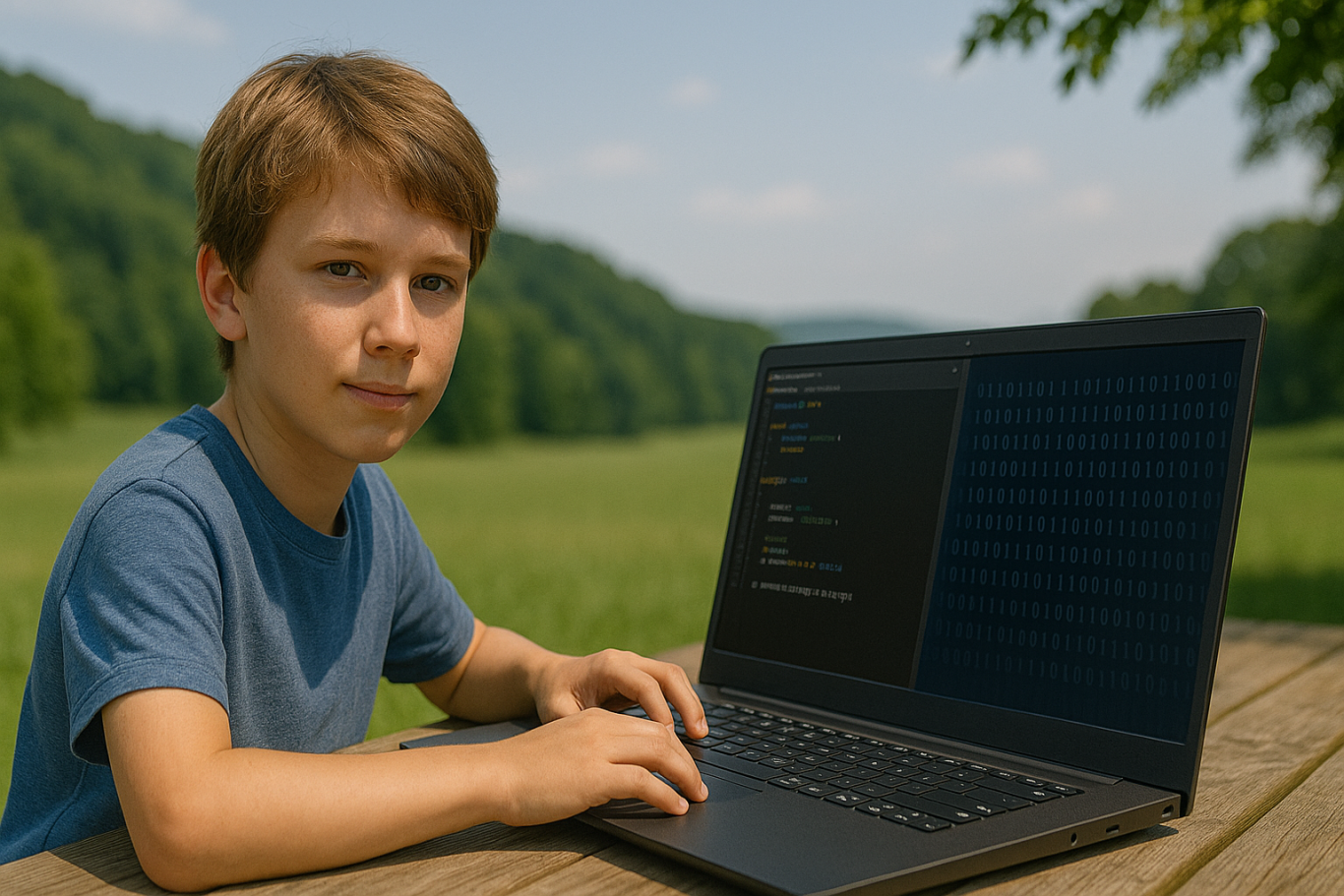
To answer the question what is vibe coding, we need to understand the basic idea behind this learning method. Vibe coding refers to a teaching approach that emphasizes a fun, creative, and child-friendly atmosphere while learning programming. The word “vibe” represents the overall feeling or energy created during the learning experience.

Unlike traditional programming lessons that can feel formal or rigid, vibe coding for kids focuses on letting children learn through play, imagination, and building meaningful projects. The emphasis is not just on the final product but also on enjoying the process of creating something.

Why Is Vibe Coding a Great Fit for Kids?
what is vibe coding

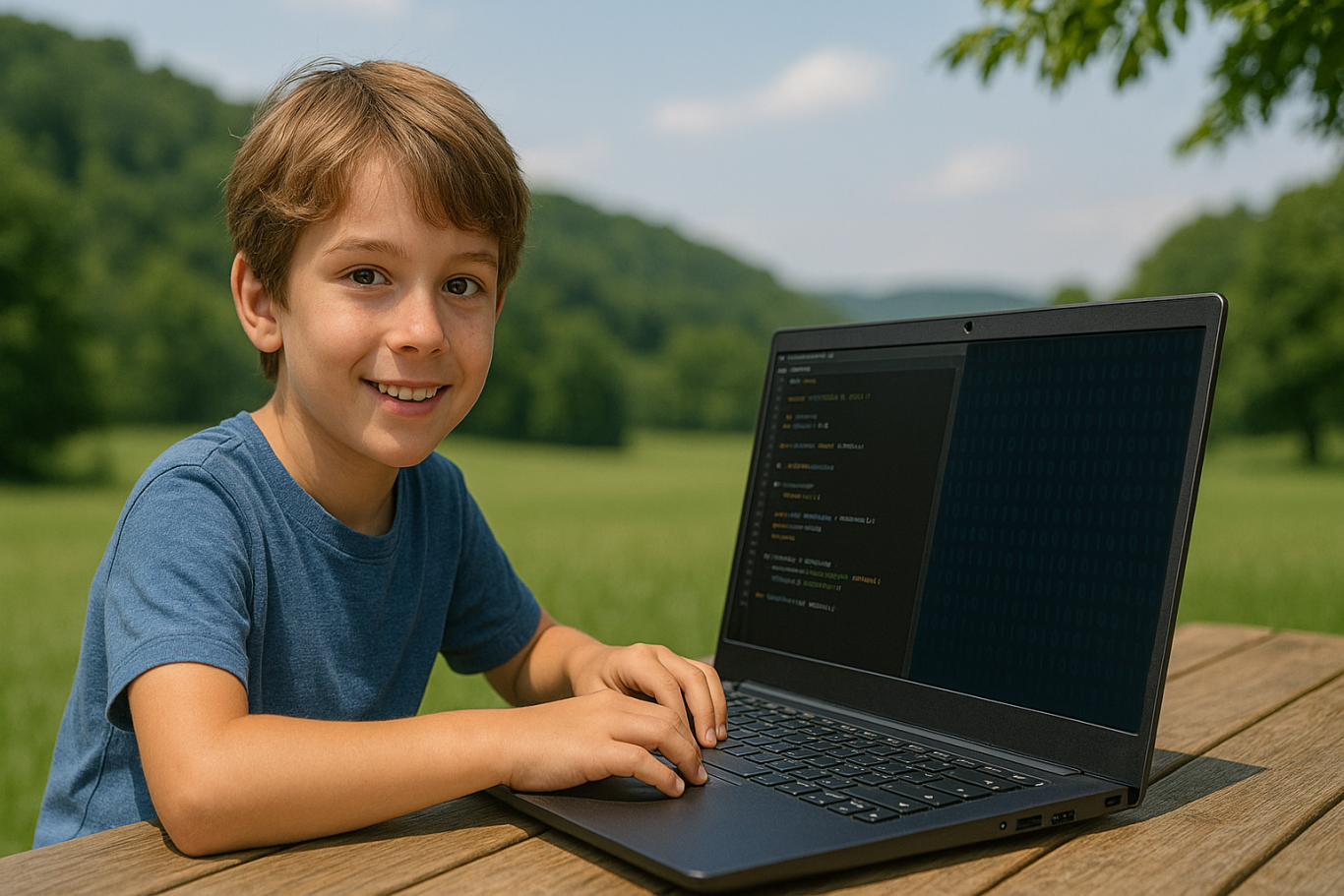
Once you understand what is vibe coding, it becomes clear why this method works especially well for children. Kids often get bored or overwhelmed by dry, technical lessons. Vibe coding for kids creates a fun, engaging environment that sparks curiosity and creativity.

This approach incorporates storytelling, animations, music, and visuals to help children feel immersed in their projects. For example, kids can learn to code by creating their own video games, designing cartoon characters, or programming a virtual robot that follows commands.

With this setup, children naturally learn the basics of coding such as logic, sequences, conditions, and loops. They’re not pressured to get everything right immediately. Instead, they’re encouraged to explore, try new things, and learn from mistakes. That’s the heart of vibe coding for kids: building a positive and flexible learning experience.

Benefits of Vibe Coding for Kids
vibe coding for kids

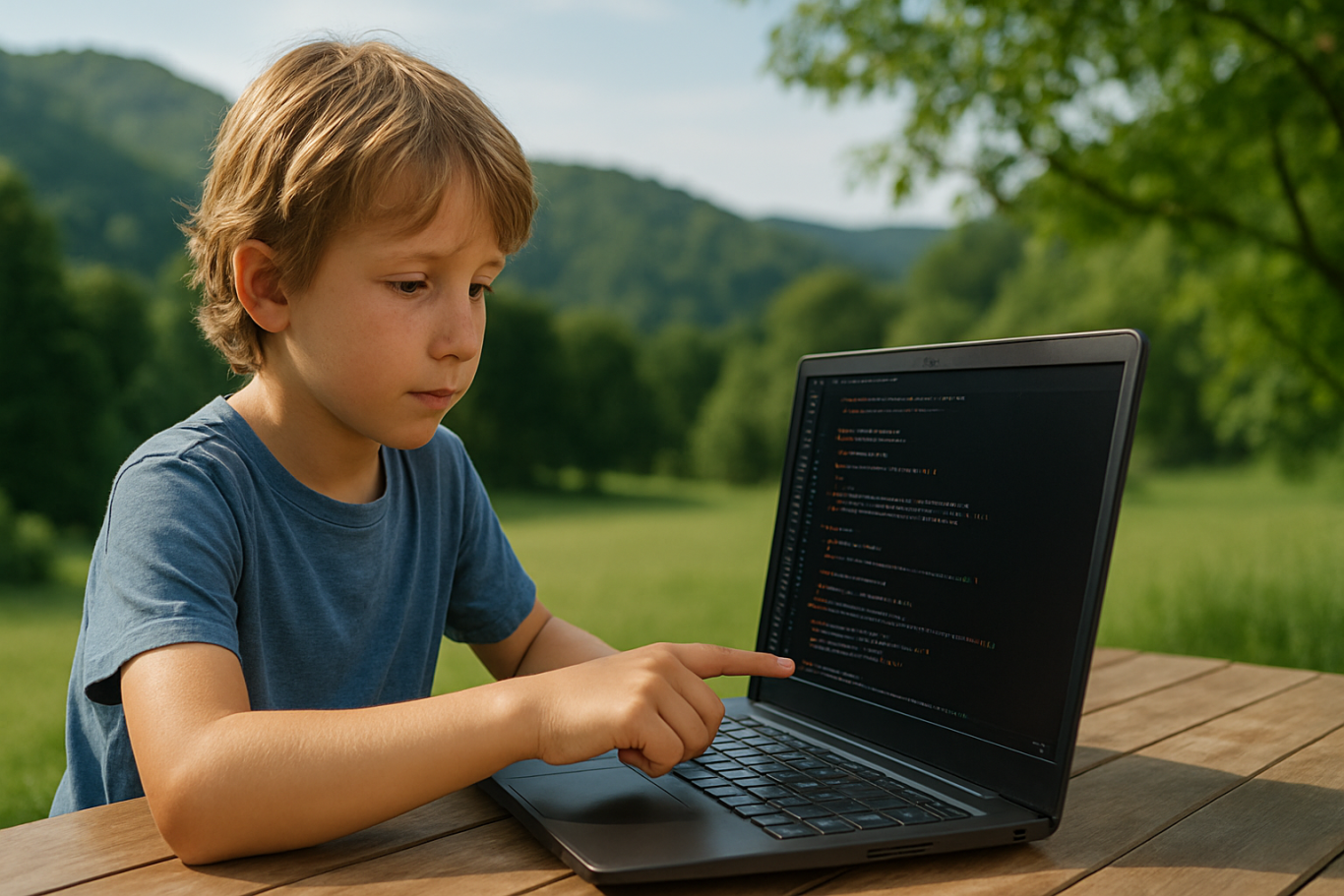
For parents who are still unsure about this method, here are some key benefits that vibe coding for kids offers. It doesn’t just improve tech skills. It also supports broader developmental growth in young learners.

  1. Boosts creativity
    Kids are encouraged to build things from their own ideas—games, animations, or simple apps.
  2. Develops logic and problem-solving
    Even though the environment is playful, the foundation of vibe coding for kids is rooted in core programming logic.
  3. Promotes collaboration and communication
    Many activities are group-based, teaching kids to discuss, share roles, and work as a team.
  4. Builds confidence
    Children gain pride and belief in their abilities when they successfully create something.
  5. Prepares them for the future
    By learning coding early, kids are better equipped for a digital-driven world.

Vibe Coding at Timedoor Academy
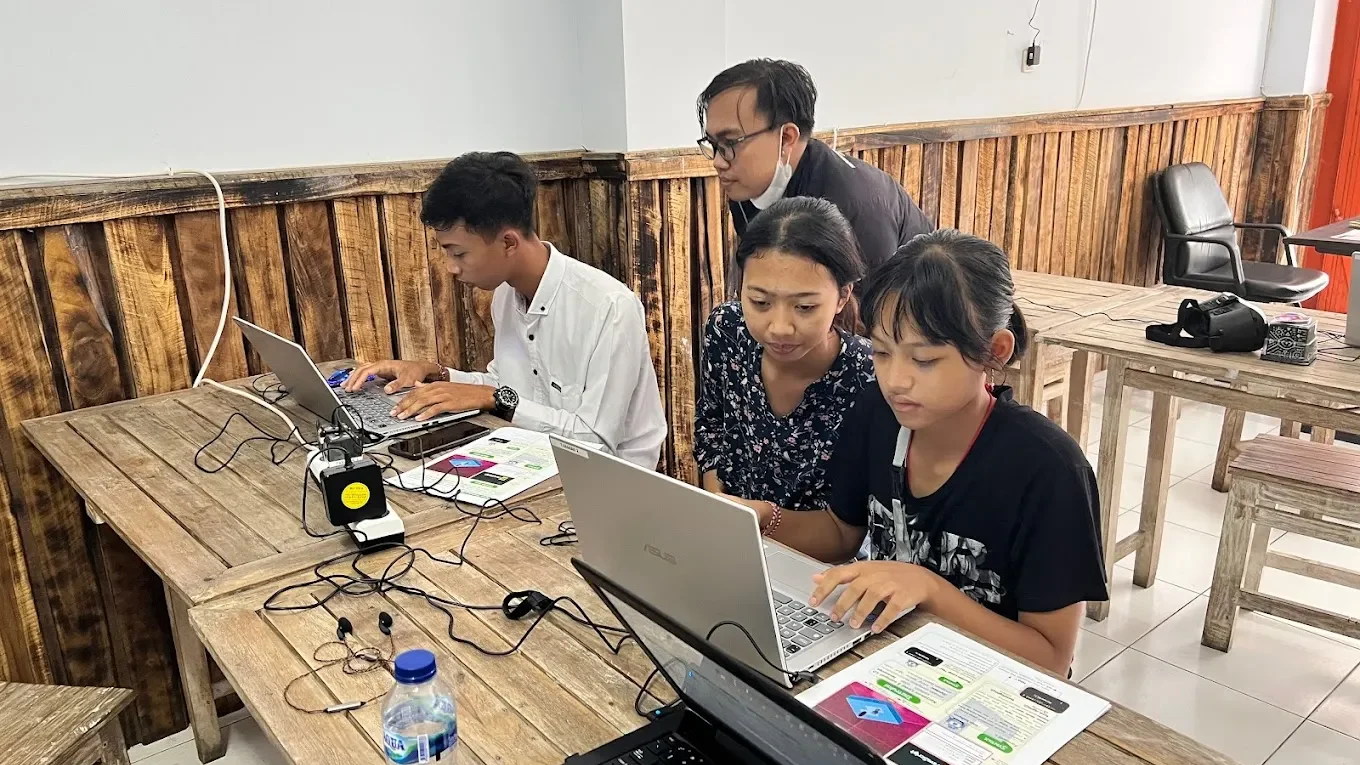
Now that you understand what is vibe coding, you might be wondering where your child can learn this method in a structured yet fun way. Timedoor Academy offers one of the best implementations of vibe coding for kids, combining creative programming with a child-centered teaching style.

Timedoor’s platform is designed specifically for young learners, featuring project-based activities like game development, animations, and beginner-friendly applications. Every class is filled with engaging content and guided by experienced mentors who understand how kids learn best.

The goal at Timedoor Academy is to make every student feel confident, curious, and excited about learning. Grades and tests are not the focus. Instead, it’s about exploring, creating, and enjoying the journey. This is exactly what vibe coding for kids is all about, and Timedoor applies it consistently across their programs.

Conclusion: Let Your Kids Experience Vibe Coding

 Image

Now you know what is vibe coding and how this approach makes learning programming enjoyable and effective for children. As our world becomes more digital, introducing kids to coding at an early age is no longer optional—it’s a smart and timely decision.

If you’re looking for a coding class that sparks creativity, feels natural, and actually speaks your child’s language, vibe coding for kids at Timedoor Academy is a perfect choice.

Sign your child up today and see how much fun they can have learning with vibe coding. Try a free trial class now at Timedoor Academy!

Keep Reading

7 Types of Robot Coding Suitable for Beginners
In today’s digital era, introducing children to technology is becoming increasingly important. One of the most engaging and educational ways to do this is through robot coding. This activity not only develops logical thinking but also fosters creativity, problem-solving skills, and teamwork. For parents, choosing the right robot coding tool for beginners is crucial. There are many options available, from simple to more advanced robots. To make the decision easier, let’s explore the benefits of robot coding, the types of beginner-friendly robots, and tips for choosing the most suitable option for your child. Why Choose Robot Coding for Beginners Robot coding is designed to help children learn programming interactively. Instead of only typing code on a screen, they can see how their commands make a robot move or perform specific actions. This makes the learning process more tangible and fun. Children become motivated to experiment because they immediately see the results of their code. For example, when they program a robot to move forward or avoid an obstacle, they witness how logic and commands shape real outcomes. This builds confidence and curiosity in young learners. Types of Robot Coding for Beginners Here are some beginner-friendly robots that children can easily explore: Line Following Robot This robot uses light sensors to follow a line on the floor. It is simple but effective for teaching decision-making based on conditions.   Obstacle Avoidance Robot Equipped with ultrasonic or infrared sensors, this robot avoids obstacles in its path. Children learn about basic if-else logic, which is fundamental in coding. Drawing Robot This robot can create patterns or drawings on paper. It is perfect for children who enjoy art, as they can combine coding logic with creativity.   Voice Controlled Robot A robot that responds to simple voice commands like “move” or “stop.” This helps children understand how machines interact with human input.   Dancing Robot Small robots that can be programmed to dance to patterns or music. It shows children that robot coding can be fun and expressive.   Sensor-Based Robot Robots equipped with light, temperature, or motion sensors that react to environmental conditions. For example, moving when motion is detected or turning on lights when it is dark.   Modular Robot Robots that can be reassembled and programmed with new functions. These encourage creativity and problem-solving by letting children design and rebuild their robots. With this wide selection, parents can choose robots based on their child’s interests. If the child enjoys art, a Drawing Robot is ideal. For those who love challenges, an Obstacle Avoidance Robot may be more suitable. Tips for Choosing Robot Coding Tools for Kids Match with Age Select robots appropriate for the child’s development stage. Younger children may benefit from block-based coding systems, while older ones can explore text-based coding.   Consider Child’s Interests Children who like creativity may prefer drawing robots, while those interested in problem-solving might enjoy sensor-based or obstacle avoidance robots.   Ease of Use A beginner robot coding kit should come with clear instructions, a user-friendly app, and ideally an active support community.   Prioritize Safety Ensure the materials are safe, durable, and suitable for repeated use by children. Long-Term Benefits of Learning Robot Coding Robot coding is not just a hobby. It builds a strong foundation for future skills. Children develop logical thinking, creativity, and perseverance, all of which are critical for success in the digital age. By experimenting with robots, kids also build resilience. If a program doesn’t work as expected, they learn to troubleshoot and try again, developing patience and determination. Parents can also participate in the process, making it a shared family activity that strengthens bonds while learning new skills. Learning Robots Coding Easier with Timedoor Academy Introducing children to robot coding at an early stage is a wise investment in their future. With the many beginner-friendly options available, each child can find a robot that suits their interests and learning style. If you are looking for a program that blends technology with creativity, Timedoor Academy offers interactive courses that can guide children step by step. Register your child now for a free trial at Timedoor Academy and discover how robot coding can be both an enjoyable and meaningful learning experience for their future.
Importance of Learning English for Elementary School Children
Importance of learning English is a doorway to understanding the world. In today’s era of globalization, mastering more than one language is no longer just an advantage but a necessity. One of the most essential languages to learn is English. Encouraging children at the elementary school level to start learning English brings countless benefits that will shape their future. In this article, we will explore the importance of learning English for young learners and how it supports their academic and social growth. Why Should Children Learn English Early? Children in elementary school are at the perfect age to absorb new knowledge quickly. Their brains are still very flexible, making it easier for them to pick up vocabulary, pronunciation, and grammar structures. By starting early, children build a strong foundation that will benefit their language development in the long term. This is one of the clearest reasons behind the importance of learning English for young learners. Access to a Wider World of Knowledge A significant portion of educational resources, such as textbooks, videos, and online materials, are available in English. When children are comfortable with English, they can access these resources more easily. They can read articles, watch educational videos, or participate in international programs that expand their horizons. This highlights the importance of learning English in broadening children’s access to knowledge. Building Self-Confidence Being able to communicate in English can boost a child’s confidence. For example, when they meet tourists or join competitions involving participants from different countries, their ability to speak English becomes a valuable skill. They feel more prepared and assured in international settings. This again demonstrates the importance of learning English in nurturing confident and independent individuals. Supporting Academic Success English proficiency is increasingly required in schools and universities, whether for exams, entrance tests, or scholarship opportunities. Children who start learning English in elementary school are better prepared to face these challenges. Furthermore, their performance in other subjects can also improve since many scientific and technical terms are presented in English. This proves the importance of learning English in supporting academic achievements. Preparing for Future Careers The job market is becoming more competitive, and many employers look for individuals who are fluent in English. Children who have learned English from an early age will stand out when they grow up. Whether applying to international companies or pursuing education abroad, strong English skills open countless doors. Here, the importance of learning English extends beyond school years to long-term career opportunities. Developing a Global Mindset Children who learn English are better able to connect with peers from diverse cultural backgrounds. This encourages them to respect differences and think with a global perspective. In today’s interconnected world, such an outlook is invaluable. Once again, we see the importance of learning English in helping children grow into globally minded citizens. How Can Parents Encourage English Learning? Parents play a key role in supporting children’s English learning journey. Some simple yet effective steps include: Watching movies or listening to songs in English together. Reading English storybooks before bedtime. Using interactive apps or online courses. Enrolling children in fun and engaging English classes. Consistency is key. With regular practice and encouragement, children will become more comfortable with English. These daily efforts make the importance of learning English more visible in their everyday lives. Building a Future-Ready Generation Learning English from a young age gives children lifelong benefits, from academic success and confidence to future career readiness. As parents, guiding children to start early is a wise investment in their future. By recognizing the importance of learning English, we are equipping them with the best tools to thrive in an ever-changing world. Would you like your child to become more confident and skilled in English? Enroll them in Timedoor Academy, where classes are designed to be interactive, fun, and effective. Sign up for a free trial today and see your child grow with Timedoor Academy!
Why Coding Games for Elementary School Kids Matter in the Digital Era 2025
In today’s digital era, children grow up surrounded by technology. They are familiar with using gadgets to play, watch, or even learn. Instead of being only passive users, children should also be equipped with the skills to create with technology. One of the most valuable skills is coding. Specifically, coding games for elementary school kids can serve as a fun entry point to introduce programming logic from an early age. Learning Through Play For children, learning while playing has always been the most effective approach. The concept of coding games for elementary school kids combines learning and play, allowing children to absorb knowledge without feeling pressured. By creating simple games, they can learn to think logically, solve problems, and understand how programs work. As a result, they are not only playing games but also building their own digital creations. The Benefits of Teaching Coding in Elementary School Introducing coding games for elementary school kids provides children with many advantages that go far beyond technical skills. Some of the key benefits include: Boosting creativity Children can express their imagination by designing characters, stories, and challenges within the games they build. Sharpening critical thinking Every game follows a set of rules. Through coding, children learn how to structure and organize these rules so the game works properly. Encouraging teamwork Many coding platforms allow kids to collaborate on projects, teaching them the importance of working with others. Preparing for the future Digital skills are becoming increasingly important. By learning coding games for elementary school kids, children are better prepared to face the demands of tomorrow. Child-Friendly Coding Platforms There are many platforms designed specifically for children. Some use colorful block-based coding that is easy to understand, while others introduce basic text-based commands gradually. Platforms like Scratch and Tynker, along with educational apps developed by learning institutions, make coding interactive and enjoyable. With this kind of approach, coding games for elementary school kids can be explored without overwhelming or intimidating young learners. The Role of Parents in Supporting Learning Parents play a vital role in supporting their children’s journey into coding. Providing time, access, and encouragement helps children grow more confident. When a child shows interest in creating a simple game, parents should appreciate their efforts and celebrate small achievements. With consistent support, learning coding games for elementary school kids becomes an engaging and meaningful activity rather than just another lesson. Teaching coding from an early age is an invaluable investment in a child’s future. With the right methods, coding goes beyond technical knowledge and becomes a way to develop creativity, logical reasoning, and resilience. Through coding games for elementary school kids, children can learn while playing and at the same time build essential skills that will serve them well in the digital era How Timedoor Academy Helps As an institution focused on technology education for children, Timedoor Academy offers a curriculum specifically designed for elementary school students. With a project-based learning method, children not only grasp concepts but also produce real outcomes such as simple games they can proudly share and play. The classes are interactive, age-appropriate, and most importantly fun. This makes coding games for elementary school kids approachable and exciting, turning challenges into enjoyable learning opportunities. Would you like your child to experience the joy of creating their own games while learning valuable skills? Sign them up for a free trial class at Timedoor Academy. Let your child discover how fun and empowering it can be to build their own digital creations. Click here to register and start their exciting journey in coding today.
float button