May 06, 2025

Who Knew? Coding Helps Kids Excel at Math in 2025
Who Knew? Coding Helps Kids Excel at Math in 2025 image

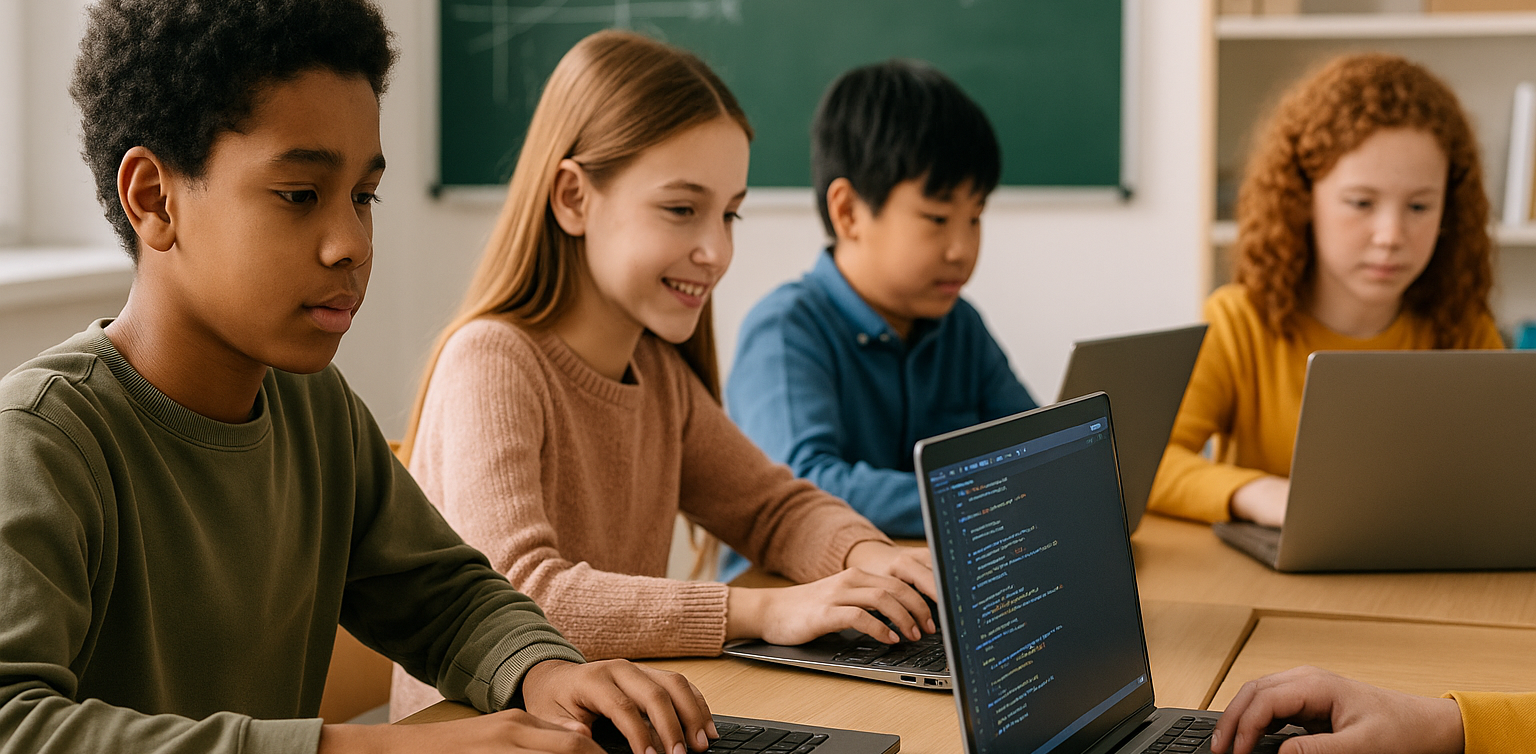
When parents hear the word “coding,” they often picture kids staring at a screen, typing complicated commands. But did you know that this activity can actually boost a child’s math skills? Yes, coding helps kids excel at math, and this benefit has been proven through studies and real-world learning experiences from children around the globe.

Coding is no longer just a skill for future programmers. It is becoming a fundamental part of modern education, and its impact reaches far beyond computer science. For many children, coding serves as a gateway to understanding mathematical logic, improving attention to detail, and enjoying learning more than ever before.

Why Are Coding and Math So Closely Connected?
coding helps kids excel at math

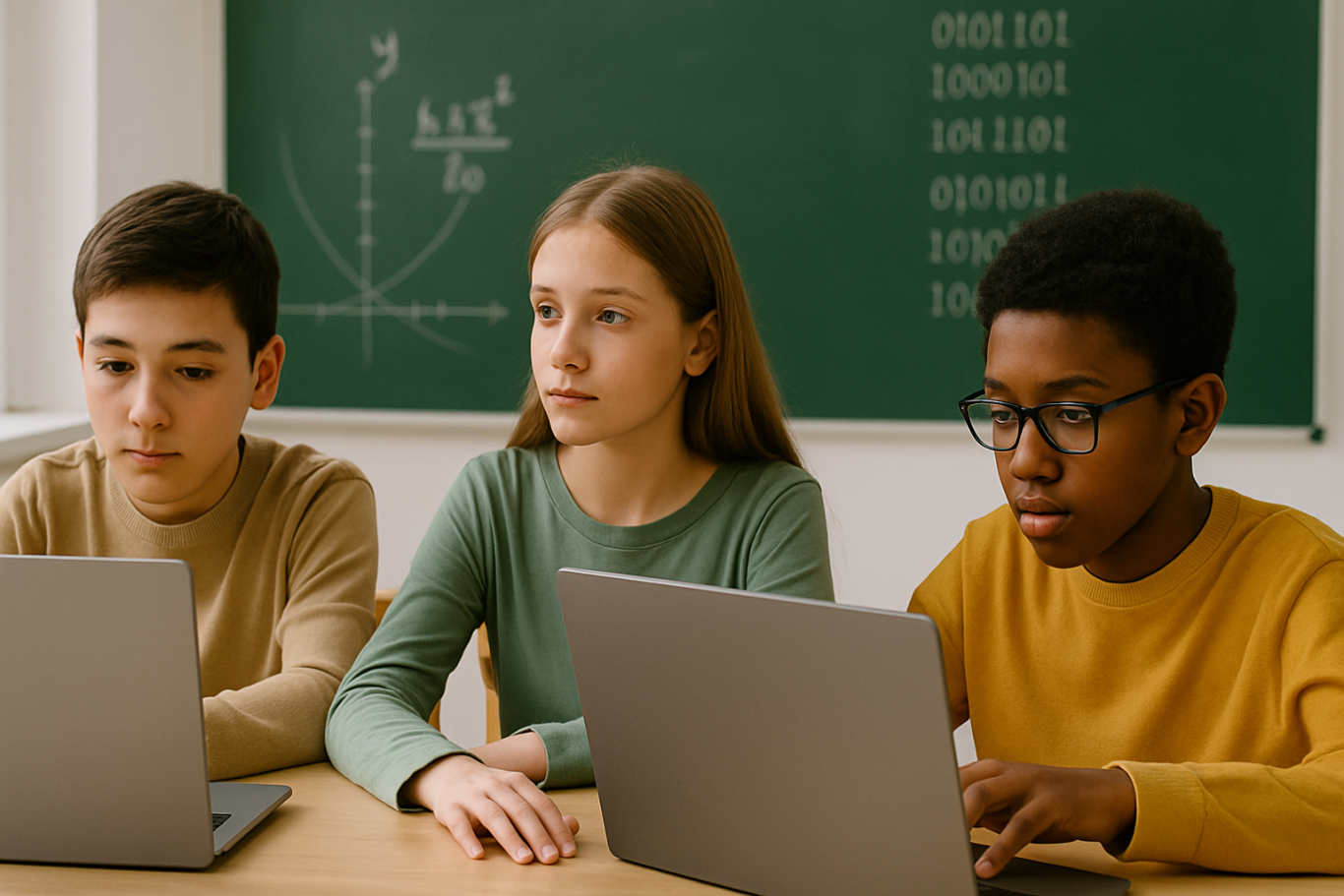
Coding teaches kids how to think logically and systematically. When learning to code, children practice problem-solving, recognizing patterns, and building algorithms. These are also core elements of math. As kids learn to write step-by-step instructions in coding, they are also training themselves to solve math problems in a structured way.

For example, when creating a program that calculates average scores, a child is not just coding. They are applying addition and division. This is a clear, practical example of how coding helps kids excel at math in a fun and hands-on way.

Moreover, understanding sequences, loops, and conditions in programming encourages children to think mathematically. These are the same skills used in operations, geometry, and even data analysis. These areas of math can feel abstract in a textbook but come to life through coding.

Learning Logic Instead of Memorizing Formulas
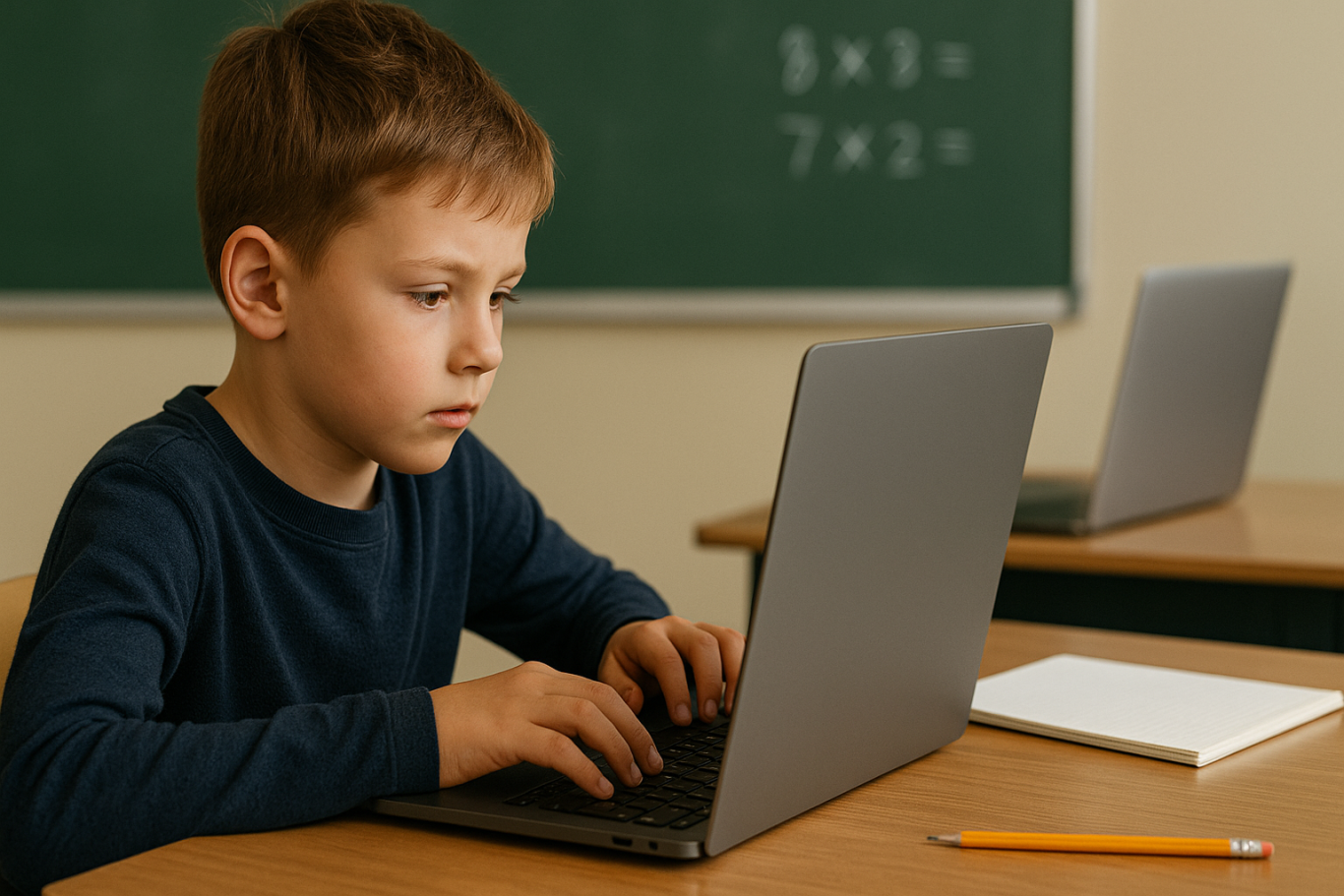
Math often feels intimidating because it is full of formulas to memorize. Coding, on the other hand, emphasizes understanding the logic behind each concept. When kids write basic programs using loops or if-else statements, they are also learning repetition and decision-making. Both of these are critical in arithmetic and algebra.

Through coding, kids build a solid understanding of math without relying on rote memorization. That is how coding helps kids excel at math while also boosting their confidence and reducing anxiety around the subject.

Coding allows them to approach math from a new angle. It is not just something to study but something to apply and explore creatively. This kind of active learning can spark curiosity and make math less intimidating.

Coding Makes Math More Relevant

Many students struggle with math because they do not see how it applies to the real world. Coding changes that. When children create simple games, calculators, or interactive animations, they realize that math is essential to making those programs work.

This realization increases motivation. Kids get excited when they see how math helps bring their ideas to life. No wonder coding helps kids excel at math. It brings learning into context and makes it meaningful.

With coding, abstract math concepts become tools that help kids build something real. Instead of solving equations on paper, they are using those equations to animate a character, solve a puzzle, or calculate a score. This deepens their understanding and interest.

It Builds Focus and Perseverance

Coding requires attention to detail. One wrong character can break the whole program. This teaches kids how to stay focused, troubleshoot problems, and persevere through frustration. These are the same skills they will need when tackling long or complex math problems.

So coding is not just about tech. It is about shaping a productive learning mindset. That is another reason why coding helps kids excel at math and also builds character along the way.

As they debug code, children learn that making mistakes is part of the process. This resilience is essential in mathematics, where trial and error often leads to breakthroughs and better understanding.

Fits Every Learning Style

Each child learns differently. Some are visual learners, while others prefer hands-on activities. Coding supports all learning styles. Kids can explore concepts through animations, games, and simulations. Many of these activities involve math.

Thanks to this flexibility, coding helps kids excel at math in a way that feels natural and tailored to their strengths. It empowers children to take ownership of their learning and progress at their own pace.

Conclusion: A Powerful Duo for the Future

In today’s digital world, parents need to equip their children with relevant skills. Coding is more than a tech trend. It enhances academic performance, especially in math. Start early and see how coding helps kids excel at math while preparing them for the future.

Want Your Child to Excel in Both Coding and Math?

Join Timedoor Academy, where kids learn coding in a fun, interactive environment that also boosts their math and logical thinking skills. Our programs are designed to support every child’s growth in both technology and academics.

Ingin tahu detail program? Image

Ingin tahu detail program?

Sign up for a free trial today and discover how coding helps kids excel at math from the very beginning.

Keep Reading

How to Deal with Kids Addicted to Games Wisely and Effectively in 2025
In today's digital age, playing video games has become one of the most popular pastimes for kids. Many children can spend hours in front of a screen playing their favorite games, often losing track of time. While gaming is not always harmful, excessive screen time can lead to addiction. That’s why it’s essential for parents to understand how to deal with kids addicted to games in a balanced and constructive way. Game addiction can affect many areas of a child’s life, from declining academic performance and sleep issues to lack of physical activity and reduced social interaction. In this article, we’ll explore the causes of game addiction, signs to look out for, and practical steps parents can take to help their child break free from unhealthy gaming habits. Why Do Kids Get Addicted to Games? Digital games are designed to provide instant gratification and constant stimulation. The engaging visuals, evolving challenges, and reward systems make games highly addictive. If the game also offers online interaction with friends, it becomes even harder for kids to step away. In some cases, games become a form of escape from boredom, academic stress, or social difficulties. When a child lacks enjoyable alternatives or doesn’t receive enough emotional support at home, games can feel like their only reliable source of comfort. Signs Your Child Might Be Addicted to Games Here are some common signs that may indicate game addiction: Playing games excessively even after being told to stop Becoming angry or frustrated when asked to take a break Ignoring responsibilities like schoolwork or chores Losing interest in activities they used to enjoy Sleep issues or fatigue from late-night gaming sessions If you start noticing these signs, it’s time to explore how to deal with kids addicted to games with a calm yet firm approach. How to Deal with Kids Addicted to Games Using a Positive Approach Here are several effective strategies parents can apply: 1. Build Open and Empathetic Communication Start with a heart-to-heart conversation. Avoid jumping into blame or punishment. Ask your child why they enjoy gaming, and truly listen to their answers. This approach helps them feel heard and makes them more willing to change. 2. Set Clear and Consistent Limits Establish clear rules for game time—for example, no more than one hour a day after homework is finished. Consistency is key so children learn the value of self-discipline. 3. Offer Fun and Engaging Alternatives One of the best ways to reduce game time is by introducing other exciting activities. Consider enrolling them in a coding class, exploring creative hobbies like drawing or cooking, or encouraging them to play sports. The more positive outlets they have, the less likely they’ll fall back into excessive gaming. 4. Be a Role Model Children mimic what they see. If parents also spend hours glued to their screens, kids will assume it’s acceptable. Reduce your own screen time and actively participate in family activities to set a strong example. 5. Use Tech Tools Wisely Parental control features can help you manage your child’s game time and content. You can also use apps that track screen activity in a way that doesn’t feel intrusive. 6. Seek Professional Help if Needed If your child’s gaming habits become too difficult to manage and begin affecting their physical or emotional health, don’t hesitate to consult a child psychologist or family counselor. A Healthy Alternative: Learning to Code Coding can be a powerful alternative to reduce game addiction. It still provides a digital and stimulating experience—but in an educational and productive context. Kids can design their own games, learn logic, and challenge their creativity in a meaningful way. At Timedoor Academy, we offer interactive coding courses specifically designed for children. With a fun, hands-on approach and real-world projects, kids can feel both challenged and proud of what they create. Create a Healthy Daily Routine at Home To support these efforts, parents should establish a balanced daily routine. Make sure your child has time for study, outdoor play, rest, and meaningful family interaction. A well-structured day helps reduce dependency on games and boosts overall well-being. Take Action: Support Your Child with Understanding Helping a child break free from game addiction isn’t easy, but it’s far from impossible. The key to learning how to deal with kids addicted to games lies in consistent guidance, open communication, and offering more meaningful alternatives. If you're looking for an activity that’s both educational and enjoyable, try enrolling your child in a free coding class at Timedoor Academy. It’s a smart way to shift their screen time from passive consumption to active creation. Enroll your child today at Timedoor Academy and try a free coding class. Support your child in building healthy and positive digital habits from an early age.
The Role Of Ai For Kids Education
The Role of AI for Kids Education
Picture this: a child learning math with a virtual tutor that patiently explains complex ideas. Or mastering a new language through interactive games, tailored to their learning speed and interests. This isn’t a fantasy—it’s the real-world impact of The Role of AI for kids education. Artificial Intelligence (AI) is revolutionizing how children learn. With smart technology, education becomes more personalized, engaging, and flexible, helping every child unlock their true potential. The Role of AI for Kids Education Why AI for Kids Education Matters Children are naturally curious, adaptable, and fast learners—ideal qualities for learning with AI. With advanced algorithms, AI can personalize learning paths for each child, making lessons more efficient and enjoyable. Here’s how AI for kids education makes a difference: Adapts content based on each child’s learning progress Matches teaching methods to individual learning styles Provides real-time feedback and suggestions when a child struggles AI can also track patterns—like which topics confuse a child, when they’re most focused, and how they best absorb information. Key Benefits of AI for Kids Education 1. Personalized Learning for Every Child No two children learn the same way. AI for kids education lets children learn at their own pace—whether they need extra time or crave advanced challenges. AI adapts to meet them exactly where they are. 2. Interactive and Engaging Lessons From adaptive quizzes to fun simulations, AI turns learning into a game. To children, it feels like play. But underneath, they’re gaining deep understanding and critical thinking skills. 3. Instant Feedback No more waiting days for test results. AI offers real-time feedback, helping kids quickly understand mistakes and try again. It also suggests additional exercises when needed. 4. Inclusive Support for Special Needs AI-based tools can support children with dyslexia, ADHD, or other learning differences. From reading-aloud features to simplified instructions, AI makes education more inclusive for everyone. 5. Time-Saving for Parents and Teachers AI automates reports and tracks progress, allowing parents and teachers to focus more on guidance and emotional support rather than grading and paperwork. Real Examples of AI for Kids Education Many platforms are already using AI for kids education successfully: Socratic by Google – Snap a homework question, get step-by-step help. Tynker – Teaches kids coding with gamified learning. Duolingo – Uses adaptive tech to personalize language learning. Khan Academy Kids – Combines fun animations with AI for early learning. These tools show that AI for Kids education isn’t just theory—it’s shaping learning today. Challenges of AI for Kids Education Despite the benefits, there are important challenges to keep in mind: 1. Data Privacy Children are vulnerable online. AI platforms must have strong protection for kids' personal data. 2. Lack of Human Interaction While AI is smart, it can’t replace real human friendships. Children still need to build empathy, teamwork, and social skills through real-life interaction. 3. Unequal Access Not all families can afford AI devices or fast internet. Equal access must be a top priority for inclusive education. 4. Technology Overuse Overreliance on screens can limit offline creativity. Children still need time to explore nature, books, and play beyond digital tools. Human Support in AI for Kids Education AI is a powerful tool, but it must be guided by people who care. Parents and teachers are essential in making sure AI for Kids Education technology is used wisely. Here are some tips: Use age-appropriate, trusted AI platforms Supervise learning sessions and offer emotional support Teach kids about digital responsibility and screen time balance Mix AI learning with offline activities Shaping the Future of Education Together AI for kids education is not about replacing traditional learning—it’s about making it better. When used with care and purpose, AI helps children become confident, independent learners prepared for the future. At Timedoor Academy, we believe in combining innovation with empathy. Let’s build a future where technology empowers children to thrive. ? Ready to Explore the Future of Learning? Try a free class at Timedoor Academy and see how AI for kids education can spark your child’s learning journey today.
30 Best! Nintendo Switch Games for Kids in 2025
The Nintendo Switch has become one of the most popular consoles among children and families. Thanks to its flexible and user-friendly design, there is a wide range of nintendo switch games for kids available. More parents are now selective in choosing games that are not only fun, but also educational, safe, and age-appropriate. In this article, we share 30 recommended nintendo switch games for kids in 2025. These games are curated to suit various age ranges, from toddlers to pre-teens, and offer a balance of entertainment and learning value. 1. Animal Crossing: New Horizons Introduces children to independent living, island management, and teaches responsibility and creativity. 2. Super Mario Odyssey A classic adventure filled with light challenges and vibrant visuals for kids aged 6 and above. 3. Yoshi’s Crafted World One of the most visually creative nintendo switch games for kids, featuring hand-crafted art and simple gameplay. 4. Mario Kart 8 Deluxe Colorful racing fun and healthy competition, ideal for family play. 5. Pokémon Scarlet & Violet Encourages exploration of a fantasy world and strategic thinking through Pokémon battles. 6. Just Dance 2025 Combines music with physical movement, perfect for family entertainment and fitness. 7. Kirby and the Forgotten Land A vibrant platformer with adorable characters, suitable for kids aged 5 and above. 8. Crayola Scoot A racing and coloring game ideal for kids who love to express themselves visually. 9. Luigi’s Mansion 3 A light puzzle adventure great for kids with big imaginations. 10. Mario + Rabbids Sparks of Hope A fun strategy game featuring quirky characters and an engaging story. 11. Captain Toad: Treasure Tracker Light puzzle and exploration gameplay that strengthens logic and focus. 12. Pikmin 4 Teaches teamwork, strategy, and decision-making in a fun, nature-inspired world. 13. Snipperclips: Cut it Out, Together! A cooperative game that promotes communication and problem-solving. 14. Donkey Kong Country: Tropical Freeze A challenging yet exciting classic platformer for kids aged 7 and up. 15. Minecraft One of the most popular nintendo switch games for kids, encouraging creativity, exploration, and logical thinking. 16. Splatoon 3 A non-violent shooter that emphasizes color, creativity, and healthy competition. 17. Story of Seasons: Friends of Mineral Town Ideal for kids who want to learn about farming and rural life in a playful way. 18. Big Brain Academy: Brain vs. Brain A brain-training game that’s both fun and educational for the whole family. 19. Pokémon Let’s Go Pikachu / Eevee A lighter, more accessible Pokémon game perfect for beginners. 20. New Super Mario Bros. U Deluxe A classic platformer that supports up to 4 players at once. 21. Clubhouse Games: 51 Worldwide Classics A global collection of traditional games that boost logic and concentration. 22. Nintendo Switch Sports Offers virtual sports activities such as bowling, tennis, and soccer. 23. Ring Fit Adventure Combines exercise with RPG gameplay, ideal for physically active kids. 24. Tetris 99 A modern take on the timeless puzzle game. 25. Cooking Mama: Cookstar A fun cooking simulation game that introduces kids to simple recipes. 26. Paw Patrol: Mighty Pups Save Adventure Bay Tailored for toddlers and preschoolers, based on the popular cartoon series. 27. Hello Kitty Kruisers A cute racing game featuring Hello Kitty characters, safe for young kids. 28. My Universe: School Teacher A simulation game that lightly teaches children about school and education. 29. Animal Hospital Builds empathy and responsibility by caring for virtual animals. 30. LEGO City Undercover A light open-world game with humor and fun missions in a LEGO universe. Tips for Choosing Nintendo Switch Games for Kids When selecting nintendo switch games for kids, parents should check the ESRB age rating, game content, and whether the game supports cooperative play. Avoid games with excessive violence and opt for ones that promote social interaction, creativity, or learning. Equally important, playing games with your child helps strengthen your bond and allows you to monitor the content together. Learning Through Play: A Healthy Alternative with Coding With all the nintendo switch games for kids above, parents now have many safe, educational, and age-appropriate options. But instead of just playing, kids can also learn how games are created, making screen time more meaningful. At Timedoor Academy, children can learn how to build their own games through fun and structured coding classes. With an international curriculum and project-based learning, kids develop logic, creativity, and confidence. Sign your child up today and enjoy a free trial class at Timedoor Academy.
float button