Apr 14, 2025

8 Reasons Why Your Kids Should Join Coding Class

8 Reasons Why Your Kids Should Join Coding Class image

In today’s fast-moving digital world, coding is no longer just for tech professionals. It is quickly becoming a basic form of literacy, just like reading, writing, or math. Kids today are growing up surrounded by technology. From YouTube videos to online games and smart devices, digital tools play a major role in their daily lives.

So instead of letting kids just consume technology, why not teach them how to create it? That is exactly what coding classes are all about. These programs help kids build valuable skills that go far beyond the screen. Let’s explore the top reasons why joining a coding class could be one of the smartest decisions for your kids future.

Coding class improves kids problem-solving

At its core, coding is all about solving problems. Kids learn how to break a big challenge into smaller steps, test different solutions, and try again when something goes wrong. This helps them think logically and become more patient.

Imagine your child is building a simple game. The character is supposed to jump when they press a button, but it is not working. They start asking questions. Did they miss something? Is the command correct? This process of figuring things out helps develop critical thinking, a skill that will benefit them in school and beyond.

Coding class boosts kids creativity
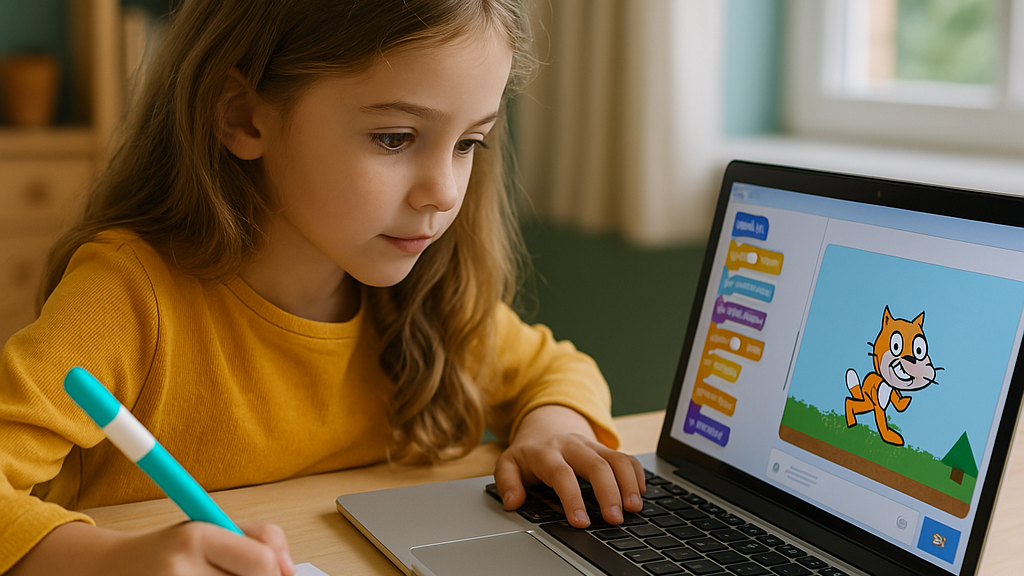
Coding is not just about writing lines of code. It is a way for kids to tell stories, build games, animate characters, and design their own digital world. With platforms like Scratch or Roblox Studio, children can turn their wildest ideas into real, working projects.

This kind of creativity builds confidence too. It shows kids that they can make something fun, interesting, and completely their own.

Coding class builds kids persistence and confidence
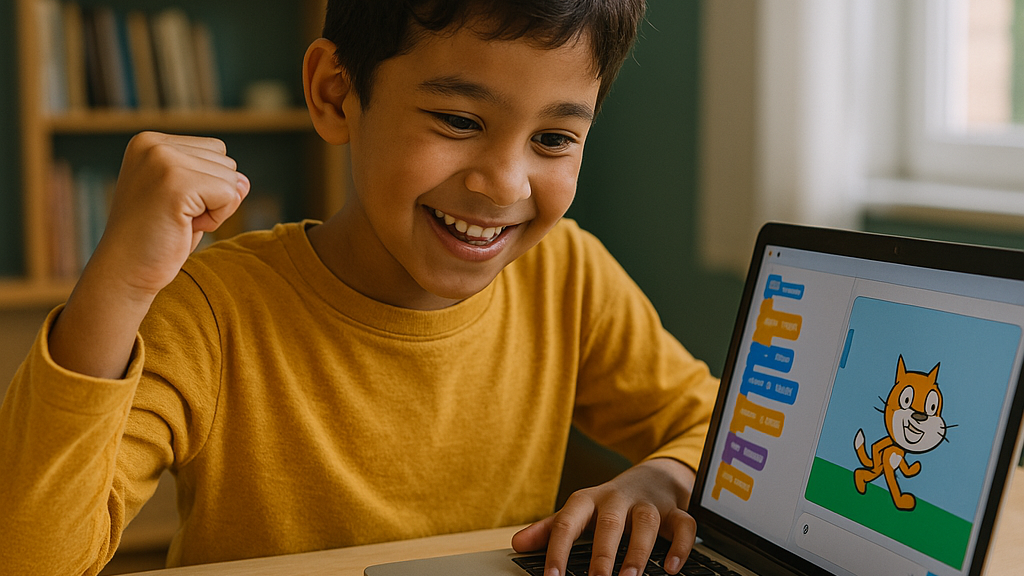
Coding teaches kids that it is okay to fail. In fact, failure is part of the process. When a code does not work, they are encouraged to try again. And again. Until they get it right. Over time, this builds resilience and confidence in their own abilities.

They start to think, I can fix this or I know how to figure this out instead of giving up. This kind of mindset helps in school, sports, and even social situations.

Coding class offer structured learning for kids
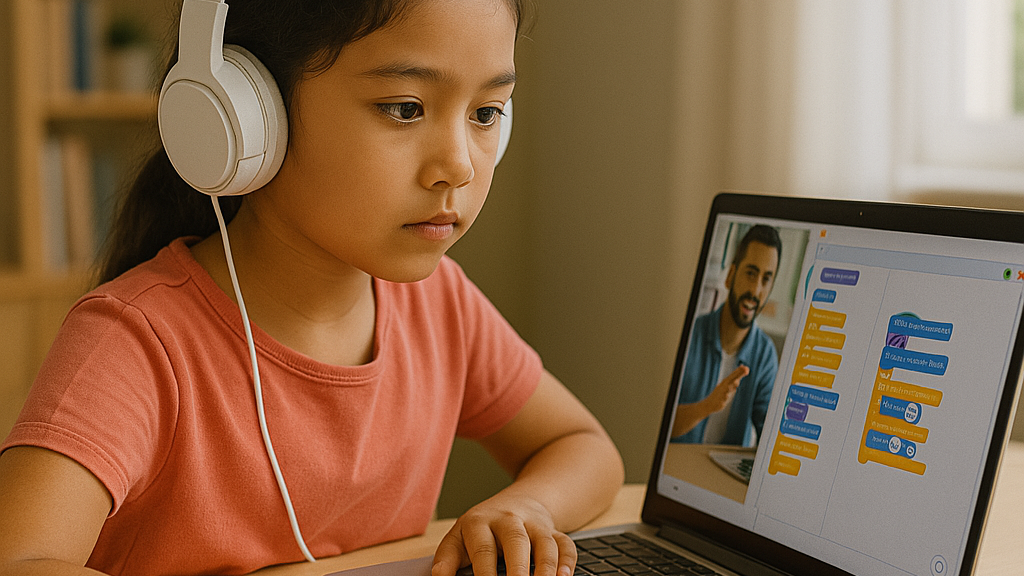
Sure, your child could try learning from free videos online. But coding classes offer something more valuable. They provide a step-by-step structure that matches your child’s age and skill level. With experienced instructors guiding them, kids can ask questions, get support, and build their skills in a safe space. It is similar to learning music or swimming. Having a coach makes a huge difference.

Coding class prepares kids for their future
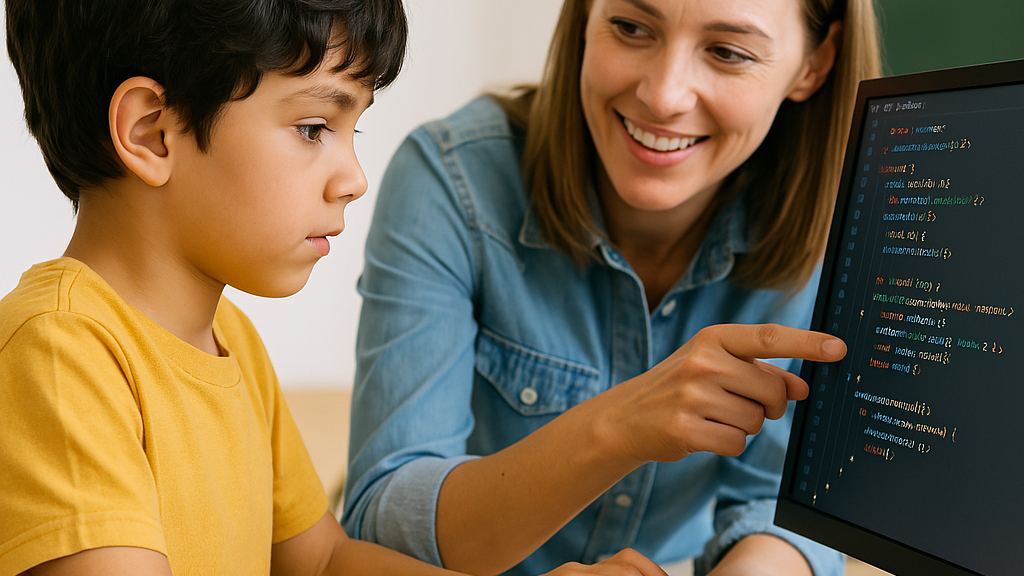
The job market is changing. Many of the careers our children will have one day do not even exist yet. But one thing is certain. Technology will be a big part of those jobs.

By learning to code, your child gets a head start. Even if they do not become a programmer, they will understand how technology works. That knowledge is useful in almost every field, from medicine to business to the arts.

Coding class encourages kids teamwork

Many people think coding is a solo activity, but that is not always true. In coding classes, kids often work in teams. They share ideas, collaborate on projects, and give each other feedback.

This helps improve their communication skills and teaches them how to work well with others. These are important skills no matter what career path they choose later on.

Coding class is fun for kids

Let us not forget the most important part. Coding is fun. When taught in a playful and engaging way, it becomes something kids actually look forward to. They get to build their own games, apps, and stories. They get to be creators, not just consumers.

And when kids are having fun while learning, they are more likely to stick with it.

Early exposure by coding class builds kids confidence
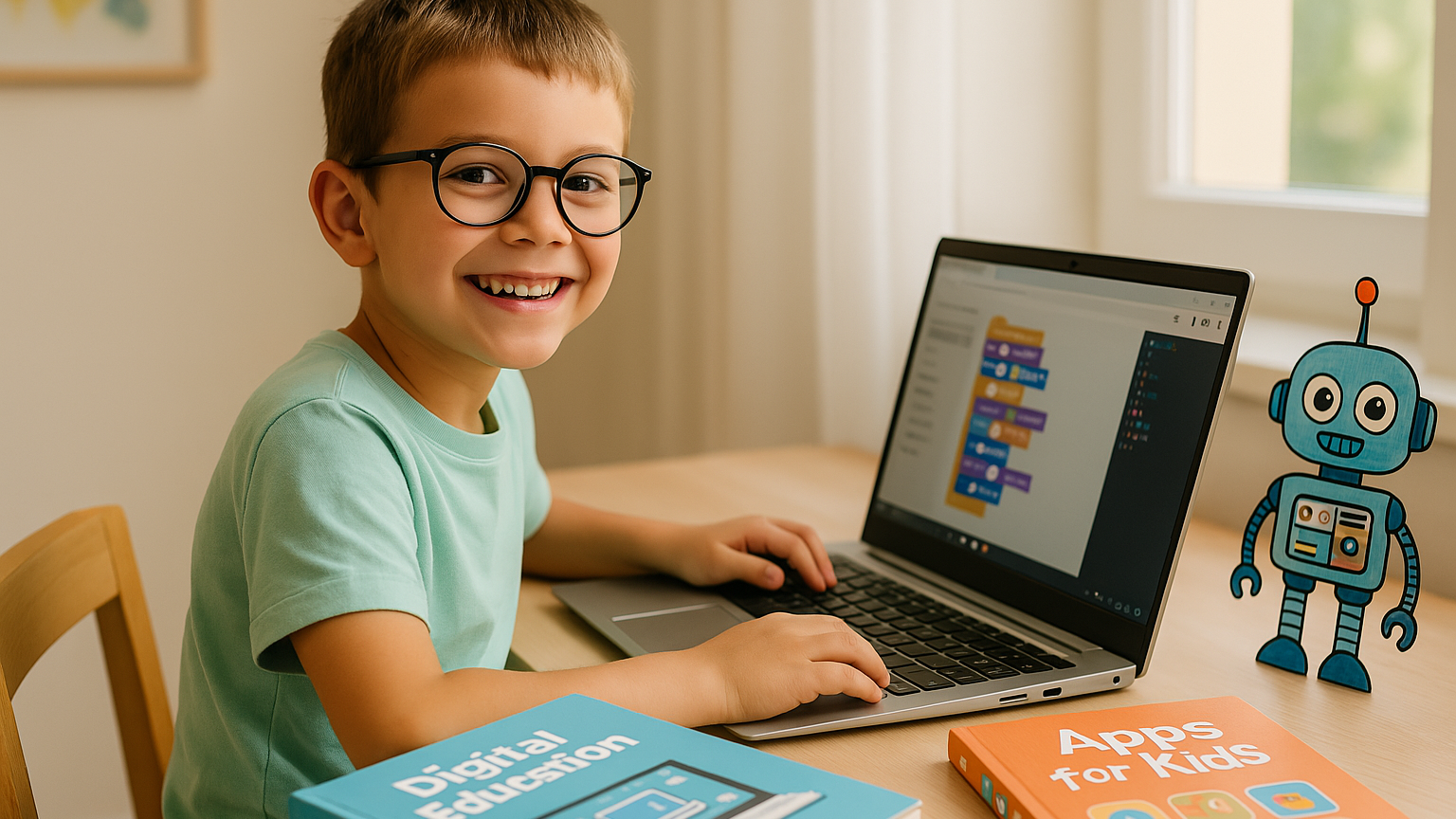
Just like learning a new language or playing an instrument, it is easier to start coding when you are young. Kids are naturally curious and unafraid to experiment. They pick things up quickly and are not afraid to make mistakes.

By introducing coding early, you help your child build digital confidence. They grow up not just comfortable with technology, but capable of using it in meaningful ways.

How to get started in coding class for your kids

You do not need to be a tech expert to support your child. Just look for beginner-friendly programs or platforms designed for kids. Start with block-based coding tools like Scratch, where they can drag and drop commands to make things happen.

Even better, enroll them in a structured coding class that fits their age and learning style. Classes with real instructors give kids the guidance and support they need to succeed.

Why Timedoor Academy is a great choice for your kids coding class

 Image

At Timedoor Academy, we make coding fun and meaningful for kids. Our classes are designed to be beginner-friendly, with hands-on projects, supportive mentors, and lots of room for creativity. Kids build games, solve challenges, and most importantly, enjoy the learning process.

Thousands of parents in Indonesia and beyond have already seen the benefits. Now it is your turn.

Let your child explore, create, and grow with technology. Enroll in a coding class or free trial at Timedoor Academy today and give them the tools to thrive in a digital world!

Keep Reading

7 Important Reasons Why Understanding the Function of VR in the Future Will Change How Children Learn
Technology is advancing rapidly, and one of the most fascinating innovations shaping the future is Virtual Reality (VR). In the past, VR might have sounded like a concept from a science fiction movie, but today, this technology has become a real part of education, entertainment, and even professional training. With its ability to create deep and immersive experiences, the function of VR in the future is predicted to become one of the most important elements in the ever-evolving digital world. Virtual Reality allows users to interact with an artificial environment that feels realistic through headsets and sensors. In the context of education, this technology is not just a form of entertainment but also a bridge to deeper and more interactive learning. Children can explore outer space, study human anatomy, or even conduct scientific experiments virtually without any real-world risks. But how important is the function of VR in the future, and how can this technology shape the way our children learn and grow? Here are seven strong reasons why every parent needs to understand the great potential of this technology 1. Providing a More Realistic Learning Experience One of the most promising functions of VR in the future is its ability to provide immersive and realistic learning experiences. Instead of only reading books or watching videos, children can “enter” directly into the learning material. For example, when studying history, they can explore the Egyptian pyramids or witness historical events as if they were truly there. This experience-based learning improves children’s understanding of concepts and memory retention. With more sensory engagement, their brains process information in a more meaningful way. 2. Increasing Children’s Engagement and Motivation Learning is often a challenge for children, especially when teaching methods feel monotonous. Through the function of VR in the future, learning activities can turn into something exciting and full of adventure. Imagine children learning coding, physics, or biology in a virtual world where every lesson becomes an interactive game. VR provides a sense of exploration and discovery that keeps children more motivated to learn. Additionally, this technology helps children with visual or kinesthetic learning styles better understand material in ways that suit their strengths. 3. Developing Empathy and Social Awareness Beyond formal education, the function of VR in the future also plays an important role in developing empathy and social understanding. With VR, children can experience what it feels like to be in someone else’s situation, such as living in another country or understanding the challenges faced by individuals with physical limitations. These experiences broaden their perspectives and nurture values such as compassion, empathy, and respect for diversity. In an era of globalization, these abilities are invaluable in shaping a more inclusive and open-minded generation. 4. Supporting the Learning of Technical and Practical Skills In the future job market, many professions will use VR for training and simulation. Therefore, understanding the function of VR in the future becomes important from an early age. For example, in the medical field, students can use VR to practice surgery without any risk to real patients. In the aviation industry, trainee pilots can learn to control aircraft through realistic simulations. Even in design, architects can create and “walk through” virtual buildings before actual construction begins. Thus, children who are familiar with VR from an early age will have a competitive advantage in the future because they understand how this technology works and how to apply it in practical ways. 5. Encouraging Creativity and Innovation VR is not just about experiencing artificial worlds but also about creating them. One of the most powerful functions of VR in the future is its ability to nurture children’s creativity. Through VR platforms, children can design their own virtual worlds, create characters, or even program interactions within them. This offers great opportunities to combine imagination, art, and technology. Beyond being fun, the process also trains critical thinking and problem-solving skills that are essential for the future. 6. Providing a Safe Environment for Experimentation and Mistakes One of the greatest advantages of the function of VR in the future is its ability to create a safe environment for learning through trial and error. In a virtual world, children can experiment freely without fear of failure or causing real-world harm. This is especially useful in science, engineering, and programming education, where making mistakes is an important part of the learning process. Children can repeat simulations until they truly understand the concept, building confidence and healthy curiosity. 7. Opening New Opportunities in Education and Careers VR technology paves new paths in global education. With the function of VR in the future, children from different parts of the world can learn together in virtual classrooms, interact with teachers from other countries, and access high-quality educational resources without geographical limits. In addition, VR-based industries such as game design, app development, digital training, and entertainment will continue to grow rapidly. Children who understand and can adapt to this technology will have broader and more exciting career opportunities in the future. How Timedoor Academy Equips Children with Future Technology Understanding Timedoor Academy believes that the future of children is not only determined by academic ability but also by their understanding of technology. Through interactive and enjoyable learning, students are introduced to the world of coding, digital design, and innovative technology relevant to today’s advancements, including the function of VR in the future. Under the guidance of professional mentors, every child is encouraged to explore technology with curiosity, responsibility, and creativity. The goal is to help children become not just technology users, but innovative and forward-thinking creators. Start Your Child’s Technology Journey Today Technologies like VR are not just temporary trends but vital parts of children’s educational and career futures. If you want your child to be ready for the future with strong digital skills and a deep understanding of the function of VR in the future, now is the time to take the first step. Register your child for a free trial class at Timedoor Academy today and discover how digital learning can be fun, safe, and inspiring for their future.
7 Types of Robot Coding Suitable for Beginners
In today’s digital era, introducing children to technology is becoming increasingly important. One of the most engaging and educational ways to do this is through robot coding. This activity not only develops logical thinking but also fosters creativity, problem-solving skills, and teamwork. For parents, choosing the right robot coding tool for beginners is crucial. There are many options available, from simple to more advanced robots. To make the decision easier, let’s explore the benefits of robot coding, the types of beginner-friendly robots, and tips for choosing the most suitable option for your child. Why Choose Robot Coding for Beginners Robot coding is designed to help children learn programming interactively. Instead of only typing code on a screen, they can see how their commands make a robot move or perform specific actions. This makes the learning process more tangible and fun. Children become motivated to experiment because they immediately see the results of their code. For example, when they program a robot to move forward or avoid an obstacle, they witness how logic and commands shape real outcomes. This builds confidence and curiosity in young learners. Types of Robot Coding for Beginners Here are some beginner-friendly robots that children can easily explore: Line Following Robot This robot uses light sensors to follow a line on the floor. It is simple but effective for teaching decision-making based on conditions.   Obstacle Avoidance Robot Equipped with ultrasonic or infrared sensors, this robot avoids obstacles in its path. Children learn about basic if-else logic, which is fundamental in coding. Drawing Robot This robot can create patterns or drawings on paper. It is perfect for children who enjoy art, as they can combine coding logic with creativity.   Voice Controlled Robot A robot that responds to simple voice commands like “move” or “stop.” This helps children understand how machines interact with human input.   Dancing Robot Small robots that can be programmed to dance to patterns or music. It shows children that robot coding can be fun and expressive.   Sensor-Based Robot Robots equipped with light, temperature, or motion sensors that react to environmental conditions. For example, moving when motion is detected or turning on lights when it is dark.   Modular Robot Robots that can be reassembled and programmed with new functions. These encourage creativity and problem-solving by letting children design and rebuild their robots. With this wide selection, parents can choose robots based on their child’s interests. If the child enjoys art, a Drawing Robot is ideal. For those who love challenges, an Obstacle Avoidance Robot may be more suitable. Tips for Choosing Robot Coding Tools for Kids Match with Age Select robots appropriate for the child’s development stage. Younger children may benefit from block-based coding systems, while older ones can explore text-based coding.   Consider Child’s Interests Children who like creativity may prefer drawing robots, while those interested in problem-solving might enjoy sensor-based or obstacle avoidance robots.   Ease of Use A beginner robot coding kit should come with clear instructions, a user-friendly app, and ideally an active support community.   Prioritize Safety Ensure the materials are safe, durable, and suitable for repeated use by children. Long-Term Benefits of Learning Robot Coding Robot coding is not just a hobby. It builds a strong foundation for future skills. Children develop logical thinking, creativity, and perseverance, all of which are critical for success in the digital age. By experimenting with robots, kids also build resilience. If a program doesn’t work as expected, they learn to troubleshoot and try again, developing patience and determination. Parents can also participate in the process, making it a shared family activity that strengthens bonds while learning new skills. Learning Robots Coding Easier with Timedoor Academy Introducing children to robot coding at an early stage is a wise investment in their future. With the many beginner-friendly options available, each child can find a robot that suits their interests and learning style. If you are looking for a program that blends technology with creativity, Timedoor Academy offers interactive courses that can guide children step by step. Register your child now for a free trial at Timedoor Academy and discover how robot coding can be both an enjoyable and meaningful learning experience for their future.
10 Powerful Reasons Why Understanding The Importance of Digital Safety for Kids Matters Today
In the digital era, kids are growing up surrounded by screens, the internet, and endless online interactions. While technology offers many advantages, it also introduces new challenges that parents cannot ignore. From social media exposure to online gaming and digital learning, kids face potential risks that may affect their privacy, safety, and mental well-being. That is why understanding the importance of digital safety for kids has become a vital aspect of modern parenting. As technology becomes an inseparable part of daily life, the need to educate kids about online behavior, privacy protection, and responsible technology use becomes more urgent. Digital literacy is no longer just an option; it is an essential skill for every child in the 21st century. 1. Building Awareness About Online Threats Many kids use the internet without understanding its potential dangers. Parents and educators need to guide them to recognize harmful websites, suspicious links, or strangers who might have bad intentions. Teaching kids about the importance of digital safety for kids helps them develop awareness from an early age, making them more cautious when navigating the online world. 2. Protecting Personal Information One of the key components of the importance of digital safety for kids is teaching them how to protect their personal information. Many websites and apps ask for details such as names, photos, and locations. Without proper knowledge, kids may share private data that could be misused by others. Parents must teach their kids never to share personal information without permission and to use privacy settings responsibly. 3. Preventing Cyberbullying Cyberbullying is a growing concern in today’s society. Kids who spend time on social media or online games may face bullying, harassment, or exclusion. By understanding the importance of digital safety for kids, both parents and kids can learn how to prevent, identify, and handle cyberbullying effectively. Encouraging open communication and emotional support is key to protecting a child’s mental health online. 4. Encouraging Responsible Social Media Use Social media platforms are a popular space for kids to express themselves and connect with friends. However, it is also a place where misinformation, inappropriate content, and privacy issues can occur. Educating kids about the importance of digital safety for kids means guiding them to use social media responsibly, think before they post, and understand the consequences of sharing personal content publicly. 5. Managing Screen Time Wisely Digital safety also includes managing how much time kids spend online. Excessive screen time can lead to fatigue, distraction, and reduced focus in learning. Understanding the importance of digital safety for kids helps parents and kids create healthy boundaries between study time, online entertainment, and offline activities. Balanced screen time supports both mental and physical well-being. 6. Strengthening Digital Literacy Skills Digital literacy goes beyond knowing how to use gadgets. It involves critical thinking, information evaluation, and problem-solving skills. Through programs like coding or digital creativity classes, kids can learn how to use technology safely and productively. Learning the importance of digital safety for kids empowers them to become responsible digital citizens who use technology for positive purposes. 7. Avoiding Scams and Online Manipulation Kids can easily fall for online scams, such as fake giveaways or misleading ads. They may also be influenced by manipulative content designed to collect data or promote harmful behavior. Teaching them the importance of digital safety for kids helps prevent these incidents. They learn to identify suspicious behavior and make smarter online choices. 8. Promoting Positive Online Communication Online communication can be beneficial when used positively. Kids can learn, share ideas, and collaborate across cultures. However, they must also understand the ethics of digital communication, such as respecting others’ opinions and avoiding hurtful language. Incorporating the importance of digital safety for kids into their learning encourages empathy and respect in every online interaction. 9. Preparing for a Digital Future As technology continues to evolve, digital safety becomes an essential foundation for every future career. Kids who understand the importance of digital safety for kids will grow into professionals who value data protection, cybersecurity, and ethical technology use. Early exposure to these concepts prepares them to thrive in a world where digital skills are in high demand. 10. Empowering Parents and Schools to Collaborate Lastly, promoting the importance of digital safety for kids requires collaboration between parents, teachers, and institutions. Schools can integrate digital safety education into the curriculum, while parents can apply these lessons at home. Together, they create a safe and supportive environment where kids can explore technology without fear. How Timedoor Academy Helps Strengthen Digital Safety Education Timedoor Academy understands that technology can be both exciting and challenging for kids. Through structured learning programs, students not only develop coding and digital skills but also gain awareness about online safety, privacy, and responsible internet use. Each class is designed to help kids understand the importance of digital safety for kids in practical and engaging ways. By joining Timedoor Academy, your child will be guided by professional mentors who are committed to creating a positive and secure learning environment. Parents can feel confident knowing that their kids are developing both technical knowledge and safe digital habits. Ready to Help Your Child Explore Technology Safely? Digital safety begins with knowledge. If you want your child to grow up as a confident, creative, and responsible digital user, now is the perfect time to take the first step. Register your child for a free trial class at Timedoor Academy today! Discover how our expert mentors can help shape your child’s understanding of technology while ensuring their safety in the digital world.
float button