Apr 30, 2025

Future Trends in STEM Education: What Parents Need to Know In 2025

Future Trends in STEM Education: What Parents Need to Know In 2025 image

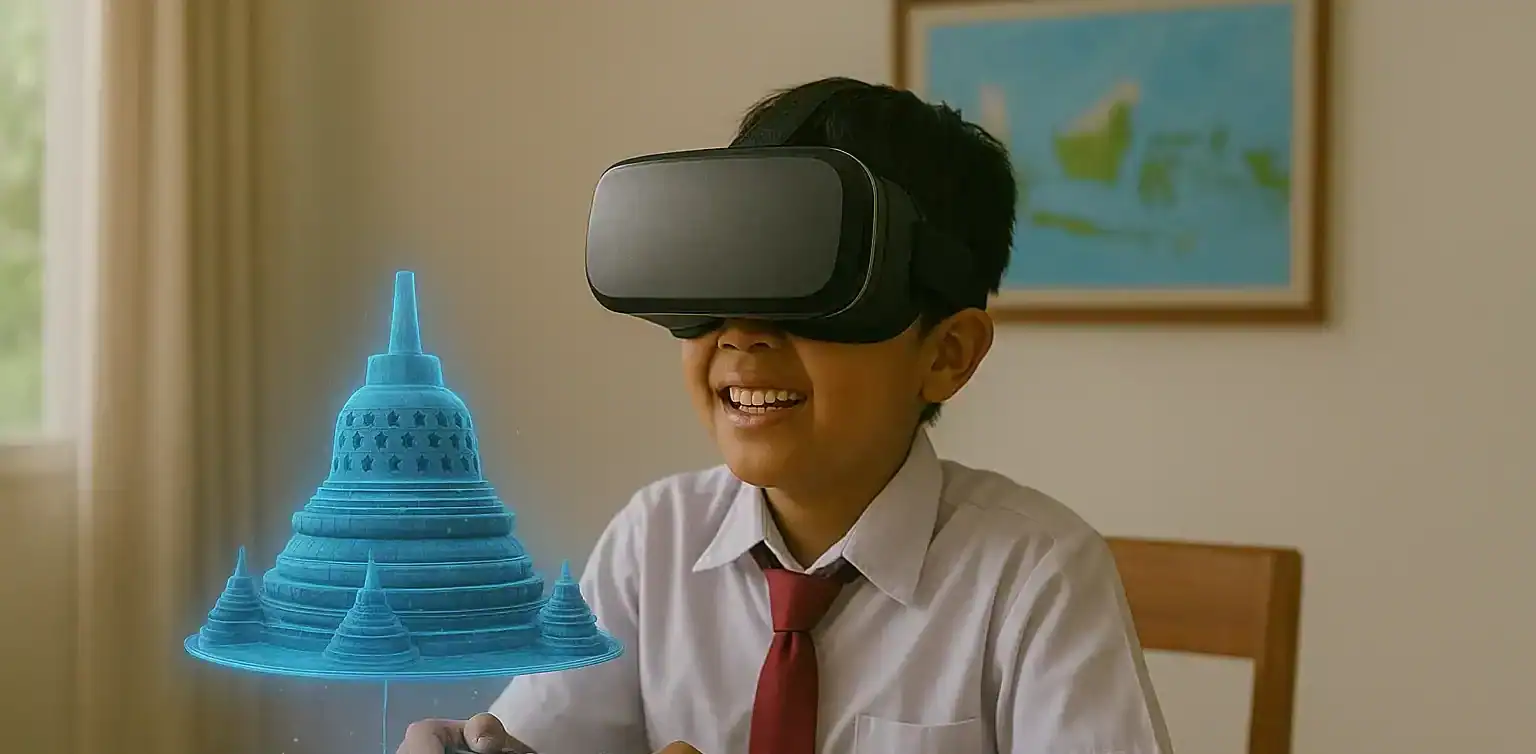
STEM education, which stands for science, technology, engineering, and mathematics, has long been recognized as a critical foundation for preparing children to thrive in a technology-driven world. However, it is no longer just about learning formulas or solving problems. The landscape of learning is changing quickly, and parents need to stay informed about where education is headed.

This article explores the future trends in STEM education that are shaping how children learn and develop key skills. From coding in early grades to interdisciplinary learning, parents today play a bigger role than ever in guiding and supporting their child’s STEM journey.

Personalized and Adaptive Learning
future trends in stem education

One of the most significant future trends in STEM education is the use of personalized learning platforms. These platforms adjust the pace and content based on the learner’s needs. Instead of using a one-size-fits-all approach, students receive lessons that match their ability level and learning style.

This makes STEM subjects more accessible for children who may struggle in a traditional classroom. With adaptive tools, children can explore challenging topics like algebra or coding in ways that feel engaging rather than overwhelming.

Emphasis on Real-World Problem Solving

STEM education is moving beyond theory to practice. Schools are encouraging students to solve real-world problems, whether it’s designing a water filtration system or programming a simple app. This trend helps children see the connection between what they learn in class and how it applies to the world around them.

By focusing on real-life applications, children develop a deeper understanding of STEM concepts. They also build critical thinking, teamwork, and communication skills, which are just as important as technical knowledge.

Coding as a Core Skill

Coding is no longer seen as an optional extracurricular activity. It is becoming a core part of the curriculum in many schools around the world. Understanding the basics of coding helps children become not just consumers of technology but also creators.

Among the future trends in STEM education, coding stands out because it blends creativity with logic. From block-based languages like Scratch to more advanced tools like Python, students are learning how to build games, automate tasks, and solve digital challenges.

Integration of AI and Emerging Technologies

Artificial intelligence is also making its way into STEM classrooms. AI-powered platforms can offer instant feedback, personalize learning paths, and even simulate experiments in virtual labs. Students are also being introduced to how AI works, not just how to use it.

This exposure prepares children for a future where technology will continue to evolve rapidly. Understanding emerging technologies is becoming as important as understanding basic math or science.

Focus on Interdisciplinary Learning

In the future, STEM will not be taught in isolation. Interdisciplinary learning, often referred to as STEAM when incorporating the arts, is gaining popularity. Projects may combine coding with storytelling or physics with design.

This shift reflects how the real world works, where innovation often happens at the intersection of multiple disciplines. For parents, encouraging children to explore connections between subjects helps them develop more holistic thinking.

More Hands-On, Project-Based Learning

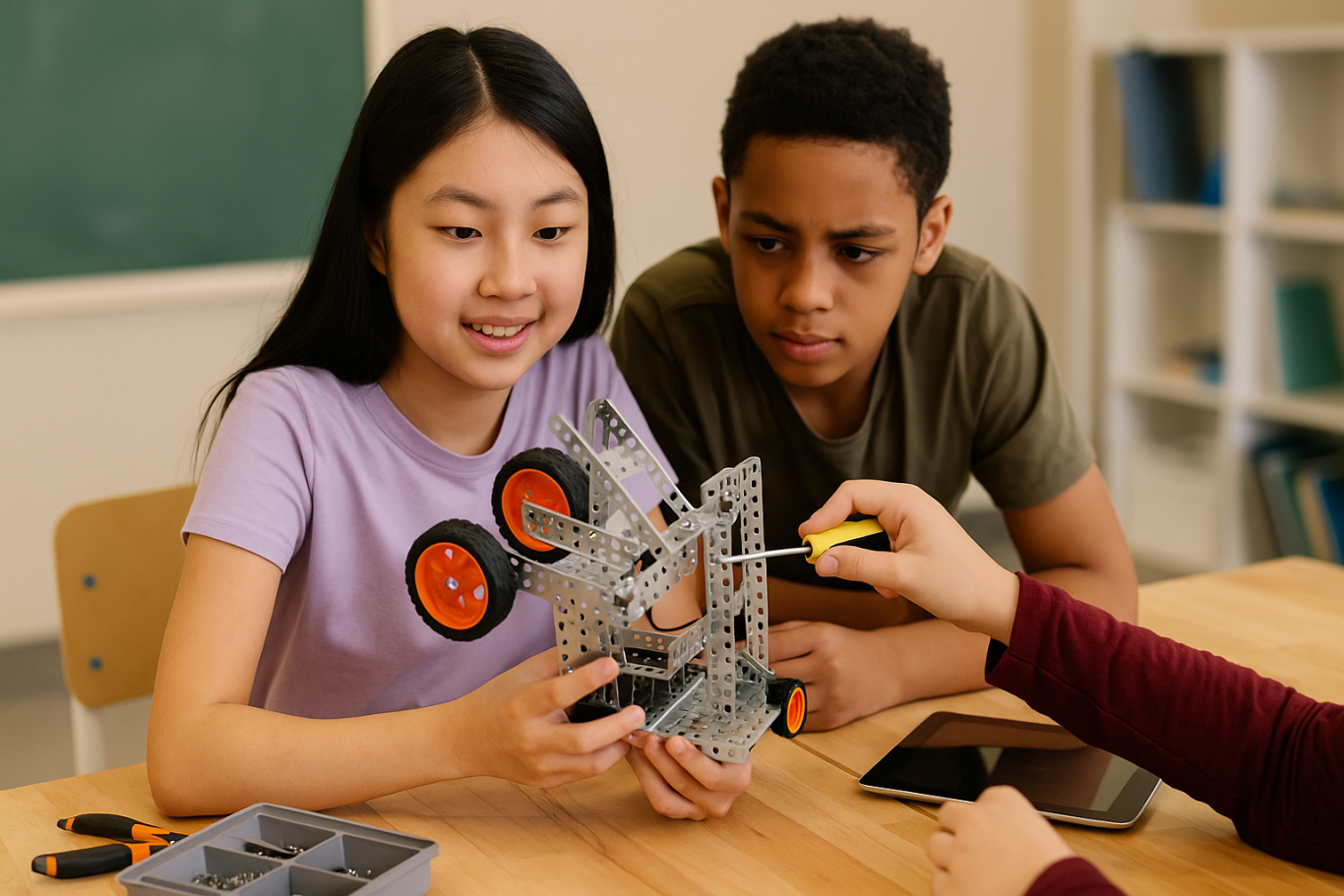
Another one of the key future trends in STEM education is project-based learning. Children are no longer just reading textbooks or memorizing facts. They are building, testing, and iterating on their own designs. From robotics kits to 3D printing, students now learn through experimentation.

Hands-on learning encourages trial and error and allows children to develop resilience. When a project fails, they learn to adapt and try new solutions, which is a critical skill in any STEM career path.

Increased Access Through Online Platforms

Online learning has become more refined and accessible. High-quality STEM content is now available to students from various backgrounds, often at low or no cost. This trend is helping to reduce gaps in education and allow more children to engage with STEM early on.

Parents can use these resources to support their child’s learning from home. Platforms like Timedoor Academy offer structured online courses in coding, robotics, and math that are designed for children and flexible for families.

Equity and Inclusion in STEM

There is growing awareness about the need for more diverse representation in STEM fields. Future trends in STEM education will continue to emphasize equity by making sure girls, underrepresented groups, and students with different learning needs have equal opportunities to thrive.

This includes inclusive teaching materials, diverse role models, and support systems that encourage every child to explore their interests in STEM regardless of background.

What This Means for Parents

Staying informed about the future trends in STEM education helps parents make better decisions about their child’s learning path. Whether through after-school programs, online courses, or simple encouragement at home, parents play a crucial role in nurturing a STEM mindset.

Understanding these trends also helps parents advocate for improved STEM education at school. By recognizing the direction education is heading, families can help children develop both the curiosity and confidence needed to succeed.

Explore STEM Learning at Home with Timedoor Academy

If you want your child to experience hands-on, future-ready STEM learning, Timedoor Academy offers interactive online courses in coding, robotics, and digital skills. Designed with young learners in mind, these programs build creativity, logic, and confidence.

Ingin tahu detail program? Image

Ingin tahu detail program?

Try a free class today and help your child stay ahead of the curve by exploring the future trends in STEM education in a fun and engaging way.


Keep Reading

5 Must-Try Eid al Adha Food Recipes for a Delicious Family Celebration
Eid al-Adha is always associated with moments of togetherness and the tradition of sharing sacrificial meat. One of the best ways to celebrate this special day is by serving delicious homemade dishes for your loved ones. That’s why many people look for Eid al Adha food recipes that are unique, tasty, and different from previous years. This time, we’re sharing five Eid al Adha food recipes you can try at home. These recipes are not only practical and delicious, but they are also perfect for enjoying with the whole family. By using the sacrificial meat, you can explore a variety of Indonesian dishes that are rich in flavor and tradition. 1. Lamb Satay with Peanut Sauce Lamb satay is one of the most popular Eid al Adha food recipes and is always highly anticipated. Tender chunks of lamb, paired with a savory peanut sauce, create a taste that’s truly unforgettable. Ingredients: 500 grams lamb, cut into cubes 10 satay skewers 3 tablespoons sweet soy sauce 1 tablespoon cooking oil Peanut Sauce: 100 grams fried peanuts, ground 2 cloves garlic 2 large red chilies 3 tablespoons tamarind water Salt and sugar to taste How to make: Marinate the lamb with soy sauce and oil, let it sit for 30 minutes. Blend the peanut sauce ingredients, sauté until fragrant, then add tamarind water, salt, and sugar. Skewer the lamb and grill until cooked through. Serve with peanut sauce and fried shallots. 2. Special Beef Curry (Gulai Sapi) Beef curry is always a top choice among Eid al Adha food recipes. The rich yellow broth and tender beef are simply irresistible. Ingredients: 500 grams beef, cut as desired 500 ml coconut milk 1 stalk lemongrass 2 bay leaves Blended spices: 6 shallots 4 garlic cloves 2 cm ginger, turmeric, galangal 5 candlenuts 5 red chilies How to make: Sauté the blended spices, lemongrass, and bay leaves until fragrant. Add the beef, mix well. Pour in the coconut milk and simmer over low heat until the meat is tender and the broth thickens. Serve hot. 3. Sweet and Spicy Lamb Stew (Tongseng) Tongseng lamb is a wonderful alternative among Eid al Adha food recipes, especially if you love a soupy dish that’s rich in flavor. Ingredients: 400 grams lamb 1/2 small cabbage, roughly sliced 2 tomatoes 5 shallots, 3 garlic cloves 3 bird’s eye chilies (or to taste) 2 kaffir lime leaves, 1 stalk lemongrass How to make: Sauté shallots, garlic, and chilies until fragrant. Add the lamb, stir until the color changes. Add kaffir lime leaves, lemongrass, and tomatoes. Add cabbage and enough water. Cook until the meat and cabbage are tender. 4. Fresh Beef Soup Beef soup is a great Eid al Adha food recipe for children or elders because of its tender texture and refreshing broth. Ingredients: 500 grams beef, cut into small pieces 2 carrots, sliced 2 potatoes, diced 1 stalk each of scallion and celery 1 tomato How to make: Boil the beef until tender, remove the foam. Add carrots, potatoes, and other seasonings. Once everything is soft, add scallion, celery, and tomato. Serve the soup hot. 5. Purwakarta-style Maranggi Satay If you want to try something different among Eid al Adha food recipes, maranggi satay is a great choice. The combination of beef and special seasonings makes this satay a family favorite. Ingredients: 500 grams beef, cubed 2 tablespoons sweet soy sauce 1 tablespoon lime juice 1 tablespoon ground coriander How to make: Marinate the beef with soy sauce, lime juice, and coriander for 1 hour. Skewer the beef and grill over charcoal until cooked. Serve with spicy sambal or pickles. Tips for Cooking Tender Sacrificial Meat To make the most out of your Eid al Adha food recipes, here are a few simple tips for cooking meat: Cut the meat against the grain so it becomes more tender when cooked. Use grated pineapple or wrap the meat in papaya leaves during marination to soften it. Cook on low heat to let the spices soak in thoroughly. Making Eid al Adha More Meaningful and Educational Eid al Adha is not just about enjoying a variety of Eid al Adha food recipes with your family. It is also the perfect time to teach values of togetherness, sharing, and creativity to your children. Get them involved in the kitchen, let them help prepare ingredients, and introduce them to traditional Indonesian cuisine. Aside from cooking, family time like this can also be a great opportunity to introduce new skills to your children, such as learning to code. Coding encourages logical and creative thinking, which is highly valuable in today’s digital era. If you want your child to grow and thrive in the digital world, feel free to try the free trial coding class at Timedoor Academy. Make your family moments even more exciting, meaningful, and full of inspiration!
The Importance of Soft Skills for Elementary School Kids
In today’s digital era, academic intelligence is no longer the only key to success. Soft skills are increasingly recognized as essential in building confidence, shaping character, and preparing children for global challenges. Among the many valuable soft skills to develop early on, one stands out as especially impactful: Skill Public Speaking. As parents, we naturally want our children to grow into confident individuals who can express themselves clearly. Public speaking is not just about standing on a stage and speaking to an audience. It is about communicating ideas with clarity, conviction, and confidence. This ability becomes a strong foundation for children in both their academic and social lives. Why Soft Skills Matter for Elementary School Kids During the elementary school years, children are at a stage of rapid cognitive and emotional development. They are learning to understand themselves, relate to others, and form habits that will carry into adulthood. Soft skills such as communication, empathy, leadership, and teamwork help children adapt more effectively to various situations. Among these, Skill Public Speaking plays a crucial role. The ability to speak clearly and confidently can help children in school presentations, competitions, and even everyday interactions with peers. More importantly, it trains them to listen to their audience, manage nervousness, and deliver messages in a structured way. Benefits of Developing Skill Public Speaking Early Boosting Confidence Children who regularly practice speaking in front of others gain more confidence in expressing their opinions. This confidence benefits them not only in school but also in everyday life. Encouraging Structured Thinking When preparing a presentation, children learn to organize their ideas systematically. This process sharpens their critical and analytical thinking skills. Improving Social Abilities Skill Public Speaking teaches children to maintain eye contact, observe audience reactions, and engage effectively with others. These habits strengthen their empathy and social connections. Preparing for the Future Strong communication skills are highly valued in higher education and the professional world. By learning public speaking in elementary school, children gain a long-lasting competitive advantage. The Role of Parents in Supporting Their Children Parents play a significant role in encouraging children to practice speaking confidently. Supportive gestures such as giving praise, providing opportunities to perform, and creating a safe environment free from harsh criticism help children feel more comfortable. Simple activities, like letting a child tell stories to the family, read aloud, or present a project, are excellent starting points. Parents can also guide their children toward structured learning programs. These programs not only teach techniques for effective Skill Public Speaking, but also help children manage nervousness, choose their words carefully, and engage with different audiences. How Timedoor Academy Supports Children Timedoor Academy recognizes the importance of developing soft skills at an early age. Through a well-designed curriculum, children can learn Skill Public Speaking in a fun and interactive environment. Experienced tutors provide guidance that helps students improve their speaking ability while also building self-confidence. Each session is designed to actively involve students, ensuring they not only learn the theory but also practice directly. Whether through presentations, role-plays, or group discussions, children gain valuable experience that prepares them for both academic and real-life situations. By practicing regularly in a safe and supportive environment, children gradually overcome their fears and discover the joy of expressing themselves clearly. This approach builds resilience and prepares them for greater challenges ahead. Building a Future-Ready Generation Soft skills are as important as academic abilities in preparing children for success. With Skill Public Speaking, children become more confident, thoughtful, and ready to engage in today’s dynamic world. The earlier they begin practicing these skills, the greater the positive impact on their development. For parents, investing in their child’s soft skills is a meaningful step toward long-term growth. With the right encouragement and proper guidance, children can grow not only academically strong but also emotionally resilient and socially capable. Ready to Support Your Child? If you want your child to grow into a confident individual who is ready to face future challenges, Timedoor Academy is here to help. Enroll them in a free trial program and let them experience the excitement of learning Skill Public Speaking in a fun, interactive, and supportive environment. Through this program, your child will discover new ways to express themselves while preparing to become part of a strong and capable future generation.
Anak BeLajar coding di Rumah
DIY Coding Projects You Can Do with Your Kids at Home – Fun & Creative Learning Together!
If your kids are fascinated by the world of technology, they’ll be excited to explore coding and create something they can interact with. And guess what? Coding isn’t as intimidating as it may seem! It’s a fun and educational learning experience that both you and your kids can enjoy together. At Timedoor Academy, we believe in the power of hands-on learning. DIY coding projects not only teach kids essential coding skills but also spark creativity, problem-solving, and teamwork. Why not dive into the world of coding and engage your child in exciting learning activities today? To get started, we’ve compiled a list of fun coding activities that are perfect for kids aged 6 to 12. Let’s make learning and coding an adventure right at home! 1. Create a Simple Animation Using Scratch Learning by Coding Scratch is a beginner-friendly visual programming language that allows kids to create their own stories, games, and animations. This coding tool uses blocks of code that kids can drag and drop, making it easy to build interactive projects. Project Idea: • Create a simple animation where characters move across the screen or interact with one another. For example, you can create a story where a cat talks to a dog, or have a dancing sprite! Why It’s Great? • Scratch teaches kids basic concepts like sequencing, loops, and event handling. Plus, it’s a fun way to let their imagination run wild! 2. Build Your Own Interactive Coding Website with HTML & CSS Learning Want to introduce your child to the world of web development? Start with the basics of HTML (the structure of websites) and CSS (the styling). These simple tools lay the foundation for most websites and are an excellent way to teach coding while building something tangible. Project Idea: • Help your child design their first interactive website—perhaps a personal homepage, a family blog, or a site about their favorite hobbies. Add fun elements like color changes, buttons, and images to make it unique! Why It’s Great? • HTML and CSS are easy to learn and give kids a sense of accomplishment once they see their website live. It’s also a practical skill that could inspire future web development projects. 3. Create a Virtual Pet Game with Scratch or Python Coding Learning For a more advanced project, you can introduce your child to a text-based or graphical game. You can either start with Scratch for a simpler, drag-and-drop experience or move to Python for a more detailed, code-based game. Project Idea: • Make a simple virtual pet game where players can feed, play with, and take care of their pet. The game could involve a timer for pet care and scoring points for actions completed correctly. Why It’s Great? • This project teaches game design, logic, and conditionals (e.g., “If you feed the pet, it gets happier”). It’s a perfect introduction to more complex programming concepts, all while having fun creating a game! 4. Make a Digital Art Project by Coding with Tynker Learning Tynker is another great coding platform that teaches kids how to code using fun, interactive lessons. It’s perfect for visual learners and offers a wide range of activities, including digital art creation. Project Idea: • Use Tynker to create your own digital drawing or animation. You can have your child make a picture come to life by using basic coding blocks to animate shapes or objects. Why It’s Great? • Tynker makes learning coding feel like a creative art project. It’s also a wonderful way for children to combine their interest in drawing with coding! 5. Make a DIY Robot with Coding Kits Learning If you have access to coding kits such as LEGO Mindstorms, LittleBits, or other programmable robotics kits, this is a fantastic hands-on project to get kids into coding. Project Idea: • Build and program a robot that can move, detect objects, or follow simple commands. You can even create a challenge where the robot has to navigate a maze or complete a task, like picking up small objects. Why It’s Great? • Robotics introduces kids to both hardware and software, bridging the gap between the physical and digital worlds. It encourages problem-solving, critical thinking, and teamwork. 6. Create a Music Maker with Coding Learning If your child loves music, why not combine it with coding? There are several tools and platforms that allow kids to make music through programming. Project Idea: • Help your child create a simple music generator where different sounds or beats are played based on certain inputs. Platforms like Sonic Pi let kids create music with code, and they can even create rhythms and melodies! Why It’s Great? • This project combines creativity with coding and gives kids a fun way to engage with both music and technology. 7. Design a Choose-Your-Own-Adventure Story by Coding Learning A fun way to learn coding is by creating an interactive story, like a “Choose Your Own Adventure” game. You can use simple platforms like Twine, which allows kids to write stories with code-based choices. Project Idea: • Write an interactive story where the reader can make choices, and each choice leads to different outcomes. For example, “Should the character go left or right?” The story branches out from there! Why It’s Great? • This teaches kids logic, sequencing, and how their decisions in coding can affect the outcome. Plus, it’s a great way for kids to practice their writing and storytelling skills. Coding is Fun and Rewarding Learning! At Timedoor Academy, we believe that learning to code is not only about the technical skills—it’s also about sparking curiosity, creativity, and critical thinking. By taking on these DIY coding projects, you’ll not only teach your child valuable programming skills but also bond through shared, creative experiences. So, gather your tools, start coding, and most importantly, have fun with your child! Remember, the best way to learn is by doing—and what better way to learn together than through fun, hands-on projects? Ready to dive deeper into coding learning? Join one of Timedoor Academy's online coding classes and support your child's learning journey in a structured, fun and supportive environment. We offer a Free Trial to provide a no-cost first learning experience, so your child can try our classes before deciding to continue.  Our courses are designed to help children develop their coding skills while still enjoying every step of the way. Visit our website for more information here!
float button