Apr 30, 2025

Future Trends in STEM Education: What Parents Need to Know In 2025

Future Trends in STEM Education: What Parents Need to Know In 2025 image

STEM education, which stands for science, technology, engineering, and mathematics, has long been recognized as a critical foundation for preparing children to thrive in a technology-driven world. However, it is no longer just about learning formulas or solving problems. The landscape of learning is changing quickly, and parents need to stay informed about where education is headed.

This article explores the future trends in STEM education that are shaping how children learn and develop key skills. From coding in early grades to interdisciplinary learning, parents today play a bigger role than ever in guiding and supporting their child’s STEM journey.

Personalized and Adaptive Learning
future trends in stem education

One of the most significant future trends in STEM education is the use of personalized learning platforms. These platforms adjust the pace and content based on the learner’s needs. Instead of using a one-size-fits-all approach, students receive lessons that match their ability level and learning style.

This makes STEM subjects more accessible for children who may struggle in a traditional classroom. With adaptive tools, children can explore challenging topics like algebra or coding in ways that feel engaging rather than overwhelming.

Emphasis on Real-World Problem Solving

STEM education is moving beyond theory to practice. Schools are encouraging students to solve real-world problems, whether it’s designing a water filtration system or programming a simple app. This trend helps children see the connection between what they learn in class and how it applies to the world around them.

By focusing on real-life applications, children develop a deeper understanding of STEM concepts. They also build critical thinking, teamwork, and communication skills, which are just as important as technical knowledge.

Coding as a Core Skill

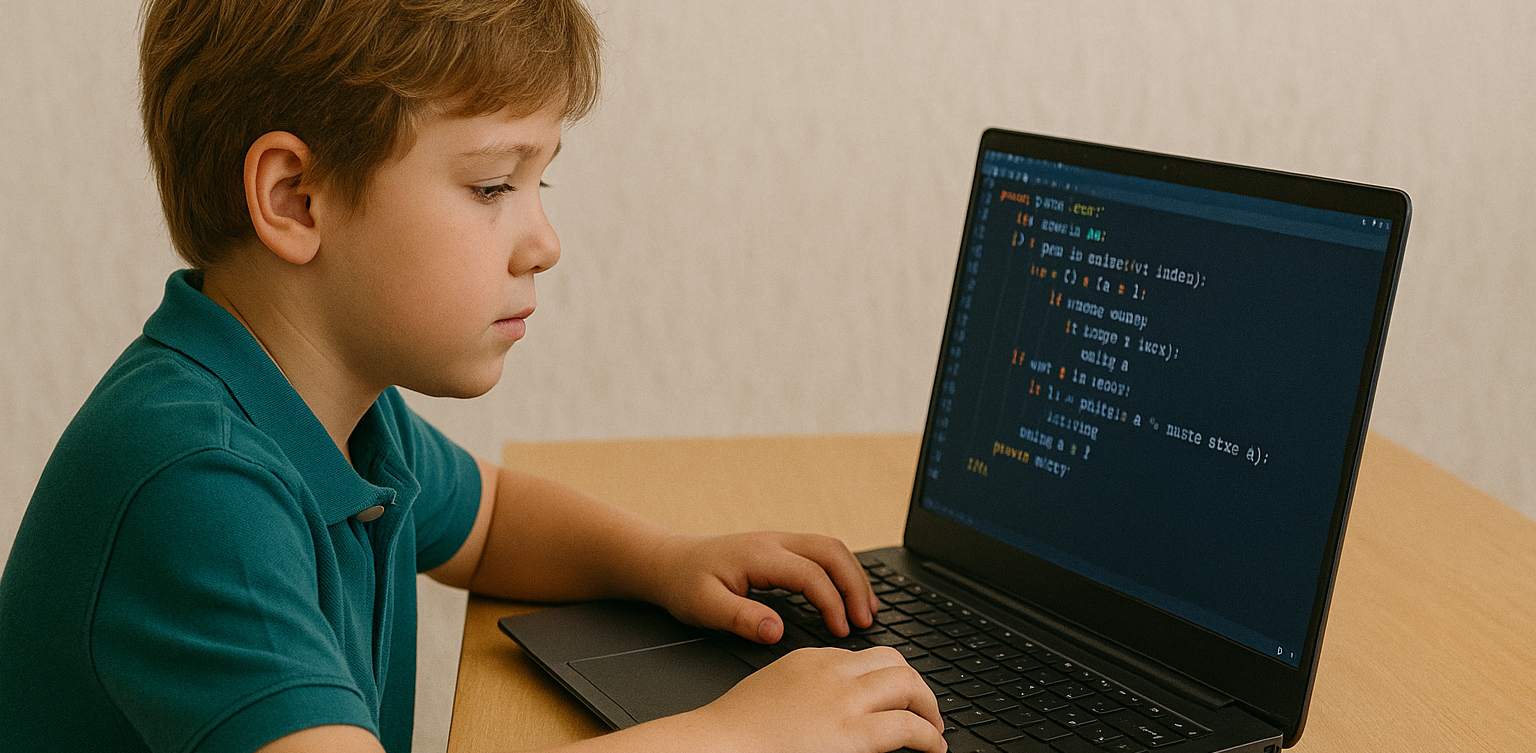
Coding is no longer seen as an optional extracurricular activity. It is becoming a core part of the curriculum in many schools around the world. Understanding the basics of coding helps children become not just consumers of technology but also creators.

Among the future trends in STEM education, coding stands out because it blends creativity with logic. From block-based languages like Scratch to more advanced tools like Python, students are learning how to build games, automate tasks, and solve digital challenges.

Integration of AI and Emerging Technologies

Artificial intelligence is also making its way into STEM classrooms. AI-powered platforms can offer instant feedback, personalize learning paths, and even simulate experiments in virtual labs. Students are also being introduced to how AI works, not just how to use it.

This exposure prepares children for a future where technology will continue to evolve rapidly. Understanding emerging technologies is becoming as important as understanding basic math or science.

Focus on Interdisciplinary Learning

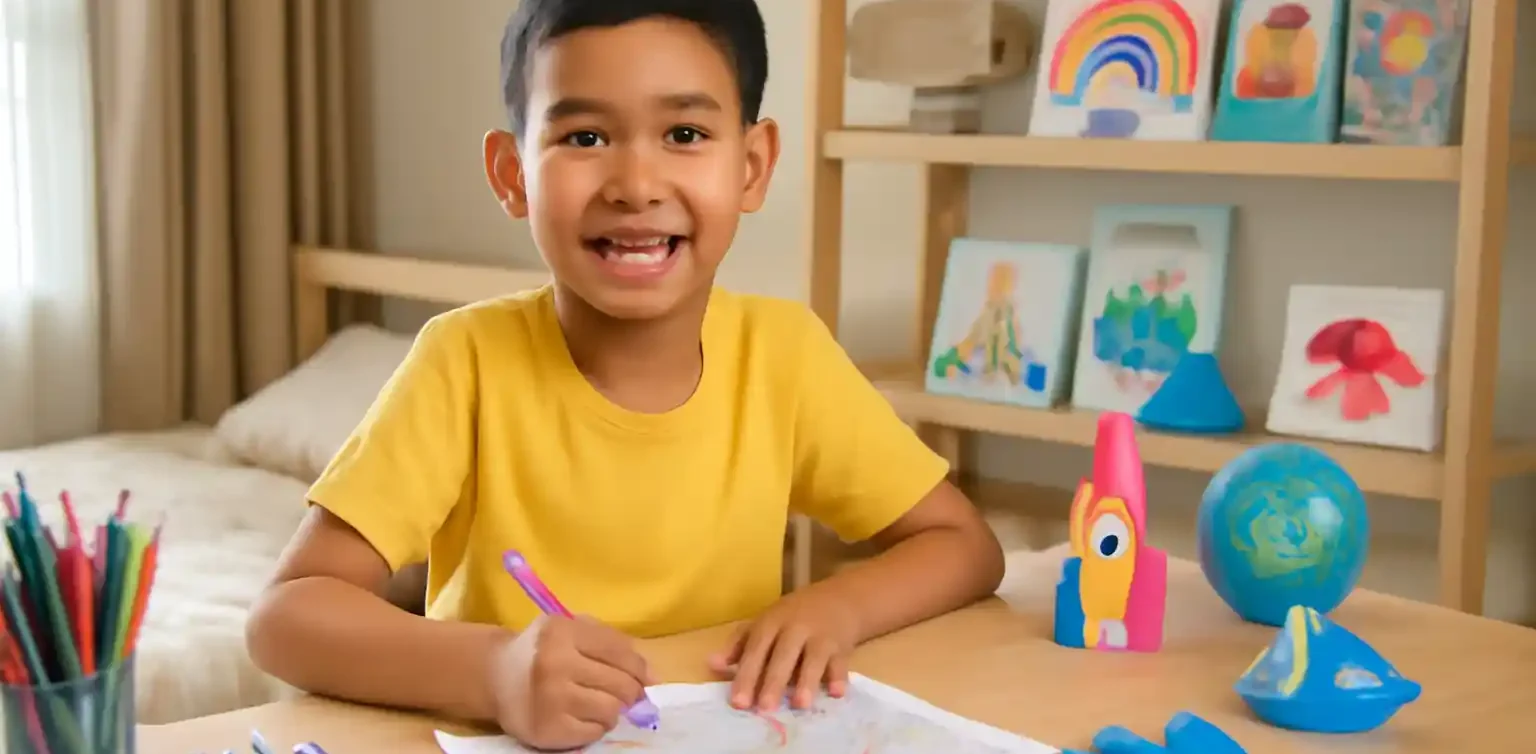
In the future, STEM will not be taught in isolation. Interdisciplinary learning, often referred to as STEAM when incorporating the arts, is gaining popularity. Projects may combine coding with storytelling or physics with design.

This shift reflects how the real world works, where innovation often happens at the intersection of multiple disciplines. For parents, encouraging children to explore connections between subjects helps them develop more holistic thinking.

More Hands-On, Project-Based Learning

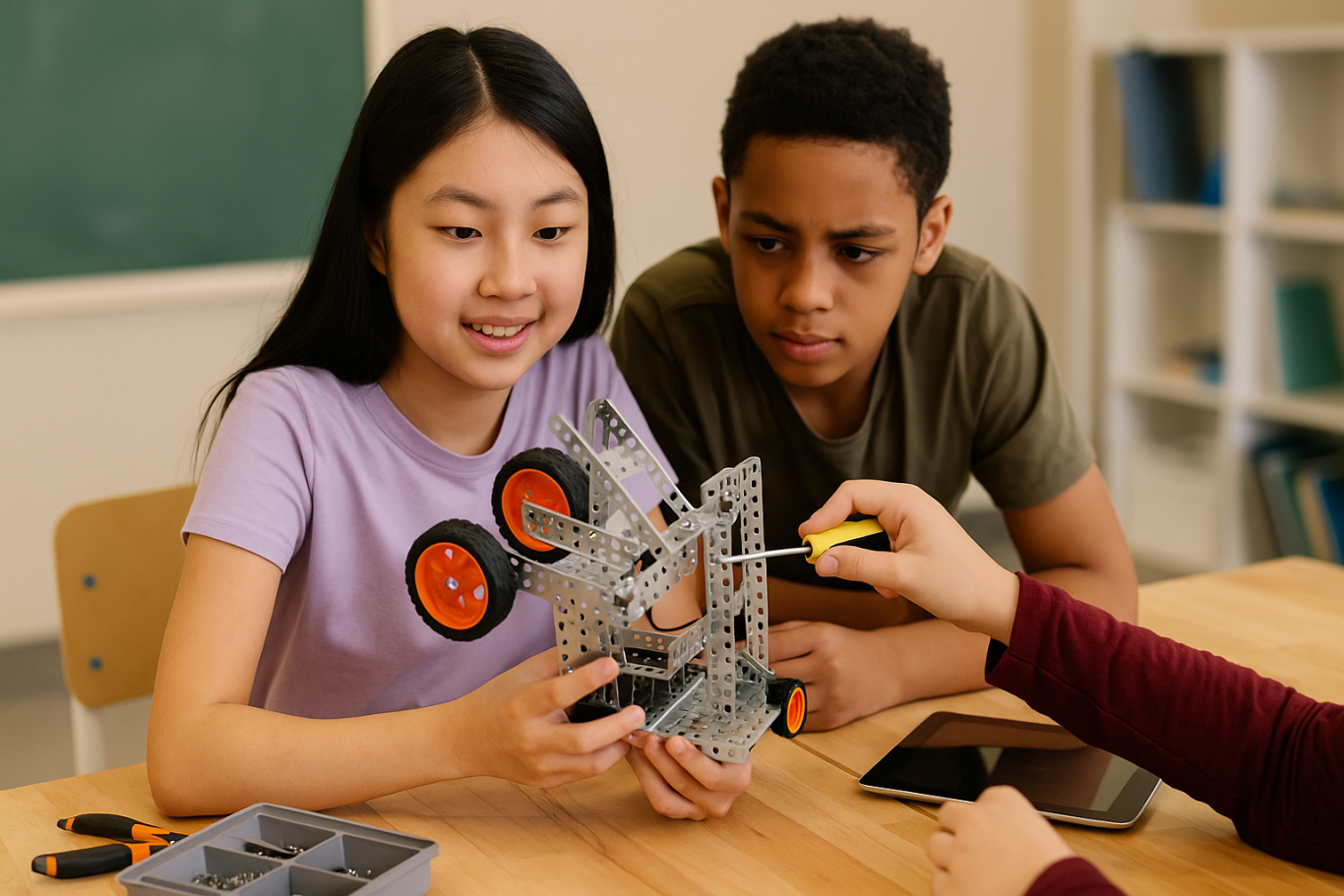
Another one of the key future trends in STEM education is project-based learning. Children are no longer just reading textbooks or memorizing facts. They are building, testing, and iterating on their own designs. From robotics kits to 3D printing, students now learn through experimentation.

Hands-on learning encourages trial and error and allows children to develop resilience. When a project fails, they learn to adapt and try new solutions, which is a critical skill in any STEM career path.

Increased Access Through Online Platforms

Online learning has become more refined and accessible. High-quality STEM content is now available to students from various backgrounds, often at low or no cost. This trend is helping to reduce gaps in education and allow more children to engage with STEM early on.

Parents can use these resources to support their child’s learning from home. Platforms like Timedoor Academy offer structured online courses in coding, robotics, and math that are designed for children and flexible for families.

Equity and Inclusion in STEM

There is growing awareness about the need for more diverse representation in STEM fields. Future trends in STEM education will continue to emphasize equity by making sure girls, underrepresented groups, and students with different learning needs have equal opportunities to thrive.

This includes inclusive teaching materials, diverse role models, and support systems that encourage every child to explore their interests in STEM regardless of background.

What This Means for Parents

Staying informed about the future trends in STEM education helps parents make better decisions about their child’s learning path. Whether through after-school programs, online courses, or simple encouragement at home, parents play a crucial role in nurturing a STEM mindset.

Understanding these trends also helps parents advocate for improved STEM education at school. By recognizing the direction education is heading, families can help children develop both the curiosity and confidence needed to succeed.

Explore STEM Learning at Home with Timedoor Academy

If you want your child to experience hands-on, future-ready STEM learning, Timedoor Academy offers interactive online courses in coding, robotics, and digital skills. Designed with young learners in mind, these programs build creativity, logic, and confidence.

Ingin tahu detail program? Image

Ingin tahu detail program?

Try a free class today and help your child stay ahead of the curve by exploring the future trends in STEM education in a fun and engaging way.

Keep Reading

Coding Is the Future: 7 Powerful Reasons Why Parents Should Care
In today’s rapidly evolving digital era, coding in future education has become one of the most essential topics for parents and educators alike. The world is shifting toward automation, artificial intelligence, and digital creativity, making coding not just a technical skill but a fundamental form of literacy. Teaching children how to code is no longer an extra activity; it is a preparation for a successful and meaningful future. As technology transforms every aspect of life, understanding coding in future education allows parents to help their children build problem-solving abilities, logical thinking, and creativity. From designing apps to exploring robotics, learning to code opens up unlimited possibilities for young minds to express themselves and thrive in a technology-driven world. 1. Preparing Children for Tomorrow’s Jobs The global job market is changing rapidly. Many future careers will depend on digital skills, especially programming. Professions that require coding expertise are expanding across industries, from healthcare and finance to entertainment and education. Introducing coding in future education ensures that children are prepared to compete in a world where technology leads innovation. By learning coding early, children gain a strong foundation that can open the door to careers in software development, engineering, data science, and even digital entrepreneurship. Parents who encourage this learning give their children a head start in an increasingly competitive environment. 2. Strengthening Problem-Solving and Logical Thinking Coding teaches children how to think, not just what to think. When children write code, they learn to break big problems into smaller, manageable steps. This logical structure encourages analytical thinking that can be applied not only in academics but also in daily life. Integrating coding in future education also helps children develop patience and persistence. When faced with an error or “bug,” they learn the value of testing, refining, and improving, a mindset that nurtures resilience and growth. 3. Encouraging Creativity Through Technology Creativity and technology are no longer separate worlds. Through coding in future education, children can transform their imagination into reality by designing games, creating websites, or developing digital art. Coding gives them the tools to bring their ideas to life, combining creativity with critical thinking. This creative expression builds confidence and allows children to see technology as more than just entertainment, it becomes a platform for innovation and self-expression. 4. Supporting Academic Growth and Future Readiness Studies show that children who learn coding often perform better in math, science, and language subjects. The logical and structured way of thinking developed through coding enhances academic skills across disciplines. By prioritizing coding in future education, schools can create an environment where students not only consume technology but also understand how it works. In the long run, this helps prepare students for advanced studies in computer science, engineering, and other STEM-related fields, ensuring they stay ahead in an ever-changing digital society. 5. Promoting Responsible Digital Citizenship As children spend more time online, understanding how technology works also helps them navigate it responsibly. Incorporating coding in future education fosters awareness about digital ethics, online privacy, and cybersecurity. Children who learn coding are more likely to use the internet wisely, respect digital boundaries, and contribute positively to the online world. This balance of technical skill and moral awareness is crucial for raising responsible digital citizens. 6. Empowering Collaboration and Teamwork Coding is not a solitary skill, it often involves teamwork and communication. Many modern coding projects require collaboration, idea sharing, and collective problem-solving. By engaging in coding in future education, children learn how to work effectively with others, value different perspectives, and contribute to group success. These interpersonal skills are highly valued in every profession, preparing children not only to excel individually but also to thrive in team-oriented environments. 7. Opening a Path to Innovation and Lifelong Learning The world of technology never stops evolving. By embracing coding in future education, children develop a lifelong learning mindset that keeps them adaptable and open to change. They learn how to explore new tools, experiment with emerging technologies, and think critically about how digital solutions can improve the world around them. This mindset of curiosity and innovation ensures that they are not left behind but rather lead the way in shaping the future. How Timedoor Academy Brings the Future Closer Timedoor Academy believes that every child has the potential to become a creator of technology, not just a user. Through structured learning programs, students explore coding, robotics, and digital creativity in a supportive and engaging environment. By integrating coding in future education into each lesson, Timedoor Academy ensures that children not only gain technical skills but also learn values such as responsibility, teamwork, and innovation. With guidance from professional mentors, every child is encouraged to build confidence, curiosity, and a growth mindset that will serve them in every aspect of life. Take the First Step Today Technology shapes the future, and your child can be part of it.Help your child begin their journey in coding in future education by joining a free trial class at Timedoor Academy today. Discover how our expert mentors can inspire your child to explore, create, and grow in a safe and encouraging environment. Let your child not just use technology, but understand and build it.
<strong>Age Limit for Children Using Gadgets: When Is the Right Time?</strong>
Age Limit for Children Using Gadgets: When Is the Right Time?
In today's digital age, gadgets have become an inseparable part of daily life. Children are increasingly exposed to smartphones, tablets, and laptops from a very young age. This growing trend raises a crucial question for parents: what is the ideal age limit for children using gadgets? This question does not have a one-size-fits-all answer, as every child develops at their own pace. However, understanding the basic principles of when and how children should be introduced to gadgets is essential for developing healthy digital habits. Why Setting an Age Limit Matters Research shows that excessive gadget use at an early age, especially without supervision, can negatively affect a child’s cognitive, emotional, and social development. Therefore, setting an age limit for children using gadgets is not about banning technology entirely. Rather, it’s about protecting children and guiding them during their growth years. Children who spend too much time on gadgets may experience sleep disturbances, delayed speech development, or even early signs of screen addiction. That’s why it’s important for parents to know the right time to introduce gadgets and how to direct their usage in a positive way. Expert Recommendations Child development organizations such as the American Academy of Pediatrics (AAP) offer clear guidelines on the age limit for children using gadgets: 0–18 months: Avoid screen exposure except for video calls with family members. 18–24 months: If introducing gadgets, ensure the content is high-quality and that parents are present to assist and explain. 2–5 years: Limit screen time to one hour per day, focused on educational content. 6 years and older: Begin to teach children about screen time boundaries, digital responsibility, and the importance of physical activity. These recommendations can serve as a helpful starting point for parents to develop digital guidelines at home. When Is a Child Ready for Their Own Gadget? Beyond the question of screen time, many parents also wonder when it’s appropriate for children to have their own gadget. This goes beyond just age. The age limit for children using gadgets should take into account emotional maturity and responsibility. Here are a few things to consider before handing over a personal device: Has your child demonstrated a clear understanding of rules and limits? Can your child take care of their belongings responsibly? Does your child use digital tools for learning or productive activities? If your answers are mostly yes, it may be time to consider allowing a child to own a device, provided you set clear boundaries and maintain active supervision. The Role of Parents in Digital Guidance Establishing the age limit for children using gadgets is only effective if parents are actively involved in the process. It’s not just about creating rules. Parents should model good behavior by managing their own screen time and encouraging healthy tech habits. Use this opportunity to teach your children about digital literacy, including internet safety, online etiquette, and the importance of taking regular screen breaks. Additionally, promote offline activities like reading, outdoor play, and creative hobbies to create a more balanced lifestyle. Using Gadgets for Positive Purposes Gadgets are not inherently bad. When used properly, they can be powerful tools for learning and creativity. There are numerous educational platforms and apps designed specifically to enhance children’s knowledge and skills. That’s why the age limit for children using gadgets should be complemented by introducing them to productive tech-based activities like learning coding, animation, or basic digital design. When children use gadgets to create and explore, they develop valuable 21st-century skills while staying engaged in meaningful ways. Responsible Tech Starts with Age-Appropriate Use Understanding the age limit for children using gadgets is a foundational step in fostering healthy digital habits at home. While each family’s approach may differ, the underlying principles remain the same: supervision, clear time limits, and age-appropriate content. As parents, our role is not to fear the digital world, but to prepare our children for it with wisdom, support, and education. Would you like your child to use gadgets for something truly meaningful? Sign up for a free trial at Timedoor Academy, where your child can learn coding and digital skills in a fun, structured, and educational environment.
Why Coding for Kids Is Necessary in 2025?
With the rapid growth of technology, many parents are beginning to wonder if learning to code is becoming as essential as reading or math. As we approach 2025, nearly every aspect of life is increasingly connected to the digital world. That brings up a big question for families: is coding for kids something they really need to prioritize? We all want to prepare our children for the future. In this context, coding for kids is not just about preparing them for careers in tech. It’s also about helping them build useful life skills like critical thinking, problem-solving, and digital confidence. Coding for Kids Is Not Just for Future Programmers One common misconception is that only kids who want to become programmers should learn to code. In reality, coding helps children develop logical thinking and structured problem-solving skills. When kids learn coding, they are training their brains to approach problems step by step and think clearly. These skills are useful far beyond technology. Children who think in an organized way often do better in school subjects like math and science. So when we talk about the benefits of coding for kids, we’re also talking about building stronger thinking habits for life. The Future Job Market Will Rely on Technology We may not know exactly what jobs will look like in the future. But one thing is certain—technology will be part of nearly every profession. Understanding coding for kids means giving them a foundation that allows them to adapt to change and take advantage of new opportunities. Even in creative or non-tech careers, basic digital literacy is essential. Teaching coding for kids at a young age gives them a strong foundation that can apply across a wide range of future possibilities. Coding Builds Patience and Resilience Learning to code involves lots of trial and error. Children learn how to fix problems, try again, and improve their work. These are real-life lessons in patience and resilience. Through coding for kids, they develop the ability to stay calm and focused even when things don’t work perfectly. These soft skills are just as important as academic ones. Children who code learn to accept mistakes as part of the process, and they become better problem solvers because of it. Start with Simple and Fun Activities Not every child has to start writing complex code right away. There are many playful and creative ways to introduce coding for kids, especially at early ages. It can begin with games, logic puzzles, or interactive apps that teach the basics in an enjoyable way. The key is to create positive experiences. When coding feels fun and engaging, kids are more likely to continue learning. Parents don’t need to be tech experts—they just need to be supportive and encouraging as their kids explore. Coding for Kids Doesn’t Have to Be Expensive A big myth about learning to code is that it requires expensive tools or lessons. Today, there are many online platforms that offer quality coding for kids programs at affordable prices, or even for free. Timedoor Academy, for example, provides online classes designed specifically for children, with friendly mentors and fun projects. It’s a simple and effective way to introduce kids to the world of coding from the comfort of home. Why Coding for Kids Is a Smart Investment More than a trend, coding for kids is a long-term investment in your child’s development. It strengthens both technical and personal skills. From building logic to growing confidence, the value goes far beyond the screen. As technology continues to evolve, helping kids understand it early on will empower them to not just consume digital tools, but also create and innovate with them. Make Learning to Code Fun with Timedoor Academy If you’re ready to get your child started on a fun and meaningful tech journey, Timedoor Academy offers engaging online classes tailored for kids. With hands-on projects and expert guidance, your child will learn to code in a way that is exciting and age-appropriate. Try a free class today and explore how coding for kids can open the door to a confident and creative future.
float button