Nov 07, 2025

7 Strong Steps to Prepare Your Child as a Generation of Technology Creators
7 Strong Steps to Prepare Your Child as a Generation of Technology Creators image

In today’s fast-paced digital era, understanding and creating technology has become one of the most essential skills for children. The world no longer only needs users of technology but also creators and innovators who can bring new solutions through digital creativity. That is why nurturing a generation of technology creators from an early age is a strategic step for parents and educators.

Technology is now a part of almost every aspect of human life. From communication and education to entertainment, everything relies on digital innovation. In this context, the role of technology creators becomes crucial in shaping a more advanced, creative, and sustainable future. Children who understand the fundamentals of technology from a young age will grow with stronger logical, analytical, and creative thinking skills.

1. Cultivating an Innovative Mindset from an Early Age
Generation of Technology Creators

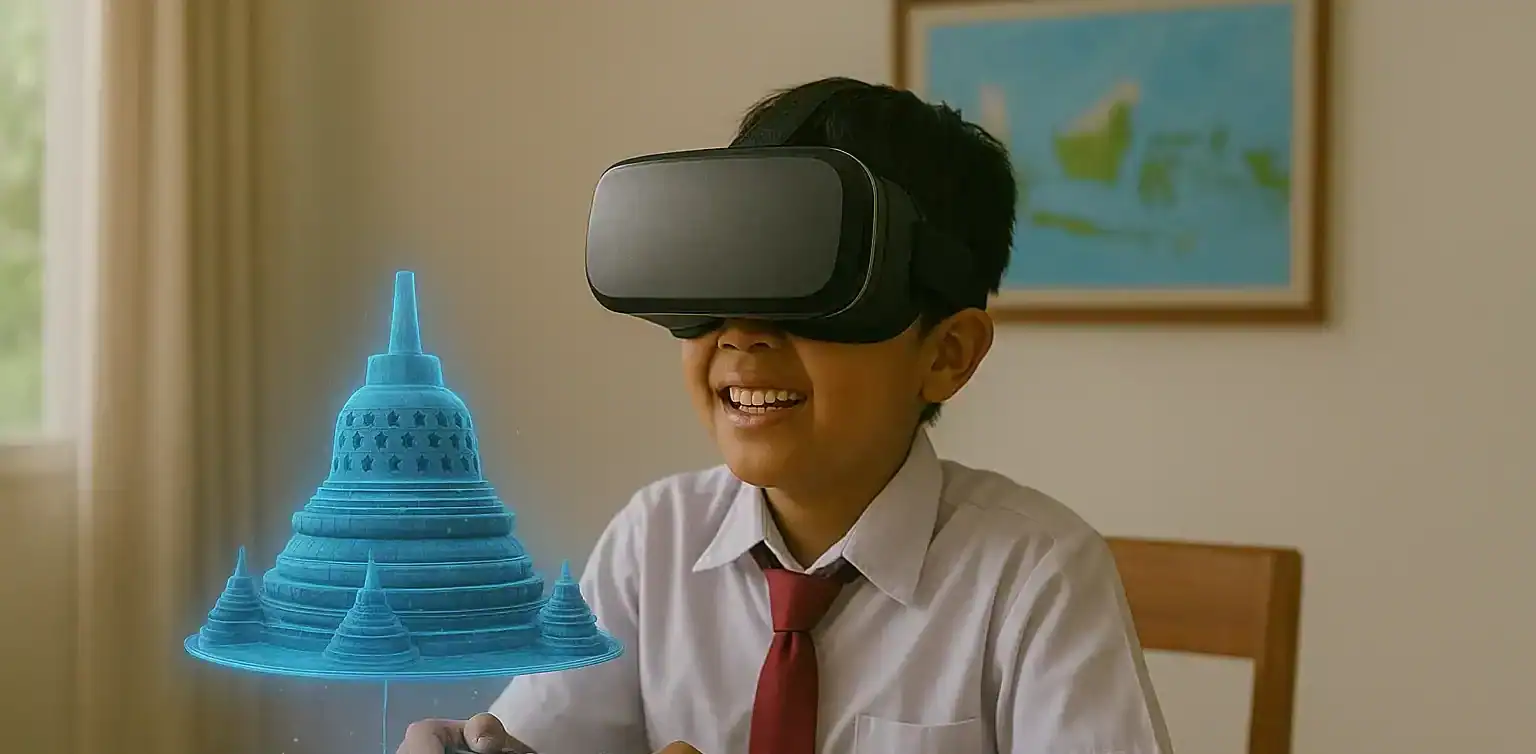
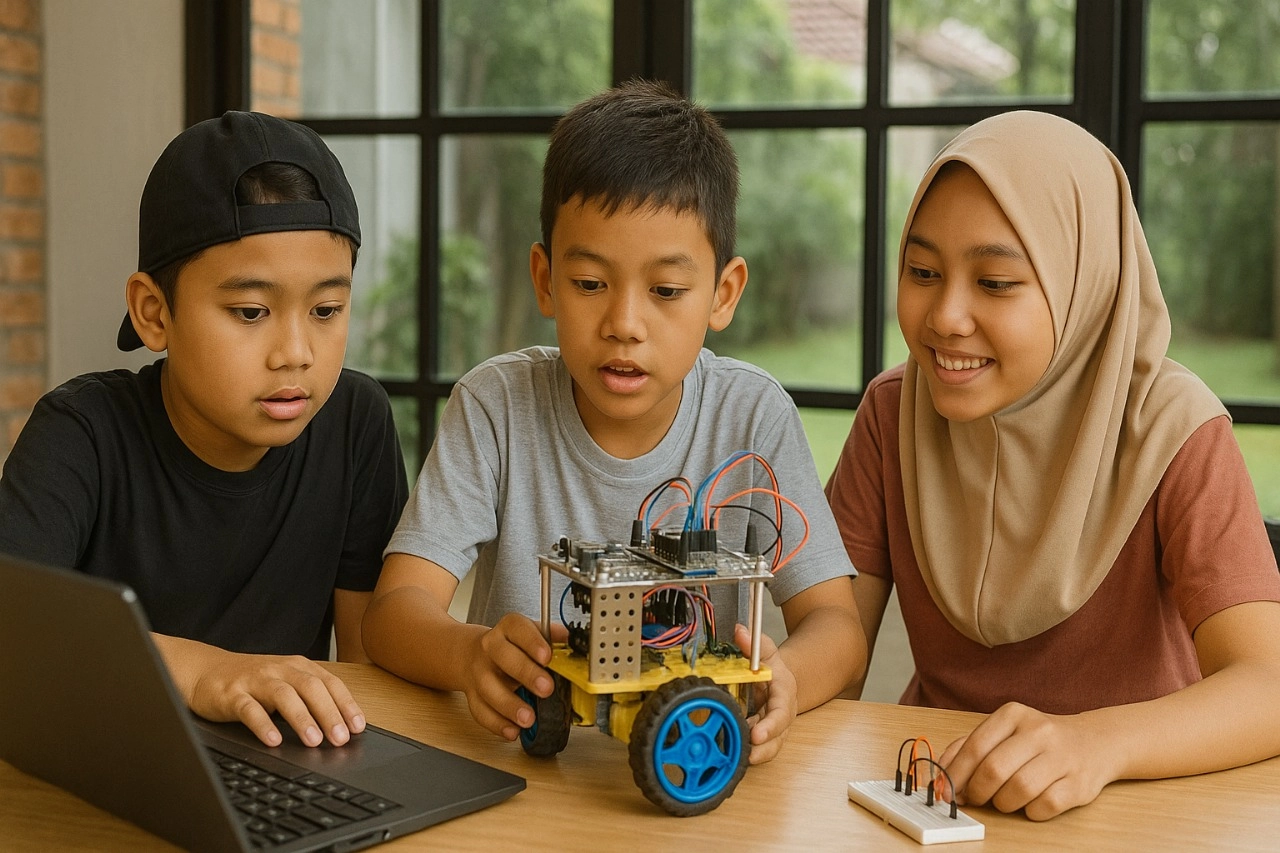
The first step in developing a generation of technology creators is to instill an innovative mindset in children. Instead of merely using apps or playing games, children should be encouraged to understand how those technologies are built. Through activities such as coding, digital design, or simple experiments with software, children begin to think like creators rather than consumers.

This approach trains them to seek solutions, generate new ideas, and not fear making mistakes. The earlier children are introduced to the concept of creating technology, the greater their potential to grow into true innovators.

2. Strengthening Problem-Solving and Logical Thinking

One of the main benefits of building a generation of technology creators is helping children develop systematic thinking and logical problem-solving skills. In the world of coding, for instance, they learn how to arrange steps so that computers can execute commands correctly. This process fosters critical thinking, which is valuable in many areas of life.

Moreover, problem-solving activities teach perseverance and patience. Children learn that every mistake can be fixed through analysis and improvement, shaping a resilient and growth-oriented mindset.

3. Connecting Creativity with Technology

Many parents think technology is rigid and technical, while in reality, it can also be a powerful medium for creativity. Children who grow as part of the generation of technology creators can combine art and technology to produce unique works such as animation, digital music, or interactive games.

Through this creative approach, children learn that coding and design are not only about numbers and logic but also about imagination and self-expression. Technology provides them with the space to create something original and meaningful.

4. Building Early Career Readiness

Technology skills are becoming one of the key foundations of the future workforce. Professions in digital fields, such as software development, game design, and artificial intelligence, are in high demand. By developing a generation of technology creators, parents help their children gain a competitive advantage from an early age.

Children who grow up thinking in technological logic will adapt more easily to changes in the job market. They will not only be ready to face the future but also lead innovation that shapes it.

5. Teaching Digital Responsibility

Generation of Technology Creators

Being part of the generation of technology creators is not only about mastering technical skills but also about understanding the ethics behind technology use. Children should learn to create technologies that are useful, safe, and responsible for society.

Through balanced digital education, they will understand the importance of privacy, respect for others’ work, and using technology for positive purposes. This foundation helps them grow into innovators who are not only intelligent but also ethical.

6. Enhancing Collaboration and Communication Skills

In today’s technology-driven world, collaboration is the key to success. Building a generation of technology creators also means teaching children how to work in teams, exchange ideas, and value others’ opinions. Many technology projects require interdisciplinary teamwork involving developers, designers, and more.

Through collaborative activities, children learn that great innovations are not created by one person alone but through effective teamwork and communication. These social skills will become valuable assets in their academic and professional journeys.

7. Building Independence and Confidence

Generation of Technology Creators

Children who can create something from their own ideas develop high self-confidence. They learn that every idea, no matter how small, has the potential to grow. This is the essence of the generation of technology creators: children who dare to dream, think critically, and turn ideas into reality.

With the right support from parents and a positive learning environment, they will remain motivated to learn and innovate without limits.

How Timedoor Academy Helps Build a Generation of Technology Creators

Timedoor Academy understands the importance of nurturing children who not only use technology but also create it. Through project-based learning and guidance from professional mentors, students explore the world of coding, design, and digital innovation in a fun and interactive way. Every lesson is designed to develop logical thinking, creativity, and responsibility.

With a child-friendly approach, Timedoor Academy helps every student grow their curiosity and passion to become part of the generation of technology creators who will shape the future.

Take the First Step Today

 Image

The world of technology keeps moving forward, and the future belongs to those who can create, not just consume. Help your child become part of the generation of technology creators who are ready to face the challenges of tomorrow with confidence, logic, and creativity.Sign up your child for a free trial class at Timedoor Academy today and discover how digital learning can become an inspiring, safe, and meaningful experience.

Keep Reading

7 Powerful Secrets to Make Learning Coding Fun for Kids
In today’s digital era full of opportunities, coding has become an essential skill that can open many doors to a bright future. However, many parents still think that learning coding is difficult or complicated. In fact, with the fun way to learn coding, children can enjoy the process while developing creativity and logical thinking skills. Timedoor Academy understands that every child learns differently. Therefore, the teaching approach must make children feel engaged, excited, and not pressured. Through interactive learning, children not only understand technical concepts but also learn how to solve problems in a fun and meaningful way. Why Should Learning Coding Be Fun? When children enjoy the learning process, they can understand concepts more easily and stay motivated to explore more. The fun way to learn coding helps build a child’s natural curiosity about the world of technology. Unlike traditional learning methods, fun learning puts children at the center of the experience. They do not just listen to theories but actively create something real, such as a simple game, animation, or mini app. This approach not only makes coding easier to understand but also helps children develop critical, creative, and collaborative thinking skills. 1. Learning Through Real Projects One of the best fun ways to learn coding is by working on real projects. Children can create projects based on their interests, such as designing game characters, making a simple website, or creating an interactive story with code. When they see their hard work turn into something real, their sense of pride and confidence grows. These projects also provide deeper meaning compared to doing theoretical exercises. 2. Using Interactive and Visual Media Learning coding does not always mean staring at a screen full of text. Timedoor Academy uses a variety of interactive tools such as visual platforms and educational games designed especially for children. These tools help kids understand programming logic in a visual and intuitive way. As a result, the fun way to learn coding becomes real, as children not only learn but also play and create at the same time. 3. Guided by Friendly and Professional Mentors Another key factor is guidance from mentors. A professional mentor knows how to create a positive atmosphere and keep students motivated. At Timedoor Academy, mentors are not just teachers but also friendly companions in learning. They guide patiently and help children discover their best learning style. This makes the learning process warm, personal, and supportive of the fun way to learn coding for every student. 4. Connecting Coding to Daily Life Children understand things more easily when they can relate them to their personal experiences. For example, explaining logic through their favorite games or situations they encounter daily. This approach helps children realize that coding is not something foreign but a part of modern life. In this way, the fun way to learn coding allows kids to see the real benefits of technology around them. 5. Encouraging the Spirit of Experimentation In coding, making mistakes is completely normal. In fact, mistakes are valuable opportunities to learn and grow. Timedoor Academy encourages children not to be afraid of failure because each attempt helps them understand better. With a supportive environment, children feel confident to experiment and innovate. This is the essence of the fun way to learn coding, making them feel safe to explore without pressure. 6. Learning Together with Friends Learning in groups makes the classroom atmosphere more active and interactive. Children can discuss ideas, collaborate, and even work on one project together. Besides improving social skills, this also trains children to work in teams, just like professionals do in the real world. Timedoor Academy integrates teamwork in every class, so children learn to communicate and respect others’ opinions. With a positive learning community, the fun way to learn coding truly comes to life. 7. Appreciating Every Process and Achievement Children feel motivated when their efforts are recognized. Timedoor Academy always appreciates every child’s progress, no matter how small it is. These recognitions help children stay passionate about learning and growing. Through this positive and appreciative approach, the fun way to learn coding becomes an unforgettable experience. It is not only about the result but also about enjoying the process of learning with enthusiasm and joy. The Role of Parents in Supporting the Process Parents play a big role in helping children enjoy the coding journey. Emotional support, encouragement, and time from parents can make children more enthusiastic about learning. It is also important for parents to understand that coding is not only about technical skills but also about building logical, creative, and problem-solving mindsets. By giving children the freedom to explore, they will grow into independent individuals who are ready for the digital future. Learning Coding is Fun! Learning coding does not have to be difficult or boring. With the right approach, the fun way to learn coding can become an inspiring experience for children. Through interactive lessons, supportive mentors, and a positive learning environment, children can develop critical thinking, creativity, and confidence while enjoying the world of technology.Do you want your child to learn coding in a fun and effective way? Register now for a Free Trial Class at Timedoor Academy! Let your child experience interactive learning that builds creativity, confidence, and love for technology from an early age.
How to Help Kids Stay Focused While Studying at Home in 2025
Many parents struggle with children who find it hard to stay focused while studying at home. School assignments pile up, but their attention often drifts elsewhere — whether to gadgets, television, or simply daydreaming. This situation can be frustrating for parents. That is why it is important to understand how to help kids stay focused while studying with realistic and effective approaches. This article will explore the common reasons why children struggle with concentration and offer practical strategies that parents can apply at home. With simple yet targeted steps, parents can help build better study habits and support their child's focus.   Why Do Kids Struggle to Focus While Studying? Before diving into how to help kids stay focused while studying, it is essential to understand the root causes. Several common factors can affect a child's ability to concentrate: Disruptive EnvironmentNoise from the television, younger siblings playing, or constant gadget notifications can easily distract children during study time. Lack of Interest in the SubjectWhen learning materials feel boring or irrelevant, it becomes difficult for kids to stay engaged and focused. Poor Timing for StudyingForcing children to study when they are tired, hungry, or mentally drained will only make it harder for them to concentrate. Age-Appropriate Attention SpanEvery child has a different capacity for concentration, especially at a young age. Sometimes, parents expect too much in this regard. Early Habit of MultitaskingChildren who are used to playing games while watching videos or listening to music may struggle to develop the ability to focus on a single task.   Practical Ways to Help Kids Stay Focused While Studying at Home Once you understand the underlying issues, here are some practical steps on how to help kids stay focused while studying: 1. Create a Comfortable and Distraction-Free Study Space Ensure your child has a dedicated study area that is well-lit, quiet, and free from distractions like television or unnecessary gadgets. 2. Adjust Study Time to Match Their Rhythm Pay attention to when your child is most alert and ready to learn, such as after a nap or a healthy breakfast. Avoid study sessions when they are visibly tired. 3. Break Study Time into Short, Manageable Sessions Younger children are more likely to stay focused with 20 to 30-minute study sessions, followed by short breaks. This helps maintain their concentration without overwhelming them. 4. Use Interactive Learning Methods Switch from monotonous study routines to more engaging approaches. Visual aids, educational games, and hands-on activities can make learning more interesting. 5. Support Without Hovering Be present to guide your child without micromanaging. Give them space to try solving tasks on their own and step in only when they truly need help. 6. Appreciate Effort, Not Just Results Recognize and praise your child's effort to focus, no matter how small. Emphasizing the learning process rather than only the final outcome encourages a healthier attitude toward studying.   How Coding Can Help Improve Kids' Focus One effective way to help kids stay focused while studying is by introducing them to coding activities. Learning to code teaches children how to break down problems into smaller, manageable steps. This process helps develop focus, logical thinking, and patience. Coding is often presented in the form of interactive games, making it fun and engaging for children. Without realizing it, they practice maintaining concentration and structured thinking — skills that are valuable not only for school but also for everyday life.   The Key: Consistency and Patience Helping kids stay focused while studying is a gradual process. There are no instant solutions. Consistency and patience from parents are crucial in developing better learning habits. Every child learns at their own pace, so it is important for parents to adjust their approach to fit their child's personality. It is natural for children to get bored, frustrated, or easily distracted. However, with the right support and strategies, they can gradually build stronger focus without feeling pressured.   From Struggling to Focus to Becoming Independent Learners Dealing with a child who struggles to stay focused while studying is not easy. But with patience, the right approach, and continuous encouragement, parents can help their children develop better concentration skills. Creating a conducive learning environment, understanding the child's needs, and choosing engaging study methods are essential steps in this journey. In addition, activities like learning coding can serve as an effective way to train children’s focus and logical thinking. Coding teaches them to solve problems step by step and stay patient throughout the process. Timedoor Academy offers free coding trial classes for children, designed with fun and easy-to-follow methods. Enroll now and help your child become more focused and engaged in their learning journey.
<strong>5 Keys: The Differences Between Autism and ADHD in Children That Parents Should Know</strong>
5 Keys: The Differences Between Autism and ADHD in Children That Parents Should Know
Autism and ADHD in children. In the world of child development, two terms that often confuse parents are autism and ADHD. Both are neurodevelopmental conditions that affect how children learn, behave, and interact. However, understanding the differences between autism and ADHD in children is crucial to ensure the right support and approach are given. While they may appear similar at first glance because of overlapping behavioral challenges, the differences between autism and ADHD become clear with closer observation. This article helps parents identify the key traits of each condition and how to distinguish them in daily life. 1. Differences in Social Interaction One of the most noticeable differences between autism and ADHD in children lies in how they interact with others. Children with autism often struggle to understand facial expressions, body language, or social norms. They may seem less responsive during conversations or appear to live in their own world. On the other hand, children with ADHD usually want to engage socially but often interrupt, speak out of turn, or have trouble listening. Here, the differences between autism and ADHD are not just about social interest but also about how children manage their interactions. 2. Focus and Attention Another key difference between autism and ADHD in children is how they focus. Children with ADHD have a hard time staying on task, are easily distracted, and often switch activities without finishing them. In contrast, children with autism can be deeply focused on a specific interest for long periods. This is often called "hyperfocus," especially on topics like numbers, vehicles, or patterns. The differences between autism and ADHD here show opposite tendencies in attention and focus. 3. Behavior Patterns and Routine Children with autism often need consistent routines. Even small changes can cause stress or emotional outbursts. They may also engage in repetitive behaviors like hand flapping, spinning objects, or walking in a specific pattern. Meanwhile, children with ADHD tend to be more impulsive and enjoy change. They may make decisions without thinking and struggle to follow consistent rules. The differences between autism and ADHD in children become clear in how they respond to structure and routine. 4. Language and Communication Language development is another area where the differences between autism and ADHD stand out. Children with autism may have delayed speech or unusual speech patterns, such as repeating words or speaking in a flat tone. They might also prefer gestures over words. In contrast, children with ADHD usually have age-appropriate language skills but may talk excessively, interrupt others, or have trouble listening. These differences between autism and ADHD in children affect both verbal and nonverbal communication. 5. Response to the Environment Children with autism are often sensitive to bright lights, loud sounds, or certain textures. They can become overwhelmed easily by sensory input. On the other hand, children with ADHD often seek out stimulation and may appear constantly active or restless. Recognizing these differences between autism and ADHD helps parents adjust their child’s home or school environment to better support their needs. Diagnosis Requires Professional Evaluation While this article highlights the differences between autism and ADHD, it is important to remember that only a licensed professional, such as a child psychologist, psychiatrist, or developmental pediatrician, can make a formal diagnosis. Some children may show traits of both conditions, so a proper clinical assessment is essential. The Right Support Can Help Children Thrive Once the differences between autism and ADHD in children are understood, the next step is to provide the right support. Behavioral therapy, occupational therapy, and counseling can help children manage their emotions, improve social skills, and adapt to daily challenges. How Coding Helps Support Children’s Development For children with special needs like ADHD or autism, structured and creative activities can be especially beneficial. One such activity is learning to code. At Timedoor Academy, kids can join engaging, structured coding classes that encourage focus, problem-solving, and self-confidence through real digital projects. Try a free coding class at Timedoor Academy and discover how technology can be a powerful and fun learning tool for your child.
float button