May 06, 2025

What Are the Importance of AI in Kids Education in 2025?
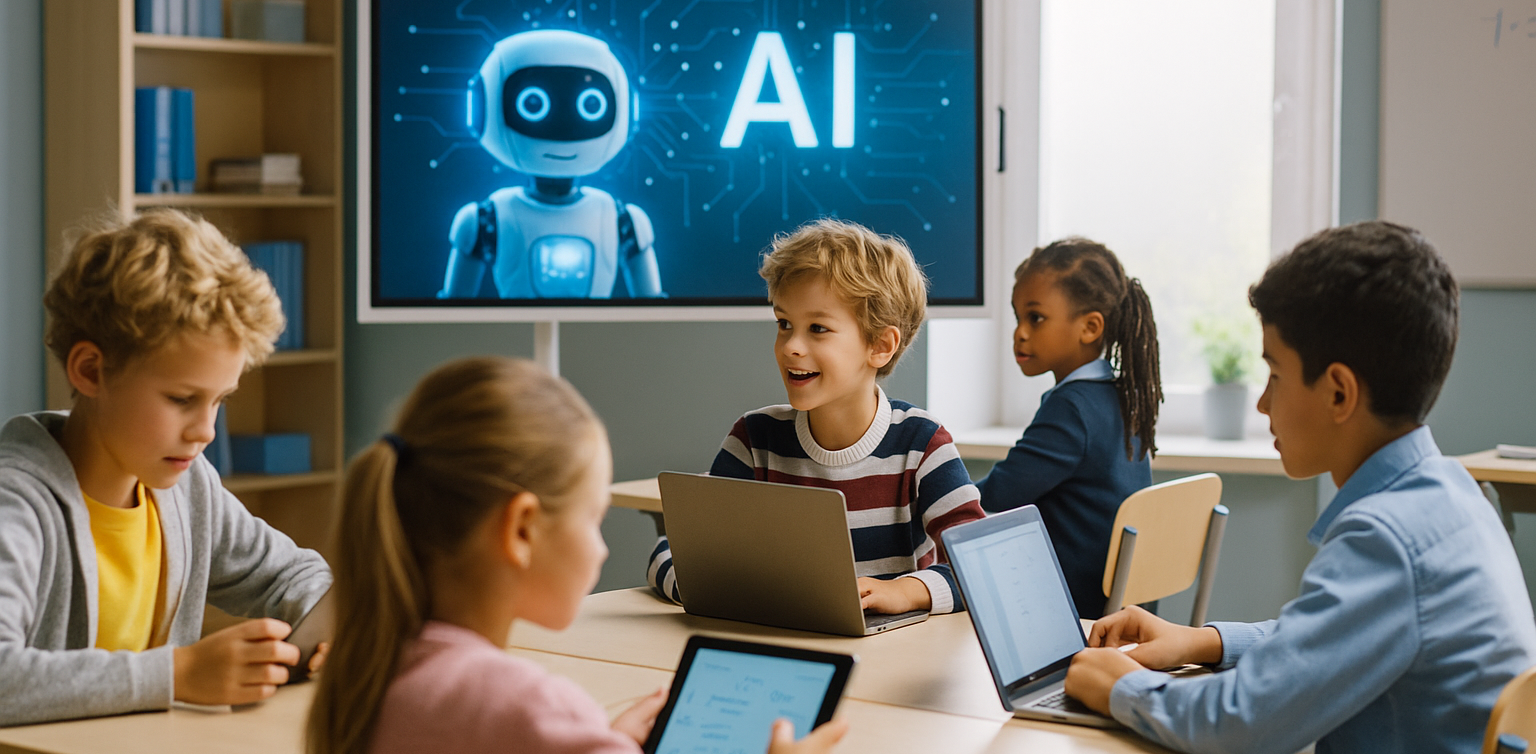
What Are the Importance of AI in Kids Education in 2025? image

As we move deeper into the digital age, many educators and parents are asking: what are the importance of AI in kids education? With artificial intelligence influencing everything from content recommendations to personalized learning tools, understanding its role in education has become a pressing issue.

Recent studies show that a majority of parents believe AI will be essential for their children’s future success. However, many are unsure if schools are ready to teach these skills effectively. Exploring global efforts, benefits, and challenges can help clarify the importance of AI in kids education and how to implement it responsibly.

Global Trends in AI and Education
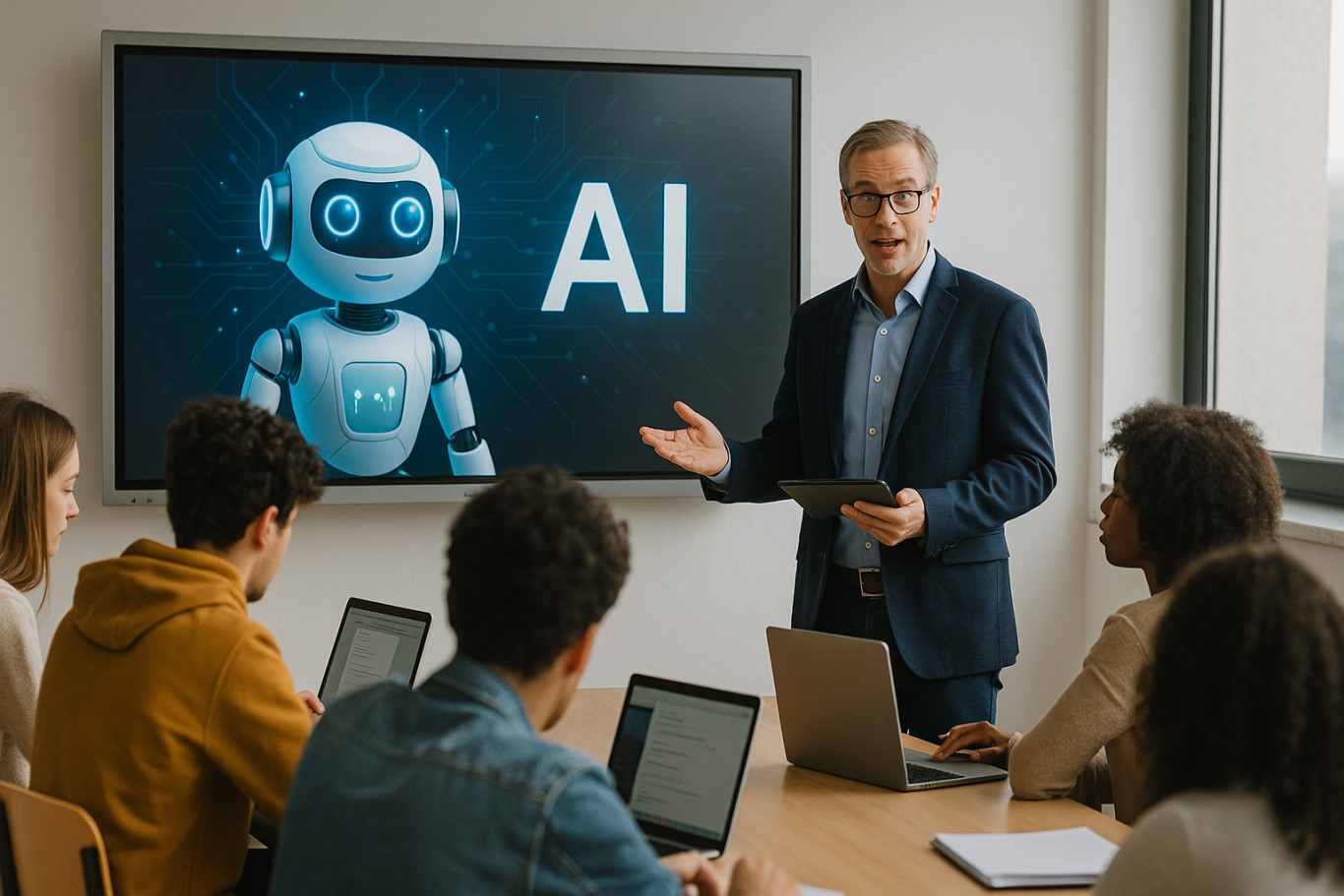
the importance of ai in kids education

Several countries are leading the way in integrating AI into school curriculums. China has made AI a required subject in elementary and high schools, while South Korea has developed adaptive digital textbooks powered by AI to match student progress and needs.

These initiatives reflect a growing consensus that the importance of AI in kids education goes beyond theory. Nations like Australia and Estonia are also developing policies to ensure responsible and ethical use of AI in classrooms, showing how seriously the world is treating this transition.

Benefits of AI for Young Learners
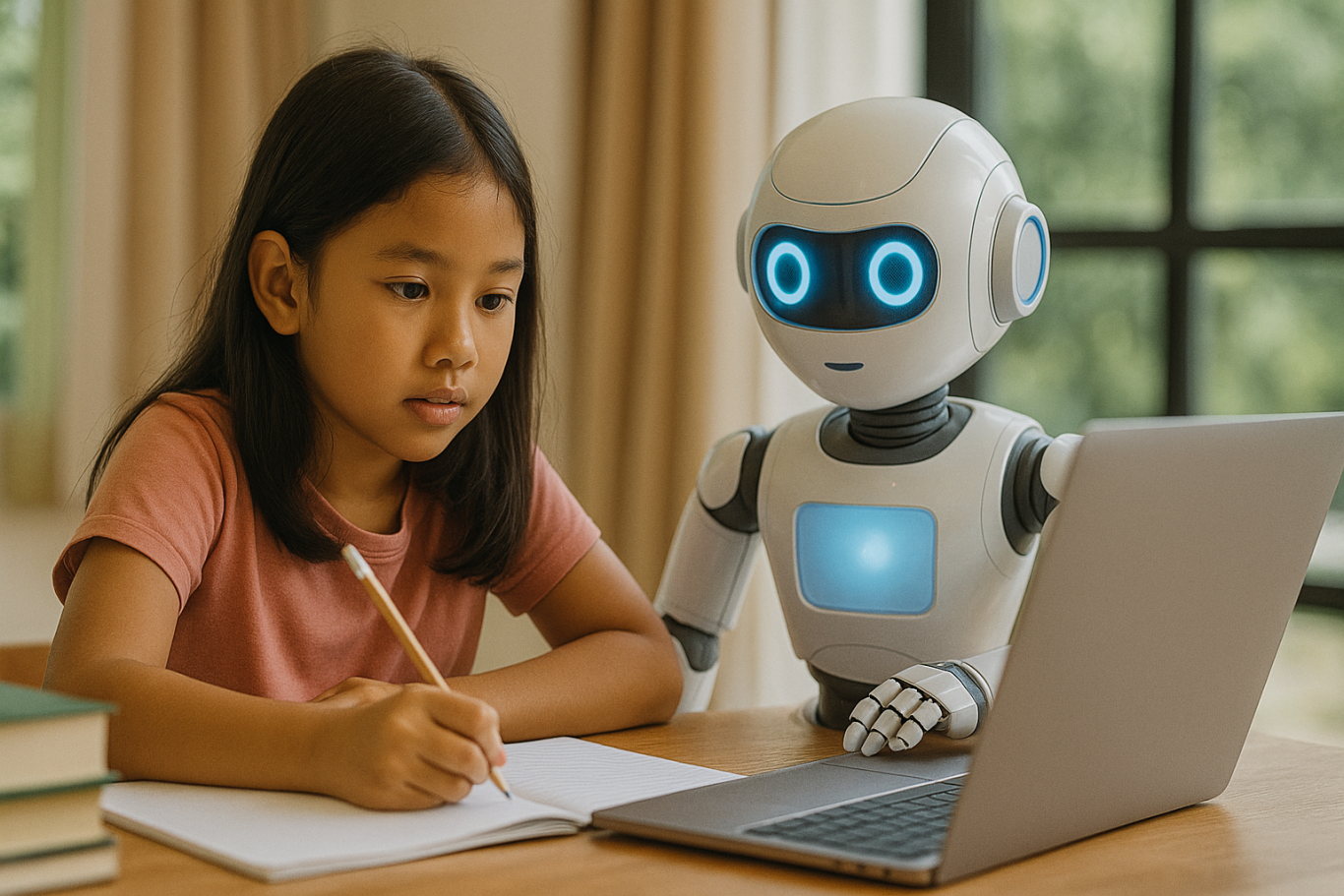
ai in kids education

The importance of AI in kids education lies in its ability to personalize learning. AI-based tools can adapt materials to suit individual student performance, helping children stay engaged, confident, and supported throughout their academic journey.

In addition to personalization, AI fosters problem-solving, creativity, and critical thinking. When children explore how algorithms work or build a simple chatbot, they’re developing cognitive skills that go beyond technology. These abilities are crucial in preparing them for future roles in a digital-first world.

Addressing Challenges and Risks
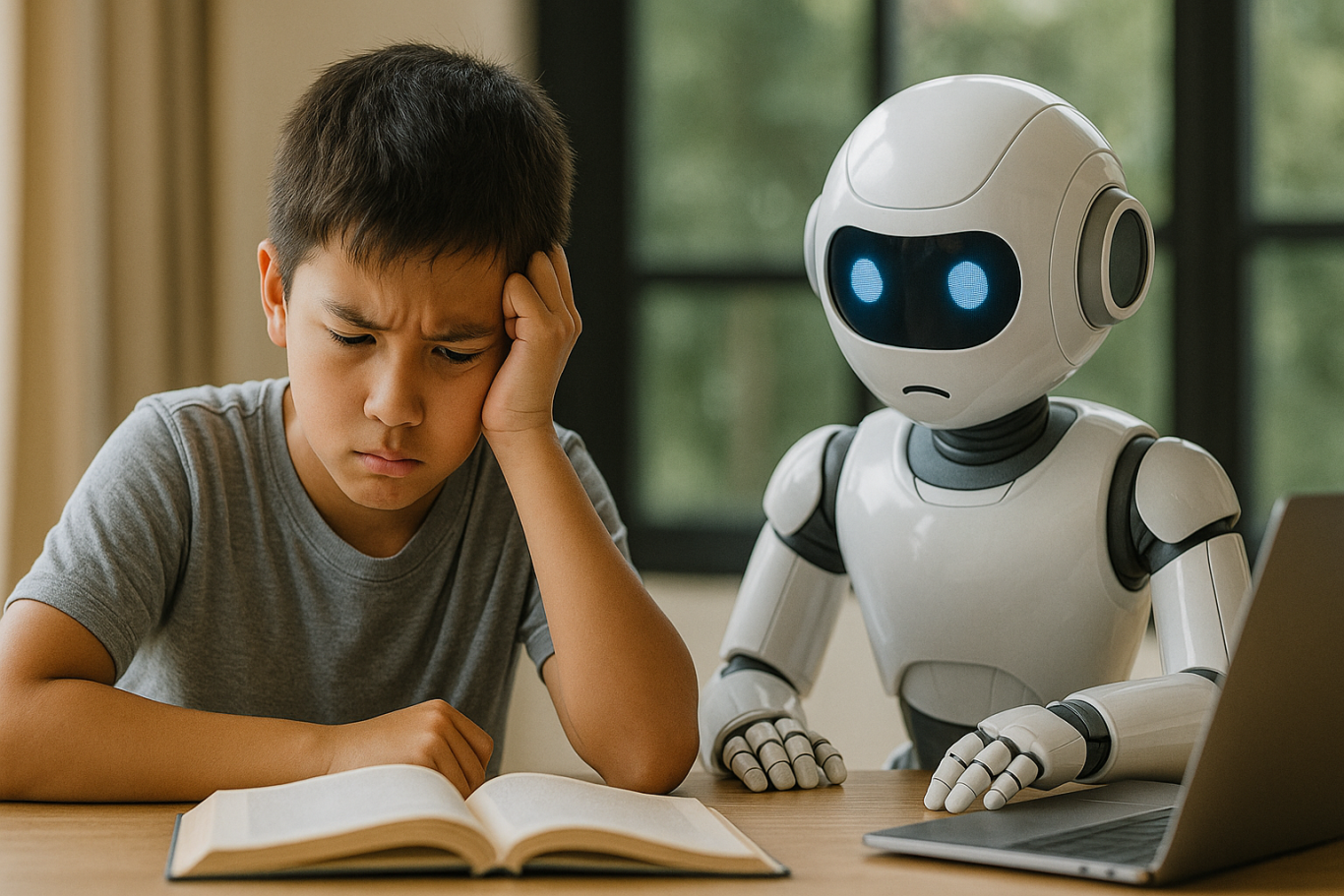
Despite its potential, there are challenges in adopting AI in education. Some schools lack internet access or up-to-date devices, and many teachers are not yet trained to use AI-driven platforms. This digital divide can limit access to the benefits of AI for students in underserved areas.

There are also ethical issues to consider, such as data privacy and algorithmic fairness. These concerns further emphasize the importance of AI in kids education being accompanied by strong policies, teacher training, and clear usage guidelines to prevent harm and misuse.

Why Teachers Still Matter

While AI can enhance education, it cannot replace human connection. Teachers provide mentorship, emotional support, and moral guidance that technology cannot deliver. Children need interpersonal relationships in learning environments to grow socially and emotionally.

Understanding the importance of AI in kids education also means recognizing the role of teachers in managing that technology. When used correctly, AI is not a substitute, but a support system that helps teachers personalize and strengthen the learning experience.

Conclusion: A Balanced Approach to Digital Learning

The importance of AI in kids education is clear, but it must be implemented carefully. Around the world, schools are beginning to adopt AI-powered solutions, yet success depends on infrastructure, equity, and human-centered policies.

By combining innovation with empathy, we can create education systems that prepare children for the future without losing sight of what makes learning meaningful. The right mix of technology and teaching will ensure kids are not only tech-savvy, but also thoughtful, curious, and ethical learners.

Try a Safe and Smart Learning Platform for Kids

For those ready to start introducing technology to children, Timedoor Academy offers coding and AI programs designed for young learners. These courses are interactive, age-appropriate, and can be a great entry point into digital education.

 Image

You can explore the program with a free trial and see how your child responds to engaging, structured learning supported by smart technology. Timedoor Academy makes it easy to experience the importance of AI in kids education firsthand.

Keep Reading

6 Best Free Coding Resources for Kids in 2025
In today’s digital era, coding is becoming one of the most essential skills kids can learn for the future. It is not just about creating computer programs, but also about building logical thinking, creativity, and problem-solving abilities. Fortunately, there are now many free coding resources for kids that can be accessed easily from home. For parents who want to introduce programming early on, this article shares a variety of platforms, apps, and websites that offer free, fun, and kid-friendly coding lessons. Why Should Kids Learn to Code Early? Learning to code is not only for those who want to become programmers. It helps sharpen important cognitive skills like critical thinking, persistence, and collaboration. In addition, coding teaches kids how to face failure and try again, as they learn to troubleshoot and improve their work. Introducing coding at an early age also gives kids a chance to explore their interests in technology and create things they can be proud of, such as simple games, animations, or interactive stories. What Makes a Coding Resource Kid-Friendly? When choosing a free coding resource for kids, it is important to look for the following: Clear, simple language that is easy to understand Engaging and interactive visuals Gradual, age-appropriate learning paths Gamified elements to keep kids motivated Safe and ad-free learning environments Here are some great platforms and tools to try out. 6 Best Free Coding Resources for Kids in 2025 1. Scratch Scratch is an introductory coding platform developed by MIT for kids ages 8 and up. Using colorful code blocks, kids can create animations, stories, or interactive games without needing to write code. Scratch encourages creativity and features a global community where kids can safely share their projects. It is also available in Bahasa Indonesia, making it even more accessible for Indonesian families. 2. Code.org Code.org is one of the best free coding resources for kids worldwide. It offers a wide range of free courses with varying difficulty levels, from beginner to advanced. Kids can even learn with their favorite characters like Elsa from Frozen or Steve from Minecraft. The platform also provides age-specific curriculums for elementary to high school students, with a fun, project-based approach. 3. Tynker Tynker is another popular platform recommended for kids. While the premium version is paid, Tynker offers free access to several well-structured introductory modules. Kids can learn basic coding concepts through games, build animations, and even get a taste of drones and robotics in a simplified way. 4. Khan Academy – Computer Programming Khan Academy is widely recognized for offering free educational content, and its programming section is no exception. It provides beginner-friendly coding lessons, especially for older kids and teens who are starting to understand text-based programming logic. The videos are interactive and well-paced, making Khan Academy a great choice for slightly more advanced learners. 5. Blockly Games Blockly Games is a collection of educational games that teach basic coding concepts using block-based visual programming. It is perfect for kids who are just starting out and want to learn while having fun. With a simple and functional interface, Blockly Games is a solid first step into the world of coding for elementary-aged kids. 6. Timedoor Academy In addition to these global platforms, there is also a great local option: Timedoor Academy. Timedoor offers interactive online coding classes for kids, using a fun and structured approach guided by experienced instructors. Timedoor Academy understands the unique needs of children potential. It tailors its lessons to local language, uses project-based learning, and provides flexible schedules. A free trial class is also available, making it easy for parents and kids to try it out before committing. Tips for Supporting Kids Coding at Home To make the most of your child’s coding journey, here are a few helpful tips for parents: Be there to guide them when they try a new platform, especially younger kids Set a regular learning schedule, like 30 minutes per day Give small creative challenges, such as making a simple game or animation Celebrate their achievements, no matter how small Keep screen time balanced with physical and social activities Ready to Start Coding from Home? Here’s the First Step: Learning to code has never been more accessible, thanks to the growing number of free coding resources for kids. Parents can introduce programming in a fun, engaging way through platforms designed with kids in mind. But to make learning more structured and effective, it helps to choose the right method and guidance. Timedoor Academy offers kid-focused online coding classes with a creative and organized approach. Led by experienced instructors and adapted to different age levels, Timedoor is ready to support your child’s coding journey. Try a free class today and help your child start learning to code from home in a fun and meaningful way.
Pemrograman Java untuk anak SMA
Java Programming for High School Students: Unlock the World of Coding
In today's fast-paced, technology-driven world, programming skills have become essential for young minds. For high school students looking to dive into the world of coding, Java programming for high school students is an excellent starting point. Java is one of the most widely used programming languages, known for its versatility, reliability, and ease of learning. It is used in everything from mobile apps to large-scale enterprise applications. Whether your child is interested in creating mobile games, building websites, or exploring artificial intelligence, Java programming for high school students provides a solid foundation. In this article, we will explore the importance of Java programming for high school students, how it can benefit their future, and why enrolling in a Java programming class for high school students is a smart choice. Why Java Programming is a Great Choice for High School Students Java programming for high school students offers a wide range of advantages for young learners: Universal Language: Java is a language that can run on any platform without needing to be re-written, which is known as its platform independence. This means students can write code once and run it anywhere, whether on Windows, macOS, or Linux. This cross-platform compatibility is a big advantage for aspiring developers. Foundation for Other Languages: Learning Java programming for high school students provides a strong foundation for other programming languages. Once students are comfortable with Java, transitioning to other languages like Python, C++, or JavaScript becomes much easier. Java introduces students to core programming concepts such as variables, loops, conditionals, and object-oriented programming. Job Opportunities: Java programming for high school students is one of the most in-demand skills in the job market. By learning Java early on, students set themselves up for future opportunities in fields such as software development, game design, web development, and even machine learning. Problem-Solving Skills: Java programming for high school students helps develop logical thinking and problem-solving skills. By learning to write code, students practice breaking down problems into manageable pieces and finding efficient solutions. These skills are not only valuable for coding but also essential in various other aspects of life. Real-World Applications: Java is used in numerous industries, from finance to entertainment. It powers Android mobile apps, large-scale enterprise systems, cloud-based applications, and much more. By learning Java programming for high school students, they gain exposure to real-world applications and can apply their knowledge to projects with practical uses. Benefits of Java Programming for High School Students Enrolling in a Java programming class for high school students can provide several key benefits: Structured Learning Path: While there are plenty of online tutorials and resources available, taking a formal Java programming class for high school students provides a structured approach. Students learn from experienced instructors who guide them through the fundamentals and advanced topics, ensuring they build a strong understanding of the language. Hands-On Experience: Programming is best learned through practice. Java programming classes for high school students typically involve hands-on coding exercises, allowing students to apply their knowledge in real-time. Whether it's building a simple calculator or creating a basic game, students get to experience the thrill of bringing their ideas to life. Access to Expert Guidance: Learning a programming language can be challenging, especially for beginners. Having access to expert instructors in a classroom setting allows students to ask questions, get feedback, and receive help when they encounter difficulties. This can boost their confidence and keep them motivated throughout the learning process. Collaborative Environment: Many Java programming classes for high school students encourage teamwork and collaboration. Students often work on group projects, where they can learn from one another, share ideas, and tackle challenges together. Collaboration enhances their communication skills and prepares them for future careers that require teamwork. Portfolio Building: One of the most valuable aspects of taking a Java programming class for high school students is the opportunity to build a programming portfolio. Students can showcase their projects, whether it's a simple game or a web application, to potential employers or universities. A strong portfolio can set them apart from others in the competitive tech industry. What Students Will Learn in Java Programming Classes A typical Java programming class for high school students covers a wide range of topics, including: Introduction to Java: Students learn the basics of Java programming for high school students, including how to install and set up the Java development environment. They'll also learn about the syntax of Java and how to write simple programs. Variables and Data Types: Students learn how to use variables to store data and how to work with different data types such as integers, strings, and booleans. They'll also learn how to perform operations on variables. Control Flow: Students are introduced to control flow concepts such as conditionals (if-else statements) and loops (for, while), which help in making decisions and repeating actions within a program. Object-Oriented Programming (OOP): One of the key features of Java is its object-oriented nature. Students learn how to create and work with classes and objects, which is essential for developing complex applications. Functions and Methods: Students learn how to define and call functions (or methods) to perform specific tasks within their programs. This is essential for organizing code and making programs more efficient. Arrays and Collections: Students learn how to store and manage collections of data, such as arrays and lists, which are essential for building more advanced programs. Exception Handling: Java programming classes for high school students introduce students to the concept of error handling, teaching them how to anticipate and manage potential errors in their programs. GUI Development: Students may also learn the basics of creating graphical user interfaces (GUIs), allowing them to build user-friendly applications with buttons, text fields, and other interactive elements. Project Development: As a final step, students often work on a larger project, applying everything they've learned to create a complete Java application. This could be a simple game, a calculator, or a more complex system. Why Timedoor Academy’s Java Programming Class Is Perfect for High School Students At Timedoor Academy, we offer Java programming classes for high school students specifically designed to help young learners succeed. Our classes provide a well-rounded curriculum that covers everything from the basics to advanced topics. Our experienced instructors are passionate about teaching and helping students succeed, and our hands-on approach ensures that students gain practical coding experience. We believe in making coding fun and accessible, and our classes are designed to engage students with interactive lessons, real-world projects, and collaborative work. Whether your child is new to programming or has some experience, our Java programming classes for high school students will help them develop their coding skills and prepare them for future success in the tech industry. The Power of Java Programming for High School Students Java programming for high school students is a valuable skill that can open doors to numerous career opportunities in the technology field. By enrolling in a Java programming class for high school students, they gain a solid foundation in coding that can serve as a stepping stone for future endeavors. The skills they acquire will not only help them in their academic journey but also prepare them for a bright future in the ever-evolving world of technology. Start your child’s coding journey today with Timedoor Academy in free trial class and watch them unlock their potential in the world of programming!
Top 10 Educational Apps For Kids
Top 10 Educational Apps for Kids in 2025 – Learning Meets Fun!
How often do your kids ask, 'Mom, can I play with your phone?' It’s a question many parents hear daily. But what if that screen time could be transformed into a chance for kids to learn, grow, and explore through educational apps? At Timedoor Academy, we believe fun learning shouldn’t end when the school day does. With the right fun learning apps, your child can develop new skills, spark curiosity, and fall in love with education—all while having fun. To help you make the most of screen time, we’ve curated a list of the Top 10 Educational Apps for Kids in 2025—designed for children ages 4 to 12! Top 10 Educational Fun Learning Apps for Kids in 2025 1. Khan Academy Kids: Best Educational App for Kids’ Fun Learning • Age: 2–8 | Free - This all-time favorite keeps growing smarter. In 2025, Khan Academy Kids features more personalized learning paths and emotional learning tools, helping kids improve not just academically—but socially too. The app offers a broad range of subjects, from math and reading to social-emotional skills, making it ideal for holistic development. • Timedoor Tip: Great for early learners who enjoy story-based learning! 2. Duolingo ABC: Best Educational App for Kids’ Fun Learning • Age: 3–7 | Free - A charming spin-off from Duolingo, this app is now powered by AI-driven reading tutors. It helps young kids master the alphabet, phonics, and basic reading skills through interactive play. The app’s bright and engaging visuals keep children interested as they learn essential language skills step by step. • Encourages early literacy in both native and foreign languages. 3. Toca Life World: Best Educational App for Kids’ Fun Learning • Age: 6–12 | Freemium - More than just a game, Toca Life is a creative sandbox for storytelling, roleplaying, and problem-solving. In 2025, it includes educational missions designed by child psychologists and educators to foster creativity and teach key skills like emotional intelligence, cooperation, and critical thinking. • Great for building creativity and emotional intelligence. 4. Prodigy Math Game: Best Educational App for Kids’ Fun Learning • Age: 6–12 | Free with premium option - Prodigy gamifies math using an RPG-style format. The 2025 version introduces adaptive difficulty, so kids are constantly challenged at the right level. With multiplayer features, kids can “battle” with friends while solving math problems, turning learning into an interactive adventure. • Fun, fantasy, and fractions—all rolled into one! 5. CodeSpark Academy: Best Educational App for Kids’ Fun Learning • Age: 5–9 | Subscription - A coding app with no words! Kids learn the logic behind coding through puzzles, games, and story creation. In 2025, CodeSpark Academy introduces collaborative coding projects, allowing kids to work together and solve problems, making it even more engaging for young digital creators. • Perfect for young digital creators and future programmers! Read our another articles:https://timedooracademy.com/blog/winners-announcement-of-bootcamp-december-2024https://timedooracademy.com/blog/timedoor-academy-sea-coding-competition 6. Sago Mini World: Best Educational App for Kids’ Fun Learning • Age: 2–5 | Subscription - This charming app bundle includes over 40 educational games designed for toddlers, each focused on foundational concepts such as shapes, colors, and problem-solving. In 2025, the app adds new science and nature-themed adventures to spark curiosity and introduce environmental awareness. • Ideal for learning through play—especially in early childhood. 7. Elmo Loves ABCs: Best Educational App for Kids’ Fun Learning • Age: 2–5 | Paid - Beloved Elmo helps kids learn alphabets and counting through songs, games, and drawing. A timeless favorite, Elmo’s cheerful presence makes learning numbers fun and accessible for even the youngest learners. The app offers age-appropriate challenges that promote early math skills. • A great bonding activity for parents and toddlers. 8. Endless Alphabet: Best Educational App for Kids’ Fun Learning • Age: 3–7 | Paid - This delightful app uses playful animations and adorable characters to teach kids the alphabet and vocabulary. Each word is brought to life through fun puzzles, with vibrant visuals and friendly creatures that help reinforce each letter and its sound. It’s an excellent way to build literacy skills in young children. • Great for early literacy and word recognition skills. 9. Monkey Preschool Lunchbox: Best Educational App for Kids’ Fun Learning • Age: 2–5 | Paid - This app introduces young children to a variety of foundational concepts such as colors, shapes, numbers, and letters, all through engaging mini-games. The app’s friendly characters make the learning process playful and entertaining, providing a fun, hands-on way to practice essential skills. • Perfect for toddlers to build early math and reading skills in a fun way. 10. Epic!: Best Educational App for Kids’ Fun Learning • Age: 3–12 | Subscription - Epic! offers an extensive digital library of books, audiobooks, and educational videos, making reading more exciting for kids. The app adapts to your child’s interests and reading level, providing them with personalized recommendations and a wide variety of reading material that encourages independent learning. • Ideal for developing reading habits and expanding vocabulary. Turn Kids Curiosity Into Capable Fun Learning In 2025, the world of educational apps is more exciting than ever. Whether your child wants to build stories, solve puzzles, explore new languages, or code their first game—there’s an app waiting to spark that passion. As parents, we don’t just want our kids to be tech-savvy—we want them to be thoughtful, creative learners. The right apps, used with guidance, can be powerful tools for just that. Want to take your kids learning to the next level? Join one of Timedoor Academy's online coding classes and support their development in a structured, fun, and nurturing Llearning environment. Visit our website or contact our team to find the best course for your child.
float button