Aug 22, 2025

5 Tips Developing Children Creativity with Technology: A Key to a Bright Future
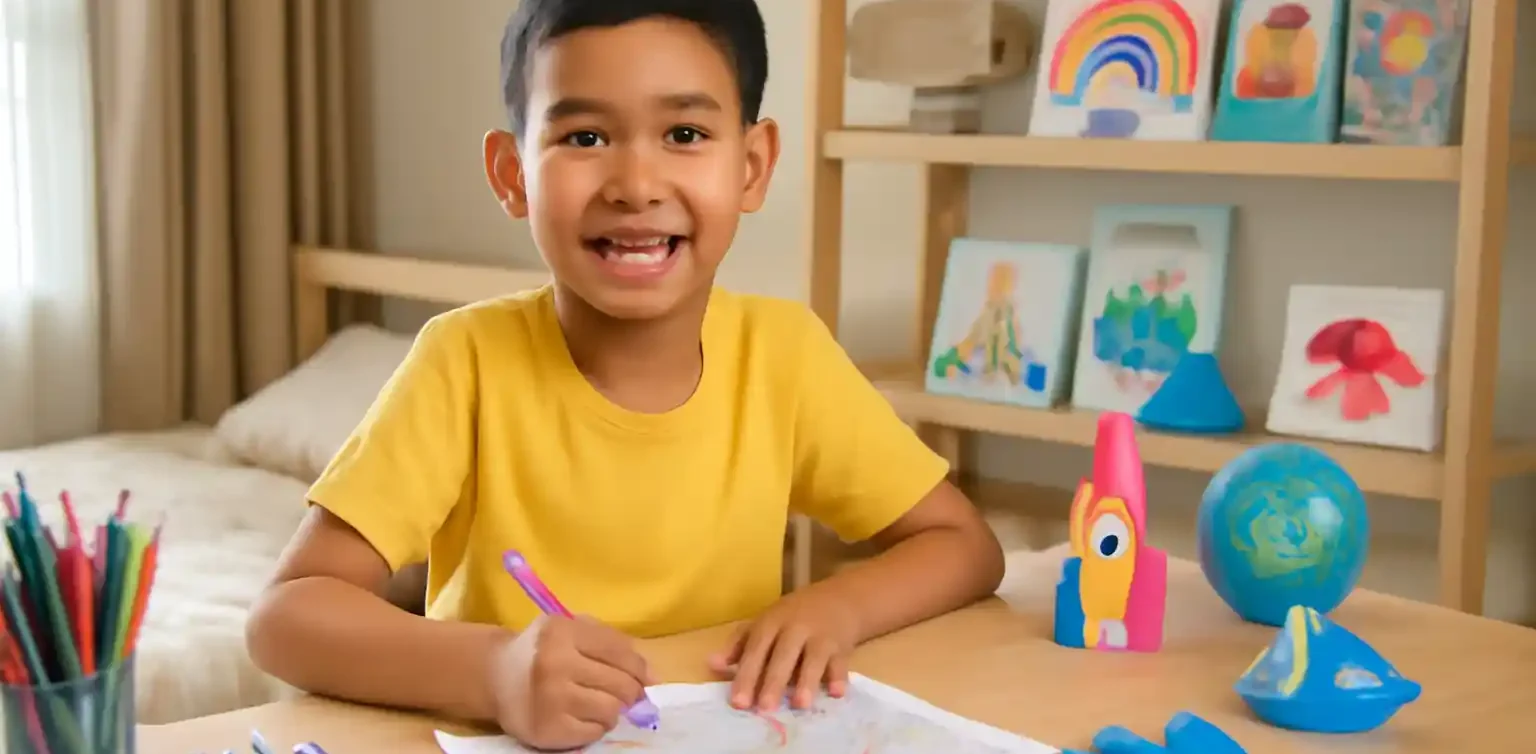
5 Tips Developing Children Creativity with Technology: A Key to a Bright Future image

Children are the future, and their creativity plays a significant role in shaping the world. In today’s rapidly changing digital age, technology has become a part of daily life. However, many parents worry about how to integrate technology into their children’s lives in a meaningful and productive way. One of the most impactful ways to do so is by developing children creativity with technology.

When used correctly, technology can be a powerful tool for stimulating children’s imagination, fostering problem-solving skills, and enhancing their learning experience. This article will explore the importance of creativity in child development and how parents can harness technology to encourage creativity in their children.

The Importance of Creativity in Child Development
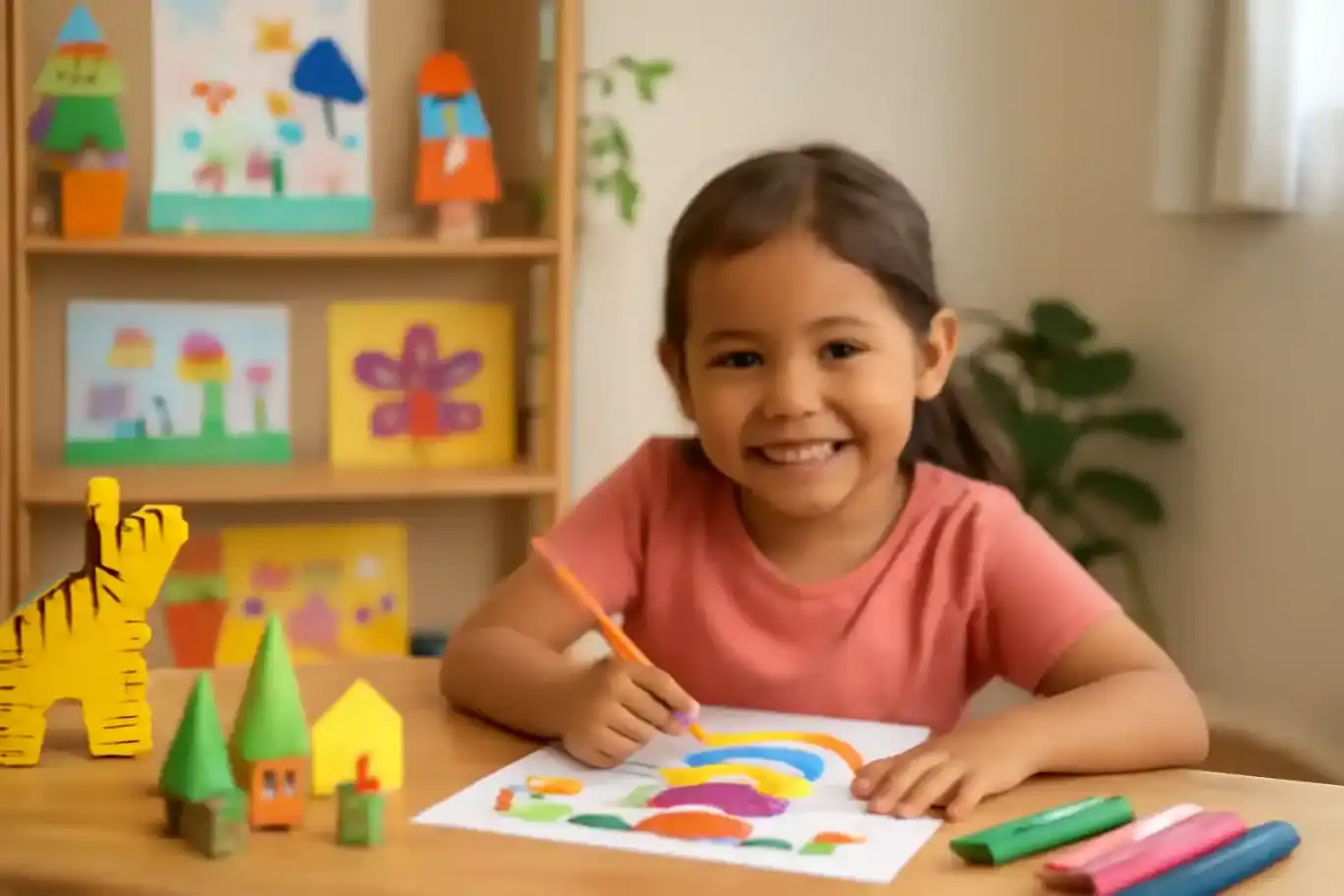
developing children creativity with technology

Creativity is not just about art or music; it is about the ability to think outside the box, solve problems, and adapt to new situations. In today’s world, where change happens rapidly, creativity has become one of the most valuable skills for success. Teaching children to be creative helps them approach challenges with confidence and resourcefulness, making them more resilient in the future.

However, creativity does not develop on its own. It needs to be nurtured through experiences, guidance, and exposure to different ideas. One of the most effective ways to develop children creativity with technology is by using digital tools and resources to inspire imagination and innovation.

How Technology Can Foster Creativity in Children

developing children creativity with technology

There are many ways in which technology can be used to develop children creativity with technology. Here are some examples:

1. Digital Art and Design Apps

Apps like Canva, Adobe Spark, and Tinkercad provide children with the opportunity to create their own designs, graphics, and 3D models. These apps not only teach children how to use technology but also allow them to express their creativity visually. This hands-on approach helps develop children creativity with technology, enhancing their skills in design and problem-solving.

2. Learning Coding and Building Projects

Coding is one of the most valuable skills in the 21st century, and it is also a fantastic way to develop children creativity with technology. Through coding, children learn how to create games, apps, and websites, all while honing their problem-solving abilities. Platforms like Scratch, Code.org, and Blockly make learning coding fun and interactive, giving children the tools they need to build their own digital creations.

3. Making Animations and Videos

Creating animations and videos is another excellent way to develop children creativity with technology. By using apps like Scratch or Kinemaster, children can craft their own stories, characters, and animations, which helps them develop storytelling and visual communication skills. These projects encourage creative thinking and give children the confidence to bring their ideas to life.

4. Music Creation with Technology

Technology can also foster creativity in children through music. Apps like GarageBand allow children to create their own songs, learn how to play digital instruments, and experiment with different sounds. Developing children creativity with technology in this way helps them explore the world of music and understand rhythm, melody, and harmony, all while using digital tools.

5. Building Digital Content and Blogging

Blogging and digital content creation also offer children a platform to express their creativity. They can write, make videos, and share their thoughts with the world. This process not only improves their writing and communication skills but also teaches them about digital literacy and the importance of creating positive, engaging content online.

The Role of Parents in Guiding Technology Use

developing children creativity with technology

While technology can be a powerful tool for developing children creativity with technology, it’s essential that parents play an active role in guiding their children’s use of it. Without proper guidance, children can easily get distracted or fall into the trap of mindless screen time.

Parents should ensure that children use technology for productive purposes, such as learning new skills, engaging in creative activities, or collaborating on projects. Setting time limits, providing quality content, and engaging with children during their digital activities are important steps in ensuring that technology serves as a positive influence in their lives.

Developing Children’s Creativity with Technology at Timedoor Academy

At Timedoor Academy, we believe in the power of technology to enhance children’s learning experience. Our coding and technology programs are designed not just to teach technical skills but also to inspire creativity and innovation in children. Through fun, interactive lessons, we help children develop essential skills like problem-solving, teamwork, and digital literacy.

By developing children creativity with technology, we prepare them for a future where technology plays a central role in almost every field. Our courses focus on providing hands-on learning experiences, ensuring that children are not just passive consumers of technology but active creators and innovators.

The Power of Technology to Enhance Creativity

Ingin tahu detail program? Image

Ingin tahu detail program?

In today’s world, developing children creativity with technology is not just an option but a necessity. Technology offers endless possibilities for children to explore, create, and innovate. As parents, it is our responsibility to guide children in using technology in a positive and productive way, so they can develop the skills they need to succeed in the future.At Timedoor Academy, we are committed to helping children harness the power of technology to enhance their creativity, develop essential skills, and prepare for the future. If you want your child to start learning and exploring the world of technology, we invite you to sign up for a free trial at Timedoor Academy and watch them grow into creative and confident digital creators.


Keep Reading

7 Powerful Benefits of Digital Security Literacy Training for Students in the Modern Era
In today’s fast-paced digital era, children’s ability to use technology must be balanced with an understanding of online safety. Many children are skilled at using gadgets, yet they often lack awareness of the potential risks they may face on the internet. This is why digital security literacy for students has become an essential skill to teach from an early age, helping them explore the digital world safely, wisely, and responsibly. Timedoor Academy understands how important this is. Through interactive learning programs, students not only learn about technology but also understand how to protect themselves online. Therefore, digital security literacy for students is not just theoretical knowledge but also a practical skill they can apply in their everyday lives. What Is Digital Security Literacy for Students? Digital security literacy for students is the ability to understand, identify, and manage risks in the digital world. It includes knowing how to protect personal data, avoid online scams, and communicate ethically on the internet. In education, this literacy goes beyond how to use technology. It also involves developing critical thinking skills about online information. For example, recognizing fake news, understanding data privacy, and using social media wisely. Training of this kind serves as an important foundation for students to grow into responsible and ethical digital users. Why Is Digital Security Literacy Important? While internet access offers great advantages in education, it also opens the door to risks such as cyberbullying, data theft, and exposure to inappropriate content. Children often do not yet have the ability to distinguish between safe and unsafe online spaces. Through digital security literacy for students, they learn to recognize warning signs in the digital world. For example, how to avoid suspicious links, refrain from sharing personal information, and understand the consequences of their online actions. Once students gain this knowledge, they become more confident in using technology in a positive and responsible way. Benefits of Digital Security Literacy Training for Students Digital security literacy for students provides many meaningful benefits for both children and parents. Here are some of the main advantages: 1. Increases Online Safety Awareness Children learn to recognize online threats such as fraud, hacking, and cyberbullying. They also understand preventive measures to keep themselves safe. 2. Builds Responsibility in the Digital World With good literacy, students understand that online actions have real consequences. They become more careful and thoughtful in their digital interactions. 3. Encourages Critical Thinking About Information This training helps children distinguish between accurate and false information so they do not easily fall for hoaxes or misleading content. 4. Develops a Positive Digital Reputation Students learn how to maintain a good digital footprint and understand the importance of building a positive online reputation that can impact their future. 5. Supports Safe Online Collaboration While using online learning platforms, students become aware of the importance of data protection, strong passwords, and teamwork ethics in digital environments. 6. Protects Privacy and Personal Data Children learn not to share personal information such as home addresses, phone numbers, or private photos on social media. 7. Encourages Positive Digital Character Growth Digital security literacy for students teaches not only safety but also respect, kindness, and using technology for meaningful purposes. The Role of Parents in Digital Security Literacy Parents play a major role in supporting the success of digital security literacy for students. Open communication between parents and children is key. Parents should discuss online boundaries and serve as good role models in practicing responsible digital behavior. Timedoor Academy also promotes parental involvement in the learning process. This ensures that digital safety education continues at home as well as in the classroom. Through positive engagement, parents can help children realize that the internet is an incredible tool when used wisely. How Timedoor Academy Implements Digital Security Literacy Timedoor Academy integrates digital security literacy for students into every learning program. Each class not only focuses on technical skills like coding or design but also includes lessons on digital ethics and safety values. Students are encouraged to understand that technology is not only about creating something new but also about using it responsibly. The learning process is interactive, using case studies, simulations, and group discussions that help children better understand real-world online risks. Register Now in Timedoor Academy! Digital security literacy for students is a crucial step in shaping a young generation ready to face the challenges of the digital age. With this ability, children can become not only smart technology users but also ethical and responsible ones. As parents, providing your children with the right training is a valuable investment in their future. Would you like your child to be digitally smart and safe online? Sign up now for a Free Trial Class at Timedoor Academy! Experience an interactive learning journey that not only teaches coding but also builds strong digital security literacy for students to prepare them for a safer and smarter future.
10 Best JavaScript Apps for Kids to Learn Coding in 2025
As we step into 2025, coding is no longer just for adults. Children are now learning programming through engaging tools that match their interests and age. One of the most effective ways to start is by using JavaScript apps for kids. These apps provide a fun and structured way for children to learn how to code while developing essential problem-solving and logical thinking skills. Whether your child is just starting out or already interested in tech, this list of JavaScript apps for kids in 2025 offers the perfect tools to support their coding journey.   10 Best JavaScript Apps for Kids to Learn Coding in 2025   1. CodeCombat Best for: Ages 10 to 15CodeCombat teaches real JavaScript through game-based adventures. Kids write actual code to control characters, solve puzzles, and progress through game levels. It is ideal for children who enjoy gaming and want to learn through action. What stands out: Real coding is combined with exciting missions that keep them motivated.   2. Tynker Best for: Ages 7 to 14Tynker offers lessons that grow with your child, starting with visual block coding and gradually introducing JavaScript and Python. It includes creative projects like Minecraft modding, storytelling, and space-themed challenges. What stands out: Smooth transition from beginner to real coding for long-term growth.   3. Grasshopper Best for: Ages 10 to 16Created by Google, Grasshopper is a mobile-friendly app that uses short, interactive lessons to teach JavaScript. It's excellent for older kids who are ready for more advanced program What stands out: Clean design, daily goals, and real code that builds confidence.   4. Kodable Best for: Ages 5 to 10Kodable begins with simple block coding concepts and introduces JavaScript later on. It focuses on early logic and computational thinking skills through colorful, engaging games. What stands out: Family dashboard for parents to support and track their child's progress.   5. Code.org’s App Lab Best for: Ages 11 to 16App Lab gives kids the freedom to build their own apps using JavaScript. It is perfect for students who are ready to apply their skills through hands-on projects. What stands out: Combines design tools and coding to promote both creativity and technical ability.   6. Bitsbox Best for: Ages 8 to 14Bitsbox is a unique service that sends coding projects to your home, teaching kids how to build apps using real JavaScript. It is ideal for learners who benefit from physical materials alongside digital practice. What stands out: Kids can test their creations on phones or tablets instantly.   7. Hopscotch (with JavaScript transition) Best for: Ages 9 to 13Hopscotch is a visual coding app that also encourages older users to explore JavaScript through community-driven projects and tutorials. It appeals to children who are artistic and love customizing their work. What stands out: Blend of art and code helps kids express creativity.   8. CodeMonkey’s Game Builder Best for: Ages 8 to 12CodeMonkey introduces kids to programming concepts with a JavaScript-style language and game-based learning. Later stages include real JavaScript coding as kids grow more confident. What stands out: Helpful support resources for both kids and educators.   9. LightBot: Code Hour + JavaScript Add-ons Best for: Ages 6 to 11LightBot uses puzzles to teach basic programming logic. It pairs well with JavaScript extensions that introduce actual syntax when the child is ready to move beyond the basics. What stands out: Offline play combined with logic-based challenges.   10. ScriptKit Junior Best for: Ages 10 to 14ScriptKit Junior is a lightweight coding app for iPads where kids can build basic apps using simplified JavaScript. It is ideal for those interested in app development without the complexity of a full IDE. What stands out: Combines touch interaction and coding for intuitive learning.   Why Use JavaScript Apps for Kids? These JavaScript apps for kids help young learners grasp real programming skills in a way that is accessible and exciting. They build a foundation for future learning in tech, engineering, and creative fields. Key benefits include: Developing logical thinking and focus Enhancing creativity through project-based tasks Preparing for future tech careers Boosting self-confidence in problem solving   Choosing the Right JavaScript Apps For Kids To get the most out of JavaScript apps for kids match the app to your child’s age, interests, and goals. Here are a few tips: Test the app yourself to ensure it is ad-free and safe Choose apps with structured learning paths Encourage regular use without overdoing screen time Combine coding with offline creative play or group activities   Support Their JavaScript Learning at Timedoor Academy At Timedoor Academy, we offer both online and offline classes that introduce kids to the world of coding through engaging lessons in JavaScript, Python, robotics, and more. Our structured programs help children build strong technical and critical thinking skills in a fun, supportive environment. Try a free class at Timedoor Academy and discover how we make coding accessible and meaningful for kids of all ages. Visit our website to learn more and start your child’s smart tech journey today.
<strong>Top 5 Love Language in Children and How to Understand Them in 2025</strong>
Top 5 Love Language in Children and How to Understand Them in 2025
Every child has a unique way of feeling and receiving love from their parents. Some feel deeply cared for through hugs, while others light up when given quality time or small gifts. This is what we call the love language in children — the main way they recognize affection and connection from the people closest to them. Understanding the love language in children is key to building a strong and secure bond. Sometimes, even when parents feel they’ve done everything right, their child may still seem distant or unsatisfied. In many cases, it's not about doing more, but about expressing love in the way the child truly understands. Here are the five types of love language in children and how to recognize and respond to them. 1. Physical Touch For children whose love language in children is physical touch, simple acts like hugs, kisses, or holding hands carry deep emotional meaning. These children feel safe and loved when their parents are physically present and affectionate. You’ll often find them climbing into laps, cuddling during storytime, or reaching for your hand even in small moments. To connect with them, try starting and ending the day with a hug, offer a gentle pat on the back for encouragement, or simply hold their hand while walking together. These gestures can mean more than a thousand words. 2. Words of Affirmation Children with this love language in children respond strongly to kind, encouraging words. Phrases like “I’m proud of you,” “You did great,” or “I appreciate your help” fill their emotional tank quickly. These children are likely to light up when praised and often repeat words that meant something to them. If this sounds like your child, make an effort to offer sincere praise, both verbally and through small notes. Your words can build their confidence and sense of self-worth in powerful ways. 3. Quality Time If your child frequently asks you to play, talk, or spend time together, they may have a love language in children that centers on quality time. These kids don’t need expensive toys or grand gestures — they simply want your full attention. Put your phone down, turn off the TV, and engage in activities they enjoy. Whether it's drawing, baking together, or just chatting before bed, what matters most is your undivided presence. 4. Receiving Gifts Some children feel most loved when they receive something tangible, even something small. It could be a favorite snack, a hand-drawn card, or a flower picked from the yard. For children with this love language in children, gifts represent love, attention, and thoughtfulness. Watch how your child reacts when they receive something. Do they treasure it for days or show it to everyone? These signs may indicate that small, meaningful tokens help them feel valued and remembered. 5. Acts of Service Children with this love language in children feel loved when others help them. It could be tying their shoelaces, fixing a broken toy, or assisting with homework. These acts of care show the child that someone is paying attention to their needs and willing to support them. Pay attention to how your child reacts when you help without being asked. A bright smile or a sigh of relief may mean they see these acts not as obligations, but as signs of deep love. Why Understanding the Love Language in Children Matters When parents understand the love language in children, emotional connections grow stronger. Communication becomes more meaningful, and children are less likely to feel ignored or misunderstood. They become more secure, open, and confident in expressing themselves. By tuning in to your child's emotional needs, you're not just parenting — you're building a relationship that lasts a lifetime. Encourage Healthy Growth Through Positive Activities One way to express love meaningfully is to support your child's development with fun and enriching activities. In today’s digital world, introducing your child to something like coding is a smart step. It’s fun, engaging, and helps them build logic and confidence. At Timedoor Academy, your child can try a free coding class tailored to their age and learning style. With hands-on projects and interactive lessons, children learn to solve problems creatively and collaborate effectively. Let them explore technology in a positive way that supports both their emotional and intellectual growth.
float button