May 07, 2025

How Much Do Coders Make Per Hour? A Guide for Parents Raising Digital-Ready Kids in 2025

How Much Do Coders Make Per Hour? A Guide for Parents Raising Digital-Ready Kids in 2025 image

In a world increasingly shaped by digital technology, many parents are exploring the idea of preparing their children for tech-oriented careers. One profession that consistently ranks high in both opportunity and income potential is coding. But the real question for many is this: how much do coders make per hour? And more importantly, is learning to code truly a worthwhile investment in a child’s future?

Why Coding for Kids Is Gaining Popularity

how much do coders make per hour

Today, coding is not just for software engineers or tech professionals. It is becoming a foundational skill much like reading or math. Through coding, children learn how to think logically, solve problems creatively, and build confidence in their own ideas.

As a result, coding for kids has become a fast-growing trend in modern education. Parents are enrolling their children in fun and interactive programs that teach how technology works and how to create digital solutions, not just consume them.

Even if a child does not end up becoming a coder, learning to code can strengthen cognitive and soft skills that are transferable to many future careers. Kids coding classes provide a safe, structured way to develop those skills early.

So, How Much Do Coders Make Per Hour?

gaji programmer per jam

The answer to how much do coders make per hour depends on several factors, including geography, experience, and specialization. Below is an approximate breakdown of how much coders make per hour in different markets:

  • United States: USD 35 to 75 per hour
  • Western Europe: EUR 25 to 60 per hour
  • Global remote freelancers: USD 10 to 50 per hour depending on skill level and reputation
  • High-skill niches such as AI or cybersecurity: USD 70 or more per hour

In general, coders with advanced technical skills or niche expertise like machine learning or blockchain earn significantly higher hourly rates. This makes understanding how much do coders make per hour important not only for career planning, but also for setting realistic expectations.

How Freelance and Full-Time Coder Salaries Compare
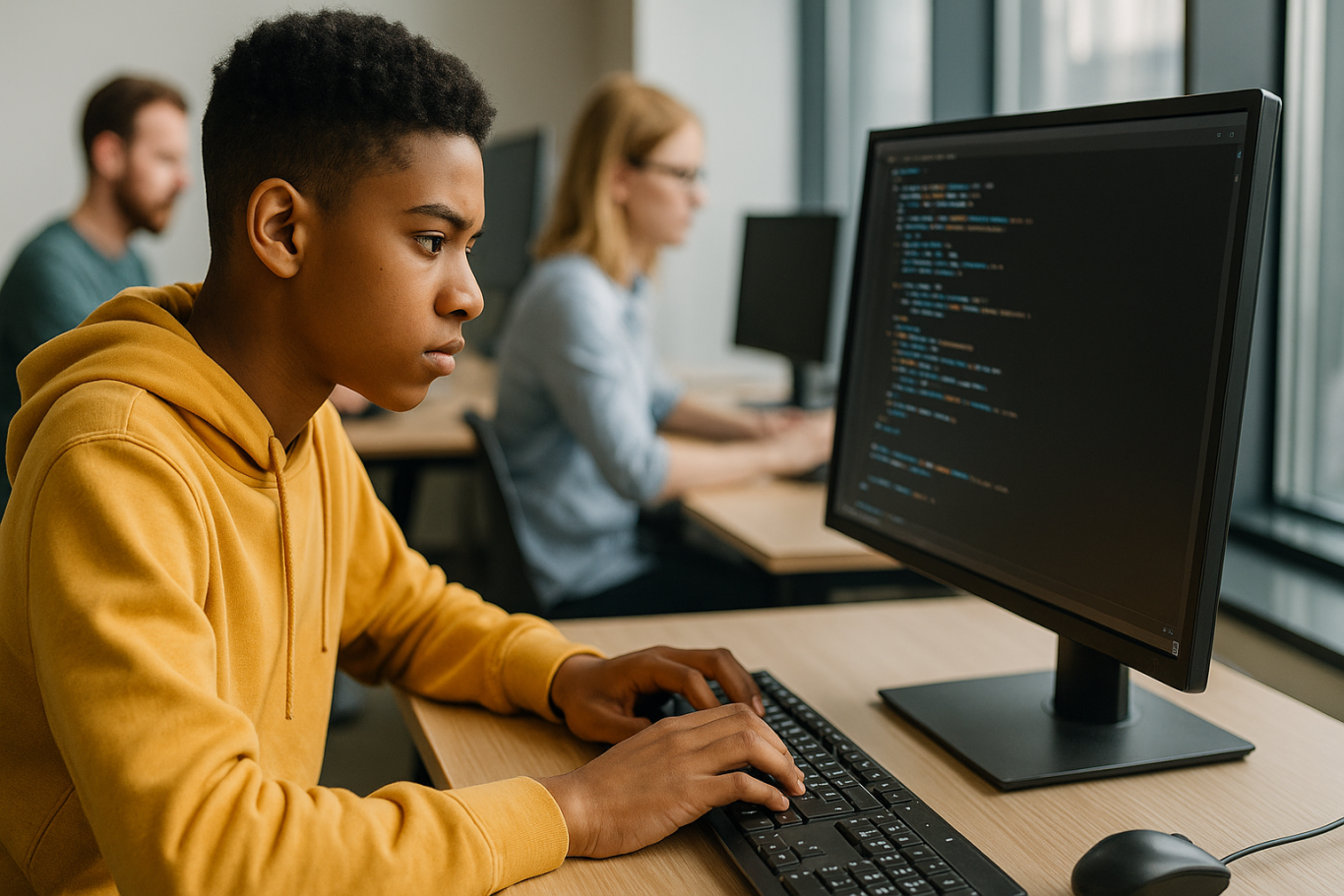
Freelancers usually charge per hour or per project, and their income can vary from month to month. On the other hand, full-time coders are typically paid monthly or annually, with benefits such as health insurance, paid leave, and ongoing training.

Globally, many entry-level full-time coders earn around USD 2,500 to 4,000 per month depending on the country and company. Senior-level coders or tech leads, especially in major cities or remote-first companies, can earn significantly more.

Whether freelance or full-time, understanding how much do coders make per hour helps parents evaluate the earning potential of this profession in both local and global markets.

How Parents Can Support Their Child’s Interest in Technology

If your child shows interest in technology, here are a few ways you can support their journey into coding:

  1. Start with fun, age-appropriate tools
    Use beginner platforms like Scratch or Blockly that make coding feel like play. Many of these tools are specially designed for kids coding and require no prior experience.
  2. Follow your child’s pace and interests
    Let curiosity lead. Some kids love creating games, others enjoy building animations or solving puzzles.
  3. Balance screen time with creativity
    Encourage your child to apply what they learn through small projects. This helps them see coding as a tool for creation, not just consumption.
  4. Join a community or online class
    Coding for kids becomes more enjoyable when children can learn together with peers. Look for clubs or live online classes tailored for children.

Being involved as a supporter rather than a teacher helps keep your child motivated and confident.

Is Coding a Guarantee of Future Success?

Not always. But it is one of the most valuable skills a child can learn today. Coding teaches problem-solving, systems thinking, and resilience, which are important across almost all future jobs.

So while how much do coders make per hour can be a strong motivator, the real value of coding is in preparing children to adapt and thrive in a tech-driven world.

Introduce Your Child to the World of Technology with Timedoor

Ingin tahu detail program? Image

Ingin tahu detail program?

If you want your child to explore digital skills in a fun and age-appropriate way, Timedoor Academy offers interactive online classes designed for children. Try a free trial coding class today and see how kids coding can become a meaningful part of your child’s learning journey.

Keep Reading

<strong>How to Increase Children’s Reading Interest in the Digital Era of 2025</strong>
How to Increase Children’s Reading Interest in the Digital Era of 2025
Encouraging a love of reading in children has become a unique challenge for parents in today’s digital age. With the rise of digital entertainment like games, social media, and videos, children are often more drawn to instant activities than to reading books. In fact, building the habit of reading from an early age is crucial for developing knowledge, imagination, and critical thinking skills in children. So, what are the most effective and relevant ways on how to increase children’s reading interest these days? Reading interest does not appear automatically. It needs to be nurtured through daily routines, a supportive environment, and positive examples from adults. Parents play the main role in creating an atmosphere that makes children excited about reading. In this article, we will discuss practical strategies on how to increase children’s reading interest both at home and at school. Why Is Children’s Reading Interest Important? Having a strong interest in reading is the foundation for a child’s growth and development. Children who love to read usually have a broader vocabulary, better logical thinking, and can understand school lessons more easily. Besides that, reading helps children learn about the world, develop empathy, and fuel their imagination. That is why finding out how to increase children’s reading interest is a great first step to preparing them for lifelong learning. Factors That Affect Children’s Reading Interest Before diving into the various tips on how to increase children’s reading interest, it is important to recognize what influences reading habits. Some key factors include: Family environment: A home that provides easy access to quality books will make it easier for children to start reading. Parental role: Children who often see their parents reading will naturally want to follow that example. Access to reading materials: A wide variety of books that match a child’s interests will boost their reading motivation. School support: Schools that run literacy programs or have inviting libraries will help encourage children to read more. How to Increase Children’s Reading Interest at Home Here are several tips on how to increase children’s reading interest that you can apply at home: Make Reading a Daily RoutineTry to read together with your child every day, such as before bedtime or during free time. This routine not only strengthens your family bond but also builds a positive reading habit. Be a Role ModelChildren are natural imitators. If parents are often seen reading books or articles, children will naturally become curious and want to do the same. Create an Inviting Reading CornerSet up a special area at home for reading, filled with colorful decorations. Add a bookshelf with age-appropriate books to make it more appealing. Provide a Variety of Book ChoicesOffer different types of books, such as picture stories, educational comics, and general knowledge books. Let children choose what they want to read so they feel more in control and motivated. Involve Children in Literacy ActivitiesInvite your child to visit libraries, bookstores, or book fairs. These experiences will broaden their view of literacy and inspire them with new ideas from outside the home. The Role of Schools in Increasing Reading Interest Schools also play a vital part in applying how to increase children’s reading interest. Teachers can arrange group reading programs, book review competitions, or classroom libraries with interesting collections. Collaboration between schools and parents is essential to maintain a child’s reading interest consistently. Technology can also be an effective supporting tool. There are many digital literacy applications that can be used as a way of how to increase children’s reading interest through interactive and modern formats. Children can read e-books, listen to audiobooks, or even join online book discussions. The Connection Between Reading and Other Skills A strong reading interest is closely linked with a child’s ability to think critically, write, and understand new concepts, including technology skills like coding. Children who are used to reading are often better at understanding instructions, solving problems, and adapting to technological developments. That is why learning how to increase children’s reading interest also helps them get ready to learn coding and other digital skills. Coding and Reading Interest: Skills for Today’s Children Learning coding has now become easier and more enjoyable for children thanks to creative materials such as interactive stories, puzzles, and project-based learning. At Timedoor Academy, children can learn coding while improving their reading and comprehension skills. The learning method here not only teaches programming logic but also strengthens digital literacy in children. Try a Free Coding Trial Class at Timedoor Academy Would you like your child to love reading and be ready for the digital world? Combine daily reading routines with fun coding activities. Register your child for a free coding trial class at Timedoor Academy. With this free class, children can experience interactive and creative coding lessons that also help develop their reading skills. Visit Timedoor Academy for more details and book your free trial class today. Increasing your child’s reading interest is not an instant process, but it is a long-term investment for their future. By supporting reading habits and introducing coding early on, you are giving your child the foundation they need to compete and thrive in an increasingly digital world.
Coding Is the Future: 7 Powerful Reasons Why Parents Should Care
In today’s rapidly evolving digital era, coding in future education has become one of the most essential topics for parents and educators alike. The world is shifting toward automation, artificial intelligence, and digital creativity, making coding not just a technical skill but a fundamental form of literacy. Teaching children how to code is no longer an extra activity; it is a preparation for a successful and meaningful future. As technology transforms every aspect of life, understanding coding in future education allows parents to help their children build problem-solving abilities, logical thinking, and creativity. From designing apps to exploring robotics, learning to code opens up unlimited possibilities for young minds to express themselves and thrive in a technology-driven world. 1. Preparing Children for Tomorrow’s Jobs The global job market is changing rapidly. Many future careers will depend on digital skills, especially programming. Professions that require coding expertise are expanding across industries, from healthcare and finance to entertainment and education. Introducing coding in future education ensures that children are prepared to compete in a world where technology leads innovation. By learning coding early, children gain a strong foundation that can open the door to careers in software development, engineering, data science, and even digital entrepreneurship. Parents who encourage this learning give their children a head start in an increasingly competitive environment. 2. Strengthening Problem-Solving and Logical Thinking Coding teaches children how to think, not just what to think. When children write code, they learn to break big problems into smaller, manageable steps. This logical structure encourages analytical thinking that can be applied not only in academics but also in daily life. Integrating coding in future education also helps children develop patience and persistence. When faced with an error or “bug,” they learn the value of testing, refining, and improving, a mindset that nurtures resilience and growth. 3. Encouraging Creativity Through Technology Creativity and technology are no longer separate worlds. Through coding in future education, children can transform their imagination into reality by designing games, creating websites, or developing digital art. Coding gives them the tools to bring their ideas to life, combining creativity with critical thinking. This creative expression builds confidence and allows children to see technology as more than just entertainment, it becomes a platform for innovation and self-expression. 4. Supporting Academic Growth and Future Readiness Studies show that children who learn coding often perform better in math, science, and language subjects. The logical and structured way of thinking developed through coding enhances academic skills across disciplines. By prioritizing coding in future education, schools can create an environment where students not only consume technology but also understand how it works. In the long run, this helps prepare students for advanced studies in computer science, engineering, and other STEM-related fields, ensuring they stay ahead in an ever-changing digital society. 5. Promoting Responsible Digital Citizenship As children spend more time online, understanding how technology works also helps them navigate it responsibly. Incorporating coding in future education fosters awareness about digital ethics, online privacy, and cybersecurity. Children who learn coding are more likely to use the internet wisely, respect digital boundaries, and contribute positively to the online world. This balance of technical skill and moral awareness is crucial for raising responsible digital citizens. 6. Empowering Collaboration and Teamwork Coding is not a solitary skill, it often involves teamwork and communication. Many modern coding projects require collaboration, idea sharing, and collective problem-solving. By engaging in coding in future education, children learn how to work effectively with others, value different perspectives, and contribute to group success. These interpersonal skills are highly valued in every profession, preparing children not only to excel individually but also to thrive in team-oriented environments. 7. Opening a Path to Innovation and Lifelong Learning The world of technology never stops evolving. By embracing coding in future education, children develop a lifelong learning mindset that keeps them adaptable and open to change. They learn how to explore new tools, experiment with emerging technologies, and think critically about how digital solutions can improve the world around them. This mindset of curiosity and innovation ensures that they are not left behind but rather lead the way in shaping the future. How Timedoor Academy Brings the Future Closer Timedoor Academy believes that every child has the potential to become a creator of technology, not just a user. Through structured learning programs, students explore coding, robotics, and digital creativity in a supportive and engaging environment. By integrating coding in future education into each lesson, Timedoor Academy ensures that children not only gain technical skills but also learn values such as responsibility, teamwork, and innovation. With guidance from professional mentors, every child is encouraged to build confidence, curiosity, and a growth mindset that will serve them in every aspect of life. Take the First Step Today Technology shapes the future, and your child can be part of it.Help your child begin their journey in coding in future education by joining a free trial class at Timedoor Academy today. Discover how our expert mentors can inspire your child to explore, create, and grow in a safe and encouraging environment. Let your child not just use technology, but understand and build it.
The Importance of Teaching Basic Manner for Kids from an Early Age in 2025
Teaching basic manner for kids from an early age is one of the best investments parents can make in shaping their child’s character and future. Good manners, courtesy, and positive behavior not only help kids socialize more easily but also provide a solid foundation for navigating an increasingly complex and digital world. This article explores why basic manner is so important, the long-term benefits, and practical tips for consistently building polite habits at home and in daily life. Why Is Basic Manner for Kids So Important? In today’s fast-paced and digital era, a child’s ability to communicate respectfully and value others is more crucial than ever. Basic manner for kids includes simple acts like saying “please” and “thank you,” greeting others politely, asking for permission, listening attentively, and waiting their turn to speak. While these habits may seem small, they are the backbone of healthy, harmonious social interaction. Kids who are raised with basic manner for kids tend to adapt more easily at school, in their community, and later in the workplace. They often have higher empathy, adjust well to new environments, and form positive relationships with both peers and adults. Positive Impact of Basic Manner for Kids Teaching basic manner for kids can lead to a wide range of positive outcomes, including: Boosting self-confidence: Kids who understand the value of politeness are often more confident in social situations. Easier social adaptation: Well-mannered kids are more readily accepted in new settings because they know how to behave appropriately. Reducing conflict: They are better at managing emotions and understanding social boundaries. Increasing chances of future success: Modern education and workplaces truly value ethics and good manners. Effective Ways to Teach Basic Manner for Kids If you want your child to grow into a polite and respectful person, here are some effective ways to teach basic manner for kids: 1. Be a Role Model Children learn by example. Parents should consistently show basic manner for kids in daily life. Make it a habit to use polite words, ask permission, and say sorry when needed, both to your child and to others at home. 2. Give Simple Explanations Help kids understand why basic manner is important. Tell short stories about why saying “thank you” makes people feel appreciated. 3. Use Games and Role Play Practice basic manner for kids through fun role-playing, such as family mealtime simulations, “shopkeeper and customer” games, or acting out everyday situations to help kids apply good manners. 4. Praise and Positive Reinforcement Praise your child whenever they show basic manner for kids, no matter how small the gesture. Positive feedback motivates kids to repeat good behavior. 5. Be Consistent and Gentle Consistency matters. Parents should gently but firmly remind children if they start to neglect manners, always with kindness and understanding. 6. Use Educational Content Read storybooks, watch cartoons, or use apps that teach basic manner for kids in a fun way. Many digital platforms now offer engaging content that helps kids build good manners. Basic Manner for Kids in the Digital World In the digital age, basic manner for kids also means knowing how to behave online. Teach your child to: Be polite in online chats, games, and on social media. Never share personal information carelessly. Respect other people’s opinions and creations on the internet. Parents can also introduce kids to productive digital activities, like learning coding, creating digital projects, or joining online classes that emphasize teamwork and respect. Everyday Activities to Instill Basic Manner for Kids Here are some daily activities to help instill basic manner for kids: Encourage your child to greet family or guests politely. Teach table manners, like not talking with their mouth full. Remind kids to clean up toys after playing and thank friends who help. Practice asking for permission before borrowing something from others. Long-Term Benefits of Basic Manner for Kids Children raised with basic manner for kids are better prepared to face life’s challenges. They are more comfortable socializing, are more trusted in school and work, and are more likely to succeed both academically and in their careers. Building character through basic manner for kids is a crucial investment with benefits that last a lifetime. Nurturing Manners and Future Skills Teaching basic manner for kids is a lifelong process that requires parental example, consistency, and support. With a strong foundation in manners, children grow into confident, adaptable, and respected individuals wherever they go. Alongside teaching manners, don’t hesitate to give your child future-ready skills like coding. One positive and educational digital activity is learning coding at Timedoor Academy. Here, kids can build logic, creativity, and teamwork—all while developing good character. Sign your child up for a free trial class at Timedoor Academy and let them experience the fun, interactive world of coding while building strong manners and life skills from an early age.
float button