May 23, 2025

The Importance of Teaching Basic Manner for Kids from an Early Age in 2025

<strong>The Importance of Teaching Basic Manner for Kids from an Early Age in 2025</strong> image

Teaching basic manner for kids from an early age is one of the best investments parents can make in shaping their child’s character and future. Good manners, courtesy, and positive behavior not only help kids socialize more easily but also provide a solid foundation for navigating an increasingly complex and digital world.

This article explores why basic manner is so important, the long-term benefits, and practical tips for consistently building polite habits at home and in daily life.

Why Is Basic Manner for Kids So Important?

basic manner for kids

In today’s fast-paced and digital era, a child’s ability to communicate respectfully and value others is more crucial than ever. Basic manner for kids includes simple acts like saying “please” and “thank you,” greeting others politely, asking for permission, listening attentively, and waiting their turn to speak. While these habits may seem small, they are the backbone of healthy, harmonious social interaction.

Kids who are raised with basic manner for kids tend to adapt more easily at school, in their community, and later in the workplace. They often have higher empathy, adjust well to new environments, and form positive relationships with both peers and adults.

Positive Impact of Basic Manner for Kids

Teaching basic manner for kids can lead to a wide range of positive outcomes, including:

  • Boosting self-confidence: Kids who understand the value of politeness are often more confident in social situations.
  • Easier social adaptation: Well-mannered kids are more readily accepted in new settings because they know how to behave appropriately.
  • Reducing conflict: They are better at managing emotions and understanding social boundaries.
  • Increasing chances of future success: Modern education and workplaces truly value ethics and good manners.

Effective Ways to Teach Basic Manner for Kids

If you want your child to grow into a polite and respectful person, here are some effective ways to teach basic manner for kids:

1. Be a Role Model

Children learn by example. Parents should consistently show basic manner for kids in daily life. Make it a habit to use polite words, ask permission, and say sorry when needed, both to your child and to others at home.

2. Give Simple Explanations

Help kids understand why basic manner is important. Tell short stories about why saying “thank you” makes people feel appreciated.

3. Use Games and Role Play

Practice basic manner for kids through fun role-playing, such as family mealtime simulations, “shopkeeper and customer” games, or acting out everyday situations to help kids apply good manners.

4. Praise and Positive Reinforcement

Praise your child whenever they show basic manner for kids, no matter how small the gesture. Positive feedback motivates kids to repeat good behavior.

5. Be Consistent and Gentle

Consistency matters. Parents should gently but firmly remind children if they start to neglect manners, always with kindness and understanding.

6. Use Educational Content

Read storybooks, watch cartoons, or use apps that teach basic manner for kids in a fun way. Many digital platforms now offer engaging content that helps kids build good manners.

Basic Manner for Kids in the Digital World

In the digital age, basic manner for kids also means knowing how to behave online. Teach your child to:

  • Be polite in online chats, games, and on social media.
  • Never share personal information carelessly.
  • Respect other people’s opinions and creations on the internet.

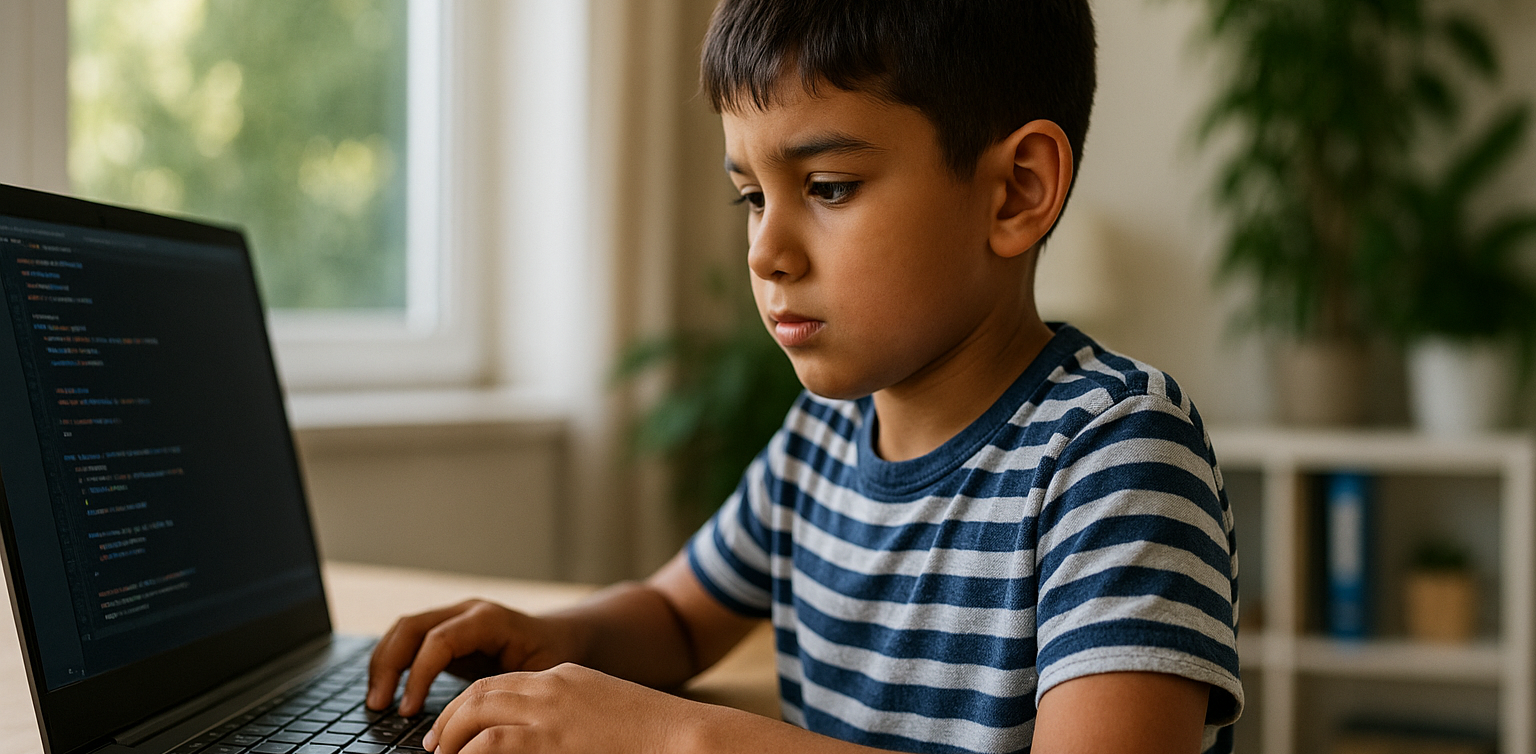
Parents can also introduce kids to productive digital activities, like learning coding, creating digital projects, or joining online classes that emphasize teamwork and respect.

Everyday Activities to Instill Basic Manner for Kids

Here are some daily activities to help instill basic manner for kids:

  • Encourage your child to greet family or guests politely.
  • Teach table manners, like not talking with their mouth full.
  • Remind kids to clean up toys after playing and thank friends who help.
  • Practice asking for permission before borrowing something from others.

Long-Term Benefits of Basic Manner for Kids

Children raised with basic manner for kids are better prepared to face life’s challenges. They are more comfortable socializing, are more trusted in school and work, and are more likely to succeed both academically and in their careers.

Building character through basic manner for kids is a crucial investment with benefits that last a lifetime.

Nurturing Manners and Future Skills

Ingin tahu detail program? Image

Ingin tahu detail program?

Teaching basic manner for kids is a lifelong process that requires parental example, consistency, and support. With a strong foundation in manners, children grow into confident, adaptable, and respected individuals wherever they go.

Alongside teaching manners, don’t hesitate to give your child future-ready skills like coding. One positive and educational digital activity is learning coding at Timedoor Academy. Here, kids can build logic, creativity, and teamwork—all while developing good character.

Sign your child up for a free trial class at Timedoor Academy and let them experience the fun, interactive world of coding while building strong manners and life skills from an early age.

Keep Reading

9 Parenting Tips for Children That Help Shape Their Future
Being a parent is more than just meeting your child’s physical needs. It is a lifelong responsibility to nurture their character, emotional well-being, and future readiness. In today’s fast-paced and digital world, parenting requires a more adaptive and thoughtful approach. That is why understanding effective parenting tips for children is crucial to providing meaningful support. 1. Understand Your Child’s Personality Every child is unique. Some are highly active and outgoing, while others may be quiet and reserved. Getting to know your child’s personality helps you adjust your communication style and parenting strategy. One of the most important parenting tips for children is observing without judgment and giving your child the space to express themselves freely. 2. Build Open Communication Communication is the foundation of a strong parent-child relationship. Children who feel heard and respected tend to develop greater self-confidence. Simple daily moments, like meals or car rides, can be perfect for building open and honest conversations. One of the essential parenting tips for children is to listen actively, avoid harsh judgment, and respond with empathy. 3. Set Clear and Consistent Boundaries While freedom is important, children also need boundaries to feel secure and learn responsibility. Parents who consistently apply clear rules help children develop a sense of discipline. Within the framework of parenting tips for children, boundaries are not meant to control but to guide healthy behavior and build self-regulation. 4. Be a Role Model Children learn more from what they see than what they are told. If you want your child to be respectful, honest, and responsible, you need to model those behaviors yourself. One of the most powerful yet often overlooked parenting tips for children is leading by example through everyday actions. 5. Guide Technology Use with Care Children today are exposed to technology from a very early age. Instead of banning gadgets, parents should guide their use wisely. Introduce children to educational apps and creative digital tools that encourage productive learning. Among modern parenting tips for children, teaching digital responsibility is crucial. 6. Offer Emotional Support Children who feel emotionally supported are more resilient and confident. Be there for your child during difficult moments, celebrate their achievements, and show them unconditional love. Emotional support is one of the most valuable parenting tips for children, as it fosters inner strength and emotional intelligence. 7. Create Healthy Daily Routines Consistent routines for sleeping, eating, studying, and playing give children a sense of structure and security. These routines also help develop time management skills. Simple, repeated habits are a vital part of effective parenting tips for children, laying a solid foundation for future growth. 8. Involve Children in Decision-Making Give your child opportunities to participate in everyday decisions, such as choosing their clothes or planning family meals. This empowers them to think critically and express their preferences. From a list of practical parenting tips for children, allowing children to make choices builds independence and self-esteem. 9. Keep Learning as a Parent No parent is perfect, and every child is different. Staying open to learning helps you adapt to your child’s changing needs. Attending parenting workshops, reading educational books, or seeking professional advice can strengthen your parenting skills. Among all parenting tips for children, the willingness to grow with your child may be the most important. Shaping the Future Begins at Home Parenting is a long-term investment filled with joys and challenges. By applying proven parenting tips for children, we create a supportive environment that allows our children to thrive emotionally, socially, and intellectually. Small actions today can build the future we dream of for our kids. If you’re looking to enhance your child’s learning journey, Timedoor Academy offers an engaging platform where children can explore the world of technology in a safe, structured, and exciting way. Sign your child up for a free trial at Timedoor Academy today and see how fun, guided tech learning can boost their confidence, creativity, and future readiness.
Jumbo 2025 Movie Poster
Jumbo and Kids: 3 Inspiring Lessons on Imagination & Technology
As parents, we want to understand the world of children that often seems “absurd”-full of fantasy, but also full of potential. In today's digital era, that world of imagination can be realized not only through drawings or handwriting, but also through digital media such as coding, animation, and game development. So, what can we learn from Jumbo's story about children and technology? 1. Children's Imagination Is Their Greatest Asset Jo, the main character of Jumbo didn't create Jumbo because she was told to, but because she felt alone and wanted a friend. Children have a rich inner world, and imagination is often the bridge to expressing emotions or exploring new ideas. Unfortunately, in an education system that focuses too much on academics, children's imaginations can be forgotten. In fact, in the world of technology, creativity is a major force. Many great innovations were born not from knowledge, but from the courage to imagine things that do not yet exist. As parents, we can start by asking: “If you could make a robot like Jumbo, what would it be like? Can it do anything?” From there, children learn to think creatively and express ideas concretely. 2. Technology: Not an Enemy, But a Tool of Expression In the movie Jumbo, technology serves as a medium of expression-not just an entertainment tool. Just like Jo who built Jumbo from scrap, kids today can also create something from what they have: laptops, tablets, and internet connections. However, the use of technology must be directed. Gadgets are not always bad. If used with a clear purpose, they can be a means for children to learn to think logically, innovate, and even convey their feelings. Instead of forbidding children from playing with gadgets, we can ask: “What can you make with it?” “Do you want to try making your own game or animation?” This is where technology changes function: from passive consumption to active creation. 3. Every Child Can Be a Creator, Not Just a User The movie Jumbo gives us one important message: children have the capacity to create something extraordinary, as long as they are given the opportunity. Not every child has to be a scientist or engineer, but every child can be a creator-they just need the right platform. Nowadays, learning technology such as coding or animation can start as early as elementary school. Children don't need to build robots right away, but they can start by creating characters, organizing storylines, or creating small games. This process trains many things: from systematic thinking, problem solving, to cooperation. And most importantly? They learn to believe in their own ideas. Are we ready to give children the space to create? As parents, we have an important role to play in assisting and facilitating our children's explorations - not rigidly directing them. Children's imagination, like Jo in the movie Jumbo, is often the early foundation of 21st century skills: creativity, empathy, technological literacy and innovation. Giving space to play and imagine with technology could be the first step towards a brighter future for our children. Help Your Child Bring Their Wild Ideas to Life with Timedoor Academy At Timedoor Academy, we believe that every child has tremendous potential to create and not just follow. Through programs such as coding, animation, and digital design, children are encouraged to hone their imagination and put it into tangible form: from interactive games, animated characters, to personal digital projects that reflect their ideas and feelings. With a fun and structured approach, we help children understand that technology is not just consumption, but also a space for exploration. Our classes are online and interactive, guided by professional mentors from Indonesia and Japan, and designed for children aged 5 to 18 from various backgrounds. So if your child has an imaginary world as big as a Jumbo robot, maybe they just need one thing: the right environment to make it happen. Timedoor is here to be the bridge between a child's idea-rich world, and a bright future!
10 Unhealthy Foods for Kids That Parents Should Watch Out For
Every parent wants their child to grow up healthy and full of energy. But in today’s world, where processed foods are everywhere, it’s easy to overlook how much of what kids eat is actually harmful to their health. Many of the snacks and meals kids love are considered unhealthy foods for kids — tasty, yes, but loaded with ingredients that can cause serious health problems down the line. In this article, we’ll walk through 10 common unhealthy foods for kids that should be limited, along with why building healthy eating habits early is so important.   1. Fast Food Burgers, fries, chicken nuggets — these fast food favorites are high in saturated fat, calories, and sodium. They may be convenient, but eating them too often can lead to weight gain and increase the risk of heart disease later in life. Fast food is one of the most recognizable unhealthy foods for kids and should be enjoyed only occasionally.   2. Instant Noodles Quick and easy to prepare, instant noodles are a go-to for busy families. However, they’re loaded with salt, unhealthy fats, and preservatives. Regularly eating instant noodles can raise blood pressure and put unnecessary strain on children’s kidneys, making them one of the most problematic unhealthy foods for kids.   3. Packaged Snacks Potato chips, cheese puffs, and other bagged snacks might be tasty, but they’re often full of artificial flavors, trans fats, and excessive salt. With little to no nutritional value, these snacks are classic examples of unhealthy foods for kids that can easily be replaced with healthier alternatives.   4. Sugary Candy and Sweets Most kids love sweets, but too much sugar leads to tooth decay, weight gain, and even a higher risk of developing type 2 diabetes. Whether it’s candy, chocolate bars, or gummy treats, sugary snacks are firmly in the category of unhealthy foods for kids.   5. Soda and Sugary Drinks Soft drinks and sugary juices pack an enormous amount of added sugar and artificial additives. Not only do they contribute to obesity, but they also weaken bones and harm dental health. It’s no surprise that sugary drinks are among the most well-known unhealthy foods for kids.   6. Sweetened Breakfast Cereals Many cereals marketed toward children are more dessert than breakfast, containing high levels of sugar and very little fiber. Starting the day with these sugary options can cause energy crashes and unhealthy snacking habits later on. Despite clever advertising, sweetened cereals are undoubtedly unhealthy foods for kids.   7. Store-Bought Ice Cream While an occasional scoop of ice cream is fine, commercially produced varieties are often loaded with sugar and unhealthy fats. When consumed too frequently, ice cream becomes yet another source of unnecessary calories and one more item on the list of unhealthy foods for kids.   8. Bubble Tea and Flavored Beverages Bubble tea and flavored milk drinks have become trendy among kids worldwide. Unfortunately, they’re typically packed with sugar, syrups, and calorie-dense toppings. These drinks are fun but should be considered occasional treats, as they’re definitely unhealthy foods for kids.   9. Deep-Fried Street Food Fried snacks sold by street vendors are often cooked in reused oil and prepared in less-than-hygienic conditions. Consuming these foods regularly increases the intake of harmful fats and raises the risk of digestive issues, making them one of the most dangerous unhealthy foods for kids.   10. Packaged Cakes and Pastries Mass-produced cakes, donuts, and pastries are high in refined sugars, unhealthy fats, and preservatives. Regularly eating these sweet treats can contribute to weight gain, disrupt hormone balance, and increase the risk of chronic diseases. Without a doubt, they belong on the list of unhealthy foods for kids.   Why Should You Limit Unhealthy Foods for Kids? The effects of unhealthy foods for kids go far beyond weight gain. Poor eating habits can affect children’s physical growth, learning abilities, mood, and immunity. Kids who frequently consume high-sugar, high-fat, and heavily processed foods may struggle with focus, experience low energy, and be more prone to illness. That’s why it’s essential for parents to guide their children towards healthier food choices early on. Teaching kids about nutrition helps them develop lifelong habits that support their overall well-being.   Don’t Forget Digital Literacy: A Key Skill for Today’s Kids While promoting healthy eating is vital, fostering digital skills is equally important. Introducing kids to coding, for example, helps develop logical thinking, creativity, and problem-solving abilities that are crucial in the digital age. Timedoor Academy offers fun, interactive coding classes specifically designed for kids. It’s a great way to support your child’s overall growth — mind and body. Ready to give your child a head start? Sign up for a free coding trial class with Timedoor Academy today and help them build essential skills for the future.
float button