May 19, 2025

Fun Coding Activities Kids Can Do to Boost Creativity in 2025

Fun Coding Activities Kids Can Do to Boost Creativity in 2025 image

In today’s digital age, coding for kids is no longer unfamiliar. Many parents recognize the importance of introducing coding early as one of the essential 21st-century skills. Beyond helping children understand technology, learning to code can also be a fun way to spark their creativity. This article explores some exciting coding activities kids can try to make learning programming more engaging and creative.

Why Is Coding for Kids Important?

Learning to code from an early age offers many benefits for children’s development, including:

  • Developing Systematic Thinking: Kids learn to break down complex problems into smaller, manageable steps.
  • Enhancing Creativity and Innovation: Coding encourages kids to imagine and create new solutions or projects like games and animations.
  • Building Problem-Solving Skills: Children get used to facing challenges and finding effective ways to solve them.
  • Improving Collaboration: Many coding projects teach kids how to work together as a team and communicate clearly.
  • Preparing for a Digital Future: Coding skills become valuable assets in a world increasingly dependent on technology.

Fun Coding Activities Kids Can Do

1. Create Simple Games
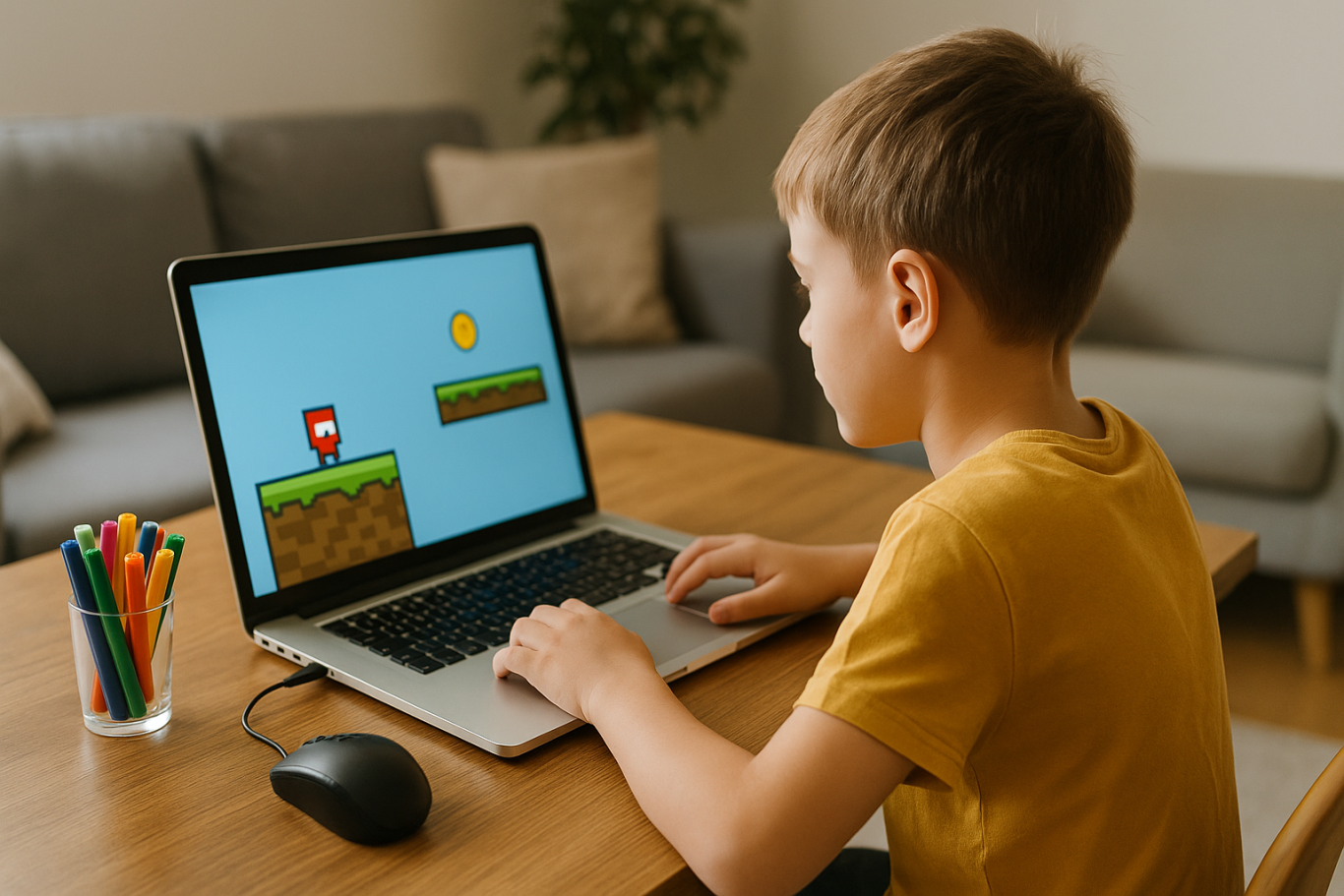
coding for kids

One of the most enjoyable coding activities for kids is making simple games. Using platforms like Scratch or Code.org, children can learn basic logic while being creative. They might create puzzle games, adventure games, or interactive quizzes.

This step-by-step game-building process helps kids learn gradually and feel proud when their creations can be played by themselves or friends.

2. Make Animations and Interactive Stories
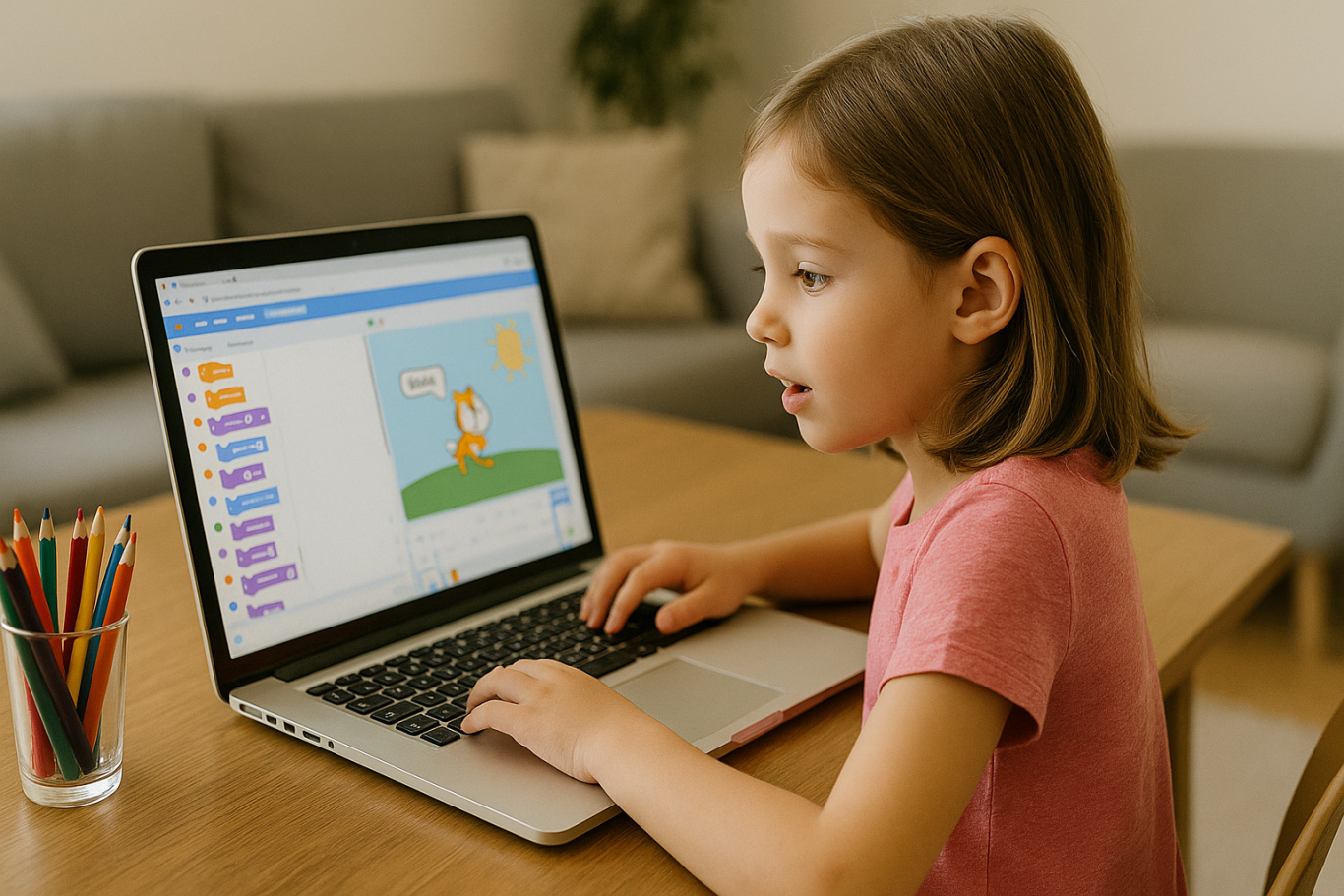
Besides games, kids can try coding animations or interactive stories. This sharpens their storytelling skills along with visual creativity. Platforms such as Tynker or Scratch allow children to combine images, sounds, and movements to bring stories to life.

3. Daily Coding Challenges
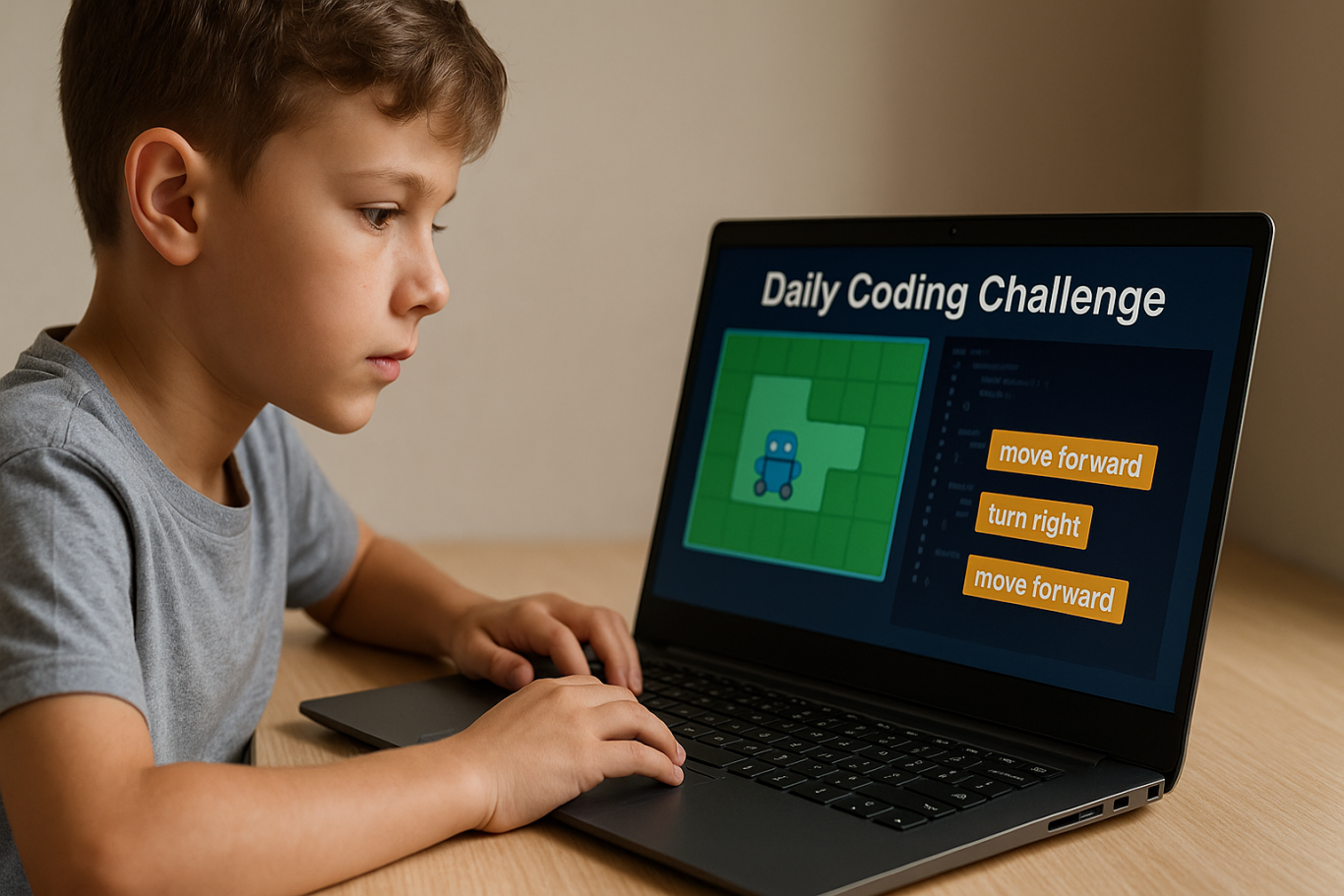
Giving simple daily coding challenges can spark curiosity and keep kids excited to learn. Examples include programming a virtual robot to move, changing background colors, or making characters move in specific directions. These challenges can be adapted based on the child’s age and skill level.

4. Build Simple Applications
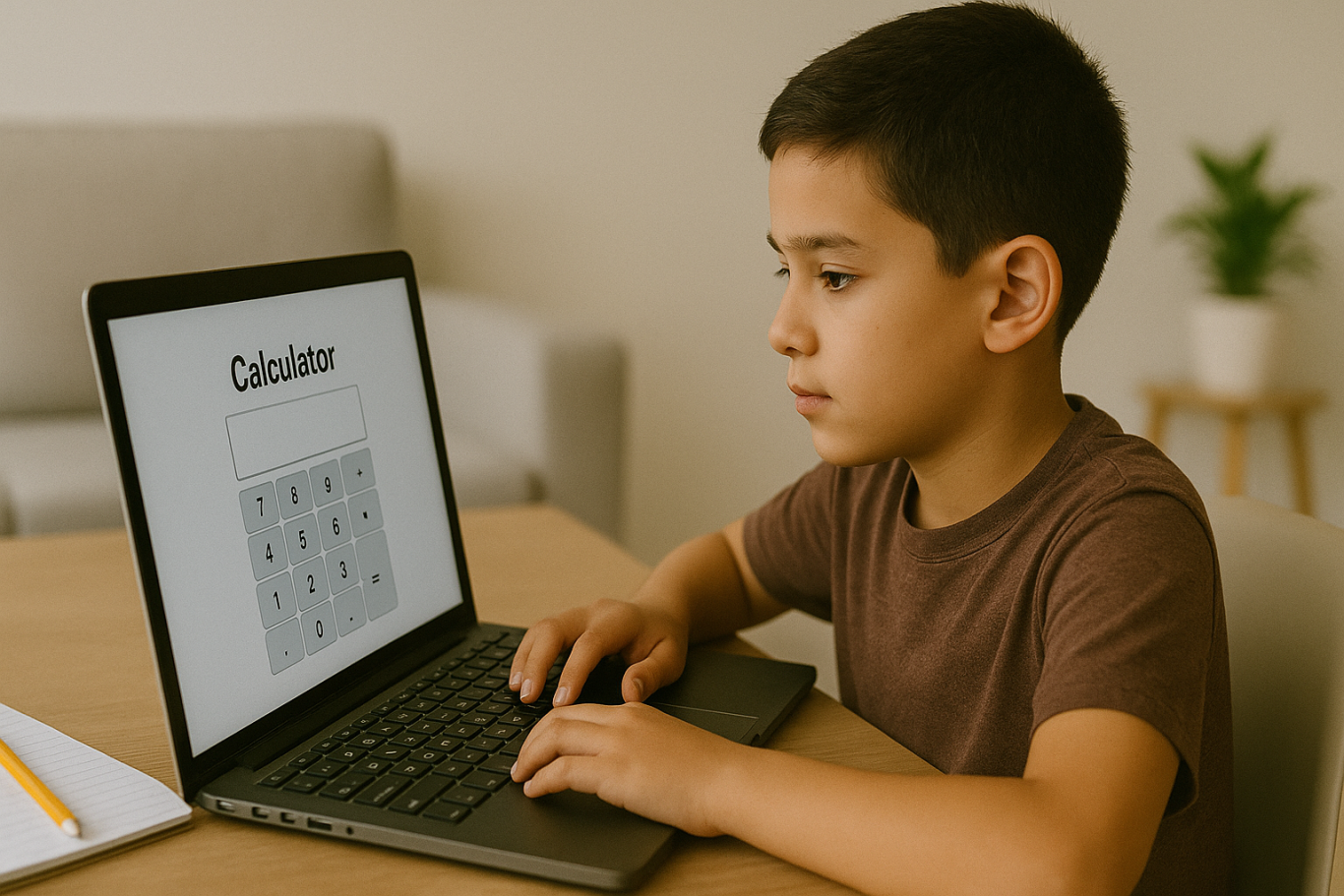
For older kids or those familiar with coding basics, building simple apps like calculators, to-do lists, or quiz apps can be fun. This teaches them how functions and user interfaces work.

5. Experiment with Robotics and IoT
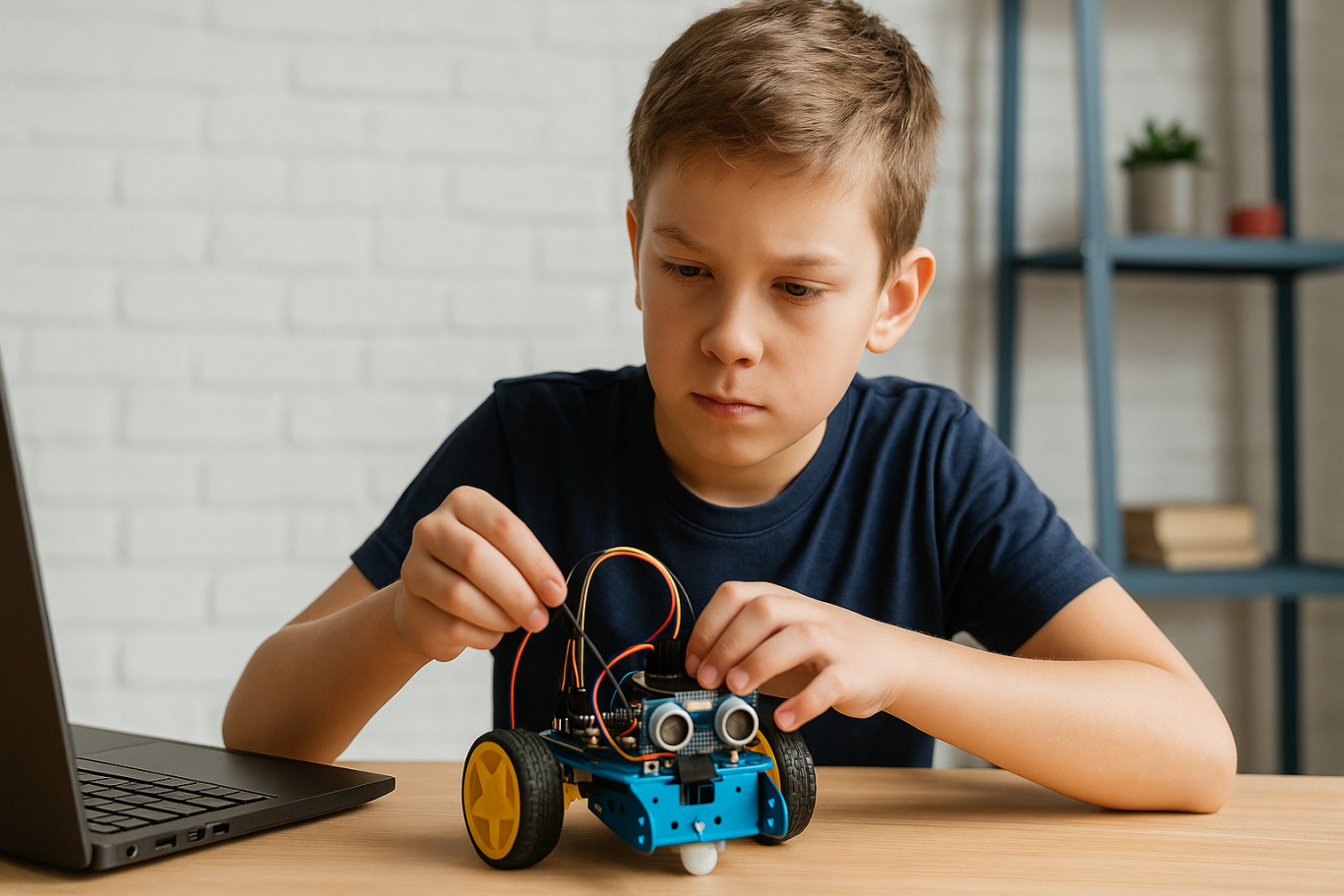
Combining coding with robotics or the Internet of Things (IoT) can be super exciting for kids. They can learn to program robots to perform certain tasks or control devices through apps they create. This blends coding concepts with real-world applications, making learning even more engaging.

Tips to Make Coding Fun for Kids

  • Choose Kid-Friendly Platforms: Use coding platforms that are easy to understand and interactive. Scratch, Tynker, and Code.org are popular choices.
  • Provide Guidance: Accompany your child during their coding journey, especially when they’re learning new concepts.
  • Align Projects with Interests: Tailor coding projects to your child’s hobbies and passions to keep them motivated.
  • Offer Praise and Encouragement: Celebrate every effort and creation to maintain their enthusiasm.
  • Combine Coding with Other Activities: Integrate coding with arts, math, or science to broaden learning experiences.

Supporting Your Child’s Creativity Through Fun Coding

Learning coding for kids is more than just mastering programming languages; it’s about nurturing creativity, logic, and problem-solving skills. With fun coding activities like game creation, animations, daily challenges, simple apps, and robotics, children can learn in an enjoyable and effective way.

 Image

Parents can support this by choosing the right platforms, guiding the learning process, and making coding an activity that matches their child’s interests. One recommended program is Timedoor Academy, which offers child-friendly, easy-to-follow coding lessons. Timedoor Academy also provides free trial classes, allowing parents and kids to explore coding for free and without pressure before deciding to enroll.
Keep Reading

The Importance of Soft Skills for Elementary School Kids
In today’s digital era, academic intelligence is no longer the only key to success. Soft skills are increasingly recognized as essential in building confidence, shaping character, and preparing children for global challenges. Among the many valuable soft skills to develop early on, one stands out as especially impactful: Skill Public Speaking. As parents, we naturally want our children to grow into confident individuals who can express themselves clearly. Public speaking is not just about standing on a stage and speaking to an audience. It is about communicating ideas with clarity, conviction, and confidence. This ability becomes a strong foundation for children in both their academic and social lives. Why Soft Skills Matter for Elementary School Kids During the elementary school years, children are at a stage of rapid cognitive and emotional development. They are learning to understand themselves, relate to others, and form habits that will carry into adulthood. Soft skills such as communication, empathy, leadership, and teamwork help children adapt more effectively to various situations. Among these, Skill Public Speaking plays a crucial role. The ability to speak clearly and confidently can help children in school presentations, competitions, and even everyday interactions with peers. More importantly, it trains them to listen to their audience, manage nervousness, and deliver messages in a structured way. Benefits of Developing Skill Public Speaking Early Boosting Confidence Children who regularly practice speaking in front of others gain more confidence in expressing their opinions. This confidence benefits them not only in school but also in everyday life. Encouraging Structured Thinking When preparing a presentation, children learn to organize their ideas systematically. This process sharpens their critical and analytical thinking skills. Improving Social Abilities Skill Public Speaking teaches children to maintain eye contact, observe audience reactions, and engage effectively with others. These habits strengthen their empathy and social connections. Preparing for the Future Strong communication skills are highly valued in higher education and the professional world. By learning public speaking in elementary school, children gain a long-lasting competitive advantage. The Role of Parents in Supporting Their Children Parents play a significant role in encouraging children to practice speaking confidently. Supportive gestures such as giving praise, providing opportunities to perform, and creating a safe environment free from harsh criticism help children feel more comfortable. Simple activities, like letting a child tell stories to the family, read aloud, or present a project, are excellent starting points. Parents can also guide their children toward structured learning programs. These programs not only teach techniques for effective Skill Public Speaking, but also help children manage nervousness, choose their words carefully, and engage with different audiences. How Timedoor Academy Supports Children Timedoor Academy recognizes the importance of developing soft skills at an early age. Through a well-designed curriculum, children can learn Skill Public Speaking in a fun and interactive environment. Experienced tutors provide guidance that helps students improve their speaking ability while also building self-confidence. Each session is designed to actively involve students, ensuring they not only learn the theory but also practice directly. Whether through presentations, role-plays, or group discussions, children gain valuable experience that prepares them for both academic and real-life situations. By practicing regularly in a safe and supportive environment, children gradually overcome their fears and discover the joy of expressing themselves clearly. This approach builds resilience and prepares them for greater challenges ahead. Building a Future-Ready Generation Soft skills are as important as academic abilities in preparing children for success. With Skill Public Speaking, children become more confident, thoughtful, and ready to engage in today’s dynamic world. The earlier they begin practicing these skills, the greater the positive impact on their development. For parents, investing in their child’s soft skills is a meaningful step toward long-term growth. With the right encouragement and proper guidance, children can grow not only academically strong but also emotionally resilient and socially capable. Ready to Support Your Child? If you want your child to grow into a confident individual who is ready to face future challenges, Timedoor Academy is here to help. Enroll them in a free trial program and let them experience the excitement of learning Skill Public Speaking in a fun, interactive, and supportive environment. Through this program, your child will discover new ways to express themselves while preparing to become part of a strong and capable future generation.
Indonesia’s Golden Generation
National Children’s Day and the Dream of Indonesia’s Golden Generation
Every year on July 23rd, Indonesia celebrates National Children’s Day, a reminder of our responsibility to nurture, protect, and empower the nation’s children. While this day is filled with joy and celebration, it also serves a deeper purpose: to reflect on the kind of future we want to build. That future begins today, with the steps we take to raise what we hope will become Indonesia Golden Generation. The term Indonesia Golden Generation refers to the generation of children who are expected to lead the nation by the year 2045, as Indonesia marks its centennial of independence. This vision is not just aspirational. It is a long-term national goal that requires thoughtful, coordinated action—starting with how we raise and educate children today. Why National Children’s Day Matters National Children’s Day is more than just a date on the calendar. It’s a national call to ensure children are growing up in a safe, inclusive, and empowering environment. It reminds us to examine whether every child in the country has access to quality education, supportive family environments, and the resources needed to thrive in a fast-changing world. Creating Indonesia Golden Generation is not the sole responsibility of the government. It requires shared commitment from families, educators, communities, and the private sector. Collaboration across these sectors is essential to providing meaningful learning experiences that will shape the values, character, and abilities of tomorrow’s leaders. The Characteristics of Indonesia Golden Generation To prepare today’s children for leadership in 2045, we must understand the traits that define Indonesia’s Golden Generation: Strong Character Children must be raised with values such as honesty, responsibility, empathy, and respect. Tech-Savvy and Globally Minded They need to understand digital tools and how to interact with the world critically and ethically. Collaborative and Adaptive Skills like teamwork, open communication, and problem-solving will be essential in every aspect of life. Leadership and Initiative Children should be encouraged to make decisions, take responsibility, and learn from mistakes with confidence. All of these characteristics begin with early education and life experiences. A nurturing environment filled with curiosity, exploration, and guidance helps lay the foundation for Indonesia Golden Generation. The Role of Parents and Education Parents play the most influential role in a child’s development. A loving home where children feel heard and supported is the starting point. But schools and educators must also serve as true partners, not just in academic development but also in teaching life values. Modern education must be more flexible and future-oriented than ever before. Memorization alone is no longer enough. Children must be taught to think, analyze, innovate, and apply their learning to real-world challenges. This is how we prepare them to become part of Indonesia Golden Generation. Introducing Technology Early, Wisely In the digital age, technology is not a luxury. It’s a necessity. Children should not only learn how to use technology, but also how to create with it. Teaching coding, digital art, and even AI basics early on helps them become not just consumers, but contributors to the digital world. This approach supports the broader vision of Indonesia Golden Generation, where children are empowered to build and lead in a world that demands both technical skills and strong ethics. From Celebration to Action National Children’s Day should inspire more than decorations and ceremonies. It should drive real efforts to improve how we support and prepare our children. This includes better education systems, inclusive programs, and access to tools that promote digital literacy and critical thinking. Raising Indonesia Golden Generation is not an overnight project. It is a journey that must begin today. Every act whether reading a book together, teaching a new skill, or simply spending quality time contributes to that long-term goal. Try a Free Coding Class at Timedoor Academy National Children’s Day is a celebration of hope and possibility. It invites us to see children not only as the future, but also as the foundation of what Indonesia can become. With love, care, and the right kind of education, we are shaping the future Indonesia Golden Generation deserves. At Timedoor Academy, we believe in preparing children for a future filled with both opportunities and challenges. Through digital education programs that focus on both skills and values, we’re helping to build strong, capable young people who are ready to thrive. Sign your child up for a free trial class today at Timedoor Academy and take a meaningful step toward building Indonesia Golden Generation starting right at home.
Why was Roblox banned in Indonesia? Here is Komdigi’s explanation and how children can remain creative without risk!
Source: katadata.co.id Shocking news has come from the Ministry of Communication and Digital Affairs (Komdigi). On social media, official statements regarding restrictions on access to digital platforms for minors have begun to be widely discussed. Many parents are asking, ‘Is it true that Roblox will be banned?’ Through its official statement, the government has reaffirmed its commitment to protecting children from digital risks. Komdigi stated that starting on 28 March 2026, access to social media (such as TikTok and Instagram) and gaming platforms such as Roblox will be restricted for children under the age of 16. This is because these platforms are classified as high risk in terms of exposure to age-inappropriate content. Why is the Government Concerned? We must acknowledge that child safety in the virtual world is a major challenge. As a very popular platform, Roblox does pose risks if used without strict supervision, especially in relation to interactions with strangers or user-generated content that has not been fully filtered. This is what underpins the government's decisive action to minimise the negative impact on the mental health and safety of our children. Good News: Roblox Continues to Tighten Security Despite the blocking issue, it is important for parents to know that globally, Roblox itself continues to make major updates to its security system. Based on information from Internet Matters and The Guardian, Roblox has launched new features to give parents greater control: Parental Accounts: Parents can now link their accounts to their children's accounts to monitor their activities directly. Age Restrictions for Children Under 13: Children under the age of 13 are now restricted from accessing chat features outside of the game and are prohibited from entering social hangout categories that are considered less educational. Content Maturity Labels: A clearer rating system to ensure children only play content appropriate for their age category. Don't Let Children Be Sad, Turn Them Into ‘Creators’  Looking at this issue, we need to see it from a broader perspective. The main problem is not with Roblox itself, but with how children use it. At Timedoor Academy, we help children transition from being passive Players (Users) to productive Creators through Roblox Studio.   Why is learning in Roblox Studio safe and beneficial? Productive Platform: Roblox Studio is not a place to play games, but a professional game development tool. To date, there are no regulations prohibiting the use of Roblox Studio because its function is for education and creativity. Learning Future Skills: Through our curriculum, children learn programming logic (coding), mathematics, and even English in a very enjoyable way. Educational Games: The games we teach at Timedoor Academy focus on educational content, enabling children to build a positive digital world. Safety Commitment at Timedoor Academy Parents, don't worry! At Timedoor Academy, we are fully committed to ensuring the safety and comfort of your children's learning experience. We prioritise a safe learning environment, especially when teaching coding through Roblox Studio. Here are the concrete steps we take to protect our students: Full Supervision: Our main focus is to develop children's productive skills through coding. Therefore, we will continue to supervise students in using Roblox Studio as long as there is no official ban from the government. This ensures that students' learning continues to run smoothly. Identity Verification: If new regulations require stricter verification, we will ask for your consent as parents to use official IDs. The goal? To ensure that your child's account remains legal, safe, and fully compliant with government regulations, so you can rest assured while your child creates. Total Transparency for Parents: We believe in complete openness. You can always access and check all the details of your child's activities during class, from coding projects to any interactions. With this approach, Timedoor Academy is not just a place to learn coding, but also a trusted partner in educating children safely. Conclusion for Parents Instead of focusing our energy on our children's disappointment over restricted access to play, let's encourage them to see new opportunities. Turn their sense of ‘loss’ into motivation to create. With Timedoor Academy, children are no longer just spending time in front of a screen, but are building their own future as technology creators. Want more advice on how to channel your child's interest in technology in a more positive way? Join our community at Timedoor Academy! Prepare your little one for the future through exciting learning experiences. Sign up for a free trial  session now!
float button