May 19, 2025

Fun Coding Activities Kids Can Do to Boost Creativity in 2025

Fun Coding Activities Kids Can Do to Boost Creativity in 2025 image

In today’s digital age, coding for kids is no longer unfamiliar. Many parents recognize the importance of introducing coding early as one of the essential 21st-century skills. Beyond helping children understand technology, learning to code can also be a fun way to spark their creativity. This article explores some exciting coding activities kids can try to make learning programming more engaging and creative.

Why Is Coding for Kids Important?

Learning to code from an early age offers many benefits for children’s development, including:

  • Developing Systematic Thinking: Kids learn to break down complex problems into smaller, manageable steps.
  • Enhancing Creativity and Innovation: Coding encourages kids to imagine and create new solutions or projects like games and animations.
  • Building Problem-Solving Skills: Children get used to facing challenges and finding effective ways to solve them.
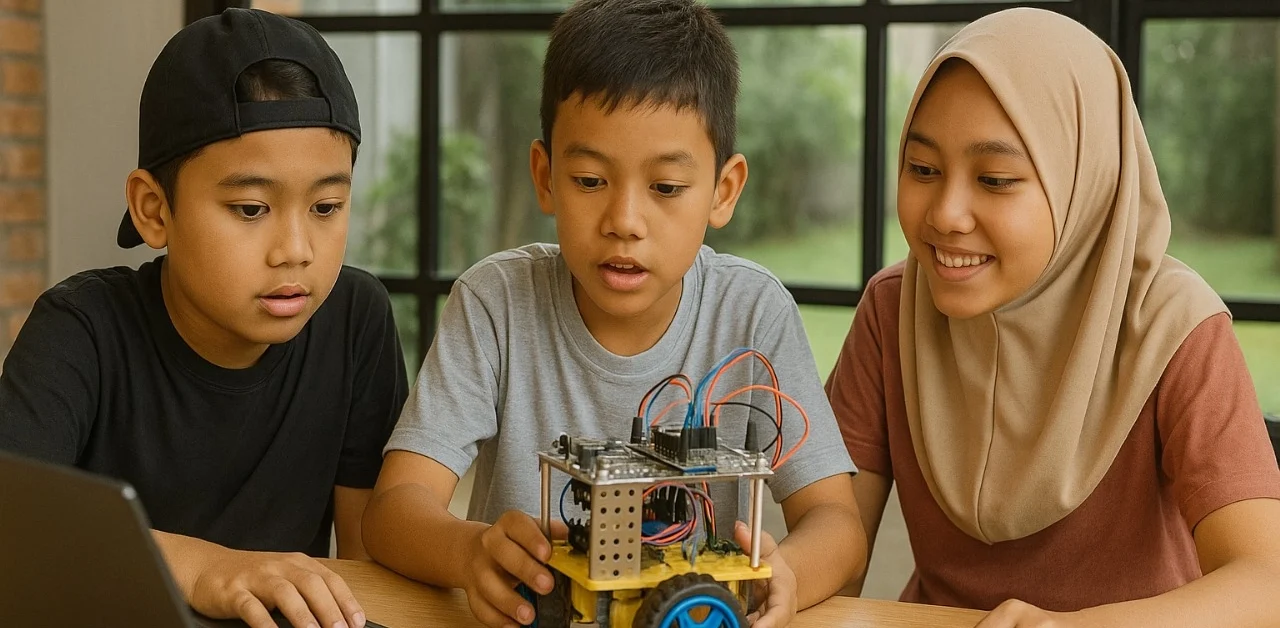
  • Improving Collaboration: Many coding projects teach kids how to work together as a team and communicate clearly.
  • Preparing for a Digital Future: Coding skills become valuable assets in a world increasingly dependent on technology.

Fun Coding Activities Kids Can Do

1. Create Simple Games
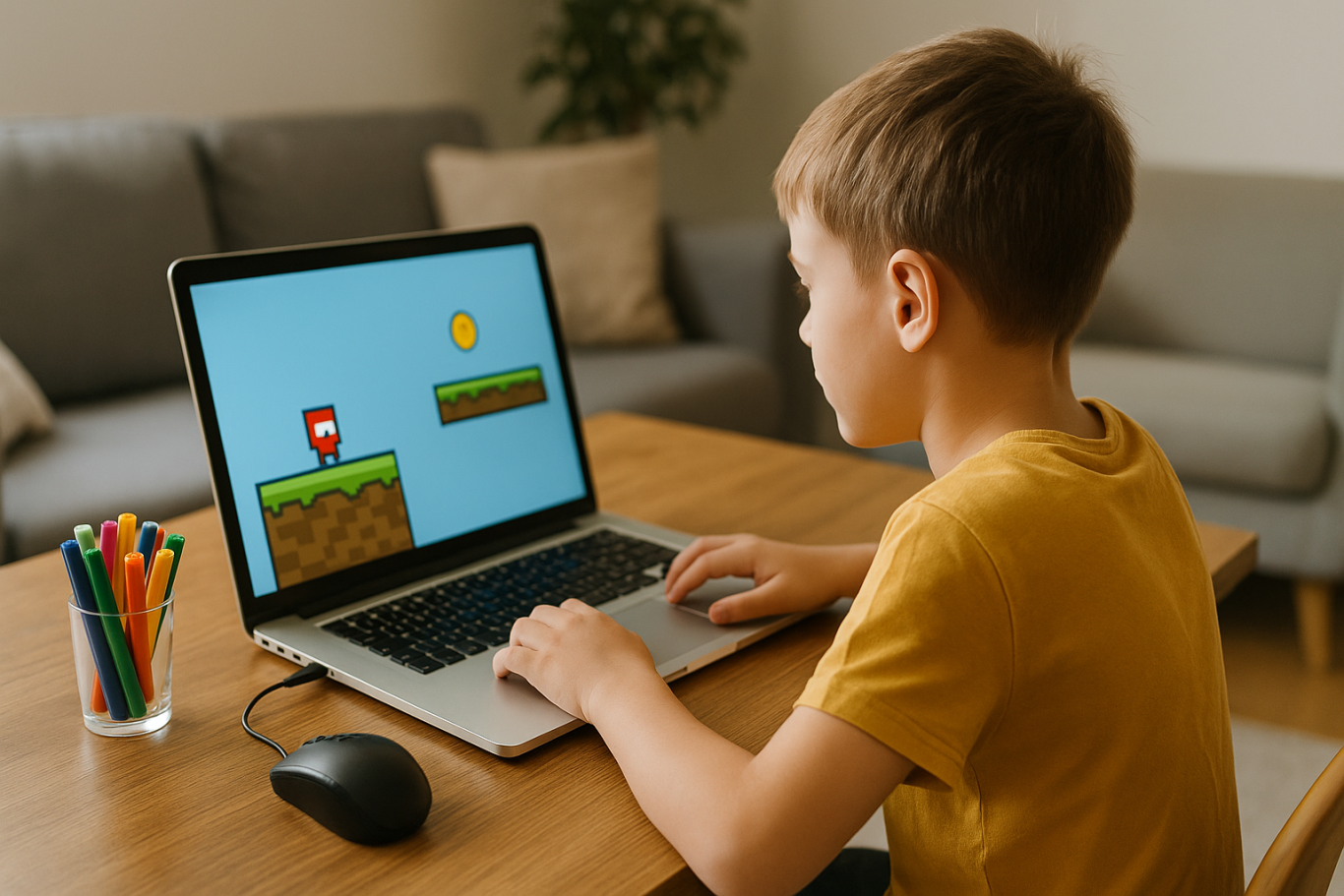
coding for kids

One of the most enjoyable coding activities for kids is making simple games. Using platforms like Scratch or Code.org, children can learn basic logic while being creative. They might create puzzle games, adventure games, or interactive quizzes.

This step-by-step game-building process helps kids learn gradually and feel proud when their creations can be played by themselves or friends.

2. Make Animations and Interactive Stories
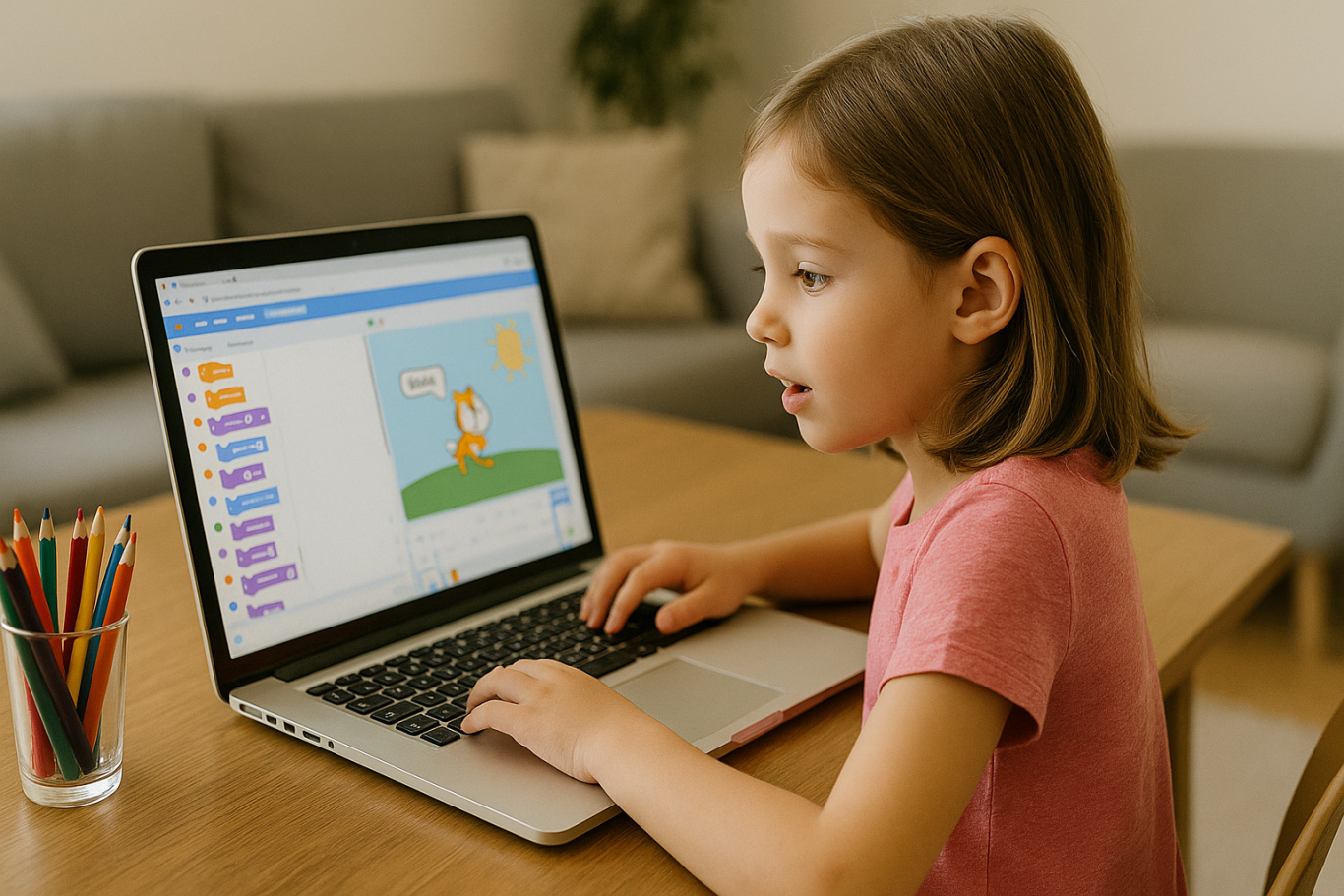
Besides games, kids can try coding animations or interactive stories. This sharpens their storytelling skills along with visual creativity. Platforms such as Tynker or Scratch allow children to combine images, sounds, and movements to bring stories to life.

3. Daily Coding Challenges
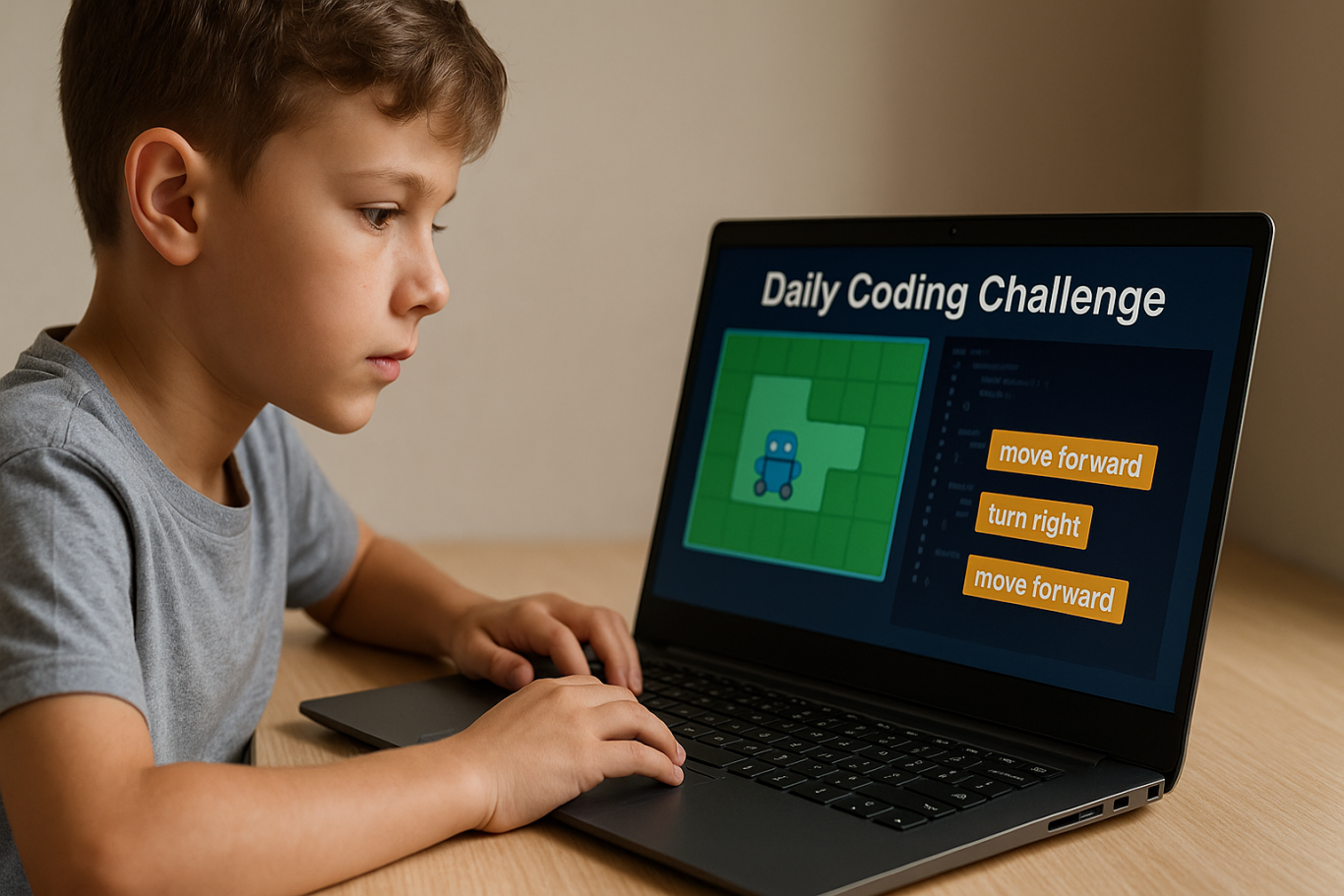
Giving simple daily coding challenges can spark curiosity and keep kids excited to learn. Examples include programming a virtual robot to move, changing background colors, or making characters move in specific directions. These challenges can be adapted based on the child’s age and skill level.

4. Build Simple Applications
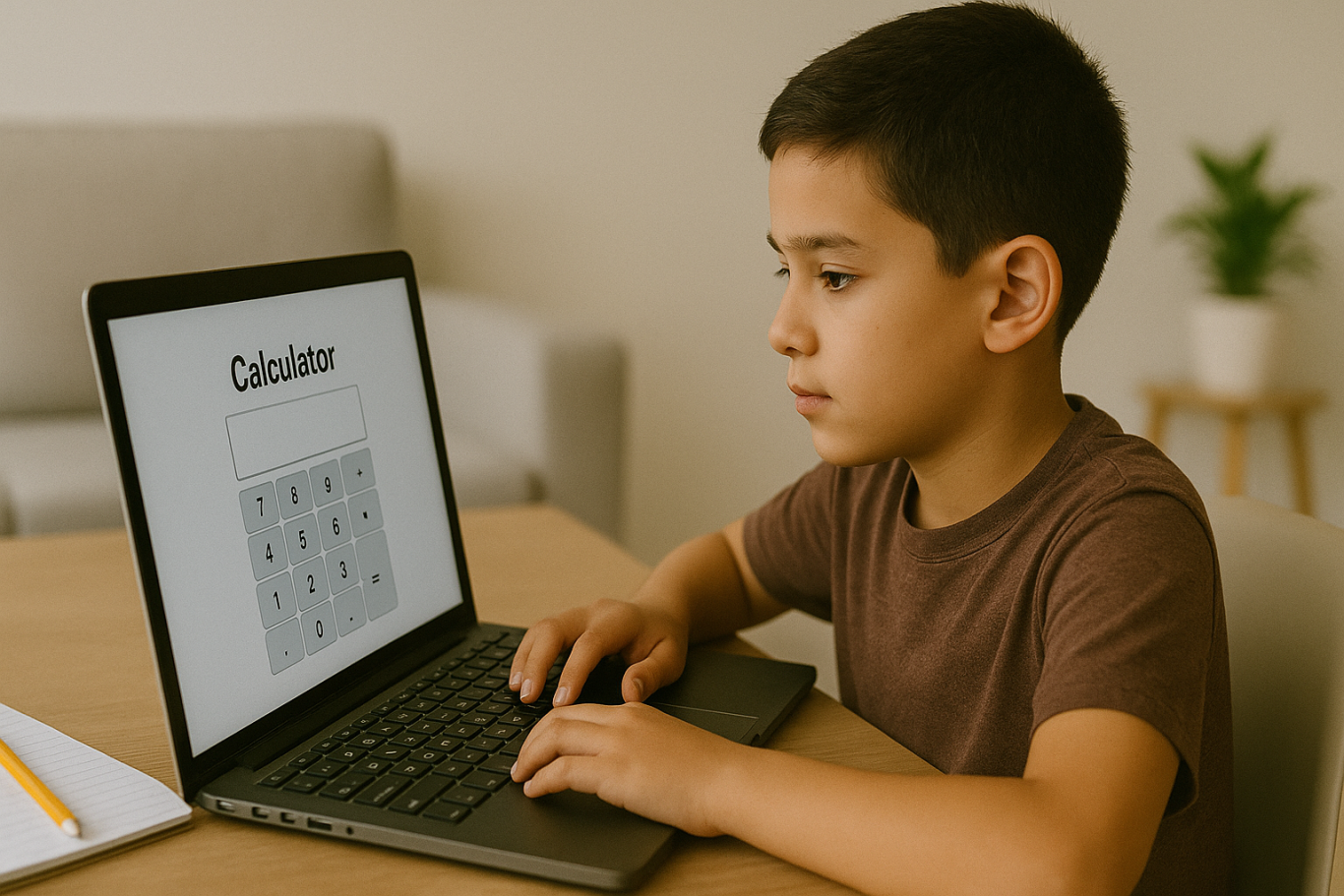
For older kids or those familiar with coding basics, building simple apps like calculators, to-do lists, or quiz apps can be fun. This teaches them how functions and user interfaces work.

5. Experiment with Robotics and IoT
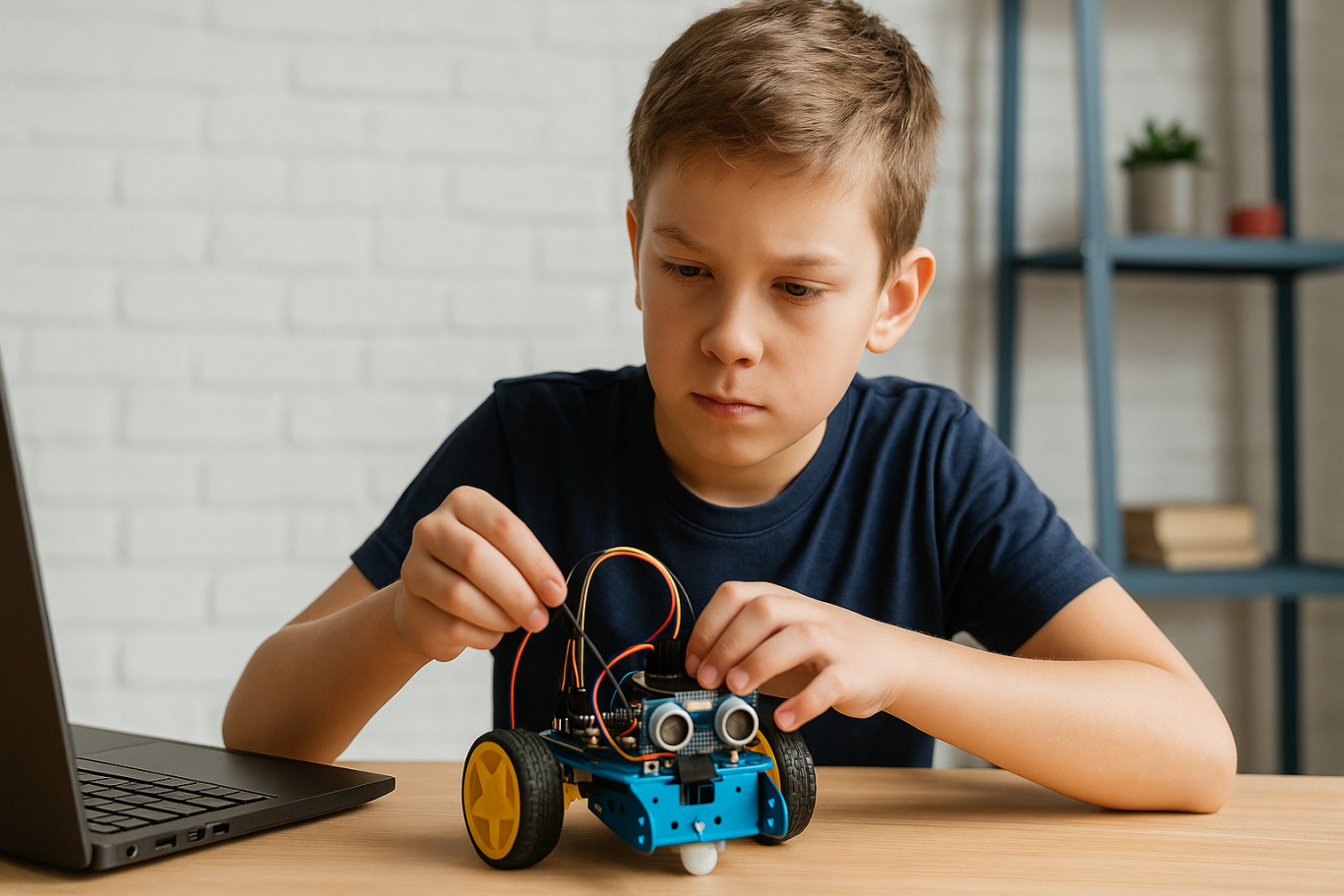
Combining coding with robotics or the Internet of Things (IoT) can be super exciting for kids. They can learn to program robots to perform certain tasks or control devices through apps they create. This blends coding concepts with real-world applications, making learning even more engaging.

Tips to Make Coding Fun for Kids

  • Choose Kid-Friendly Platforms: Use coding platforms that are easy to understand and interactive. Scratch, Tynker, and Code.org are popular choices.
  • Provide Guidance: Accompany your child during their coding journey, especially when they’re learning new concepts.
  • Align Projects with Interests: Tailor coding projects to your child’s hobbies and passions to keep them motivated.
  • Offer Praise and Encouragement: Celebrate every effort and creation to maintain their enthusiasm.
  • Combine Coding with Other Activities: Integrate coding with arts, math, or science to broaden learning experiences.

Supporting Your Child’s Creativity Through Fun Coding

Learning coding for kids is more than just mastering programming languages; it’s about nurturing creativity, logic, and problem-solving skills. With fun coding activities like game creation, animations, daily challenges, simple apps, and robotics, children can learn in an enjoyable and effective way.

Ingin tahu detail program? Image

Ingin tahu detail program?

Parents can support this by choosing the right platforms, guiding the learning process, and making coding an activity that matches their child’s interests. One recommended program is Timedoor Academy, which offers child-friendly, easy-to-follow coding lessons. Timedoor Academy also provides free trial classes, allowing parents and kids to explore coding for free and without pressure before deciding to enroll.
Keep Reading

How Much Do Coders Make Per Hour? A Guide for Parents Raising Digital-Ready Kids in 2025
In a world increasingly shaped by digital technology, many parents are exploring the idea of preparing their children for tech-oriented careers. One profession that consistently ranks high in both opportunity and income potential is coding. But the real question for many is this: how much do coders make per hour? And more importantly, is learning to code truly a worthwhile investment in a child’s future? Why Coding for Kids Is Gaining Popularity Today, coding is not just for software engineers or tech professionals. It is becoming a foundational skill much like reading or math. Through coding, children learn how to think logically, solve problems creatively, and build confidence in their own ideas. As a result, coding for kids has become a fast-growing trend in modern education. Parents are enrolling their children in fun and interactive programs that teach how technology works and how to create digital solutions, not just consume them. Even if a child does not end up becoming a coder, learning to code can strengthen cognitive and soft skills that are transferable to many future careers. Kids coding classes provide a safe, structured way to develop those skills early. So, How Much Do Coders Make Per Hour? The answer to how much do coders make per hour depends on several factors, including geography, experience, and specialization. Below is an approximate breakdown of how much coders make per hour in different markets: United States: USD 35 to 75 per hour Western Europe: EUR 25 to 60 per hour Global remote freelancers: USD 10 to 50 per hour depending on skill level and reputation High-skill niches such as AI or cybersecurity: USD 70 or more per hour In general, coders with advanced technical skills or niche expertise like machine learning or blockchain earn significantly higher hourly rates. This makes understanding how much do coders make per hour important not only for career planning, but also for setting realistic expectations. How Freelance and Full-Time Coder Salaries Compare Freelancers usually charge per hour or per project, and their income can vary from month to month. On the other hand, full-time coders are typically paid monthly or annually, with benefits such as health insurance, paid leave, and ongoing training. Globally, many entry-level full-time coders earn around USD 2,500 to 4,000 per month depending on the country and company. Senior-level coders or tech leads, especially in major cities or remote-first companies, can earn significantly more. Whether freelance or full-time, understanding how much do coders make per hour helps parents evaluate the earning potential of this profession in both local and global markets. How Parents Can Support Their Child’s Interest in Technology If your child shows interest in technology, here are a few ways you can support their journey into coding: Start with fun, age-appropriate toolsUse beginner platforms like Scratch or Blockly that make coding feel like play. Many of these tools are specially designed for kids coding and require no prior experience. Follow your child’s pace and interestsLet curiosity lead. Some kids love creating games, others enjoy building animations or solving puzzles. Balance screen time with creativityEncourage your child to apply what they learn through small projects. This helps them see coding as a tool for creation, not just consumption. Join a community or online classCoding for kids becomes more enjoyable when children can learn together with peers. Look for clubs or live online classes tailored for children. Being involved as a supporter rather than a teacher helps keep your child motivated and confident. Is Coding a Guarantee of Future Success? Not always. But it is one of the most valuable skills a child can learn today. Coding teaches problem-solving, systems thinking, and resilience, which are important across almost all future jobs. So while how much do coders make per hour can be a strong motivator, the real value of coding is in preparing children to adapt and thrive in a tech-driven world. Introduce Your Child to the World of Technology with Timedoor If you want your child to explore digital skills in a fun and age-appropriate way, Timedoor Academy offers interactive online classes designed for children. Try a free trial coding class today and see how kids coding can become a meaningful part of your child’s learning journey.
Rekomendasi 10 HP Murah Untuk Anak
10 Cheap Smartphones for Kids in 2025: Prices and Features
In today’s digital age, smartphones are not just entertainment tools. For many children, they serve as a bridge to learning, communication, and creativity. Choosing the right device can help your child stay connected in school, access educational apps, and explore digital skills in a fun and productive way. To help parents make smart and budget-friendly decisions, we have curated a list of the 10 best cheap smartphones for kids in 2025. These models offer great value, strong performance, and essential safety features that are perfect for young users. What to Consider When Buying a Cheap Smartphone for Kids When shopping for cheap smartphones for kids, it is important to think beyond the price tag. Here are key things every parent should consider before making a choice: PriceA good smartphone for kids does not need to be expensive. Many reliable devices under 180 dollars offer excellent features for school and everyday use. Parental ControlsSmartphones with built-in parental control settings make it easier to monitor your child’s activity, manage screen time, and ensure safe browsing. BatteryLook for phones with strong battery life that can support your child throughout a full day of studying, gaming, or video calling without frequent charging. DurabilityChildren can be rough with gadgets. A solid build or phone that works well with a protective case will help prevent costly accidents. PerformanceAt least 3 GB of RAM and 32 GB of storage is recommended for smooth learning app usage, media playback, and communication features. 10 Best Cheap Smartphones for Kids in 2025 1. Xiaomi Redmi Note 12 A favorite among cheap smartphones for kids, this model supports learning apps and video streaming with ease. Price: Around 170 USDDisplay: 6.67 inch AMOLEDProcessor: Snapdragon 4 Gen 1RAM and Storage: 4 GB RAM and 128 GBCamera: 50 MP triple rearBattery: 5000 mAh with 33W fast charging 2. Realme Narzo 50A Reliable and long-lasting, this phone is perfect for children attending full-day online classes or playing educational games. Price: Around 140 USDDisplay: 6.5 inch HD PlusProcessor: MediaTek Helio G85RAM and Storage: 4 GB RAM and 64 GBCamera: 50 MP rearBattery: 6000 mAh 3. Samsung Galaxy A14 A well-known brand delivering one of the most dependable cheap smartphones for kids with a simple interface. Price: Around 180 USDDisplay: 6.6 inch Full HD PlusProcessor: Exynos 850RAM and Storage: 4 GB RAM and 64 GBCamera: 50 MP triple rearBattery: 5000 mAh 4. Infinix Hot 12 This large-screen phone supports video learning and basic mobile games for children with curiosity. Price: Around 130 USDDisplay: 6.82 inch HD PlusProcessor: MediaTek Helio G85RAM and Storage: 4 GB RAM and 64 GBCamera: 13 MP rearBattery: 5000 mAh 5. Motorola Moto E40 A practical choice among cheap smartphones for kids with clean software and strong performance. Price: Around 150 USDDisplay: 6.5 inch HD PlusProcessor: Unisoc T700RAM and Storage: 4 GB RAM and 64 GBCamera: 48 MP triple rearBattery: 5000 mAh 6. OPPO A54 Stylish, dependable, and ideal for preteens who need extra storage for schoolwork and hobbies. Price: Around 155 USDDisplay: 6.51 inch HD PlusProcessor: MediaTek Helio P35RAM and Storage: 4 GB RAM and 128 GBCamera: 13 MP triple rearBattery: 5000 mAh 7. Tecno Spark 9 Simple and affordable, making it one of the easiest cheap smartphones for kids to learn with. Price: Around 130 USDDisplay: 6.6 inch HD PlusProcessor: MediaTek Helio G37RAM and Storage: 4 GB RAM and 64 GBCamera: 13 MP dual rearBattery: 5000 mAh 8. Huawei Y5p Compact and lightweight, this is great for younger kids who are just starting out with digital devices. Price: Around 110 USDDisplay: 5.45 inch LCDProcessor: MediaTek Helio P22RAM and Storage: 2 GB RAM and 32 GBCamera: 8 MP rearBattery: 3020 mAh 9. Samsung Galaxy M12 Trusted by many parents, this phone balances power and price well for a first smartphone. Price: Around 160 USDDisplay: 6.5 inch HD PlusProcessor: Exynos 850RAM and Storage: 4 GB RAM and 64 GBCamera: 48 MP quad rearBattery: 6000 mAh 10. Realme C55 With high storage and RAM, this phone is excellent for older children who like creative apps and multitasking. Price: Around 170 USDDisplay: 6.72 inch IPS LCDProcessor: MediaTek Helio G88RAM and Storage: 6 GB RAM and 128 GBCamera: 64 MP dual rearBattery: 5000 mAh Let Your Child Grow With Purpose A smartphone should not just be a toy. With the right guidance, it can be a tool that helps children grow their knowledge, confidence, and independence. Whether it is joining virtual classes, discovering coding, or connecting with mentors online, cheap smartphones for kids can open doors when used wisely. At Timedoor Academy, we believe that learning with technology should be meaningful. That is why we offer engaging online classes in coding, animation, and digital skills for children. If you want to help your child turn screen time into real learning, start with a free trial class. No pressure, just an open door to see what your child can create!
5 Dangerous Games for Kids Parents Should Watch Out For in 2025
Technology brings countless benefits, especially in education. However, easy access to the digital world also exposes children to dangerous games for kids. Many parents believe games are harmless fun, but in reality, some can negatively impact a child’s development. This article will cover a list of dangerous games for kids, the risks they pose, and how parents can guide their children toward healthier digital habits.   Why Are Some Games Dangerous for Kids? Before diving into the list of dangerous games for kids, it is important to understand why certain games pose risks. Here are some of the most common dangers: Gaming AddictionGames with instant rewards or endless gameplay loops make it hard for kids to stop playing. This often disrupts their study time, sleep schedule, and daily routine. Exposure to Violence and AggressionShooting and fighting games can influence a child’s behavior. Over time, constant exposure may lead to increased irritability or mimicry of violent actions. Negative Online InteractionsOnline multiplayer games expose children to strangers without proper safeguards. This can lead to cyberbullying, exposure to inappropriate language, and negative social influences. Physical Health NeglectProlonged gaming reduces physical activity. This increases risks of obesity, posture problems, and overall sedentary lifestyle habits. Inappropriate Ads and MicrotransactionsMany games target children with in-game purchases and advertisements. Without understanding the implications, kids may make unintended purchases or see content not suitable for their age.   List of Dangerous Games for Kids Here are some examples of dangerous games for kids that require close parental supervision or should be avoided entirely. 1. Free Fire A popular battle royale game known for fast-paced action and violence. Free Fire carries risks of addiction and can influence aggressive behavior patterns in children. 2. PUBG Mobile Similar to Free Fire, PUBG Mobile features intense combat and survival modes. Its competitive nature can lead to emotional stress and obsession with winning. 3. Call of Duty Mobile This game presents high-level realistic violence. The combination of vivid graphics and intense sound effects can have a strong psychological impact on younger players. 4. Grand Theft Auto (GTA) Series GTA is infamous for its explicit content, extreme violence, and criminal elements. This series is highly inappropriate for children and is not recommended under any circumstances. 5. Roblox (Without Supervision) While Roblox can be safe with moderation, user-generated content within the platform is not always child-friendly. Without proper supervision, children can stumble upon games with violent or negative themes.   The Dangers of Gaming Without Parental Supervision Unsupervised gaming can amplify the dangers of gaming for kids. Beyond excessive screen time, gaming without limits may affect children’s behavior, habits, and even personal data security. That is why parental involvement is key. Instead of simply banning games, parents should redirect their children's attention to positive digital experiences that foster growth and learning.   Redirecting Kids to Positive Digital Activities One effective way to shift attention from dangerous games for kids is to introduce children to productive digital activities, such as learning to code. Coding teaches children logical thinking, patience, and problem-solving skills. Just like solving puzzles, coding involves structured steps that train children to think critically and creatively. With interactive and fun approaches, children can enjoy their time online while gaining valuable skills.   Practical Tips for Parents to Handle Gaming Risks To prevent children from falling into harmful gaming habits, parents can take these practical steps: Monitor the games your child plays. Always check age ratings and trusted reviews. Set clear and consistent limits on gaming time. Enforce healthy boundaries. Discuss the dangers of gaming for kids openly. Focus on educating rather than just restricting. Introduce productive digital activities. Coding, graphic design, and digital art are excellent alternatives. Balance screen time with physical activities and family time. Ensure children stay active and socially engaged offline.   Being Smart About the Digital World Not all games are harmful, but it is crucial for parents to identify which are safe and which are dangerous games for kids. The solution is not solely about restrictions but also about providing direction. When children are guided toward positive digital experiences, they can benefit from technology in constructive ways. Introducing children to coding is a meaningful alternative. It develops structured thinking, problem-solving, and opens up creative opportunities in the digital world.   Free Coding Classes at Timedoor Academy Timedoor Academy offers free coding classes for kids, designed with fun, interactive lessons suited for young learners. This can be a great alternative to help children stay engaged with digital media in a productive and educational way. Register now and help your child explore a healthier digital lifestyle: Join Timedoor Academy's Free Coding Trial Class
float button