Jun 12, 2025

7 Signs of ADHD in Children Parents Should Recognize

<strong>7 Signs of ADHD in Children Parents Should Recognize</strong> image

Child development is a unique journey for every individual. While each child grows at their own pace with different traits and temperaments, there are times when parents become concerned about certain behaviors. A child who is unusually restless, often distracted, or frequently ignores instructions may be showing early signs of a condition known as ADHD.

ADHD, or Attention Deficit Hyperactivity Disorder, is a neurodevelopmental condition that often begins in childhood and can continue into adulthood. It affects a child’s ability to pay attention, manage impulses, and control movement. Recognizing the signs of ADHD in children early can make a significant difference in how they grow and succeed.

Here are some of the most common signs to look out for:

1. Difficulty Paying Attention
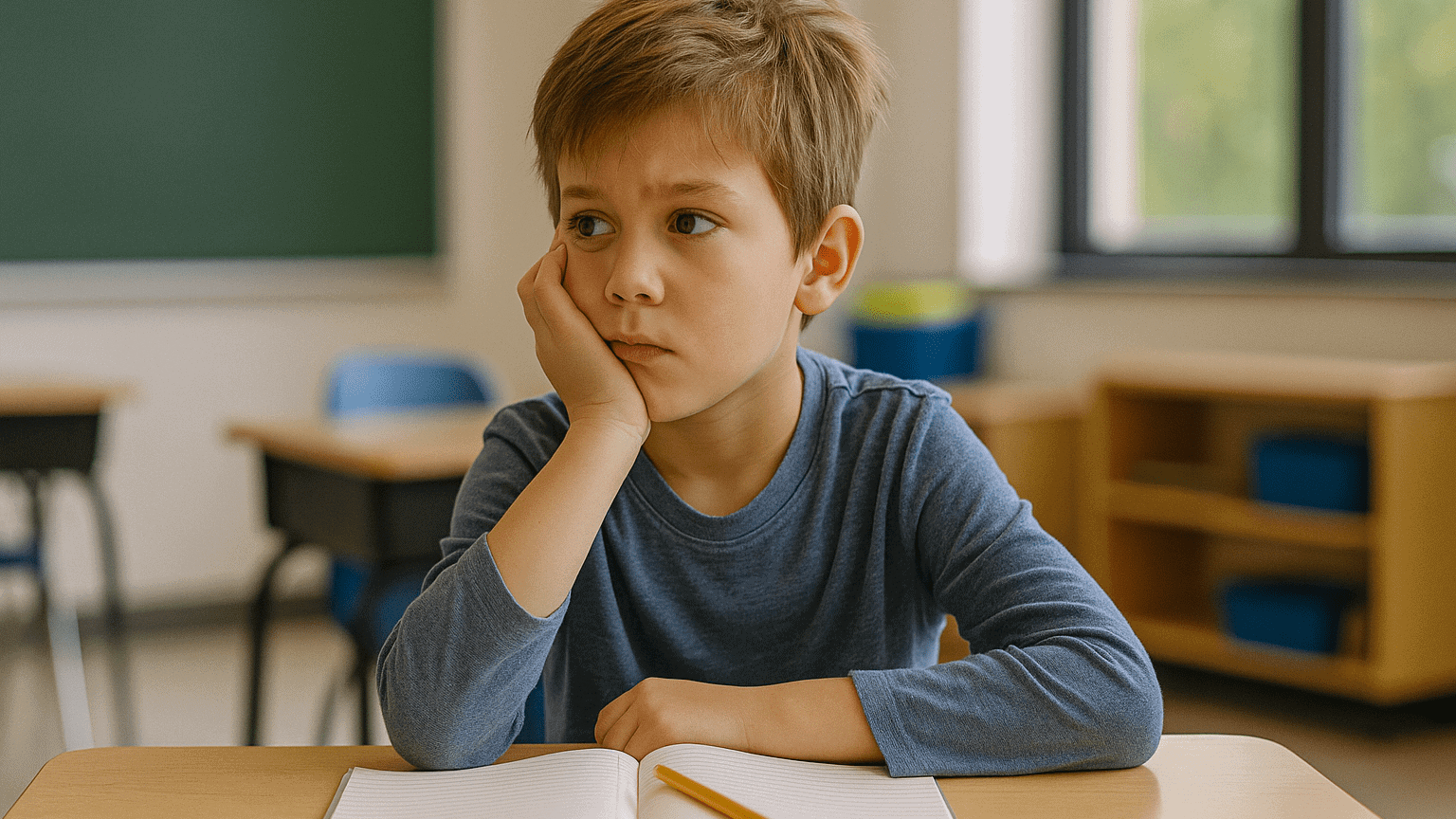
signs of adhd in children

A frequent sign of ADHD in children is difficulty focusing on one task. Children may be easily distracted, often lose things, or appear not to listen even when spoken to directly. Tasks that require sustained mental effort, like homework or reading, are particularly challenging.

2. Often Forgetful or Careless

Children with ADHD tend to forget daily activities or make mistakes due to lack of focus, not because of low intelligence. Missing instructions, leaving assignments unfinished, or forgetting important items are common behaviors. These are often overlooked as typical child behavior but can be part of the signs of ADHD in children.

3. Hyperactive Behavior

Many children are energetic, but hyperactivity in ADHD goes beyond normal levels. Children may constantly move, fidget, or talk excessively. They struggle to sit still, even during meals or story time. This type of behavior is one of the most visible signs of ADHD in children.

4. Impatience or Trouble Waiting
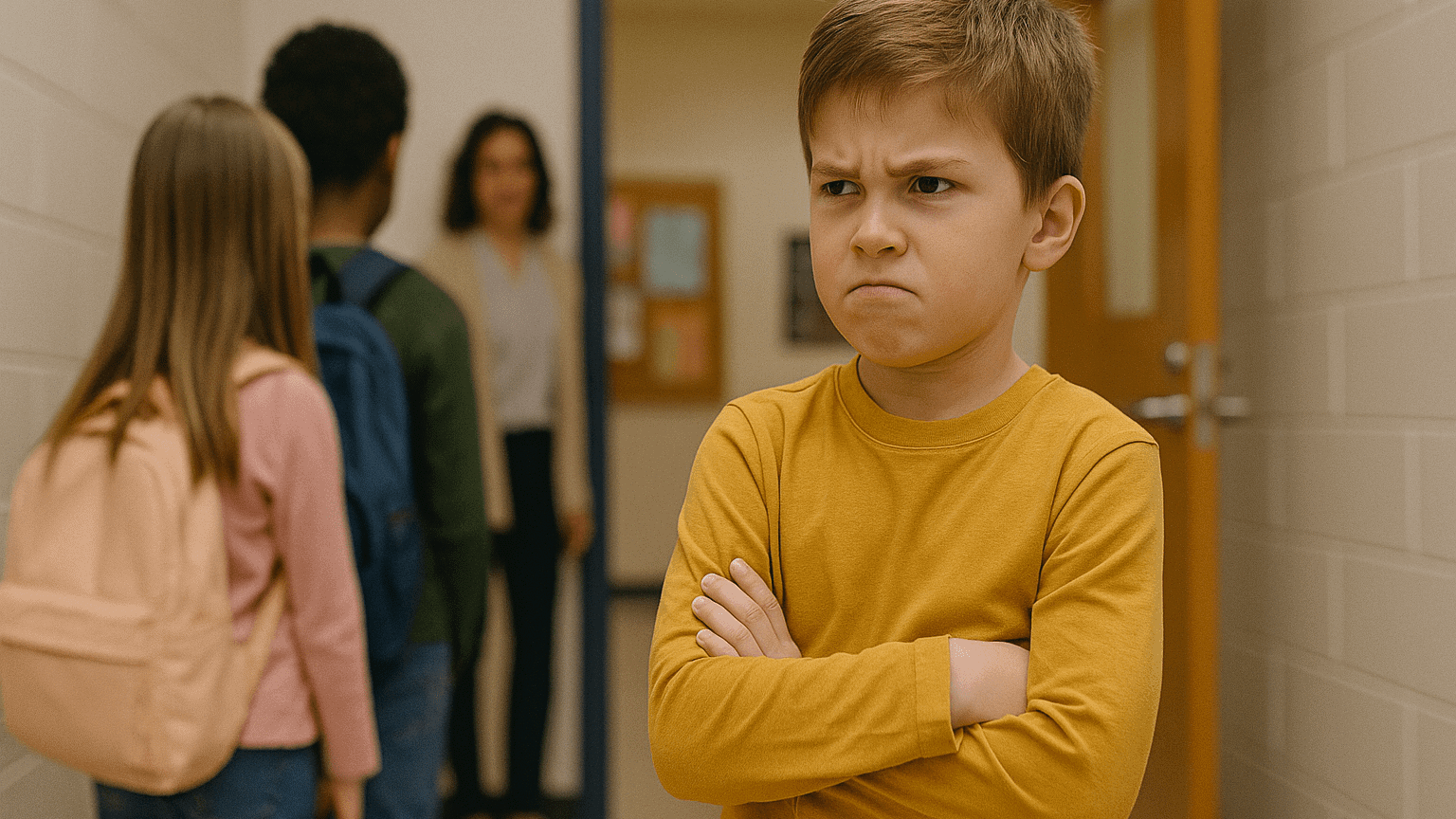
Children with ADHD often find it hard to wait their turn or follow social rules. They may interrupt others, speak out in class, or take over games. These actions can affect how they interact with friends and adults, making social development more difficult. This is another key sign of ADHD in children that parents should observe.

5. Acting Without Thinking

Impulsivity is another clear indicator. A child might do something risky, like running across the street without checking for cars or grabbing a hot object. In conversation, they may say things without thinking or shout out answers before a question is finished. Such impulsive actions are commonly found in children showing signs of ADHD in children.

6. Emotional Outbursts

Many children with ADHD experience difficulty managing their emotions. They may get frustrated easily, cry or become angry quickly, and struggle to calm down. These emotional reactions may seem too intense for the situation and are often misunderstood. However, this is also among the signs of ADHD in children.

7. Difficulty Following Routine

Children with ADHD often struggle to adapt to routines or structured environments. They may forget the order of steps, need constant reminders, or find it hard to transition between activities. These behaviors can be challenging at school and home. Understanding this as part of the signs of ADHD in children can help parents respond with more patience and support.

ADHD Is More Than Just Being Active
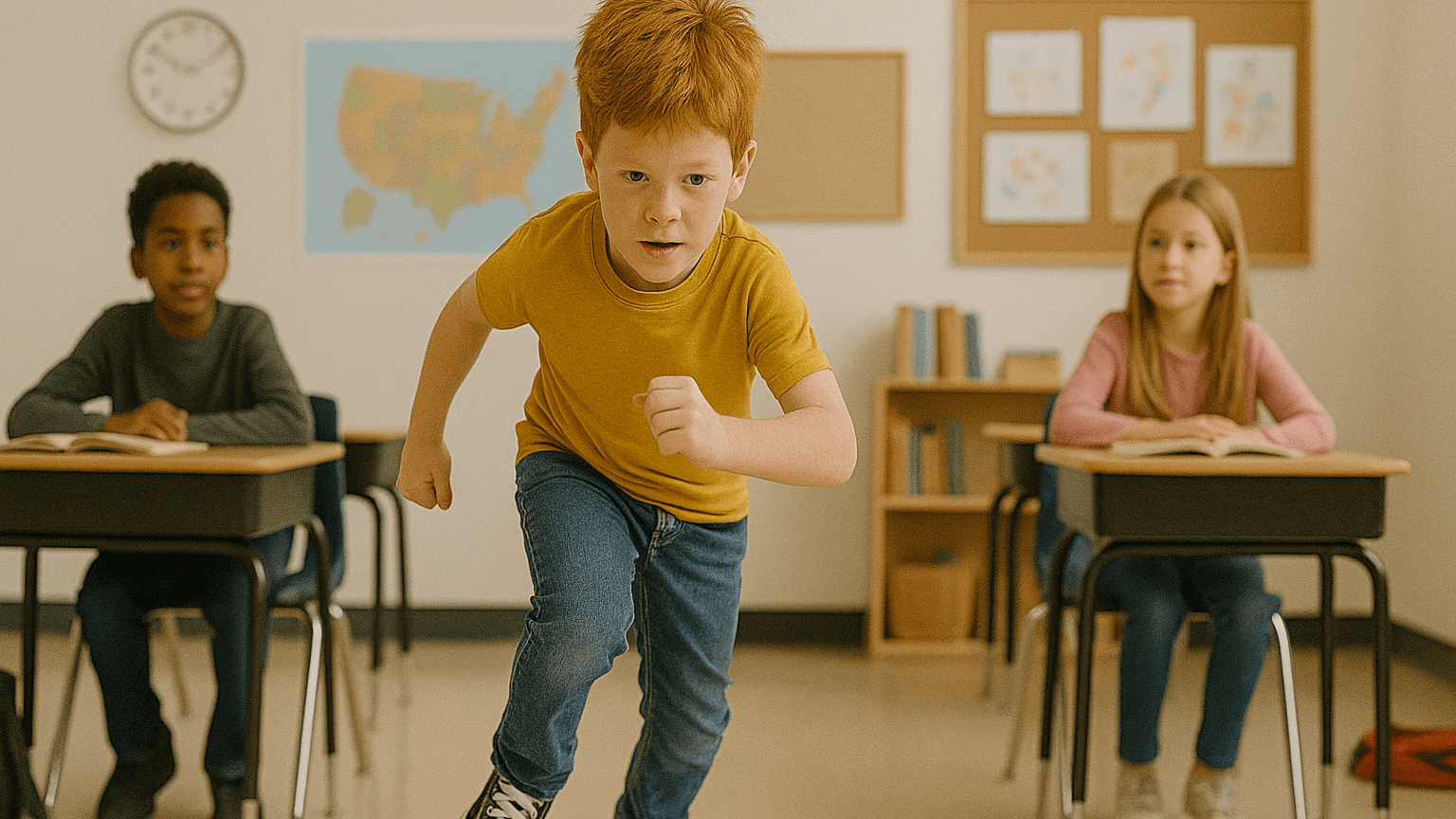
It is important to remember that not all active or distracted children have ADHD. Kids naturally have high energy levels and shorter attention spans. What sets ADHD apart is how frequently these behaviors occur and how much they interfere with a child’s life. If the signs of ADHD in children are present for more than six months and are affecting school or relationships, it may be time to seek professional help.

A thorough diagnosis should come from a qualified psychologist or developmental pediatrician. Parents should not try to diagnose on their own.

Parental Support Can Make a Big Difference

Supporting a child with ADHD requires consistency, empathy, and often guidance from professionals. With the right structure, children with ADHD can thrive and build positive habits for life. Understanding the signs of ADHD in children gives parents the power to help their child succeed.

A Positive Outlet: Coding for Kids

 Image

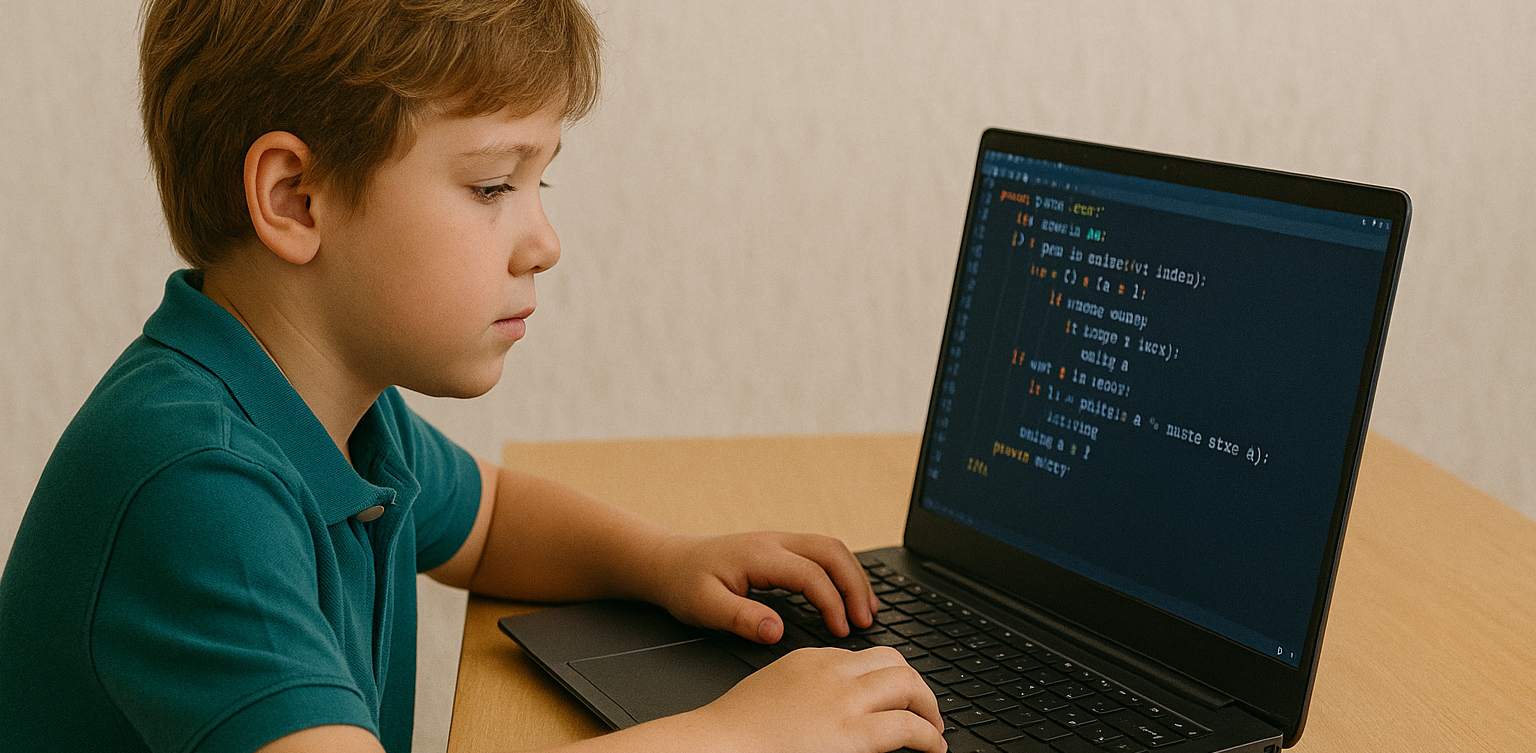
For children who have difficulty staying focused, creative and structured activities can help. Coding is one such activity. At Timedoor Academy, we offer coding classes that teach kids how to think logically, solve problems, and stay engaged. The visual and hands-on nature of coding makes it ideal for children who learn differently.

Interested in trying it out? Sign up for a free coding class at Timedoor Academy and let your child explore a world of creativity and learning through coding.

Keep Reading

<strong>From Customer to Partner: Over 70 Parents Joined the Parentpreneurship Webinar by Timedoor Academy</strong>
From Customer to Partner: Over 70 Parents Joined the Parentpreneurship Webinar by Timedoor Academy
On Saturday, May 17, 2025, Timedoor Academy held a webinar titled “Parentpreneurship: From Customer to Partner,” a special program aimed at active students’ parents who are interested in exploring business partnership opportunities with Timedoor Academy. This event successfully attracted more than 70 participants, reflecting the high enthusiasm for collaboration in technology education. The Parentpreneurship Timedoor Academy webinar was opened by Yutaka-san, CEO of Timedoor Academy, who presented Timedoor’s vision to expand access to quality IT education across Indonesia through strategic partnerships with various partners, including students’ parents. There were also two inspiring guests of Parentpreneurship Timedoor Academy who have already become partners with Timedoor Academy: Mr. George Purba, who has experience in the F&B industry, has now opened two Timedoor Academy branches and is currently preparing for his third branch. Mr. Iskandar, who has successfully brought Timedoor Academy to Gorontalo and Manado, and is now also preparing for his third branch. Both of them showed that this partnership can be undertaken by anyone, even without a background in education or technology business, as long as there is passion and commitment to grow together. The Parentpreneurship Timedoor Academy webinar concluded with an interactive Q&A session as well as a presentation of the business proposal and market analysis, providing a comprehensive overview for participants of Parentpreneurship Timedoor Academy interested in becoming part of the Timedoor Academy family as official partners. We would like to thank all participants for joining. We hope this event will be the starting point for impactful and sustainable collaboration. Missed this event? Don’t worry! You can contact our team directly via Chat on WhatsApp or find more complete information about Timedoor Academy’s partnership program at:🔗 https://timedooracademy.com/partnership-franchise-investment/
21st Century Skills for Children: Preparing the Next Generation
In today’s fast-paced world, the demands for relevant skills are constantly evolving. For parents, ensuring that children acquire 21st century skills for children is essential so they can adapt, compete, and thrive in the future. This article will explore what these skills are and how parents can actively support their children in developing them effectively. What Are 21st Century Skills? 21st century skills refer to abilities that children need to face global challenges and technological advancement. These skills include critical thinking, creativity, communication, collaboration, digital literacy, and self-management. By mastering these competencies, children are not only able to learn efficiently but also solve problems creatively and innovate in various aspects of life. It is crucial for parents to understand that 21st century skills for children extend beyond academics. For example, the ability to collaborate and communicate effectively helps children form strong relationships, while creativity and critical thinking equip them to tackle complex problems. These skills lay the foundation for lifelong learning and resilience. Why Are 21st Century Skills Important for Children? In an increasingly digital world, children face different opportunities and challenges compared to previous generations. They require more than basic knowledge—they need the ability to navigate information wisely, adapt to change, and work effectively with others. Therefore, 21st century skills for children are vital in establishing a strong foundation for future success. Moreover, these skills foster lifelong learning. Critical and creative thinking enable children to explore their surroundings, generate innovative ideas, and develop solutions to emerging problems. Digital literacy is also a key component, as technology continues to play a central role in everyday life and the workforce. Core 21st Century Skills for Children Here are some essential competencies included in 21st century skills for children: 1. Critical Thinking and Problem Solving The ability to analyze information, evaluate solutions, and make informed decisions is crucial. Children trained in critical thinking can approach challenges calmly and wisely. 2. Creativity and Innovation Creativity allows children to generate new ideas and innovate. Through art, science experiments, and technology, parents can nurture creativity in their children. This aspect of 21st century skills for children is closely linked to innovation. 3. Communication and Collaboration Effectively expressing ideas and working within a team are key for success. Children accustomed to group work are more capable of sharing ideas and learning from others. 4. Digital Literacy Children must understand how to use technology effectively and safely. Digital literacy helps them access information responsibly, create positive content, and avoid risks online. Digital competence is an essential component of 21st century skills for children. 5. Self-Management Time management, emotional regulation, and goal setting are parts of self-management. Children who develop these skills become more disciplined and confident in facing challenges. Parents’ Role in Developing 21st Century Skills Parents play a critical role in supporting the development of 21st century skills for children. Some steps include: Providing opportunities for children to experiment and explore their interests. Facilitating safe access to technology and educational resources. Encouraging teamwork and participation in creative projects. Modeling self-management and effective communication. With proper guidance, children will naturally develop skills that are beneficial not only academically but also in daily life and future careers. Developing 21st Century Skills at Timedoor Academy Timedoor Academy offers programs designed to help children master 21st century skills for children through engaging and interactive methods. By combining technology, coding, and creative activities, children can learn while playing, developing creativity, critical thinking, and teamwork abilities. These programs ensure every child has the opportunity to explore their talents, innovate, and build confidence. With parental support and the right learning environment, children will be well-prepared to face the challenges of a modern world. Preparing Children for the Future Developing 21st century skills for children is not optional—it is essential. Equipping children with critical thinking, creativity, communication, collaboration, digital literacy, and self-management prepares them to succeed in a global environment.If you want your child to learn 21st century skills in an engaging and effective way, sign up for a free trial at Timedoor Academy today and let them start exploring, creating, and growing for a bright future.
Free Coding Classes: A Golden Opportunity for Kids to Learn Technology in 2025
Free coding classes have become an attractive option for parents who want their children to gain technology skills without spending a lot of money. In today’s digital era, the ability to code or program is essential to master from an early age. This article will discuss why free coding classes are highly needed, the benefits of learning coding from a young age, and how Timedoor Academy offers fun and easy-to-follow free coding programs for children. Why Are Free Coding Classes Important for Kids? Technology has become an essential part of everyday life, especially for children growing up in the digital age. Almost every activity, from learning to entertainment and communication, involves digital technology. Therefore, the ability to understand and use technology—especially coding—has become a mandatory skill that kids need to prepare for the future. Unfortunately, not all parents can afford the often high costs of coding courses. With free coding classes, kids from various socioeconomic backgrounds can enjoy the opportunity to learn coding. This helps open up more equitable access to technology education, so children are no longer held back by financial barriers and can gain important skills for their future. Additionally, free coding classes give kids a chance to familiarize themselves with a technology language that is continuously evolving and serves as the foundation for many future careers. By understanding coding early, children gain a competitive edge as they enter the workforce. Benefits of Learning Coding from an Early Age Learning coding is more than just writing computer programs. The process trains kids to think logically, systematically, and creatively when solving problems. Children who start coding early tend to have better problem-solving abilities because they’re used to breaking down complex problems into smaller parts and solving them step-by-step. Moreover, learning to code helps improve kids’ focus and patience. They must carefully follow step-by-step instructions to make sure their programs run correctly—an excellent habit that benefits them in many areas of life and education. Beyond technical skills, coding builds confidence because children can see the results of their own work, such as simple games, animations, or apps they create. This motivates them to keep learning and innovating. What Does Timedoor Academy Offer in Its Free Coding Classes? Timedoor Academy deeply understands the importance of coding education for children but also recognizes that cost can be a barrier for many parents. That’s why Timedoor Academy provides free coding classes designed specifically for kids, with easy-to-understand materials and an interactive, fun learning approach. These free coding classes don’t just teach basic theory like using block coding and logic; they also encourage kids to create simple, engaging projects. This means children don’t just learn theory—they get hands-on practice, which strengthens their understanding and makes learning more lively. The teachers at Timedoor Academy are professionals experienced in teaching children, so they deliver materials in a language kids easily grasp while creating a comfortable classroom atmosphere. Their kid-friendly methods make learning fun and keep children motivated. Besides free coding classes, Timedoor Academy also offers free trial classes for paid coding programs. These trial classes give kids and parents a chance to experience the teaching method and see if the program suits them before fully committing. How to Join Free Coding Classes at Timedoor Academy Joining Timedoor Academy’s free coding classes is very easy. Parents just need to register through Timedoor Academy’s official website. The registration process is quick and simple, so kids can immediately start learning according to flexible schedules that fit their and their family’s time. Moreover, Timedoor Academy provides responsive support during the learning process. So parents and kids don’t need to worry if they face any difficulties or have questions related to the material. The Role of Parents in Supporting Children’s Coding Learning Parental support plays a crucial role in the success of children learning coding. Parents can help by setting aside special time for kids to focus on coding and by accompanying them while working on coding tasks or projects. Furthermore, parents can discuss the material their kids are learning and how it applies in everyday life. This approach can increase children’s motivation and understanding, making them even more enthusiastic about learning. Parents should also remind children to balance their learning with enough rest so they don’t get tired or bored during the coding learning process. Starting Your Child’s Digital Future with Free Coding Classes Free coding classes provide the best opportunity for children to start learning technology without financial burden. By learning coding from an early age, children get used to thinking critically and creatively, as well as developing problem-solving skills that will be very useful in their future. Timedoor Academy offers fun and interactive free coding classes supported by professional teachers who are experts at teaching kids. Don’t let your child miss out on this valuable opportunity! Register your child now for free coding classes at Timedoor Academy and also take advantage of free trial classes available for paid programs. Give your child the essential digital skills needed to face an increasingly advanced and digital world. Visit Timedoor Academy’s website today and start a fun and rewarding coding learning journey!
float button