May 02, 2025

6 Best Free Coding Resources for Kids in 2025
6 Best Free Coding Resources for Kids in 2025 image

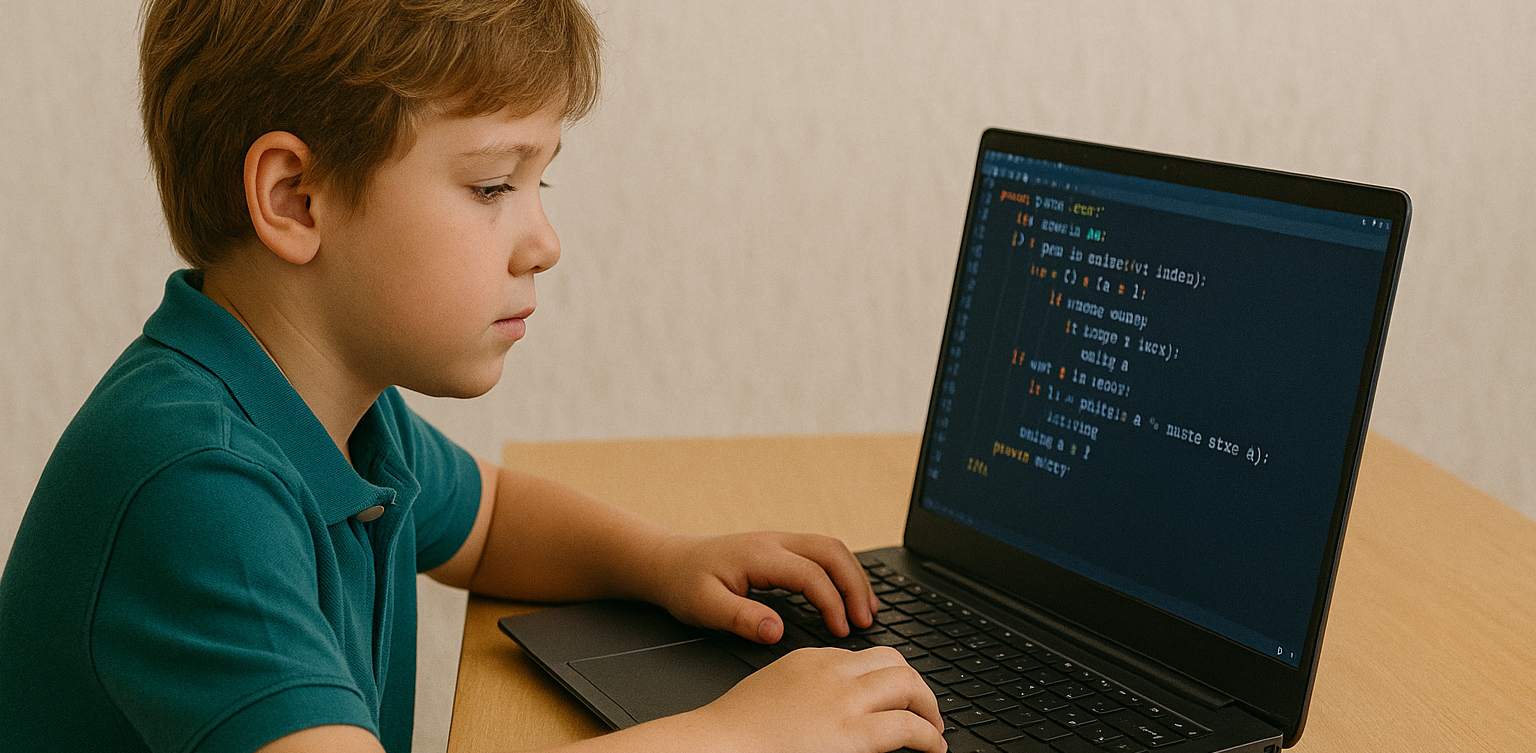
In today’s digital era, coding is becoming one of the most essential skills kids can learn for the future. It is not just about creating computer programs, but also about building logical thinking, creativity, and problem-solving abilities. Fortunately, there are now many free coding resources for kids that can be accessed easily from home.

For parents who want to introduce programming early on, this article shares a variety of platforms, apps, and websites that offer free, fun, and kid-friendly coding lessons.

Why Should Kids Learn to Code Early?

Learning to code is not only for those who want to become programmers. It helps sharpen important cognitive skills like critical thinking, persistence, and collaboration. In addition, coding teaches kids how to face failure and try again, as they learn to troubleshoot and improve their work.

Introducing coding at an early age also gives kids a chance to explore their interests in technology and create things they can be proud of, such as simple games, animations, or interactive stories.

What Makes a Coding Resource Kid-Friendly?

When choosing a free coding resource for kids, it is important to look for the following:

  • Clear, simple language that is easy to understand
  • Engaging and interactive visuals
  • Gradual, age-appropriate learning paths
  • Gamified elements to keep kids motivated
  • Safe and ad-free learning environments

Here are some great platforms and tools to try out.

6 Best Free Coding Resources for Kids in 2025

1. Scratch
free coding resources for kids

Scratch is an introductory coding platform developed by MIT for kids ages 8 and up. Using colorful code blocks, kids can create animations, stories, or interactive games without needing to write code.

Scratch encourages creativity and features a global community where kids can safely share their projects. It is also available in Bahasa Indonesia, making it even more accessible for Indonesian families.

2. Code.org

Code.org is one of the best free coding resources for kids worldwide. It offers a wide range of free courses with varying difficulty levels, from beginner to advanced. Kids can even learn with their favorite characters like Elsa from Frozen or Steve from Minecraft.

The platform also provides age-specific curriculums for elementary to high school students, with a fun, project-based approach.

3. Tynker
Tynker is another popular platform recommended for kids. While the premium version is paid, Tynker offers free access to several well-structured introductory modules.

Kids can learn basic coding concepts through games, build animations, and even get a taste of drones and robotics in a simplified way.

4. Khan Academy – Computer Programming

Khan Academy is widely recognized for offering free educational content, and its programming section is no exception. It provides beginner-friendly coding lessons, especially for older kids and teens who are starting to understand text-based programming logic.

The videos are interactive and well-paced, making Khan Academy a great choice for slightly more advanced learners.

5. Blockly Games

Blockly Games is a collection of educational games that teach basic coding concepts using block-based visual programming. It is perfect for kids who are just starting out and want to learn while having fun.

With a simple and functional interface, Blockly Games is a solid first step into the world of coding for elementary-aged kids.

6. Timedoor Academy

In addition to these global platforms, there is also a great local option: Timedoor Academy. Timedoor offers interactive online coding classes for kids, using a fun and structured approach guided by experienced instructors.

Timedoor Academy understands the unique needs of children potential. It tailors its lessons to local language, uses project-based learning, and provides flexible schedules. A free trial class is also available, making it easy for parents and kids to try it out before committing.

Tips for Supporting Kids Coding at Home

To make the most of your child’s coding journey, here are a few helpful tips for parents:

  • Be there to guide them when they try a new platform, especially younger kids
  • Set a regular learning schedule, like 30 minutes per day
  • Give small creative challenges, such as making a simple game or animation
  • Celebrate their achievements, no matter how small
  • Keep screen time balanced with physical and social activities

Ready to Start Coding from Home? Here’s the First Step:

Learning to code has never been more accessible, thanks to the growing number of free coding resources for kids. Parents can introduce programming in a fun, engaging way through platforms designed with kids in mind. But to make learning more structured and effective, it helps to choose the right method and guidance.

 Image

Timedoor Academy offers kid-focused online coding classes with a creative and organized approach. Led by experienced instructors and adapted to different age levels, Timedoor is ready to support your child’s coding journey. Try a free class today and help your child start learning to code from home in a fun and meaningful way.

Keep Reading

Beware of Social Media Platforms Children Should Avoid in 2025
In today’s digital age, social media is part of everyday life — even for children. Many kids have social media accounts before they even reach their teenage years, whether to play games, watch videos, or stay in touch with friends. But not all platforms are safe or appropriate. There are several social media platforms children should avoid due to the high risks they pose to their safety and psychological development. Why Should Children’s Access to Social Media Be Limited? Children are still in the process of developing cognitive and emotional maturity. They often don’t fully understand privacy boundaries, long-term consequences of online posts, or how to handle harmful digital interactions. Without proper supervision, children can be exposed to inappropriate content, online predators, cyberbullying, and even social media addiction. That’s why parents need to be aware of the social media platforms children should avoid, and replace them with safer, age-appropriate alternatives. List of Social Media Platforms Children Should Avoid Here are several platforms that are not recommended for children, especially without parental supervision: TikTok (without child restrictions)While TikTok offers “Family Pairing” and “Restricted Mode,” the reality is that explicit content, dangerous challenges, and toxic comments are still easily accessible. The platform’s algorithm quickly delivers viral content, some of which may not be suitable for kids. X (formerly Twitter)X is an open platform where anyone can post opinions and information, often without filters. Harmful content, hate speech, and misinformation are rampant. The DM (Direct Message) feature also allows strangers to contact users directly — a big risk for children. DiscordInitially created for gaming communities, Discord has expanded into all kinds of chat servers. Many are public and unmoderated, making it easy for children to encounter inappropriate language, adult content, or strangers with bad intentions. InstagramInstagram often pressures kids to focus on appearance, popularity, and curated lifestyles. Its comment and DM features can become avenues for cyberbullying or unhealthy social comparisons. FacebookThough no longer a favorite among younger users, Facebook is still widely used by adults. The platform exposes kids to hoaxes, extreme content in groups, and unwanted interactions, making it one of the social media platforms children should avoid. Recognizing which social media platforms children should avoid allows parents to take control of their child's digital environment and redirect their attention to safer spaces. Psychological and Social Risks Allowing children to use social media platforms children should avoid can lead to serious consequences. Children may experience low self-esteem from comparing themselves to others, feel pressure to maintain a certain online image, or face emotional distress from negative comments. Exposure to violent or sexual content can disrupt emotional growth and affect how children view relationships and self-worth. In the long run, it can lead to mental health issues and strained social development offline. How to Protect Children from Harmful Social Media Parents can take the following steps to protect children from risky digital exposure: Delay social media access until they are readyRespect the minimum age requirements of each platform. Make sure your child is mentally and emotionally ready before allowing them to join. Use parental control apps and settingsMany platforms offer tools that help monitor and limit what kids can access. Enable privacy and safety settings wherever possible. Check in on your child’s digital activity regularlyThis isn’t about spying but ensuring that your child’s online space is safe and healthy. Open up conversations about online content and friendshipsEncourage children to share what they see and experience online. Building trust is key to early problem detection. Introduce educational and kid-friendly platformsSafer alternatives like YouTube Kids or interactive learning platforms are better choices than social media platforms children should avoid. A Safer Digital Experience Starts with Awareness Understanding which social media platforms children should avoid is a crucial step in developing healthy digital habits. The online world can be fun and enriching — but only when children are equipped with the right tools, knowledge, and adult guidance. If you're looking for a way to introduce your child to the digital world safely and meaningfully, Timedoor Academy offers kid-friendly coding and digital literacy classes. You can also try a free trial class today and discover how digital learning can be both safe and fun from the start.
cara mengurangi screen time pada anak
How to Reduce Screen Time for Kids and Encourage More Physical Activity
Screens are everywhere, from TVs and tablets to smartphones and laptops. While digital devices can support learning and creativity, many parents today are asking the same question: how to reduce screen time for kids without starting a daily argument. With more classes, entertainment, and social interaction happening online, children are spending more time in front of screens than ever before. But excessive screen time can affect their physical health, sleep quality, and even emotional well-being. So how can we find the right balance? This article shares practical tips for reducing screen time while promoting more physical activity, helping children grow in a healthy, well-rounded way.   Why Reducing Screen Time Matters Understanding how to reduce screen time for kids starts with knowing why it is important. According to the American Academy of Pediatrics, screen time (excluding educational use) should be limited to no more than two hours per day for children over age five. Excessive screen time can lead to: Eye strain and poor posture Trouble falling asleep Weight gain and low energy Reduced attention span and creativity Meanwhile, regular physical activity supports: Healthy growth and stronger bones Improved mood and focus Better sleep patterns Social development and teamwork skills   1. Set Consistent Rules and Daily Limits The first step in learning how to reduce screen time for kids is to set clear boundaries. Children thrive with structure, and having a consistent schedule helps them develop discipline and independence. Alternatives: Set device-free hours in the morning and evening Use timers or apps to manage screen duration Keep screens out of bedrooms, especially before bedtime Create a reward system for non-screen activities 2. Replace Passive Screen Time with Active Choices Not all screen time is bad, but it is important to guide children toward more active or creative screen use, or replace it with something physical. Alternatives: Encourage drawing, puzzles, or hands-on crafts Swap cartoons for interactive learning videos Use music apps for dancing or movement-based play Sign up for extracurriculars like swimming, martial arts, or team sports 3. Be a Role Model for Healthy Screen Habits Children mimic adult behavior. If you are always on your phone, it becomes harder to convince them to turn off their devices. Modeling a balanced tech routine is one of the most effective ways to teach how to reduce screen time for kids. Alternatives: Read a book while your child plays Keep your phone out of sight during meals Suggest family walks instead of watching TV Join your kids in outdoor games or activities 4. Involve Your Kids in Planning Screen-Free Time When children feel involved in the process, they are more likely to follow the rules. Let them help plan fun screen-free activities for the week. Alternatives: Create a weekly activity jar with ideas like bike rides, baking, or hide and seek Use sticker charts to track screen-free time Allow them to choose the family game or weekend adventure 5. Create Fun Physical Routines Balancing movement with screen time does not mean forcing kids into sports they do not enjoy. Find what excites them and build around that. Alternatives: Backyard obstacle courses Dance breaks between homework sessions Family yoga or stretching challenges Short fitness videos designed for kids Chores with a twist such as turning tasks into a timed race 6. Use Tech Wisely with Movement-Based Apps If completely removing screen time is not realistic, try using apps that blend movement with tech. This way, kids remain active while staying engaged. Alternatives: Dance apps like GoNoodle Augmented Reality (AR) games that require walking Fitness video games like Ring Fit Adventure Educational platforms that include movement breaks 7. Establish Tech-Free Family Traditions Make family time more meaningful by building rituals that do not involve screens. This strengthens your bond and shows that fun does not always require a device. Alternatives: Family cooking nights Nature walks or park visits Gardening or DIY projects Volunteering together in local events Learning how to reduce screen time for kids is not about removing devices entirely. It is about creating healthier, more balanced routines. When screen habits are paired with regular movement, children become more focused, creative, and emotionally strong. By staying involved, setting clear limits, and offering fun alternatives, parents can guide kids toward a lifestyle that blends the best parts of technology with the joys of being active.   Try a Healthy Digital Routine with Timedoor Academy Looking for another way how to reduce screen time for kids and turn them into learning time? At Timedoor Academy, your child can explore the world of coding, animation, and creative digital projects in a structured, kid-friendly environment. With live teachers and flexible schedules, our courses encourage healthy online habits and critical thinking. A free trial is available so you can see how your child can enjoy screen time the smart and balanced way. Visit our website to learn more and get started!
<strong>6 Best Kids-Friendly Holiday Destinations in Bali</strong>
6 Best Kids-Friendly Holiday Destinations in Bali
Bali is not just famous as a romantic getaway or a paradise for nature lovers—it’s also a dream destination for families looking to treat their children to a memorable vacation. There are so many kids-friendly holiday destinations in Bali that offer exciting, educational, and truly child-friendly experiences. From adventure playgrounds and natural wonders to interactive learning centers, the Island of the Gods has it all. If you’re planning a family trip, here are some must-visit kids-friendly holiday destinations in Bali. Not only will your children have a blast, but these places also provide valuable bonding moments and opportunities for meaningful learning. 1. Bali Safari & Marine Park One of the most popular kids-friendly holiday destinations in Bali is Bali Safari & Marine Park. Here, children can see a variety of animals from around the world, watch entertaining and educational animal shows, and even take a thrilling Safari Journey. There’s also a mini water park and special children’s area for close-up encounters with friendly animals. This experience is not only fun, but also teaches kids the importance of protecting wildlife and nature. 2. Waterbom Bali No Bali holiday is complete without some fun in the water. Waterbom Bali is a favorite kids-friendly holiday destination in Bali, offering water rides and attractions for all ages. From lazy rivers and water slides to toddler zones, Waterbom is always bustling with families. The facilities are safe, clean, and equipped with dining areas and family rest zones. Children can burn energy and enjoy the Bali sunshine while staying active. 3. Bali Bird Park For kids who love animals, Bali Bird Park is an unforgettable kids-friendly holiday destination in Bali. The park is home to hundreds of exotic bird species from Indonesia and beyond. Children can feed the birds, take photos, and learn about biodiversity. Interactive experiences like this help foster a love for the environment and empathy toward living creatures. 4. Finns Recreation Club Looking for an all-in-one kids-friendly holiday destination in Bali? Finns Recreation Club has it all—water park, bowling, trampoline park, kids club, and indoor playgrounds. Every activity is designed to support children’s growth while also giving parents some well-deserved relaxation. Located in the heart of Canggu, it’s perfect for a full day of family fun. 5. 3D Trick Art Museum Learning through play? The 3D Trick Art Museum is a great educational and Instagrammable kids-friendly holiday destination in Bali. Kids can use their imagination and snap photos with realistic three-dimensional art. This activity encourages creativity, builds confidence, and lets children express themselves in fun ways. The whole family will surely enjoy the laughs and memories made here. 6. Bali Botanic Garden (Kebun Raya Bali) Bali isn’t just about beaches—kids-friendly holiday destinations in Bali can also include mountain nature retreats. Bali Botanic Garden in Bedugul offers cool air, flower gardens, and spacious picnic areas. Children can learn about various plants, explore mini forests, and go biking with the family. It’s a fantastic place to introduce kids to Indonesia’s rich natural heritage and nurture a love for the environment. Tips for a Memorable Kids’ Holiday in Bali To make your trip to kids-friendly holiday destinations in Bali even more meaningful, consider these tips: Plan your itinerary according to your child’s age and interests. Bring personal essentials such as extra clothes, sunblock, and healthy snacks. Make the most of the holiday by combining fun with learning, like visiting educational attractions. Don’t forget to capture family memories for keepsakes. Use Holiday Time to Develop New Skills Besides exploring different kids-friendly holiday destinations in Bali, parents can also fill the holiday with educational activities at home, such as learning to code. Coding is not just about computers; it strengthens logic, creativity, and problem-solving skills. If your child has never tried it, the holidays are the perfect time to introduce them to the world of technology in a fun and interactive way. Fun and Educational Holidays with Timedoor Academy A Bali vacation doesn’t have to be just about beaches or outdoor adventures. You can enrich your child’s holiday experience by giving them access to digital learning activities, such as coding classes at Timedoor Academy. Here, children can learn to code in a fun, interactive, age-appropriate way. No worries—Timedoor Academy offers a free trial class so your child can try coding for free before joining regular classes. So, make the most of your holiday in Bali by exploring these amazing kids-friendly holiday destinations in Bali and at the same time, empower your child’s future by learning to code with Timedoor Academy!
float button