Jul 09, 2025

7 Top Dangers of Sweetened Condensed Milk for Children in 2025

7 Top Dangers of Sweetened Condensed Milk for Children in 2025 image

Sweetened condensed milk is still widely considered by many parents as a substitute for regular milk or a nutritious drink for kids. Its sweet taste, low price, and appealing packaging often make it seem like a practical choice. However, the dangers of sweetened condensed milk for children are serious and often go unnoticed.

Unlike regular milk, sweetened condensed milk is a processed product that is extremely high in sugar and contains very little protein or calcium. It is more accurately categorized as a sugary beverage with a milky flavor. Unfortunately, due to a lack of awareness, the dangers of sweetened condensed milk for children continue to be overlooked, especially in households with limited access to nutrition education.

This article outlines seven key dangers of sweetened condensed milk for children that parents must be aware of in order to make healthier choices for their families.

1. Extremely High Sugar Content

Dangers of Sweetened Condensed Milk for Children

A single serving of sweetened condensed milk can contain more than 40 percent sugar. Children who consume it regularly are at high risk of excessive sugar intake. This is one of the primary dangers of sweetened condensed milk for children, as it can lead to obesity, tooth decay, and metabolic issues from a young age.

2. Increased Risk of Childhood Diabetes

Too much sugar from sweetened condensed milk puts added stress on the pancreas to produce insulin. Over time, this can result in blood sugar regulation problems. One of the more alarming dangers of sweetened condensed milk for children is the rising number of cases of type 2 diabetes found in school-aged kids.

3. Lacks Essential Nutrients

Though it may look like milk, the nutritional content of sweetened condensed milk is significantly lower than that of UHT milk or formula. Children need protein, healthy fats, and calcium, all of which are lacking in this product. The danger of sweetened condensed milk for children in this context is that it can make kids feel full without providing the nutrients needed for healthy growth.

4. Develops a Sweet Tooth

Drinking sweetened condensed milk regularly can condition children to prefer overly sweet foods. This can lead them to reject healthier options like vegetables or natural foods. One of the dangers of sweetened condensed milk for children is that it creates unbalanced eating habits that are hard to reverse later in life.

5. Digestive Discomfort

Some children may experience diarrhea or constipation after consuming large amounts of sweetened condensed milk. Its high sugar and processed fat content can disrupt the balance of gut bacteria. This is one of the more overlooked dangers of sweetened condensed milk for children, but it can significantly affect their daily activities.

6. Causes Tooth Decay

Sweetened condensed milk is sticky and tends to cling to teeth. If not brushed away properly, the leftover sugar becomes a breeding ground for cavity-causing bacteria. This danger of sweetened condensed milk for children can manifest quickly, especially if they brush infrequently or still use bottles.

7. Lowers Overall Family Nutrition Quality
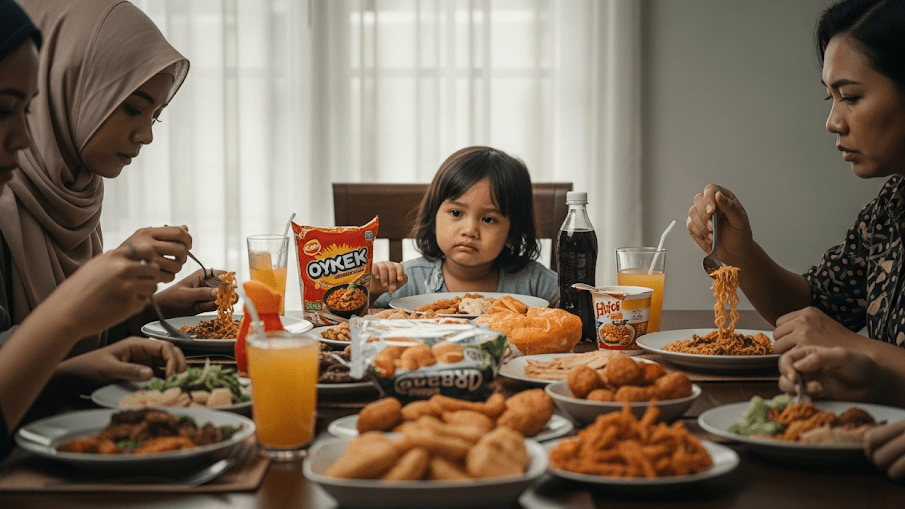
Many families serve sweetened condensed milk as a daily drink, which can lower the overall standard of nutrition in the household. Children may miss out on better sources of calcium and protein. The dangers of sweetened condensed milk for children go beyond individual health and can negatively impact the entire family’s eating habits.

What Can Parents Do?

The first step is recognizing that not all milky-looking drinks are healthy for kids. Always read labels, seek reliable information, and consult with a pediatric nutritionist if needed. Replace sugary drinks with water, fresh milk, or natural fruit juices with no added sugar.

Guide Children Toward Positive, Productive Activities

In addition to managing nutrition, parents can support their children by encouraging activities that promote growth and learning. One excellent option is coding. Coding is not just fun, it also boosts focus, logic, and creativity from an early age.

Try a Free Coding Class at Timedoor Academy

Ingin tahu detail program? Image

Ingin tahu detail program?

Timedoor Academy offers free coding classes for children ages 5 to 18. Kids can learn to build games, animations, and digital projects tailored to their age and interests. With project-based learning and the guidance of professional mentors, children will be engaged in creating and thinking, not just consuming screen time.

Invite your child to try a free coding class at Timedoor Academy today. Help them build a future that is healthy, smart, and filled with creativity!

Keep Reading

<strong>Authoritarian Parenting vs Gentle Parenting: Weighing Parenting Styles for Children in 2025</strong>
Authoritarian Parenting vs Gentle Parenting: Weighing Parenting Styles for Children in 2025
As society evolves, so do parenting trends both in Indonesia and worldwide. While authoritarian parenting was once the standard, gentle parenting is now gaining popularity among many modern families. The debate about authoritarian parenting vs gentle parenting raises an important question: which approach is more effective for shaping a child's character in today’s digital age? This article explores the core differences between authoritarian parenting and gentle parenting, discusses the strengths and weaknesses of each, and offers guidance on how parents can choose or even blend these approaches to best suit their children and family needs. What is Authoritarian Parenting? Authoritarian parenting is rooted in traditional values where discipline, obedience, and clear hierarchy are emphasized within the family. Parents take on a leadership role that is to be respected, while children are expected to follow rules and instructions with minimal negotiation. This style is characterized by strict rules, consequences for disobedience, and one-way communication, where the child’s opinion often holds little weight. Key features include: Non-negotiable rules set by parents Punishments or consequences for breaking rules Limited space for children to express their opinions A strong focus on achievement, independence, and resilience Gentle Parenting: A Contrasting Approach On the other hand, gentle parenting centers on empathy, open communication, and emotional support. Parents act as guides and companions rather than strict authority figures. Gentle parenting encourages children to be confident, expressive, and emotionally intelligent. This approach still involves boundaries, but they are established through understanding and dialogue rather than rigid control. Consistency, emotional validation, and positive reinforcement are the pillars of gentle parenting. Strengths and Weaknesses of Authoritarian Parenting As a classic style, authoritarian parenting is still used by many because it is believed to foster discipline and independence. Children raised with this approach often adapt well to rules and cope under pressure. However, there are risks: this method can make children afraid to make their own decisions, less self-confident, and reluctant to express their feelings or opinions. Gentle parenting, meanwhile, is often seen as more suitable for today’s tech-savvy generation. However, if not balanced with clear boundaries, it can leave children uncertain about rules and appropriate behavior. Authoritarian Parenting in the Digital Age: Challenges and Adaptation In this era of instant information, social media, and rapid cultural shifts, authoritarian parenting faces new challenges. Today’s children are exposed to more ideas and influences than ever before. While discipline and boundaries remain essential, parents also need to update their communication style so that children feel heard and understood. A blended approach—combining the structure of authoritarian parenting with the empathy and communication of gentle parenting—can help children become both resilient and emotionally healthy. Tips for Balancing Parenting Styles Here are some tips for keeping parenting effective in the modern age: Create Rules Together: Involve your child in setting family rules and explain the reasons behind them. Be Consistent but Open: Stick to important rules but be willing to adapt as your child grows. Validate Emotions: Listen to your child’s feelings and help them understand their emotions, even when maintaining discipline. Encourage Two-Way Dialogue: Give space for your child to share thoughts and concerns, not just receive instructions. Lead by Example: Show discipline, honesty, and responsibility in your own actions. Preparing Children for the Future When adapted thoughtfully, authoritarian parenting can help children develop the discipline, responsibility, and independence they’ll need for success in school, friendships, and future careers. However, don’t forget to also nurture their emotional and creative sides for a well-rounded upbringing. Nurture Future Skills with Timedoor Academy No matter which parenting style you choose, giving your child valuable skills for the future is essential. Coding, for example, is now a foundation for many modern professions. At Timedoor Academy, children can learn coding in a fun and interactive way, building logic, creativity, and problem-solving skills. Timedoor Academy offers a free trial class so your child can experience coding before joining the regular program. With expert teachers and a child-friendly curriculum, your child will be ready to adapt and thrive in the world ahead. Start a new adventure with Timedoor Academy today—sign up your child and help open the door to a brighter, opportunity-filled future.!
Timedoor Academy Holiday Camp December 2025
Official Announcement of Holiday Camp Awards December 2025
We are thrilled to celebrate the success of Holiday Camp 2025 held by Timedoor Academy, which took place from December 15 to December 30. This year’s event was our biggest yet, welcoming over 500 talented students from across Indonesia! The experience reached new heights this year with the debut of our latest "Programs such as Cyber Heroes, in which students identify cyber threats such as phishing and malware by using Mini Games & Scratch, and also Make AI with Pictoblox, providing a well-rounded and immersive learning environment. On this special occasion, the students dived deep into their passions—ranging from Python and Roblox Development to Artificial Intelligence, and Comic Making. Under the mentorship of our expert teachers, participants tackled ambitious projects and sharpened the digital skills essential for their futures. After much deliberation, we are now ready to honor those who truly stood out for their creativity and dedication. We are proud to present the winners of the Best Project and Best Participant awards: JUNIOR ANIMATOR CATEGORY PARTICIPANT’S NAME BRANCH Best Project Rayson Devatta Wang Jambi Best Participant Rafka Irtiza Syaqier Sentul JUNIOR 3D GAME CATEGORY PARTICIPANT’S NAME BRANCH Best Project Mikael Jose Alvaro Cikarang Best Participant Kyrie Manado JUNIOR CONSTRUCT CATEGORY PARTICIPANT’S NAME BRANCH Best Project Justin Owen Tandi Cikarang Best Participant Saddam Khairul Hanif Cikarang AI WITH PICTOBLOX CATEGORY PARTICIPANT’S NAME BRANCH Best Project Alden Immanuel Barneth Bandaso Mandagi Cikarang Best Participant Raizel Zane Wiltan Palembang CYBER HEROES CATEGORY PARTICIPANT’S NAME BRANCH Best Project Thomas Harvianz Green Lake City Best Participant Fransisca Karla Alveenia Hadiwijaya Yogyakarta KIDS CONSTRUCT CATEGORY PARTICIPANT’S NAME BRANCH Best Participant Zara Shaquitta Tanujaya BSD KIDS ROBLOX CATEGORY PARTICIPANT’S NAME BRANCH Best Project Habibi Rafif Cibubur Best Participant Ziggy Raziq Rizalya Makassar KIDS PYTHON CATEGORY PARTICIPANT’S NAME BRANCH Best Project Bennedict Javier Jambi Best Participant Felix Gerard Wyenn Tanjung Duren TEENS WEB DEVELOPER CATEGORY PARTICIPANT’S NAME BRANCH Best Project Nathanael Andromeda Juan Kristanes Batam Best Participant Muhammad Hafizh Prananda Aryawan Malang TEENS ROBLOX CATEGORY PARTICIPANT’S NAME BRANCH Best Project Marcia Josephine Renon Best Participant Muhammad Fajri Akbar Lampung TEENS PYTHON CATEGORY PARTICIPANT’S NAME BRANCH Best Project Rayhan Avicenna Alfatih Jagakarsa Best Participant Kalyana Adinda Parahita Jagakarsa TEENS AI CATEGORY PARTICIPANT’S NAME BRANCH Best Project Tsaqif Bariq R.H. Gayungan Best Participant Elishine Syallom Citraland  COMIC KIDS CATEGORY PARTICIPANT’S NAME BRANCH Best Project Katrina Amadea Tanuwidjaja Online Best Participant Flynn Oliseh Opene Online IOT KIDS & TEEN CATEGORY PARTICIPANT’S NAME BRANCH Best Project Daffa Muhammad Zahir Cikarang Best Participant Gerald Kelapa Gading  
Fun and Easy Coding Lessons for Kids in 2025
In today’s fast-moving digital world, coding has become an essential skill for children. It’s not just about preparing them to become future programmers, but also about helping them build logic, improve critical thinking, and solve problems in a structured way. That’s why introducing coding lessons for kids at an early age is a smart move for both parents and educators. Teaching coding to children, especially those in elementary school, requires a different approach than teaching older students or adults. The material must be adapted to their level of understanding and presented in a way that is fun and interactive, so they stay engaged and motivated. So, what kind of coding lessons for kids are best suited for young learners? Let’s explore the options. Why Kids Should Learn Coding Before diving into the types of coding lessons for kids, it’s important to understand why coding is valuable from a young age. Some of the key benefits include: 1. Strengthening logical thinkingCoding teaches kids how to think in steps and solve problems using logic. This helps develop structured and organized thought patterns. 2. Encouraging creativityThrough coding, children can build their own games, animations, and digital stories. It sparks imagination and creative expression. 3. Preparing for the digital futureAs technology becomes more integrated into everyday life and future careers, understanding coding gives kids a head start and builds a strong foundation. 4. Building resilienceWhen something in their code doesn’t work, kids are encouraged to find solutions and try again. This helps develop patience and problem-solving skills. Recommended Coding Lessons for Kids There are many ways to introduce coding lessons for kids, depending on their age and learning style. Here are some great starting points: 1. Understanding Basic Logic and Algorithms Before learning a programming language, kids need to grasp simple concepts like sequences, conditionals (if-then statements), and loops. These can be taught using hands-on activities like card games, unplugged coding puzzles, or guided problem-solving exercises. 2. Block-Based Programming Block-based platforms are one of the most effective ways to start coding lessons for kids. Kids drag and drop visual blocks that represent code to complete tasks. Some popular platforms include: Scratch: Designed for children to build animations, games, and interactive projects. Code.org: Offers beginner-friendly lessons with characters and stories that keep kids engaged. Blockly: Similar to Scratch and great for easing the transition into text-based programming. These tools make learning to code intuitive, visual, and fun. 3. Beginner Programming Languages Once children are comfortable with block-based coding, they can begin to explore simple programming languages such as: Python: Known for its readability and simplicity, perfect for beginners. HTML & CSS: Great for kids interested in web design and layout. Basic JavaScript: Helps kids understand interactivity and logic on websites. These coding lessons for kids should be introduced slowly and supported by mentors who understand how to guide young learners. 4. Real-Life Coding Applications To make learning more meaningful, kids can be shown how coding is used in real life. They can build educational games, simulate everyday systems like traffic lights, create interactive calendars, or program basic robots using tools like Micro:bit or LEGO Robotics. These hands-on applications show that coding can be both fun and useful. Tips for Teaching Kids to Code For coding lessons for kids to be effective, the teaching method is just as important as the content. Here are a few tips: Use interactive visualsChildren understand and retain more when they see how things work. Use videos, animations, and coding games. Make learning funIncorporate games, challenges, and reward systems to keep kids motivated and engaged. Celebrate small winsRecognizing achievements helps build confidence and encourages progress. Keep it gradualAvoid overwhelming kids by focusing on one concept at a time and allowing them to master it before moving on. Start Early, Build Strong Foundations The best coding lessons for kids are those that suit their developmental level, encourage creativity, and support essential skills like logical thinking and problem-solving. By starting early, children are not only introduced to the world of technology, but they also gain confidence in exploring and understanding how digital systems work around them. If you’re looking for a program that makes coding accessible, fun, and age-appropriate, Timedoor Academy offers interactive lessons led by experienced instructors. Sign your child up for one of our engaging classes and take advantage of our free trial session. It’s the perfect way to introduce coding lessons for kids in a positive and meaningful way!
float button